
🆘
If you or someone you know is in crisis: Call 988 (Suicide & Crisis Lifeline, 24/7) or text
HOME to 741741 (Crisis Text Line, 24/7). In immediate danger, call 911 or go to your nearest emergency room. You are not alone.
Depression is not a character flaw. It is not laziness, weakness, or something you can "snap out of." It is a serious medical condition rooted in brain chemistry, inflammation, and neuroplasticity changes — and it affects roughly 280 million people worldwide, including 8% of American adults.
The good news: alongside professional treatment, a growing body of clinical research supports natural approaches that can meaningfully improve mood in mild-to-moderate depression. From supplements backed by meta-analyses to lifestyle changes that rival antidepressants in clinical trials, there are evidence-based strategies you can discuss with your healthcare provider.
Important: Many natural supplements interact with prescription medications, especially antidepressants. Never combine supplements with SSRIs, SNRIs, or other medications without your doctor's explicit guidance.
Related reading: mental wellness guide · sleep optimization · cortisol management · meditation for beginners
What Do You Need to Know Before Trying Natural Remedies for Depression?
Before starting any natural approach to depression, you need to understand that depression is a medical condition with biological roots — not a mood you can willpower away. Natural remedies work best for mild-to-moderate depression as a complement to professional guidance, and several have dangerous interactions with common medications.
What is depression and who does it affect?
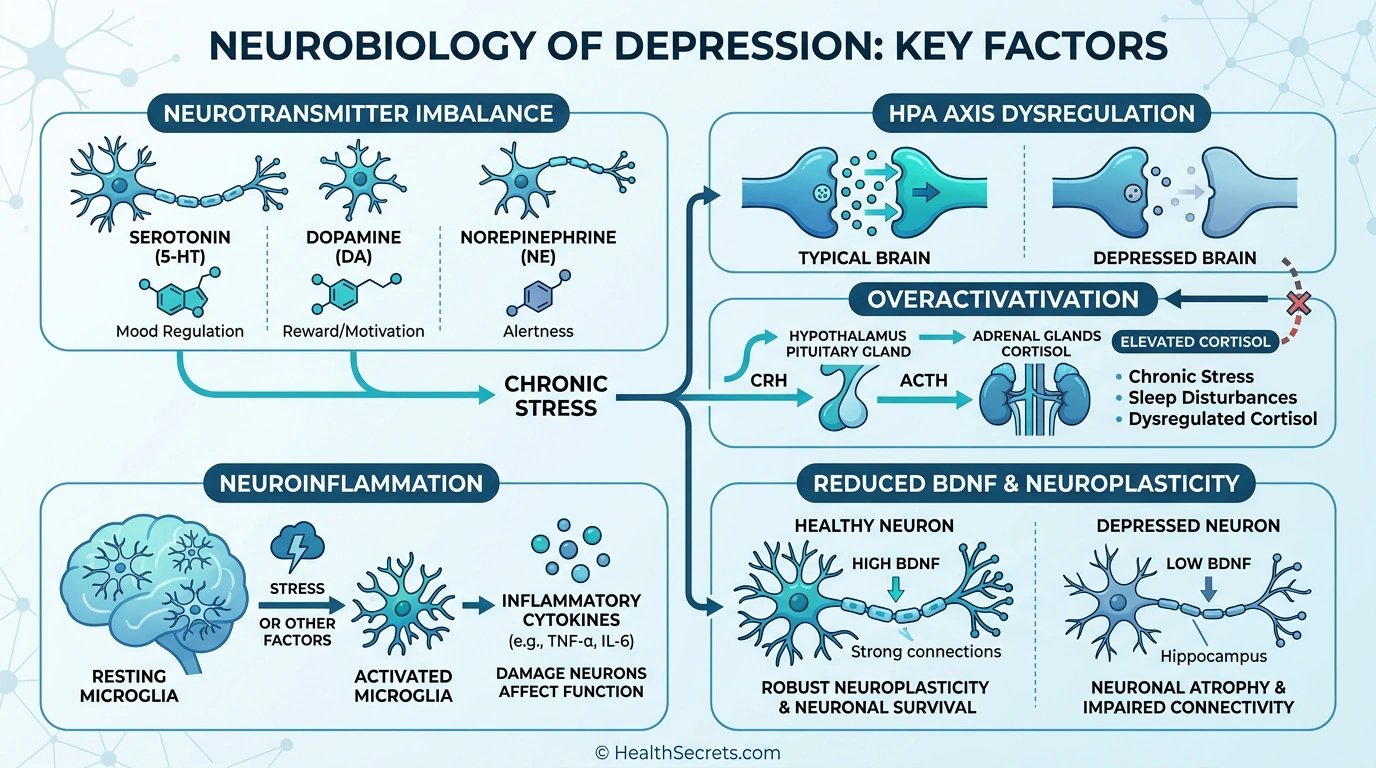
Major depressive disorder (MDD) involves persistent sadness, loss of interest, and functional impairment lasting at least two weeks. It affects 280 million people worldwide and has a lifetime prevalence of 20% in the United States [1]. Depression involves neurotransmitter imbalances (serotonin, dopamine, norepinephrine), chronic neuroinflammation, HPA axis dysregulation (elevated cortisol), and reduced neuroplasticity (low BDNF) [2].
Mild vs. moderate vs. severe — why it matters
- Mild depression: Few symptoms beyond diagnostic minimum, minimal functional impairment — natural remedies may be sufficient with lifestyle changes
- Moderate depression: More symptoms, noticeable work and relationship impact — natural remedies combined with therapy, may need medication
- Severe depression: Many symptoms, severe functional impairment, possible suicidal ideation — professional treatment is essential (medication + therapy); natural remedies are complementary only
Who should NOT rely solely on natural remedies?
- Anyone with severe depression or suicidal thoughts
- Anyone with bipolar disorder (some supplements can trigger mania)
- Anyone currently taking antidepressants (dangerous interactions)
- Anyone who is pregnant or breastfeeding (insufficient safety data)
- Anyone whose symptoms haven't improved after 8–12 weeks of natural approaches

Want Everyday Habits That Actually Stick?
Download the free printable habit checklist — evidence-backed clinical frameworks for daily energy, cellular recovery, and longevity.
How Do You Get a Proper Assessment of Your Depression?
The first and most important step is getting a professional evaluation to determine your depression type and severity. A healthcare provider can rule out medical causes (thyroid disorders, vitamin deficiencies, medication side effects), assess severity, and help determine whether natural approaches are appropriate.
What to do:
- Schedule an appointment with your primary care doctor or a mental health professional
- Request blood work: thyroid panel, vitamin D (25-hydroxyvitamin D), B12, folate, iron, CBC
- Be honest about all symptoms, including sleep changes, appetite changes, and any thoughts of self-harm
- Discuss your interest in natural approaches — a good provider will help you create an integrative plan
- If symptoms are moderate-to-severe, discuss therapy (CBT is most effective) and/or medication
Why this matters: Depression has many potential medical causes — hypothyroidism alone accounts for a significant percentage of depressive symptoms. Treating the underlying cause is always more effective than treating symptoms.

Fermentation Safety Starter Kit
A 32-page downloadable digital PDF guide featuring brine salinity calculation charts, equipment sanitation checklists, batch tracking logs, and 6 guided beginner recipes. (Digital PDF Only — No physical items shipped).
How Do You Build an Exercise Routine That Fights Depression?
Exercise is the single most powerful natural antidepressant available. A landmark 2024 BMJ systematic review of 218 RCTs found that exercise showed moderate-to-large effects on depression, comparable to cognitive behavioral therapy and medications [11].
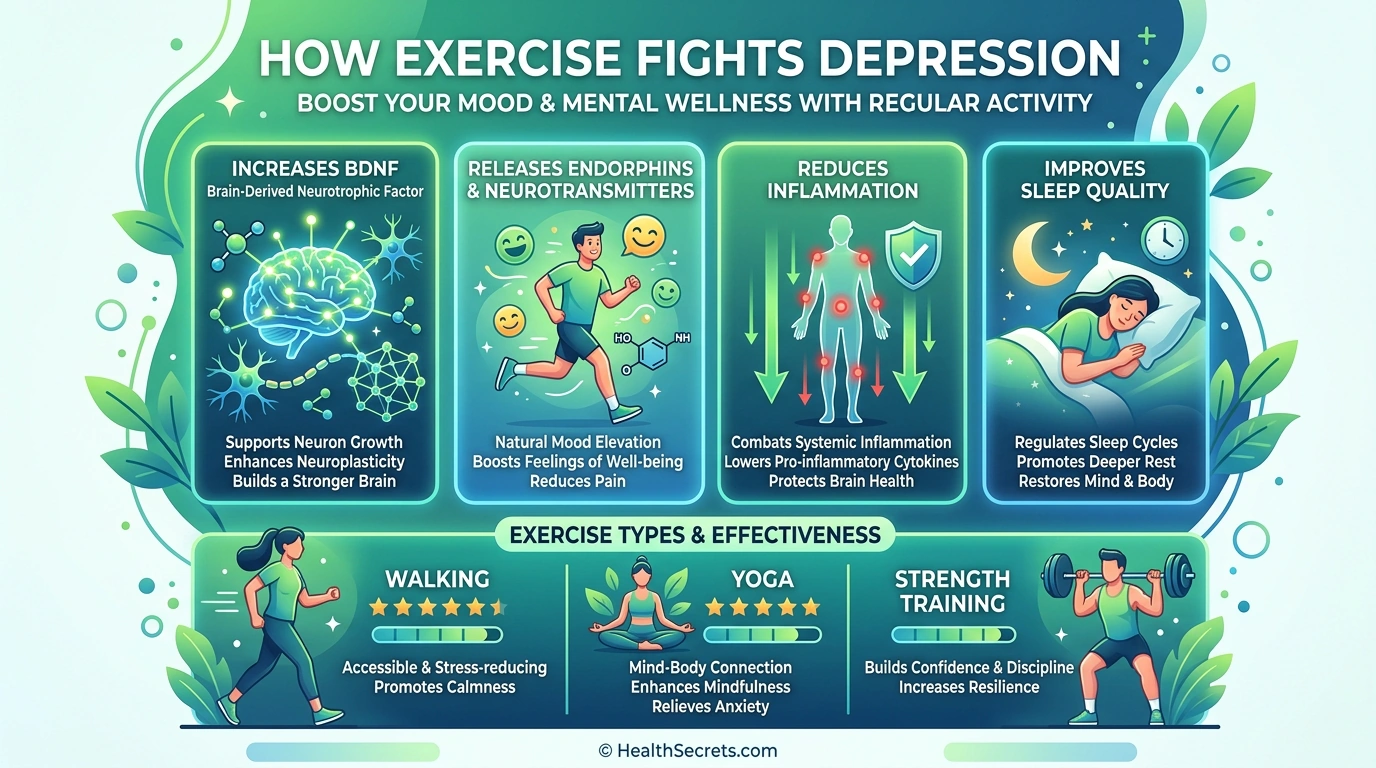
How exercise works against depression:
- Increases BDNF (brain-derived neurotrophic factor) by up to 30%, promoting neuroplasticity
- Releases endorphins, serotonin, dopamine, and norepinephrine
- Reduces inflammatory cytokines (IL-6, TNF-alpha, CRP)
- Improves sleep quality and circadian rhythm regulation
Your exercise plan:
- Start small: 10–15 minutes of walking daily (even this helps)
- Build to 150 min/week: brisk walking, cycling, swimming — 30 min, 5x/week
- Add strength training: 2–3x/week (especially effective for depression)
- Exercise outdoors when possible — nature exposure provides additional mood benefits
- Choose activities you enjoy — consistency matters far more than intensity
- Morning exercise is ideal — combines sunlight exposure with physical activity
The BMJ meta-analysis found walking/jogging, yoga, and strength training were the most effective forms, with benefits proportional to intensity [11].
How Do You Optimize Your Diet to Support Mood?
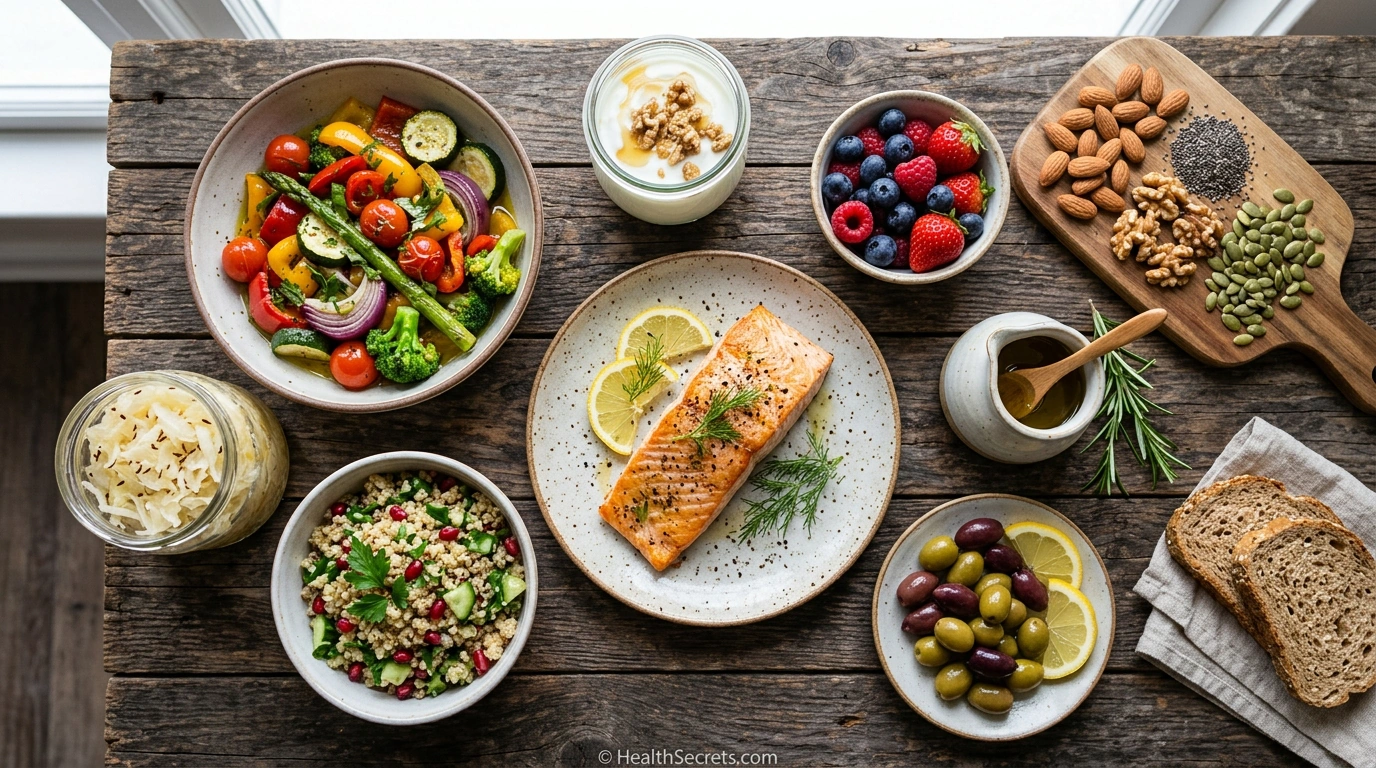
The Mediterranean diet reduces depression risk by approximately 30% according to multiple large-scale studies. What you eat directly affects brain chemistry, inflammation levels, and gut microbiome — all central to depression [12].
Mood-supporting foods to emphasize:
- Fatty fish 2–3x/week (salmon, sardines, mackerel) — omega-3 EPA supports neurotransmitter function
- Colorful vegetables 5–9 servings daily — antioxidants reduce neuroinflammation
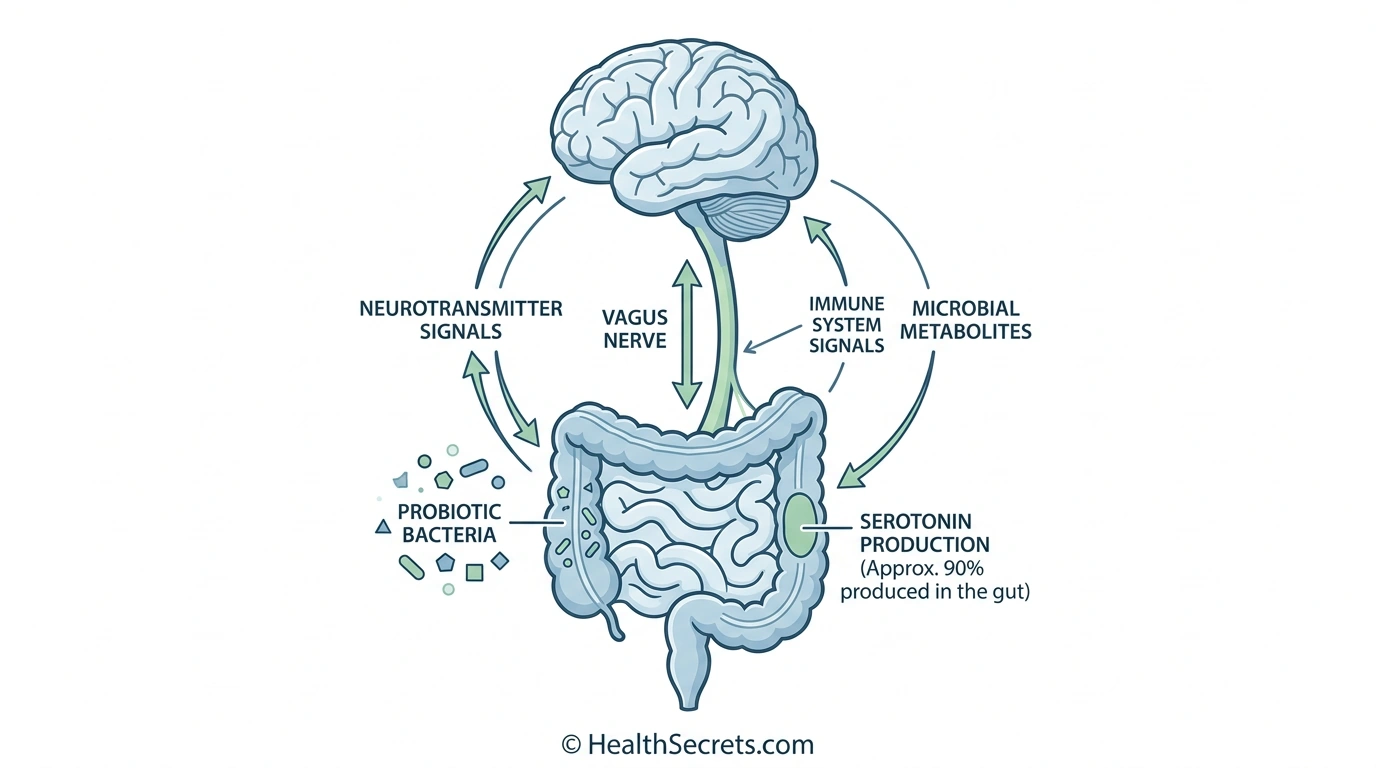
- Fermented foods daily (yogurt, kefir, sauerkraut, kimchi) — support gut-brain axis serotonin production
- Nuts and seeds 1–2 oz daily — magnesium, zinc, and healthy fats
- Whole grains (oats, brown rice, quinoa) — steady blood sugar and B vitamins
- Tryptophan-rich foods (turkey, eggs, cheese, tofu) — serotonin precursor
Foods to minimize or avoid:
- Added sugar and processed foods — spike inflammation and destabilize blood sugar
- Excessive alcohol — a CNS depressant that worsens depression
- Trans fats and ultra-processed foods — pro-inflammatory
Key nutrients for mood: Folate (B9), B12, B6, magnesium, zinc, and iron all support neurotransmitter synthesis. Deficiencies in any of these can impair mood — which is why blood work in Step 1 is essential.
How Do You Support Your Gut-Brain Axis for Better Mood?
Approximately 90% of your body's serotonin is produced in the gut, and gut microbiome diversity is inversely correlated with depression severity. Targeted probiotic supplementation represents a promising complementary approach to mood support [13].
Specific probiotic strains with mood evidence:
- Lactobacillus helveticus R0052 and Bifidobacterium longum R0175 — reduced depression and anxiety in RCTs [14]
- Lactobacillus rhamnosus — improved stress response and mood in clinical studies
- 10–50 billion CFU daily of a multi-strain formula targeting these species
Gut-supporting habits:
- Take a mood-targeted probiotic daily (see product recommendations)
- Eat 25–35g fiber daily from vegetables, fruits, legumes, and whole grains
- Include fermented foods daily (yogurt, kefir, sauerkraut, kimchi, kombucha)
- Consider a 3–4 week elimination of common triggers (dairy, gluten, excess sugar)
- Prioritize an anti-inflammatory Mediterranean-style diet
How Do You Choose and Use Evidence-Based Mood Supplements?
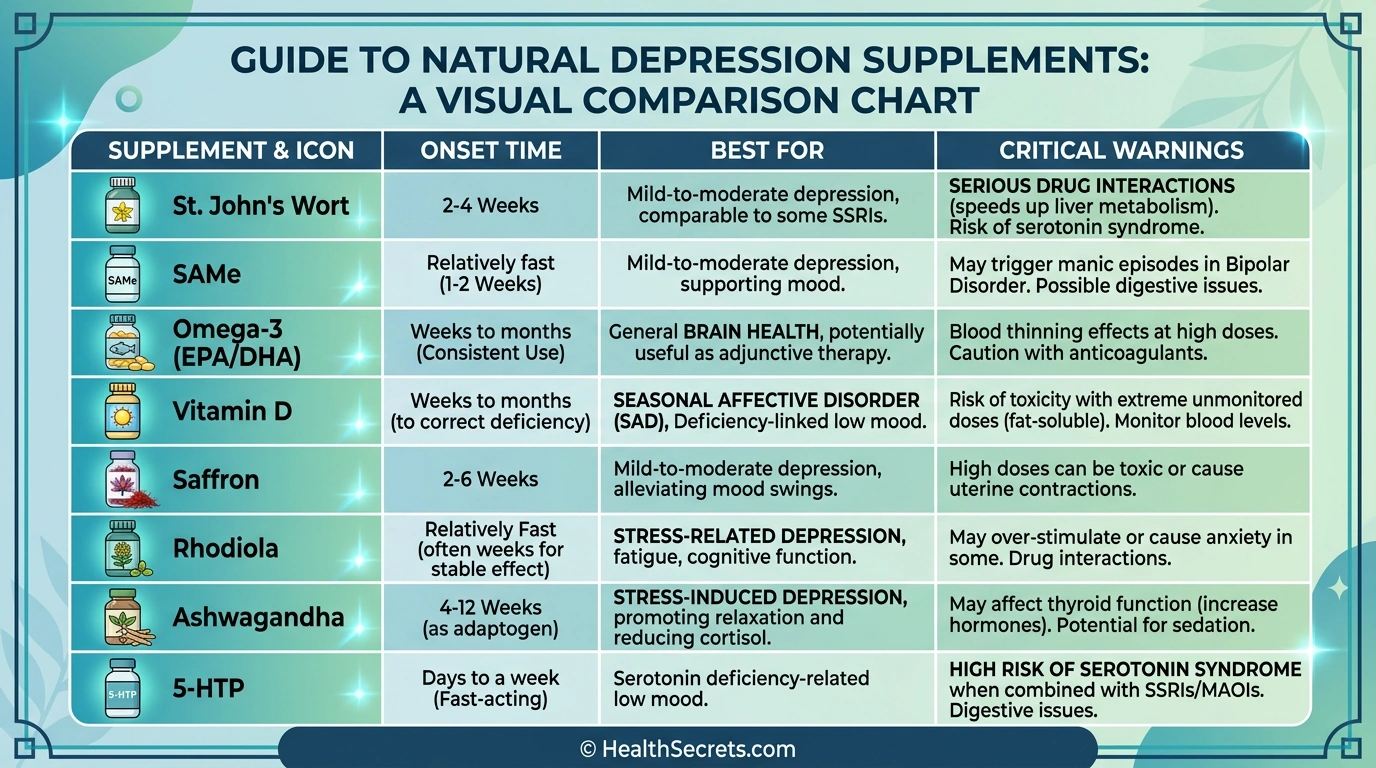
Several supplements have clinical evidence for mild-to-moderate depression, but each comes with important safety considerations. Always consult your healthcare provider before starting any supplement, especially if you take medications.
St. John's Wort (900mg daily)
A meta-analysis of 27 clinical trials (3,808 patients) found St. John's wort had comparable efficacy to SSRIs for mild-to-moderate depression with fewer side effects [3].
- Dose: 300mg 3x daily, standardized to 0.3% hypericin
- Onset: 4–6 weeks for full effect
- ⚠️ CRITICAL DRUG INTERACTIONS: SSRIs/SNRIs (serotonin syndrome), birth control pills (reduced effectiveness), blood thinners/warfarin, immunosuppressants, HIV medications, chemotherapy drugs. St. John's wort is a potent CYP450 enzyme inducer.
- Not for: Severe depression, bipolar disorder, pregnancy, or anyone on medications without doctor approval
SAMe (800–1,600mg daily)
A 2024 meta-analysis found SAMe monotherapy significantly superior to placebo (SMD = −0.58) with favorable acceptability [5].
- Dose: Start 400mg morning (empty stomach), increase to 800–1,600mg in divided doses
- Onset: 1–2 weeks (faster than SSRIs)
- ⚠️ NOT for bipolar disorder — can trigger mania
- Side effects: GI upset, anxiety, insomnia (take morning/afternoon, never evening)
Omega-3 Fatty Acids (1–2g EPA daily)
EPA-enriched formulas (≥60% EPA) show the strongest antidepressant effects, particularly in patients with elevated inflammatory markers [7].
- Dose: 1–2g EPA daily (look for EPA-dominant formulas)
- Quality: IFOS-certified (tested for mercury, PCBs, oxidation)
- Caution: Mild blood-thinning effect — consult doctor if on anticoagulants
Vitamin D (2,000–5,000 IU daily)
A 2026 meta-analysis of 20 RCTs confirmed vitamin D supplementation significantly reduces depressive symptoms (SMD = −0.36) [8].
- Dose: 2,000–5,000 IU daily; test levels, optimize to 40–60 ng/mL
- Form: D3 with K2; take with fat-containing meal
Saffron Extract (30mg daily)
Multiple RCTs found saffron (30mg daily) as effective as fluoxetine for mild-to-moderate depression [10].
- Dose: 30mg daily, standardized to crocins and safranal
- Well-tolerated: Minimal side effects; fewer drug interactions than St. John's wort
Rhodiola Rosea (340–680mg daily)
This adaptogen reduces cortisol, improves stress-related fatigue, and showed antidepressant effects in clinical trials [17].
- Dose: 340–680mg daily, standardized to 3% rosavins, 1% salidroside
- Best for: Depression with fatigue and stress; faster onset (1–2 weeks)
Ashwagandha (300–600mg daily)
KSM-66 ashwagandha reduced cortisol by approximately 30% and improved anxiety and depression [16].
- Dose: 300–600mg daily, KSM-66 or Sensoril extract
- Caution: May increase thyroid hormones (caution if hyperthyroid)
5-HTP (50–100mg)
- Dose: 50–100mg evening (promotes sleep via melatonin conversion)
- ⚠️ DO NOT combine with SSRIs, SNRIs, or any serotonergic medication — serotonin syndrome risk (life-threatening)
- Best for: Mild depression with sleep issues, NOT on antidepressants
How Do You Improve Sleep and Light Exposure for Depression?
Sleep deprivation doubles depression risk, and circadian rhythm disruption worsens mood. Optimizing both sleep quality and light exposure creates a powerful foundation for mood recovery.
Sleep optimization (7–9 hours):
- Maintain consistent sleep and wake times daily (including weekends)
- Keep bedroom completely dark, cool (65–68°F / 18–20°C), and quiet
- Stop screens 1–2 hours before bed (blue light suppresses melatonin)
- Avoid caffeine after noon and alcohol within 3 hours of bedtime
Light therapy (especially for SAD and winter depression):
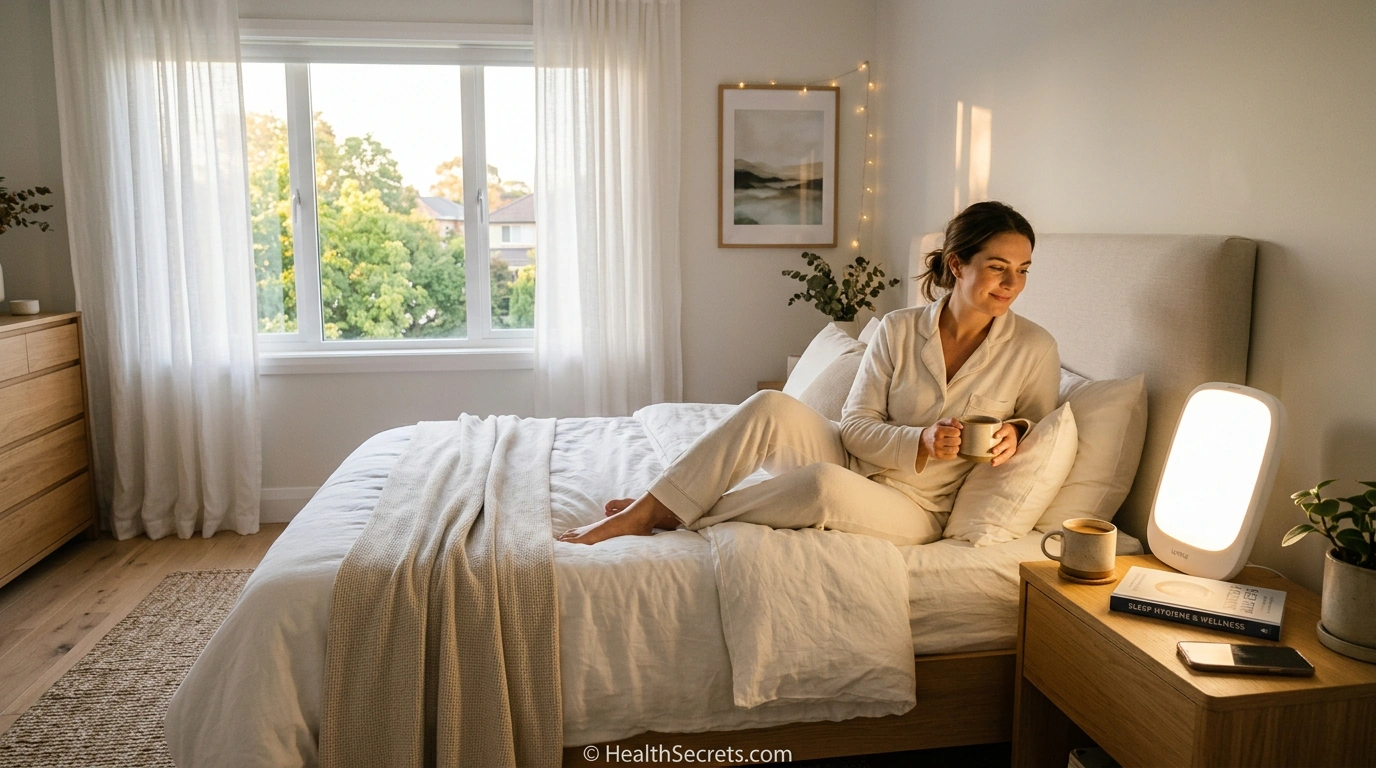
- Use a 10,000 lux light therapy box for 30 minutes within 1–2 hours of waking
- Sit 16–24 inches from the light (eyes open, don't stare directly)
- Use daily, especially during fall and winter months
- Get natural sunlight 15–30 minutes daily when possible
See: sleep optimization guide · circadian rhythm reset
How Do Mindfulness and Social Connection Reduce Depression?
Mindfulness meditation reduces depression by approximately 30% and prevents relapse by up to 50% — making it as effective as maintenance antidepressants for preventing recurrence [15].
Mindfulness practice:
- Start with 5–10 minutes daily guided meditation (apps like Headspace, Calm, or Insight Timer)
- Build to 20 minutes daily over 4–8 weeks
- Focus on present-moment awareness — this directly counters rumination
- Consider MBCT (Mindfulness-Based Cognitive Therapy) — specifically designed for depression relapse prevention
Social connection:
- Reach out to one person daily (text, call, or in-person)
- Join a support group (NAMI, Depression and Bipolar Support Alliance)
- Volunteer — helping others improves your own mood through purpose and connection
- Consider group exercise classes — combines physical activity with social interaction

How Do You Know When to Seek Professional Help for Depression?
Natural remedies are not appropriate for all depression types or severities. Knowing when to escalate to professional treatment is essential for your safety and recovery.
](/images/articles/NR-018/social-share-depression-remedies.webp)
🆘 Seek help IMMEDIATELY if you experience: suicidal thoughts or plans, self-harm urges, psychosis (hallucinations, delusions), inability to care for yourself, or severe agitation.
Call 988 or text HOME to 741741.
When to consult a professional:
- Natural remedies haven't improved symptoms after 8–12 weeks
- Symptoms are worsening despite treatment
- Depression is moderate-to-severe (significantly affecting work, relationships, self-care)
- You have bipolar disorder or a history of mania
- You're considering combining supplements with medications
Therapy options:
- Cognitive Behavioral Therapy (CBT): Most effective psychotherapy for depression (70–80% response rate)
- Psychotherapy/talk therapy: Essential for processing trauma, grief, and relationship issues
- Finding help: Psychology Today therapist directory, NAMI helpline (1-800-950-6264), your insurance provider's network
What Are the Most Common Mistakes When Using Natural Remedies for Depression?
The biggest mistakes include combining serotonergic supplements with prescription antidepressants (risking serotonin syndrome), expecting overnight results, and using natural remedies as a reason to avoid professional help for severe depression.
Mistakes to avoid:
- Combining St. John's wort or 5-HTP with SSRIs/SNRIs — Serotonin syndrome can be life-threatening
- Giving up too early — Most supplements take 4–8 weeks; exercise benefits build over 8–12 weeks
- Using natural remedies to avoid professional help — If depression is moderate-to-severe, you need therapy and possibly medication
- Taking SAMe with bipolar disorder — Can trigger manic episodes
- Ignoring drug interactions — St. John's wort interacts with birth control, blood thinners, immunosuppressants, and many others
- Relying on a single approach — Depression is multifactorial; combine exercise + diet + sleep + targeted supplementation
- Skipping the assessment — Always rule out medical causes first
- Isolating yourself — Depression makes you want to withdraw, but social isolation worsens it
Are Natural Remedies for Depression Safe? When Should You Stop?
Most natural depression remedies are well-tolerated when used appropriately, but "natural" does not mean "safe." The most serious risks involve drug interactions, using supplements contraindicated for bipolar disorder, and delaying professional treatment for severe depression.
Critical safety rules:
- Never combine serotonergic supplements with SSRIs/SNRIs without explicit medical supervision
- Never use SAMe or St. John's wort with bipolar disorder
- Discontinue St. John's wort 2 weeks before surgery (bleeding risk)
- Pregnancy and breastfeeding: Avoid most mood supplements (insufficient safety data)
- Stop and consult your doctor if: symptoms worsen, new symptoms appear, or you develop signs of serotonin syndrome (agitation, confusion, rapid heartbeat, muscle rigidity)
| Medication Class | Risk | Severity |
|---|---|---|
| SSRIs, SNRIs | Serotonin syndrome | Life-threatening |
| Birth control pills | Reduced effectiveness | Serious |
| Warfarin/blood thinners | Reduced effectiveness | Serious |
| Immunosuppressants | Organ rejection risk | Life-threatening |
| HIV medications | Viral rebound | Life-threatening |
Action Plan
What Should You Do First to Start Supporting Your Mood Naturally?
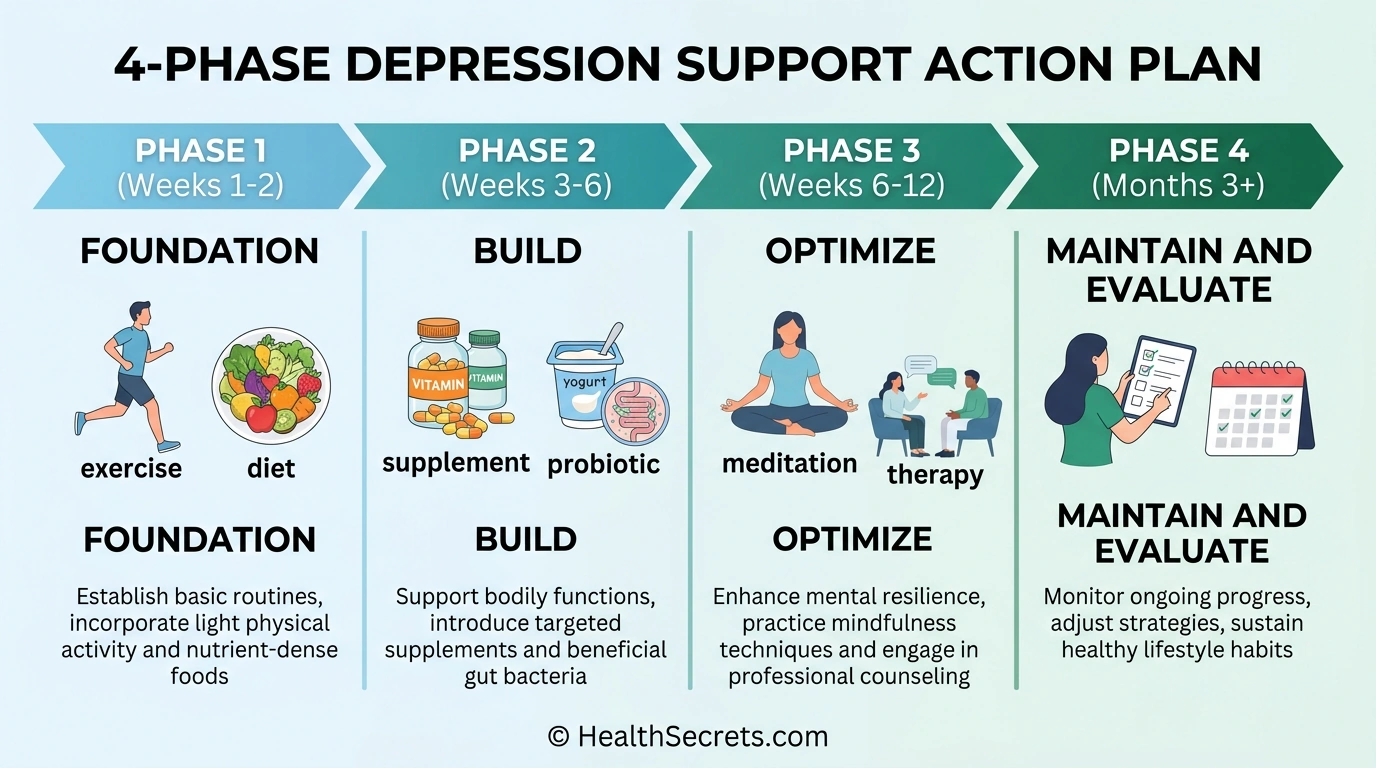
Follow the sequence below, work through each phase in order, and use the checklist as your practical implementation guide.
Start with the highest-impact, lowest-risk foundations: schedule a professional assessment, begin daily walking, improve your diet toward Mediterranean patterns, and optimize sleep. Add targeted supplements only after consulting your healthcare provider.
Phase 1 — Foundation (Weeks 1–2):
- Schedule a professional assessment — rule out medical causes, determine severity
- Begin daily walking: 10–15 minutes, preferably morning outdoors
- Shift diet toward Mediterranean pattern: more fish, vegetables, fermented foods; less sugar
- Establish consistent sleep schedule: same bed/wake time daily, 7–9 hours
- Get blood work: vitamin D, B12, folate, thyroid panel
Phase 2 — Build (Weeks 3–6):
- Increase exercise to 30 min/day, 5x/week (150 min total)
- With doctor's guidance, add supplements: start with omega-3 (1g EPA) and vitamin D (if deficient)
- Begin daily probiotic (mood-targeted formula)
- Start mindfulness practice: 5–10 minutes daily
Phase 3 — Optimize (Weeks 6–12):
- Consider adding St. John's wort, SAMe, or saffron (only one serotonergic supplement at a time, with doctor guidance)
- Build exercise variety: add strength training or yoga 2x/week
- Increase mindfulness to 15–20 minutes daily
- Strengthen social connections: join a group, volunteer, or attend support meetings
Phase 4 — Maintain and Evaluate (Months 3+):
- Assess progress — if no meaningful improvement, consult your provider about therapy and/or medication
- Maintain exercise, diet, sleep, and social connection as ongoing practices
- Continue effective supplements long-term with periodic medical review
🆘
At ANY point: If you experience suicidal thoughts, call 988 or text
HOME to 741741. If natural approaches aren't working after 8–12 weeks, seek professional treatment.
Nature's Way St. John's Wort Premium Extract (90ct)
Editor's ChoiceNature's Way · Mild-to-moderate depression as natural SSRI alternative (with doctor approval)
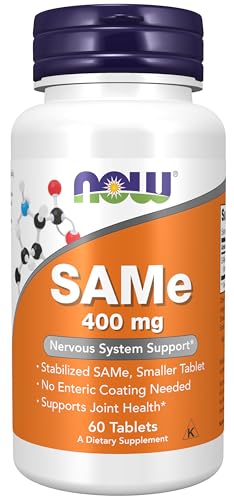
NOW Foods SAMe 400mg Tablets (60ct)
Best for Fast OnsetNOW Foods · Depression with faster onset desired (1–2 weeks vs. 4–6 weeks)
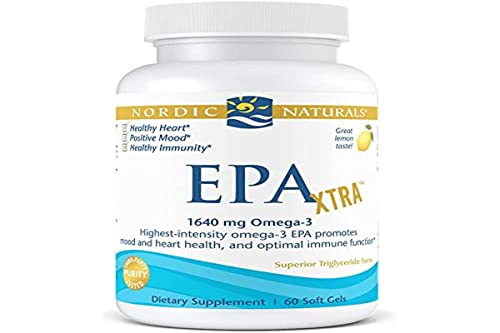
Nordic Naturals EPA Xtra (60 Softgels)
Best Omega-3 for MoodNordic Naturals · Anti-inflammatory mood support with highest EPA concentration

Life Extension Vitamin D3 5000 IU (120 Softgels)
Best Vitamin DLife Extension · Correcting vitamin D deficiency associated with depression

Nootropics Depot High Potency Saffron Extract (60ct)
Best SaffronNootropics Depot · Well-tolerated natural mood support with minimal side effects
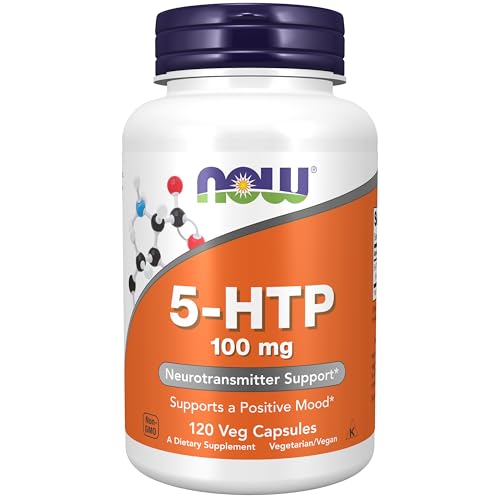
NOW Foods 5-HTP 100mg (120 Veg Capsules)
Best Serotonin PrecursorNOW Foods · Mild depression with sleep issues (NOT on SSRIs)
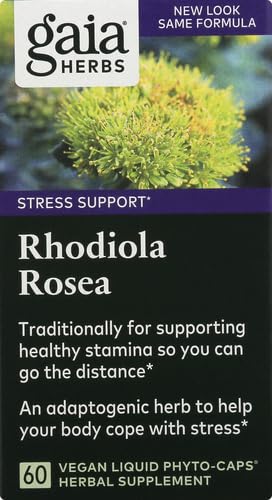
Gaia Herbs Rhodiola Rosea (60 Liquid Phyto-Caps)
Best for FatigueGaia Herbs · Depression with fatigue, low energy, and chronic stress

Nutricost KSM-66 Ashwagandha 600mg (60 Veggie Caps)
Best for Stress-Related DepressionNutricost KSM-66 · Depression driven by chronic stress and elevated cortisol
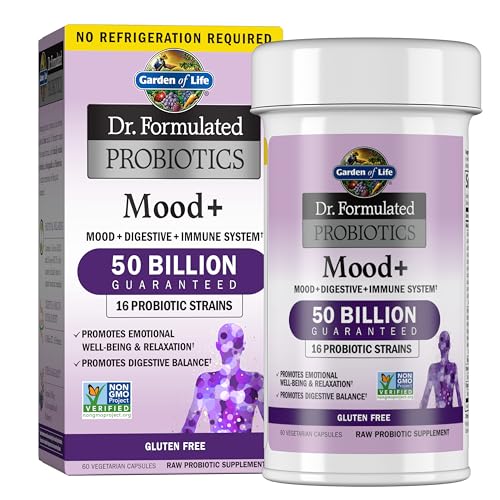
Garden of Life Dr. Formulated Probiotics Mood+ (60ct)
Best Probiotic for MoodGarden of · Gut-brain axis support for emotional well-being

Verilux HappyLight Luxe 10,000 Lux Light Therapy Lamp
Best Light TherapyVerilux HappyLight · Seasonal affective disorder (SAD) and circadian rhythm support
Read the detailed review cards below before opening any retailer link
Top Recommended Products
Nature's Way
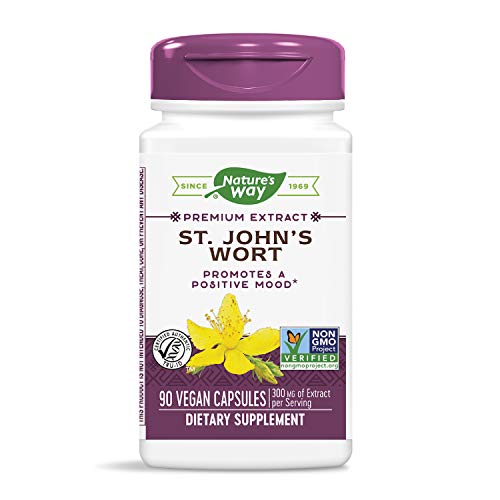
Nature's Way St. John's Wort Premium Extract (90ct)
Nature's Way is one of the most trusted herbal supplement brands, with St. John's wort extract standardized to the same hypericin levels used in clinical trials showing SSRI-comparable efficacy.
Pros
- + Clinically studied 900mg dose
- + standardized extract
- + trusted brand since 1969
- + affordable
Cons
- - CRITICAL drug interactions (SSRIs
- - birth control
- - blood thinners
- - many others)
- - requires 3 capsules daily
Why we included it: Nature's Way is one of the most trusted herbal supplement brands, with St. John's wort extract standardized to the same hypericin levels used in clinical trials showing SSRI-comparable efficacy.
As an Amazon Associate, Health Secrets earns from qualifying purchases. Product links open on Amazon, where current pricing and availability are displayed. We only feature products discussed in our editorial guides.
NOW Foods
NOW Foods SAMe 400mg Tablets (60ct)
SAMe has over 50 clinical trials supporting its antidepressant effects, and NOW Foods delivers a quality stabilized formula at a competitive price point.
Pros
- + Fastest onset among natural antidepressants (1–2 weeks)
- + supports methylation and neurotransmitter synthesis
- + well-studied
Cons
- - Expensive
- - NOT for bipolar disorder (mania risk)
- - may cause anxiety or insomnia if taken evening
Why we included it: SAMe has over 50 clinical trials supporting its antidepressant effects, and NOW Foods delivers a quality stabilized formula at a competitive price point.
As an Amazon Associate, Health Secrets earns from qualifying purchases. Product links open on Amazon, where current pricing and availability are displayed. We only feature products discussed in our editorial guides.
Nordic Naturals
Nordic Naturals EPA Xtra (60 Softgels)
Clinical evidence strongly favors EPA-dominant formulas for depression. Nordic Naturals EPA Xtra delivers the highest EPA per serving in IFOS-certified purity.
Pros
- + Highest EPA concentration for mood
- + IFOS certified purity
- + triglyceride form
- + lemon-flavored
Cons
- - Premium price
- - 2 softgels per serving
Why we included it: Clinical evidence strongly favors EPA-dominant formulas for depression. Nordic Naturals EPA Xtra delivers the highest EPA per serving in IFOS-certified purity.
As an Amazon Associate, Health Secrets earns from qualifying purchases. Product links open on Amazon, where current pricing and availability are displayed. We only feature products discussed in our editorial guides.
Life Extension
Life Extension Vitamin D3 5000 IU (120 Softgels)
Vitamin D deficiency affects 50% of Americans and is significantly associated with depression. Life Extension provides the optimal dose in an affordable 4-month supply.
Pros
- + High-potency D3
- + excellent value (4-month supply)
- + olive oil base
- + trusted research-backed brand
Cons
- - May need additional K2 supplement
- - requires blood level monitoring
Why we included it: Vitamin D deficiency affects 50% of Americans and is significantly associated with depression. Life Extension provides the optimal dose in an affordable 4-month supply.
As an Amazon Associate, Health Secrets earns from qualifying purchases. Product links open on Amazon, where current pricing and availability are displayed. We only feature products discussed in our editorial guides.
Nootropics Depot
Nootropics Depot High Potency Saffron Extract (60ct)
Saffron showed SSRI-comparable efficacy in clinical trials with minimal side effects and far fewer drug interactions than St. John's wort.
Pros
- + Clinical dose in single capsule
- + high standardization
- + well-tolerated
- + fewer drug interactions than St. John's wort
Cons
- - Premium saffron pricing
- - limited long-term studies
Why we included it: Saffron showed SSRI-comparable efficacy in clinical trials with minimal side effects and far fewer drug interactions than St. John's wort.
As an Amazon Associate, Health Secrets earns from qualifying purchases. Product links open on Amazon, where current pricing and availability are displayed. We only feature products discussed in our editorial guides.
NOW Foods
NOW Foods 5-HTP 100mg (120 Veg Capsules)
5-HTP provides direct serotonin support at excellent value, but ONLY for those not taking serotonergic medications.
Pros
- + Direct serotonin precursor
- + supports both mood and sleep
- + excellent value
- + well-established brand
Cons
- - DO NOT combine with SSRIs/SNRIs (serotonin syndrome — life-threatening)
- - may cause nausea initially
Why we included it: 5-HTP provides direct serotonin support at excellent value, but ONLY for those not taking serotonergic medications.
As an Amazon Associate, Health Secrets earns from qualifying purchases. Product links open on Amazon, where current pricing and availability are displayed. We only feature products discussed in our editorial guides.
Gaia Herbs
Gaia Herbs Rhodiola Rosea (60 Liquid Phyto-Caps)
Gaia Herbs' liquid phyto-cap technology delivers rhodiola's adaptogenic compounds with superior bioavailability, uniquely addressing the fatigue component of depression.
Pros
- + Liquid extract for better absorption
- + addresses fatigue specifically
- + fast onset (1–2 weeks)
- + certified B Corp
Cons
- - Higher price than powder capsules
- - limited data for severe depression
Why we included it: Gaia Herbs' liquid phyto-cap technology delivers rhodiola's adaptogenic compounds with superior bioavailability, uniquely addressing the fatigue component of depression.
As an Amazon Associate, Health Secrets earns from qualifying purchases. Product links open on Amazon, where current pricing and availability are displayed. We only feature products discussed in our editorial guides.
Nutricost KSM-66
Nutricost KSM-66 Ashwagandha 600mg (60 Veggie Caps)
KSM-66 is the most clinically studied ashwagandha extract, and Nutricost delivers the full 600mg clinical dose with BioPerine at exceptional value.
Pros
- + Clinically studied KSM-66 extract
- + reduces cortisol ~30%
- + BioPerine for absorption
- + affordable
Cons
- - Takes 4–8 weeks for full effect
- - may increase thyroid hormones
Why we included it: KSM-66 is the most clinically studied ashwagandha extract, and Nutricost delivers the full 600mg clinical dose with BioPerine at exceptional value.
As an Amazon Associate, Health Secrets earns from qualifying purchases. Product links open on Amazon, where current pricing and availability are displayed. We only feature products discussed in our editorial guides.
Garden of
Garden of Life Dr. Formulated Probiotics Mood+ (60ct)
The only probiotic specifically formulated for mood support by a board-certified neurologist, combining the exact probiotic strains shown in clinical trials to improve depression.
Pros
- + Specifically formulated for mood
- + clinically studied strains
- + added ashwagandha
- + shelf stable
Cons
- - Premium price
- - benefits may take 4–8 weeks
Why we included it: The only probiotic specifically formulated for mood support by a board-certified neurologist, combining the exact probiotic strains shown in clinical trials to improve depression.
As an Amazon Associate, Health Secrets earns from qualifying purchases. Product links open on Amazon, where current pricing and availability are displayed. We only feature products discussed in our editorial guides.
Verilux HappyLight
Verilux HappyLight Luxe 10,000 Lux Light Therapy Lamp
Verilux created the original HappyLight and remains the gold standard in light therapy, delivering clinical-grade 10,000 lux with modern features.
Pros
- + Industry-leading brand (65+ years)
- + adjustable brightness and color
- + UV-free
- + built-in timer
- + compact
Cons
- - Requires daily 30-minute commitment
- - most effective for SAD specifically
Why we included it: Verilux created the original HappyLight and remains the gold standard in light therapy, delivering clinical-grade 10,000 lux with modern features.
As an Amazon Associate, Health Secrets earns from qualifying purchases. Product links open on Amazon, where current pricing and availability are displayed. We only feature products discussed in our editorial guides.
Further Reading
Further Reading
"Feeling Good: The New Mood Therapy"
by David D. Burns
Core CBT techniques for challenging cognitive distortions; practical exercises for defeating negative thought patterns; drug-free mood improvement strategies; clinician-tested worksheets
Why it adds value here
The most recommended self-help book for depression by therapists worldwide, with over 5 million copies sold. Clinical research confirmed that reading this book alone produced significant improvement in depression symptoms.
Best for: Anyone wanting the most proven self-help approach to depression (CBT-based)
View book detailsFurther Reading
"The Upward Spiral: Using Neuroscience to Reverse the Course of Depression, One Small Change at a Time"
by Alex Korb
Neuroscience-based explanation of depression circuits; practical strategies for exercise, gratitude, sleep, and decision-making; understanding of how small changes cascade into larger improvements; accessible brain science
Why it adds value here
Dr. Korb translates complex neuroscience into actionable steps, showing how each positive action triggers neurochemical changes that make the next positive action easier — creating an upward spiral.
Best for: Those wanting to understand the brain science of depression and how small actions create positive momentum
View book detailsAEO FAQ
Frequently Asked Questions
12 common questions answered
No, natural remedies cannot "cure" depression. However, clinical evidence shows that certain supplements (St. John's wort, SAMe, omega-3s) and lifestyle changes (exercise, diet, sleep) can significantly reduce symptoms of mild-to-moderate depression. They work best as part of a comprehensive approach that may include therapy and medication.
No — this is extremely dangerous. Combining St. John's wort with SSRIs, SNRIs, or other serotonergic medications can cause serotonin syndrome, a potentially life-threatening condition. Always discontinue one before starting the other, under medical supervision.
Timelines vary: rhodiola and SAMe may show effects in 1–2 weeks, while St. John's wort, saffron, and ashwagandha typically require 4–8 weeks. Exercise benefits build over 4–12 weeks. If you haven't seen improvement after 8–12 weeks, consult your healthcare provider.
5-HTP is generally safe for short-term use (3–6 months) in people NOT taking serotonergic medications. Never combine 5-HTP with SSRIs, SNRIs, MAOIs, or other serotonergic drugs — this can cause life-threatening serotonin syndrome. Start with 50mg in the evening.
For mild-to-moderate depression, yes. A 2024 BMJ meta-analysis of 218 RCTs confirmed exercise has comparable effectiveness to antidepressants and CBT. Walking/jogging, yoga, and strength training were particularly effective. For severe depression, exercise alone is typically insufficient.
Yes, significantly. About 90% of serotonin is produced in the gut, and gut microbiome diversity is inversely correlated with depression severity. Clinical trials found specific probiotic strains (L. helveticus, B. longum) improve mood scores. A Mediterranean diet reduces depression risk by approximately 30%.
St. John's wort (900mg daily) has the most robust evidence, with meta-analyses showing SSRI-comparable efficacy for mild-to-moderate depression. However, its extensive drug interactions make it unsuitable for many people. Omega-3 EPA or saffron may be safer alternatives for those on medications.
Yes — SAMe can trigger manic or hypomanic episodes in people with bipolar disorder. If you have bipolar disorder, a family history of bipolar, or have ever experienced mania, do not take SAMe without explicit approval from a psychiatrist.
Clinical evidence supports 1–2g of EPA daily, with EPA-dominant formulas (≥60% EPA) showing the strongest effects. Take with meals containing fat for optimal absorption. Choose IFOS-certified products tested for mercury and PCBs.
A 2026 meta-analysis of 20 RCTs confirmed vitamin D supplementation significantly reduces depressive symptoms, particularly in people with baseline deficiency. Since 50% of Americans are deficient, testing levels is an important first step. Optimal levels for mood are 40–60 ng/mL.
See a doctor immediately if you have suicidal thoughts (call 988), self-harm urges, psychosis, or inability to function daily. Also seek professional help if depression is moderate-to-severe, if natural remedies haven't helped after 8–12 weeks, or if you want to combine supplements with medications.
Use extreme caution. Never combine multiple serotonergic supplements (St. John's wort + 5-HTP) as this increases serotonin syndrome risk. Safer combinations include omega-3 + vitamin D + ashwagandha, which work through different mechanisms. Always discuss supplement stacking with your healthcare provider.
Fermentation Safety Starter Kit
A 32-page downloadable digital PDF guide featuring brine salinity calculation charts, equipment sanitation checklists, batch tracking logs, and 6 guided beginner recipes. (Digital PDF Only — No physical items shipped).
What's Inside This Complete Digital System:
Instant PDF download • Lifetime updates • 60-day money-back guarantee
Test Your Knowledge
Take our Natural Remedies Quiz and see how much you really know about natural remedies.
Was this article helpful?
Researched & Fact-Checked
Author
Health Secrets Editorial TeamThe Health Secrets editorial team researches, writes and fact-checks every guide against the primary studies and clinical guidelines it cites.
Fact-Checked By
Health Secrets Editorial TeamAll content is evidence-based, checked against peer-reviewed research, and updated regularly. Our editorial team follows strict guidelines for accuracy and transparency.
References & Citations
20 sources cited
Medical Disclaimer
This article is for informational purposes only and does not constitute medical advice. Read the full medical disclaimer. Always consult with a qualified healthcare provider before starting any new supplement, treatment, or major dietary change.
The Complete Guide to Natural Remedies
Explore our foundational comprehensive guide covering all clinical protocols, dietary strategies, and evidence for natural remedies.
You Might Also Like
Natural Remedies for Hangover: Recovery Support
Natural remedies for hangover recovery include NAC for glutathione replenishment and acetaldehyde detoxification, B vitamins to support alcohol metabolism, electrolytes for rehydration, milk thistle for liver protection, and ginger to reduce nausea. Prevention strategies like hydration between drinks and eating before drinking remain the most effective approach to minimizing hangover severity.
→Natural Remedies for ADHD: Focus and Attention Support
Natural remedies for ADHD—including omega-3 fatty acids, zinc, iron, magnesium, exercise, and behavioral strategies—can complement conventional treatment to improve focus and reduce symptoms. This evidence-based guide walks you through a step-by-step protocol for supporting ADHD naturally, while emphasizing that professional diagnosis and medical treatment remain essential.
→Natural Remedies for Asthma: Breathing Support
Natural remedies for asthma can complement your prescribed treatment plan and help reduce flare-ups. From magnesium and vitamin D supplementation to breathing exercises and air quality improvements, evidence-based strategies exist to support better asthma control alongside your medications.
→Discussion
0No comments yet
Be the first to share your thoughts, clinical insights, or questions about this protocol.