So your blood sugar numbers came back higher than expected. Maybe your doctor mentioned "prediabetes" for the first time, or perhaps you've been managing type 2 diabetes and want to explore what else you can do beyond medication. You're not alone — roughly 37 million Americans have diabetes, and another 96 million are living with prediabetes, often without realizing it.
Here's the thing most articles won't tell you straight up: natural remedies for high blood sugar are not replacements for your prescribed medications. Full stop. But the research on several supplements — berberine, cinnamon, chromium, alpha-lipoic acid — alongside dietary and lifestyle changes is genuinely compelling. A pilot study found berberine decreased HbA1c levels comparably to metformin ([1]). Meanwhile, a dose-response meta-analysis of 16 trials showed that each 500mg/day increase in alpha-lipoic acid supplementation significantly reduced HbA1c and fasting glucose ([11]).
What natural remedies can do is give your body additional support — think of them as teammates working alongside your medical treatment, not substitutes for it.
If you're interested in broader natural health strategies, check out our complete detox and cleansing guide and our guide on glutathione, the master antioxidant — both connect to metabolic health in ways you might not expect.
What Do You Need to Know Before Trying Natural Remedies for High Blood Sugar?
Before starting any natural blood sugar protocol, you need a clear understanding of your current glucose levels, an active relationship with your physician, and realistic expectations about what supplements can and cannot do. Natural remedies work best as part of a comprehensive plan that includes medical treatment, dietary changes, and regular monitoring.
What counts as high blood sugar?
Normal fasting glucose sits between 70–99 mg/dL. Once you hit 100–125 mg/dL, that's prediabetes territory. At 126 mg/dL or above, you're looking at diabetes.
HbA1c — which reflects your average blood sugar over 2–3 months — tells a similar story: below 5.7% is normal, 5.7–6.4% is prediabetes, and 6.5% or higher indicates diabetes.
The complications of poorly managed blood sugar aren't abstract. We're talking cardiovascular disease, kidney damage, nerve damage (neuropathy), vision loss, and cognitive decline. This is precisely why medical management matters — and why supplements should complement that management, never replace it.
Who is this guide for?
This protocol is designed for adults with prediabetes or type 2 diabetes who want evidence-based natural approaches to support their existing treatment plan. If you have type 1 diabetes, gestational diabetes, or any acute blood sugar crisis, this guide is not a substitute for specialized medical care.
Critical safety rule: Never stop diabetes medications without your doctor's explicit approval. Adding supplements to existing medications can cause blood sugar to drop dangerously low. Monitor your levels closely and report changes to your healthcare provider.

Want Everyday Habits That Actually Stick?
Download the free printable habit checklist — evidence-backed clinical frameworks for daily energy, cellular recovery, and longevity.
How Do You Use Berberine to Help Lower Blood Sugar Naturally?
Berberine is the most evidence-backed natural supplement for blood sugar management, with multiple clinical trials showing glucose-lowering effects comparable to metformin. Take 500mg two to three times daily with meals (1,000–1,500mg total), and expect to see results within two to three months of consistent use.
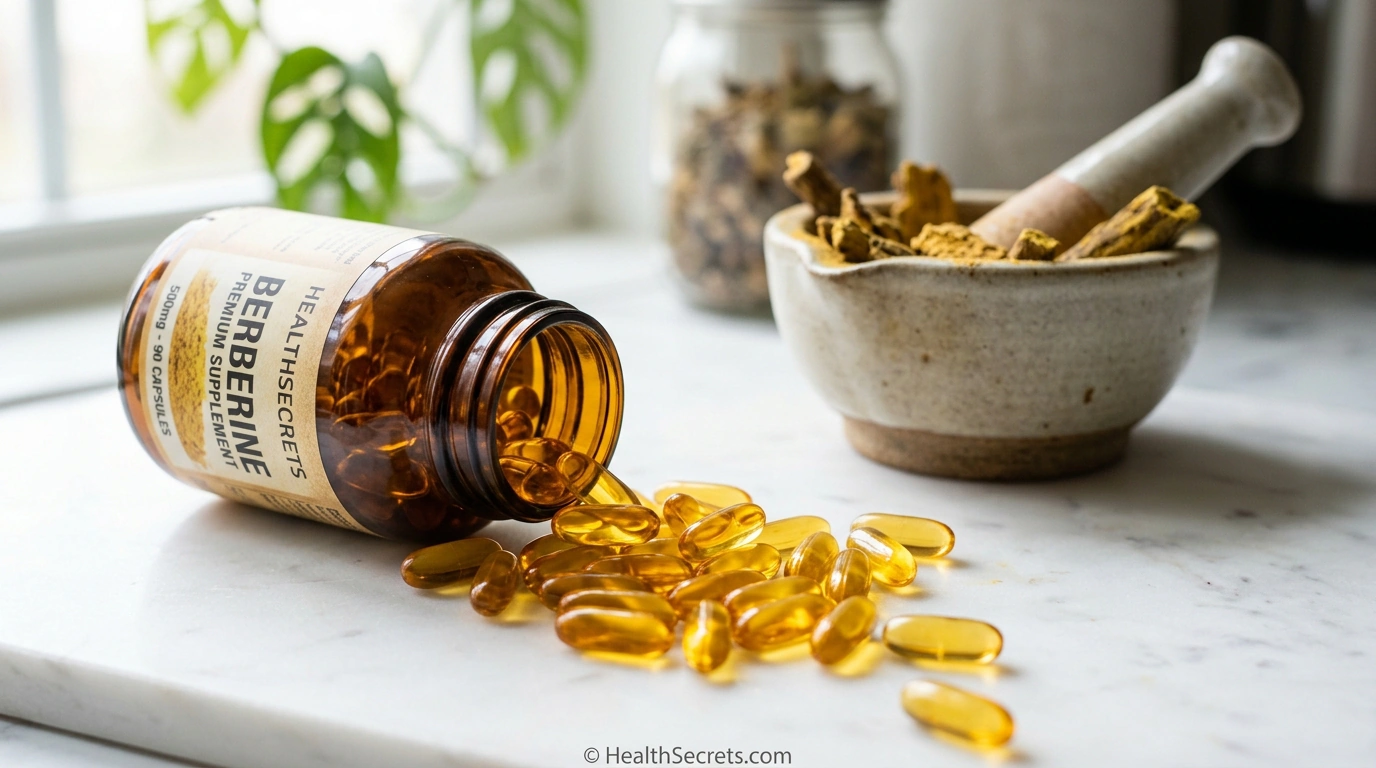
The research on berberine is honestly pretty striking. A landmark study published in Metabolism found that berberine significantly decreased HbA1c in diabetic patients — and the effect was comparable to metformin, one of the most widely prescribed diabetes drugs ([1]). A comprehensive review confirmed that berberine's hypoglycemic effect is comparable to metformin for HbA1c, fasting glucose, and postprandial glucose levels ([2]). More recently, a 2024 phase II trial of a berberine-based compound showed significant HbA1c reduction compared to placebo ([19]).
How does berberine actually work?
Berberine activates AMPK (AMP-activated protein kinase), often called your cells' "energy sensor." When AMPK switches on, it improves insulin sensitivity, reduces glucose production in the liver, and slows carbohydrate breakdown in the gut. Think of it as hitting multiple metabolic targets simultaneously.
Practical dosing
- Start low: 500mg once daily with a meal for the first week
- Build up: Increase to 500mg twice daily, then three times daily
- Always with meals: This reduces digestive side effects and improves absorption
- Timeline: Allow 8–12 weeks for full effects
Side effects: Digestive upset (diarrhea, constipation, gas) is common, particularly at higher doses. Taking berberine with food significantly reduces these issues.
Critical warning: Berberine may enhance the effects of diabetes medications, creating a real risk of hypoglycemia. Work with your doctor to monitor blood sugar closely and potentially adjust medication doses.

Medical Appointment Prep System
Arrive prepared with a 1-page visit agenda, prioritized symptom timeline, and clear questions that respect your doctor’s time.
How Can Cinnamon Support Healthy Blood Sugar Levels?
Cinnamon may help lower fasting blood sugar by 10–29 mg/dL and modestly reduce HbA1c in people with type 2 diabetes, though evidence is mixed across studies. Use 1–6 grams daily (or 120–500mg standardized extract), and choose Ceylon cinnamon over Cassia for long-term safety.
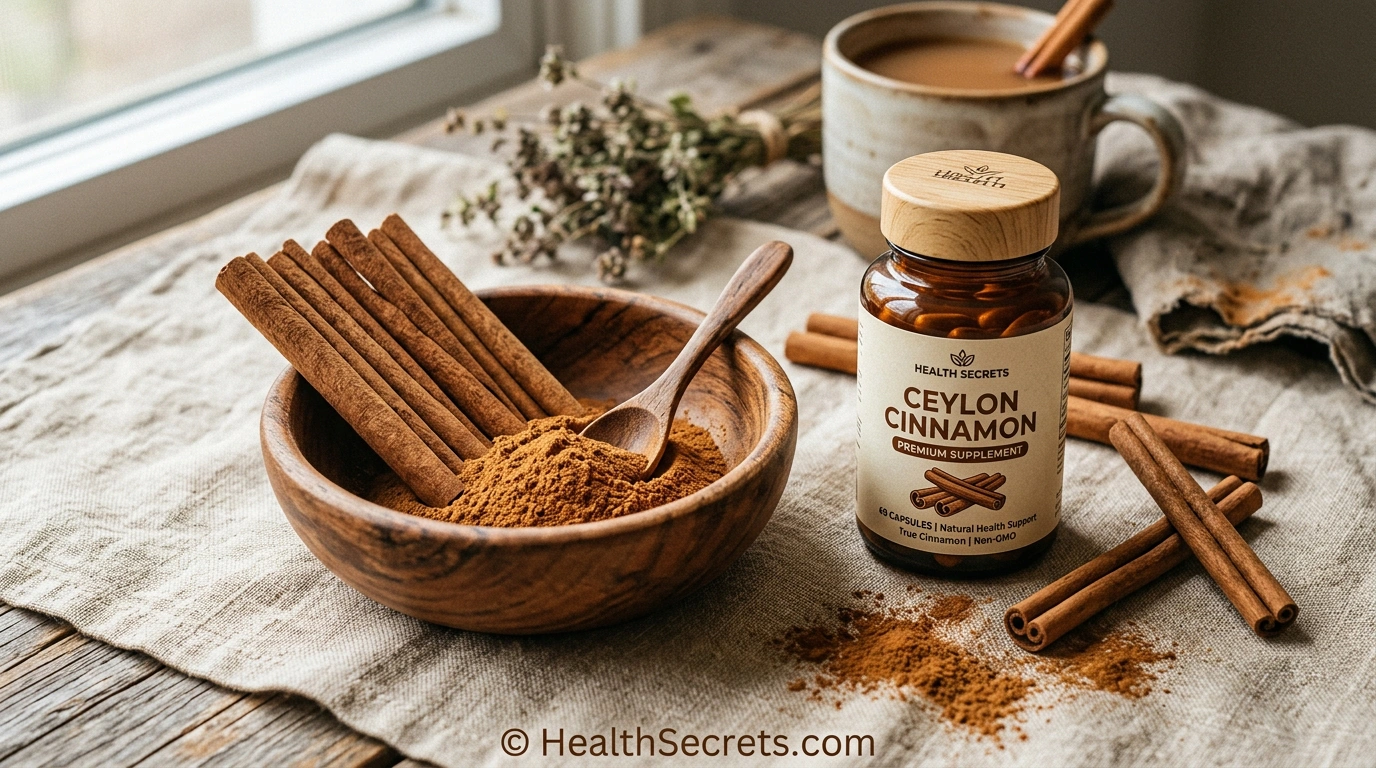
The cinnamon story is genuinely complicated. A widely cited study in Diabetes Care found that 1–6 grams of cinnamon daily reduced fasting glucose by 18–29%, triglycerides by 23–30%, and LDL cholesterol by 7–27% ([4]). A meta-analysis of eight clinical trials confirmed that cinnamon intake significantly lowers fasting blood glucose ([5]).
But — and this is important — other studies have found no significant effect, and a 2019 meta-analysis showed significant FBG reduction but no significant change in HbA1c ([6]).
Ceylon vs. Cassia: this distinction matters
Cassia cinnamon — the cheap stuff at most grocery stores — contains high levels of coumarin, which can damage your liver with prolonged use. Ceylon cinnamon ("true cinnamon") has negligible coumarin content and is the safer choice for daily supplementation. If you're going to use cinnamon long-term, spend the extra money on Ceylon.
Cinnamon improves insulin sensitivity, slows carbohydrate breakdown in the gut, and offers antioxidant and anti-inflammatory benefits. It's gentler than berberine and easier to integrate into daily life — stir it into coffee, oatmeal, or smoothies.
How Do Chromium and Alpha-Lipoic Acid Help With Glucose Control?
Chromium picolinate (200–1,000mcg daily) enhances insulin signaling and may improve glucose uptake, while alpha-lipoic acid (300–600mg daily) acts as a powerful antioxidant that modestly reduces HbA1c and has strong evidence for relieving diabetic neuropathy. Both are generally safe but should be used under medical guidance.
Chromium picolinate
Chromium's role in blood sugar management is the most debated of the supplements covered here. Elevated intakes of supplemental chromium have been shown to improve glucose and insulin variables in individuals with type 2 diabetes ([9]). However, a 2014 review noted conflicting reports on efficacy (PMC4169208 [10]). The honest assessment: chromium may help if you're deficient (which is more common than you'd think), but it's not a game-changer for everyone.
Dosing: 200–1,000mcg daily as chromium picolinate (the most studied form). Start at 200mcg and increase gradually.
Alpha-lipoic acid (ALA)
ALA is where things get more interesting, especially if you're dealing with diabetic neuropathy. A systematic review and dose-response meta-analysis of 16 trials (1,035 patients) found that each 500mg/day increase in oral ALA significantly reduced HbA1c, body weight, CRP, fasting glucose, and triglycerides ([11]). A separate study confirmed ALA's protective effect against diabetic peripheral neuropathy through antioxidant and anti-inflammatory mechanisms ([13]).
ALA works as a potent antioxidant, improves insulin sensitivity, reduces oxidative stress, and regenerates other antioxidants like vitamin E and glutathione.
Dosing: 300–600mg daily for blood sugar support; up to 1,200mg daily for neuropathy under medical supervision.
What Dietary Changes Lower Blood Sugar Most Effectively?
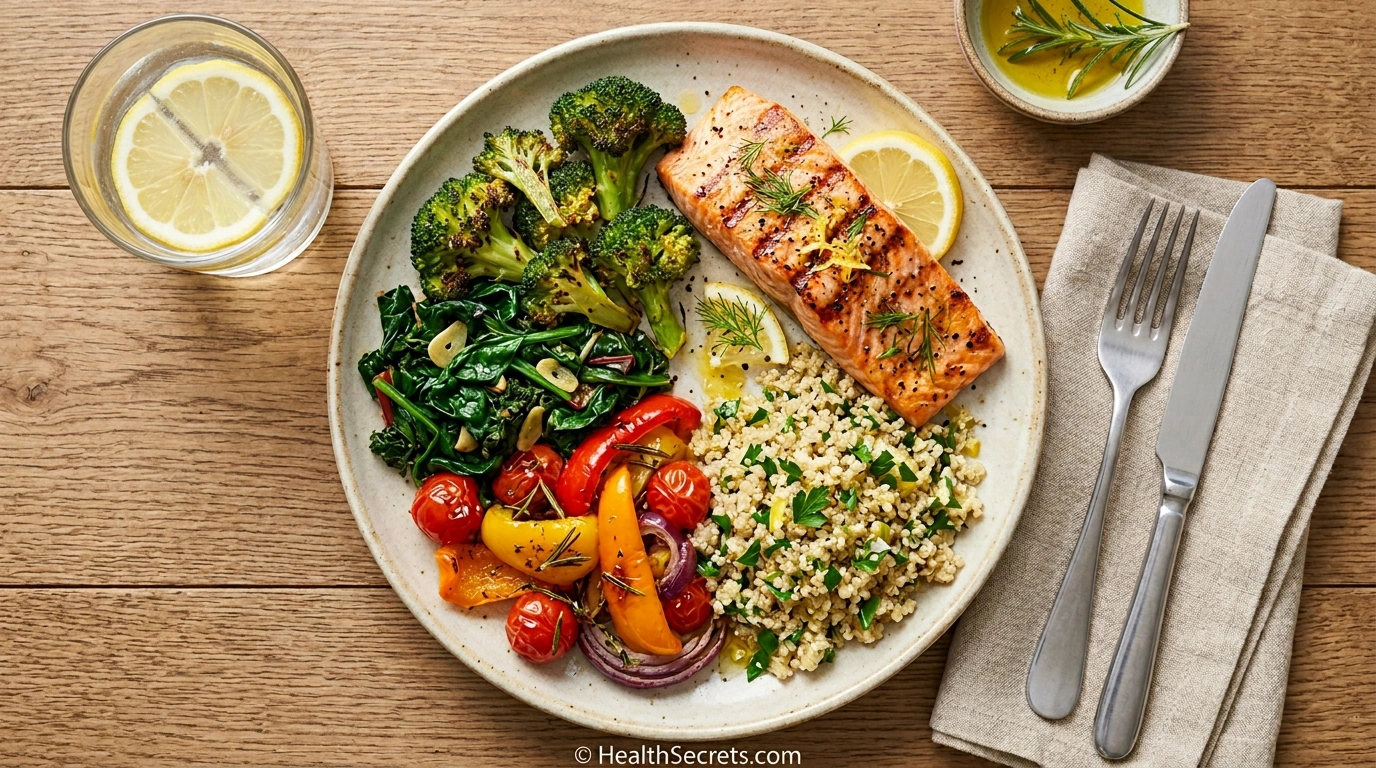
A low-glycemic, fiber-rich diet is the single most impactful lifestyle change you can make for blood sugar management. Focus on whole grains, legumes, non-starchy vegetables, lean proteins, and healthy fats — while limiting refined carbohydrates and added sugars. Aim for 25–35 grams of fiber daily.
Supplements are nice. But if your diet is working against you, no amount of berberine is going to fix the problem. Here's what the evidence says actually works:
- Prioritize low-glycemic foods: Whole grains (oats, quinoa, barley), legumes (lentils, chickpeas, black beans), and non-starchy vegetables (broccoli, spinach, peppers) release glucose slowly, preventing the spikes that drive insulin resistance.
- Fiber is your secret weapon: Soluble fiber slows glucose absorption in the gut. Aim for 25–35g daily from vegetables, fruits, whole grains, legumes, nuts, and seeds. Most Americans get around 15g — doubling that makes a measurable difference.
- Pair carbs with protein and fat: Eating protein and healthy fats (olive oil, avocados, nuts, fatty fish) alongside carbohydrates dramatically slows glucose absorption and stabilizes blood sugar after meals.
- The Mediterranean diet has strong evidence for blood sugar control and cardiovascular protection. Its emphasis on olive oil, fish, whole grains, vegetables, and moderate portions aligns perfectly with glucose management goals.
- Portion control matters even with healthy foods — whole grain bread still raises blood sugar if you eat half a loaf. Use a plate method: half non-starchy vegetables, quarter protein, quarter complex carbs.
How Does Exercise Help You Manage High Blood Sugar?
Exercise is one of the most powerful tools for blood sugar management because your muscles use glucose without needing insulin during physical activity, and the insulin-sensitizing effects last 24–72 hours afterward. Aim for at least 150 minutes of moderate aerobic activity per week plus two days of resistance training.
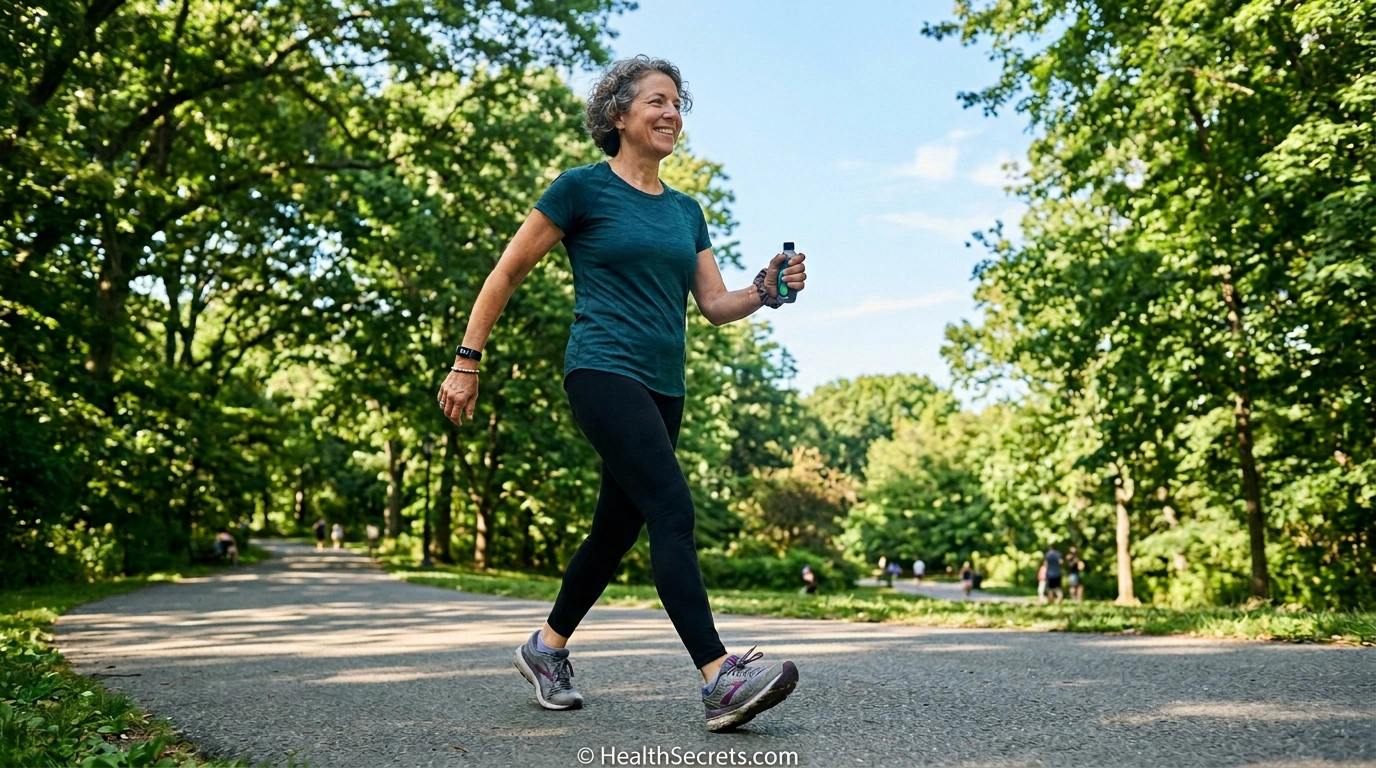
The mechanism is elegant: when muscles contract during exercise, they pull glucose from the blood through insulin-independent pathways. This means immediate blood sugar reduction during and after your workout. Long-term, regular exercise improves HbA1c, insulin sensitivity, and weight management.
What works best:
- Aerobic exercise (walking, cycling, swimming): 30 minutes, 5 days per week
- Resistance training (weights, resistance bands, bodyweight exercises): 2–3 days per week
- The combination is most effective — better than either alone
Timing tip: A 15-minute walk after meals can significantly blunt post-meal blood sugar spikes. It's simple, free, and remarkably effective.
Safety with medications: If you take insulin or sulfonylureas, check blood sugar before exercising. Carry 15–20g of fast-acting carbs (glucose tablets, juice) in case of hypoglycemia. Don't exercise if your fasting blood sugar is above 250 mg/dL with ketones present.
What Lifestyle Modifications Support Long-Term Glucose Control?
Beyond supplements, diet, and exercise, weight management, stress reduction, quality sleep, and consistent blood sugar monitoring form the backbone of sustainable glucose control. Losing just 5–10% of body weight can significantly improve insulin sensitivity and HbA1c levels.
- Weight management: The Diabetes Prevention Program showed that losing 5–7% of body weight reduced type 2 diabetes risk by 58%. Even modest weight loss improves insulin sensitivity measurably.
- Stress management: Cortisol and adrenaline directly raise blood sugar. Chronic stress keeps glucose elevated around the clock. Meditation, yoga, deep breathing exercises, and therapy all help — pick what you'll actually stick with.
- Sleep: Aim for 7–9 hours nightly. Poor sleep worsens insulin resistance, increases appetite, and makes blood sugar harder to control. If you snore heavily or wake feeling unrefreshed, ask about sleep apnea screening.
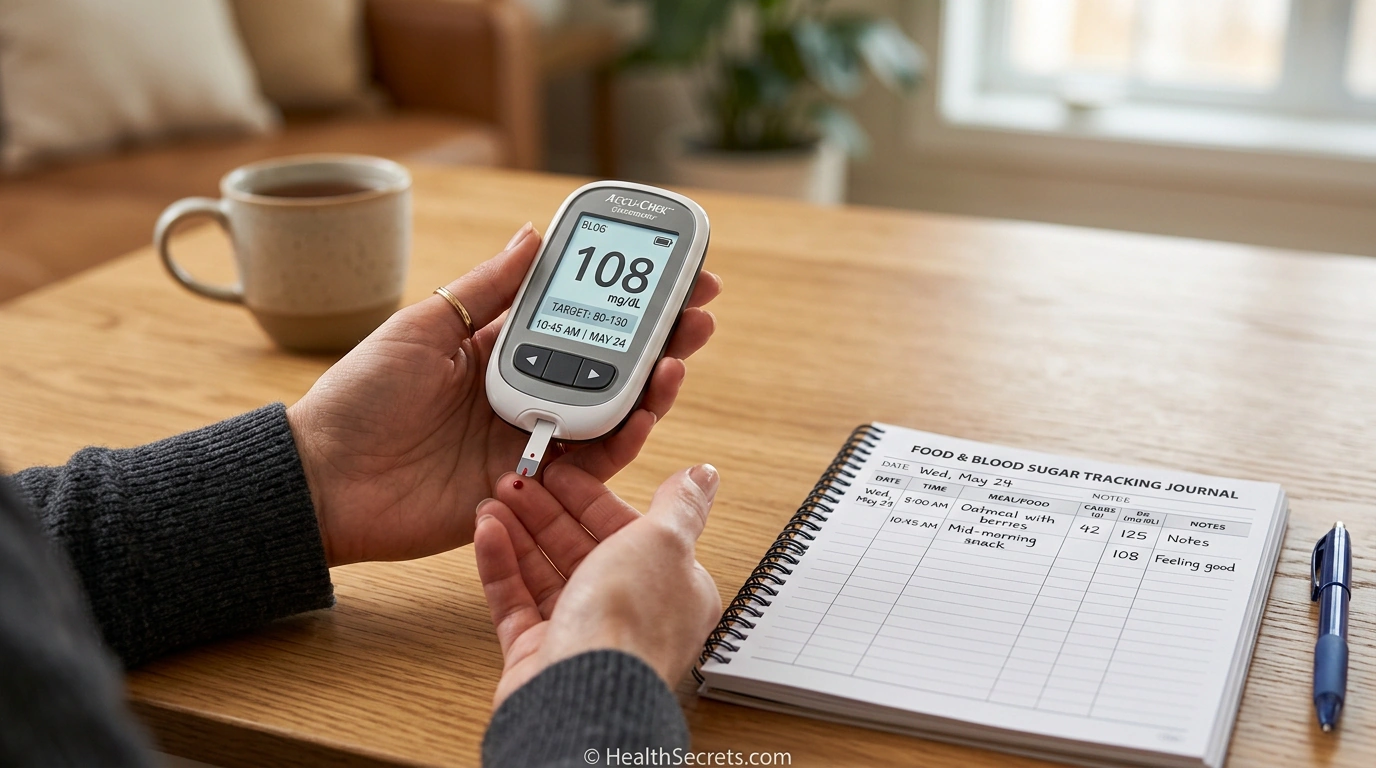
- Blood sugar monitoring: Track your levels with a glucometer (fasting, pre-meal, and 2 hours post-meal). Consider a continuous glucose monitor (CGM) for real-time data. Get HbA1c tested every 3–6 months. Keep a log of blood sugar, food, exercise, and medications to identify patterns.
- Quit smoking and limit alcohol. Smoking worsens insulin resistance and accelerates complications. Alcohol causes unpredictable blood sugar swings and interferes with medications.
What Are the Most Common Mistakes When Using Natural Blood Sugar Remedies?
The biggest mistakes people make are treating supplements as medication replacements, starting too many supplements at once, ignoring medication interactions, and neglecting the foundational dietary and lifestyle changes that matter most. Avoid these pitfalls to get the best results safely.
- Stopping medications without doctor approval. This is potentially life-threatening. Supplements complement — they don't replace.
- Starting everything at once. Add one supplement at a time, waiting 2–4 weeks between additions, so you can identify what's actually helping (and what's causing side effects).
- Ignoring the hypoglycemia risk. Berberine + metformin can drop blood sugar too low. Monitor closely, especially when first combining supplements with medications.
- Choosing cheap Cassia cinnamon. Long-term Cassia cinnamon use can damage your liver. Invest in Ceylon.
- Expecting overnight results. Most supplements take 4–12 weeks to show full effects. Be patient and consistent.
- Skipping the dietary basics. No supplement can overcome a diet heavy in refined carbohydrates and sugar. Fix the foundation first.
- Not tracking blood sugar. You can't manage what you don't measure. Regular monitoring reveals what's working and what isn't.
Are Natural Blood Sugar Remedies Safe, and When Should You See a Doctor?
Most natural blood sugar remedies are generally safe when used at recommended doses, but they carry real risks when combined with diabetes medications — particularly hypoglycemia. Always consult your physician before starting supplements, and seek immediate care for symptoms of dangerously low or high blood sugar.

Hypoglycemia: the real danger
When natural remedies enhance the effect of diabetes medications, blood sugar can drop dangerously low. Symptoms include shakiness, sweating, confusion, dizziness, rapid heartbeat, and extreme hunger. Treatment: consume 15–20g of fast-acting carbs (glucose tablets, 4 oz juice, or regular soda), wait 15 minutes, and recheck. If symptoms persist, repeat and seek medical attention.
See your doctor if:
- Fasting blood sugar consistently exceeds 100 mg/dL
- You experience symptoms of high blood sugar: excessive thirst, frequent urination, blurred vision, fatigue, slow-healing wounds
- You notice symptoms of low blood sugar (described above)
- Before starting any supplement when you're on diabetes medications
- You're not reaching blood sugar targets despite lifestyle changes
- You develop numbness or tingling in your feet, vision changes, or kidney problems
Action Plan
What Should You Do First to Manage High Blood Sugar Naturally?
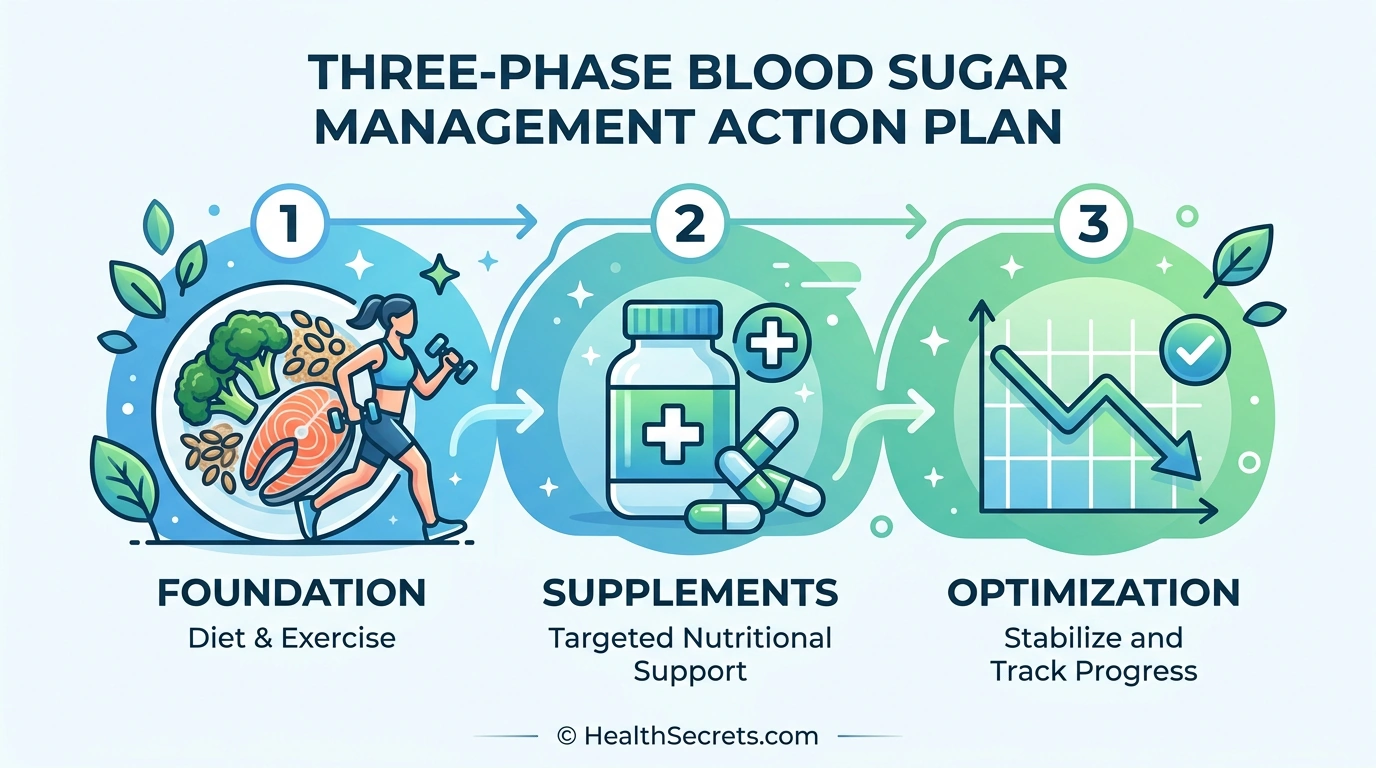
Follow the sequence below, work through each phase in order, and use the checklist as your practical implementation guide.
Start with the foundational lifestyle changes — diet and exercise — before adding supplements, since these deliver the largest and most sustainable blood sugar improvements. Then introduce one supplement at a time under your doctor's guidance, monitoring blood sugar closely throughout.
Phase 1 — Foundation (Weeks 1–4):
- Schedule a medical consultation to discuss your plan
- Start blood sugar monitoring (fasting + 2-hour post-meal)
- Shift to a low-glycemic, fiber-rich diet (25–35g fiber daily)
- Begin walking 15–20 minutes after meals
- Eliminate sugary beverages
Phase 2 — Supplements (Weeks 5–12):
- Start berberine at 500mg once daily with meals, increasing to 500mg 2–3× daily
- Add Ceylon cinnamon (1–3g daily) to food or as extract
- Consider chromium picolinate (200mcg daily) if blood work shows deficiency
- Monitor blood sugar more frequently when adding each supplement
Phase 3 — Optimization (Months 3–6):
- Add alpha-lipoic acid (300–600mg daily) if needed for additional support or neuropathy
- Increase exercise to 150 minutes aerobic + 2 days resistance weekly
- Get HbA1c tested at 3 months to assess progress
- Work with doctor to adjust medications if blood sugar improves significantly