If you've ever spent the week before your period battling bloating, mood swings, cramps, and an inexplicable urge to cry at commercials — you're far from alone. Premenstrual syndrome affects roughly 75–90% of menstruating women, and while most experience mild discomfort, about 20–40% deal with symptoms severe enough to disrupt daily life. The good news? Research consistently shows that several natural remedies can make a real, measurable difference. [10] [11]
Chasteberry (Vitex agnus-castus) stands out as the most studied herbal remedy, with women taking it being 2.57 times more likely to experience symptom remission compared to placebo [2] [4]. Magnesium supplementation has been shown to reduce PMS severity by up to 35%, particularly mood-related symptoms [5] [17]. Vitamin B6 at doses up to 100 mg per day reliably improves emotional symptoms like depression and irritability. And calcium at 1,200 mg daily significantly reduces premenstrual depression, fatigue, edema, and pain [14].
This guide walks you through the most effective natural strategies for managing PMS — from supplements with the strongest clinical evidence to dietary changes and lifestyle habits that address root causes. You'll learn exactly what to take, how much, and when to expect results. [13]
For related reading, explore our mental wellness complete guide and inflammation and pain relief guide.
What Is PMS and Why Do Natural Remedies Work for Premenstrual Symptoms?
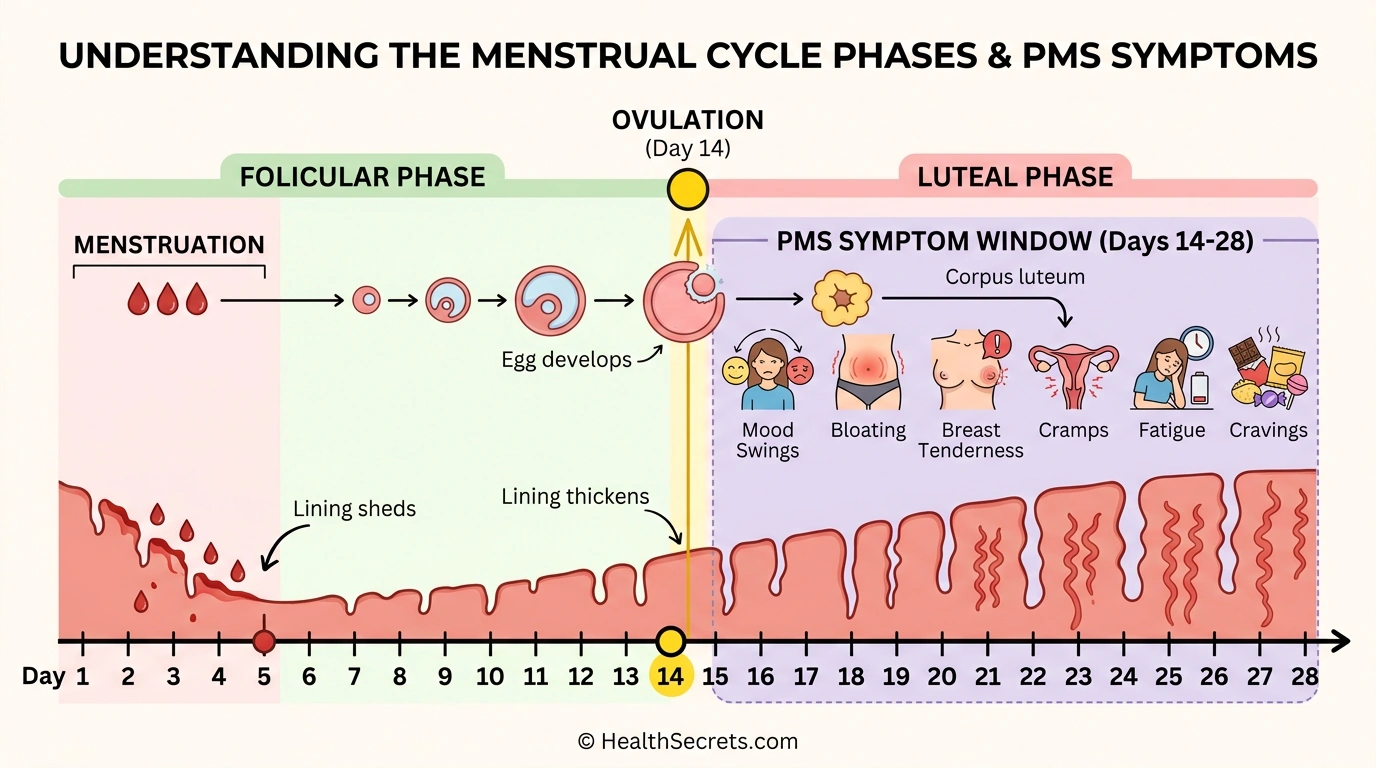
Premenstrual syndrome is a collection of physical, emotional, and behavioral symptoms that occur during the luteal phase — the one to two weeks before menstruation — and resolve once your period begins. Over 200 symptoms have been documented, ranging from bloating and breast tenderness to anxiety, depression, and difficulty concentrating. PMS is driven by hormonal fluctuations in estrogen and progesterone, neurotransmitter changes (particularly serotonin and GABA), nutritional deficiencies, and inflammation.
Natural remedies work because they target these underlying mechanisms directly. Chasteberry modulates pituitary hormones to balance estrogen and progesterone ratios. Magnesium regulates neurotransmitters and relaxes smooth muscle. Vitamin B6 serves as a cofactor for serotonin and dopamine synthesis. Calcium regulates neuromuscular irritability that fluctuates across the menstrual cycle. Rather than masking symptoms, these approaches address the physiological imbalances driving PMS.
It's important to distinguish PMS from PMDD (premenstrual dysphoric disorder), a severe form affecting 3–8% of women that involves marked mood disturbances and may require prescription treatment such as SSRIs. Natural remedies discussed here are most appropriate for mild to moderate PMS.

Are You Unknowingly Inflaming Your Body?
Get the free Health Vitals & Nutrient Checklist — the daily guide that shows you which habits and supplements are silently triggering inflammation.
How Does Chasteberry (Vitex) Reduce PMS Symptoms Most Effectively?
Chasteberry, the fruit of the chaste tree (Vitex agnus-castus), holds the strongest clinical evidence of any herbal remedy for PMS [1] [3]. A meta-analysis of double-blind, randomized controlled trials found that women taking chasteberry were 2.57 times more likely to experience symptom remission compared to placebo. Thirteen out of fourteen studies in a comprehensive review reported positive effects on total premenstrual symptoms.
How Does Chasteberry Work on Hormones?
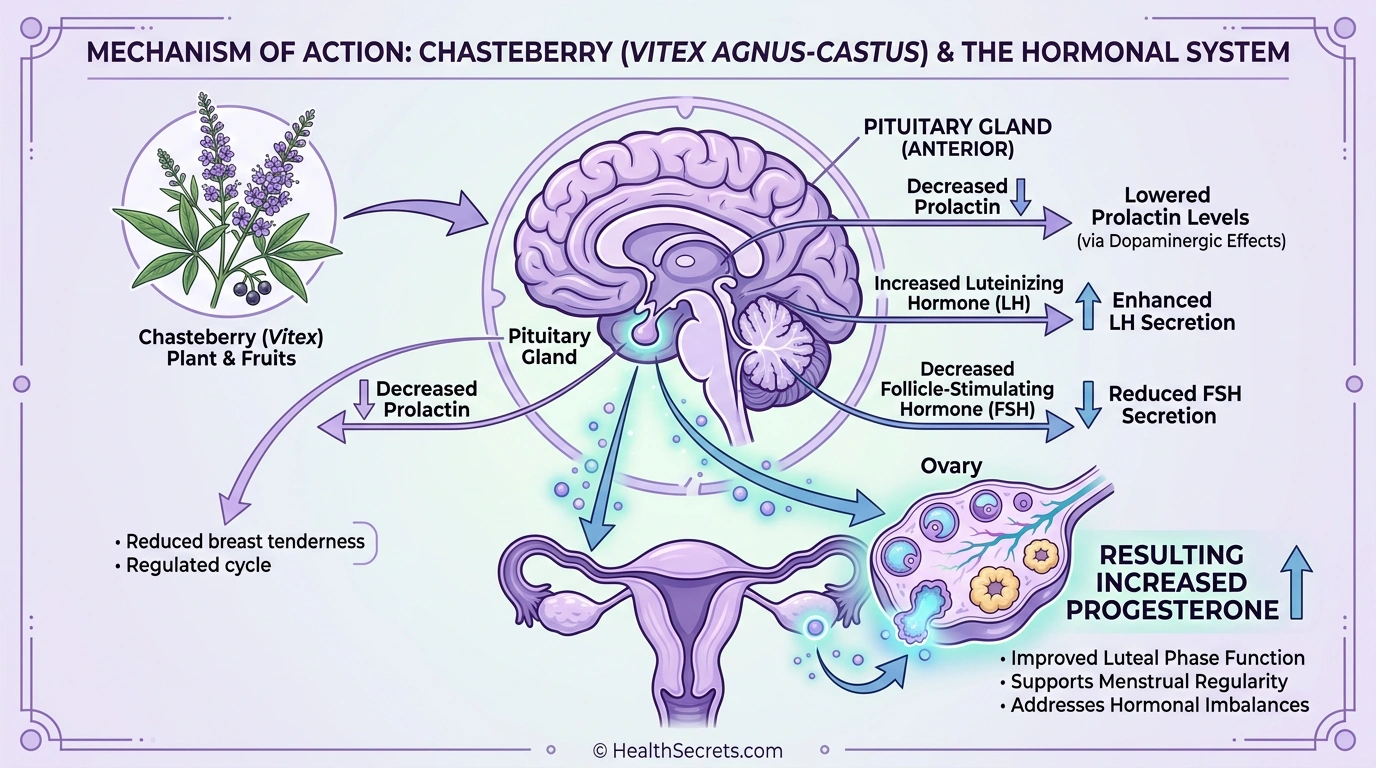
Chasteberry acts on the pituitary gland, increasing luteinizing hormone (LH) while mildly inhibiting follicle-stimulating hormone (FSH). This shift increases progesterone production during the luteal phase — correcting the estrogen-progesterone imbalance that drives many PMS symptoms. Chasteberry also reduces prolactin levels by binding to dopamine D2 receptors, which is particularly relevant because elevated prolactin is associated with breast tenderness and mood symptoms.
What Is the Correct Chasteberry Dosage for PMS?
The clinically validated dose is 20–40 mg of standardized extract daily. Research on the Ze 440 extract specifically demonstrated that 20 mg was the optimal dose — higher doses of 30 mg did not produce significantly better results. Take chasteberry in the morning on an empty stomach for best absorption. Continue daily throughout the entire menstrual cycle, not just during the luteal phase.
Critically, chasteberry requires approximately three months of consistent use for full effects. Early improvements may appear within the first cycle, but hormonal rebalancing takes time.
Safety considerations: Chasteberry is generally well-tolerated, with rare side effects including mild digestive upset and headache. Use caution if you take hormonal birth control (theoretical interaction), have hormone-sensitive conditions, or are pregnant or breastfeeding.

Evidence-Based Supplement Organizer & Safety Log
An inventory that adds up the cost, thirty-three supplements graded on the evidence, an upper-limit tally, an interaction screen, a daily schedule and a one-sheet for your clinician.
Why Is Magnesium Essential for PMS Mood Swings and Cramps?
Magnesium is arguably the most versatile mineral for PMS relief. Research shows that magnesium supplementation can reduce total PMS severity by approximately 35%, with the strongest benefits for mood symptoms — depression, anxiety, irritability — as well as cramps, bloating, and food cravings [7]. A pilot study using modified-release magnesium found significant improvements across all PMS subscales after three months of treatment [8].
How Does Magnesium Reduce Premenstrual Symptoms?
Magnesium works through multiple mechanisms relevant to PMS. It regulates neurotransmitters including serotonin and GABA (the calming neurotransmitter), explaining its mood-stabilizing effects. It acts as a natural muscle relaxant by antagonizing calcium at the cellular level, which reduces menstrual cramps and uterine contractions. Magnesium also inhibits prostaglandin synthesis — the inflammatory compounds that drive period pain. Many women are deficient in magnesium, and levels naturally drop during the luteal phase, potentially worsening symptoms.
What Form and Dose of Magnesium Works Best for PMS?
- Dosage: 200–400 mg daily throughout your cycle (or starting in the luteal phase)
- Best forms: Magnesium glycinate (best absorbed, gentlest on stomach) or magnesium citrate (good absorption, mild laxative effect)
- Avoid: Magnesium oxide (poorly absorbed, more GI side effects)
- Timing: Evening doses may improve sleep quality as a bonus benefit
- Duration: Allow two to three menstrual cycles for full effects
The combination of magnesium plus vitamin B6 has been shown to produce the greatest effect on mean PMS scores compared to either nutrient alone. Take magnesium with food to enhance absorption and reduce any digestive discomfort.
How Do Vitamin B6 and Calcium Work Together to Relieve PMS?
Vitamin B6 and calcium each have solid clinical evidence for PMS relief, and together with magnesium, they form the core nutritional foundation for managing premenstrual symptoms.
What Does Vitamin B6 Do for PMS Depression and Irritability?
A systematic review in the BMJ found that vitamin B6 supplementation improved overall premenstrual symptoms with an odds ratio of 2.32 compared to placebo, and specifically improved depressive symptoms with an odds ratio of 1.69 [9]. Pyridoxine is a cofactor for serotonin and dopamine synthesis — the neurotransmitters most responsible for mood regulation. By supporting production of these feel-good chemicals, B6 directly addresses the emotional symptoms that many women find most debilitating.
Dosage: 50–100 mg daily. A clinical trial demonstrated that 50 mg per day for three months significantly reduced emotional symptoms of depression.
Critical safety warning: Never exceed 200 mg per day long-term. High-dose vitamin B6 can cause peripheral neuropathy (nerve damage) with symptoms including tingling, numbness, and loss of coordination. Stick to 50–100 mg for safety.
How Effective Is Calcium for Premenstrual Syndrome?
A landmark multicenter trial found that calcium carbonate at 1,200 mg daily significantly reduced premenstrual depression, fatigue, edema, and pain compared to placebo [12]. A 2020 meta-analysis confirmed that calcium supplementation is effective in reducing PMS severity across multiple symptom categories [15]. The mechanism involves calcium's role in regulating neurotransmitter release and neuromuscular function — calcium levels fluctuate during the menstrual cycle, and supplementation may correct a subclinical deficiency that exacerbates symptoms.
- Dosage: 1,000–1,200 mg daily in divided doses (maximum 500 mg per dose for optimal absorption)
- Best forms: Calcium carbonate (take with food) or calcium citrate (can take without food, better for those with low stomach acid)
- Tip: Take with vitamin D (1,000–2,000 IU) for enhanced absorption
What Dietary Changes Lower PMS Symptoms Naturally?
Diet plays a surprisingly large role in PMS severity. Several dietary modifications can meaningfully reduce symptoms by stabilizing blood sugar, reducing inflammation, and supporting hormone metabolism.
Which Foods Should You Avoid During PMS?
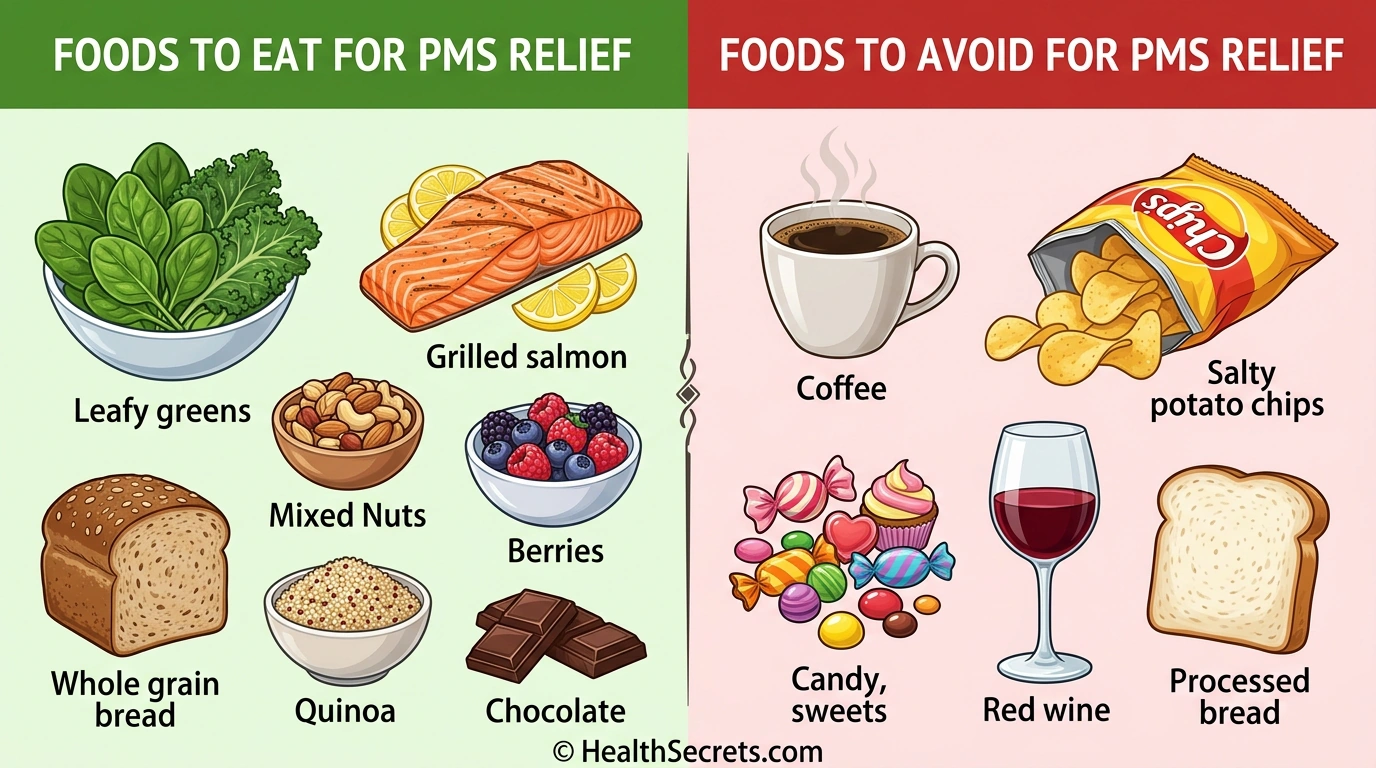
- Reduce salt — Excess sodium increases water retention and bloating, especially in the week before your period. Avoid processed foods, canned soups, and salty snacks
- Limit caffeine — Caffeine worsens anxiety, irritability, and breast tenderness. Reduce to one cup of coffee or eliminate entirely during the luteal phase
- Cut back on sugar and refined carbohydrates — Blood sugar spikes and crashes worsen mood swings, cravings, and irritability. Swap candy and white bread for whole grains
- Avoid alcohol — Alcohol worsens mood symptoms, disrupts sleep, and depletes B vitamins and magnesium — the very nutrients you need most
Which Foods Help Reduce PMS?
- Complex carbohydrates — Whole grains, sweet potatoes, oats, and legumes boost serotonin production naturally
- Anti-inflammatory foods — Fatty fish (salmon, sardines), leafy greens, berries, walnuts, and turmeric reduce prostaglandin-driven inflammation and pain
- Magnesium-rich foods — Dark leafy greens, pumpkin seeds, almonds, dark chocolate (70%+ cacao), and avocado
- Calcium-rich foods — Dairy products, fortified plant milks, sardines with bones, leafy greens, and tofu
- High-fiber foods — Support healthy estrogen metabolism by promoting excretion through the digestive tract
- Adequate protein — Stabilizes blood sugar and provides amino acid precursors for neurotransmitter production
Eat regular meals and snacks throughout the day to prevent blood sugar crashes that magnify mood swings and cravings.
How Do Exercise and Lifestyle Habits Improve PMS?
Lifestyle modifications are foundational to PMS management and often amplify the benefits of supplementation.
How Much Exercise Helps with PMS?
Aim for 30 minutes of moderate aerobic activity most days of the week. Exercise releases endorphins (natural painkillers and mood elevators), reduces cortisol (the stress hormone that worsens PMS), improves sleep quality, and decreases bloating. Walking, jogging, swimming, and cycling are all effective. Yoga deserves special mention — research suggests it improves both physical and emotional PMS symptoms through combined effects on the nervous system, flexibility, and mindfulness.
What Stress Management Techniques Help PMS?
Stress directly worsens PMS by elevating cortisol and disrupting hormonal balance. Effective stress management practices include:
- Meditation and mindfulness — Even 10–15 minutes daily reduces HPA axis reactivity
- Deep breathing — The 4-7-8 technique (inhale 4 seconds, hold 7, exhale 8) activates the parasympathetic nervous system
- Progressive muscle relaxation — Systematically tensing and releasing muscle groups to relieve physical tension
- Cognitive behavioral therapy (CBT) — Particularly effective for severe PMS and PMDD
For deeper strategies, see our sleep optimization guide.
Why Is Sleep Critical for PMS Management?
Poor sleep worsens every aspect of PMS — mood, fatigue, cravings, and pain tolerance. Aim for 7–9 hours nightly with consistent sleep and wake times. Avoid screens before bed, keep your room cool and dark, and consider magnesium glycinate in the evening for dual sleep and PMS benefits.
Can Herbal Teas Help with PMS?
Several herbal teas provide gentle symptom relief: chamomile (calming, anti-inflammatory, may reduce cramps), ginger (anti-inflammatory, reduces nausea and cramps), peppermint (reduces bloating), and raspberry leaf (traditional remedy for menstrual symptoms).
What Are the Best Tips for Maximizing Natural PMS Relief?
- Track symptoms for two to three cycles using apps like Clue, Flo, or Period Tracker — identify your personal symptom patterns and timing before starting interventions
- Start one supplement at a time — Add a new supplement each cycle so you can identify what's actually helping
- Combine strategies for best results — The most effective approach is a combination protocol: chasteberry 20–40 mg + magnesium 300 mg + vitamin B6 50 mg + calcium 1,200 mg + dietary changes + exercise
- Be patient — Most natural remedies require two to three full menstrual cycles for maximum benefit. Don't give up after one month
- Consider evening primrose oil for breast tenderness specifically — 1,000–3,000 mg daily of evening primrose oil (containing GLA) has some evidence for cyclical breast pain, though three to four months are needed for effects
- Time your supplements wisely — Chasteberry in the morning on an empty stomach, magnesium in the evening, calcium in divided doses with meals
- Keep a PMS journal to note which interventions make the most difference for your specific symptoms
What Safety Precautions Should You Know About Natural PMS Remedies?
While the natural remedies discussed here have favorable safety profiles, several important precautions apply:
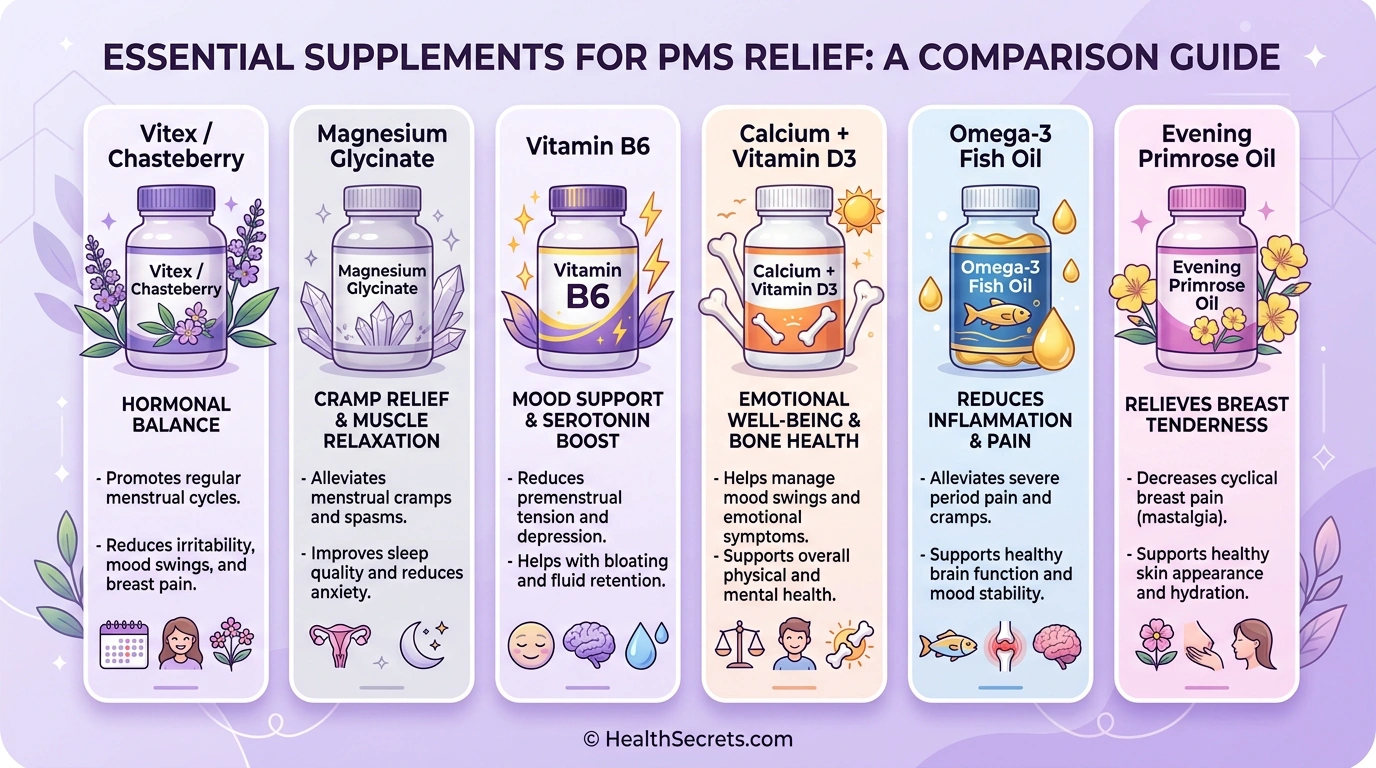
- Vitamin B6: Never exceed 200 mg daily long-term — peripheral neuropathy risk. Stick to 50–100 mg
- Chasteberry: May theoretically interact with hormonal birth control and hormone-sensitive conditions. Avoid during pregnancy and breastfeeding. Consult your doctor if you take dopamine-related medications
- Calcium: High doses (above 2,500 mg daily) may increase cardiovascular risk. Don't exceed 1,200 mg from supplements. May cause constipation — increase fiber and water if needed
- Magnesium: May cause loose stools at high doses — reduce dose if this occurs. Use caution with kidney disease
- Evening primrose oil: May increase bleeding risk — avoid with blood thinners or before surgery
- Drug interactions: Inform your healthcare provider about all supplements, especially if you take blood thinners, hormonal medications, SSRIs, or immunosuppressants
- PMDD warning: If you experience severe depression, suicidal thoughts, or symptoms that severely impair functioning, seek medical evaluation — natural remedies may be insufficient for PMDD
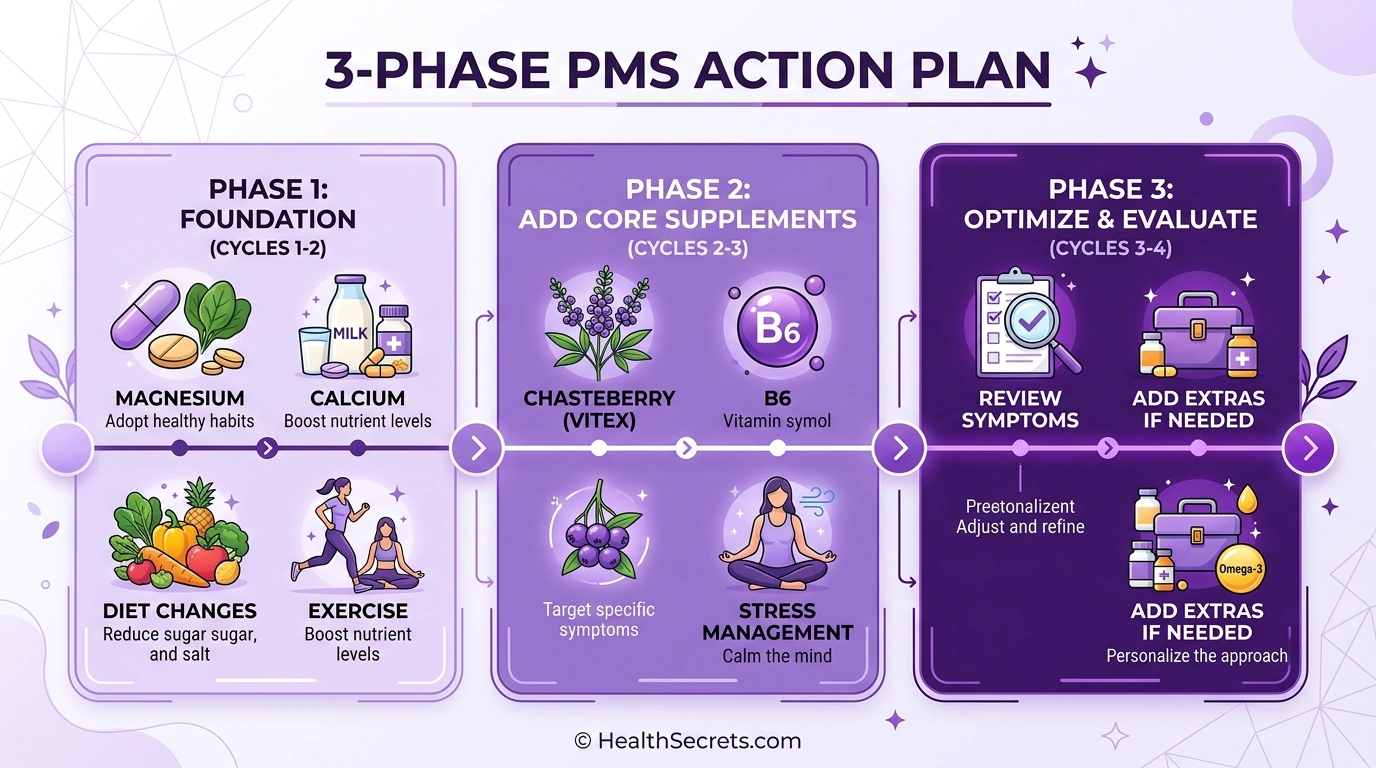
What Is the Best Step-by-Step Action Plan for Lowering PMS Symptoms Naturally?
This phased action plan builds your PMS management protocol gradually, allowing you to identify what works best for your body while establishing sustainable habits.
Phase 1: Foundation (Cycles 1–2)
- Start tracking symptoms daily using a PMS tracking app (Clue, Flo, or Period Tracker)
- Begin magnesium glycinate 300 mg daily (evening, with food)
- Begin calcium 1,200 mg daily (divided into two 600 mg doses with meals)
- Reduce caffeine to one cup or less daily, eliminate during luteal phase
- Cut back on salt, sugar, and alcohol — especially the week before your period
- Establish a regular exercise routine — 30 minutes of moderate activity most days
Phase 2: Add Core Supplements (Cycles 2–3)
- Add chasteberry (Vitex) 20–40 mg daily — morning, empty stomach
- Add vitamin B6 50 mg daily (with food)
- Increase anti-inflammatory foods (fatty fish, leafy greens, berries, nuts)
- Implement a stress management practice — 10–15 minutes daily meditation or deep breathing
- Prioritize sleep — 7–9 hours nightly with consistent schedule
Phase 3: Optimize and Evaluate (Cycles 3–4)
- Review symptom tracking data — compare to baseline cycles
- Add evening primrose oil 1,000–2,000 mg if breast tenderness persists
- Consider omega-3 fish oil (1–2 g EPA+DHA) for inflammation and mood support
- Fine-tune supplement timing and doses based on your response
- If minimal improvement after three full cycles, consult your healthcare provider
Expected timeline: Initial improvements in bloating and cramps often appear within the first cycle. Mood benefits from magnesium and B6 typically emerge by cycle two. Chasteberry's full hormonal balancing effects manifest by cycle three. Continue the protocol long-term for sustained relief.