You slept eight hours and still woke up dragging. Coffee gets you through the morning, but by 2 PM you're running on fumes again. Sound familiar? You're far from alone — persistent fatigue is one of the most common complaints doctors hear, affecting roughly one in four adults at any given time.
Here's what most "energy boost" articles won't tell you upfront: fatigue is a symptom, not a diagnosis. Before reaching for supplements, you need to understand what's draining your battery. That said, once you've ruled out medical causes, natural remedies for fatigue have genuinely impressive clinical backing. Rhodiola rosea has been shown to exert a notable anti-fatigue effect that increases mental performance and the ability to concentrate [2]. Ashwagandha extracts may lower stress, anxiety, and cortisol levels — a major driver of energy depletion. CoQ10 supplementation has demonstrated effectiveness for reducing fatigue in a systematic meta-analysis of randomized controlled trials [7].
This guide gives you the complete evidence-based toolkit: adaptogenic herbs with clinical trial support, essential nutrients your mitochondria need for energy production, and the lifestyle modifications that actually move the needle. More importantly, it tells you when natural approaches aren't enough and medical evaluation is essential.
Related reading: Sleep Optimization Guide · Inflammation and Pain Relief Guide · Complete Gut Health Guide
What Do You Need to Know Before Treating Fatigue Naturally?
Fatigue comes in several forms — physical exhaustion, mental fog, and chronic tiredness that persists beyond six months — and each responds to different interventions. Understanding which type you're dealing with, and ruling out medical causes first, is the essential starting point for any natural energy protocol.
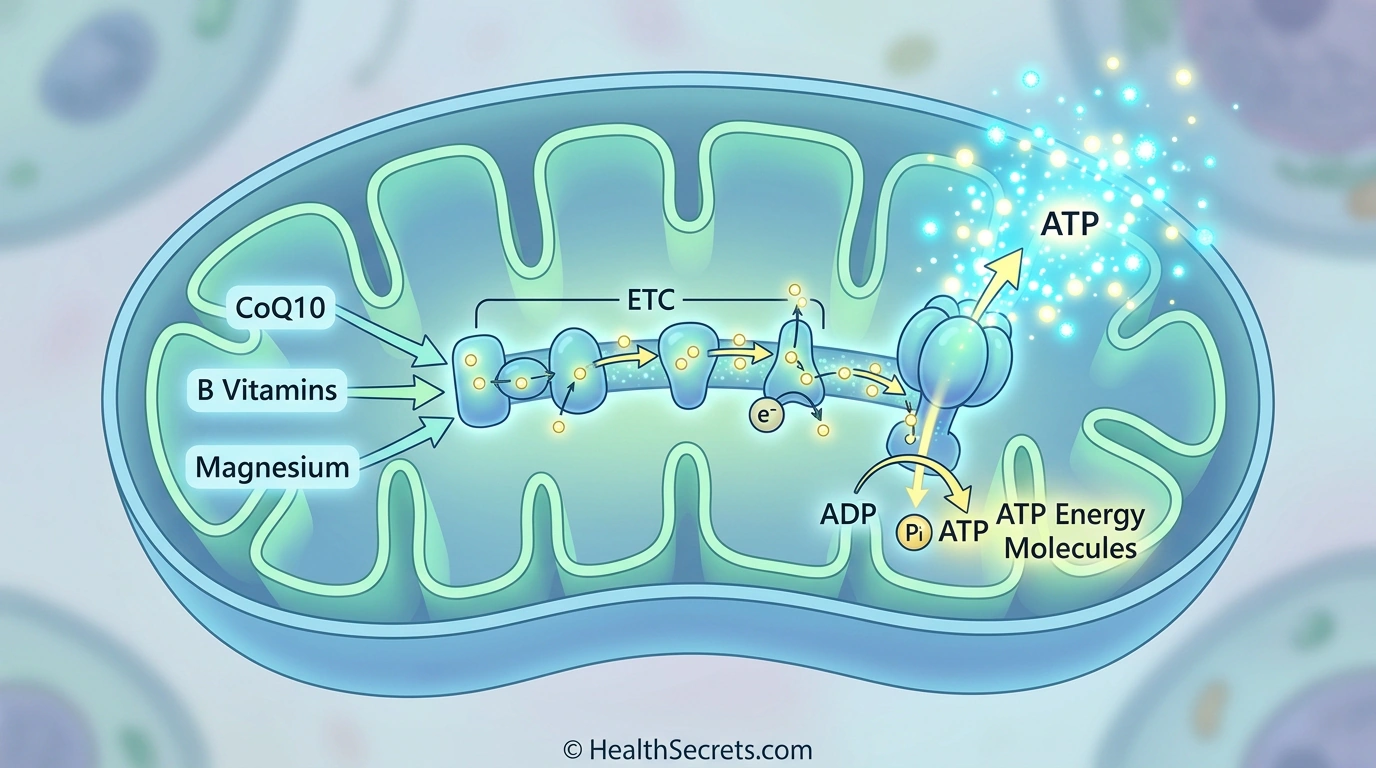
Your cells produce energy through mitochondria, the structures that convert nutrients into ATP (adenosine triphosphate) — your body's energy currency [11] [13]. Natural fatigue remedies work by supporting this process: adaptogens help your stress response system stop draining energy reserves, CoQ10 directly fuels mitochondrial function, and B vitamins serve as essential cofactors for every step of energy metabolism.
What Are the Main Types of Fatigue?
- Physical fatigue — Muscle weakness, reduced endurance, difficulty with physical tasks. Often linked to nutrient deficiencies, poor sleep, or deconditioning.
- Mental fatigue — Difficulty concentrating, brain fog, reduced cognitive performance. Strongly associated with chronic stress, sleep deprivation, and B vitamin status.
- Chronic fatigue — Persistent exhaustion lasting more than six months that isn't relieved by rest. Requires thorough medical workup to rule out conditions like chronic fatigue syndrome (ME/CFS), thyroid disorders, or autoimmune disease.
The natural remedies in this guide target energy production (CoQ10, B vitamins, iron), stress adaptation (rhodiola, ashwagandha), and lifestyle optimization (sleep, exercise, nutrition). Most people see meaningful improvement within 2–6 weeks when combining approaches.

The Home Fermentation Safety Card
A salt calculator that weighs it for you, a day-7 pH check against the 4.6 safety line, and a keep, fix or discard grid for every film, smell and color in the jar.
How Do You Use Rhodiola Rosea to Fight Fatigue?
Rhodiola rosea is the adaptogen with the strongest clinical evidence specifically for fatigue reduction. A randomized, double-blind, placebo-controlled study found that rhodiola extract SHR-5 exerts an anti-fatigue effect that increases mental performance, particularly the ability to concentrate, and decreases cortisol response to stress in burnout patients with fatigue syndrome [1] [3] [10]. Multiple clinical trials consistently show fatigue reduction across both physical and mental domains.
In a study of 60 patients with stress-related fatigue, those taking 576 mg/day of rhodiola extract experienced a 30% reduction in fatigue symptoms after four weeks. Among nursing students during exams, rhodiola improved alertness, reduced mental fatigue, and enhanced exam performance. A larger observational study involving over 1,100 participants reported significant reductions in stress symptoms — including exhaustion and concentration difficulties — within just three days of use.
What's the Best Way to Take Rhodiola for Energy?
- Dose: 200–600 mg daily of standardized extract (3% rosavins, 1% salidroside)
- Timing: Morning or early afternoon — rhodiola can interfere with sleep if taken late
- Onset: Most people notice improvement within 1–2 weeks
- Form: Capsules with standardized extract are most reliable
- Duration: Clinical trials typically run 4–12 weeks; cycling (5 days on, 2 off) is common practice
- Caution: May cause jitteriness at high doses; avoid in bipolar disorder; may interact with stimulant medications
How Does Ashwagandha Help With Stress-Related Fatigue?
If your fatigue is driven by chronic stress — and for most adults, it partially is — ashwagandha targets the hormonal mechanism directly. Research suggests that ashwagandha extracts may lower stress, anxiety, and cortisol levels, and a high-concentration full-spectrum extract improved stress resistance and self-assessed quality of life in a prospective, randomized double-blind study [4]. KSM-66 ashwagandha has demonstrated a 28% reduction in serum cortisol and over 70% reduction on depression, anxiety, and stress scales.
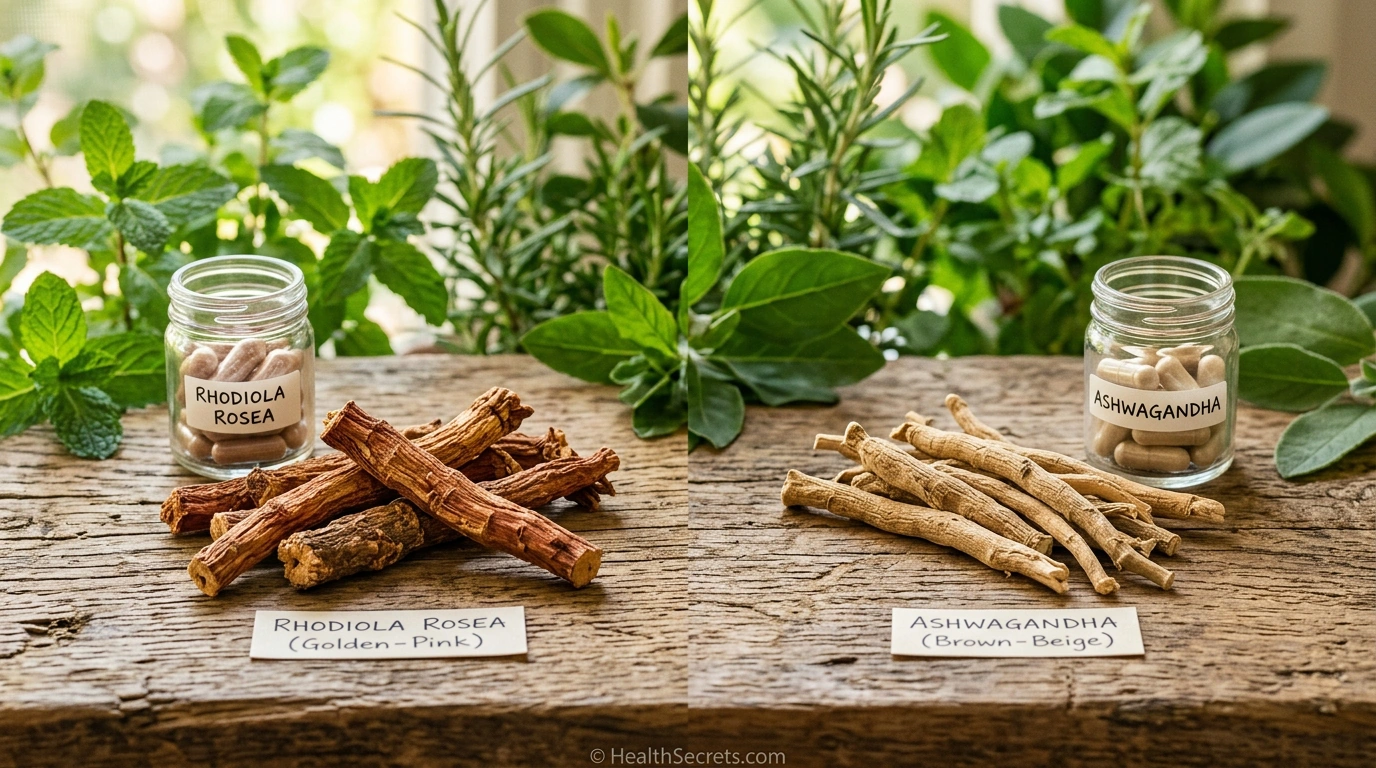
A randomized, double-blind, placebo-controlled crossover study examining fatigue, vigor, and hormones in aging overweight males found that ashwagandha intake was associated with an 18% greater increase in DHEA-S and 14.7% greater increase in testosterone compared to placebo — both hormones that influence energy and vitality [5]. Separate research confirms that ashwagandha supplementation improves cognition, mood, fatigue, and executive function in healthy adults experiencing low energy.
How Should You Take Ashwagandha for Fatigue?
- Dose: 300–600 mg daily of standardized root extract (KSM-66 or Sensoril, 5–10% withanolides)
- Timing: Can be taken morning or evening (unlike rhodiola, it doesn't typically interfere with sleep — many find it calming)
- Onset: 2–4 weeks for noticeable effects; full benefits at 8–12 weeks
- Safety: Generally well-tolerated for up to 12 months per clinical data; may cause mild digestive upset initially
- Caution: Avoid with hyperthyroidism (may stimulate thyroid function); use cautiously with autoimmune conditions or immunosuppressants
How Do You Boost Cellular Energy With CoQ10?
Coenzyme Q10 is essential for mitochondrial ATP production — without adequate CoQ10, your cells literally cannot produce energy efficiently. A systematic review and meta-analysis of randomized controlled trials concluded that CoQ10 is an effective and safe supplement for reducing fatigue symptoms, with greater fatigue reduction correlated with both higher daily doses and longer treatment durations.
CoQ10 levels naturally decline with age and are significantly depleted by statin medications. A double-blind study found that ubiquinol supplementation improved autonomic nervous function and cognitive function in chronic fatigue syndrome patients [9]. Separate research in healthy individuals over 60 showed improvement in mental quality of life, including subjective fatigue, following ubiquinol intake.
What Form of CoQ10 Works Best for Fatigue?
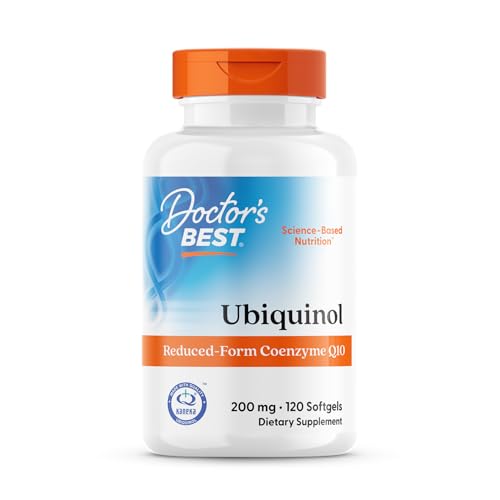
- Preferred form: Ubiquinol (the reduced, active form) — better absorbed than ubiquinone, especially in adults over 40
- Dose: 100–200 mg daily; up to 400 mg for chronic fatigue or statin users
- Timing: Take with a meal containing fat for optimal absorption
- Onset: 4–8 weeks for noticeable improvement (CoQ10 works slowly but steadily)
- Safety: Excellent safety profile with only rare gastrointestinal side effects; may interact with blood thinners (warfarin)
- Who benefits most: Adults over 40, statin users, those with diagnosed mitochondrial dysfunction, and people with chronic fatigue
Which B Vitamins and Minerals Fight Fatigue Most Effectively?
B vitamins and iron are the nutritional foundation of energy metabolism, and deficiencies in either can produce fatigue that no amount of adaptogens will fix. A comprehensive review confirmed that B vitamins (B1, B2, B3, B5, B6, B8, B9, B12), vitamin C, iron, magnesium, and zinc all have recognized roles in energy production, fatigue reduction, and cognitive function. A randomized double-blind trial evaluating B vitamin supplementation (B1, B2, B6, B12) found measurable anti-fatigue effects and exercise performance improvements [12].
How Do B Vitamins Support Energy?
Every B vitamin serves as a cofactor in energy metabolism pathways. Deficiencies in B12 and folate cause megaloblastic anemia — producing fatigue, weakness, and shortness of breath that resolve with supplementation. B12 deficiency is particularly common in vegetarians, vegans, older adults, and those with absorption issues.
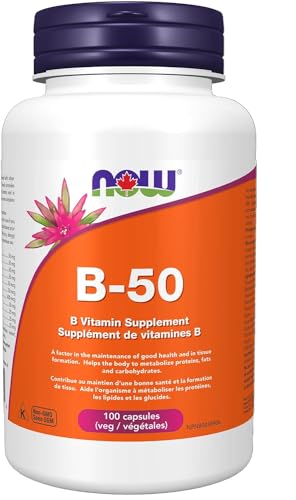
- B-Complex: Take a comprehensive B-50 or B-100 complex for broad coverage
- B12 specifically: 1,000 mcg methylcobalamin (sublingual) if deficient; get blood levels tested
- B vitamins are water-soluble — excess is excreted, making toxicity rare (except high-dose B6)
Why Is Iron Testing Critical Before Supplementing?
Iron deficiency is the world's most common nutritional deficiency and a leading cause of fatigue, particularly in menstruating women, pregnant women, and vegetarians. However, excess iron is dangerous — it accumulates in organs and cannot be easily eliminated.
- Always test first: Ferritin, serum iron, TIBC, and hemoglobin before supplementing [15]
- If deficient: 25–65 mg elemental iron daily (iron bisglycinate is gentlest on the stomach)
- Absorption tip: Take with vitamin C; avoid taking with calcium, tea, or coffee
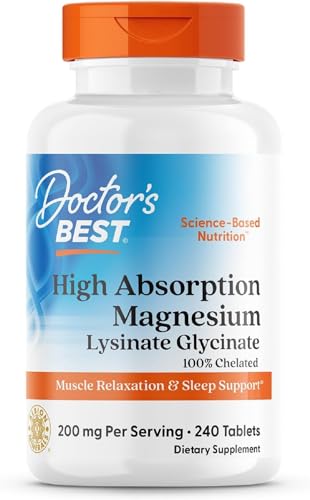
- Magnesium: 200–400 mg glycinate or citrate daily — a cofactor for ATP production that many people lack
How Do You Change Your Diet and Lifestyle to Beat Fatigue?
Supplements without lifestyle optimization is like filling a leaky bucket. These modifications form the foundation that makes every supplement work better — and for many people, they're sufficient on their own.
Which Diet Changes Have the Biggest Impact on Energy?
- Stabilize blood sugar — Blood sugar crashes are the most common dietary cause of afternoon fatigue [8]. Combine protein, fiber, and healthy fats at every meal. Limit refined carbs and added sugars.
- Stay hydrated — Even mild dehydration (1–2%) reduces energy and cognitive performance. Aim for 8–10 glasses of water daily. If your urine is dark yellow, you're behind.
- Front-load nutrition — Eat iron-rich foods (red meat, lentils, spinach, fortified cereals) and B vitamin sources (eggs, whole grains, leafy greens) consistently. A nutrient-poor diet makes supplementation a band-aid.
- Limit caffeine strategically — Caffeine masks fatigue without fixing it. Cap intake at 200–400 mg daily (2–4 cups of coffee), none after 2 PM.
Which Lifestyle Changes Restore Energy Fastest?
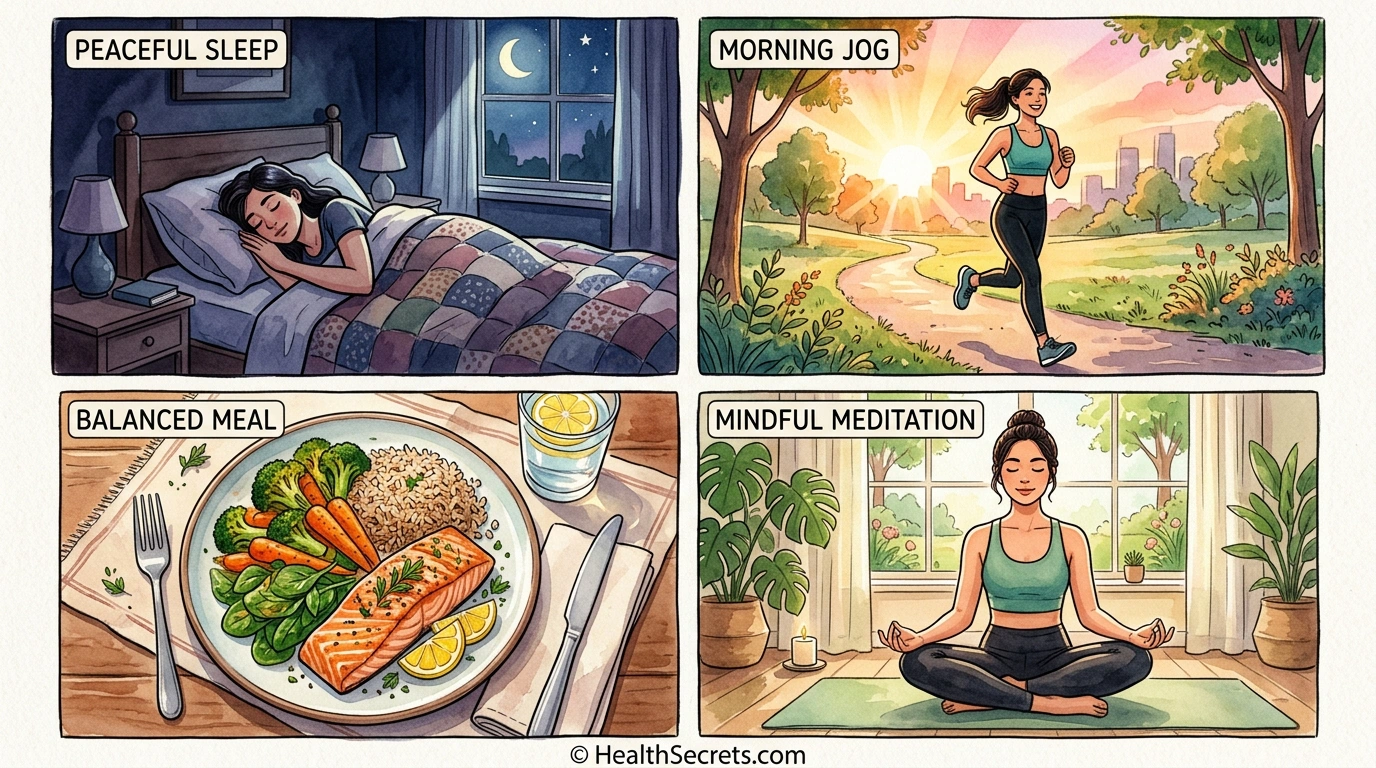
- Sleep quality over quantity — 7–9 hours nightly with consistent timing. Dark, cool room (65–68°F). No screens 60 minutes before bed. Poor sleep quality is the single most common cause of preventable fatigue.
- Exercise paradox — Movement fights fatigue even though it feels counterintuitive. Start with 20–30 minutes of moderate activity most days. Regular exercise improves mitochondrial function and energy production within weeks.
- Morning sunlight — 15–20 minutes of natural light within an hour of waking regulates your circadian rhythm and boosts vitamin D production. Both directly influence energy levels.
- Stress management — Chronic stress depletes cortisol reserves and drains energy. Even 10 minutes daily of meditation, deep breathing, or yoga produces measurable improvements.
Could an Underlying Medical Condition Be Causing Your Fatigue?
This step isn't optional — it's arguably the most important one in this guide. Fatigue is a nonspecific symptom that accompanies dozens of medical conditions, and treating it naturally while ignoring an underlying cause can delay critical diagnosis and treatment.
What Medical Conditions Commonly Cause Fatigue?
- Iron-deficiency anemia — The most common cause globally; simple blood test confirms it
- Thyroid disorders — Hypothyroidism and Hashimoto's disease cause profound fatigue; check TSH, free T4, thyroid antibodies
- Diabetes/pre-diabetes — High blood sugar impairs cellular energy production
- Sleep apnea — Extremely common and underdiagnosed; causes fatigue despite adequate sleep hours
- Depression and anxiety — Fatigue is a core symptom of both; often co-exists with other causes
- Vitamin B12 deficiency — Can result from pernicious anemia or malabsorption; causes fatigue, weakness, and neurological symptoms [14]
- Chronic fatigue syndrome (ME/CFS) — Post-exertional malaise is the hallmark; requires specialist evaluation
- Autoimmune conditions — Lupus, rheumatoid arthritis, and multiple sclerosis all cause significant fatigue
- Medications — Beta-blockers, antihistamines, antidepressants, and statins commonly cause fatigue as a side effect
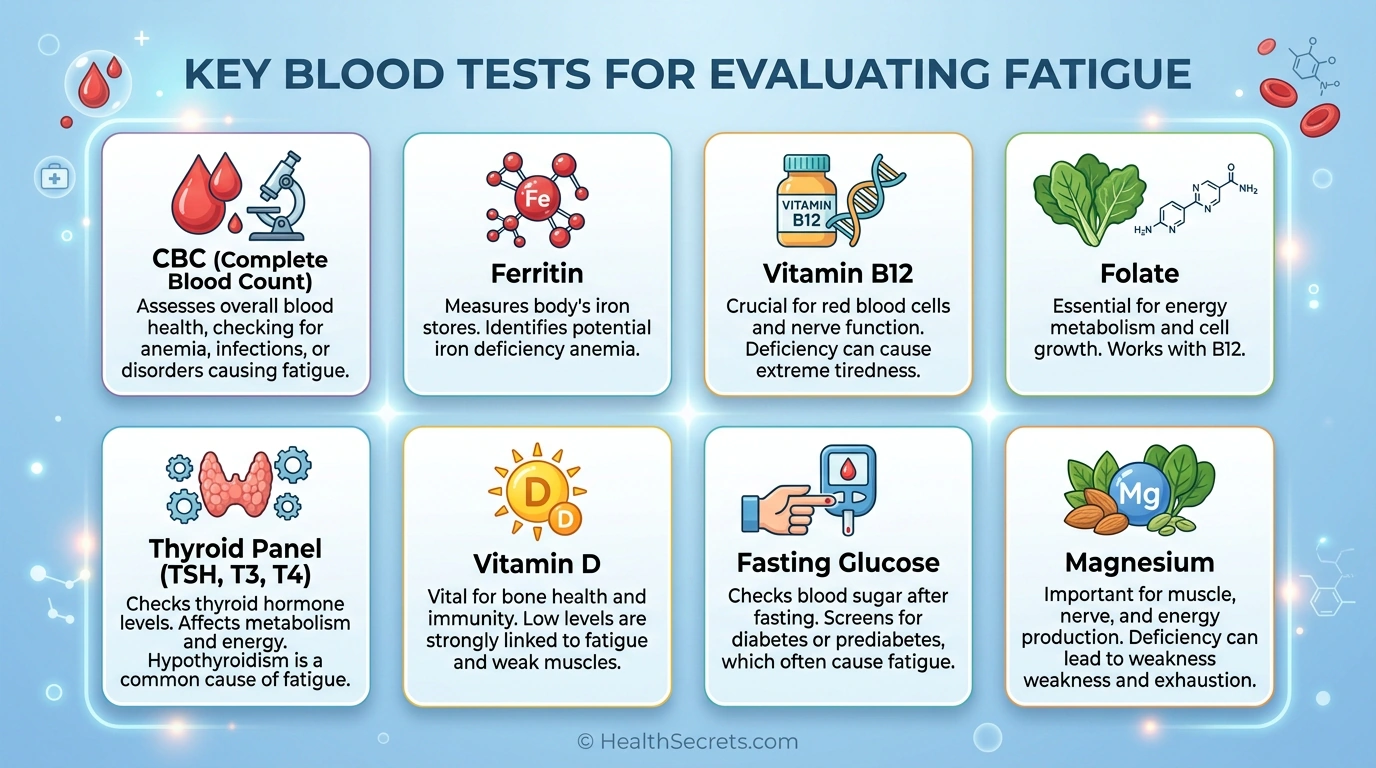
A basic fatigue workup includes: complete blood count, ferritin, B12, folate, thyroid panel, fasting glucose/HbA1c, vitamin D, and a comprehensive metabolic panel. Request these tests before investing heavily in supplements.
What Are the Most Common Mistakes When Trying to Boost Energy Naturally?
Most people who fail with natural fatigue remedies aren't choosing the wrong supplements — they're making implementation errors that undermine results.
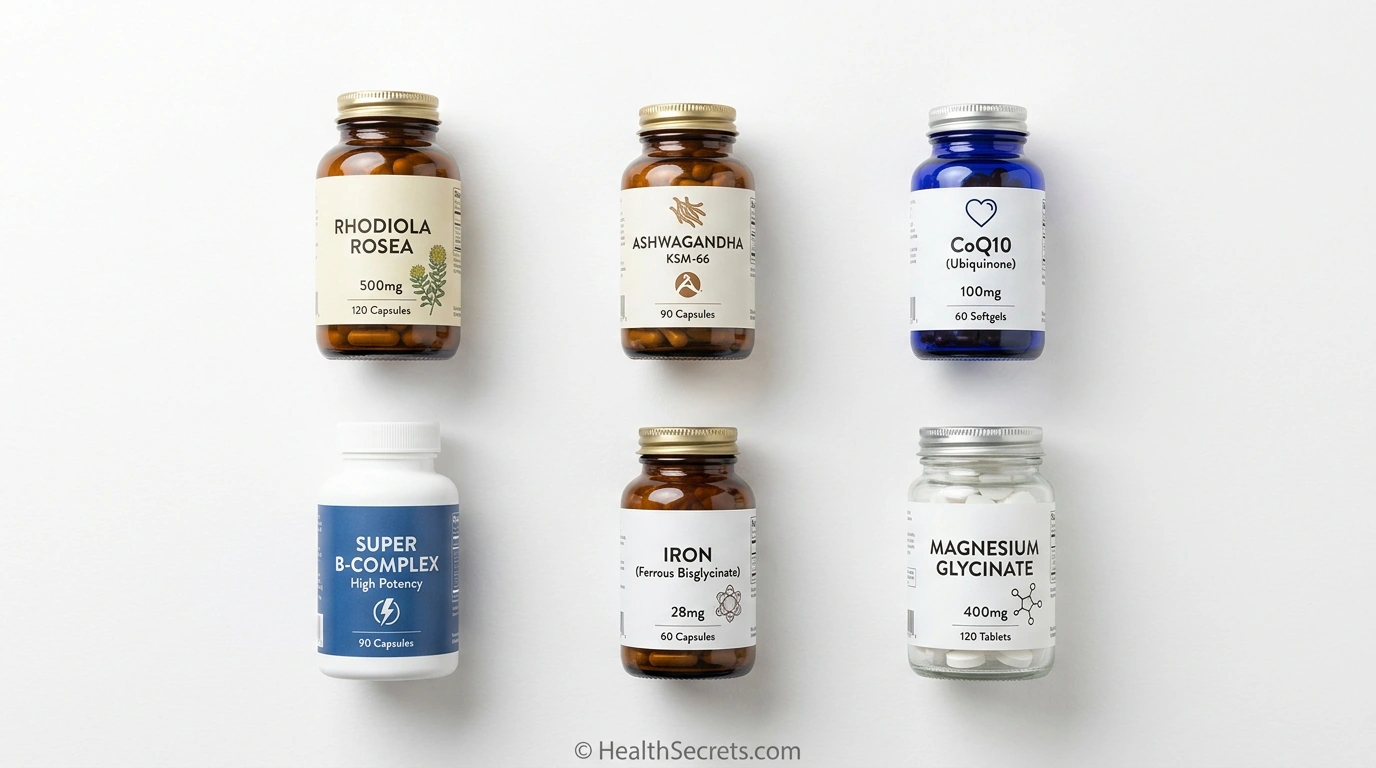
- Supplementing iron without testing — This is dangerous, not just wasteful. Excess iron causes organ damage. Always get ferritin levels checked first.
- Expecting adaptogens to work overnight — Rhodiola takes 1–2 weeks, ashwagandha takes 2–4 weeks, and CoQ10 takes 4–8 weeks [6]. Give them adequate time.
- Taking rhodiola in the evening — Its stimulating properties can disrupt sleep, creating a fatigue cycle. Take it before noon.
- Ignoring sleep quality — No supplement overcomes chronic sleep deprivation. Fix sleep first, then layer in supplements.
- Using caffeine as a crutch — Caffeine masks fatigue signals and disrupts sleep architecture. Reduce gradually while implementing natural approaches.
- Skipping the medical workup — Spending months on adaptogens while an undiagnosed thyroid condition or anemia goes untreated wastes time and risks health.
- Taking B vitamins without checking levels — B-complex is safe for most, but if you specifically suspect B12 deficiency, get tested so you know if you need therapeutic doses.
Is It Safe to Treat Fatigue With Natural Remedies? When Should You See a Doctor?
The supplements in this guide have favorable safety profiles when used at recommended doses, but fatigue-specific safety considerations exist that differ from general supplement use. The biggest risk isn't supplement side effects — it's delaying diagnosis of an underlying condition.
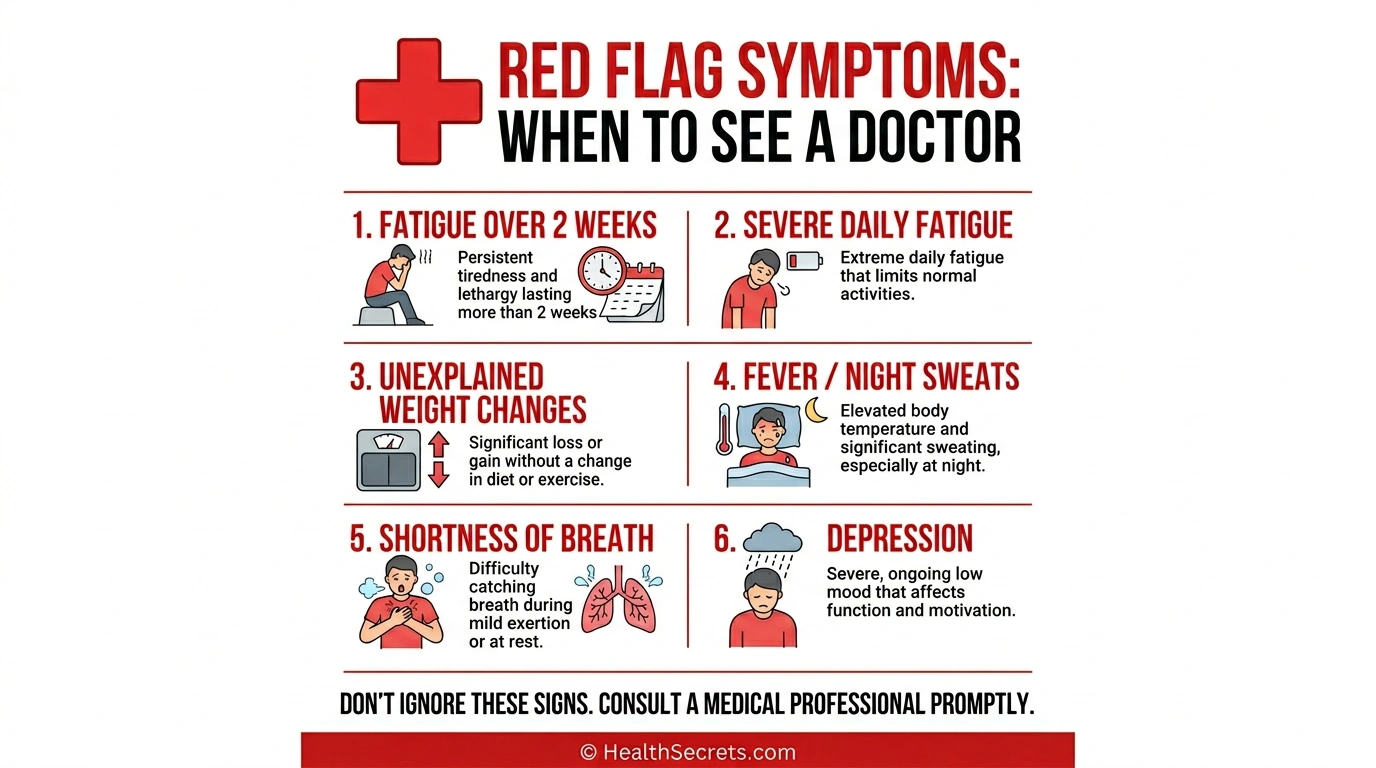
When Is Fatigue a Medical Emergency or Urgent Concern?
- Fatigue persisting more than 2 weeks despite consistent lifestyle changes
- Severe fatigue interfering with daily activities or work
- Unexplained weight loss or gain accompanying fatigue
- Fever or night sweats with fatigue
- Shortness of breath or chest pain — seek immediate evaluation
- Depression or suicidal thoughts — seek immediate help
- Fatigue after starting a new medication — contact your prescriber
- New joint pain, rash, or swollen lymph nodes with fatigue
Key Supplement Interactions
- Rhodiola may interact with stimulant medications, antidepressants, and blood pressure drugs
- Ashwagandha may potentiate thyroid medications and immunosuppressants
- CoQ10 may reduce the effectiveness of warfarin (blood thinner)
- Iron supplements reduce absorption of thyroid medications, antibiotics, and levodopa — separate by 2–4 hours
What Should You Do First to Fight Fatigue Naturally?
Start with diagnostics and lifestyle foundations before adding supplements. This phased approach ensures you're addressing root causes, not masking symptoms.
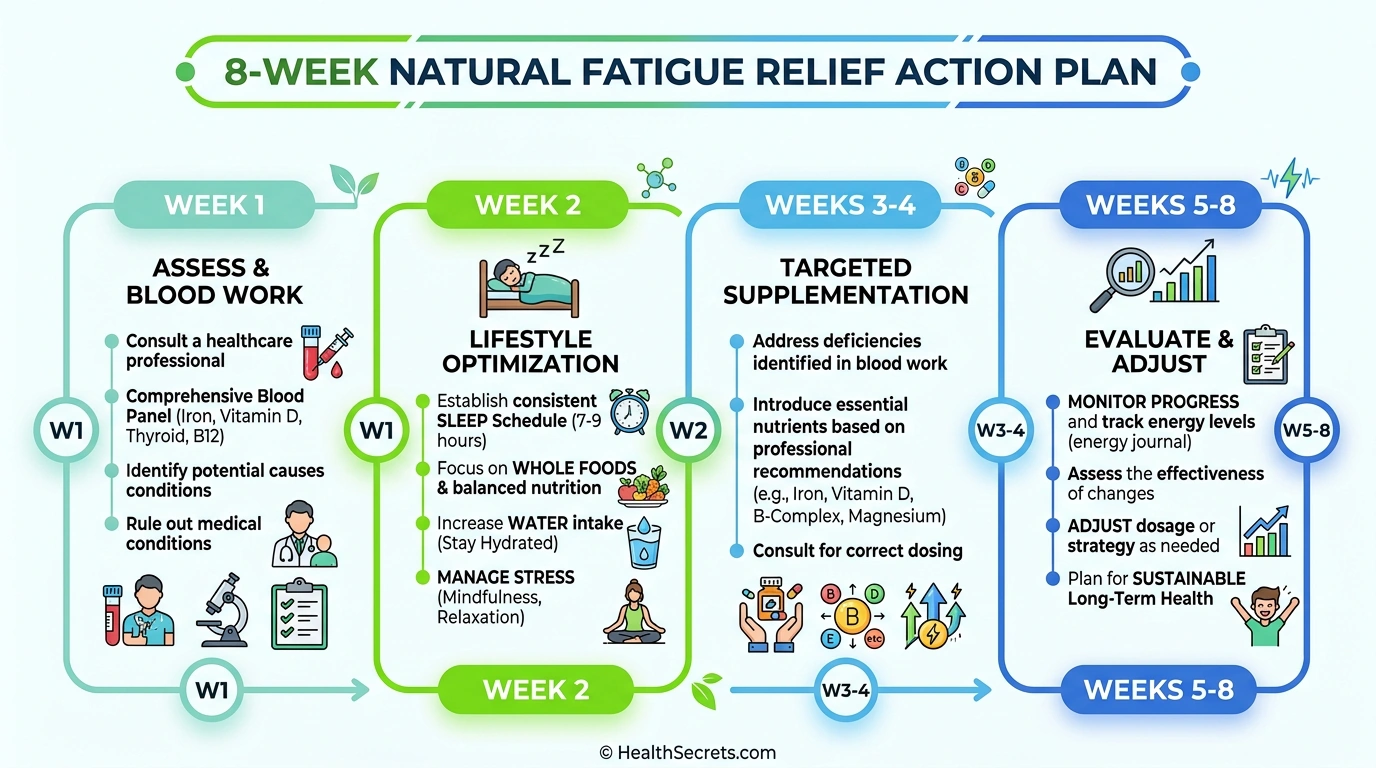
Week 1 — Assess and Foundation:
- Schedule blood work: CBC, ferritin, B12, folate, thyroid panel, fasting glucose, vitamin D
- Begin sleep hygiene protocol: consistent bedtime, dark/cool room, no screens before bed
- Start a fatigue diary: note energy levels, meals, sleep quality, and stress levels
- Increase water intake to 8–10 glasses daily
Week 2 — Lifestyle Optimization:
- Add 20–30 minutes of moderate exercise on most days
- Stabilize blood sugar: protein + fiber + fat at every meal
- Get 15–20 minutes of morning sunlight daily
- Review blood work results with your doctor
Week 3–4 — Targeted Supplementation:
- If blood work shows deficiencies, begin targeted repletion (iron, B12, vitamin D, magnesium)
- Start one adaptogen: rhodiola (for mental/physical fatigue) OR ashwagandha (for stress-related fatigue)
- Consider adding CoQ10 ubiquinol if over 40, on statins, or fatigue persists
Week 5–8 — Evaluate and Adjust:
- Assess energy improvements using your fatigue diary
- Add a second supplement if needed (combine adaptogen + CoQ10 for broader coverage)
- If minimal improvement after 6–8 weeks of consistent effort, pursue additional medical evaluation