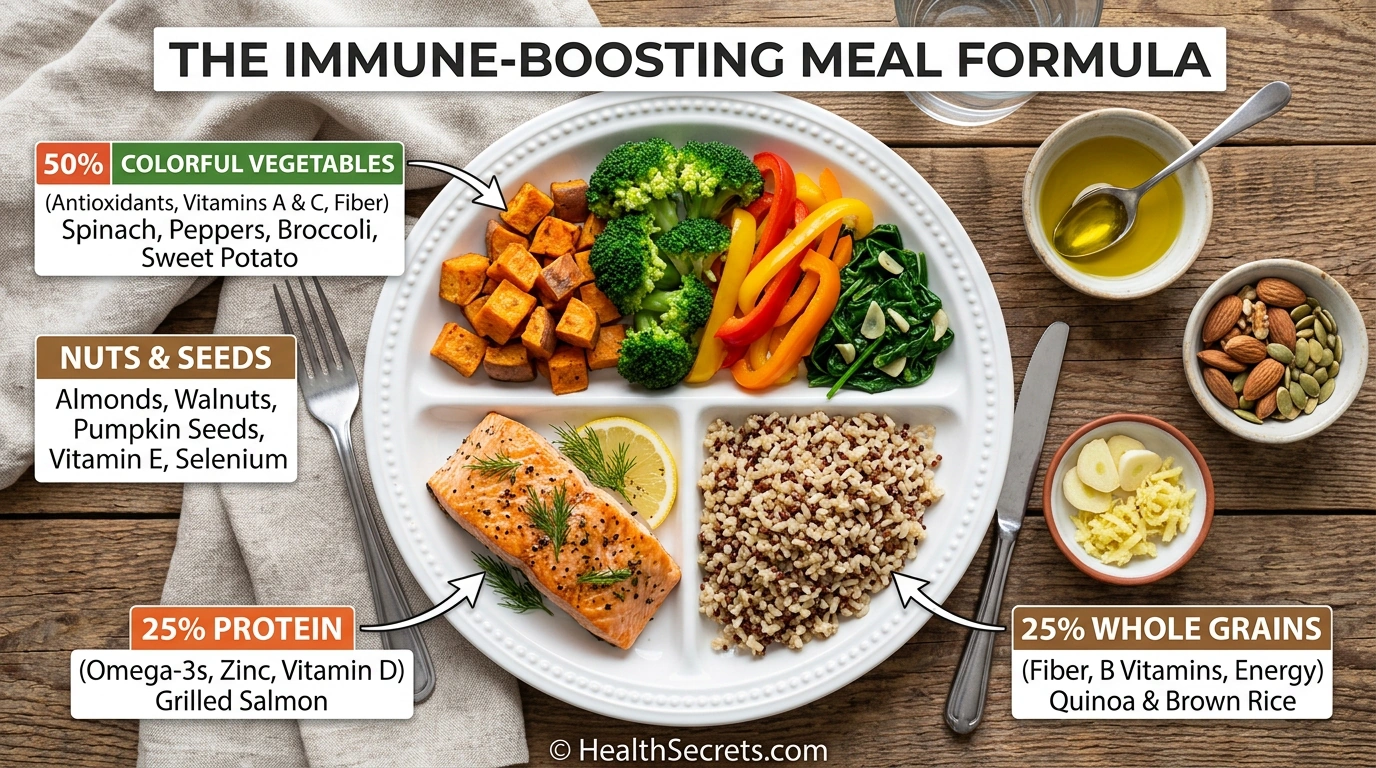
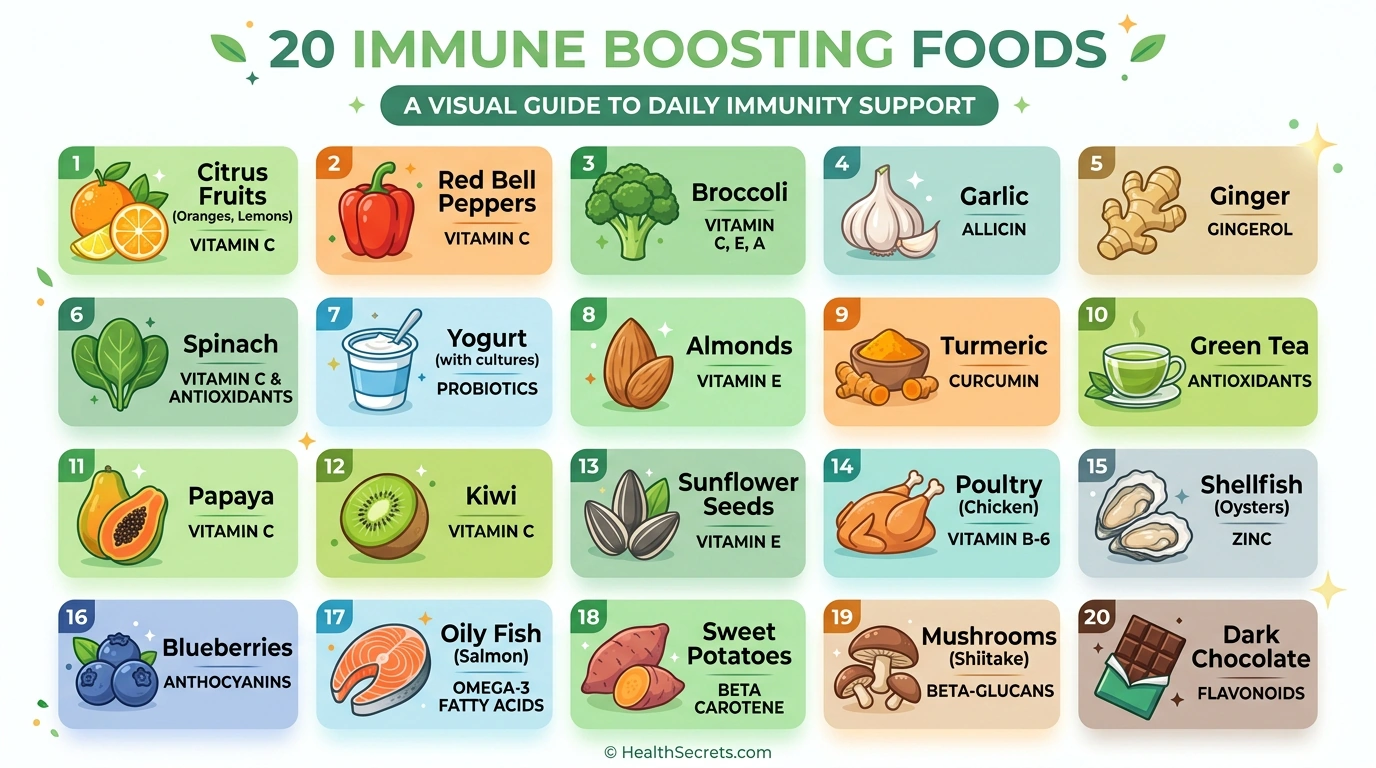
Your immune system is only as strong as the fuel you give it. Research confirms that roughly 70% of your immune system resides in your gut, making the foods you eat one of the most powerful tools for building natural defenses against infection and disease. While supplements have their place, a nutrient-dense diet packed with immune-supporting foods remains the foundation that no pill can replace.
In this guide, you will discover 20 science-backed foods that supply the vitamins, minerals, antioxidants, and bioactive compounds your immune cells depend on. Each food includes key nutrients, serving sizes, and practical tips for incorporating it into your meals starting today.
Explore our complete guides on boosting your immune system naturally, vitamin D and immunity, and the role of probiotics in gut health for a deeper understanding of immune support strategies.
How Did We Choose These 20 Immune Boosting Foods?
We selected these 20 immune boosting foods based on peer-reviewed research from PubMed and major medical institutions, prioritizing foods with the strongest clinical evidence for supporting immune function. Each food earned its spot by providing at least one key immune nutrient in meaningful amounts per serving.
Our selection criteria included:
- Scientific evidence — published studies demonstrating measurable immune benefits
- Nutrient density — high concentrations of immune-critical vitamins, minerals, or bioactive compounds per serving
- Accessibility — widely available in most grocery stores year-round
- Versatility — easy to incorporate into everyday meals and snacks
- Safety — well-tolerated by most people with minimal risks
We also prioritized diversity across nutrient categories to ensure the list covers vitamin C, vitamin D, vitamin A, vitamin E, zinc, selenium, omega-3 fatty acids, probiotics, and polyphenols.

The Supplement Seal Verifier
What six certification programs each test, the label claims that test nothing, and a ten-bottle audit sheet that counts your verified products.
1. Citrus Fruits: Why Are They the Most Popular Immune Boosting Foods?
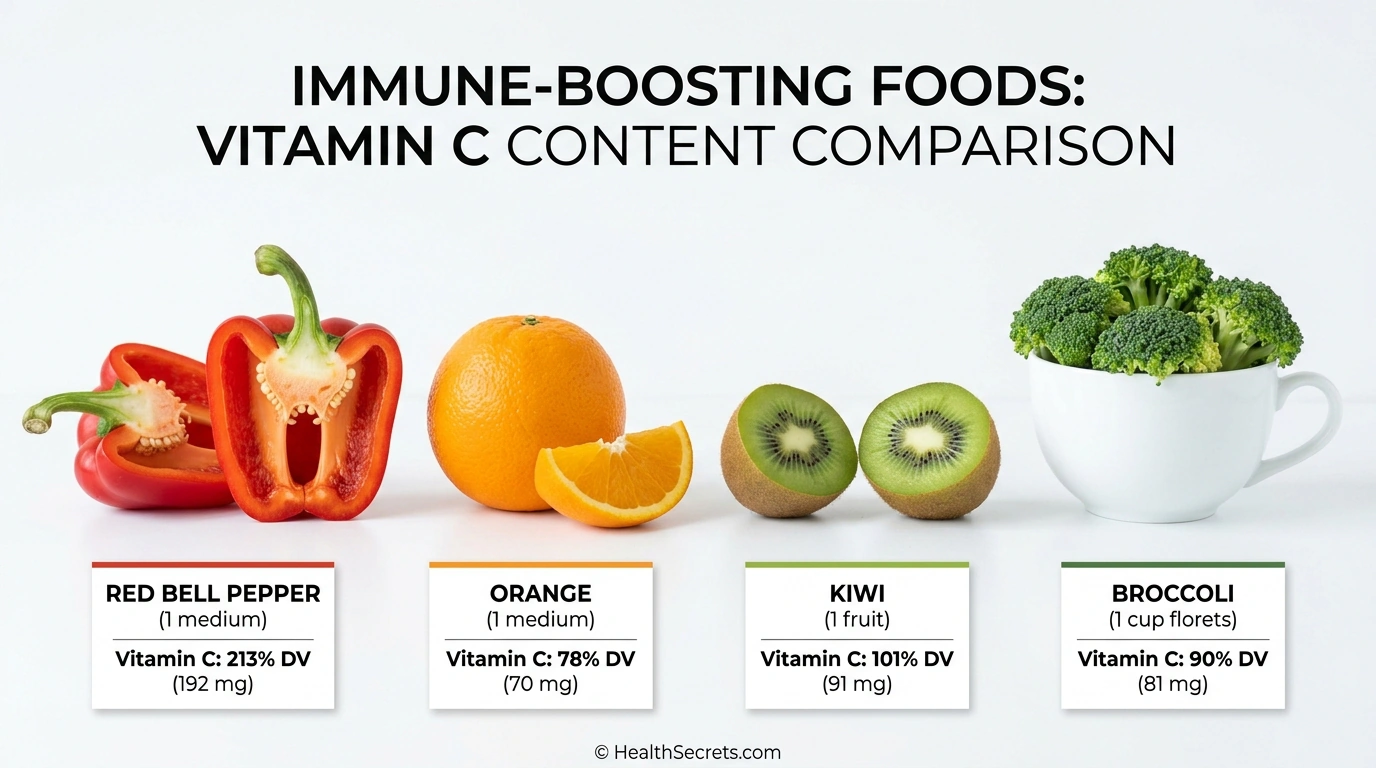
Citrus fruits like oranges, grapefruits, lemons, and limes are among the best immune boosting foods because they deliver high doses of vitamin C, which stimulates white blood cell production and acts as a powerful antioxidant. A single orange provides over 100% of your daily vitamin C needs.
- Key nutrients: Vitamin C (70–90 mg per orange), flavonoids (hesperidin, naringenin), fiber
- How they support immunity: Vitamin C increases phagocyte function, protects immune cells from oxidative damage, supports skin barrier integrity, and may reduce cold duration by 8% in adults [1].
- How to incorporate: Fresh fruit at breakfast, lemon water in the morning, citrus in salads, or fresh-squeezed juice with pulp. Aim for 1–2 servings daily.
2. Red Bell Peppers: Do They Really Have More Vitamin C Than Oranges?
Red bell peppers contain nearly twice the vitamin C of citrus fruits, delivering over 190 mg per cup — more than 200% of your daily value. This makes them one of the most underrated immune boosting foods available, offering exceptional antioxidant protection alongside beta-carotene for respiratory tract defense.
- Key nutrients: Vitamin C (190 mg/cup), beta-carotene, vitamins E and B6
- How they support immunity: The combination of vitamin C and beta-carotene supports both innate and adaptive immune responses while protecting respiratory tract mucosal linings [2].
- How to incorporate: Raw with hummus, roasted as a side dish, in stir-fries, or blended into smoothies. Eat 1 cup raw or cooked daily.
3. Berries: How Do Blueberries and Elderberries Strengthen Your Immune System?
Berries are packed with anthocyanins — the pigments that give them vibrant colors — which possess potent antiviral and antioxidant properties. Elderberries in particular have been studied for reducing flu duration, while blueberries support natural killer cell function and reduce oxidative stress throughout the body.
- Key nutrients: Vitamin C, anthocyanins, polyphenols, prebiotic fiber
- How they support immunity: Anthocyanins enhance NK cell activity, reduce viral replication, and provide prebiotic fiber that feeds beneficial gut bacteria critical for immune function [3].
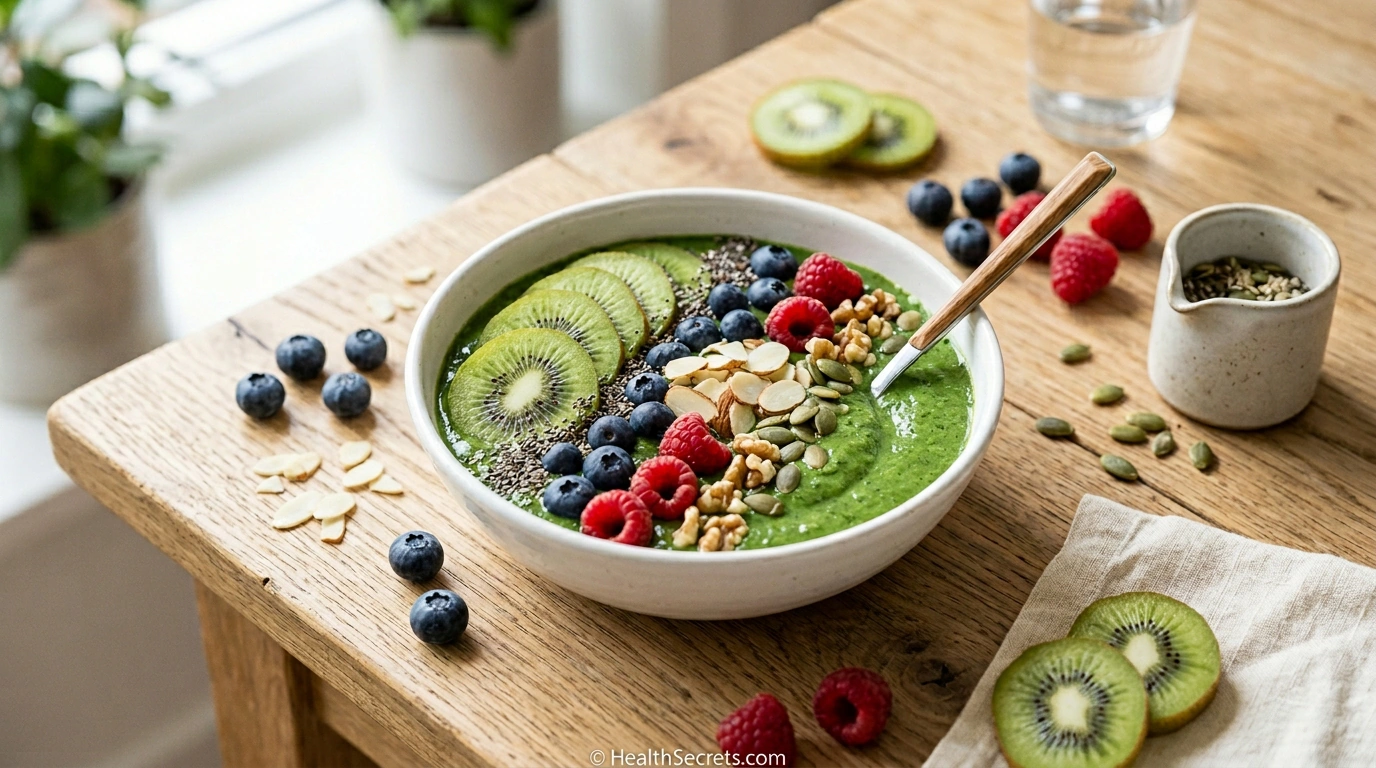
- How to incorporate: Add frozen berries to smoothies, top yogurt or oatmeal, snack on fresh berries, or brew elderberry tea. Aim for 1–2 cups daily. Read more about elderberry for immune support.
4. Garlic: Can Eating Garlic Really Help You Fight Off Infections?
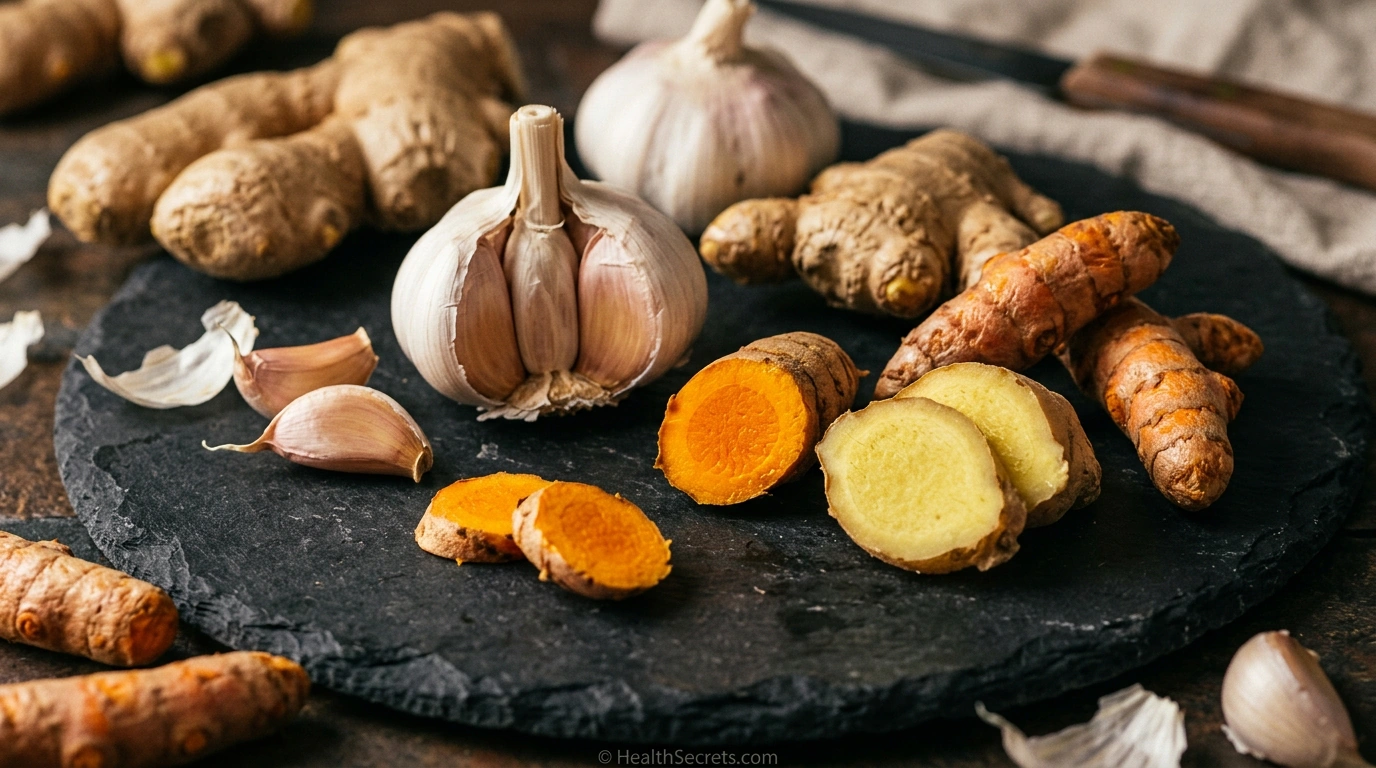
Garlic contains allicin, a sulfur compound with broad-spectrum antimicrobial properties against bacteria, viruses, and fungi. Research shows that regular garlic consumption can reduce cold incidence by up to 63% and shorten symptom duration, making it one of the most potent immune boosting foods in your kitchen.
- Key compounds: Allicin, selenium, manganese, vitamins C and B6
- How it supports immunity: Allicin enhances macrophage and lymphocyte activity, while garlic's prebiotic properties support beneficial gut bacteria [4][5].
- How to incorporate: Crush cloves and let sit 10 minutes before cooking to activate allicin. Add to sautéed vegetables, soups, or salad dressings. Consume 1–2 cloves daily.
5. Ginger: What Makes Ginger a Powerful Immune-Supporting Food?
Ginger's primary bioactive compound, gingerol, delivers potent anti-inflammatory and antiviral effects that directly support immune defense. Studies show ginger can inhibit viral replication, reduce inflammatory markers, and soothe respiratory symptoms, making it valuable both for daily prevention and during illness.
- Key compounds: Gingerol, shogaol, antioxidants
- How it supports immunity: Gingerol reduces pro-inflammatory cytokines, demonstrates antiviral activity against respiratory viruses, and supports digestive health for optimal gut immunity [5][6].
- How to incorporate: Steep fresh ginger in hot water for tea, grate into stir-fries, add to smoothies, or take ginger shots. Use 1–2 inches of fresh ginger daily.
6. Turmeric: How Does Curcumin in Turmeric Enhance Immune Function?
Turmeric's active compound curcumin is one of the most studied natural anti-inflammatory agents, enhancing antibody responses and modulating immune cell activity. Curcumin's bioavailability increases by 2,000% when paired with black pepper's piperine, making this combination essential for maximum immune benefit.
- Key compounds: Curcumin, iron, manganese, vitamin B6
- How it supports immunity: Curcumin modulates T cell, B cell, and NK cell activity, reduces chronic inflammation that weakens immunity, and demonstrates antiviral and antimicrobial properties [5][7].
- How to incorporate: Golden milk lattes, curries, turmeric rice, or smoothies — always with a pinch of black pepper. Use 1/2–1 teaspoon (1–3 g) daily.
7. Spinach and Leafy Greens: Why Are Dark Leafy Greens Essential for Immunity?
Spinach and other dark leafy greens deliver a powerful trio of vitamins A, C, and E alongside folate, which is critical for DNA synthesis in rapidly dividing immune cells. Cooking spinach lightly increases absorption of iron and calcium while preserving most of its vitamin C content.
- Key nutrients: Vitamins A, C, E, folate, iron, magnesium, beta-carotene
- How they support immunity: Folate drives immune cell proliferation, beta-carotene strengthens mucosal barriers, and the antioxidant combination protects immune cells from damage [8][9].
- How to incorporate: Raw in salads, sautéed as a side, blended into smoothies, or added to soups and omelets. Eat 2–3 cups raw or 1 cup cooked daily.
8. Broccoli and Cruciferous Vegetables: What Immune Benefits Does Broccoli Provide?
Broccoli is one of the most nutrient-dense immune boosting foods, providing 135% of your daily vitamin C per cup plus sulforaphane — a compound that activates your body's own antioxidant defense pathways. Lightly steaming broccoli maximizes sulforaphane bioavailability while retaining nutrients.
- Key nutrients: Vitamin C, vitamins A, E, K, sulforaphane, fiber
- How they support immunity: Sulforaphane activates Nrf2 antioxidant pathways, supports detoxification enzymes, and provides prebiotic fiber for gut immunity [10].
- How to incorporate: Steamed or roasted broccoli, cauliflower rice, roasted Brussels sprouts, or raw in salads. Eat 1–2 cups of cruciferous vegetables daily.
9. Almonds and Nuts: How Does Vitamin E in Nuts Support Your Immune System?
Almonds are the leading food source of vitamin E, a fat-soluble antioxidant that protects immune cell membranes from oxidative damage. Just one ounce of almonds provides 50% of your daily vitamin E needs, while walnuts and Brazil nuts add omega-3s and selenium for comprehensive immune support.
- Key nutrients: Vitamin E (7.3 mg/oz), monounsaturated fats, zinc, magnesium, selenium (Brazil nuts)
- How they support immunity: Vitamin E enhances T cell function, healthy fats reduce systemic inflammation, and zinc supports immune cell development [8][11].
- How to incorporate: Snack on a small handful daily, add nut butter to toast or fruit, chop into salads, or include in trail mix. Eat 1 ounce (about 23 almonds) daily.
10. Sunflower Seeds: Are Sunflower Seeds a Good Source of Immune Nutrients?
Sunflower seeds pack an impressive nutritional profile for immune support, delivering nearly half your daily vitamin E and meaningful amounts of selenium, zinc, and B vitamins in just a quarter cup. Their combination of fat-soluble antioxidants and essential minerals makes them an efficient immune-boosting snack.
- Key nutrients: Vitamin E (49% DV per 1/4 cup), selenium, zinc, B vitamins, healthy fats
- How they support immunity: Selenium enhances immune cell response and antibody production, while vitamin E and zinc work together to maintain immune cell integrity [8][11].
- How to incorporate: Sprinkle on salads or oatmeal, use sunflower seed butter, add to trail mix, or include in homemade granola. Eat 1/4 cup daily.
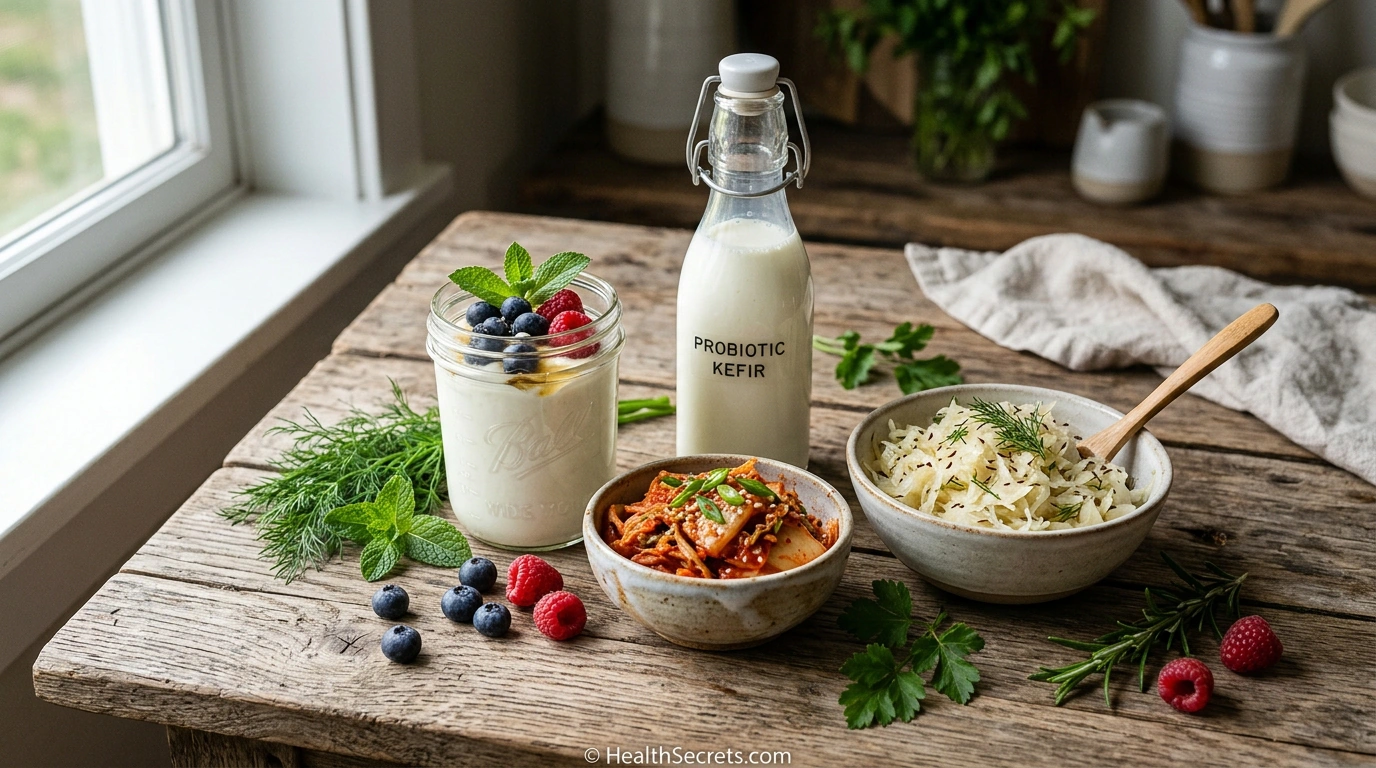
11. Yogurt and Fermented Foods: How Do Probiotics in Yogurt Boost Immunity?
Yogurt and fermented dairy products deliver billions of beneficial bacteria directly to your gut, where approximately 70% of your immune system resides. Look for products labeled "live and active cultures" — kefir is particularly potent, containing 10–34 different probiotic strains compared to yogurt's typical 2–7.
- Key nutrients: Probiotics, protein, vitamin D (if fortified), zinc, selenium
- How they support immunity: Probiotics enhance gut barrier function, stimulate immune cell activity, reduce inflammatory responses, and may decrease respiratory infection risk by up to 47% [12][13].
- How to incorporate: Plain yogurt with berries and nuts, smoothies, yogurt parfaits, or kefir as a daily drink. Consume 1 cup daily. See our guide on fermented foods for gut health for more options.
12. Green Tea: What Immune-Boosting Compounds Does Green Tea Contain?
Green tea contains EGCG (epigallocatechin gallate), one of the most potent antioxidant compounds found in any food or beverage. EGCG enhances immune surveillance, demonstrates direct antiviral activity against influenza and other viruses, and supports T cell function — with matcha delivering 137 times more EGCG than regular green tea.
- Key compounds: EGCG, L-theanine, polyphenols, catechins
- How it supports immunity: EGCG enhances NK cell and T cell function, L-theanine supports gamma-delta T cell production, and polyphenols reduce oxidative stress [14].
- How to incorporate: Brew 2–3 cups daily, try matcha for concentrated benefits, or enjoy iced green tea. Avoid adding milk, which can reduce catechin absorption.
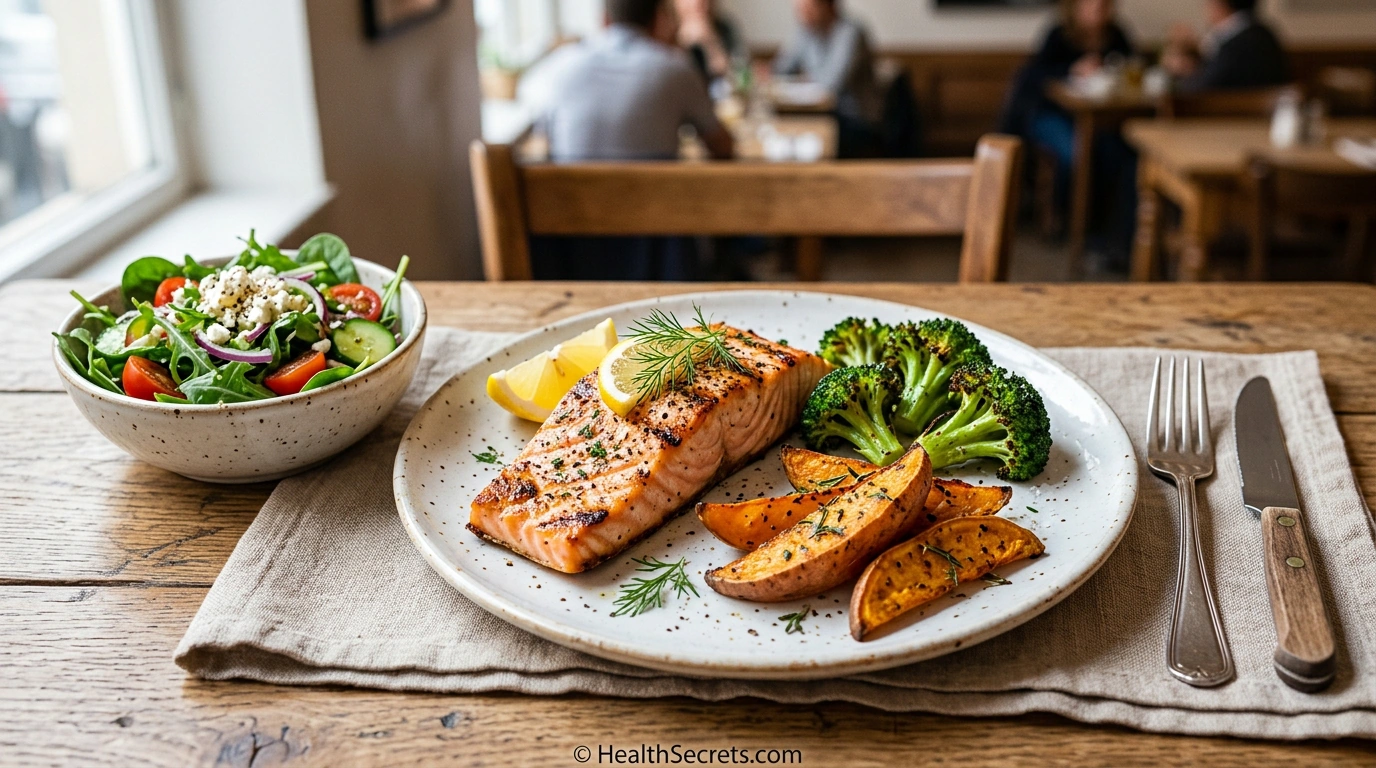
13. Fatty Fish: Why Is Salmon One of the Best Foods for Immune Health?
Fatty fish like salmon, mackerel, and sardines provide the rare combination of omega-3 fatty acids and vitamin D — two nutrients most people are deficient in that play critical roles in immune regulation. Wild-caught salmon delivers more omega-3s and vitamin D than farmed varieties, making it a superior choice for immune support.
- Key nutrients: Omega-3 fatty acids (EPA, DHA), vitamin D, protein, selenium, B vitamins
- How they support immunity: Omega-3s resolve inflammation and enhance macrophage function, while vitamin D activates immune defense genes and reduces infection susceptibility [8][15].
- How to incorporate: Grilled or baked salmon, sardines on toast, smoked mackerel, or fish tacos. Eat 2–3 servings (3–4 oz each) per week. Learn more about vitamin D and immune health.
14. Sweet Potatoes: How Does Beta-Carotene in Sweet Potatoes Support Immunity?
A single medium sweet potato delivers over 400% of your daily vitamin A needs through beta-carotene, which your body converts into the active form essential for maintaining mucosal barriers — your first line of defense against pathogens in the respiratory and digestive tracts.
- Key nutrients: Beta-carotene (400%+ DV), vitamin C, fiber, antioxidants
- How they support immunity: Beta-carotene maintains the integrity of skin, respiratory, and gut epithelial barriers while supporting T cell proliferation and antibody responses [9][16].
- How to incorporate: Baked, roasted, mashed, or as sweet potato fries. The deeper the orange color, the more beta-carotene. Enjoy several times per week.
15. Mushrooms: How Do Mushrooms Activate Your Immune Cells?
Mushrooms are the only plant-based source of vitamin D and contain beta-glucans — unique polysaccharides that directly activate macrophages, natural killer cells, and other immune defenders. Shiitake, maitake, and even common button mushrooms all provide meaningful immune benefits when consumed regularly.
- Key compounds: Beta-glucans, vitamin D (UV-exposed), selenium, B vitamins
- How they support immunity: Beta-glucans bind to receptors on immune cells, triggering enhanced pathogen recognition and immune response activation [17]. Place mushrooms in sunlight for 15 minutes to significantly boost their vitamin D content.
- How to incorporate: Sautéed as a side dish, in omelets and stir-fries, mushroom soup, or stuffed mushrooms. Eat 3–5 mushrooms per serving, several times weekly. See our medicinal mushrooms guide for therapeutic varieties.
16. Kiwi: Is Kiwi One of the Most Underrated Immune Boosting Foods?
Kiwi delivers 137% of your daily vitamin C in a single fruit — more per gram than most citrus — along with vitamins K and E, folate, and the digestive enzyme actinidin. Studies suggest that regular kiwi consumption may reduce the severity and duration of upper respiratory infections.
- Key nutrients: Vitamin C (137% DV), vitamins K and E, folate, potassium, fiber
- How it supports immunity: The dense concentration of vitamin C and antioxidants supports white blood cell production, immune cell protection, and may improve sleep quality, which is essential for immune recovery [8][18].
- How to incorporate: Cut in half and scoop with a spoon, add to smoothies or fruit salads, top yogurt, or make kiwi salsa. Eat 1–2 kiwis daily — the skin is edible and rich in fiber.
17. Pomegranate: What Makes Pomegranate a Powerful Antioxidant for Immunity?
Pomegranate contains punicalagins, antioxidants that are three times more potent than those found in green tea or red wine. These compounds deliver strong anti-inflammatory, antiviral, and antibacterial effects while also acting as prebiotics that support beneficial gut bacteria essential for immune function.
- Key compounds: Punicalagins, vitamin C, polyphenols, fiber
- How it supports immunity: Punicalagins reduce inflammatory markers, inhibit viral replication, and promote the growth of beneficial gut bacteria like Bifidobacterium and Lactobacillus [19].
- How to incorporate: Fresh pomegranate arils on salads or yogurt, 100% pomegranate juice (no added sugar), or in smoothies. Enjoy 1/2 pomegranate or 4–8 oz juice daily.
18. Dark Chocolate: Can Dark Chocolate Really Support Your Immune System?
Dark chocolate with 70% or higher cacao content contains flavonoids — particularly epicatechin — that enhance immune cell function and provide more antioxidant power than many so-called superfoods. The key is choosing high-cacao, low-sugar varieties to get immune benefits without the blood sugar spike that can temporarily suppress immunity.
- Key compounds: Flavonoids (epicatechin), theobromine, iron, magnesium, zinc
- How it supports immunity: Flavonoids increase T cell production, protect immune cells from oxidative damage, and provide prebiotic fiber that feeds beneficial gut bacteria [20].
- How to incorporate: 1–2 ounces of 70%+ dark chocolate daily, dark chocolate with nuts, melted into oatmeal, or as hot cacao. Higher percentage means more benefits and less sugar.
19. Bone Broth: How Does Bone Broth Heal Your Gut and Support Immunity?
Bone broth provides collagen, gelatin, and amino acids like glutamine and glycine that directly support gut barrier integrity — critical since 70% of your immune system depends on a healthy gut lining. Glutamine in particular serves as the primary fuel source for intestinal cells and helps repair leaky gut.
- Key nutrients: Collagen, gelatin, glutamine, glycine, proline, calcium, magnesium
- How it supports immunity: Glutamine repairs intestinal permeability, collagen strengthens mucosal barriers, and the amino acid profile reduces gut inflammation that compromises immune function [21].
- How to incorporate: Sip as a warm beverage, use as a base for soups and stews, cook grains in bone broth, or freeze in ice cube trays. Drink 1–2 cups daily, especially when feeling unwell.
20. Extra Virgin Olive Oil: Why Is Olive Oil Considered an Immune-Supporting Fat?
Extra virgin olive oil contains oleic acid and over 30 phenolic compounds, including hydroxytyrosol and oleuropein, that reduce chronic inflammation — a major driver of immune dysfunction. As the cornerstone of the Mediterranean diet, it has been consistently associated with stronger immune responses and lower infection rates in population studies.
- Key compounds: Oleic acid, hydroxytyrosol, oleuropein, vitamin E, polyphenols
- How it supports immunity: Polyphenols demonstrate antimicrobial activity, oleic acid reduces pro-inflammatory cytokines, and vitamin E protects immune cell membranes [22][23]. Learn more in our anti-inflammatory lifestyle guide.
- How to incorporate: Use in salad dressings, drizzle on cooked vegetables, dip bread, or use for low-to-medium heat cooking. Aim for 2–3 tablespoons daily of extra virgin variety.
ಕ್ರಿಯೆಯ ಯೋಜನೆ
What Should You Do First to Start Eating More Immune Boosting Foods?
ಕೆಳಗಿನ ಕ್ರಮವನ್ನು ಅನುಸರಿಸಿ, ಪ್ರತಿ ಹಂತವನ್ನು ಕ್ರಮಬದ್ಧವಾಗಿ ಪೂರೈಸಿ, ಮತ್ತು ನಿಮ್ಮ ಪ್ರಾಯೋಗಿಕ ಅನುಷ್ಠಾನ ಮಾರ್ಗದರ್ಶಿಯಾಗಿ ಪರಿಶೀಲನಾ ಪಟ್ಟಿಯನ್ನು ಬಳಸಿ.
Start by adding just 2–3 new immune boosting foods to your existing meals this week rather than overhauling your entire diet at once. Focus on the easiest swaps — adding berries to breakfast, including garlic and ginger in dinner recipes, and switching to green tea — then build from there over the coming weeks.
Week 1 — Quick Wins:
- Add citrus or berries to your breakfast every morning
- Include garlic and ginger in at least 3 dinners this week
- Replace one daily beverage with green tea
- Stock up on nuts and seeds for snacking
Week 2 — Expand Your Range:
- Add leafy greens to one meal daily (smoothies, salads, or sides)
- Try one new immune food you have not eaten before (kiwi, pomegranate, bone broth)
- Cook with turmeric and black pepper at least twice
- Include fatty fish 2–3 times this week
Week 3 — Build the Habit:
- Meal prep immune-boosting ingredients for the week ahead
- Use extra virgin olive oil as your primary cooking and dressing fat
- Incorporate yogurt or kefir daily for probiotic support
- Aim for at least 10 of the 20 foods in your weekly rotation
Week 4 — Optimize:
- Eat the rainbow — include foods of every color daily
- Experiment with immune-boosting recipes combining multiple foods
- Evaluate how you feel and adjust serving sizes
- Aim for all 20 foods in your monthly rotation