Skip to content
Health Secrets
Pin It
💊 膳食补充剂 Product Review
10

欧米伽-3 (Omega-3) 膳食补充剂:鱼油全方位指南

HS
Health Secrets Editorial Team
| Dr. Emily Foster | 1,957 字 | 17 引用文献
本月更新 最后审核时间: August 24, 2026 医学审核人 Dr. Emily Foster

适用人群

适合正在比较不同方案并寻求循证见解的读者。

注意事项

若涉及症状、药物或化验结果问题,请勿将其替代临床医生的指导。

联盟营销免责声明 | This article may contain affiliate links to products we trust. If you choose to buy through them, we may earn a small commission at no extra cost to you. Full disclosure

医学免责声明 | 仅供信息参考之用。不能替代专业的医疗建议。 阅读完整免责声明

面对市面上琳琅满目的鱼油、磷虾油和藻油选择,挑选合适的欧米伽-3补充剂往往令人不知所措。本指南基于循证医学,对2025年顶级欧米伽-3补充剂进行评测,对比其EPA/DHA效价、纯度认证、吸收形式及性价比,助您找到契合健康目标的优质鱼油补充剂。

M
91
61%
10 2.0K 字

核心要点

以甘油三酯 (TG) 或再酯化甘油三酯 (rTG) 形式存在的 Omega-3 补充剂,其吸收率高达 70%,而较便宜的乙酯 (EE) 形式的吸收率仅为 20–50%
寻找 IFOS 五星认证且 TOTOX 值低于 26 的产品,以确保您的鱼油纯净新鲜——市场上多达 45% 的补充剂检测出氧化酸败
美国心脏协会建议每日摄入 2–4 克 EPA+DHA 以降低甘油三酯,而一般健康维护则需要至少 250–500 毫克的 EPA 和 DHA 总和
磷虾油因其 Omega-3 与磷脂结合,在较低剂量下具有更优越的吸收率,但鱼油在高剂量治疗方案中更具成本效益
藻油是经过临床验证的纯素替代品——研究表明,它在提升血浆 DHA 和 EPA 水平方面不劣于鱼油
高剂量 Omega-3 补充(每日超过 4 克)与房颤相对风险增加 24% 有关——并非剂量越高越好
始终随含脂肪的餐食服用 Omega-3 补充剂,与空腹服用相比,可将吸收率提高多达 300%
第三方检测至关重要:经 IFOS、NSF 或 USP 认证的产品可提供效力、纯度和新鲜度声明的独立验证

如果您曾在补充剂货架前驻足,面对数十瓶鱼油却无从下手——每瓶都宣称自己是“最佳”或“最纯净”——那么您并不孤单。Omega-3 脂肪酸是地球上研究最充分的营养素之一,已有超过 40,000 项已发表的研究将 EPA 和 DHA 与从心血管保护到大脑健康及减少炎症等多种益处联系起来。然而,Omega-3 补充剂市场也是最为混乱的市场之一,其形态、剂量、纯度标准和价格点差异巨大。

这里有一个令人不安的事实:并非所有的 Omega-3 补充剂都是同等质量的。研究表明,超过 70% 的鱼油补充剂所含的 EPA/DHA 水平与标签标注不符,多达 45% 的产品检测出氧化酸败 [1][2]。高品质 Omega-3 与廉价氧化产品之间的区别,不仅仅是浪费金钱的问题——它可能意味着保护您的健康与潜在造成伤害之间的差别。

如需更广泛地了解补充剂质量和选择,请参阅我们的 完整补充剂指南。如果您想了解 Omega-3 与您正在服用的其他补充剂之间的相互作用,请查看我们的 补充剂相互作用指南。患有慢性炎症的人群也可以从我们的 天然抗炎疗法 指南中受益。

购买 Omega-3 补充剂时应关注什么?

选择 Omega-3 补充剂时最重要的因素是分子形式(甘油三酯与乙酯)、第三方纯度认证(IFOS、NSF 或 USP)、每份的总 EPA+DHA 含量以及新鲜度指标(如 TOTOX 值)。符合这四项标准的产品才能带来有意义的健康益处。

分子形式如何影响 Omega-3 的吸收?

Omega-3 补充剂主要有三种分子形式,您选择的形式会极大地影响实际进入血液的 EPA 和 DHA 量:

  • 甘油三酯 (TG) 和再酯化甘油三酯 (rTG): 黄金标准。这些天然形式可实现约 70% 的吸收率,也是 Omega-3 在完整鱼类中存在的形式。rTG 形式在保持天然甘油三酯结构的同时经过进一步纯化 [3]。
  • 乙酯 (EE): 最常见且最便宜的形式。在浓缩过程中产生,EE 鱼油的吸收率仅为 20–50%。大多数预算型鱼油使用这种形式 [4]。
  • 磷脂结合型(磷虾油): 与磷脂结合的 Omega-3 可能在较低剂量下提供优越的细胞摄取,特别是对于大脑健康。一项随机对照试验(RCT)显示,磷虾油在提升血液 EPA/DHA 水平方面优于乙酯鱼油 [5]。

为什么第三方检测对鱼油质量至关重要?

对于 Omega-3 补充剂来说,第三方检测是不可或缺的,因为该行业存在严重的质量控制问题。研究发现,超过 70% 的鱼油产品其 EPA/DHA 含量与标签声明不符,且氧化现象普遍 [1][2]。

需要关注的关键认证:

  • IFOS(国际鱼油标准): 最严格的计划——测试效力、纯度、新鲜度和污染物。IFOS 五星评级意味着产品符合所有国际标准 [6]。
  • NSF International: 验证产品内容是否与标签声明一致,并筛查污染物。
  • USP Verified: 测试效力、纯度和崩解度。
  • TOTOX 值: 总氧化度的衡量指标。寻找 TOTOX 值低于 26 的产品(GOED 自愿标准)。一些高端品牌可实现低于 10 的 TOTOX 值 [7]。

您实际上需要多少 EPA 和 DHA?

剂量需求因您的健康目标而异:

健康目标 每日 EPA+DHA EPA:DHA 比例 证据等级
一般健康维护 250–500 毫克 平衡
心血管保护 1,000–2,000 毫克 EPA 较高
甘油三酯降低 2,000–4,000 毫克 EPA 较高 强 (AHA)
大脑/认知支持 1,000+ 毫克 DHA 较高 中等
抗炎 2,000–4,000 毫克 EPA 较高 中等-强

我们如何评估和排名这些 Omega-3 补充剂?

我们根据六项加权标准评估了 30 多种 Omega-3 补充剂,以找出顶级产品。每种补充剂都在 EPA/DHA 效力、分子形式、第三方认证、每克 Omega-3 的价值、用户体验因素和品牌透明度方面进行了评分。
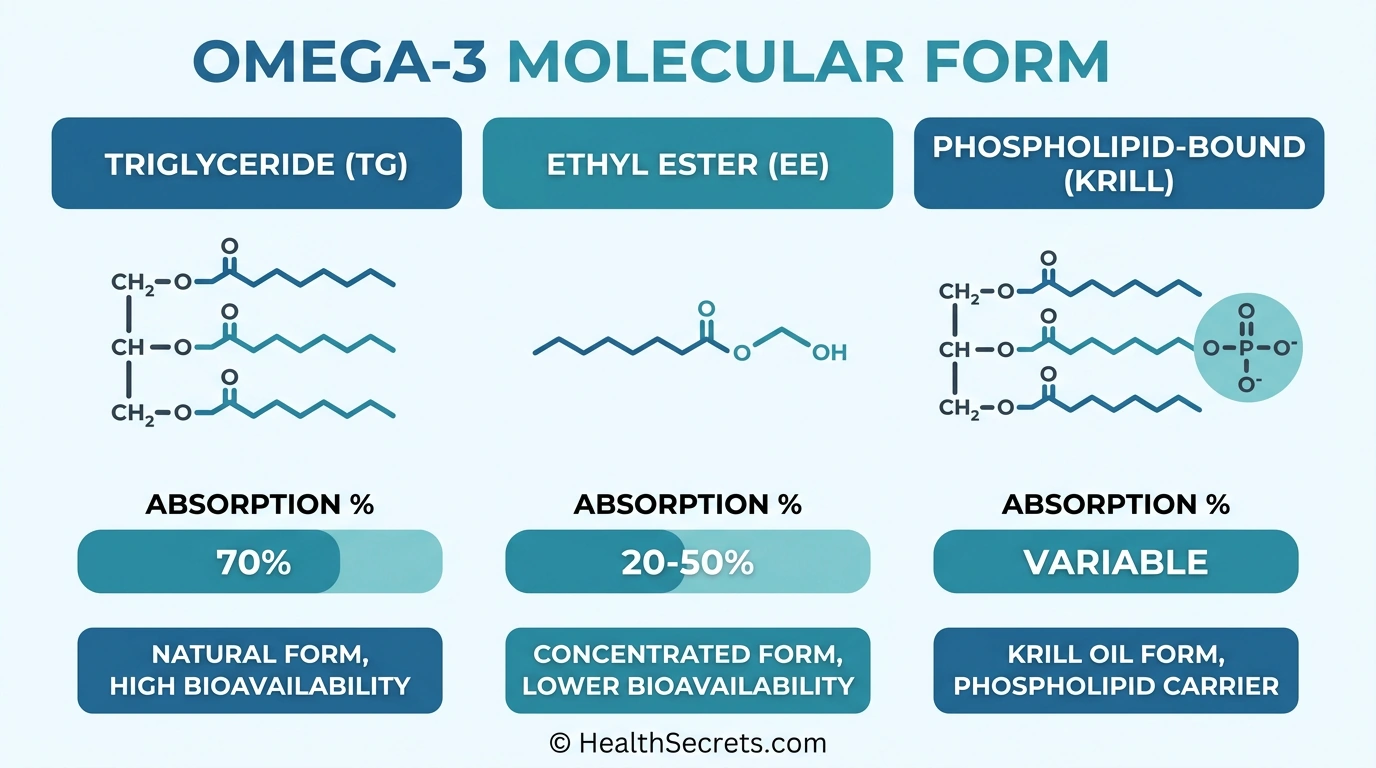
Infographic comparing omega-3 molecular forms showing triglyceride at 70% absorption, ethyl ester at 20-50%, and phospholipid-bound krill oil

我们使用什么标准对每种产品进行评分?

我们的评估框架根据每个因素对补充剂有效性的相关性赋予权重:

  • 每份 EPA/DHA 效力 (25%): 更高的浓度意味着更少的胶囊和更好的价值。我们计算的是每粒软胶囊的实际 EPA+DHA 含量,而不仅仅是总鱼油量。
  • 分子形式和吸收率 (20%): rTG 和 TG 形式得分最高,其次是磷脂结合型(磷虾油),乙酯得分最低。
  • 第三方检测和认证 (20%): IFOS 五星认证获得最高分。我们还评估了 NSF、USP 和品牌发布的分析证书 (COA)。
  • 纯度和新鲜度 (15%): 我们审查了可用的 TOTOX 值、重金属检测结果和污染物筛查数据。
  • 每克 EPA+DHA 的价值 (10%): 我们计算了每 1,000 毫克 EPA+DHA 组合的成本,以比较不同形式和浓度的价值。
  • 用户体验 (10%): 胶囊大小、味道/余味、反胃报告以及服用便利性。

我们如何验证产品质量声明?

我们将制造商的声明与以下内容交叉参考:

  • 已发布的 IFOS 测试结果和分析证书
  • ConsumerLab 和 Labdoor 的独立实验室测试数据
  • 关于特定品牌成分(如 Superba 磷虾油、life's OMEGA 藻油)的同行评审研究
  • 多个平台上的用户评论,以获取真实世界体验数据
  • GOED(全球 EPA 和 DHA Omega-3 组织)质量标准合规性

如何服用 Omega-3 补充剂以实现最大吸收?

随您一天中脂肪含量最大的餐食服用 Omega-3 补充剂——与空腹服用相比,这可以将吸收率提高多达 300%。对于每日剂量超过 2 克的情况,请分两次随餐服用,以最小化消化副作用。
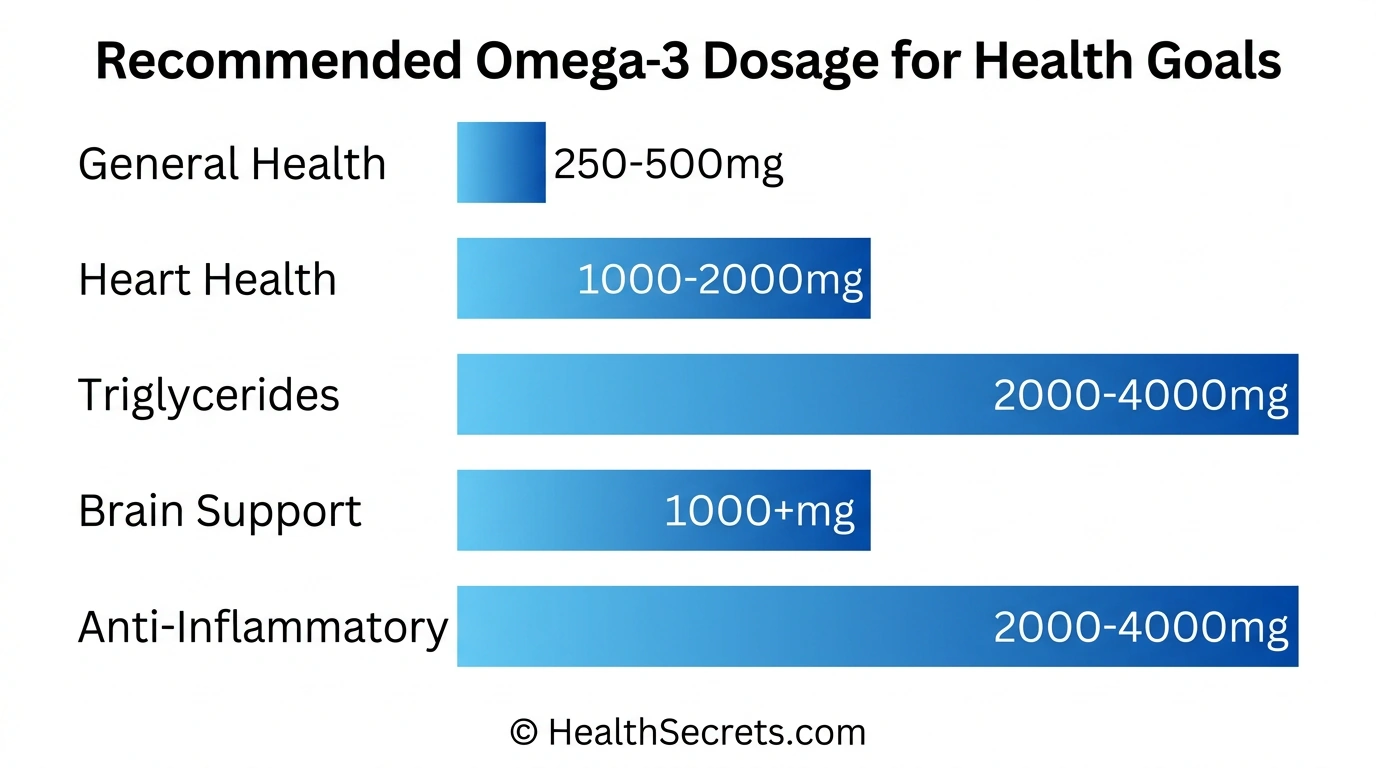
Visual dosage chart showing recommended daily EPA plus DHA intake by health goal from 250mg for general health to 4000mg for triglyceride reduction

什么时候是服用鱼油的最佳时间?

时机比大多数人意识到的更重要:

  • 随餐服用: 始终随含膳食脂肪的食物服用 Omega-3。至少含有 10–15 克脂肪的餐食会触发胆汁释放,这对于脂溶性营养素的吸收至关重要 [8]。
  • 分拆高剂量: 如果每日服用超过 2 克 EPA+DHA,请将其分为早餐和晚餐两次服用,以减少胃肠道副作用并保持更稳定的血液水平。
  • 一致性优于时机: 无论您在早晨还是晚上服用鱼油,都不如每天坚持服用重要。选择您最不可能错过的那一餐。
  • 冷藏: 开封后将鱼油存放在冰箱中,以减缓氧化并减少鱼腥味嗳气。一些用户发现冷冻软胶囊在消化道更深处释放,从而减少余味。

您如何最大化从补充剂中吸收 Omega-3?

除了随食物服用 Omega-3 外,还有一些策略可以增强吸收:

  • 与高脂肪食物搭配: 鳄梨、坚果、橄榄油或鸡蛋与补充剂一起食用可显著促进吸收 [9]。
  • 选择 rTG 或 TG 形式: 这些形式比乙酯形式吸收效率高 70%,且不需要那么多膳食脂肪即可吸收 [3]。
  • 避免与纤维补充剂一起服用: 高纤维餐或纤维补充剂可能会降低脂肪吸收,从而可能降低 Omega-3 的吸收。
  • 考虑乳化配方: 液体乳化鱼油(如适合奶昔的选项)可能比标准软胶囊提供增强的吸收率 [10]。

Omega-3 补充剂安全吗?有哪些副作用?

对于大多数成年人来说,Omega-3 补充剂在每日高达 3 克 EPA+DHA 的剂量下通常是安全的。常见副作用包括鱼腥味余味、消化不适和稀便。在较高剂量下,Omega-3 可能会稀释血液并增加房颤的风险。

Person taking omega-3 fish oil supplement with a fat-containing meal including avocado and salmon for maximum absorption

鱼油最常见的副作用有哪些?

大多数副作用是轻微的且与剂量相关:

  • 鱼腥味嗳气和余味: 最常见的投诉。通过选择肠溶或“无嗳气”配方、随餐服用或冷藏胶囊可以减轻。
  • 消化问题: 恶心、腹胀、腹泻或稀便——尤其是在较高剂量下。将剂量分拆到各餐中通常可以解决此问题。
  • 出血时间延长: Omega-3 具有轻微的抗血小板作用。虽然临床显著的出血很少见,但服用血液稀释剂(华法林、阿司匹林、氯吡格雷)的人在补充前应咨询医生 [11]。

哪些人应避免或谨慎使用 Omega-3 补充剂?

某些人群在补充前需要医疗指导:

  • 服用血液稀释药物的人: 由于叠加的抗血小板作用。
  • 对鱼类或贝类过敏者: 鱼油可能会引发高度敏感个体的反应。藻油是安全的替代品。
  • 术前患者: 由于出血风险,请在预定手术前 1–2 周停用鱼油。
  • 房颤风险人群: 荟萃分析显示,较高剂量(每日超过 1 克)的 DHA/EPA 补充与房颤相对风险增加 24% 有关 [12]。有房颤病史者应咨询心脏科医生。
  • 孕妇和哺乳期妇女: 通常安全且被推荐(DHA 对胎儿大脑发育至关重要),但请选择经过汞和 PCBs 测试的产品。请咨询您的产科医生以确定合适的剂量。

开始 Omega-3 补充的最佳分步计划是什么?

从高品质的 rTG 或 TG 形式 Omega-3 开始,每日摄入 1,000 毫克 EPA+DHA 总和,随您最大的一餐服用。耐受 2 周后,根据健康目标增加至目标剂量。在基线期和 3 个月时进行 Omega-3 指数血液检测。
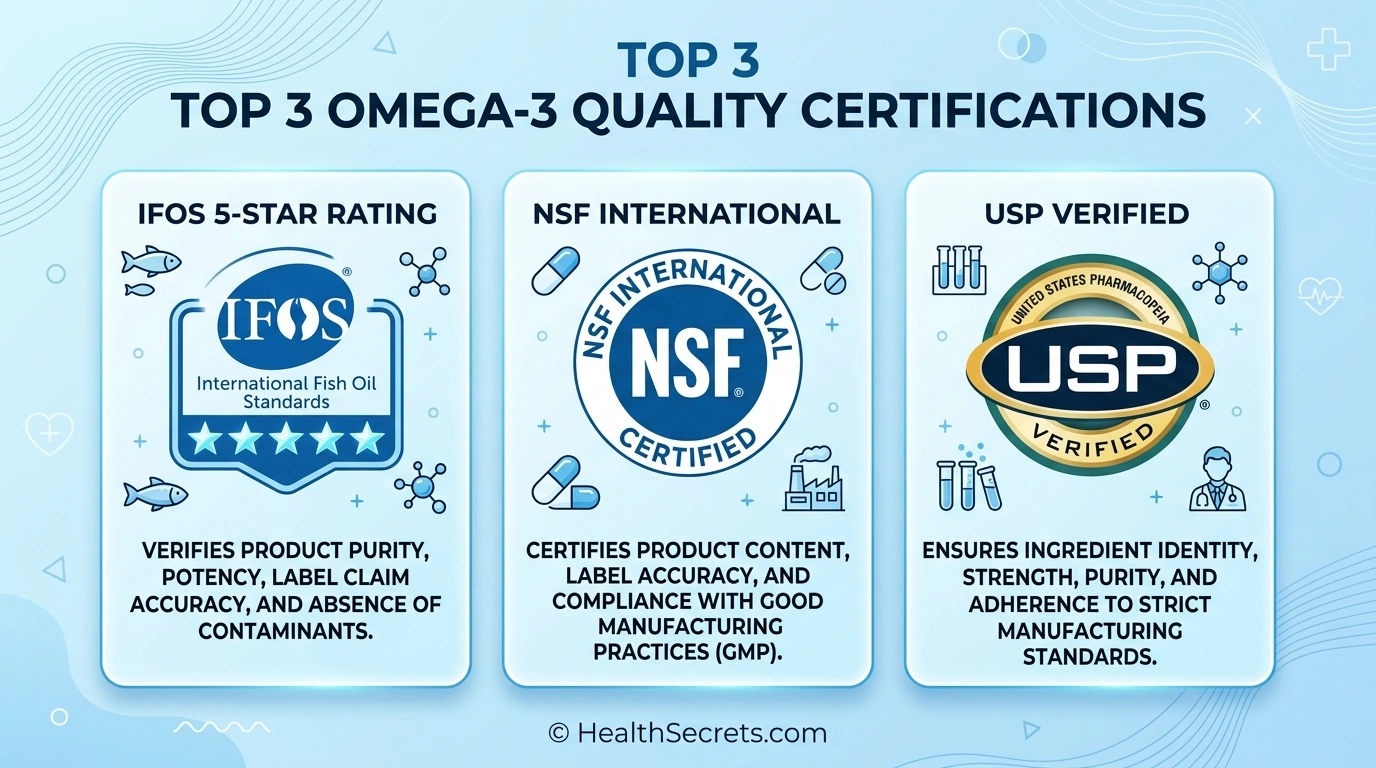
Infographic showing three key omega-3 quality certifications IFOS five-star NSF International and USP Verified with descriptions

第一阶段:评估与选择(第 1 周)

  • 确定您的主要健康目标(整体健康、心脏健康、大脑支持、抗炎)
  • 使用购买指南部分中的剂量表确定您的目标 EPA+DHA 剂量
  • 检查禁忌症:血液稀释剂、鱼类过敏、即将进行的手术、房颤病史
  • 从我们评估的产品中选择符合您需求和预算的补充剂
  • 考虑进行基线 Omega-3 指数血液检测(目标:8–12%)

第二阶段:引入与耐受(第 2–3 周)

  • 第一周从目标剂量的一半开始,以评估耐受性
  • 随您一天中脂肪含量最大的餐食服用
  • 将开封的瓶子存放在冰箱中
  • 监测消化副作用——如果出现,尝试分拆剂量或更换为肠溶胶囊
  • 如果耐受良好,在第 3 周增加至全目标剂量

第三阶段:优化与监测(第 2 个月及以后)

  • 保持每日一致的补充——Omega-3 的益处是累积的
  • 在 3 个月时重新检测 Omega-3 指数,以验证您是否达到了目标范围(8–12%)
  • 评估主观改善:关节舒适度、认知清晰度、皮肤健康、情绪
  • 根据血液检测结果和反应调整剂量或产品
  • 检查您补充剂的新鲜度——丢弃任何闻起来强烈酸败的鱼油

顶级推荐产品

在离开指南前需查看的对比精选清单

11 项
01

Nordic Naturals Ultimate Omega

Nordic Naturals · Overall quality and brand trust with industry-leading transparency

对比详情
02

Carlson Elite Omega-3 Gems

Carlson Elite · Those needing high EPA+DHA per serving for cardiovascular or anti-inflammatory support

对比详情
03

Sports Research Triple Strength Omega-3

Sports Research · Quality-conscious consumers who want verified purity at a competitive price

对比详情
04

Viva Naturals Triple Strength Omega-3

Viva Naturals · Budget-conscious consumers who want high-dose rTG omega-3s without premium pricing

对比详情
05

Nordic Naturals Algal Omega

Nordic Naturals · Vegans, vegetarians, and those with fish allergies who need a plant-based omega-3

对比详情
06

Sports Research Antarctic Krill Oil

Sports Research · Those who want phospholipid-bound omega-3s with natural astaxanthin for enhanced cellular uptake

对比详情
07

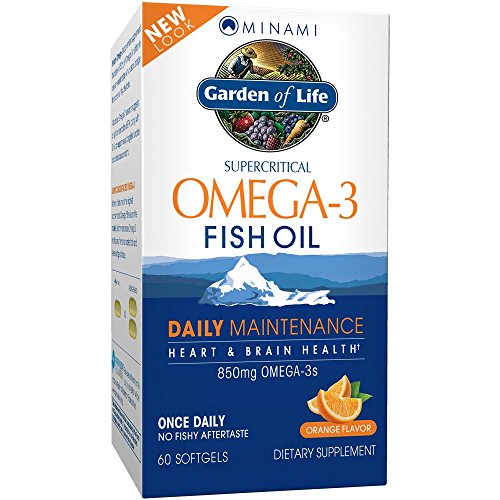
Garden of Life Minami Omega-3 Fish Oil

Garden of · Those who prioritize ultra-pure fish oil with maximum contaminant removal

对比详情
08

Life Extension Super Omega-3 EPA/DHA

Life Extension · Health-conscious consumers who value research-driven formulations with added benefits

对比详情
09

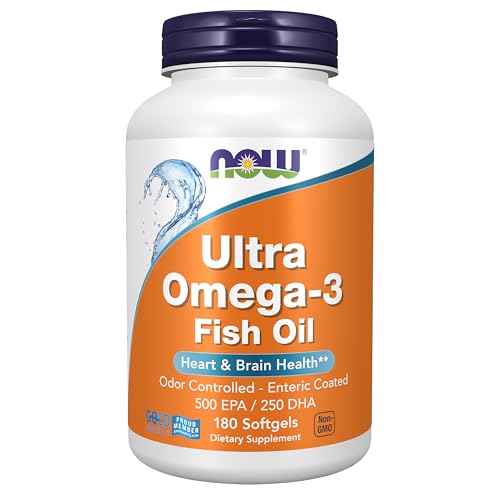
NOW Foods Ultra Omega-3

NOW Foods · Budget-conscious consumers who want a quality omega-3 at an affordable everyday price

对比详情
10

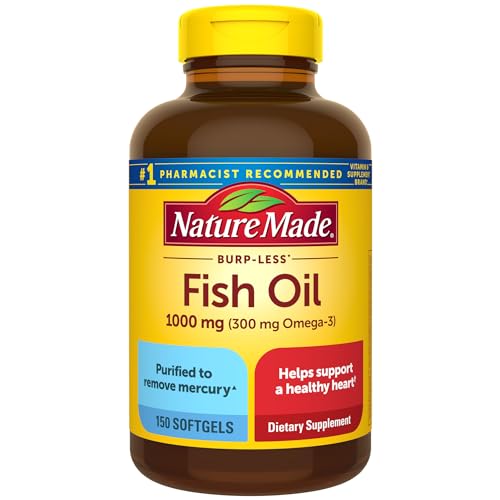
Nature Made Burp-Less Fish Oil 1,200 mg

Nature Made · Those who want a widely available, USP-verified omega-3 from a trusted pharmacy brand

对比详情
11

Micro Ingredients Antarctic Krill Oil

Micro Ingredients · Those who want a high-potency krill oil supplement with maximum astaxanthin

对比详情

在点击任何零售商链接之前,请先阅读下方的详细评论卡片

延伸阅读

延伸阅读

"Superfuel: Ketogenic Keys to Unlock the Secrets of Good Fats, Bad Fats, and Great Health"

作者 Dr. James DiNicolantonio and Dr. Joseph Mercola

Comprehensive breakdown of omega-3 vs omega-6 balance and why it matters; evidence-based guidance on choosing the right fish oil; explanation of how oxidized seed oils damage health; practical dietary protocols for optimizing fatty acid ratios; debunking of common fat myths

核心价值说明

DiNicolantonio is a leading cardiovascular research scientist whose work on fatty acids has been published in top medical journals. This book translates the science of omega-3s into a practical roadmap for consumers, covering everything from supplement selection to dietary fat optimization.

最适合: Health-conscious adults who want a deep understanding of dietary fats and practical omega-3 optimization strategies

查看书籍详情

延伸阅读

"The Omega-3 Effect: Everything You Need to Know About the Miracle Nutrient"

作者 Dr. William Sears and Dr. James Sears

Age-specific omega-3 recommendations from pregnancy through senior years; explanation of the omega-3 index and what it means; practical guidance on supplementation and dietary sources; research review covering heart, brain, joint, and mood benefits; family-friendly approach to omega-3 optimization

核心价值说明

Dr. William Sears brings decades of clinical experience and his trademark accessible writing style to the topic of omega-3s. This book is particularly valuable for families looking to understand how omega-3s benefit every member — from developing babies to aging grandparents.

最适合: Families, parents, and general readers who want an accessible overview of omega-3 benefits across all life stages

查看书籍详情

延伸阅读

"The Queen of Fats: Why Omega-3s Were Removed from the Western Diet and What We Can Do to Replace Them"

作者 Susan Allport

Fascinating history of how omega-3s disappeared from Western diets over the past century; explanation of the omega-6 to omega-3 imbalance driving chronic disease; investigative journalism into the food industry's role; practical dietary recommendations for restoring omega-3 balance

核心价值说明

This book provides essential context for why omega-3 supplementation has become necessary in the first place. Understanding the historical dietary shifts that created widespread omega-3 deficiency helps readers appreciate why supplementation is more important than ever.

最适合: Readers interested in the historical and scientific story behind omega-3 deficiency in modern diets

查看书籍详情

AEO FAQ

常见问题

7 common questions answered

Fish oil provides EPA and DHA in triglyceride or ethyl ester form and offers the highest concentrations per serving. Krill oil delivers omega-3s bound to phospholipids with natural astaxanthin, potentially offering superior cellular absorption at lower doses. Algae oil is a plant-based source of DHA and EPA cultivated from microalgae, clinically shown to be non-inferior to fish oil for raising blood omega-3 levels. Fish oil is best for high-dose protocols, krill oil for those who want enhanced absorption in smaller doses, and algae oil for vegans, vegetarians, and those with fish allergies.

Most people notice initial benefits within 2–4 weeks of consistent daily supplementation. However, significant changes in omega-3 index levels typically take 8–12 weeks to reach steady state. Cardiovascular benefits shown in clinical trials were measured over 3–5 years of consistent use. Inflammation-related improvements may be noticed sooner, within 4–6 weeks, while cognitive benefits may take 3–6 months to become apparent. Consistency is more important than dose timing.

Yes, excessive omega-3 intake carries risks. The FDA considers up to 3 grams of EPA+DHA daily as generally safe. Doses above 4 grams daily have been linked to a 24% increased relative risk of atrial fibrillation in meta-analyses. High doses can also suppress immune function, increase bleeding time, and cause digestive side effects. Unless directed by a healthcare provider for a specific medical condition like severe hypertriglyceridemia, most adults should stay at or below 3 grams of combined EPA+DHA daily.

Yes, refrigerating fish oil supplements after opening is recommended to slow oxidation and maintain freshness. Omega-3 fatty acids are highly susceptible to oxidation from heat, light, and air exposure. Refrigeration extends shelf life and can also reduce fishy burps — cold capsules pass through the stomach before dissolving, releasing further down the digestive tract. Always store fish oil away from direct sunlight, and discard any product that develops a strong, rancid smell.

Ideally, both. Eating 2–3 servings of fatty fish per week (salmon, sardines, mackerel, anchovies) provides omega-3s along with protein, selenium, vitamin D, and other synergistic nutrients. However, most people don't consume enough fish to reach optimal omega-3 index levels (8–12%). Supplements bridge the gap effectively — studies show they reliably raise blood EPA and DHA levels. For those who don't eat fish at all, supplementation becomes essential for meeting omega-3 requirements.

The omega-3 index measures the percentage of EPA and DHA in red blood cell membranes, reflecting your long-term omega-3 status. An index of 8–12% is considered optimal and is associated with a 30% lower risk of cardiovascular events compared to an index below 4%. Most Americans have an omega-3 index between 4–5%, well below optimal. Testing is available through companies like OmegaQuant and provides a reliable biomarker to guide supplementation dosing.

Yes, omega-3 supplements can interact with several medication classes. The most significant interaction is with blood-thinning medications (warfarin, aspirin, clopidogrel) — omega-3s have mild antiplatelet effects that may increase bleeding risk when combined. They may also enhance the effects of blood pressure medications and interact with some immunosuppressants. Always inform your healthcare provider about omega-3 supplementation, especially before surgery or if you take any prescription medications.

💊

知识测试

Take our Supplement Science Quiz and see how much you really know about supplements.

开始测验

这篇文章对您有帮助吗?

由专家撰写并审核

HS

作者

Health Secrets Editorial Team

Dr. Emily Foster

医学审核员

Dr. Emily Foster

MD, Endocrinology

所有内容均基于科学证据,经过专业人士同行评审,并定期更新。我们的编辑团队遵循严格的准确性与透明度准则。

参考文献与引用

17 引用来源

1
Albert BB, et al. "Fish oil supplements in New Zealand are highly oxidised and do not meet label content of n-3 PUFA." Scientific Reports. 2015;5:7928. 查看
2
Bannenberg G, et al. "Oxidation of Fish Oil Supplements in Australia." International Journal of Food Sciences and Nutrition. 2023. 查看
3
Dyerberg J, et al. "Bioavailability of marine n-3 fatty acid formulations." Prostaglandins, Leukotrienes and Essential Fatty Acids. 2010;83(3):137-141. 查看
4
Neubronner J, et al. "Enhanced increase of omega-3 index in response to long-term n-3 fatty acid supplementation from triacylglycerides versus ethyl esters." European Journal of Clinical Nutrition. 2011;65(2):247-254. 查看
5
Laidlaw M, et al. "A randomized clinical trial to determine the efficacy of manufacturers' recommended doses of omega-3 fatty acids from different sources in facilitating cardiovascular disease risk reduction." Lipids in Health and Disease. 2014;13:99. 查看

医学免责声明

This article is for informational purposes only and does not constitute medical advice. Read the full medical disclaimer. Always consult with a qualified healthcare provider before starting any new supplement, treatment, or major dietary change.

您可能还喜欢

讨论