Skip to content
Health Secrets
Pin It
🧠 心理健康 Educational Guide
18

肠脑轴与心理健康:深度解析两者间的紧密联系

HS
Health Secrets Editorial Team
| Dr. Emily Foster | 3,561 字 | 20 引用文献
本月更新 最后审核时间: September 2, 2026 医学审核人 Dr. Emily Foster

适用人群

适合正在比较不同方案并寻求循证见解的读者。

注意事项

若涉及症状、药物或化验结果问题,请勿将其替代临床医生的指导。

联盟营销免责声明 | This article may contain affiliate links to products we trust. If you choose to buy through them, we may earn a small commission at no extra cost to you. Full disclosure

医学免责声明 | 仅供信息参考之用。不能替代专业的医疗建议。 阅读完整免责声明

你的肠道与大脑之间始终保持着密切的对话;一旦这种交流受阻,你的心理健康便会付出代价。深入了解肠脑轴背后的科学原理,探索肠道菌群失调如何引发抑郁与焦虑,并掌握基于证据的肠道修复策略,从而全面提升你的心理健康水平。

M
276
45%
18 3.6K 字

核心要点

肠漏症使细菌内毒素(LPS)进入血液,触发全身性炎症和神经炎症,从而驱动抑郁症状
迷走神经携带从肠道到大脑 80% 的信号,刺激技术(深呼吸、冷暴露、冥想)可使难治性抑郁症的治疗效果提高 40%
4R 肠道修复方案——去除触发因素、修复肠壁、恢复微生物群、重新平衡生活方式——为通过改善肠道健康来提高心理健康提供了一个系统的框架
地中海饮食通过抗炎作用、支持微生物群以及提供神经递质合成的前体,将抑郁症风险降低 30–50%
膳食纤维(每天 25–35 克)喂养产生丁酸盐等短链脂肪酸的有益细菌,这些脂肪酸可以穿过血脑屏障并改善情绪
包括压力管理、7–9 小时睡眠和每周 150 分钟运动在内的生活方式因素直接影响肠道微生物群的多样性和心理健康结果

你是否曾对某事有过“直觉”(gut feeling)——或者在重大事件前感到“心里七上八下”(butterflies)?这不仅仅是修辞手法。它们反映了一个深刻的生物学现实:你的肠道和大脑通过一条被称为肠脑轴(gut-brain axis)的复杂通信高速公路紧密相连。

科学家现在了解到,居住在你消化道中的 100 万亿细菌所做的远不止帮助消化食物。它们产生神经递质,调节炎症,并通过迷走神经直接与你的大脑进行通信。事实上,你体内约 90% 的血清素——这种“快乐分子”——并非在大脑中产生,而是在肠道中产生的 [18]。

这一发现彻底改变了我们对心理健康的看法。研究表明,70% 的抑郁症患者存在显著的肠道菌群失调,而特定的益生菌菌株——称为精神益生菌(psychobiotics)——可以将抑郁和焦虑症状减少高达 50% [4]。肠脑轴代表了心理健康治疗中最有前景的前沿领域之一。

在本综合指南中,你将确切地了解肠脑轴是如何工作的,为什么肠道健康对抑郁症、焦虑症、注意力缺陷多动障碍(ADHD)和自闭症等状况至关重要,以及如何利用特定的益生菌菌株、饮食改变、迷走神经刺激和生活方式调整,从内而外地优化你的心理健康。

相关阅读: 心理健康指南 · 肠道健康与炎症 · 慢性炎症 · 补充剂指南 · 排毒清洁完全指南

  • 肠脑轴是一个双向通信网络——你的肠道通过神经递质、炎症和迷走神经影响你的大脑,而压力和情绪则改变你的肠道微生物群组成

  • 你体内约 90% 的血清素由肠嗜铬细胞在肠道中产生,肠道细菌直接影响血清素、GABA 和多巴胺的合成

  • 70% 的抑郁症患者表现出显著的肠道菌群失调,微生物多样性降低,且乳杆菌属(Lactobacillus)和双歧杆菌属(Bifidobacterium)种群耗竭

精神益生菌——特别是罗伊氏乳杆菌 R0052(Lactobacillus helveticus R0052)与长双歧杆菌 R0175(Bifidobacterium longum R0175)的组合——在临床试验中将抑郁和焦虑评分降低了高达 50%

什么是肠脑轴,为什么它对心理健康至关重要?

肠脑轴是一个双向通信网络,通过神经、激素、免疫和代谢途径将胃肠道与中枢神经系统连接起来。该系统使你的肠道微生物群——居住在你消化道中的 100 万亿细菌——能够直接影响情绪、认知和行为,同时你的大脑也同时塑造肠道功能和微生物组成。
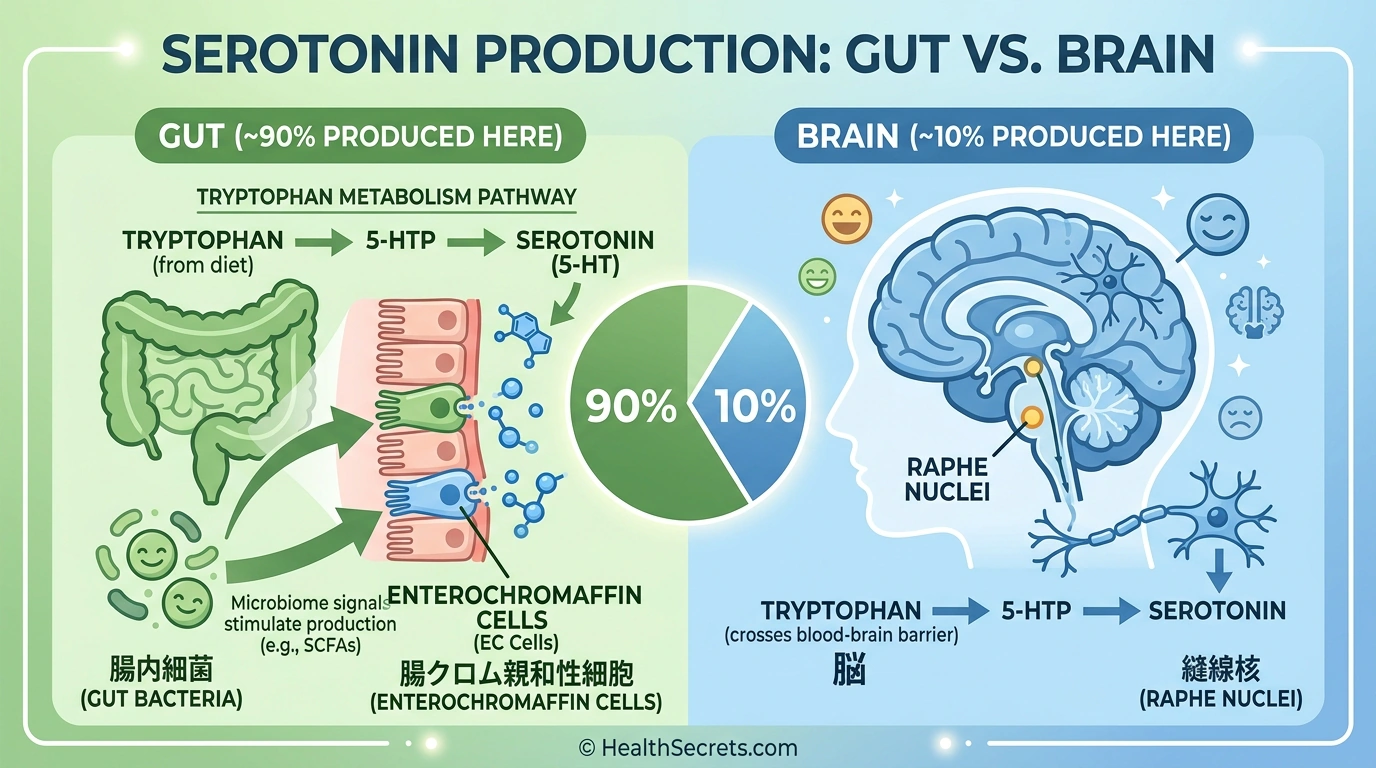
Infographic showing 90 percent of serotonin produced in the gut by enterochromaffin cells influenced by gut bacteria versus 10 percent in the brain

为什么肠道微生物群对大脑功能如此重要?

你的肠道微生物群是一个复杂的生态系统,包含超过 1,000 种细菌物种,重达 3–5 磅——比你体内整个人体细胞还要多的微生物细胞。这个社区执行着关键功能,包括消化、免疫调节、维生素生产、神经递质合成和炎症控制 [2]。

每个人的微生物群都像指纹一样独特,受分娩方式、母乳喂养、饮食、环境、药物和压力暴露的影响。当这个生态系统失衡时——这种状态称为菌群失调(dysbiosis)——其后果远远超出了消化不适。

为什么肠道被称为“第二大脑”?

肠神经系统(ENS)包含约 1 亿个神经元, lining 胃肠道——比脊髓中的神经元还要多。这个“第二大脑”可以独立于中枢神经系统运作,自行控制消化、蠕动和分泌 [3]。

关键在于,ENS 产生与大脑相同的神经递质——血清素、多巴胺、GABA 和乙酰胆碱。ENS 主要通过迷走神经与大脑通信,创建一个影响情绪、压力反应和认知功能的持续反馈循环。

肠道如何产生你 90% 的血清素?

肠黏膜中的肠嗜铬细胞产生体内约 90% 的总血清素,只有约 5–10% 在大脑的缝核中合成。肠道细菌通过生成血清素合成所需的 precursor 分子和酶,直接影响这种生产 [18]。

虽然肠道血清素主要调节肠道蠕动、分泌和疼痛感知,但肠道微生物群对色氨酸代谢(血清素的氨基酸前体)的影响直接影响有多少色氨酸到达大脑用于生产血清素。这意味着肠道细菌组成可以显著影响你的情绪、睡眠和食欲调节。

肠道如何通过五个关键途径与大脑通信?

肠脑轴通过五个相互连接的通信通道运作:迷走神经、神经递质信号、免疫系统激活、肠道激素信号和细菌代谢产物生产。了解这些途径揭示了为什么肠道健康与心理健康密不可分,以及如何通过针对性干预同时改善两者。
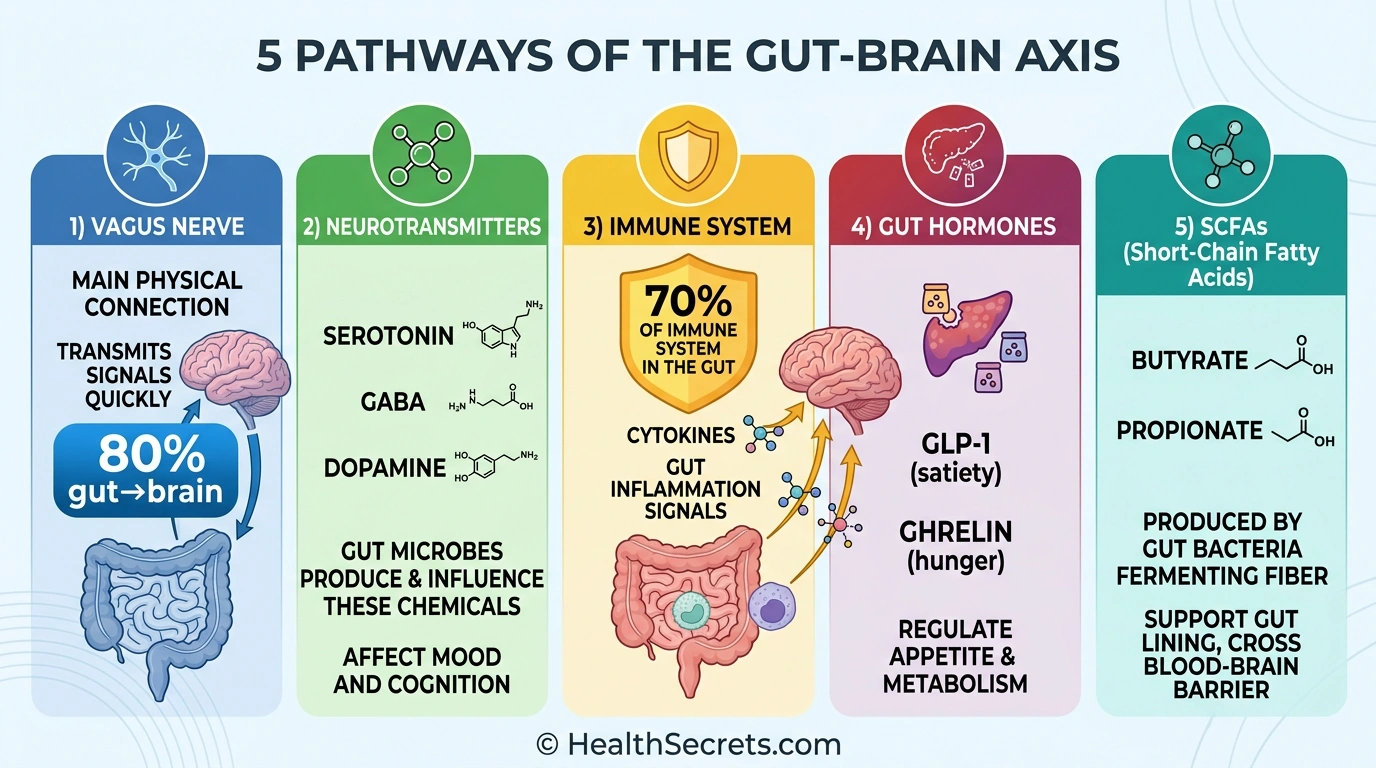
Diagram of five gut-brain communication pathways including vagus nerve, neurotransmitters, immune system, gut hormones, and short-chain fatty acids

迷走神经如何作为主要的肠脑高速公路?

迷走神经(第十对脑神经)是最长的脑神经,从脑干延伸到腹部。它是肠道和大脑之间主要的物理连接,携带 80% 的传入方向信号(肠道 → 大脑)和 20% 的传出信号(大脑 → 肠道)[19]。

肠道细菌通过迷走神经传入纤维向大脑传达其代谢状态、炎症状态和营养可用性。研究表明,切断迷走神经(迷走神经切断术)会阻断动物模型中益生菌的行为效应,证实这条神经是微生物群-大脑信号传导的必要通道。

迷走神经张力——通过心率变异性(HRV)测量——是该途径健康的生物标志物。较高的迷走神经张力与更好的情绪、压力韧性和肠道健康相关,而低迷走神经张力与抑郁症、焦虑症和慢性炎症相关。

肠道细菌产生哪些神经递质?

肠道细菌合成或影响几乎所有主要影响心理健康的神经递质的生产:

  • 血清素——90% 在肠道中产生;调节情绪、睡眠、食欲
  • GABA——主要的镇静神经递质;乳杆菌属和双歧杆菌属物种是 prolific 生产者
  • 多巴胺——肠道细菌产生影响动机、奖励和快感的 precursor
  • 乙酰胆碱——影响记忆和学习
  • 去甲肾上腺素——影响警觉性和压力反应

研究证实,特定的肠道细菌菌株产生直接影响大脑功能和行为的神经递质。在临床模型中,乳杆菌属和双歧杆菌属物种增加了 GABA 的产生并减少了焦虑样行为 [5]。

肠道炎症如何到达大脑?

约 70% 的免疫系统驻留在肠道相关淋巴组织(GALT)中,使肠道成为身体最大的免疫器官。当肠道细菌失衡时,免疫细胞产生促炎细胞因子——IL-6、TNF-alpha 和 IL-1β——这些细胞因子通过血液流动并穿过血脑屏障 [20]。

这种神经炎症扰乱神经递质代谢,损害神经可塑性,并激活 HPA 压力轴——直接导致抑郁症状。有益肠道细菌促进的抗炎细胞因子如 IL-10 提供了平衡。

肠道激素和短链脂肪酸如何影响情绪?

肠道细菌影响激素生产,包括 GLP-1(饱腹感和情绪)、胃饥饿素(饥饿和压力)和瘦素(饱腹感和炎症)。这些激素作用于参与情绪调节和行为的大脑区域 [16]。

也许最重要的是,肠道细菌发酵膳食纤维以产生短链脂肪酸(SCFAs)——丁酸盐、丙酸盐和乙酸盐。这些代谢产物穿过血脑屏障,发挥抗炎和神经保护作用。研究表明,丁酸盐改善情绪,减少焦虑,并预防抑郁症,而低 SCFA 水平与抑郁症状相关。西方饮食典型的每日纤维摄入量低于 15 克——远低于推荐的 25–35 克——可能导致 SCFA 生产不足和心理健康脆弱性增加。

健康的肠脑轴有哪些心理健康益处?

功能良好的肠脑轴支持情绪稳定、压力韧性、认知敏锐度和情绪调节。研究表明,通过饮食、益生菌和生活方式调整优化肠道健康可以将抑郁和焦虑症状减少 30–50%,改善认知表现,增强压力适应能力,并支持全身健康的神经递质生产。
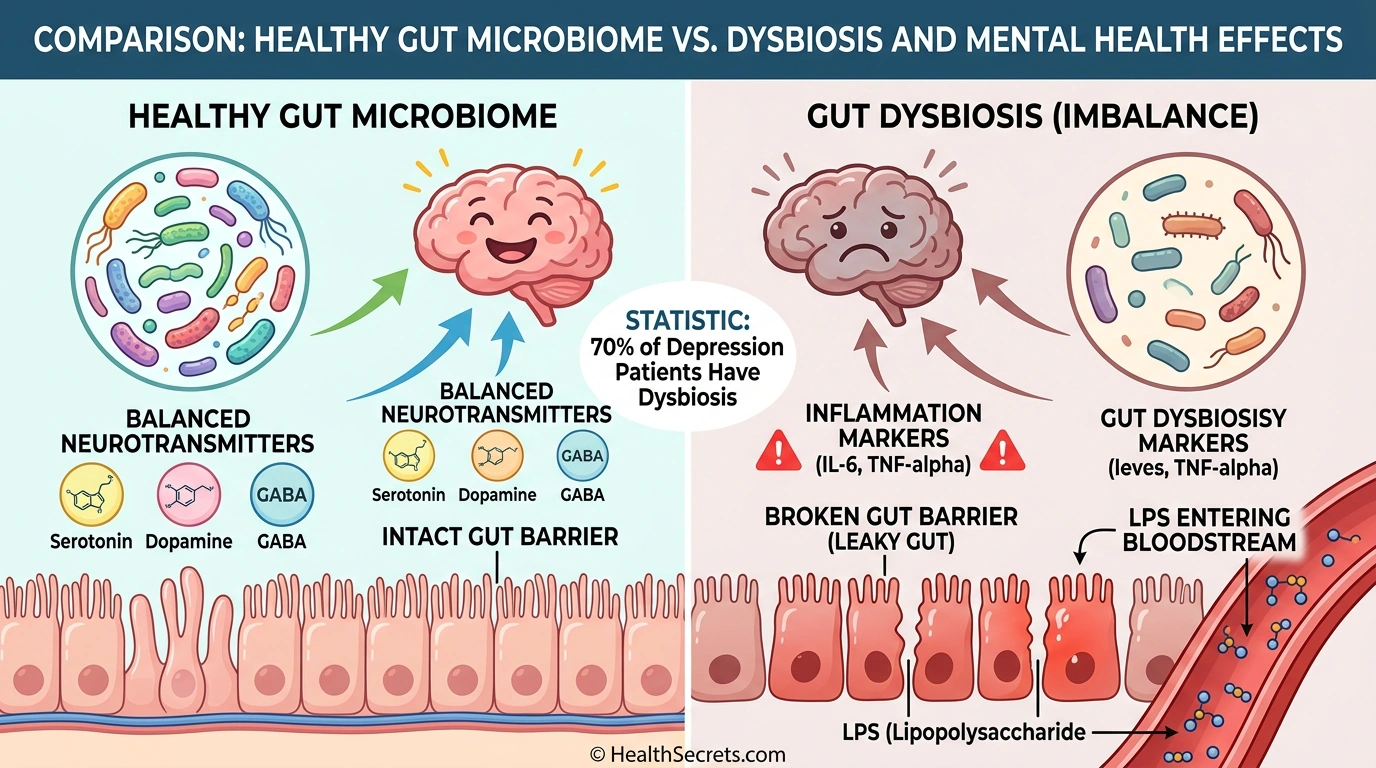
Comparison infographic showing healthy microbiome versus dysbiosis effects on mental health including inflammation and leaky gut
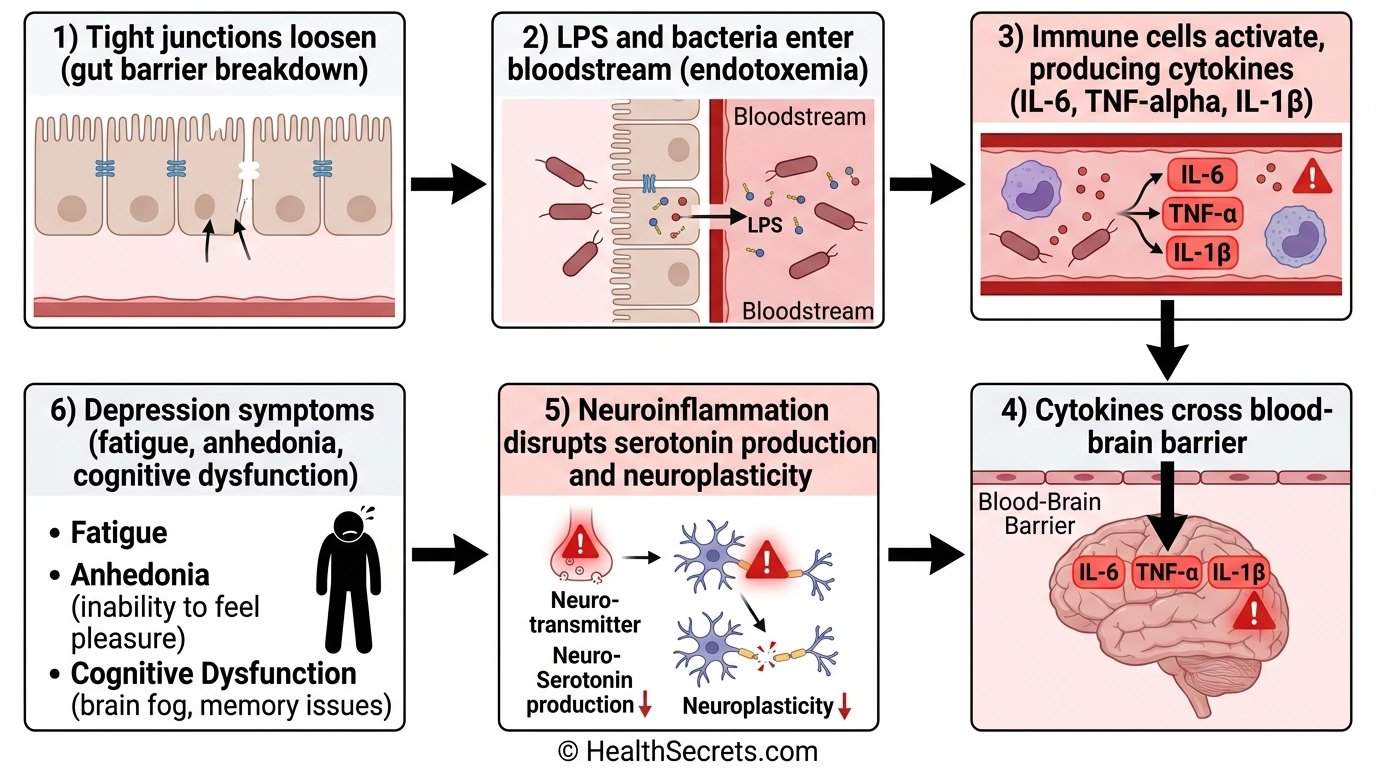
Flow diagram showing the cascade from leaky gut to endotoxemia to neuroinflammation to depression symptoms

健康的微生物群如何保护对抗抑郁症?

多样化、平衡的肠道微生物群维持充足的血清素 precursor 可用性,产生抗炎 SCFAs,支持肠道屏障完整性(防止内毒素血症),并促进健康的迷走神经张力。地中海饮食——肠道大脑营养的黄金标准——通过这些组合机制将抑郁症风险降低 30–50% [10]。

最佳的肠道健康还维持健康的色氨酸代谢,确保这种必需氨基酸被引导向血清素生产,而不是产生神经毒性代谢物的炎症性犬尿氨酸途径。

精神益生菌如何改善焦虑和压力反应?

被归类为精神益生菌的特定益生菌菌株直接改善心理健康结果。在人体试验中,罗伊氏乳杆菌 R0052 与长双歧杆菌 R0175 的组合减少了心理困扰、焦虑样行为和皮质醇水平 [4]。这些菌株将免疫系统偏向抗炎谱,增加 GABA 受体表达,并改善 HPA 轴功能——所有这些都对焦虑管理至关重要。

肠道健康如何支持认知功能?

SCFA 生产——特别是丁酸盐——支持血脑屏障完整性,促进 BDNF(脑源性神经营养因子)生产,并增强神经可塑性。充足的肠道微生物多样性还确保 B 族维生素的最佳生产,这些维生素是神经递质合成和认知功能的关键辅因子。

当肠脑轴崩溃时会发生什么?

肠道菌群失调——一种微生物群失衡、多样性减少和致病菌过度生长的状态——扰乱了肠脑轴中的每一个通信途径。临床研究将菌群失调与抑郁症、焦虑症、ADHD、自闭症谱系障碍和精神分裂症联系起来,机制包括神经递质生产减少、肠道通透性增加、全身性炎症和迷走神经信号传导受损。
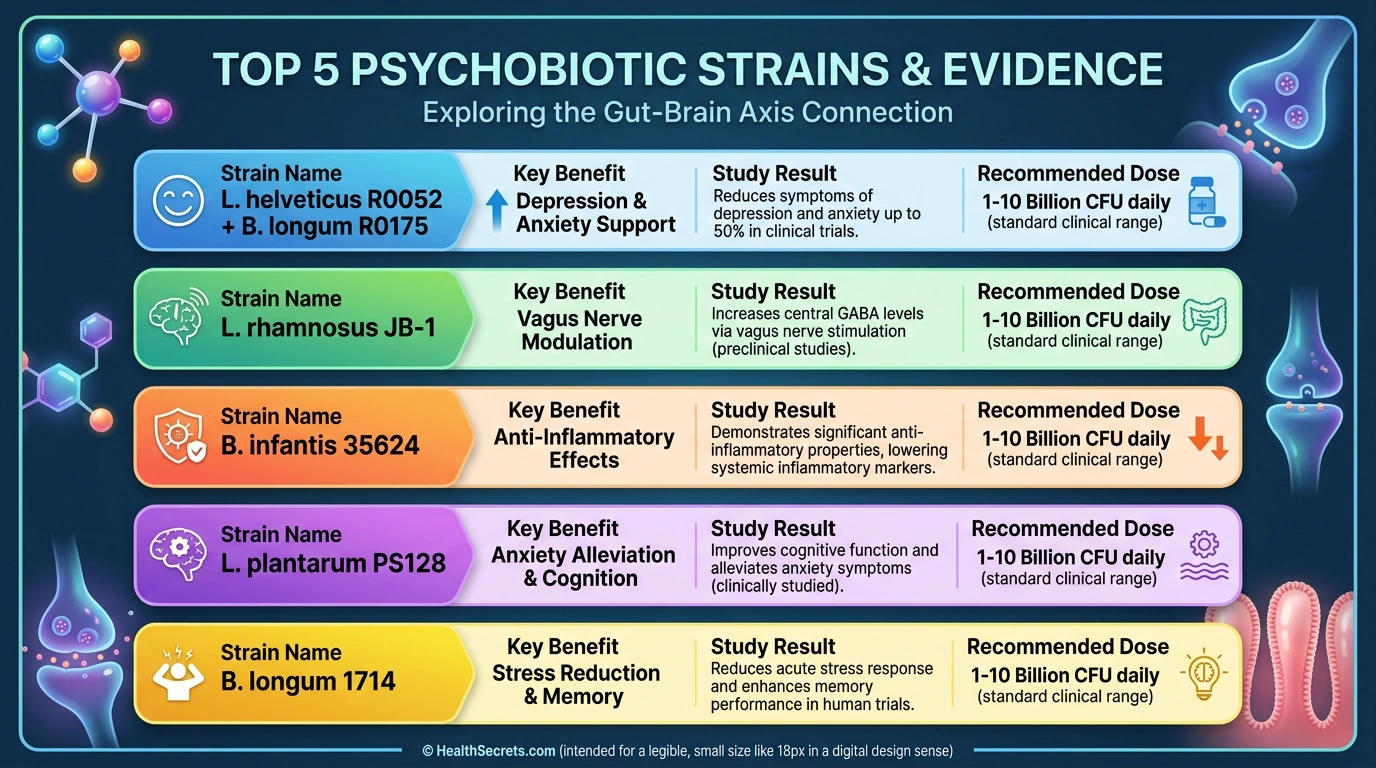
Chart of top five psychobiotic probiotic strains with clinical evidence for depression and anxiety showing strain names doses and study results

肠道菌群失调如何驱动抑郁症?

约 70% 的抑郁症患者表现出显著的肠道菌群失调,其特征是微生物多样性减少,乳杆菌属和双歧杆菌属种群耗竭,以及促炎细菌过度生长 [14]。

机制是多方面的:血清素 precursor 代谢减少,肠漏驱动内毒素血症和神经炎症,SCFA 生产减少,以及 HPA 轴调节失常导致慢性压力反应。越来越多的研究支持抑郁症本质上是一种炎症性疾病,30–50% 的抑郁症患者显示出升高的炎症标志物,包括 CRP、IL-6 和 TNF-alpha。

肠漏如何触发神经炎症和抑郁症?

当肠道紧密连接受损——由于饮食不良、慢性压力、酒精、非甾体抗炎药(NSAIDs)或菌群失调——细菌及其毒素易位进入血液。来自革兰氏阴性细菌的脂多糖(LPS)通过激活免疫细胞上的 TLR4 受体触发全身性炎症,产生穿过血脑屏障的促炎细胞因子 [7]。

这种神经炎症将色氨酸代谢从血清素生产转向犬尿氨酸途径,产生神经毒性喹啉酸。同时,炎症减少 BDNF,损害神经发生,并导致海马体萎缩——临床抑郁症的标志。

焦虑症、ADHD 和自闭症如何与肠道健康相连?

  • 焦虑症: 患者表现出改变的微生物群组成,厚壁菌门与拟杆菌门比例增加,产生 GABA 的细菌减少,以及炎症标志物升高。迷走神经信号传导受损和杏仁核反应性增强加剧了这些效应 [15]。
  • ADHD: 50–70% 的 ADHD 儿童报告胃肠道症状。研究表明独特的微生物群模式,多样性减少,影响多巴胺生产和营养吸收(铁、锌、欧米伽-3)——所有这些都对执行功能至关重要。
  • 自闭症谱系障碍(ASD): 约 70% 的 ASD 个体经历胃肠道问题并显示独特的微生物群模式。改变的细菌代谢产物和升高的神经炎症影响大脑发育和行为。
  • 精神分裂症: 患者表现出改变的微生物群组成、升高的炎症标志物和肠漏的证据。神经炎症扰乱了该病症病理生理学核心的多巴胺途径。

如何使用 4R 方案修复肠道以改善心理健康?

4R 肠道修复方案——去除(Remove)、修复(Repair)、恢复(Restore)、重新平衡(Rebalance)——提供了一个系统的、基于证据的框架,用于重建肠道健康并改善心理健康。研究表明,遵循这种结构化方法 8–12 周可以显著减少抑郁和焦虑症状,同时恢复微生物群多样性和肠道屏障完整性。
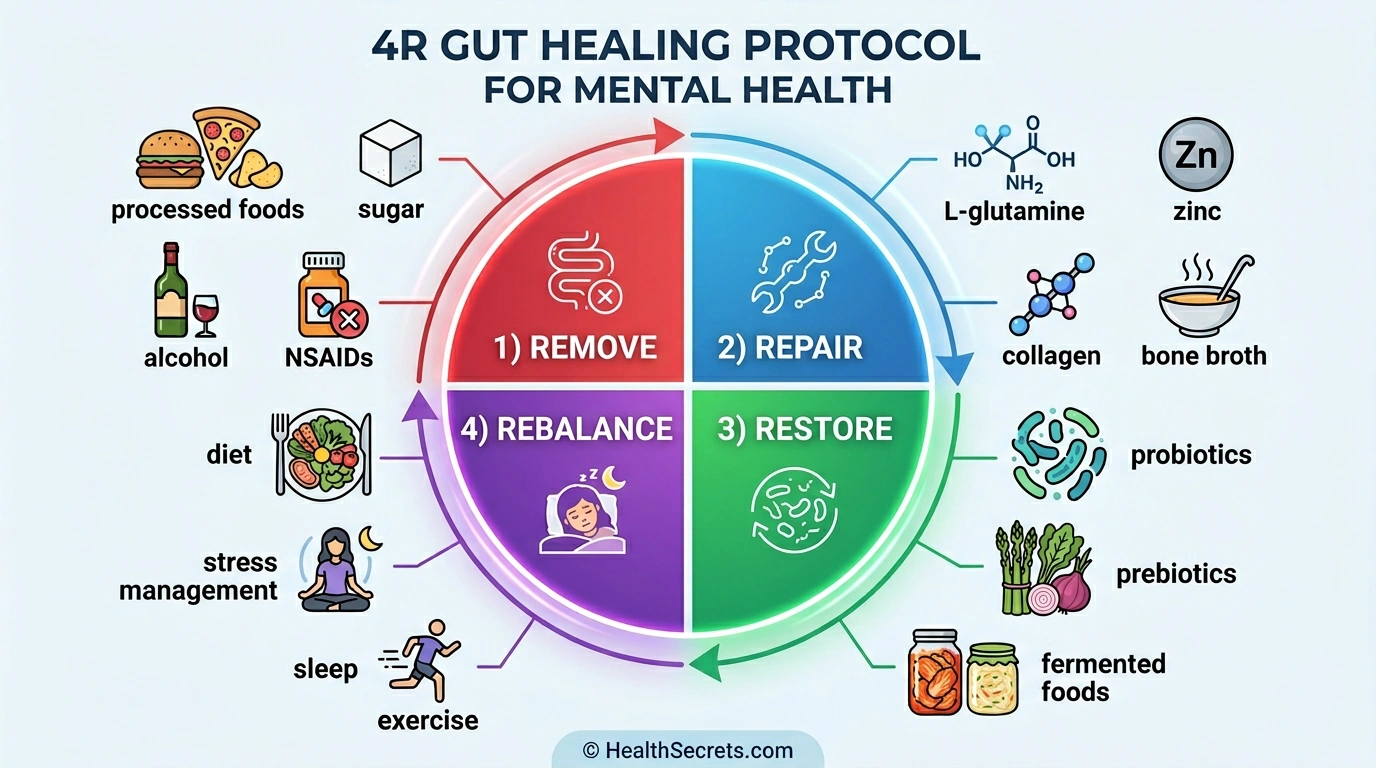
Infographic of the 4R gut healing protocol showing Remove Repair Restore and Rebalance steps with specific interventions for mental health
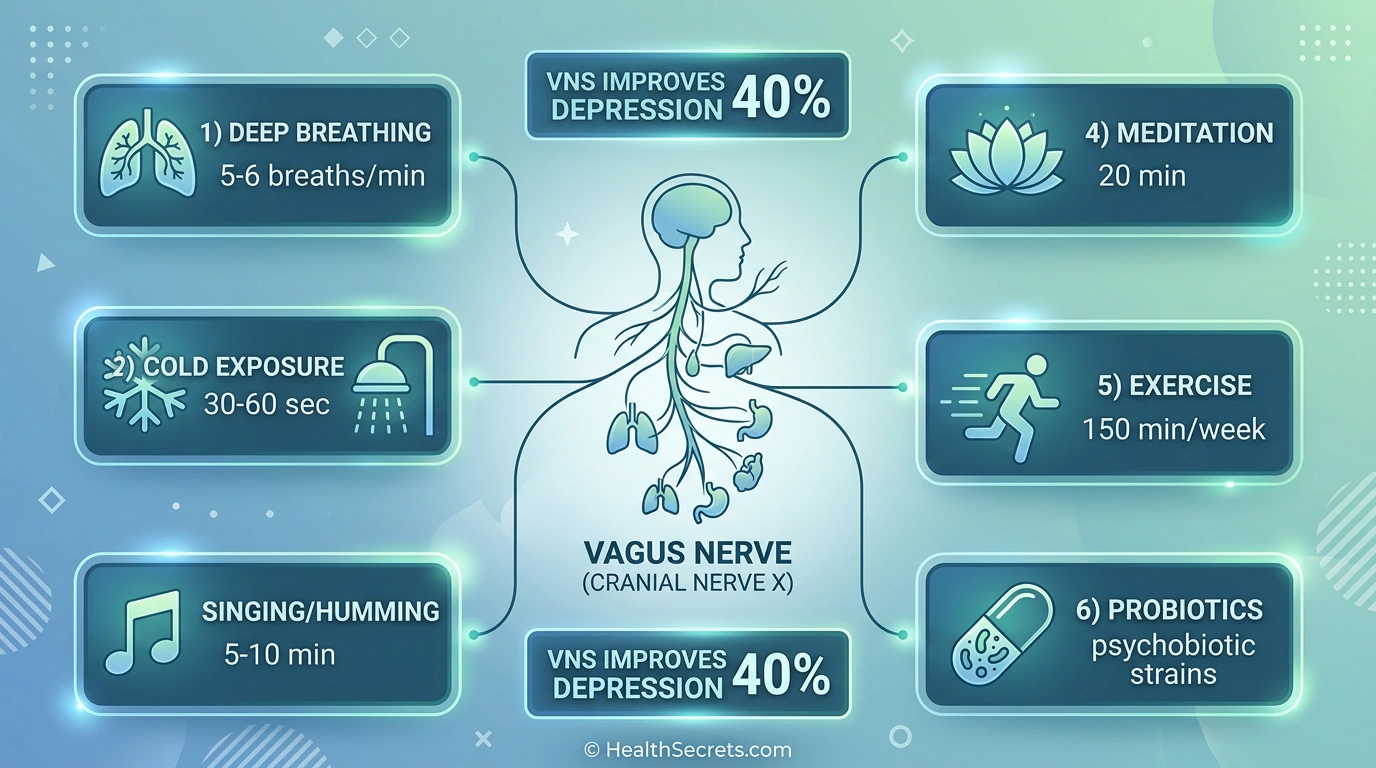
Infographic of six natural vagus nerve stimulation methods including deep breathing cold exposure singing meditation exercise and probiotics

第一步:如何去除损害肠道的触发因素?

消除促进菌群失调和肠道通透性的因素:

  • 加工食品——高糖、反式脂肪和添加剂扰乱微生物群组成
  • 过量糖——喂养致病菌;目标是将每日添加糖摄入量控制在 25 克以下
  • 麸质——如果敏感,会增加易感个体的肠道通透性(尝试 4–6 周的排除法)
  • 酒精——直接损害肠黏膜并促进菌群失调
  • 非甾体抗炎药(NSAIDs)——阿司匹林和布洛芬损害肠道屏障(谨慎使用)
  • 不必要的抗生素——摧毁有益细菌种群(仅在医学必要时使用)

第二步:如何修复肠道内壁?

针对肠道通透性使用这些基于证据的补充剂:

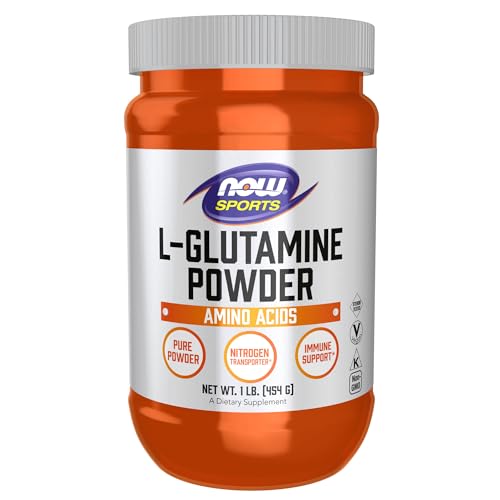
  • L-谷氨酰胺——每天 5–10 克;肠道细胞的主要燃料,修复紧密连接
  • ——每天 15–30 毫克;支持肠道屏障完整性和免疫功能
  • 胶原蛋白肽——每天 10–20 克;提供用于肠道内壁修复的氨基酸(甘氨酸、脯氨酸)
  • 骨汤——每天 1–2 杯;富含胶原蛋白、明胶和矿物质
  • 欧米伽-3 脂肪酸——每天 2–4 克 EPA+DHA;抗炎,支持屏障功能

第三步:如何恢复健康的微生物群?

  • 益生菌: 每天 100–500 亿 CFU,含有精神益生菌菌株(罗伊氏乳杆菌 R0052 + 长双歧杆菌 R0175)。为了心理健康益处,至少持续使用 4–8 周。
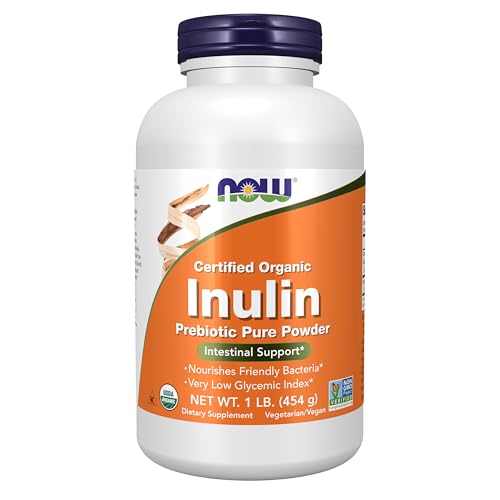
  • 益生元: 每天 5–10 克菊粉、FOS 或 GOS,以喂养有益细菌。食物来源包括洋葱、大蒜、韭葱、芦笋、香蕉和燕麦。
  • 发酵食品: 每天 1–2 份酸奶、开菲尔、酸菜、泡菜或康普茶,经证实含有活性菌种。
  • 多样性: 每周目标为 30 多种不同的植物性食物,以最大化微生物多样性。

第四步:如何重新平衡生活方式以促进肠脑健康?

  • 抗炎饮食——地中海模式,富含蔬菜、水果、全谷物、豆类、橄榄油和富含脂肪的鱼类
  • 压力管理——每天冥想 20 分钟;每周瑜伽 2–3 次;接触自然
  • 睡眠优化——每晚 7–9 小时;保持一致的作息;肠道微生物群在睡眠期间修复
  • 定期运动——每周 150 分钟中等强度活动;增加微生物多样性和 SCFA 生产

哪些是最好的用于心理健康的精神益生菌菌株?

研究确定了以下具有临床证据的特定菌株:

  1. 罗伊氏乳杆菌 R0052 + 长双歧杆菌 R0175——30 天后抑郁和焦虑评分降低 50%;降低皮质醇;剂量:每天 30 亿 CFU [4]
  2. 鼠李糖乳杆菌 JB-1——通过迷走神经增加大脑中 GABA 受体表达;减少焦虑和压力行为 [8]
  3. 婴儿双歧杆菌 35624——减少抑郁症状和炎症标志物(IL-6、TNF-alpha);增加色氨酸可用性;剂量:每天 10–100 亿 CFU
  4. 植物乳杆菌 PS128——改善焦虑、认知和情绪调节;影响多巴胺和血清素途径;剂量:每天 100 亿 CFU [12]
  5. 长双歧杆菌 1714——在健康成年人中减少压力并改善记忆;通过 HPA 轴调节降低皮质醇;剂量:每天 10 亿 CFU

剂量指导: 每天 100–500 亿 CFU;特定的研究菌株比总 CFU 数量更重要;为了心理健康益处,允许至少 4–8 周的持续每日使用。

为了最佳的肠脑健康,你应该吃什么以及如何生活?

地中海式饮食结合针对性的生活方式调整为肠脑健康提供了最强的基于证据的基础。地中海饮食将抑郁症减少 30–50%,而定期运动增加微生物多样性,充足的睡眠支持微生物群修复,压力管理保护肠道屏障完整性——产生比任何单一干预措施更大的协同效应。
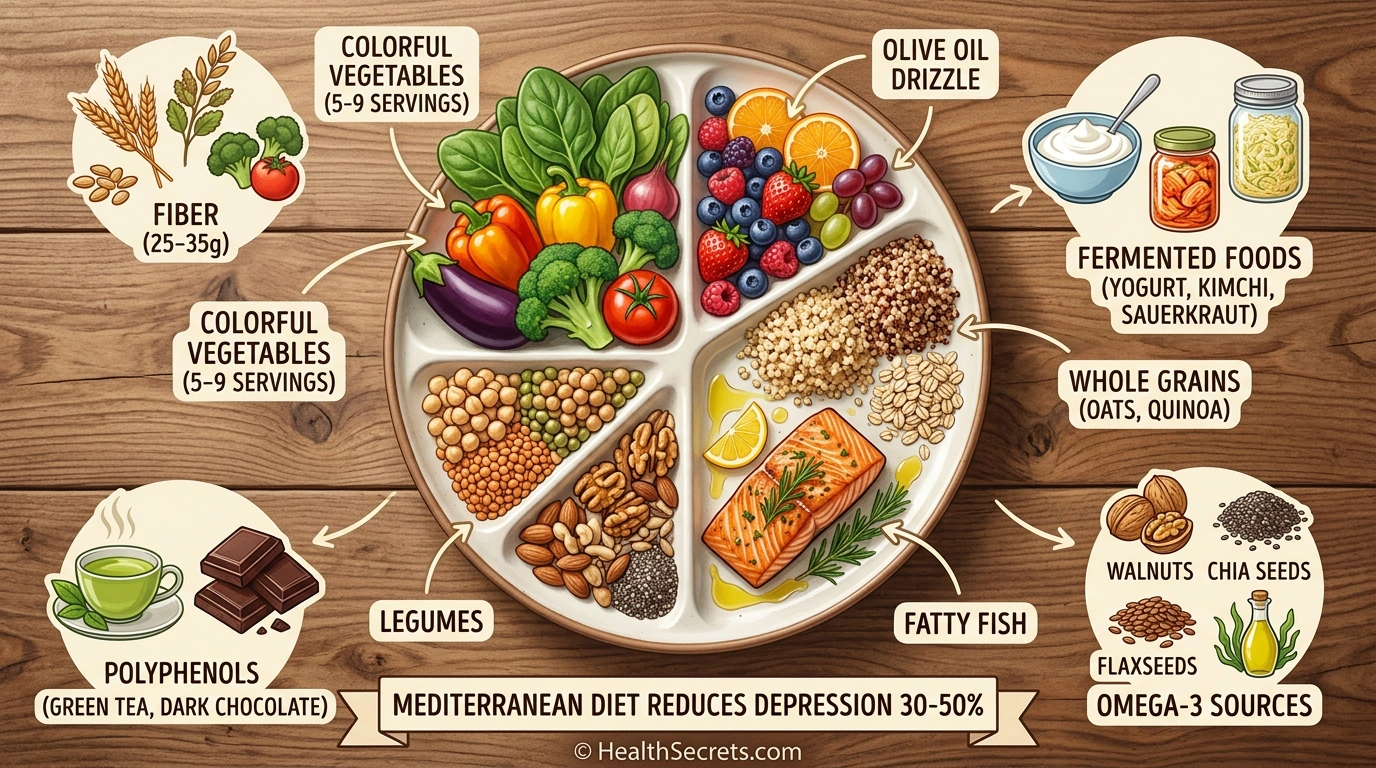
Mediterranean diet plate illustration showing optimal foods for gut-brain health including vegetables fruits whole grains fish fermented foods and fiber sources

哪种饮食最能支持肠脑轴?

地中海饮食(最佳证据):

  • 蔬菜(每天 5–9 份,色彩丰富)

  • 水果(每天 2–3 份,特别是浆果)

  • 全谷物(每天 3–5 份——燕麦、藜麦、糙米)

  • 豆类(每周 3–4 次——豆类、扁豆、鹰嘴豆)

  • 坚果和种子(每天 1–2 盎司——核桃、亚麻籽、奇亚籽)

  • 特级初榨橄榄油(每天 2–3 汤匙)

  • 富含脂肪的鱼类(每周 2–3 次——鲑鱼、沙丁鱼、鲭鱼)

  • 纤维(每天 25–35 克): 喂养产生改善情绪的 SCFAs 的有益细菌。来源包括蔬菜、水果、全谷物、豆类、坚果和种子。大多数西方饮食提供的纤维少于 15 克——远低于最佳水平 [10]。

  • 发酵食品: 每天 1–2 份酸奶、开菲尔、酸菜、泡菜、康普茶、味噌或天贝。在标签上寻找“活性且活跃的培养物”。

  • 欧米伽-3 脂肪酸: 每天 2–4 克 EPA+DHA,来自富含脂肪的鱼类或补充剂。抗炎,支持肠道屏障和大脑健康。

  • 多酚: 每天浆果、绿茶(2–3 杯)、黑巧克力(70%+ 可可,1–2 盎司)——这些作为益生元喂养有益细菌。

  • 富含色氨酸的食物: 火鸡、鸡肉、鸡蛋、奶酪、坚果、种子、豆腐——提供血清素 precursor。需要 B 族维生素、镁和锌进行转化。

应避免的食物:

  • 加工食品——扰乱微生物群,促进炎症
  • 添加糖——喂养致病菌,促进菌群失调
  • 人工甜味剂(糖精、阿斯巴甜、三氯蔗糖)——改变微生物群组成
  • 反式脂肪——促炎
  • 过量酒精——损害肠黏膜

迷走神经刺激技术如何改善心理健康?

迷走神经刺激(VNS)使难治性病例中的抑郁症改善约 40%。虽然医疗 VNS 使用植入设备(FDA 批准用于难治性抑郁症),但几种非侵入性方法有效地提高了迷走神经张力 [17]:

  1. 深度横膈膜呼吸——每分钟 5–6 次呼吸,每天 10–20 分钟;激活副交感反应
  2. 冷暴露——冷水洗脸(潜水反射)或 30–60 秒冷水淋浴;刺激迷走神经
  3. 唱歌、哼唱和漱口——声带振动直接刺激迷走神经纤维;每天 5–10 分钟
  4. 慈心冥想——每天 20 分钟;研究表明对 HRV 和迷走神经张力有显著改善
  5. 中等有氧运动——步行、骑自行车、游泳、瑜伽;改善 HRV 和情绪
  6. 精神益生菌——特定的益生菌菌株通过迷走神经发出信号(鼠李糖乳杆菌 JB-1 的效应被迷走神经切断术阻断)

压力、睡眠和运动如何直接影响你的肠道微生物群?

  • 压力: 慢性压力通过皮质醇损害肠道屏障,改变微生物群组成,并减少有益细菌种群。这种关系是双向的——肠道菌群失调本身通过 HPA 轴调节失常放大压力反应 [15]。
  • 睡眠: 肠道微生物群产生 GABA 和血清素(褪黑激素的 precursor),直接影响睡眠质量。昼夜节律调节肠道细菌组成,微生物群在睡眠期间修复。睡眠不足扰乱了这个循环,促进菌群失调和抑郁症。
  • **

顶级推荐产品

在离开指南前需查看的对比精选清单

10 项
01

Garden of Life Dr. Formulated Mood+ Probiotic

Garden of · Depression and anxiety support with clinically studied Lactobacillus and Bifidobacterium strains

对比详情
02

Culturelle Digestive Daily Probiotic

Culturelle Digestive · Daily digestive and gut-brain support with the most clinically studied probiotic strain

对比详情
03

Renew Life Ultimate Flora Extra Care 50 Billion

Renew Life · Comprehensive microbiome restoration with high-potency multi-strain formula

对比详情
04

NOW Foods Organic Inulin Prebiotic Powder

NOW Foods · Feeding beneficial gut bacteria to increase SCFA production and microbial diversity

对比详情
05

NOW Foods L-Glutamine Powder

NOW Foods · Healing intestinal permeability (leaky gut) and supporting gut barrier integrity

对比详情
06

Vital Proteins Collagen Peptides

Vital Proteins · Providing amino acids (glycine, proline, glutamine) for intestinal lining regeneration

对比详情
07

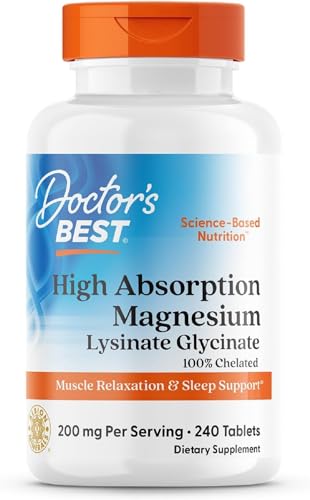
Doctor's Best High Absorption Magnesium Glycinate

Doctor's Best · Calming the nervous system, supporting GABA activity, and reducing gut-brain axis stress

对比详情
08

Thorne Zinc Picolinate

Thorne Zinc · Supporting intestinal barrier integrity and immune function for gut-brain health

对比详情
09

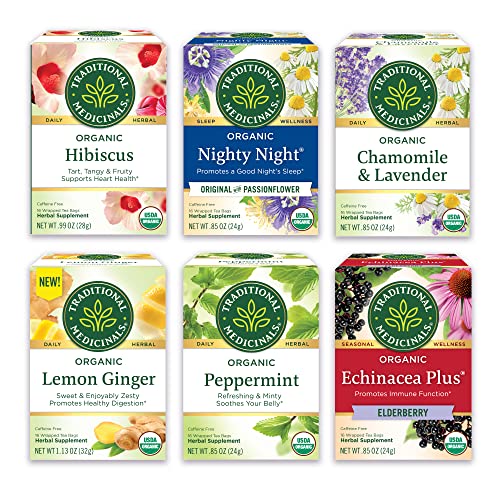
Traditional Medicinals Organic Tea Variety Pack

Traditional Medicinals · Daily gut-brain support through herbal compounds that reduce inflammation and promote relaxation

对比详情
10

Nordic Naturals Ultimate Omega

Nordic Naturals · Anti-inflammatory support for gut barrier integrity and brain health

对比详情

在点击任何零售商链接之前,请先阅读下方的详细评论卡片

延伸阅读

延伸阅读

"The Mind-Gut Connection"

作者 Emeran Mayer, MD

Comprehensive overview of gut-brain axis science; explanation of how emotions affect gut and gut affects brain; dietary recommendations for optimizing the microbiome; stress management strategies; latest research on microbiome and mental health

核心价值说明

Dr. Mayer is one of the world's foremost gut-brain axis researchers. This book translates decades of cutting-edge research into actionable guidance, making complex neurogastroenterology accessible to general readers while maintaining scientific rigor.

最适合: Understanding the science behind gut-brain communication and practical dietary strategies

查看书籍详情

延伸阅读

"The Psychobiotic Revolution"

作者 Scott C. Anderson, John F. Cryan, PhD, and Ted Dinan, MD, PhD

Definition and science of psychobiotics; specific strain recommendations with clinical evidence; microbiome testing guidance; practical protocol for using probiotics for mental health; latest clinical trial results

核心价值说明

Written by the scientists who coined the term "psychobiotics," this book is the definitive guide to using targeted probiotic strains for mental health. It bridges cutting-edge microbiome research with practical, actionable recommendations.

最适合: Deep understanding of psychobiotics — how specific probiotic strains treat depression, anxiety, and stress

查看书籍详情

延伸阅读

"Brain Maker"

作者 David Perlmutter, MD

Connection between gut bacteria and brain diseases; role of inflammation in neurological conditions; practical dietary protocols for brain health; probiotic and prebiotic recommendations; case studies of gut-brain healing

核心价值说明

Dr. Perlmutter provides a neurologist's perspective on the microbiome-brain connection, with practical rehabilitation protocols for gut and brain health. The book includes actionable dietary guidelines and supplement recommendations grounded in clinical experience.

最适合: Understanding how gut bacteria influence neurological and mental health conditions

查看书籍详情

AEO FAQ

常见问题

12 common questions answered

The gut-brain axis is a bidirectional communication network connecting the gastrointestinal tract and the brain through five pathways: the vagus nerve, neurotransmitter signaling, immune activation, gut hormones, and bacterial metabolites. It matters for mental health because 90% of serotonin is produced in the gut, gut bacteria manufacture GABA and dopamine precursors, and intestinal inflammation can cross the blood-brain barrier to cause neuroinflammation linked to depression and anxiety. Disruptions in any of these pathways — caused by poor diet, stress, or dysbiosis — can directly impair mood, cognition, and emotional regulation.

Yes, substantial clinical evidence supports this connection. Research shows that 70% of depression patients have gut dysbiosis, and targeted interventions can meaningfully reduce symptoms. Psychobiotic strains (L. helveticus R0052 + B. longum R0175) reduced depression and anxiety scores by up to 50% in clinical trials. The Mediterranean diet reduces depression risk by 30–50%. Addressing gut health through the 4R protocol (Remove, Repair, Restore, Rebalance) typically produces noticeable mood improvements within 4–8 weeks.

Psychobiotics are specific probiotic strains that produce measurable mental health benefits through the gut-brain axis. The strongest evidence exists for: Lactobacillus helveticus R0052 + Bifidobacterium longum R0175 (reduced depression/anxiety by 50%), Lactobacillus rhamnosus JB-1 (increased brain GABA via vagus nerve), Bifidobacterium infantis 35624 (reduced inflammation and improved serotonin precursor availability), and Lactobacillus plantarum PS128 (improved anxiety and cognition). Effective doses range from 10–50 billion CFU daily, with minimum 4–8 weeks consistent use needed.

Leaky gut (increased intestinal permeability) allows bacterial toxins — particularly LPS from gram-negative bacteria — to enter the bloodstream. This triggers systemic inflammation, producing pro-inflammatory cytokines (IL-6, TNF-alpha, IL-1β) that cross the blood-brain barrier. In the brain, these cytokines disrupt serotonin production by shifting tryptophan toward the neurotoxic kynurenine pathway, reduce BDNF (impairing neuroplasticity), and activate the chronic stress response. The resulting neuroinflammation manifests as depression, brain fog, fatigue, and cognitive dysfunction.

Most people following a comprehensive gut-brain protocol notice initial improvements within 2–4 weeks, with significant benefits by 8–12 weeks. The typical timeline: weeks 1–2 bring GI symptom relief and slightly increased energy; weeks 4–8 show 20–30% reduction in depression/anxiety symptoms; weeks 8–12 yield 40–50% symptom improvement with stable mood and improved cognition. Full microbiome restoration may take 3–6 months of consistent effort. Individual results vary based on baseline health, adherence, and the severity of dysbiosis.

The Mediterranean diet has the strongest evidence, reducing depression by 30–50% in clinical trials. Key components include: 5–9 daily servings of colorful vegetables, 2–3 fruits (especially berries), whole grains, legumes 3–4 times weekly, extra virgin olive oil, and fatty fish 2–3 times weekly. Fiber intake of 25–35g daily is critical for feeding bacteria that produce mood-enhancing SCFAs. Daily fermented foods (yogurt, kefir, sauerkraut) provide live probiotic cultures. Avoid processed foods, added sugars, artificial sweeteners, and excess alcohol.

The vagus nerve is the longest cranial nerve, running from brainstem to abdomen, carrying 80% of signals from gut to brain. It transmits information about microbiome status, inflammation, and nutrients, directly influencing mood and cognition. Natural stimulation methods include: deep diaphragmatic breathing (5–6 breaths/minute, 10–20 minutes daily), cold exposure (30–60 second cold showers), singing and humming (vocal cord vibration), loving-kindness meditation, moderate exercise, and gargling vigorously. Medical VNS improves treatment-resistant depression by approximately 40%.

Yes, chronic stress significantly damages gut health through multiple mechanisms. Cortisol increases intestinal permeability (leaky gut), alters microbiome composition by reducing beneficial Lactobacillus and Bifidobacterium species, and promotes overgrowth of pathogenic bacteria. The relationship is bidirectional — gut dysbiosis itself amplifies the stress response through HPA axis dysregulation, creating a vicious cycle. Stress management practices like meditation, yoga, deep breathing, and nature exposure have been shown to improve both gut microbiome composition and mental health outcomes.

The most evidence-based supplements for gut barrier repair include: L-glutamine (5–10g daily, the primary fuel for intestinal cells that directly heals tight junctions), zinc picolinate (15–30mg daily for gut barrier integrity), collagen peptides (10–20g daily providing glycine and proline for lining repair), omega-3 fatty acids (2–4g EPA+DHA daily for anti-inflammatory support), and a multi-strain probiotic with psychobiotic strains (10–50 billion CFU daily). Prebiotic fiber (5–10g inulin or FOS) supports SCFA production that maintains barrier health.

Antibiotics can devastate beneficial gut bacteria populations, with full recovery sometimes taking months. This antibiotic-induced dysbiosis has been linked to increased risk of depression and anxiety through reduced neurotransmitter production, impaired SCFA generation, and compromised gut barrier function. When antibiotics are medically necessary, mitigate damage by taking a multi-strain probiotic during and after treatment (separated by 2–3 hours from antibiotic doses), consuming fermented foods daily, and increasing prebiotic fiber intake to support microbiome recovery.

Emerging research shows significant connections. In ADHD, 50–70% of children report GI symptoms, and gut dysbiosis affects dopamine production and absorption of nutrients critical for executive function (iron, zinc, omega-3). In autism spectrum disorder, approximately 70% of individuals experience GI issues with distinct microbiome patterns, and abnormal bacterial metabolites may influence brain development and behavior. While gut-targeted interventions are not replacements for standard treatments, optimizing gut health may support symptom management as part of a comprehensive approach.

Research recommends 25–35g of dietary fiber daily for optimal gut-brain axis function. Fiber feeds beneficial bacteria that produce short-chain fatty acids (SCFAs) — particularly butyrate — which cross the blood-brain barrier, reduce neuroinflammation, and improve mood. The average Western diet provides less than 15g daily, which is insufficient for adequate SCFA production. Best sources include vegetables, fruits, whole grains (oats, quinoa), legumes (beans, lentils), nuts, and seeds. Increase gradually to avoid GI discomfort, and aim for 30+ different plant foods weekly for maximum microbial diversity.

🧠

知识测试

Take our Mental Wellness Quiz and see how much you really know about mental wellness.

开始测验

这篇文章对您有帮助吗?

由专家撰写并审核

HS

作者

Health Secrets Editorial Team

Dr. Emily Foster

医学审核员

Dr. Emily Foster

MD, Endocrinology

所有内容均基于科学证据,经过专业人士同行评审,并定期更新。我们的编辑团队遵循严格的准确性与透明度准则。

参考文献与引用

20 引用来源

1
Yano, J.M. et al. (2015). Indigenous bacteria from the gut microbiota regulate host serotonin biosynthesis. Cell, 161(2), 264-276. 查看
2
Cryan, J.F. et al. (2019). The microbiota-gut-brain axis. Physiological Reviews, 99(4), 1877-2013. 查看
3
Carabotti, M. et al. (2015). The gut-brain axis: interactions between enteric microbiota, central and enteric nervous systems. Annals of Gastroenterology, 28(2), 203-209.)00268-7/fulltext 查看
4
Messaoudi, M. et al. (2011). Assessment of psychotropic-like properties of a probiotic formulation (Lactobacillus helveticus R0052 and Bifidobacterium longum R0175). British Journal of Nutrition, 105(5), 755-764. 查看
5
Strandwitz, P. (2018). Neurotransmitter modulation by the gut microbiota. Brain Research, 1693(Pt B), 128-133. 查看

医学免责声明

This article is for informational purposes only and does not constitute medical advice. Read the full medical disclaimer. Always consult with a qualified healthcare provider before starting any new supplement, treatment, or major dietary change.

您可能还喜欢

讨论