Skip to content
Health Secrets
Pin It
10

オメガ3サプリメント:フィッシュオイル完全ガイド

DP
Dr. Priya Sharma
| Dr. Sarah Chen | 1,957 単語 | 17 引用文献
今月の更新 最終確認日: September 20, 2026 医学的監修 Dr. Sarah Chen

対象となる方

選択肢を比較し、エビデンスに基づいた知見を探している読者に最適です。

注意が必要な方

症状、服用中の薬、または検査結果に関する問題がある場合、医師の指導に代わるものではありません。

アフィリエイトに関する免責事項 | This article may contain affiliate links to products we trust. If you choose to buy through them, we may earn a small commission at no extra cost to you. Full disclosure

医療に関する免責事項 | 本情報は情報提供のみを目的としています。専門的な医学的アドバイスの代わりになるものではありません。 免責事項の全文を読む

市場には数百種類の魚油、クリルオイル、藻類オイルの選択肢があり、適切なオメガ3サプリメントを選ぶのは難しいものです。このエビデンスに基づくガイドでは、2025年のトップオメガ3サプリメントをレビューし、EPA/DHAの効力、純度認証、吸収形態、コストパフォーマンスを比較することで、あなたの健康目標に最適な魚油サプリメントを見つけるお手伝いをします。

M

主なポイント

トリグリセリド(TG)または再エステル化トリグリセリド(rTG)形態のオメガ3サプリメントは、安価なエチルエステル(EE)形態の20〜50%と比較して、最大70%の吸収率を示します
魚油が純粋で新鮮であることを確認するには、IFOS 5つ星認証とTOTOX値26未満を基準にしてください。市場に出回っているサプリメントの最大45%が酸敗の陽性反応を示しています
米心臓病学会(AHA)は、中性脂肪の減少のために1日2〜4グラムのEPA+DHAを推奨していますが、一般的な健康維持にはEPAとDHAを合計で少なくとも250〜500mg必要とします
クリルオイルは、リン脂質結合型のオメガ3により低用量で優れた吸収率を示しますが、高用量の療法プロトコルにおいては、フィッシュオイルの方が費用対効果に優れています
アルガオイルは、臨床的に検証されたビーガン向け代替品です。研究により、血漿中のDHAおよびEPA値を上昇させる点でフィッシュオイルと同等以上の効果があることが示されています
高用量のオメガ3サプリメント(1日4g以上)は、心房細動の相対リスクが24%増加することと関連しています。必ずしも量が多ければよいというわけではありません
吸収率を最大300%高めるために、オメガ3サプリメントは脂肪を含む食事中に摂取してください。空腹時に摂取する場合と比較して顕著な差があります
第三者機関による検査は重要です。IFOS、NSF、またはUSPの認証を受けた製品は、効力、純度、新鮮さに関する主張に対して独立した検証を提供します

サプリメントコーナーで、数十本ものフィッシュオイルのボトルを前に立ち尽くし、「最高品質」や「純度」を謳う表示に目を凝らした経験があるでしょうか。あなた一人ではありません。オメガ3脂肪酸は地球上で最も研究が進んでいる栄養素の一つであり、EPAとDHAが心血管の保護から脳の健康、炎症の軽減に至るまで多様な恩恵をもたらすことを示す論文は4万本以上あります。しかし、オメガ3サプリメント市場は、その複雑さでも知られています。形態、投与量、純度基準、価格帯が wildly に異なり、消費者を混乱させる要因となっています。

ここには受け入れがたい真実があります:すべてのオメガ3サプリメントが等しく作られているわけではないのです。研究によると、魚油サプリメントの70%以上がラベルに記載されているEPA/DHA含有量を含んでおらず、最大45%が酸敗(劣化)の陽性反応を示しています [1][2]。高品質なオメガ3と安価で酸化された製品の差は、単にお金を無駄にするだけでなく、健康を守るか、逆に害を及ぼすかの違いになり得ます。

サプリメントの品質と選び方についてより広い視点を得るためには、当社の完全サプリメントガイドをご覧ください。オメガ3が他のサプリメントとどのように相互作用するかに関心がある場合は、サプリメント相互作用ガイドをチェックしてください。慢性炎症にお悩みの方は、自然な抗炎症対策に関するガイドも役立ちます。

オメガ3サプリメントを購入する際に何を確認すべきですか?

オメガ3サプリメントを選ぶ際に最も重要な要素は、分子形態(トリグリセリド vs エチルエステル)、第三者機関による純度認証(IFOS、NSF、またはUSP)、1回分あたりの総EPA+DHA量、そしてTOTOX値のような新鮮さの指標です。これら4つの条件をすべて満たすサプリメントは、意味のある健康効果をもたらします。

分子形態はオメガ3の吸収にどのように影響しますか?

オメガ3サプリメントには3つの主要な分子形態があり、どの形態を選ぶかが、実際に血液中に届くEPAとDHAの量に劇的な影響を与えます:

  • トリグリセリド(TG)および再エステル化トリグリセリド(rTG): 金標準です。これらの天然の形態は約70%の吸収率を達成し、オメガ3が全魚に含まれている形態でもあります。rTG形態は、天然のトリグリセリド構造を維持しながら追加の精製処理が行われます [3]
  • エチルエステル(EE): 最も一般的で安価な形態です。濃縮プロセス中に生成され、EE魚油の吸収率は20〜50%にとどまります。多くの低価格帯の魚油はこの形態を使用しています [4]
  • リン脂質結合型(クリルオイル): リン脂質に結合したオメガ3は、特に脳の健康にとって、低用量でも優れた細胞取り込みをもたらす可能性があります。ある無作為化比較試験(RCT)では、クリルオイルがエチルエステル魚油よりも血中EPA/DHA値の上昇において優れていることが示されました [5]

なぜ魚油の品質にとって第三者機関による検査が重要なのですか?

オメガ3サプリメントにとって、第三者機関による検査は必須です。業界には重大な品質管理上の課題があるためです。研究により、魚油製品の70%以上がラベル記載のEPA/DHA含有量と一致せず、酸化が蔓延していることが明らかになっています [1][2]

確認すべき主要な認証:

  • IFOS(International Fish Oil Standards): 最も厳格なプログラムです。効力、純度、新鮮さ、および汚染物質をテストします。IFOSの5つ星評価は、製品がすべての国際基準を上回ることを意味します [6]
  • NSF International: 製品の内容がラベル記載と一致し、汚染物質がスクリーニングされていることを確認します。
  • USP Verified: 効力、純度、および崩壊性をテストします。
  • TOTOX値: 総酸化の指標です。TOTOX値が26未満(GOEDの自主基準)のものを探してください。一部のプレミアムブランドはTOTOX値10未満を達成しています [7]

実際に必要なEPAとDHAの量はどれくらいですか?

必要とする投与量は、健康目標によって大きく異なります:

健康目標 EPA+DHA 1日量 EPA:DHA 比率 エビデンスレベル
一般的な健康維持 250〜500 mg バランス型 強力
心血管保護 1,000〜2,000 mg EPA高含有 強力
中性脂肪の減少 2,000〜4,000 mg EPA高含有 強力(AHA)
脳・認知機能サポート 1,000+ mg DHA高含有 中等度
抗炎症 2,000〜4,000 mg EPA高含有 中等度〜強力

当社はこれらのオメガ3サプリメントをどのように評価・ランク付けしましたか?

当社は、6つの重み付けされた基準に基づいて30以上のオメガ3サプリメントを評価し、トップ製品を特定しました。各サプリメントは、EPA/DHAの効力、分子形態、第三者機関の認証、オメガ31グラムあたりの価値、ユーザー体験要因、ブランドの透明性についてスコアリングされました。
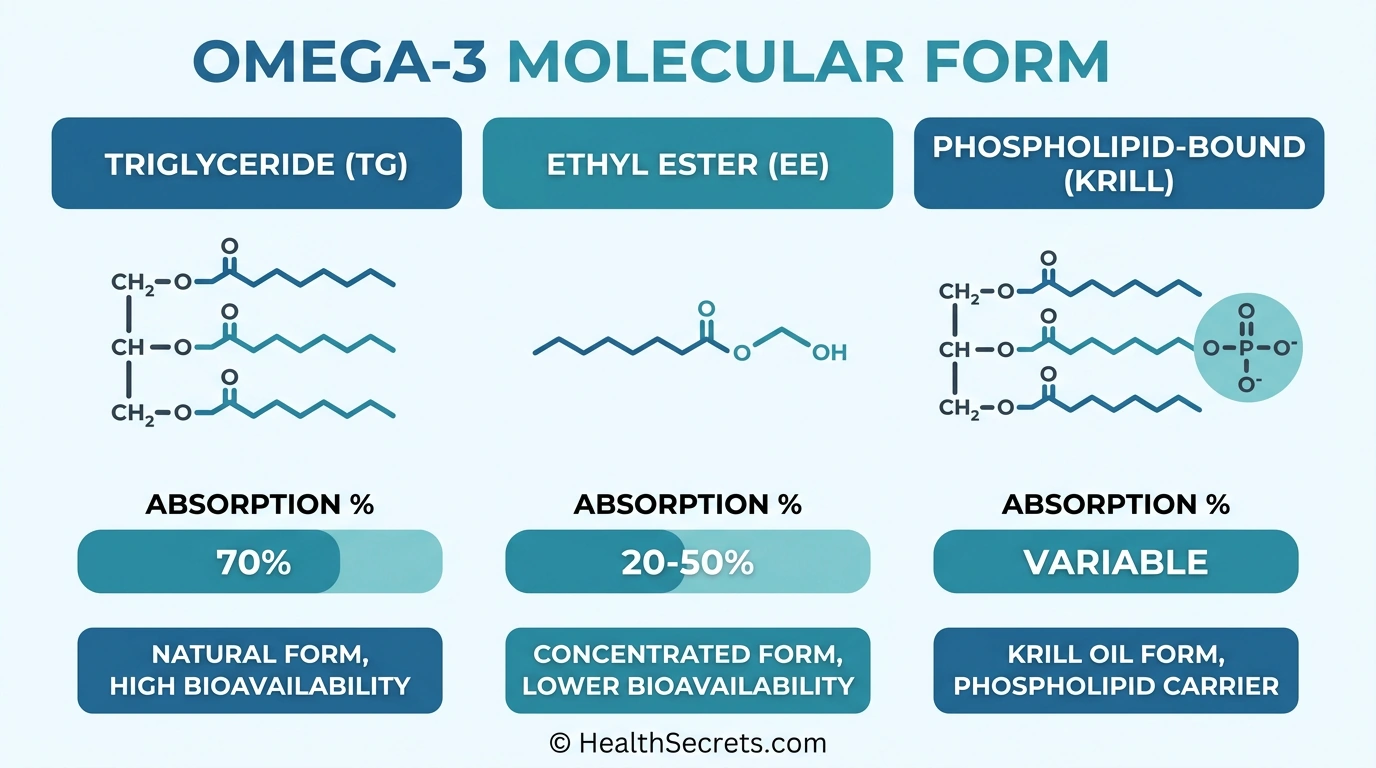
Infographic comparing omega-3 molecular forms showing triglyceride at 70% absorption, ethyl ester at 20-50%, and phospholipid-bound krill oil

各製品をスコアリングするために使用した基準は何ですか?

当社の評価フレームワークでは、サプリメントの有効性に対する各要素の重要性に基づいて重み付けを行いました:

  • 1回分あたりのEPA/DHA効力(25%): 高濃度であるほど、カプセル数が少なくなり、コストパフォーマンスが良くなります。当社は総魚油量ではなく、各ソフトジェルあたりの実際のEPA+DHA含有量を計算しました。
  • 分子形態と吸収率(20%): rTGおよびTG形態が最高スコアを獲得し、次にリン脂質結合型(クリル)、最後にエチルエステルが最低スコアとなりました。
  • 第三者機関による検査と認証(20%): IFOS 5つ星認証が最高スコアを獲得しました。当社はNSF、USP、およびブランドが公開した分析証明書も評価しました。
  • 純度と新鮮さ(15%): 利用可能なTOTOX値、重金属検査結果、および汚染物質スクリーニングデータをレビューしました。
  • EPA+DHA1グラムあたりの価値(10%): 異なる形態と濃度間で価値を比較するために、EPA+DHAの合計1,000 mgあたりのコストを計算しました。
  • ユーザー体験(10%): カプセルのサイズ、味・後味、ゲップの報告、および投与の容易さ。

製品の品質主張をどのように検証しましたか?

メーカーの主張を以下の情報と照合しました:

  • 公開されているIFOSのテスト結果および分析証明書
  • ConsumerLabおよびLabdoorからの独立したラボテストデータ
  • 特定のブランド成分(例:Superbaクリルオイル、life's OMEGAアルガオイル)に関する査読済み研究
  • リアルワールドの体験データのための複数のプラットフォーム上のユーザーレビュー
  • GOED(Global Organization for EPA and DHA Omega-3s)品質基準の準拠
The Supplement Seal Verifier
4 Pages • Free PDF
Free Companion Guide • Verifier Print-Ready A4

The Supplement Seal Verifier

What USP, NSF, NSF Certified for Sport, ConsumerLab, BSCG and Informed Choice each actually test for, the label claims that mean nothing, and a bottle-by-bottle audit sheet.

Instant PDF delivery in new tab. No spam, ever. 100% free offline printable.

最大限の吸収を得るためにオメガ3サプリメントをどのように摂取すべきですか?

オメガ3サプリメントは、1日のうちで最も脂肪分の多い食事と一緒に摂取してください。これにより、空腹時に摂取する場合と比較して吸収率が最大300%増加します。1日2グラムを超える投与量の場合は、消化器系の副作用を最小限に抑えるために、食事を分けて2回に分けて摂取してください。
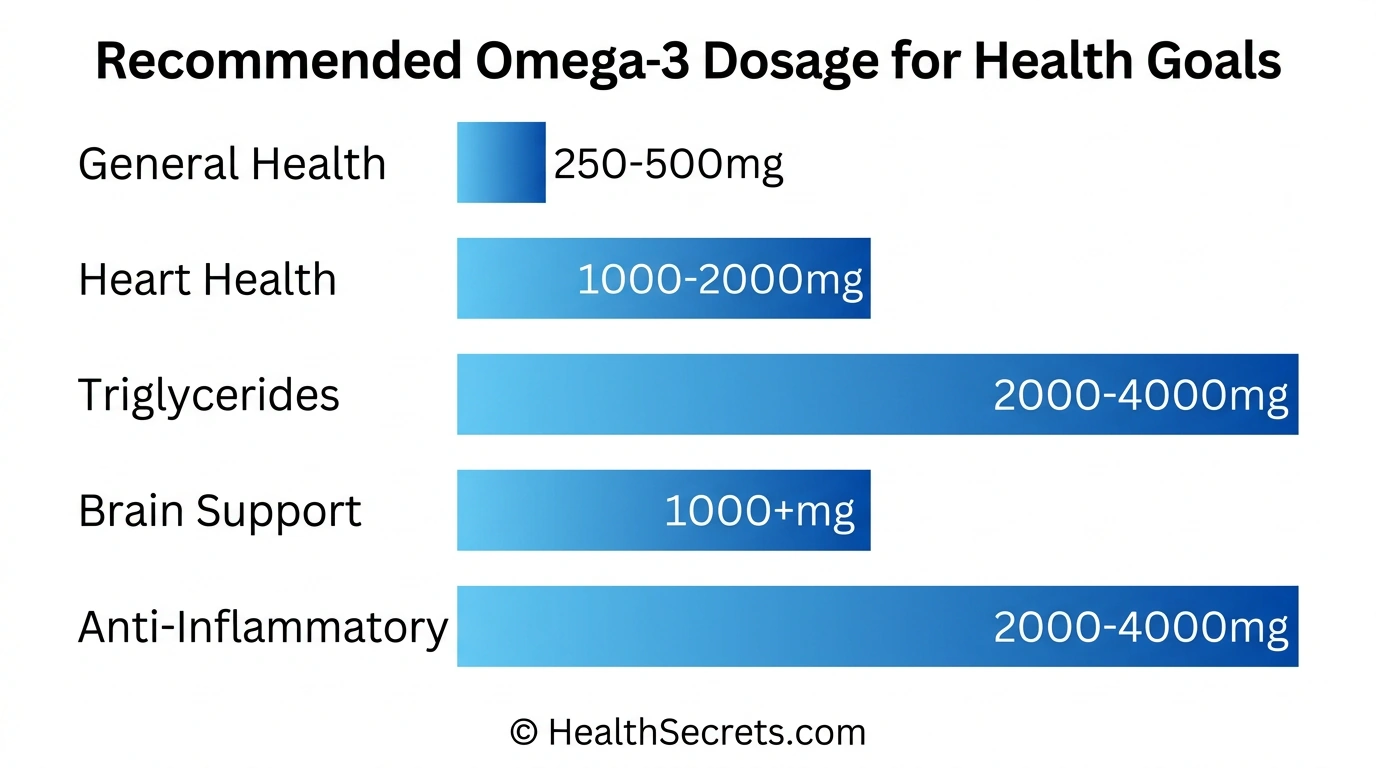
Visual dosage chart showing recommended daily EPA plus DHA intake by health goal from 250mg for general health to 4000mg for triglyceride reduction

魚油を摂取する最適なタイミングはいつですか?

タイミングは、多くの人が認識している以上に重要です:

  • 食事と一緒に: 常に、食事性脂肪を含む食品と一緒にオメガ3を摂取してください。少なくとも10〜15グラムの脂肪を含む食事は、胆汁の放出を誘発し、これは脂溶性栄養素の吸収に不可欠です [8]
  • 高用量を分割して: 1日2g以上のEPA+DHAを摂取する場合は、朝食と夕食に分けて摂取することで、消化器系の副作用を減らし、より一貫した血中濃度を維持できます。
  • タイミングよりも一貫性: 朝か夜かに魚油を摂取するかよりも、毎日一貫して摂取することが重要です。最も欠かしにくい食事のタイミングを選んでください。
  • 冷蔵保存: 開封後は魚油を冷蔵庫に保存し、酸化を遅らせ、魚臭いゲップを減らしてください。一部のユーザーは、凍らせたソフトジェルが消化管の下部で放出され、後味を最小限に抑えることに気づいています。

サプリメントからオメガ3の吸収を最大化するにはどうすればよいですか?

食事と一緒にオメガ3を摂取することに加え、いくつかの戦略が吸収を高めることができます:

  • 高脂肪食品と組み合わせる: アボカド、ナッツ、オリーブオイル、または卵をサプリメントと一緒に摂取することで、 uptake が大幅に向上します [9]
  • rTGまたはTG形態を選ぶ: これらはエチルエステル形態よりも70%効率的に吸収され、吸収に必要な食事性脂肪も少なくて済みます [3]
  • 食物繊維サプリメントと一緒に摂取しない: 高繊維食または食物繊維サプリメントは、脂肪の吸収を減少させ、結果としてオメガ3の uptake を低下させる可能性があります。
  • 乳化型Formulaを検討する: 液体の乳化魚油(スムージーに混ぜられるタイプなど)は、標準的なソフトジェルと比較して、吸収が向上する可能性があります [10]

オメガ3サプリメントは安全ですか?また、副作用は何がありますか?

オメガ3サプリメントは、1日あたりEPA+DHAの合計3グラムまでの用量であれば、ほとんどの成人にとって安全です。一般的な副作用には、魚臭い後味、消化器系の不快感、緩い便が含まれます。より高用量では、オメガ3は血液を薄くし、心房細動のリスクを増加させる可能性があります。

Person taking omega-3 fish oil supplement with a fat-containing meal including avocado and salmon for maximum absorption

魚油の最も一般的な副作用は何ですか?

ほとんどの副作用は軽度で用量依存的です:

  • 魚臭いゲップと後味: 最も報告されている苦情です。腸溶コーティングまたは「ゲップレス」の製剤を選び、食事中に摂取するか、カプセルを冷蔵することで軽減できます。
  • 消化器系の問題: 吐き気、膨満感、下痢、または緩い便 — 特に高用量で顕著です。食事を分けて投与することで通常、この問題は解決します。
  • 出血時間の増加: オメガ3には軽度の抗血小板効果があります。臨床的に重大な出血は稀ですが、血液希釈剤(ワルファリン、アスピリン、クロピドグレル)を服用している人は、サプリメントを始める前に医師に相談すべきです [11]

誰がオメガ3サプリメントを避け、または注意して使用するべきですか?

特定の集団は、サプリメントを始める前に医療上のガイダンスが必要です:

  • 血液希釈剤を服用している人: 相加的な抗血小板効果のため。
  • 魚または甲殻類のアレルギーがある人: 魚油は非常に敏感な個人で反応を引き起こす可能性があります。アルガオイルが安全な代替品です。
  • 手術予定の患者: 出血リスクのため、計画された手術の1〜2週間前に魚油を中止してください。
  • 心房細動のリスクがある人: メタ分析により、高用量(1日1g以上)のDHA/EPAサプリメントは、心房細動の相対リスクが24%増加することと関連していることが示されています [12]。心房細動の既往歴がある人は、心臓専門医に相談してください。
  • 妊娠中および授乳中の女性: 一般的に安全であり、推奨されます(DHAは胎児の脳発達に不可欠ですが)、水銀およびPCBの検査を受けた製品を選んでください。適切な投与量については、産婦人科医に相談してください。

オメガ3サプリメントの開始における最適なステップバイステッププランは何ですか?

1,000 mgのEPA+DHA(合計)を含む高品質なrTGまたはTG形態のオメガ3から始め、最も大きな食事と一緒に摂取してください。2週間の耐性確認後、健康目標に基づいて目標投与量に増やしてください。ベースライン時および3ヶ月後にオメガ3指数の血液検査を受けてください。
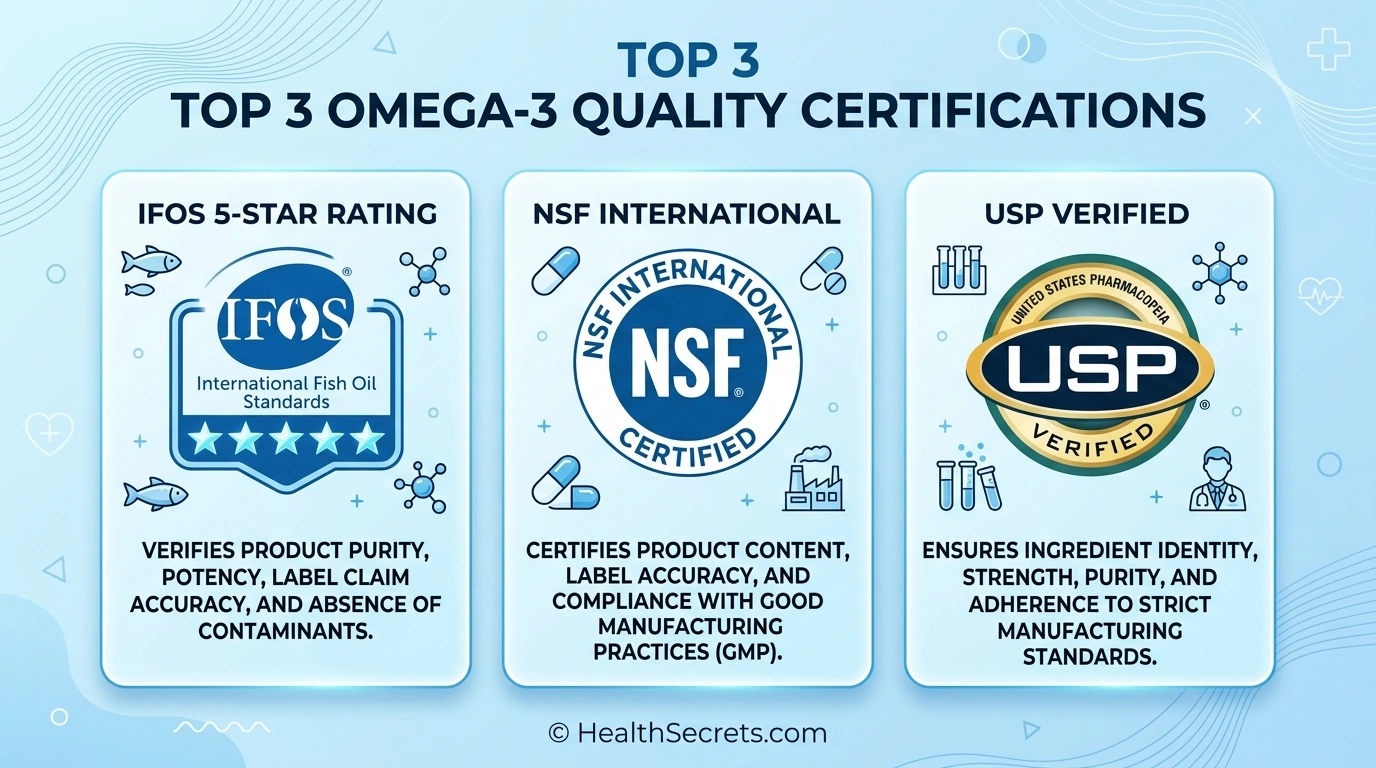
Infographic showing three key omega-3 quality certifications IFOS five-star NSF International and USP Verified with descriptions

フェーズ1:評価と選択(第1週)

  • 主要な健康目標(一般的なウェルネス、心臓の健康、脳のサポート、抗炎症)を特定する
  • 購入ガイドセクションの投与量表を使用して、目標EPA+DHA投与量を決定する
  • 禁忌の確認:血液希釈剤、魚のアレルギー、予定されている手術、心房細動の既往歴
  • 必要と予算に一致する、当社がレビューした製品からサプリメントを選択する
  • ベースラインのオメガ3指数血液検査(目標:8〜12%)を受けることを検討する

フェーズ2:導入と耐性確認(第2〜3週)

  • 最初の週は目標用量の半分から始め、耐性を確認する
  • 1日のうちで最も脂肪分の多い食事と一緒に摂取する
  • 開封したボトルは冷蔵庫に保存する
  • 消化器系の副作用を監視する — 現れた場合は、投与量を分割するか、腸溶カプセルに切り替えてみる
  • 耐性がある場合、第3週に完全な目標用量に増やす

フェーズ3:最適化とモニタリング(第2ヶ月以降)

  • 毎日一貫してサプリメントを継続する — オメガ3の恩恵は蓄積される
  • 3ヶ月後にオメガ3指数を再テストし、目標範囲(8〜12%)に達したことを確認する
  • 主観的な改善を評価する:関節の快適さ、認知の明瞭さ、肌の健康、気分
  • 血液検査の結果と反応に基づいて、投与量または製品を調整する
  • サプリメントの新鮮さを確認する — 強く酸敗した臭いがする魚油は廃棄する

おすすめ製品トップ

ガイドを閉じる前に確認すべき比較リスト

11 アイテム数
01

Nordic Naturals Ultimate Omega

Nordic Naturals · Overall quality and brand trust with industry-leading transparency

詳細を比較
02

Carlson Elite Omega-3 Gems

Carlson Elite · Those needing high EPA+DHA per serving for cardiovascular or anti-inflammatory support

詳細を比較
03

Sports Research Triple Strength Omega-3

Sports Research · Quality-conscious consumers who want verified purity at a competitive price

詳細を比較
04

Viva Naturals Triple Strength Omega-3

Viva Naturals · Budget-conscious consumers who want high-dose rTG omega-3s without premium pricing

詳細を比較
05

Nordic Naturals Algal Omega

Nordic Naturals · Vegans, vegetarians, and those with fish allergies who need a plant-based omega-3

詳細を比較
06

Sports Research Antarctic Krill Oil

Sports Research · Those who want phospholipid-bound omega-3s with natural astaxanthin for enhanced cellular uptake

詳細を比較
07

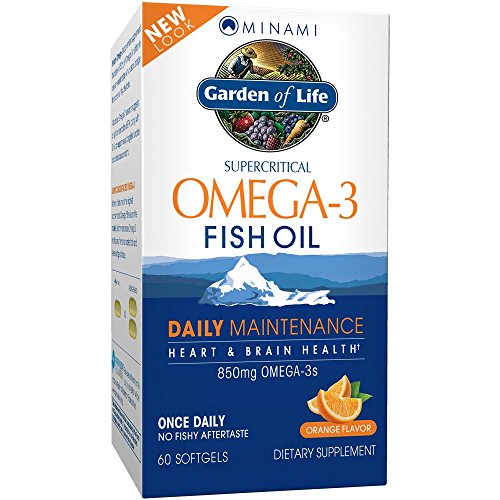
Garden of Life Minami Omega-3 Fish Oil

Garden of · Those who prioritize ultra-pure fish oil with maximum contaminant removal

詳細を比較
08

Life Extension Super Omega-3 EPA/DHA

Life Extension · Health-conscious consumers who value research-driven formulations with added benefits

詳細を比較
09

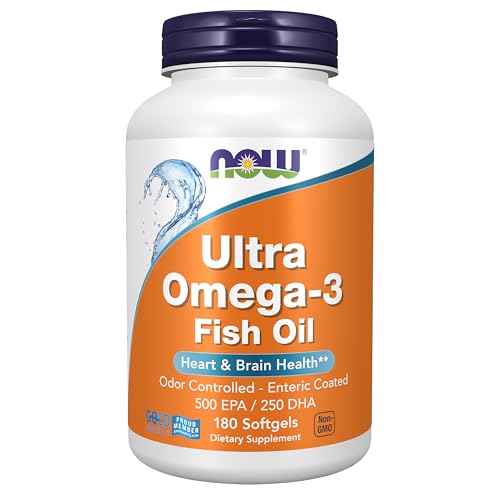
NOW Foods Ultra Omega-3

NOW Foods · Budget-conscious consumers who want a quality omega-3 at an affordable everyday price

詳細を比較
10

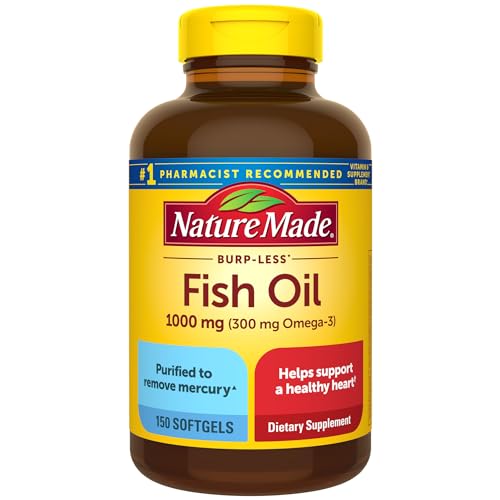
Nature Made Burp-Less Fish Oil 1,200 mg

Nature Made · Those who want a widely available, USP-verified omega-3 from a trusted pharmacy brand

詳細を比較
11

Micro Ingredients Antarctic Krill Oil

Micro Ingredients · Those who want a high-potency krill oil supplement with maximum astaxanthin

詳細を比較

販売サイトのリンクを開く前に、以下の詳細レビューカードをお読みください

関連記事

関連記事

"Superfuel: Ketogenic Keys to Unlock the Secrets of Good Fats, Bad Fats, and Great Health"

著者 Dr. James DiNicolantonio and Dr. Joseph Mercola

Comprehensive breakdown of omega-3 vs omega-6 balance and why it matters; evidence-based guidance on choosing the right fish oil; explanation of how oxidized seed oils damage health; practical dietary protocols for optimizing fatty acid ratios; debunking of common fat myths

ここでの価値

DiNicolantonio is a leading cardiovascular research scientist whose work on fatty acids has been published in top medical journals. This book translates the science of omega-3s into a practical roadmap for consumers, covering everything from supplement selection to dietary fat optimization.

最適:: Health-conscious adults who want a deep understanding of dietary fats and practical omega-3 optimization strategies

書籍の詳細を見る

関連記事

"The Omega-3 Effect: Everything You Need to Know About the Miracle Nutrient"

著者 Dr. William Sears and Dr. James Sears

Age-specific omega-3 recommendations from pregnancy through senior years; explanation of the omega-3 index and what it means; practical guidance on supplementation and dietary sources; research review covering heart, brain, joint, and mood benefits; family-friendly approach to omega-3 optimization

ここでの価値

Dr. William Sears brings decades of clinical experience and his trademark accessible writing style to the topic of omega-3s. This book is particularly valuable for families looking to understand how omega-3s benefit every member — from developing babies to aging grandparents.

最適:: Families, parents, and general readers who want an accessible overview of omega-3 benefits across all life stages

書籍の詳細を見る

関連記事

"The Queen of Fats: Why Omega-3s Were Removed from the Western Diet and What We Can Do to Replace Them"

著者 Susan Allport

Fascinating history of how omega-3s disappeared from Western diets over the past century; explanation of the omega-6 to omega-3 imbalance driving chronic disease; investigative journalism into the food industry's role; practical dietary recommendations for restoring omega-3 balance

ここでの価値

This book provides essential context for why omega-3 supplementation has become necessary in the first place. Understanding the historical dietary shifts that created widespread omega-3 deficiency helps readers appreciate why supplementation is more important than ever.

最適:: Readers interested in the historical and scientific story behind omega-3 deficiency in modern diets

書籍の詳細を見る

AEO FAQ

よくある質問

7 common questions answered

Fish oil provides EPA and DHA in triglyceride or ethyl ester form and offers the highest concentrations per serving. Krill oil delivers omega-3s bound to phospholipids with natural astaxanthin, potentially offering superior cellular absorption at lower doses. Algae oil is a plant-based source of DHA and EPA cultivated from microalgae, clinically shown to be non-inferior to fish oil for raising blood omega-3 levels. Fish oil is best for high-dose protocols, krill oil for those who want enhanced absorption in smaller doses, and algae oil for vegans, vegetarians, and those with fish allergies.

Most people notice initial benefits within 2–4 weeks of consistent daily supplementation. However, significant changes in omega-3 index levels typically take 8–12 weeks to reach steady state. Cardiovascular benefits shown in clinical trials were measured over 3–5 years of consistent use. Inflammation-related improvements may be noticed sooner, within 4–6 weeks, while cognitive benefits may take 3–6 months to become apparent. Consistency is more important than dose timing.

Yes, excessive omega-3 intake carries risks. The FDA considers up to 3 grams of EPA+DHA daily as generally safe. Doses above 4 grams daily have been linked to a 24% increased relative risk of atrial fibrillation in meta-analyses. High doses can also suppress immune function, increase bleeding time, and cause digestive side effects. Unless directed by a healthcare provider for a specific medical condition like severe hypertriglyceridemia, most adults should stay at or below 3 grams of combined EPA+DHA daily.

Yes, refrigerating fish oil supplements after opening is recommended to slow oxidation and maintain freshness. Omega-3 fatty acids are highly susceptible to oxidation from heat, light, and air exposure. Refrigeration extends shelf life and can also reduce fishy burps — cold capsules pass through the stomach before dissolving, releasing further down the digestive tract. Always store fish oil away from direct sunlight, and discard any product that develops a strong, rancid smell.

Ideally, both. Eating 2–3 servings of fatty fish per week (salmon, sardines, mackerel, anchovies) provides omega-3s along with protein, selenium, vitamin D, and other synergistic nutrients. However, most people don't consume enough fish to reach optimal omega-3 index levels (8–12%). Supplements bridge the gap effectively — studies show they reliably raise blood EPA and DHA levels. For those who don't eat fish at all, supplementation becomes essential for meeting omega-3 requirements.

The omega-3 index measures the percentage of EPA and DHA in red blood cell membranes, reflecting your long-term omega-3 status. An index of 8–12% is considered optimal and is associated with a 30% lower risk of cardiovascular events compared to an index below 4%. Most Americans have an omega-3 index between 4–5%, well below optimal. Testing is available through companies like OmegaQuant and provides a reliable biomarker to guide supplementation dosing.

Yes, omega-3 supplements can interact with several medication classes. The most significant interaction is with blood-thinning medications (warfarin, aspirin, clopidogrel) — omega-3s have mild antiplatelet effects that may increase bleeding risk when combined. They may also enhance the effects of blood pressure medications and interact with some immunosuppressants. Always inform your healthcare provider about omega-3 supplementation, especially before surgery or if you take any prescription medications.

The Supplement Seal Verifier
4 Pages • Free PDF
Free Companion Guide • Verifier Print-Ready A4

The Supplement Seal Verifier

What USP, NSF, NSF Certified for Sport, ConsumerLab, BSCG and Informed Choice each actually test for, the label claims that mean nothing, and a bottle-by-bottle audit sheet.

Instant PDF delivery in new tab. No spam, ever. 100% free offline printable.
💊

知識をテストする

Take our Supplement Science Quiz and see how much you really know about supplements.

クイズに挑戦

この記事は役に立ちましたか?

専門家による執筆および監修

Dr. Priya Sharma

著者

Dr. Priya Sharma

MD, FACE — American College of Endocrinology

Endocrinologist and metabolic health specialist with a fellowship from the American College of Endocrinology. Dr. Sharma's clinical practice and research focus on thyroid disorders, hormonal optimization, metabolic syndrome, and the relationship between gut health and endocrine function. She has been featured in leading medical publications and speaks internationally on integrative endocrinology.

Dr. Sarah Chen

医療監修者

Dr. Sarah Chen

MD, ABOIM — American Board of Integrative Medicine

すべてのコンテンツはエビデンスに基づき、有資格の専門家による査読を経て、定期的に更新されています。当社の編集チームは、正確性と透明性を確保するために厳格なガイドラインに従っています。

参考文献・引用

17 引用された出典

1
Albert BB, et al. "Fish oil supplements in New Zealand are highly oxidised and do not meet label content of n-3 PUFA." Scientific Reports. 2015;5:7928.
2
Bannenberg G, et al. "Oxidation of Fish Oil Supplements in Australia." International Journal of Food Sciences and Nutrition. 2023.
PubMed: 36625369 表示 back
3
Dyerberg J, et al. "Bioavailability of marine n-3 fatty acid formulations." Prostaglandins, Leukotrienes and Essential Fatty Acids. 2010;83(3):137-141.
PubMed: 20638827 表示 back
4
Neubronner J, et al. "Enhanced increase of omega-3 index in response to long-term n-3 fatty acid supplementation from triacylglycerides versus ethyl esters." European Journal of Clinical Nutrition. 2011;65(2):247-254.
PubMed: 20859298 表示 back
5
Laidlaw M, et al. "A randomized clinical trial to determine the efficacy of manufacturers' recommended doses of omega-3 fatty acids from different sources in facilitating cardiovascular disease risk reduction." Lipids in Health and Disease. 2014;13:99.
PubMed: 24956950 表示 back

医療に関する免責事項

This article is for informational purposes only and does not constitute medical advice. Read the full medical disclaimer. Always consult with a qualified healthcare provider before starting any new supplement, treatment, or major dietary change.

こちらもおすすめ

supplements

鉄分サプリメント:貧血とエネルギー回復のための完全ガイド

鉄分は世界中で最も一般的な栄養素の不足であり、20億人以上に影響を与え、疲労、倦怠感、貧血を引き起こします。このエビデンスベースのガイドでは、鉄分サプリメントの形態、適切な投与量、吸収の最適化、検査プロトコル、そして欠乏症を安全に是正しエネルギーを回復させるための最良の製品について解説します。

supplements

コラーゲンサプリメント:肌、関節、腸の健康のための完全ガイド

体内で最も abundant(豊富)なタンパク質であるコラーゲンサプリメントには、肌の弾力性を高め、関節痛を軽減し、腸の健康をサポートするための強力な臨床的エビデンスがあります。この包括的な製品レビューでは、コラーゲンの種類、由来(海洋性・牛・鶏)、投与量、ビタミンCなどの必須補因子、そしてあらゆる目的と予算に合わせた最高のコラーゲンサプリメント10選を紹介します。

supplements

不安に対するマグネシウム:最も過小評価された自然療法

マグネシウムは、不安に対して最も効果的かつ過小評価されている自然療法の1つです。GABA受容体の機能を高め、興奮性のグルタミン酸をブロックし、コルチゾールを低下させることで、神経化学的レベルで不安に対処します。グリシン酸マグネシウム(1日200〜400mg)が最良の形態であり、臨床研究により、2〜6週間の使用で有意な不安の軽減が示されています。

ディスカッション

0

No comments yet

Be the first to share your thoughts, clinical insights, or questions about this protocol.