
Struggling to go? You are far from alone. Constipation is one of the most common digestive complaints, sending over 2.5 million Americans to the doctor each year and affecting an estimated 14% of people globally. Whether you are dealing with occasional sluggishness or a chronic pattern of hard, infrequent stools, the discomfort can derail your entire day. [14]
The good news: most constipation responds remarkably well to natural interventions. From simple hydration strategies to proven supplements and posture adjustments, science-backed remedies can get things moving — often within hours — without the side effects of conventional laxatives.
If you are new to digestive health, our complete guide to gut health provides a solid foundation, and our natural remedies guide covers evidence-based approaches across multiple conditions.
What Do You Need to Know Before Starting Natural Constipation Relief?
Constipation is typically defined as having fewer than three bowel movements per week, or passing stools that are hard, dry, and difficult to pass. Before reaching for remedies, it helps to understand that constipation falls into two broad categories: occasional (triggered by travel, diet changes, or stress) and chronic (lasting 3 months or more). The natural remedies in this guide work best for functional constipation — the kind not caused by an underlying disease.
Most adults can safely try these approaches immediately. However, if you experience blood in your stool, unexplained weight loss, severe abdominal pain, or constipation lasting more than 3 weeks despite home treatment, see a doctor first. Common causes include inadequate fiber intake, dehydration, sedentary lifestyle, certain medications (opioids, antacids, antidepressants), and hormonal changes during pregnancy.
Common causes of constipation:
- Low fiber intake (most adults get only 15g of the recommended 25–30g daily)
- Inadequate water consumption
- Sedentary lifestyle and lack of physical activity
- Medications (opioids, iron supplements, calcium channel blockers, antidepressants)
- Ignoring the urge to go
- Stress and disrupted routines (travel, schedule changes)
- Hormonal shifts (pregnancy, thyroid disorders)
- Neurological conditions (Parkinson's disease, multiple sclerosis)

Is Your Gut Ruining Your Day?
Get the free printable tracker thousands of readers use to pinpoint exactly what's causing their gut issues — no restrictive diets required.
How Do You Use Hydration and Warm Liquids for Fast Constipation Relief?
Increasing fluid intake is the simplest and most immediate step for constipation relief. Dehydration causes the colon to absorb more water from stool, making it hard and difficult to pass. Drinking 8–10 glasses of water daily, particularly warm water in the morning, can stimulate peristalsis and soften stool within hours.
Why does warm water help constipation?
Warm liquids stimulate blood flow to the intestines and help relax smooth muscle in the digestive tract. A glass of warm water or herbal tea first thing in the morning can trigger the gastrocolic reflex — the body's natural signal to move the bowels after eating or drinking. Coffee (caffeinated) is also a well-documented bowel stimulant, increasing colonic motor activity within minutes of consumption.
Quick hydration protocol:
- Start your morning with 16 oz of warm water with lemon
- Drink at least 8 glasses (64 oz) of water throughout the day
- Add 1–2 cups of coffee or warm herbal tea (ginger, peppermint) in the morning
- Increase fluids by 1–2 extra glasses if you are also increasing fiber intake
- Avoid excessive alcohol and caffeine later in the day, as both can contribute to dehydration

The Gentle Fiber Ladder Workbook
A 21-day step-by-step framework to gradually increase dietary fiber without painful gas, bloating, or digestive spasms.
Best High-Fiber Foods for Rapid Constipation Relief
When dealing with sluggish digestion, eating the right fiber-rich foods for constipation is one of the fastest and most sustainable natural solutions. The most effective foods with high fiber for constipation combine soluble fiber (which pulls in water to soften hard stools) with natural osmotic compounds like sorbitol to stimulate gentle, regular contractions.
Here are the clinically proven good fiber foods for constipation to include in your daily diet:
- Prunes (Dried Plums): 6.1g fiber per 5–6 prunes. Rich in natural sorbitol and phenolic compounds that draw water into the colon and stimulate peristalsis within 6–12 hours.
- Chia Seeds: 10g fiber per 2 tablespoons. Forms a lubricating hydrophilic gel that adds bulk and moisture to stools for effortless transit.
- Ground Flaxseeds: 3.8g fiber per 2 tablespoons. Contains soluble mucilage and anti-inflammatory ALA omega-3s that soothe the intestinal lining.
- Kiwifruit: 2.3g fiber per 2 kiwis. Contains the proteolytic enzyme actinidin, shown in clinical studies to improve bowel frequency and reduce straining without gas.
- Pears & Apples (with Skin): 4.4g to 5.5g fiber per fruit. Rich in pectin and sorbitol; eat with the skin on for maximum insoluble roughage.
- Avocados: 10g fiber per medium avocado. Provides a unique blend of soluble and insoluble fiber paired with healthy monounsaturated fats that lubricate the digestive tract.
- Cooked Lentils & Beans: 7.8g to 15.6g fiber per cooked cup. Exceptional sources of resistant starch and prebiotic fiber that feed beneficial Bifidobacteria.
- Rolled or Steel-Cut Oats: 4g beta-glucan fiber per 1/2 cup. Creates a viscous gel that softens stool consistency and promotes regular morning bowel movements.
- Sweet Potatoes (with Skin): 4g fiber per medium potato. High in insoluble fiber and pectin, which add stool volume and accelerate colonic transit.
- Berries (Raspberries & Blackberries): 8g fiber per cup. One of the highest-fiber fruits available, packed with polyphenols that support intestinal motility.
High-Fiber Meals for Constipation: Fast-Acting Recipe Ideas
If you need fast relief, try these simple, high-fiber meal combinations:
- The Morning Regularity Bowl: 1/2 cup warm oatmeal topped with 1 tbsp chia seeds, 1 tbsp ground flaxseeds, and 4 diced prunes (provides ~15g fiber in one sitting).
- The High-Fiber Green Smoothie: 1 cup unsweetened almond milk, 1/2 avocado, 1 sliced kiwi, 1 tbsp chia seeds, and a handful of spinach.
- The Digestive Reset Salad: Mixed leafy greens with 1/2 cup cooked lentils, 1/2 diced avocado, pumpkin seeds, and extra virgin olive oil vinaigrette.
Step 2: Which High-Fiber Foods Relieve Constipation the Fastest?
Fiber is the cornerstone of natural constipation treatment, and prunes are the single most effective food-based remedy [5]. A clinical trial published in Alimentary Pharmacology & Therapeutics found that dried prunes were significantly more effective than psyllium for increasing bowel movements and improving stool consistency [2]. Prunes work through a triple mechanism: sorbitol (a natural osmotic agent), fiber (both soluble and insoluble), and phenolic compounds that stimulate intestinal motility.
What are the best fiber-rich foods for constipation?
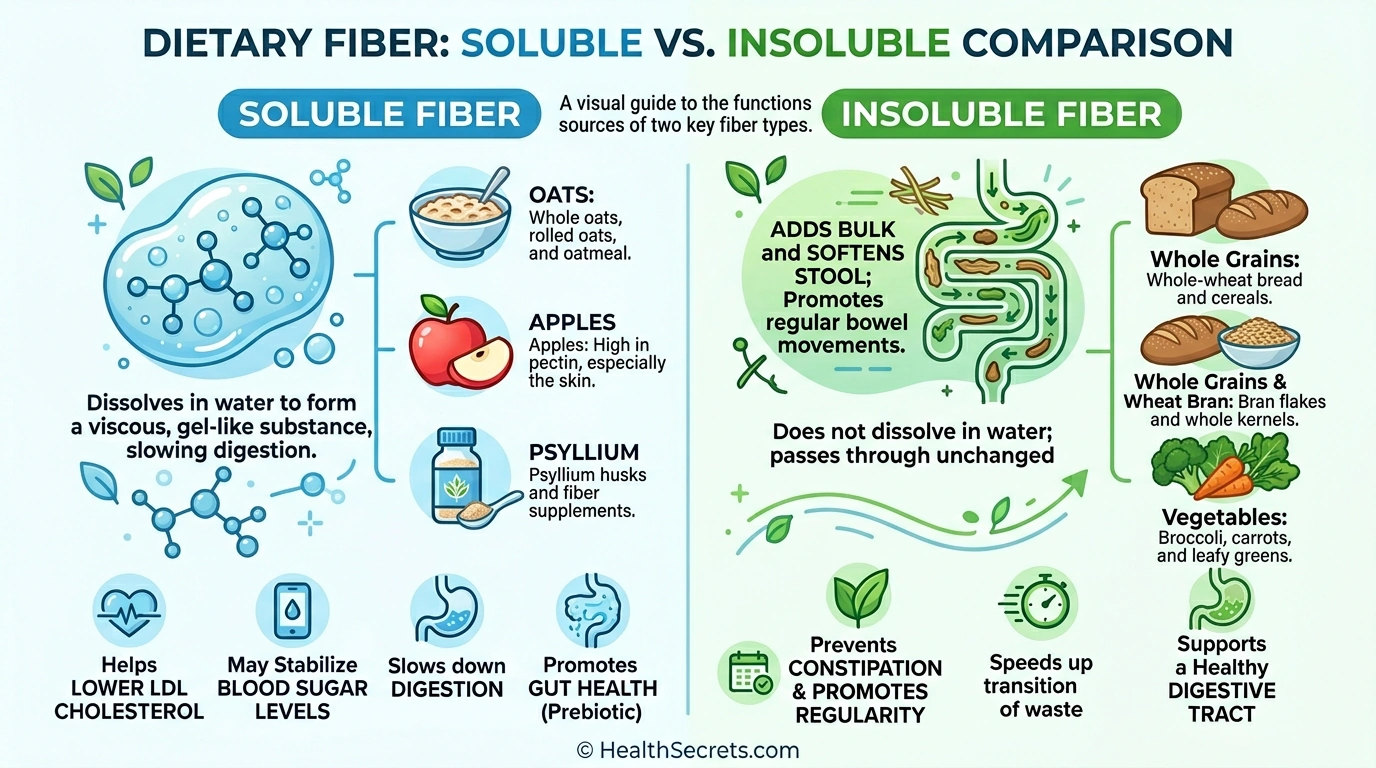
Both soluble and insoluble fiber play distinct roles. Soluble fiber (found in oats, apples, and psyllium) dissolves in water to form a gel that softens stool. Insoluble fiber (found in whole grains, vegetables, and wheat bran) adds bulk and speeds transit time. The ideal daily target is 25–30 grams from a mix of both types.
Top constipation-fighting foods:
| Food | Fiber (per serving) | How It Helps | Serving Size |
|---|---|---|---|
| Prunes (dried plums) | 6.1g | Sorbitol + fiber + phenolics | 5–6 prunes |
| Chia seeds | 10g | Soluble gel + bulk | 2 tablespoons |
| Flaxseeds (ground) | 3.8g | Mucilage + omega-3s | 2 tablespoons |
| Kiwifruit | 2.3g | Actinidin enzyme + fiber | 2 medium kiwis |
| Oats | 4g | Beta-glucan soluble fiber | 1/2 cup dry |
| For more gut-supportive foods, see our guide to gut-healing foods for your microbiome and our prebiotic foods guide [16]. |
How Do Exercise and Physical Techniques Stimulate Bowel Movements?
Physical activity is one of the most underrated constipation remedies. Regular exercise increases intestinal motility by stimulating natural contractions of the intestinal muscles. Even a 20–30 minute brisk walk can significantly reduce transit time and improve bowel regularity — and the effects often begin within hours of activity.
Does the Squatty Potty actually work for constipation?
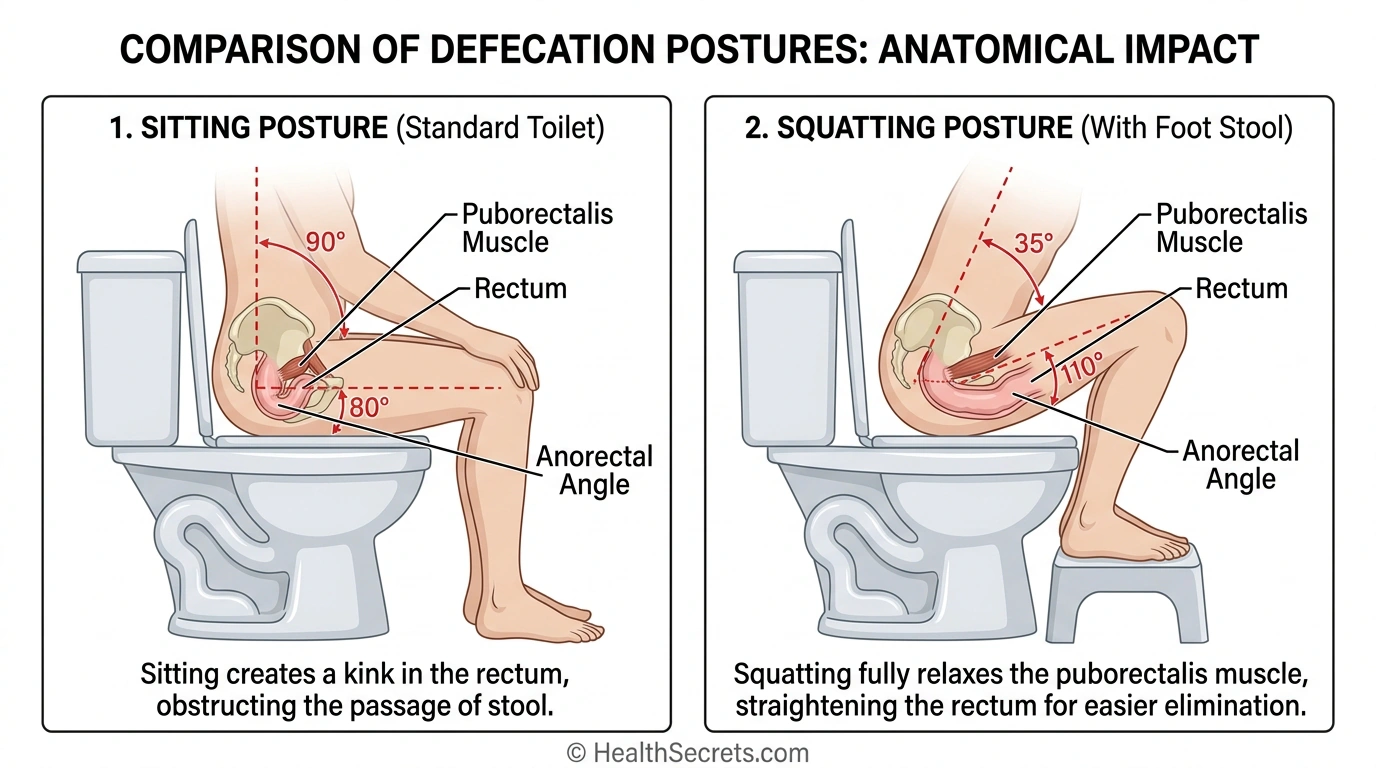
Yes — and the science supports it. Research published in the Journal of Clinical Gastroenterology shows that using a toilet stool (like the Squatty Potty) to elevate the knees above the hips straightens the anorectal angle from approximately 80 degrees to 100–110 degrees. This relaxes the puborectalis muscle and allows for easier, more complete bowel emptying with less straining. A 2019 study found participants using a Squatty Potty reported increased bowel emptiness, reduced straining, and shorter bowel movement duration.
Physical techniques for constipation relief:
- Walking: 20–30 minutes of brisk walking daily
- Abdominal massage: Clockwise circular motions following the path of the colon (right side up, across, left side down) for 5–10 minutes
- Squatty Potty/footstool: Elevate feet 7–9 inches while on the toilet to achieve a squatting position
- Yoga poses: Wind-relieving pose (Pawanmuktasana), seated twist, and child's pose target the abdominal area
- Deep breathing: Diaphragmatic breathing relaxes the pelvic floor muscles during bowel movements
Which Supplements Help Relieve Constipation Naturally?
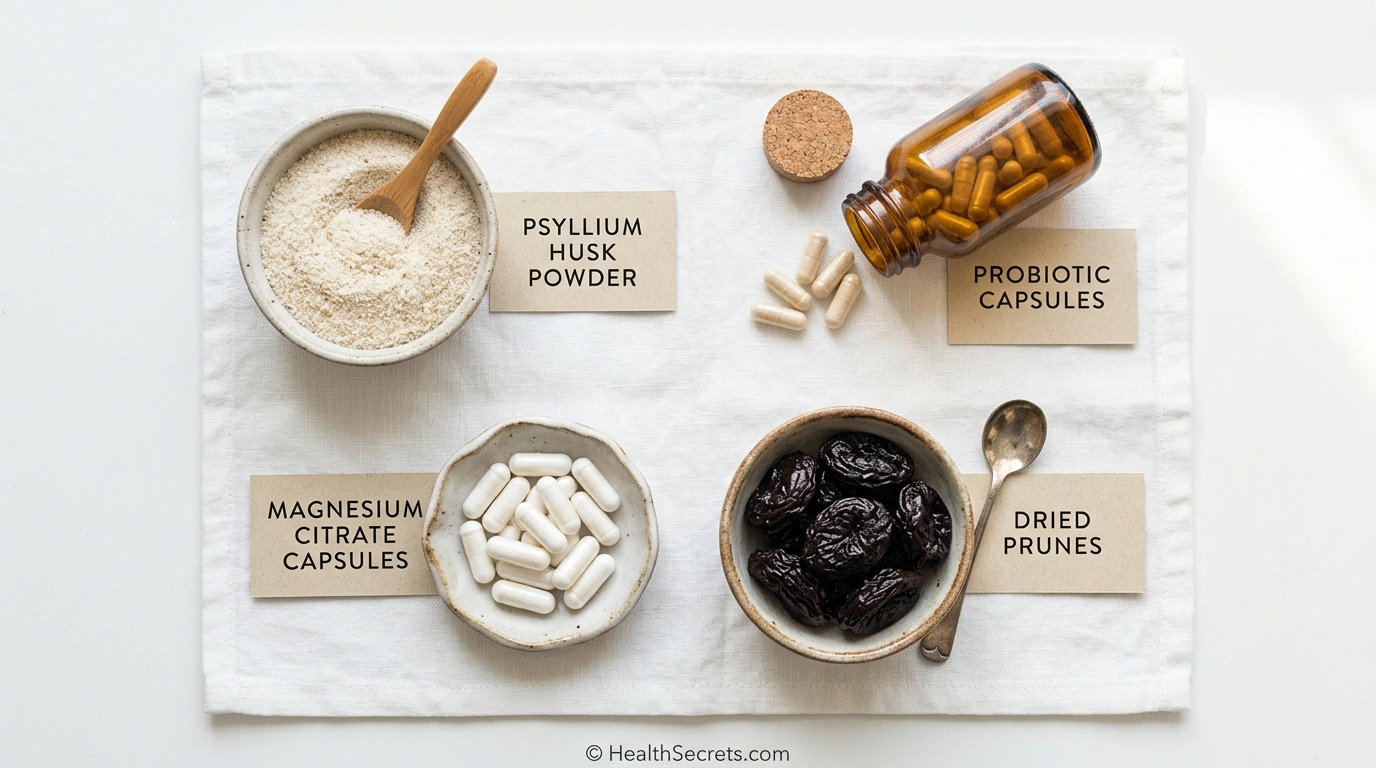
Three supplements stand out for evidence-based constipation relief: psyllium husk, magnesium, and probiotics [9]. Psyllium husk is the only isolated fiber supplement recommended by both the American Gastroenterological Association (AGA) and the American College of Gastroenterology for chronic constipation. It increases stool frequency by approximately three bowel movements per week — comparable to or better than osmotic and stimulant laxatives.

How does magnesium citrate work for constipation?
Magnesium citrate is an osmotic laxative that draws water into the intestines, softening stool and stimulating intestinal muscle contractions. It is available over the counter and typically produces a bowel movement within 30 minutes to 6 hours. The standard adult dose is 195–300 mL of liquid magnesium citrate solution. It should not be used for more than 7 days without medical supervision, and people with kidney disease should avoid it due to the risk of hypermagnesemia.
Can probiotics help with chronic constipation?
A 2024 systematic review and meta-analysis found that probiotic supplementation is moderately effective in decreasing intestinal transit times [11] [13]. Specific strains showing benefit include Bifidobacterium animalis subsp. lactis BLa80, which improved stool consistency and reduced constipation rates over 12 weeks in a randomized controlled trial. Multi-strain probiotic cocktails containing Bifidobacterium and Lactobacillus species have also been shown to increase weekly bowel frequency and improve stool quality. For guidance on choosing the right probiotic, see our best probiotics for gut health guide.
| Supplement | How It Works | Typical Dose | Onset |
|---|---|---|---|
| Psyllium husk | Gel-forming soluble fiber | 5–10g/day with water | 12–72 hours |
| Magnesium citrate | Osmotic laxative | 195–300 mL solution | 30 min–6 hours |
| Probiotics | Gut microbiota modulation | 1–10 billion CFU/day | 2–4 weeks |
| Inulin (prebiotic) | Feeds beneficial bacteria | 5–10g/day | 1–2 weeks |
When Should You Use Short-Term Natural Laxatives?
Short-term natural laxatives like senna tea, castor oil, and aloe vera juice can provide rapid relief when other methods have not worked, but they should be reserved as a last resort and used only occasionally. Senna contains compounds called sennosides that stimulate the nerves in the colon to speed up bowel movements, typically producing results within 6–12 hours. Castor oil triggers contractions in the intestinal muscles and usually works within 2–6 hours.
Are senna tea and castor oil safe for constipation?
Both are generally safe for occasional short-term use (1–2 days), but regular use carries risks. Chronic senna use can lead to laxative dependence, where the colon loses its ability to contract normally without stimulation. It can also cause electrolyte imbalances, particularly low potassium. Castor oil should never be used during pregnancy (it can stimulate uterine contractions) and should be limited to occasional use only.
Short-term natural laxative guidelines:
- Senna tea: Steep 1 tea bag for 10 minutes, drink before bedtime — effects in 6–12 hours
- Aloe vera juice: 1–2 oz of inner leaf juice (latex-free) daily — acts as a mild osmotic laxative
- Castor oil: 1–2 tablespoons on an empty stomach — effects in 2–6 hours
- Olive oil: 1 tablespoon on an empty stomach in the morning — lubricates the intestinal lining
- Do NOT use any stimulant laxative for more than 1 week without medical supervision
What Are the Most Common Mistakes People Make When Treating Constipation?
The biggest mistake is adding fiber too quickly without increasing water intake, which can actually worsen constipation and cause bloating. Increase fiber by 5 grams every 3–5 days while drinking an extra 1–2 glasses of water for every 5 grams of fiber added. Other common errors include ignoring the urge to go, relying too heavily on stimulant laxatives, and not giving natural remedies enough time to work.
Expert tips for lasting relief:
- Increase fiber gradually — jumping from 10g to 30g overnight causes gas, bloating, and potentially worsens constipation
- Never ignore the urge — repeatedly delaying bowel movements can weaken the defecation reflex over time
- Establish a routine — try sitting on the toilet at the same time daily (after breakfast is ideal, leveraging the gastrocolic reflex)
- Combine approaches — hydration + fiber + movement is far more effective than any single remedy alone
- Track your progress — keep a simple log of bowel movements, food, and water intake to identify patterns
- Avoid over-reliance on stimulant laxatives — they can cause dependence and worsen the problem long-term
- For additional digestive support, consider digestive enzymes to improve overall nutrient breakdown
Is Natural Constipation Treatment Safe? When Should You See a Doctor?
Most natural constipation remedies are safe for generally healthy adults when used appropriately. However, certain red flags require immediate medical attention. Psyllium husk must always be taken with adequate water to prevent intestinal obstruction [8]. Magnesium supplements should be avoided by people with kidney disease. Pregnant women should consult a healthcare provider before using any laxative, including herbal options like senna.
See a doctor immediately if you experience:
- Blood in your stool or on toilet paper
- Unexplained weight loss alongside constipation
- Severe or worsening abdominal pain
- Constipation lasting more than 3 weeks despite home treatment
- Alternating constipation and diarrhea (may indicate IBS)
- New-onset constipation after age 50 without obvious cause
- Inability to pass gas along with constipation (may indicate obstruction)
- Fever alongside constipation and abdominal pain
What Should You Do First to Relieve Constipation Naturally?
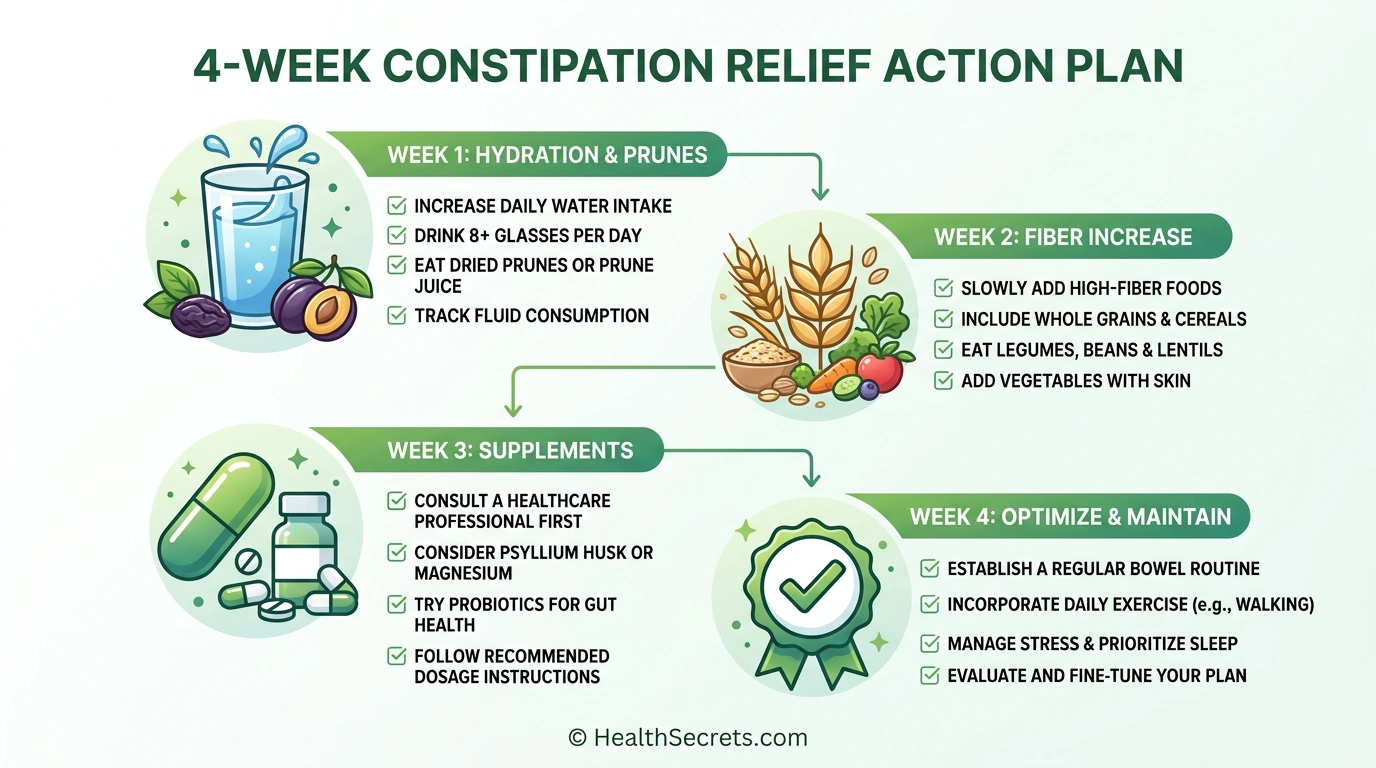
Start with the simplest, fastest-acting interventions: increase your water intake immediately and eat 5–6 prunes. Within the first week, gradually add fiber-rich foods and incorporate daily movement. If symptoms persist beyond 1–2 weeks, add targeted supplements like psyllium husk or magnesium citrate. Reserve stimulant laxatives for occasional use only.
Week 1 — Foundations:
- Drink 8–10 glasses of water daily, starting with warm water each morning
- Eat 5–6 prunes or drink 8 oz prune juice daily
- Walk briskly for 20–30 minutes daily
- Use a footstool or Squatty Potty for all toilet visits
- Establish a consistent bathroom routine (same time daily, after breakfast)
Week 2 — Build Up:
- Increase dietary fiber to 25–30g daily (add 5g every few days)
- Add ground flaxseeds or chia seeds (2 tablespoons daily)
- Start psyllium husk (5g daily with a full glass of water) if needed
- Practice abdominal massage for 5 minutes daily
Week 3–4 — Optimize:
- Add magnesium citrate (200–400mg daily) if stools remain hard
- Start a probiotic with Bifidobacterium and Lactobacillus strains
- Evaluate and reduce constipation-causing medications with your doctor
- Consider prebiotic foods to support gut microbiome diversity
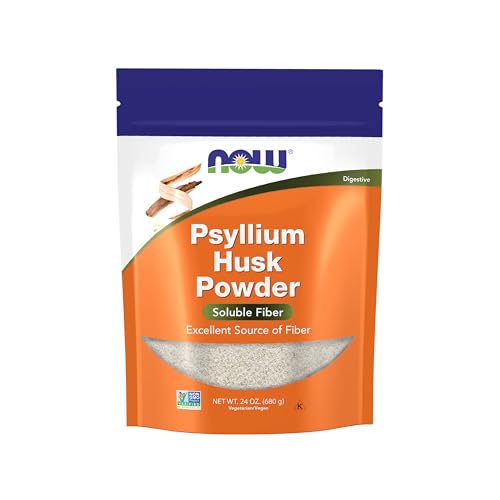
NOW Psyllium Husk Powder
Editor's ChoiceNOW Psyllium · Daily fiber supplementation and long-term bowel regularity
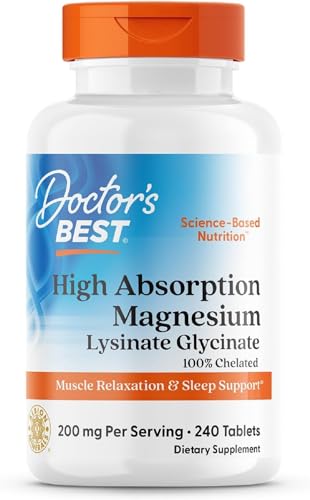
Doctor's Best High Absorption Magnesium Glycinate
Best for Sensitive StomachsDoctor's Best · Gentle overnight constipation relief without cramping
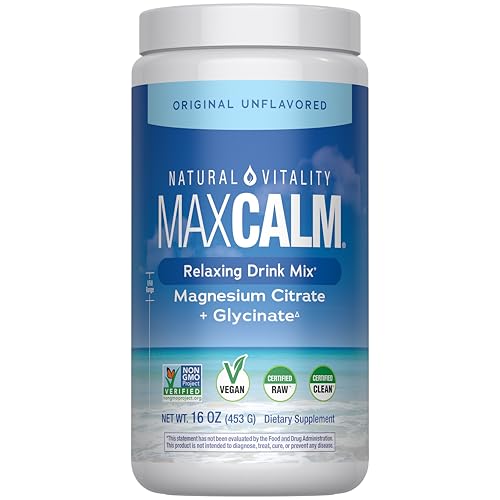
Natural Vitality Calm Magnesium Citrate Powder
Best for Fast ReliefNatural Vitality · Quick osmotic constipation relief and stress-related constipation

Renew Life Ultimate Flora Extra Care Probiotic 50 Billion
Best Probiotic for ConstipationRenew Life · Chronic constipation and long-term gut microbiome support
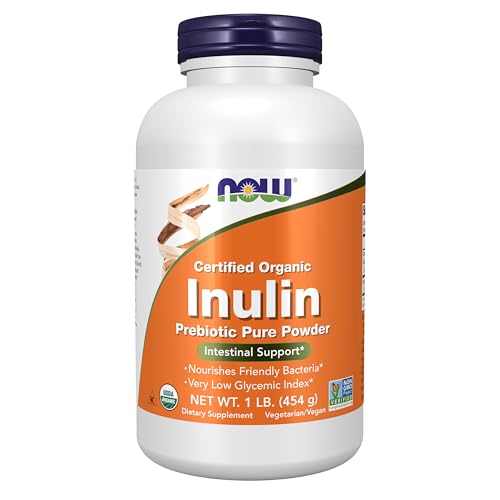
NOW Foods Organic Inulin Prebiotic Powder
Best PrebioticNOW Foods · Feeding beneficial gut bacteria and supporting probiotic effectiveness
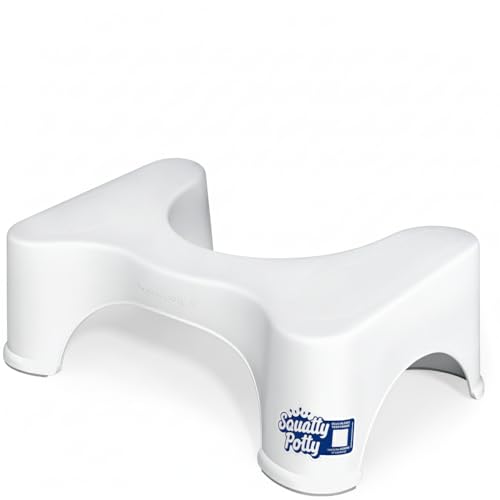
Squatty Potty The Original Toilet Stool
Best Ergonomic AidSquatty Potty · Improving toilet posture and reducing straining during bowel movements
ਕਿਸੇ ਵੀ ਰਿਟੇਲਰ ਲਿੰਕ ਨੂੰ ਖੋਲ੍ਹਣ ਤੋਂ ਪਹਿਲਾਂ ਹੇਠਾਂ ਦਿੱਤੇ ਵਿਸਤ੍ਰਿਤ ਰਿਵਿਊ ਕਾਰਡ ਪੜ੍ਹੋ
ਸਿਖਰ ਸੁਝਾਏ ਗਏ ਉਤਪਾਦ
NOW Psyllium
NOW Psyllium Husk Powder
Psyllium is the only isolated fiber recommended by both the AGA and ACG for chronic constipation, and NOW's powder form provides flexible dosing at an excellent price point.
ਫਾਇਦੇ
- + AGA-recommended fiber type
- + clinically proven to increase stool frequency by 3 BM/week
- + versatile powder form mixes easily
- + affordable per serving
ਨੁਕਸਾਨ
- - Must be taken with adequate water to avoid intestinal blockage
ਅਸੀਂ ਇਸਨੂੰ ਕਿਉਂ ਸ਼ਾਮਲ ਕੀਤਾ ਹੈ: Psyllium is the only isolated fiber recommended by both the AGA and ACG for chronic constipation, and NOW's powder form provides flexible dosing at an excellent price point.
ਉੱਪਰ ਦਿੱਤੇ ਗਏ ਰਿਵਿਊ ਵੇਰਵਿਆਂ ਤੋਂ ਬਾਅਦ ਰਿਟੇਲਰ ਲਿੰਕ Amazon 'ਤੇ ਖੁੱਲ੍ਹਦਾ ਹੈ
Doctor's Best
Doctor's Best High Absorption Magnesium Glycinate
The glycinate form provides gentle, well-tolerated magnesium supplementation that supports both bowel regularity and overall relaxation without the cramping associated with cheaper magnesium forms.
ਫਾਇਦੇ
- + Highly bioavailable chelated form
- + gentle on the stomach
- + dual benefit for constipation and muscle relaxation
- + well-tolerated long-term
ਨੁਕਸਾਨ
- - Slower onset than magnesium citrate liquid
ਅਸੀਂ ਇਸਨੂੰ ਕਿਉਂ ਸ਼ਾਮਲ ਕੀਤਾ ਹੈ: The glycinate form provides gentle, well-tolerated magnesium supplementation that supports both bowel regularity and overall relaxation without the cramping associated with cheaper magnesium forms.
ਉੱਪਰ ਦਿੱਤੇ ਗਏ ਰਿਵਿਊ ਵੇਰਵਿਆਂ ਤੋਂ ਬਾਅਦ ਰਿਟੇਲਰ ਲਿੰਕ Amazon 'ਤੇ ਖੁੱਲ੍ਹਦਾ ਹੈ
Natural Vitality
Natural Vitality Calm Magnesium Citrate Powder
Magnesium citrate is the fastest-acting natural osmotic laxative available over the counter, and Natural Vitality's powder format allows precise dose titration to find your ideal level.
ਫਾਇਦੇ
- + Fast-acting osmotic effect within 30 minutes to 6 hours
- + pleasant taste
- + also supports stress relief and sleep quality
- + flexible dosing
ਨੁਕਸਾਨ
- - Not suitable for those with kidney disease
- - can cause loose stools if dose is too high
ਅਸੀਂ ਇਸਨੂੰ ਕਿਉਂ ਸ਼ਾਮਲ ਕੀਤਾ ਹੈ: Magnesium citrate is the fastest-acting natural osmotic laxative available over the counter, and Natural Vitality's powder format allows precise dose titration to find your ideal level.
ਉੱਪਰ ਦਿੱਤੇ ਗਏ ਰਿਵਿਊ ਵੇਰਵਿਆਂ ਤੋਂ ਬਾਅਦ ਰਿਟੇਲਰ ਲਿੰਕ Amazon 'ਤੇ ਖੁੱਲ੍ਹਦਾ ਹੈ
Renew Life
Renew Life Ultimate Flora Extra Care Probiotic 50 Billion
Meta-analyses confirm probiotics reduce intestinal transit time, and Renew Life's multi-strain formula with delayed-release delivery ensures beneficial bacteria reach the colon intact.
ਫਾਇਦੇ
- + High potency 50 billion CFU
- + contains Bifidobacterium and Lactobacillus strains shown to improve transit time
- + delayed-release technology
- + no refrigeration needed
ਨੁਕਸਾਨ
- - Premium price point
- - full effects may take 2–4 weeks
ਅਸੀਂ ਇਸਨੂੰ ਕਿਉਂ ਸ਼ਾਮਲ ਕੀਤਾ ਹੈ: Meta-analyses confirm probiotics reduce intestinal transit time, and Renew Life's multi-strain formula with delayed-release delivery ensures beneficial bacteria reach the colon intact.
ਉੱਪਰ ਦਿੱਤੇ ਗਏ ਰਿਵਿਊ ਵੇਰਵਿਆਂ ਤੋਂ ਬਾਅਦ ਰਿਟੇਲਰ ਲਿੰਕ Amazon 'ਤੇ ਖੁੱਲ੍ਹਦਾ ਹੈ
NOW Foods
NOW Foods Organic Inulin Prebiotic Powder
A 2024 meta-analysis found that fructooligosaccharides significantly increase bowel movement frequency and Bifidobacteria abundance — making this an ideal complement to probiotic supplementation.
ਫਾਇਦੇ
- + Certified organic
- + prebiotic fiber feeds Bifidobacteria
- + neutral taste mixes into any beverage
- + FOS research shows improved stool frequency
- + affordable
ਨੁਕਸਾਨ
- - May cause gas and bloating if introduced too quickly
ਅਸੀਂ ਇਸਨੂੰ ਕਿਉਂ ਸ਼ਾਮਲ ਕੀਤਾ ਹੈ: A 2024 meta-analysis found that fructooligosaccharides significantly increase bowel movement frequency and Bifidobacteria abundance — making this an ideal complement to probiotic supplementation.
ਉੱਪਰ ਦਿੱਤੇ ਗਏ ਰਿਵਿਊ ਵੇਰਵਿਆਂ ਤੋਂ ਬਾਅਦ ਰਿਟੇਲਰ ਲਿੰਕ Amazon 'ਤੇ ਖੁੱਲ੍ਹਦਾ ਹੈ
Squatty Potty
Squatty Potty The Original Toilet Stool
Research confirms that elevating the knees above the hips straightens the anorectal angle to 100–110 degrees, and the Squatty Potty is the most widely studied and reviewed toilet stool on the market.
ਫਾਇਦੇ
- + Clinically shown to reduce straining and bowel movement duration
- + increases bowel emptiness
- + compact design tucks under toilet
- + one-time purchase with no ongoing cost
ਨੁਕਸਾਨ
- - May not fit all toilet base shapes
- - 7-inch height may be too high for very short individuals
ਅਸੀਂ ਇਸਨੂੰ ਕਿਉਂ ਸ਼ਾਮਲ ਕੀਤਾ ਹੈ: Research confirms that elevating the knees above the hips straightens the anorectal angle to 100–110 degrees, and the Squatty Potty is the most widely studied and reviewed toilet stool on the market.
ਉੱਪਰ ਦਿੱਤੇ ਗਏ ਰਿਵਿਊ ਵੇਰਵਿਆਂ ਤੋਂ ਬਾਅਦ ਰਿਟੇਲਰ ਲਿੰਕ Amazon 'ਤੇ ਖੁੱਲ੍ਹਦਾ ਹੈ
ਹੋਰ ਪੜ੍ਹਨਾ
ਹੋਰ ਪੜ੍ਹਨਾ
"Fiber Fueled: The Plant-Based Gut Health Program for Losing Weight, Restoring Your Health, and Optimizing Your Microbiome"
ਦੁਆਰਾ Will Bulsiewicz
Science-backed fiber optimization strategies; a 4-week meal plan to transform your microbiome; plant diversity scoring system; troubleshooting guide for fiber-related bloating
ਇਹ ਇੱਥੇ ਕਿਉਂ ਮੁੱਲਵਾਨ ਹੈ
Dr. Bulsiewicz connects the latest microbiome research directly to practical dietary changes, making this the definitive guide for anyone wanting to use food as their primary constipation remedy.
ਲਈ ਸਭ ਤੋਂ ਵਧੀਆ: Anyone looking to understand how fiber diversity transforms gut health and relieves constipation
ਕਿਤਾਬ ਦੇ ਵੇਰਵੇ ਦੇਖੋਹੋਰ ਪੜ੍ਹਨਾ
"The Good Gut: Taking Control of Your Weight, Your Mood, and Your Long-Term Health"
ਦੁਆਰਾ Justin Sonnenburg and Erica Sonnenburg
Cutting-edge microbiome science explained accessibly; dietary strategies to cultivate beneficial bacteria; understanding of how modern diets damage gut motility; actionable gut restoration protocols
ਇਹ ਇੱਥੇ ਕਿਉਂ ਮੁੱਲਵਾਨ ਹੈ
The Sonnenburgs' research at Stanford directly demonstrates how dietary fiber feeds the microbiome species responsible for healthy bowel motility — essential knowledge for anyone dealing with chronic constipation.
ਲਈ ਸਭ ਤੋਂ ਵਧੀਆ: Readers wanting to understand the science behind gut microbiome health and its connection to digestive regularity
ਕਿਤਾਬ ਦੇ ਵੇਰਵੇ ਦੇਖੋAEO FAQ
ਵਾਰ-ਵਾਰ ਪੁੱਛੇ ਜਾਣ ਵਾਲੇ ਸਵਾਲ
10 common questions answered
It depends on the remedy. Warm water and coffee can trigger a bowel movement within 30–60 minutes. Magnesium citrate works within 30 minutes to 6 hours. Prunes typically produce results within 12–24 hours. Psyllium husk and fiber supplements take 12–72 hours for full effect, while probiotics require 2–4 weeks of consistent use to noticeably improve bowel regularity.
Magnesium citrate should not be used daily for more than 7 days without medical supervision. For daily magnesium supplementation, magnesium glycinate is a gentler option that supports bowel regularity without the strong osmotic effects. People with kidney disease should avoid magnesium supplements entirely, as impaired kidneys cannot clear excess magnesium effectively.
Research suggests eating 5–6 prunes (approximately 50 grams) daily is effective for constipation relief. You can also drink 8 ounces of prune juice. Start with 3 prunes and increase gradually to avoid gas and bloating. Prunes contain about 14.7g of sorbitol per 100g, and consuming more than 20g of sorbitol daily may cause diarrhea.
Yes, in some cases constipation can indicate an underlying condition such as hypothyroidism, diabetes, colorectal cancer, or neurological disorders. See a doctor if constipation is accompanied by blood in stool, unexplained weight loss, severe pain, or if it is new-onset after age 50. Chronic constipation lasting more than 3 weeks despite treatment also warrants medical evaluation.
Yes, caffeinated coffee stimulates colonic motor activity and can trigger a bowel movement within minutes of consumption. Studies show coffee increases contractions in the colon by up to 60% compared to water. However, excessive coffee can cause dehydration, so balance coffee intake with adequate water consumption throughout the day.
Psyllium husk is the most clinically supported fiber supplement for constipation. It is the only isolated fiber recommended by both the American Gastroenterological Association and the American College of Gastroenterology. Research shows psyllium increases stool frequency by approximately 3 bowel movements per week — comparable to or better than prescription laxatives.
Adding too much fiber too quickly, or increasing fiber without adequate water, can worsen constipation and cause bloating. Fiber absorbs water, so without sufficient hydration, it can create a dense, hard mass in the colon. Increase fiber by only 5 grams every 3–5 days and drink an extra 1–2 glasses of water for every 5g of fiber added.
Probiotics show moderate effectiveness for chronic constipation, particularly strains of Bifidobacterium and Lactobacillus. A 2024 systematic review found probiotics reduce intestinal transit time and improve stool consistency. However, a large 2024 JAMA trial found that B. lactis HN019 at the tested dose did not outperform placebo for complete spontaneous bowel movements, suggesting strain selection and dosing matter significantly.
The Squatty Potty elevates your feet while sitting on the toilet, mimicking a squatting position that straightens the anorectal angle from about 80 degrees to 100–110 degrees. This relaxes the puborectalis muscle that normally kinks the rectum, allowing stool to pass more easily. A 2019 clinical study found it increased bowel emptiness and reduced straining and time spent on the toilet.
See a doctor if constipation lasts more than 3 weeks despite home remedies, or if you experience blood in your stool, unexplained weight loss, severe abdominal pain, inability to pass gas, or fever alongside constipation. New-onset constipation after age 50 without an obvious dietary or lifestyle cause should also be evaluated to rule out serious conditions like colorectal cancer.
The Gentle Fiber Ladder Workbook
A 21-day step-by-step framework to gradually increase dietary fiber without painful gas, bloating, or digestive spasms.
What's Inside This Complete Digital System:
Instant PDF download • Lifetime updates • 60-day money-back guarantee
ਆਪਣੇ ਗਿਆਨ ਦੀ ਪਰਖ ਕਰੋ
Take our Gut Health Quiz and see how much you really know about gut health.
ਕੀ ਇਹ ਲੇਖ ਮਦਦਗਾਰ ਸੀ?
ਖੋਜਿਆ ਅਤੇ ਤੱਥ-ਜਾਂਚਿਆ ਗਿਆ
ਲੇਖਕ
Health Secrets Editorial TeamThe Health Secrets editorial team researches, writes and fact-checks every guide against the primary studies and clinical guidelines it cites.
ਤੱਥ-ਜਾਂਚਕਰਤਾ
Health Secrets Editorial Teamਸਾਰੀ ਸਮੱਗਰੀ ਸਬੂਤ-ਆਧਾਰਿਤ ਹੈ, ਪੀਅਰ-ਰਿਵਿਊ ਕੀਤੀ ਖੋਜ ਨਾਲ ਜਾਂਚੀ ਗਈ ਹੈ, ਅਤੇ ਨਿਯਮਿਤ ਤੌਰ 'ਤੇ ਅੱਪਡੇਟ ਕੀਤੀ ਜਾਂਦੀ ਹੈ। ਸਾਡੀ ਸੰਪਾਦਕੀ ਟੀਮ ਸ਼ੁੱਧਤਾ ਅਤੇ ਪਾਰਦਰਸ਼ਤਾ ਲਈ ਸਖ਼ਤ ਦਿਸ਼ਾ-ਨਿਰਦੇਸ਼ਾਂ ਦੀ ਪਾਲਣਾ ਕਰਦੀ ਹੈ।
ਹਵਾਲੇ ਅਤੇ ਉਦਾਹਰਣਾਂ
17 ਹਵਾਲੇ ਦਿੱਤੇ ਗਏ ਸਰੋਤ
ਮੈਡੀਕਲ ਡਿਵੈਕਲੇਮਰ
This article is for informational purposes only and does not constitute medical advice. Read the full medical disclaimer. Always consult with a qualified healthcare provider before starting any new supplement, treatment, or major dietary change.
The Complete Guide to Gut Health
Explore our foundational comprehensive guide covering all clinical protocols, dietary strategies, and evidence for gut health.
ਸ਼ਾਇਦ ਤੁਹਾਨੂੰ ਇਹ ਵੀ ਪਸੰਦ ਆਵੇ
ਦਸਤ ਲਈ ਕੁਦਰਤੀ ਨੁਸਖ਼ੇ: ਜਲਦੀ ਅਤੇ ਅਸਰਦਾਰ ਰਾਹਤ
ਦਸਤ ਨੂੰ ਜਲਦੀ ਰੋਕਣ ਲਈ 15 ਤੋਂ ਵੱਧ ਅਸਲ-ਅਧਾਰਤ ਕੁਦਰਤੀ ਇਲਾਜਾਂ ਬਾਰੇ ਜਾਣੋ — ਪ੍ਰਮਾਣਿਤ ਪ੍ਰੋਬਾਇਟਿਕਸ ਅਤੇ ਇਲੈਕਟ੍ਰੋਲਾਈਟ રિਪਲੇਸਮੈਂਟ ਤੋਂ ਲੈ ਕੇ ਦਸਤ ਰੋਕਣ ਵਾਲੇ ਭੋਜਨ ਅਤੇ ਹਰਬਲ ਚਾਹ ਤੱਕ — ਨਾਲ ਹੀ ਇਹ ਵੀ ਜਾਣੋ ਕਿ ਕਦੋਂ ਤੁਰੰਤ ਡਾਕਟਰ ਦੀ ਸਲਾਹ ਲੈਣੀ ਜ਼ਰੂਰੀ ਹੈ।
→Acid Reflux Natural Remedies: 12 Ways to Find Relief
Acid reflux affects over 60 million Americans monthly, but natural remedies like dietary changes, herbal supplements, and lifestyle modifications can provide lasting relief without relying on long-term medication. This evidence-based guide walks you through 12 proven strategies to calm heartburn, strengthen your lower esophageal sphincter, and restore digestive comfort.
→Natural Remedies for Nausea: Quick Relief Methods
Discover evidence-based natural remedies for nausea including ginger, acupressure P6 point stimulation, peppermint aromatherapy, and vitamin B6—with step-by-step dosing, techniques, and guidance for pregnancy, motion sickness, and digestive nausea.
→ਚਰਚਾ
0No comments yet
Be the first to share your thoughts, clinical insights, or questions about this protocol.