Skip to content
Pin It
14

Acetyl-L-Carnitine for Brain Health: ALCAR Guide

HS
Health Secrets Editorial Team
| তথ্য-যাচাইকৃত | 2,636 শব্দ | 17 উদ্ধৃতি
এই মাসে আপডেট করা হয়েছে Updated: October 12, 2026

এটি কাদের জন্য

যারা বিভিন্ন বিকল্পের মধ্যে তুলনা করছেন এবং প্রমাণ-ভিত্তিক অন্তর্দৃষ্টি খুঁজছেন তাদের জন্য সেরা।

যাদের সতর্ক থাকা উচিত

উপসর্গ, ওষুধ বা ল্যাব সংক্রান্ত সমস্যা থাকলে এটি চিকিৎসকের পরামর্শের বিকল্প নয়।

অ্যাফিলিয়েট ডিসক্লেইমার | This article may contain affiliate links to products we trust. If you choose to buy through them, we may earn a small commission at no extra cost to you. Full disclosure

চিকিৎসাগত সতর্কবার্তা | শুধুমাত্র তথ্যের উদ্দেশ্যে। এটি পেশাদার চিকিৎসকের পরামর্শের বিকল্প নয়। সম্পূর্ণ সতর্কবার্তা পড়ুন

Acetyl-L-carnitine (ALCAR) is a naturally occurring amino acid derivative that crosses the blood-brain barrier to support mitochondrial energy production, neurotransmitter synthesis, and neuroprotection. This evidence-based guide covers what the research actually shows about ALCAR for cognitive function, depression, and brain aging — including realistic expectations and smart supplementation strategies.

M
3
47%
14 2.6K শব্দ

মূল বিষয়বস্তু

ALCAR is the acetylated form of L-carnitine that crosses the blood-brain barrier more effectively than standard L-carnitine, making it the preferred form for cognitive and neurological support
Clinical evidence for ALCAR improving cognition in healthy adults is weak — a 2019 Cochrane review found no significant effects on reaction time, vigilance, or memory in healthy populations [17]
The strongest evidence supports ALCAR for mood and depression, with a Stanford study linking low acetyl-L-carnitine blood levels to depression severity and treatment resistance [5] [6] [14]
For mild cognitive impairment and early dementia, a multicenter RCT showed ALCAR at 1,500 mg/day improved cognitive scores (MoCA-K) in patients with vascular cognitive impairment [3] [11]
Standard dosing ranges from 500–2,000 mg daily for general brain support, with clinical studies using 1,500–3,000 mg daily for cognitive impairment and depression
ALCAR supports brain health through multiple mechanisms: mitochondrial energy production, acetylcholine synthesis, nerve growth factor support, and antioxidant protection [16]
The supplement is generally well-tolerated, with mild GI symptoms being the most common side effect, but it can interact with thyroid medications and blood thinners
Natural food sources provide only small amounts of carnitine — supplementation is the primary way to achieve therapeutic doses of ALCAR specifically
Results are not immediate; most clinical trials showing benefits ran for 12–24 weeks, so patience and consistency are essential
ALCAR works best as part of a comprehensive brain health strategy that includes diet, exercise, sleep optimization, and stress management
Healthy Aging Annual Planning Binder
45 Pages
The e-book for this topic PDF e-book + free online edition

Healthy Aging Annual Planning Binder

An annual audit, the screening and vaccine schedule for your age, a 12-week strength and balance program, and four quarter plans, with your care team and directives in the back.

What Matters After 50
The Annual Audit
The Screening and Vaccine Schedule
$47 one payment
See the e-book 60-day money-back guarantee

You've probably seen acetyl-L-carnitine marketed as a "brain booster" that sharpens memory, fights mental fatigue, and even reverses age-related cognitive decline. The supplement shelves are packed with ALCAR products promising everything from laser focus to dementia prevention. But what does the science actually say? [4] [7]

The truth is more nuanced — and more interesting — than the marketing suggests. ALCAR has some genuinely compelling research behind it, particularly for mood support and age-related cognitive changes. But it's also surrounded by overhyped claims that don't hold up under scrutiny. A 2019 Cochrane review found no convincing evidence that L-carnitine improves cognitive function in healthy adults, while other research shows promising results for specific populations dealing with depression and mild cognitive impairment [2]. [8]

In this guide, we'll cut through the noise and examine what ALCAR can — and can't — do for your brain health, based on the best available evidence from clinical trials, systematic reviews, and expert analysis. [10] [12]

If you're exploring brain health more broadly, check out our Mental Wellness Complete Guide and our guide to Brain Health Supplements for a wider view of evidence-based options. [13]

What Is Acetyl-L-Carnitine and Why Does It Matter for Brain Health?

Acetyl-L-carnitine (ALCAR) is the acetylated form of L-carnitine, an amino acid derivative naturally produced in the body from lysine and methionine. Unlike standard L-carnitine, ALCAR's acetyl group allows it to cross the blood-brain barrier efficiently, making it uniquely suited for neurological and cognitive applications.

Your body naturally produces L-carnitine primarily in the liver and kidneys, with the highest concentrations found in skeletal muscle, heart, and brain tissue. ALCAR plays a critical role in transporting fatty acids into mitochondria for energy production — a process that's especially important in the brain, which consumes roughly 20% of your body's total energy despite being only 2% of your body weight.

How Is ALCAR Different from Regular L-Carnitine?

The key distinction is bioavailability in the brain. Standard L-carnitine primarily supports energy metabolism in muscles and the heart but has limited ability to cross the blood-brain barrier. ALCAR, with its acetyl group, passes through this barrier readily and also serves as a donor of acetyl groups for acetylcholine synthesis — one of the brain's most important neurotransmitters for memory and learning.

Other forms of carnitine you may encounter include:

  • L-Carnitine L-Tartrate (LCLT) — primarily used for exercise recovery and muscle soreness
  • Propionyl-L-Carnitine (PLC) — focused on cardiovascular and peripheral vascular support
  • ALCAR — the preferred form for brain and nervous system support

Who Might Benefit from ALCAR Supplementation?

Research suggests ALCAR may be most relevant for older adults experiencing age-related cognitive changes, individuals with depression (particularly treatment-resistant depression), people with mild cognitive impairment, and those with conditions affecting mitochondrial function. It is also being studied in populations with diabetic neuropathy and chronic fatigue.

The Preventive Screening Timeline
7 Pages • Free PDF
Free timeline 7 pages • fillable PDF

The Preventive Screening Timeline

US screening ages and intervals in one age-ordered table, five questions that change your plan, and a tracker that works out when each test is next due.

The PDF opens in a new tab. Unsubscribe from our emails at any time.

How Does Acetyl-L-Carnitine Support Brain Function?

ALCAR supports brain health through four interconnected mechanisms: mitochondrial energy production, neurotransmitter synthesis, nerve growth factor modulation, and antioxidant protection. These pathways work together to maintain neuronal health, support cognitive processes, and protect against age-related neurodegeneration.

How Does ALCAR Boost Brain Energy Production?

ALCAR's primary role is shuttling long-chain fatty acids across the inner mitochondrial membrane for beta-oxidation — the process that generates ATP, your cells' energy currency. In the brain, this mitochondrial support is critical because neurons are highly energy-dependent and particularly vulnerable to mitochondrial dysfunction.

Age-related decline in mitochondrial function is one of the leading theories of cognitive aging. Research published in Neurochemical Research shows that ALCAR supplementation can partially restore mitochondrial membrane potential and electron transport chain activity in aged animal models, suggesting a mechanism by which it may support cognitive function in older adults.
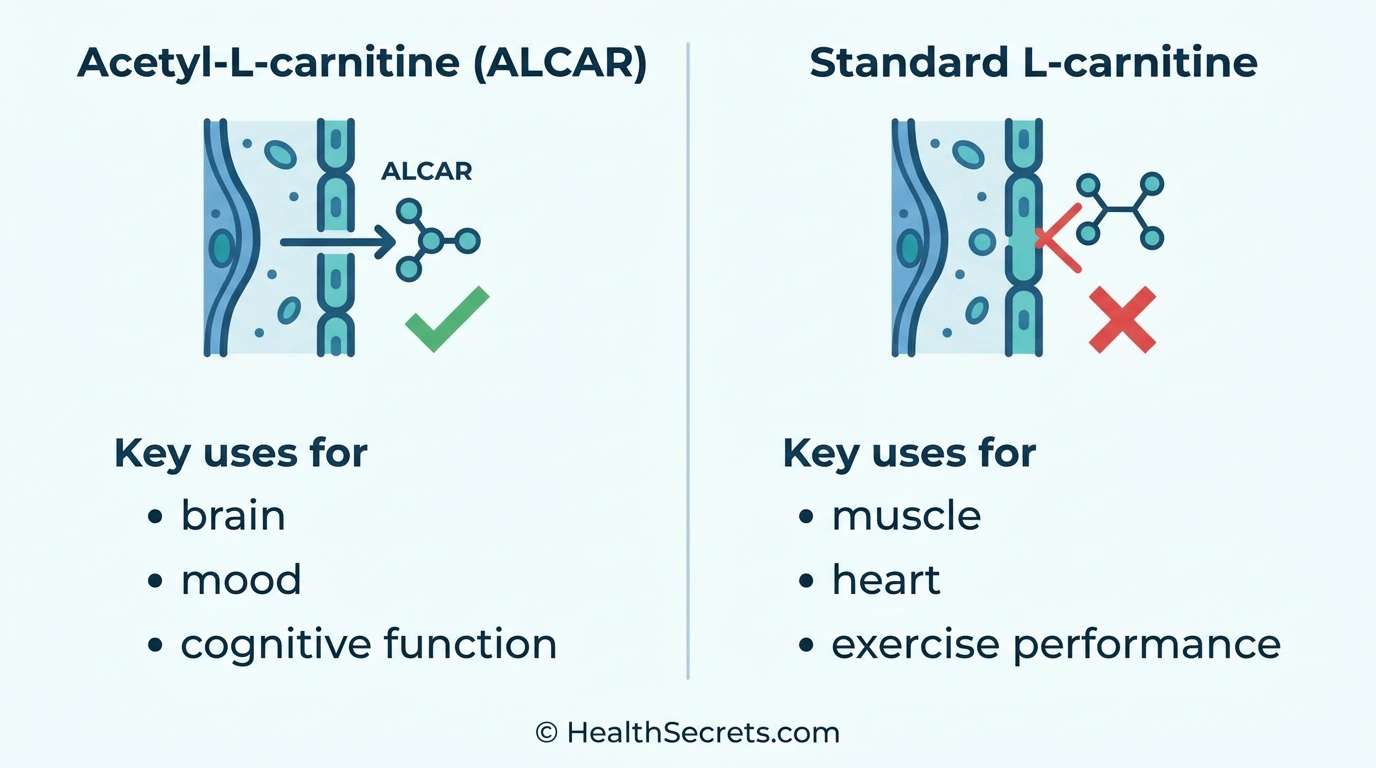
Infographic comparing ALCAR and L-carnitine showing blood-brain barrier crossing and different health applications

How Does ALCAR Influence Neurotransmitter Production?

ALCAR donates its acetyl group to coenzyme A, which is used in the synthesis of acetylcholine — the neurotransmitter most closely associated with memory formation, learning, and attention. Acetylcholine deficiency is a hallmark of Alzheimer's disease and is the target of cholinesterase inhibitor medications like donepezil.

Beyond acetylcholine, ALCAR has been shown to modulate:

  • Serotonin and norepinephrine — helping explain its antidepressant effects observed in clinical trials
  • Glutamate — the brain's primary excitatory neurotransmitter, important for synaptic plasticity
  • GABA — the primary inhibitory neurotransmitter, important for calm focus and sleep

What Role Does ALCAR Play in Neuroprotection?

ALCAR has demonstrated neuroprotective properties through several pathways. It supports nerve growth factor (NGF) activity, which is essential for the survival, maintenance, and regeneration of neurons. It also acts as an antioxidant, helping to neutralize reactive oxygen species that damage neuronal membranes and DNA.

A 2020 critical review in Frontiers in Neuroscience (PMC7284336) noted that ALCAR's multi-target mechanism — combining energy support, neurotransmitter modulation, and antioxidant activity — makes it a uniquely versatile compound for brain health, though the authors emphasized that more rigorous clinical trials are needed to confirm these mechanisms translate to meaningful cognitive benefits in humans [1].

How Well Does Your Body Absorb Acetyl-L-Carnitine?

ALCAR has good oral bioavailability, with absorption rates ranging from approximately 54–86% depending on the dose and individual factors. Its acetylated structure gives it a significant advantage over standard L-carnitine for brain-related applications because it crosses the blood-brain barrier via organic cation transporters.

What Factors Affect ALCAR Absorption?

Several factors influence how well your body absorbs and utilizes ALCAR:

  • Dose size — Bioavailability tends to decrease with higher single doses; splitting doses throughout the day may improve total absorption
  • Food intake — ALCAR can be taken with or without food, though some research suggests taking it with a small meal may reduce GI discomfort
  • Age — Older adults tend to have lower baseline carnitine levels and may benefit more from supplementation
  • Kidney function — The kidneys play a major role in carnitine homeostasis; impaired kidney function can alter ALCAR metabolism
  • Gut microbiome — Intestinal bacteria can convert carnitine to trimethylamine (TMA), which is further converted to TMAO in the liver — a compound associated with cardiovascular risk at elevated levels

Does ALCAR Form Raise Any TMAO Concerns?

The TMAO (trimethylamine N-oxide) question is worth addressing directly. Research has linked elevated TMAO levels to increased cardiovascular risk, and carnitine from food (especially red meat) is a known precursor. However, studies suggest that supplemental ALCAR at standard doses (500–2,000 mg/day) produces significantly less TMAO than dietary carnitine from red meat, particularly in individuals who don't regularly consume large amounts of red meat [15]. That said, individuals with existing cardiovascular risk factors should discuss this with their healthcare provider.

How Much Acetyl-L-Carnitine Should You Take for Brain Health?

For general brain health support, most evidence supports 500–2,000 mg of ALCAR daily, divided into two doses. Clinical trials for cognitive impairment and depression have used higher doses of 1,500–3,000 mg daily, though these higher doses should be used under medical supervision.

What Do Clinical Trials Tell Us About ALCAR Dosing?

Purpose Dose Range Duration Evidence Level
General brain support 500–1,000 mg/day Ongoing Low–Moderate
Mild cognitive impairment 1,500–2,000 mg/day 12–24 weeks Moderate
Depression support 1,000–3,000 mg/day 8–12 weeks Moderate
Alzheimer's/Dementia 1,500–3,000 mg/day 24–52 weeks Mixed
Neuropathy support 1,500–3,000 mg/day 12–52 weeks Moderate
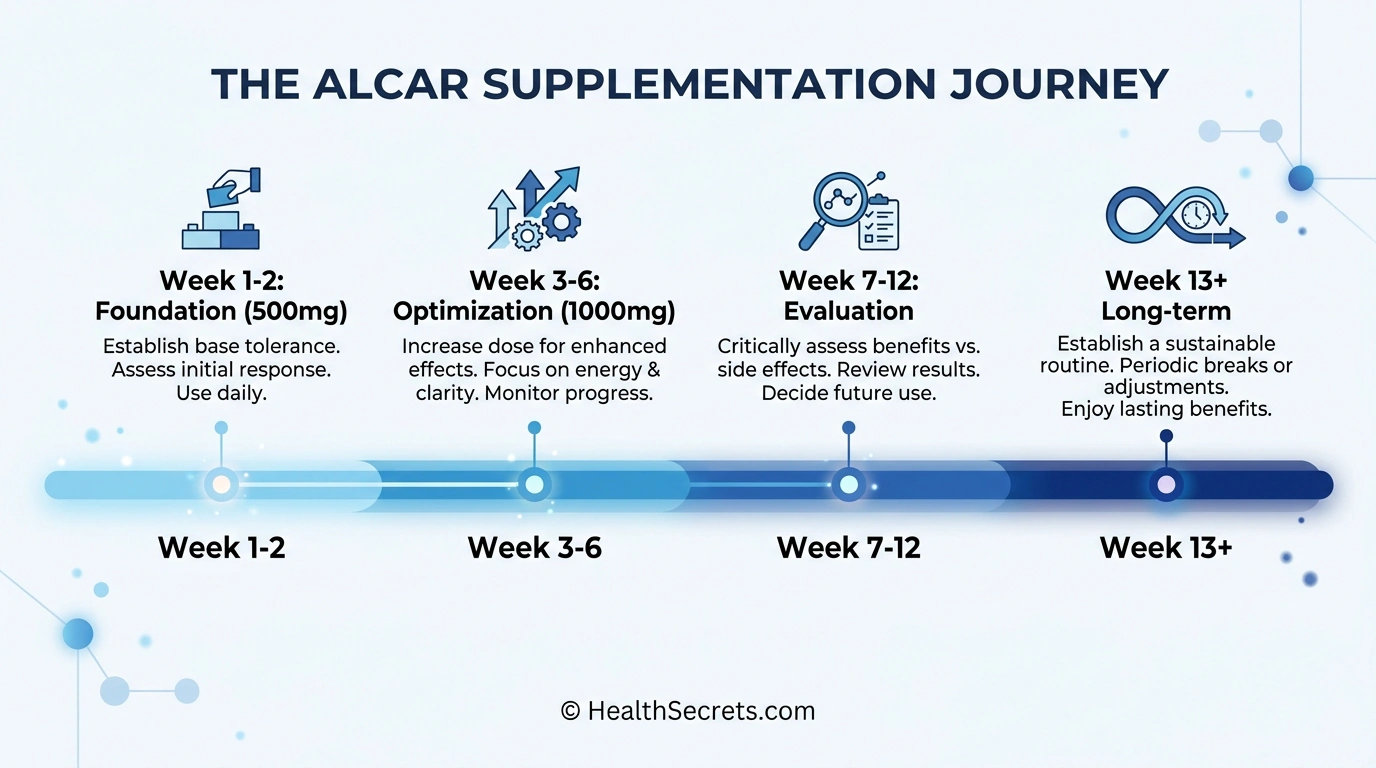
Timeline infographic showing the four phases of ALCAR supplementation from foundation dose to long-term maintenance
### What's the Best Way to Take ALCAR?
  • Split your dose — Take ALCAR in two divided doses (morning and early afternoon) rather than one large dose to improve absorption and maintain steady levels
  • Timing — Take in the morning and early afternoon; ALCAR can have mild stimulatory effects that may interfere with sleep if taken late in the day
  • Start low — Begin with 500 mg/day and increase gradually over 2–4 weeks to assess tolerance
  • Consistency matters — Clinical benefits in studies typically appeared after 8–12 weeks of consistent use
  • With or without food — Either works; taking with a light meal may reduce any GI discomfort

Can You Get Enough Acetyl-L-Carnitine from Food?

While several foods contain L-carnitine, obtaining therapeutic amounts of ALCAR specifically from diet alone is not practical. Food sources provide L-carnitine, which the body can partially convert to ALCAR, but the conversion rate is limited and unlikely to produce the blood levels achieved through direct ALCAR supplementation.

Which Foods Are Highest in L-Carnitine?

Food Source L-Carnitine (mg per serving) Serving Size
Beef steak 56–162 mg 3 oz cooked
Ground beef 80–87 mg 3 oz cooked
Pork 20–24 mg 3 oz cooked
Chicken breast 3–5 mg 3 oz cooked
Milk (whole) 8 mg 8 oz
Non-meat eaters typically consume 10–12 mg of carnitine daily from diet, compared to 60–180 mg for omnivores. Since the body produces about 10–20 mg of carnitine per day on its own, most healthy adults maintain adequate baseline levels. However, therapeutic brain-health doses (500–2,000 mg ALCAR) far exceed what diet and endogenous production can provide, making supplementation the practical route for those seeking specific cognitive or neurological benefits.
Overhead photograph of foods rich in L-carnitine including beef, pork, chicken, and milk with carnitine content labels

Is Acetyl-L-Carnitine Safe? What Are the Side Effects?

ALCAR is generally well-tolerated at standard supplemental doses of 500–2,000 mg per day. The most common side effects are mild and gastrointestinal in nature. However, there are important interactions and contraindications that require attention, particularly for individuals on certain medications.

What Are the Most Common Side Effects of ALCAR?

  • Gastrointestinal symptoms — Nausea, stomach cramps, diarrhea, and vomiting (most common, usually dose-dependent)
  • Fishy body odor — A distinctive side effect caused by trimethylamine production; reducing the dose usually resolves it
  • Restlessness or insomnia — Due to mild stimulatory effects, especially at higher doses or when taken late in the day
  • Headache — Occasionally reported, typically transient

What Drug Interactions Should You Be Aware Of?

  • Thyroid medications (levothyroxine) — ALCAR may inhibit thyroid hormone action; individuals with hypothyroidism should use caution and consult their physician
  • Blood thinners (warfarin) — ALCAR may enhance anticoagulant effects, increasing bleeding risk
  • Seizure medications — ALCAR may lower seizure threshold in some individuals; those with epilepsy should consult a neurologist
  • Acenocoumarol and other anticoagulants — Similar concerns as warfarin

Who Should Avoid ALCAR?

  • Individuals with untreated hypothyroidism or thyroid disorders (without physician approval)
  • People with a history of seizures (without neurologist guidance)
  • Pregnant or breastfeeding women (insufficient safety data)
  • Individuals on dialysis (altered carnitine metabolism)

What Can You Realistically Expect from ALCAR Supplementation?

ALCAR is not a cognitive miracle pill, and expectations should be calibrated to the evidence. For healthy young adults, the research does not support meaningful cognitive enhancement. For older adults and specific clinical populations, the evidence is more encouraging but still modest in scope.

What Does the Evidence Actually Support?

Stronger evidence (moderate confidence):

  • Mood improvement and antidepressant effects, particularly in older adults and those with treatment-resistant depression
  • Mild cognitive improvement in patients with existing mild cognitive impairment (MCI) or early dementia, especially vascular cognitive impairment
  • Neuropathy symptom reduction (particularly diabetic and chemotherapy-induced neuropathy)

Weaker evidence (low confidence):

  • Cognitive enhancement in healthy adults — a 2019 Cochrane review (PMC6464592) found no convincing evidence for improvements in reaction time, vigilance, or memory in healthy populations
  • Prevention of Alzheimer's disease or major neurodegenerative conditions
  • Significant improvements in moderate-to-severe dementia

What's a Realistic Timeline?

Don't expect overnight results. Clinical trials showing benefits for mood typically required 8–12 weeks. Studies on cognitive impairment showed results at 12–24 weeks. A 1996 multicenter study ran for a full year before observing reduced decline in Alzheimer's patients [9].

  • Weeks 1–4: Possible mild increase in mental energy and alertness. Some people notice improved mood within 2–3 weeks.
  • Weeks 4–12: Mood-related benefits become more noticeable if they're going to occur. Subtle improvements in mental clarity may emerge.
  • Weeks 12–24: Cognitive benefits, if present, typically become apparent in this window. This is when clinical trials for MCI showed measurable improvements.

If you've been taking ALCAR consistently for 12 weeks at an appropriate dose without noticing any benefits, it may not be the right supplement for your situation.
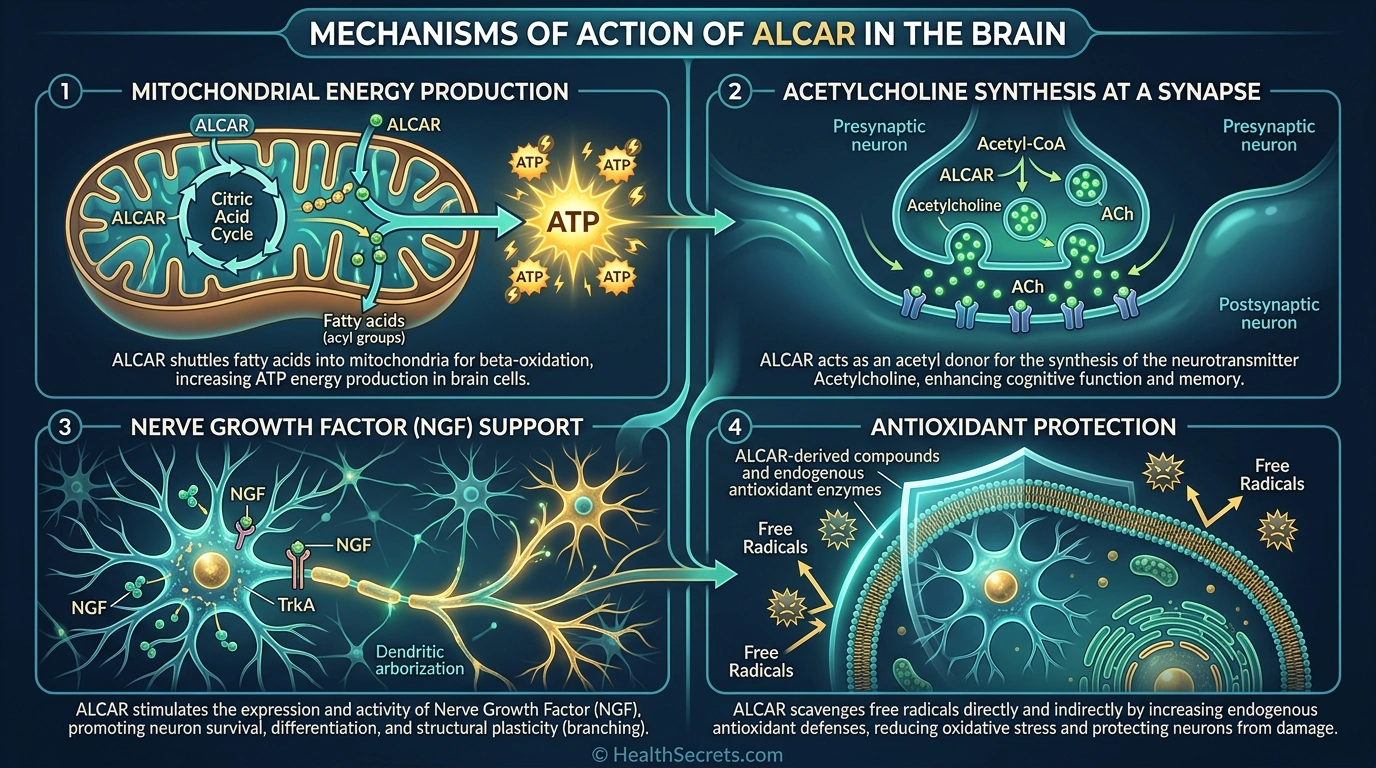
Scientific illustration showing four mechanisms of ALCAR brain support including energy production and neurotransmitter synthesis
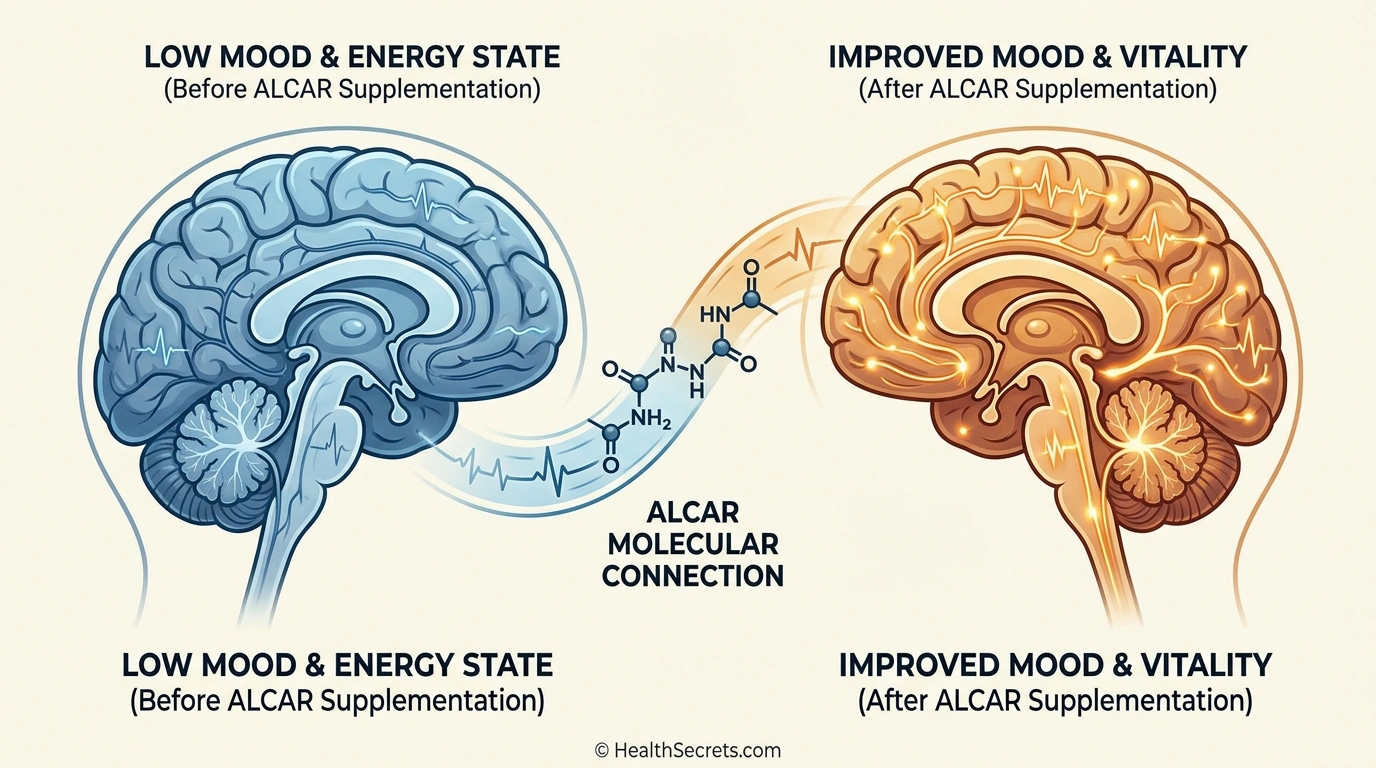
Medical illustration showing brain energy pathways before and after ALCAR supplementation for mood support

What's the Best Step-by-Step Plan to Try ALCAR for Brain Health?

A phased approach helps you assess tolerance, find your effective dose, and evaluate whether ALCAR is actually working for you. Start conservatively, track your response carefully, and adjust based on what you observe over 12–16 weeks.

Phase 1: Foundation (Weeks 1–2)

  • Consult your healthcare provider, especially if you take thyroid medication, blood thinners, or seizure medications
  • Choose a reputable ALCAR supplement (look for USP, NSF, or GMP certification)
  • Start with 500 mg once daily in the morning
  • Track baseline: note current energy levels, mood, focus, and memory in a simple journal
  • Monitor for any GI discomfort or side effects

Phase 2: Dose Optimization (Weeks 3–6)

  • If tolerating well, increase to 500 mg twice daily (morning and early afternoon)
  • Continue daily tracking of mood, energy, focus, and sleep quality
  • If GI side effects occur, reduce back to 500 mg/day and try increasing again after a week
  • Ensure you're not taking ALCAR after 3 PM to avoid potential sleep disruption

Phase 3: Evaluation (Weeks 7–12)

  • Maintain consistent dosing at 1,000 mg/day (or up to 1,500 mg/day if well-tolerated and needed)
  • Compare your tracking data against your baseline
  • Look for improvements in mood, mental energy, and focus — these are the most likely benefits
  • If no noticeable benefits by week 12, consider whether continuing is worthwhile

Phase 4: Long-Term Strategy (Week 13+)

  • If benefits are present, continue at the effective dose
  • Schedule periodic check-ins with your healthcare provider
  • Combine with complementary brain-health habits: regular exercise, Mediterranean-style diet, quality sleep, and stress management
  • Consider periodic breaks (1 week off every 3 months) to reassess
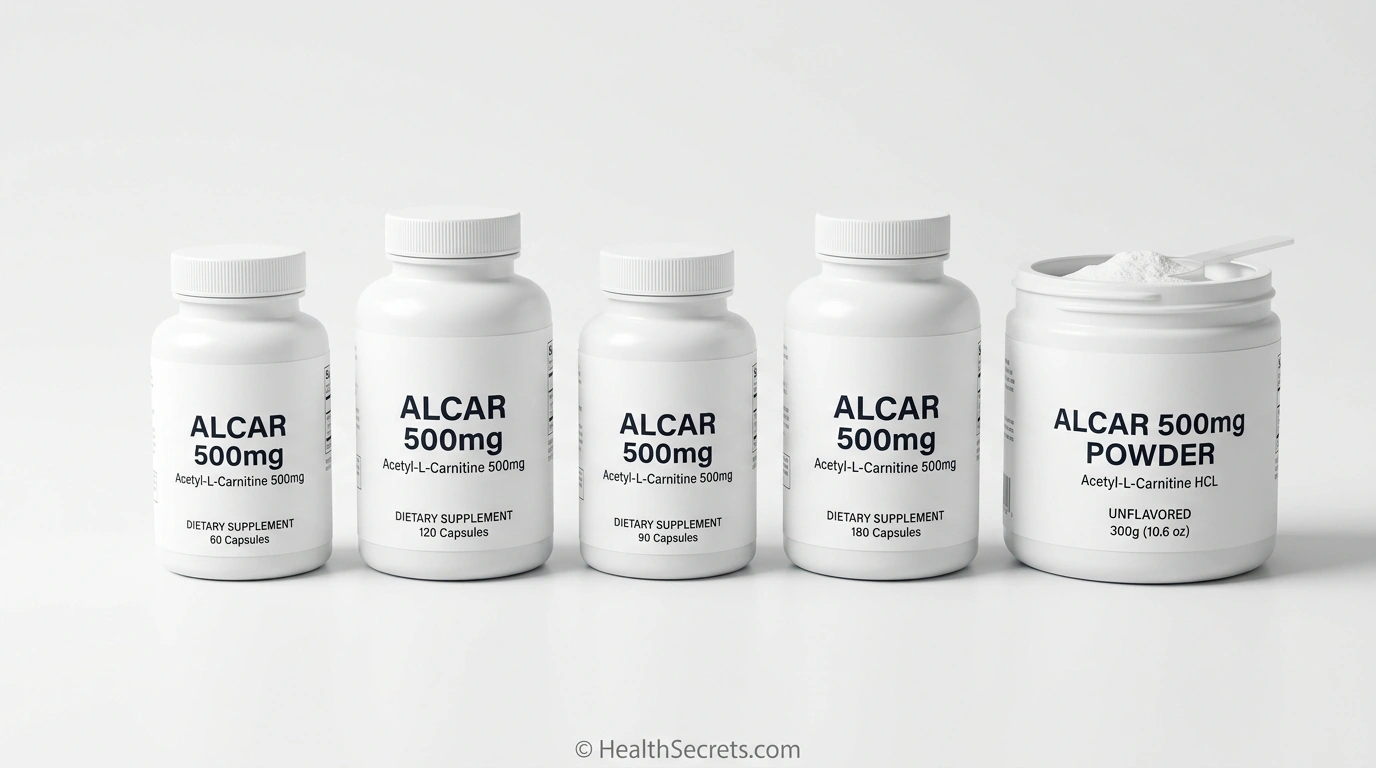
Five ALCAR supplement containers showing different product forms including capsules and powder

সেরা সুপারিশকৃত পণ্য

নির্দেশিকাটি শেষ করার আগে পর্যালোচনার জন্য তুলনামূলক সংক্ষিপ্ত তালিকা

5 আইটেম
01

NOW Foods Acetyl-L-Carnitine 500mg

NOW Foods · General brain health support with trusted quality and affordable pricing

বিস্তারিত তুলনা করুন
02

Jarrow Formulas Acetyl-L-Carnitine 500mg

Jarrow Formulas · Quality-conscious consumers who want independent verification of purity and potency

বিস্তারিত তুলনা করুন
03

Life Extension Acetyl-L-Carnitine 500mg

Life Extension · Individuals building a multi-supplement brain health protocol

বিস্তারিত তুলনা করুন
04

Nutricost Acetyl-L-Carnitine 500mg

Nutricost Acetyl-L-Carnitine · Cost-conscious users who want a straightforward, no-frills ALCAR supplement

বিস্তারিত তুলনা করুন
05

BulkSupplements Acetyl-L-Carnitine (ALCAR) Powder

BulkSupplements Acetyl-L-Carnitine · Experienced users who want precise dose control and powder versatility

বিস্তারিত তুলনা করুন

কোনো রিটেইল লিঙ্ক খোলার আগে নিচের বিস্তারিত রিভিউ কার্ডগুলো পড়ুন

আরও পড়ুন

আরও পড়ুন

"Brain Energy"

দ্বারা Christopher M. Palmer, MD

Groundbreaking framework linking mitochondrial dysfunction to depression, anxiety, and cognitive decline; scientific basis for why energy-supporting supplements like ALCAR matter; actionable strategies for optimizing brain metabolism

এটি কেন এখানে গুরুত্বপূর্ণ

Palmer's metabolic theory directly explains why mitochondrial support — ALCAR's primary mechanism — is fundamental to brain health. This book provides the scientific foundation for understanding why ALCAR works.

সেরা উপযোগী: Understanding the connection between mitochondrial function, brain energy, and mental health conditions

বইয়ের বিস্তারিত দেখুন

আরও পড়ুন

"The End of Alzheimer's"

দ্বারা Dale Bredesen, MD

The ReCODE protocol for addressing cognitive decline; detailed supplement protocols including ALCAR; explanation of the 36 metabolic factors that contribute to Alzheimer's; practical implementation guides

এটি কেন এখানে গুরুত্বপূর্ণ

Bredesen's protocol includes acetyl-L-carnitine as part of a comprehensive approach to cognitive health. The book provides valuable context for where ALCAR fits in a broader brain-optimization strategy.

সেরা উপযোগী: Understanding multi-factor approaches to preventing and reversing cognitive decline

বইয়ের বিস্তারিত দেখুন

AEO FAQ

সচরাচর জিজ্ঞাসিত প্রশ্নাবলী

10 common questions answered

ALCAR has an added acetyl group that allows it to cross the blood-brain barrier, making it the preferred form for brain and cognitive support. Standard L-carnitine primarily supports energy metabolism in muscles and the heart but has limited brain penetration. If your goal is brain health, ALCAR is the better choice. If your goal is exercise performance or heart health, standard L-carnitine or L-carnitine L-tartrate may be more appropriate.

Research suggests ALCAR may have meaningful antidepressant effects, particularly in older adults. A landmark Stanford study found that people with depression had significantly lower blood levels of acetyl-L-carnitine, and the deficit was more severe in those with treatment-resistant depression. Clinical trials have shown ALCAR (1,500–3,000 mg/day) produced comparable improvements to prescription antidepressants in some populations, though it should not replace prescribed medication without physician guidance.

Most people don't notice significant changes until 8–12 weeks of consistent supplementation. Some individuals report subtle improvements in mental energy or alertness within the first 2–4 weeks. Clinical trials showing cognitive benefits in MCI patients typically ran for 12–24 weeks. Patience and consistency are essential — ALCAR is not a quick-fix nootropic.

Yes, daily ALCAR supplementation at doses of 500–2,000 mg is generally considered safe for most adults. Long-term studies lasting up to one year have not reported serious adverse effects. The most common side effects are mild GI symptoms and occasional fishy body odor. However, individuals on thyroid medication, blood thinners, or seizure drugs should consult their doctor before starting ALCAR.

Current evidence does not strongly support ALCAR for memory enhancement in healthy adults. A 2019 Cochrane review found no convincing evidence that L-carnitine supplementation improves reaction time, vigilance, or memory in healthy populations. ALCAR appears more effective for individuals who already have some degree of cognitive impairment or who are older adults experiencing age-related changes.

ALCAR is commonly stacked with other brain-health supplements. Popular combinations include ALCAR with alpha-lipoic acid (for synergistic antioxidant and mitochondrial support), ALCAR with omega-3 fatty acids, and ALCAR with phosphatidylserine. However, combining multiple supplements increases the chance of interactions, so start each supplement individually before combining, and consult your healthcare provider about your specific stack.

Take ALCAR in the morning or early afternoon, ideally splitting the dose between these two time points. ALCAR has mild stimulatory properties that can interfere with sleep if taken in the evening. A common protocol is 500 mg with breakfast and 500 mg with lunch. Avoid taking ALCAR after 3 PM unless you know you tolerate it well.

ALCAR may help with brain fog, particularly when it's related to mitochondrial dysfunction, aging, or depression. By supporting brain energy production and neurotransmitter synthesis, ALCAR addresses two common underlying causes of brain fog. However, brain fog has many potential causes (sleep deprivation, thyroid issues, nutritional deficiencies, stress), and ALCAR won't address all of them. Identifying the root cause is more important than any single supplement.

Not exactly. Red meat provides primarily L-carnitine, not the acetylated form (ALCAR). Your body can convert some L-carnitine to ALCAR, but the conversion is limited. Additionally, dietary L-carnitine from red meat may produce more TMAO (a cardiovascular risk marker) compared to supplemental ALCAR at standard doses. For brain-specific benefits, supplemental ALCAR is more direct and targeted than dietary carnitine.

There is no established consensus on whether cycling ALCAR is necessary. Most clinical trials used continuous daily supplementation for 12–52 weeks without noted issues from sustained use. Some practitioners recommend periodic breaks (such as 1 week off every 3 months) to prevent tolerance, though there's limited evidence that tolerance develops with ALCAR. Discuss your long-term strategy with your healthcare provider.

The e-book for this topic
Sources cited inside
Healthy Aging Annual Planning Binder
45 pages • fillable PDF

Healthy Aging Annual Planning Binder

An annual audit, the screening and vaccine schedule for your age, a 12-week strength and balance program, and four quarter plans, with your care team and directives in the back.

What is inside:

✓ What Matters After 50: Nine levers with the evidence (activity, strength, protein, blood pressure, hearing, vaccines, social contact, sleep, not smoking), the four numbers to know, a protein calculator, bone health and supplements graded.
✓ The Annual Audit: Home blood pressure averaged over seven mornings, BMI, body numbers, blood and urine markers, senses and function, ten habits, and the PHQ-9, GAD-2 and AUDIT-C questionnaires scored.
✓ The Screening and Vaccine Schedule: Every USPSTF screening by grade, age and interval, the ACIP adult vaccines, a record that counts what is due, five shared decisions, test preparation and the trials behind it all.
✓ Strength, Balance and Falls: The CDC STEADI check scored, medicines that raise fall risk, a mobility matrix with the change at week 12, a 12-week strength and balance program, and a room-by-room home check.
$47 one payment

PDF e-book + free online edition • 60-day money-back guarantee

🧠

আপনার জ্ঞান যাচাই করুন

Take our Mental Wellness Quiz and see how much you really know about mental wellness.

কুইজ দিন

এই নিবন্ধটি কি সহায়ক ছিল?

গবেষিত ও তথ্য-যাচাইকৃত

HS

লেখক

Health Secrets Editorial Team

The Health Secrets editorial team researches, writes and fact-checks every guide against the primary studies and clinical guidelines it cites.

HS

তথ্য-যাচাইকারী

Health Secrets Editorial Team

সব বিষয়বস্তু প্রমাণ-ভিত্তিক, পিয়ার-রিভিউড গবেষণার সঙ্গে যাচাইকৃত এবং নিয়মিত হালনাগাদ করা হয়। আমাদের সম্পাদকীয় দল নির্ভুলতা ও স্বচ্ছতার কঠোর নির্দেশিকা অনুসরণ করে।

রেফারেন্স ও উদ্ধৃতি

17 উৎস উদ্ধৃত

1
Malaguarnera, M., et al. (2020). "Acetyl-L-carnitine in dementia and other cognitive disorders: a critical update." Frontiers in Neuroscience. PMC7284336.
2
Traina, G. (2019). "The role of L-carnitine in cognitive function and performance: a Cochrane review update." Cochrane Database of Systematic Reviews. PMC6464592.
3
Jeong, J.H., et al. (2017). "Multicenter randomized controlled trial of acetyl-L-carnitine in mild cognitive impairment due to cerebrovascular disease." Dementia and Neurocognitive Disorders. PMC6427993.
4
Nasca, C., et al. (2018). "Acetyl-L-carnitine deficiency in patients with major depressive disorder." Proceedings of the National Academy of Sciences. Stanford University study.
5
Wang, S.M., et al. (2014). "A review of current evidence for acetyl-L-carnitine in the treatment of depression." Journal of Psychiatric Research, 53, 30–37.

চিকিৎসাগত সতর্কবার্তা

This article is for informational purposes only and does not constitute medical advice. Read the full medical disclaimer. Always consult with a qualified healthcare provider before starting any new supplement, treatment, or major dietary change.

Mental Wellness Cornerstone Pillar

Mental Wellness Guide: Natural Strategies for Mind Health

Mental wellness goes far beyond the absence of mental illness—it's the daily practice of nurturing your brain, emotions, and cognitive function through evidence-based natural strategies. This comprehensive guide covers nutrition, sleep, stress management, the gut-brain axis, key supplements, and lifestyle changes that support lasting emotional balance and brain health.

Read Pillar Guide →

আপনি যা পছন্দ করতে পারেন

mental wellness

মস্তিষ্কের কার্যকারিতা বৃদ্ধিতে সেরা ১০টি সাপ্লিমেন্ট: যা আপনার স্মৃতিশক্তি ও মনোযোগ বাড়াতে সাহায্য করবে

ওমেগা-৩ ডিএইচএ, বি ভিটামিন, লায়নস ম্যানশরমশরুম এবং ব্যাকোপা মনিয়েরি-এর মতো মস্তিষ্কের স্বাস্থ্যের সাপ্লিমেন্টগুলো সুস্বাস্থ্যকর জীবনযাপনের ধারার সাথে যুক্ত করলে প্রমাণিত উপকারিতা দেয়। এই গাইডে স্মৃতিশক্তি, মনোযোগ এবং নিউরোপ্রোটেকশনের জন্য শীর্ষ ১০টি মস্তিষ্কের সাপ্লিমেন্ট, তাদের গবেষণা-সমর্থিত সুবিধাসমূহ, সঠিক ডোজিং এবং আমাদের সুপারিশকৃত পণ্যগুলোর বিস্তারিত আলোচনা করা হয়েছে।

→
mental wellness

Gut-Brain Axis and Mental Health: The Complete Connection

Your gut and brain are in constant conversation — and when that dialogue breaks down, your mental health pays the price. Discover the science behind the gut-brain axis, how gut dysbiosis drives depression and anxiety, and evidence-based strategies to heal your gut and transform your mental well-being.

→
mental wellness

Ginkgo Biloba for Brain Health: Ancient Remedy Review

Ginkgo biloba is one of the most extensively studied herbal supplements for brain health, with strong evidence supporting its use in mild dementia and vascular cognitive impairment. This evidence-based review covers clinical research, standardized extracts like EGb 761, critical bleeding risks with blood thinners, proper dosing, and the best ginkgo supplements available.

→

আলোচনা

0

No comments yet

Be the first to share your thoughts, clinical insights, or questions about this protocol.