
ಇಮ್ಯೂನ್ ಸಿಸ್ಟಮ್
ಇಮ್ಯೂನ್ ಸಿಸ್ಟಮ್ನನ್ನು ಬಲಪಡಿಸುವುದು (ಬೂಸ್ಟ್ ಮಾಡುವುದಲ್ಲ). ಪೋಷಣೆ, ನಿದ್ರೆ, ವ್ಯಾಯಾಮ ಮತ್ತು ಟಾರ್ಗೆಟ್ಡ್ ಸಪ್ಲಿಮೆಂಟೇಶನ್ ಮೂಲಕ. ಇಮ್ಯೂನಾಲಜಿ ಸಂಶೋಧನವನ್ನು ಅಭ್ಯಾಸದಲ್ಲಿ ಅನ್ವಯಿಸಲಾಗಿದೆ
ಇಲ್ಲಿ ಪ್ರಾರಂಭಿಸಿ
Start with the flagship guide for foundational research.
ಉಪವಿಷಯಗಳ ನಕ್ಷೆ
ಉಪವಿಷಯಗಳ ಮೂಲಕ ವೀಕ್ಷಿಸಿ
ಓದುಗರು ಪಿಲ್ಲರ್ನಿಂದ ತಮಗೆ ಬೇಕಾದ ನಿಖರವಾದ ಭಾಗಕ್ಕೆச் செல்லಲು ಅನುಕೂಲವಾಗುವಂತೆ ಆರ್ಕೈವ್ ಅನ್ನು ವ್ಯವಸ್ಥಿತಗೊಳಿಸಲಾಗಿದೆ.
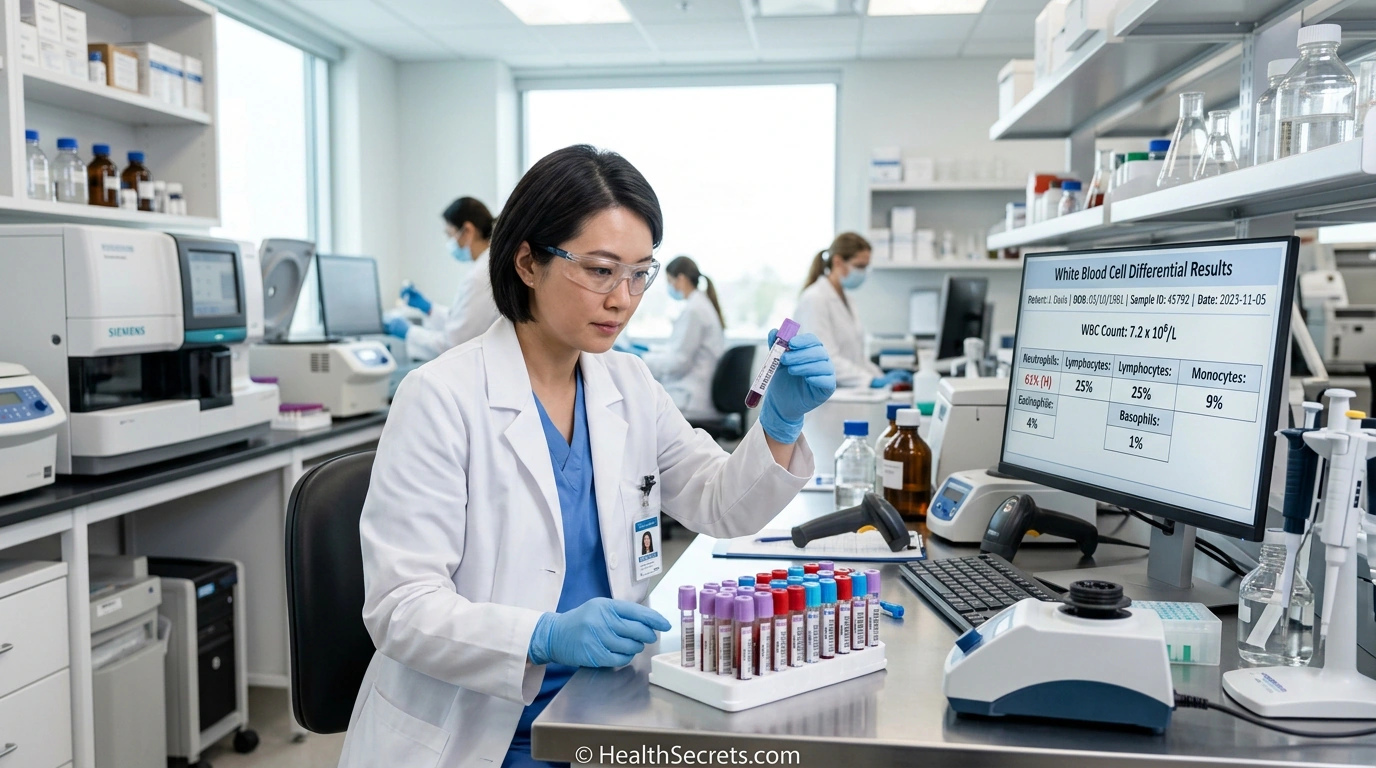
ನಿಮ್ಮ 면ನಶಕ್ತಿని (Immune System) ಪರೀಕ್ಷಿಸುವುದು ಹೇಗೆ: ಸೂಚಕಗಳು ಮತ್ತು ವಿಧಾನಗಳು
<p>ನಿಮ್ಮ 면역ಾಂಗ ವ್ಯವಸ್ಥೆಯ (Immune system) ಕಾರ್ಯಕ್ಷಮತೆಯನ್ನು ಮೇಲ್ವಿಚಾರಣೆ ಮಾಡಲು ಯಾವುದೇ ಡ್ಯಾಶ್ಬೋರ್ಡ್ ಇಲ್ಲ; ಆದರೆ ಕೆಲವು ನಿರ್ದಿಷ್ಟ ರಕ್ತ ಪರೀಕ್ಷೆಗಳ ಮೂಲಕ ಅದು ಎಷ್ಟು ಪರಿಣಾಮಕಾರಿಯಾಗಿ ಕೆಲಸ ಮಾಡುತ್ತಿದೆ ಎಂಬುದನ್ನು ತಿಳಿಯಲು ಸಾಧ್ಯವಿದೆ. ಈ ಮಾರ್ಗಸೂಚಿಯು ಪ್ರಮುಖ 면ಾಜೀವಕ ಸೂಚಕಗಳು (Immune markers), ಅವುಗಳ ಅರ್ಥ ಮತ್ತು ನೀವು ಯಾವಾಗ ಈ ಪರೀಕ್ಷೆಗಳನ್ನು ಮಾಡಿಸಿಕೊಳ್ಳಬೇಕು ಎಂಬುದರ ಕುರಿತು ವಿವರವಾದ ಮಾಹಿತಿಯನ್ನು ನೀಡುತ್ತದೆ.</p>

Immune System Aging: How to Maintain Immunity as You Age
Immune system aging, known as immunosenescence, is a progressive decline in immune function that accelerates after age 60. This evidence-based guide explains how inflammaging and thymus involution weaken your defenses, and covers proven nutrition, exercise, supplement, and lifestyle strategies to maintain stronger immunity as you age.
Supporting Your Immune System: What the Research Really Shows
The phrase "boost your immune system" is one of the most common — and most misleading — claims in wellness marketing. The immune system is not a single dial that can be turned up; it is a sophisticated, multi-layered defense network involving physical barriers, innate responses, and adaptive immunity with billions of specialized cells. A "boosted" immune system would actually be undesirable, since overactivation drives autoimmune disease and chronic inflammation. The realistic goal is to support balanced immune function.
Nutrition lays the groundwork. Several micronutrients are genuinely essential for immune cells to function: vitamin C, vitamin D, zinc, and selenium among them. Vitamin D is particularly notable — deficiency, common in low-sunlight regions, has been associated with roughly a 40% higher risk of respiratory infection in some studies, and immune cells carry vitamin D receptors. Zinc supports the development of immune cells and may shorten the duration of common colds when taken early.
Lifestyle factors often matter more than any supplement. Sleep is when the immune system performs much of its work — producing antibodies, forming immune memory, and releasing protective cytokines. People who sleep fewer than six or seven hours are substantially more likely to catch a cold after exposure. Moderate, regular exercise has been shown to reduce the frequency of upper respiratory infections, while chronic stress elevates cortisol and suppresses lymphocyte activity.
The gut also plays a central immune role, since roughly 70% of immune tissue surrounds the digestive tract and the microbiome helps train immune responses. This is why a fiber-rich, diverse diet supports immunity indirectly. Rather than chasing quick fixes, the evidence points to consistent fundamentals: adequate sleep, regular movement, stress management, and a nutrient-dense diet. The guides below detail each of these pillars and clarify which supplements have real support behind them.
ಈ ಅವಲೋಕನವು ಶೈಕ್ಷಣಿಕ ಉದ್ದೇಶಗಳಿಗಾಗಿರುತ್ತದೆ ಮತ್ತು ವೈಯಕ್ತಿಕ ವೈದ್ಯಕೀಯ ಸಲಹೆಗೆ ಪರ್ಯಾಯವಲ್ಲ. ನಿಮ್ಮ ಆಹಾರ, ಸಪ್ಲಿಮೆಂಟ್ ಅಥವಾ ಚಿಕಿತ್ಸಾ ಕ್ರಮದಲ್ಲಿ ಬದಲಾವಣೆಗಳನ್ನು ಮಾಡುವ ಮೊದಲು ಯಾವಾಗಲೂ ಅರ್ಹ ಆರೋಗ್ಯ ವೃತ್ತಿಪರರನ್ನು ಸಂಪರ್ಕಿಸಿ.
ಇಮ್ಯೂನ್ ಸಿಸ್ಟಮ್ FAQ
ಇಮ್ಯೂನ್ ಸಿಸ್ಟಮ್ Frequently Asked Questions
Clinical, evidence-based answers to key questions about ಇಮ್ಯೂನ್ ಸಿಸ್ಟಮ್.
Immunologically, the goal is immune regulation rather than over-activation. An overactive immune system drives debilitating autoimmune disorders and cytokine hyperinflammation, whereas an underactive one leaves you susceptible to pathogens. Evidence-based nutrition supports calibrated immune defense.
Essential immune-modulating nutrients include Vitamin D3 (regulates antimicrobial cathelicidin production), Zinc (inhibits intracellular viral replication), Vitamin C (supports phagocyte and neutrophil migration), and Quercetin (which functions as a natural zinc ionophore).
Even a single night of partial sleep deprivation can suppress natural killer (NK) cell cytolytic activity by up to 70% and severely diminishes the production of protective interleukin cytokines, significantly increasing infection vulnerability.
Randomized controlled clinical trials indicate that standardized black elderberry (Sambucus nigra) does not prevent initial transmission, but significantly shortens upper respiratory infection duration by 2 to 4 days by inhibiting viral hemagglutinin spikes.
Innate immunity represents your non-specific first line of defense (epithelial barriers, stomach acid, neutrophils, natural killer cells). Adaptive immunity develops targeted antigen-specific antibodies and cytotoxic T-cells that establish long-term immunological memory.