
ಗಟ್ ಹೆಲ್ತ್
ಗ್ಯಾಸ್ಟ್ರೋಎಂಟೆರಾಲಜಿ ಸಂಶೋಧನ ಮತ್ತು ಕ್ಲಿನಿಕಲ್ ಅಧ್ಯಯನಗಳಿಂದ ಬೆಂಬಲಿತವಾಗಿರುವ ಗ್ಯಾಸ್ಟ್ರೋಮೈಕ್ರೋಬಿಯೋಮ್, ಪ್ರೊಬಯೋಟಿಕ್ಸ್, ಪ್ರೀಬಯೋಟಿಕ್ಸ್ ಮತ್ತು ಗಟ್-ಬ್ರೇನ್ ಅಕ್ಸಿಸ್ನ ವಿಜ್ಞಾನವನ್ನು ಅನ್ವೇಷಿಸಿ. ಪ್ರತಿ ಗೈಡ್ ಅನ್ನು ಪಚನೀಯ ಸೌಂದರ್ಯದ ಸಂಶೋಧನದಿಂದ ಬೆಂಬಲಿತವಾಗಿರುತ್ತದೆ
ಇಲ್ಲಿ ಪ್ರಾರಂಭಿಸಿ
Start with the flagship guide for foundational research.
ಉಪವಿಷಯಗಳ ನಕ್ಷೆ
ಉಪವಿಷಯಗಳ ಮೂಲಕ ವೀಕ್ಷಿಸಿ
ಓದುಗರು ಪಿಲ್ಲರ್ನಿಂದ ತಮಗೆ ಬೇಕಾದ ನಿಖರವಾದ ಭಾಗಕ್ಕೆச் செல்லಲು ಅನುಕೂಲವಾಗುವಂತೆ ಆರ್ಕೈವ್ ಅನ್ನು ವ್ಯವಸ್ಥಿತಗೊಳಿಸಲಾಗಿದೆ.
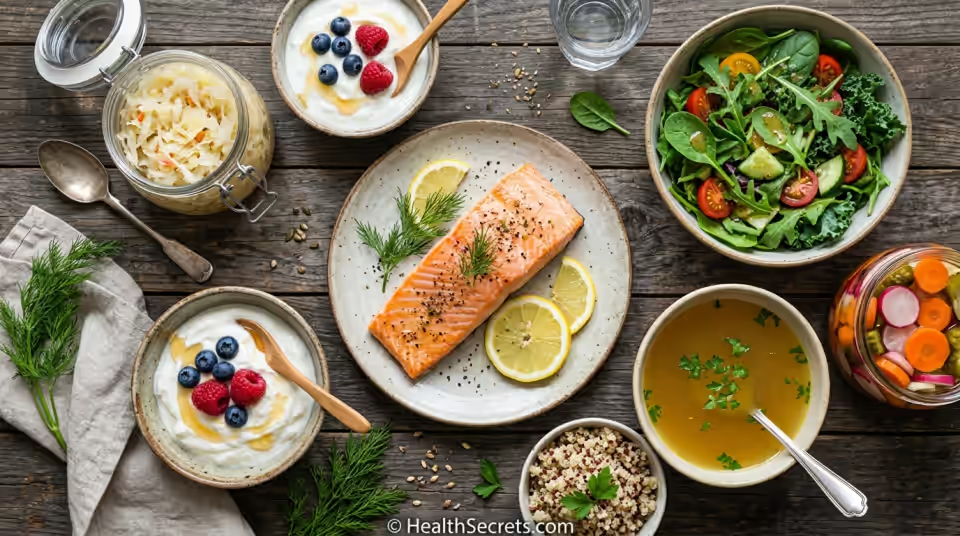
Gut Health Meal Plan: 7-Day Anti-Inflammatory Menu
This 7-day gut health meal plan features anti-inflammatory recipes, fermented foods, 30+ plant foods, a complete shopping list, and meal prep strategies to transform your microbiome and support digestive health.
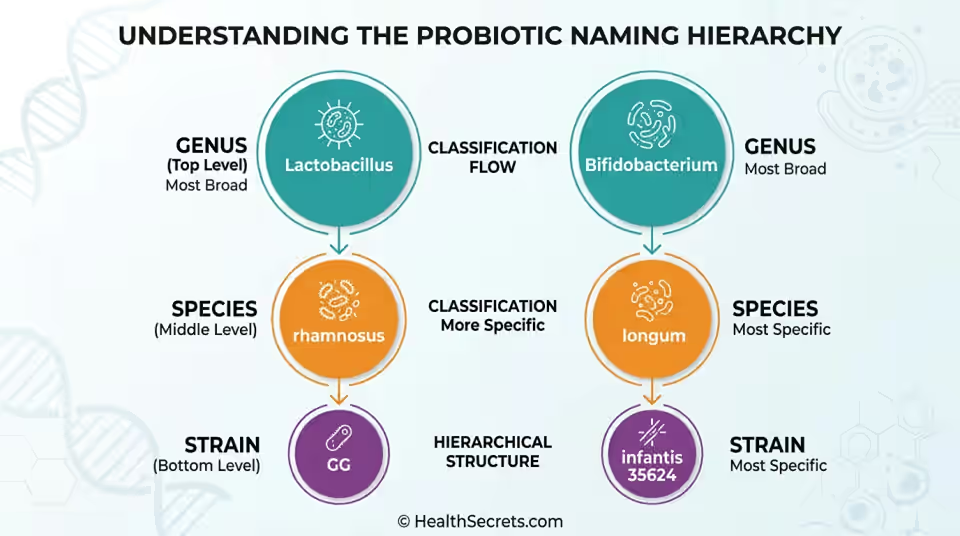
Probiotic Strains Guide: Which Strains Do What
Not all probiotics are created equal. Different probiotic strains deliver different health benefits, and understanding strain-specific effects is essential for choosing the right probiotic for your goals — whether you're targeting digestive issues, immune support, mental health, or overall gut balance.
Alimentos Antiinflamatorios para la Salud Intestinal
Descubra los 30 mejores alimentos antiinflamatorios que sanan su intestino, reducen la inflamación intestinal y favorecen un microbioma próspero, respaldados por la ciencia y fáciles de añadir a sus comidas diarias.
30 Gut-Healing Foods to Transform Your Microbiome
Your gut doesn't just digest food — it houses trillions of microorganisms that control your immunity, mood, and inflammation levels. These 30 science-backed gut-healing foods — organized into six powerful categories — can measurably shift your microbiome diversity and reduce inflammatory markers in just weeks.
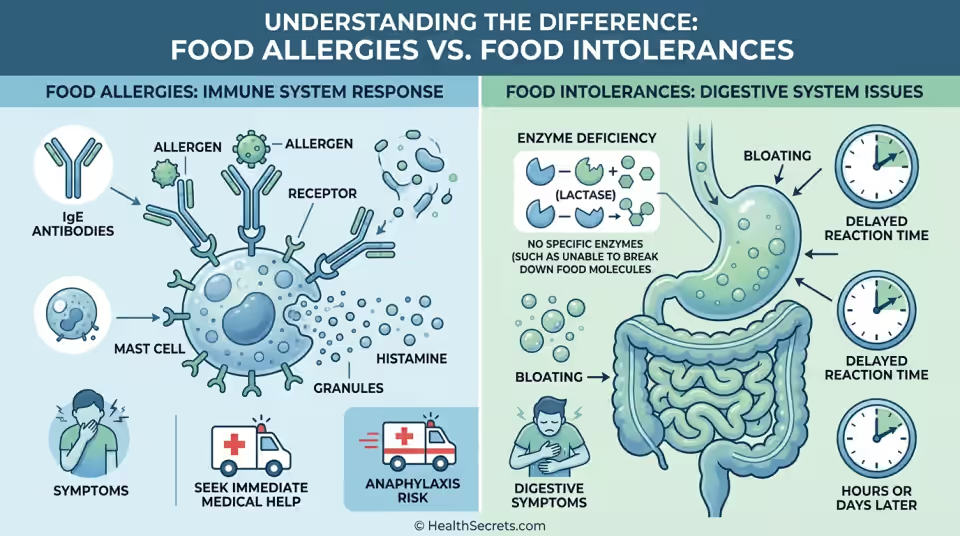
Intolerancias alimentarias frente a alergias alimentarias: Guía completa
Las intolerancias alimentarias y las alergias alimentarias se confunden con frecuencia, pero involucran mecanismos biológicos fundamentalmente diferentes: una activa el sistema inmunitario y la otra no. Esta guía completa explica cómo distinguirlas, identifica las intolerancias más comunes y le guía a través de un protocolo de dieta de eliminación probado para localizar sus alimentos desencadenantes.
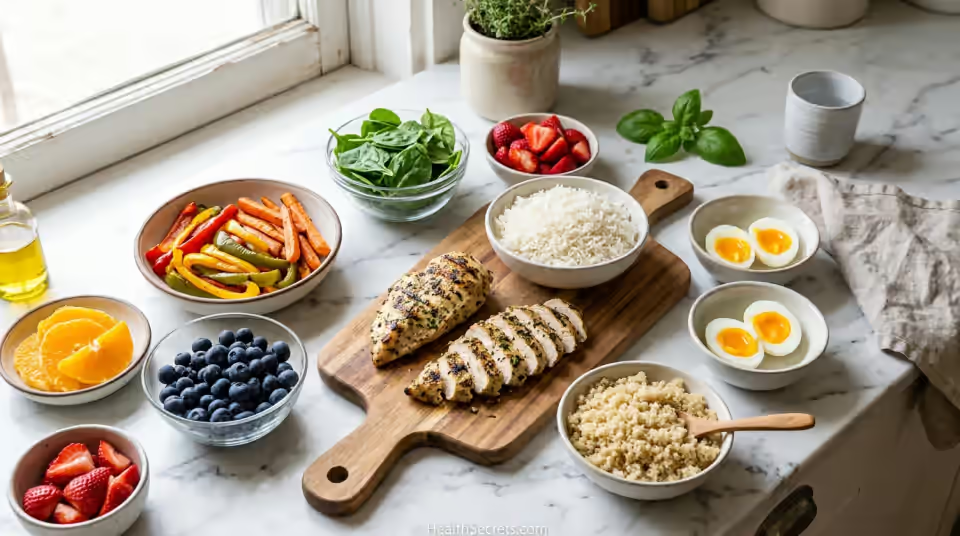
Low FODMAP Diet: Complete Beginner's Guide
The low FODMAP diet is the most evidence-based dietary approach for managing irritable bowel syndrome (IBS), with research showing up to 86% of patients experience significant symptom relief. This complete beginner's guide walks you through the three-phase protocol — elimination, reintroduction, and personalization — so you can identify your trigger foods and build a sustainable, gut-friendly eating plan.
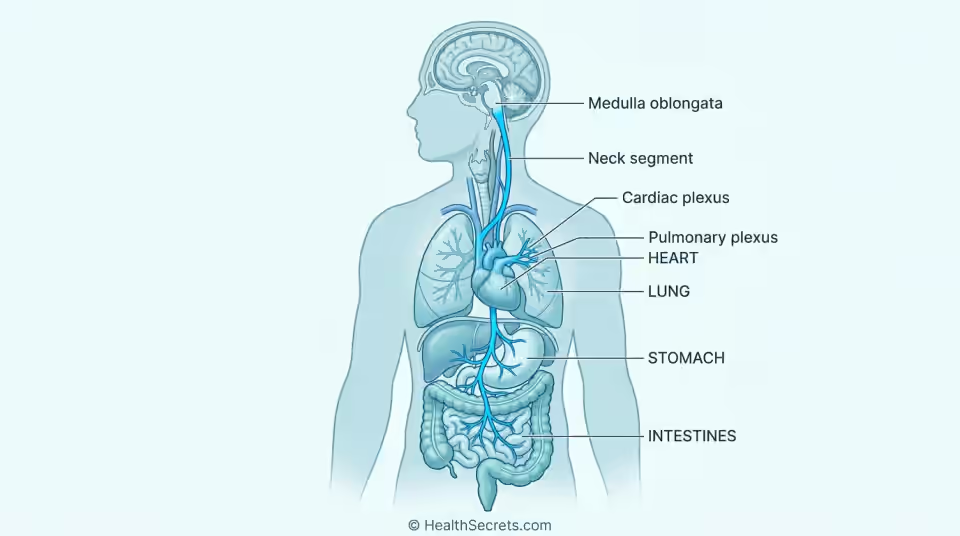
Vagus Nerve Stimulation: Natural Ways to Activate
Discover evidence-based natural vagus nerve stimulation techniques — from deep breathing and cold exposure to humming and meditation — that activate your parasympathetic nervous system, improve gut health, and build stress resilience.
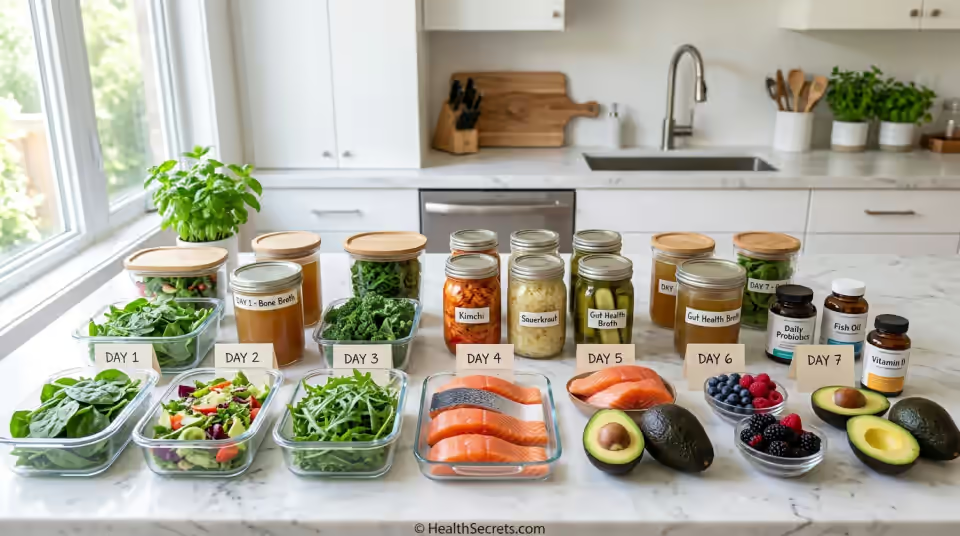
7-ದಿನಗಳ ಗಟ್ ರಿಸೆಟ್ ಪ್ರೋಟೋಕಾಲ್ (Gut Reset Protocol): ಸಂಪೂರ್ಣ ಹಂತ-ಹಂತದ ಮಾರ್ಗದರ್ಶಿ
<p>ಕೇವಲ ಒಂದು ವಾರದಲ್ಲಿ ಜೀರ್ಣಕ್ರಿಯೆಯ ಸಮತೋಲನವನ್ನು ಮರುಸ್ಥಾಪಿಸಲು, ದೇಹದಲ್ಲಿನ ಉರಿಯೂತವನ್ನು ಕಡಿಮೆ ಮಾಡಲು ಮತ್ತು ವೈವಿಧ್ಯಮಯ ಮೈಕ್ರೋಬಯೋಮ್ ಅನ್ನು ಪುನರ್ನಿರ್ಮಿಸಲು, 7-ದಿನಗಳ 'ಗಟ್ ರಿಸೆಟ್ ಪ್ರೋಟೋಕಾಲ್' (Gut Reset Protocol) ಕಾರ್ಯವಿಧಾನವು ಕಾರ್ಯತಂತ್ರದ ಆಹಾರ ನಿಯಂತ್ರಣ, ಜೀರ್ಣಕ್ರಿಯೆಯನ್ನು ಗುಣಪಡಿಸುವ ಪೋಷಕಾಂಶಗಳು ಮತ್ತು ಪ್ರೋಬಯbioticsಗಳ ಮರುಪರಿಚಯವನ್ನು ಒಳಗೊಂಡಿದೆ.</p>
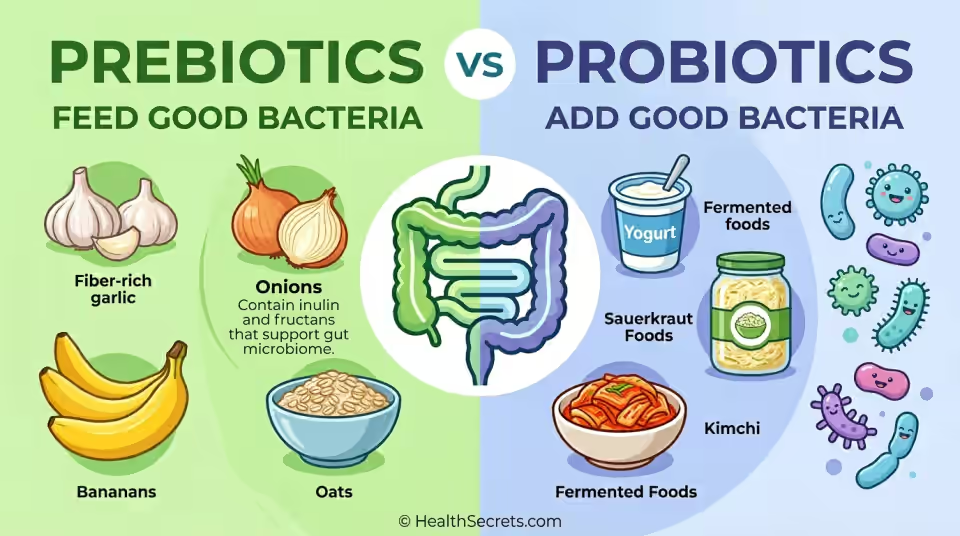
Prebiotics vs Probiotics: What’s the Difference?
Understand the key differences between prebiotics and probiotics — what they are, how they work together, the best food sources for each, and whether you should take one, the other, or both for optimal gut health.
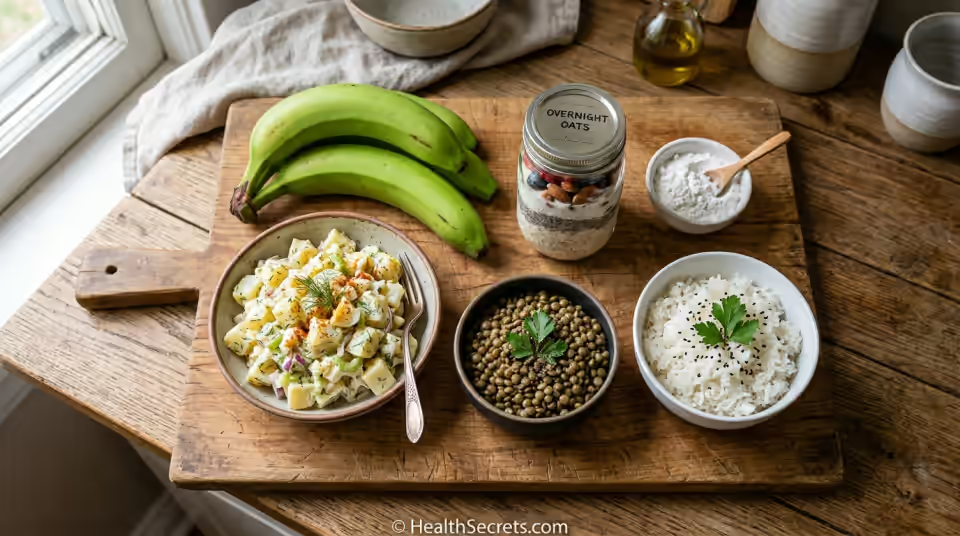
Resistant Starch: Benefits and Best Food Sources
Resistant starch is a unique type of carbohydrate that passes through your small intestine undigested, feeding beneficial gut bacteria and producing butyrate — a short-chain fatty acid critical for colon health, blood sugar regulation, and weight management. This guide explains the four types of resistant starch (RS1–RS4), their proven health benefits, and the best food sources to increase your daily intake.
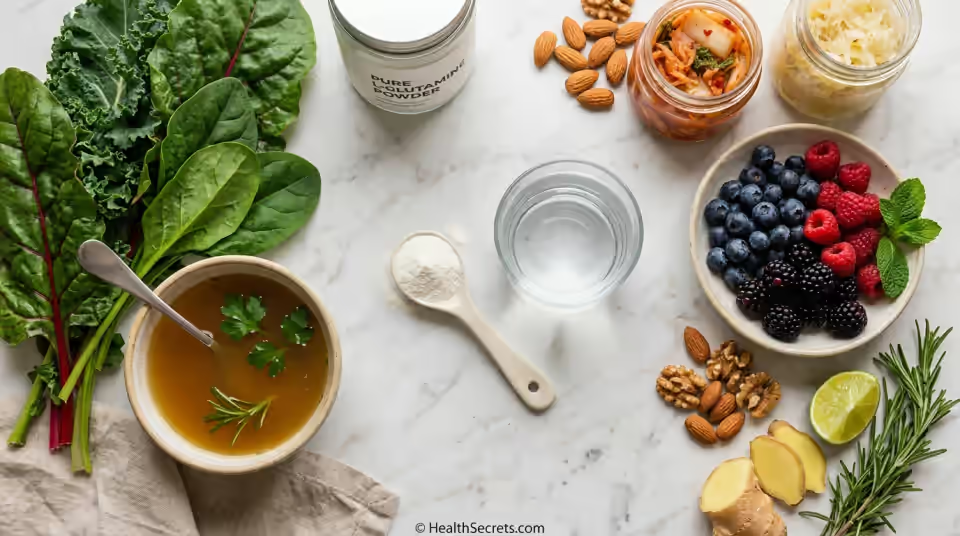
L-Glutamine para la salud intestinal: Guía completa
La L-glutamina es el aminoácido más abundante en el cuerpo humano y la principal fuente de combustible para las células que recubren el tracto intestinal. Esta guía exhaustiva sobre suplementos cubre cómo la L-glutamina apoya la función de la barrera intestinal, la investigación detrás de su uso para el intestino permeable (leaky gut) y el SII, los protocolos de dosificación basados en evidencia y los mejores suplementos de L-glutamina disponibles.
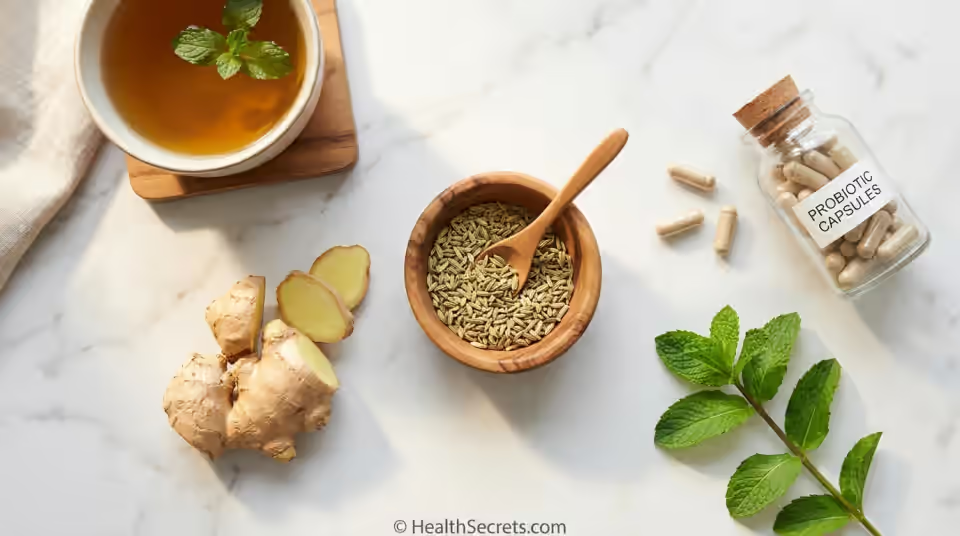
Bloating Relief: 15 Natural Ways to Reduce Gas and Bloating
Bloating affects up to 30% of adults regularly, causing uncomfortable abdominal pressure, visible swelling, and excessive gas. These 15 natural remedies — backed by clinical research from PubMed and major medical institutions — offer both fast-acting relief and long-term solutions to help you reduce bloating without medication.
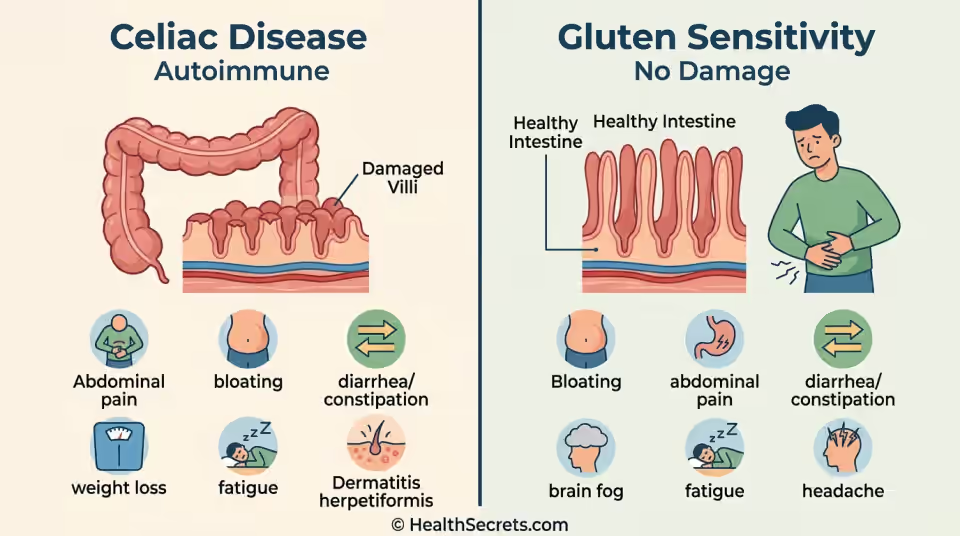
ಸೀಲಿಯಕ್ ರೋಗ (Celiac Disease) ಮತ್ತು ಗ್ಲುಟನ್ ಸೂಕ್ಷ್ಮತೆ (Gluten Sensitivity): ಸಂಪೂರ್ಣ ಮಾಹಿತಿ
<p>ಸೀಲಿಯಕ್ ರೋಗ (Celiac disease) ಮತ್ತು ಗ್ಲುಟನ್ ಸೂಕ್ಷ್ಮ ಅತಿಸ darauf (Gluten sensitivity) ಎರಡರಲ್ಲೂ ಒಂದೇ ರೀತಿಯ ಲಕ್ಷಣಗಳು ಕಂಡುಬರಬಹುದು, ಆದರೆ ಇವುಗಳನ್ನು ನಿರ್ವಹಿಸುವ ವಿಧಾನಗಳು ಸಂಪೂರ್ಣವಾಗಿ ಭಿನ್ನವಾಗಿವೆ. ಈ ಸಮಗ್ರ ಮಾರ್ಗಸೂಚಿಯು ಸೀಲಿಯಕ್ ರೋಗ, ಗ್ಲುಟನ್-ರಹಿತ ಸೂಕ್ಷ್ಮ ಅತಿಸ darauf (NCGS) ಮತ್ತು ಗೋಧಿ ಅಲರ್ಜಿ ನಡುವಿನ ಪ್ರಮುಖ ವ್ಯತ್ಯಾಸಗಳನ್ನು ವಿವರಿಸುತ್ತದೆ — ಅಂದರೆ ಇವುಗಳನ್ನು ಹೇಗೆ 진단 ಮಾಡಲಾಗುತ್ತದೆ, ಚಿಕಿತ್ಸೆ ನೀಡಲಾಗುತ್ತದೆ ಮತ್ತು ದೀರ್ಘಕಾಲೀನ ಆರೋಗ್ಯಕ್ಕಾಗಿ ಹೇಗೆ ನಿರ್ವಹಣೆ ಮಾಡಲಾಗುತ್ತದೆ ಎಂಬುದರ ಸಂಪೂರ್ಣ ಮಾಹಿತಿ ಇಲ್ಲಿದೆ.</p>
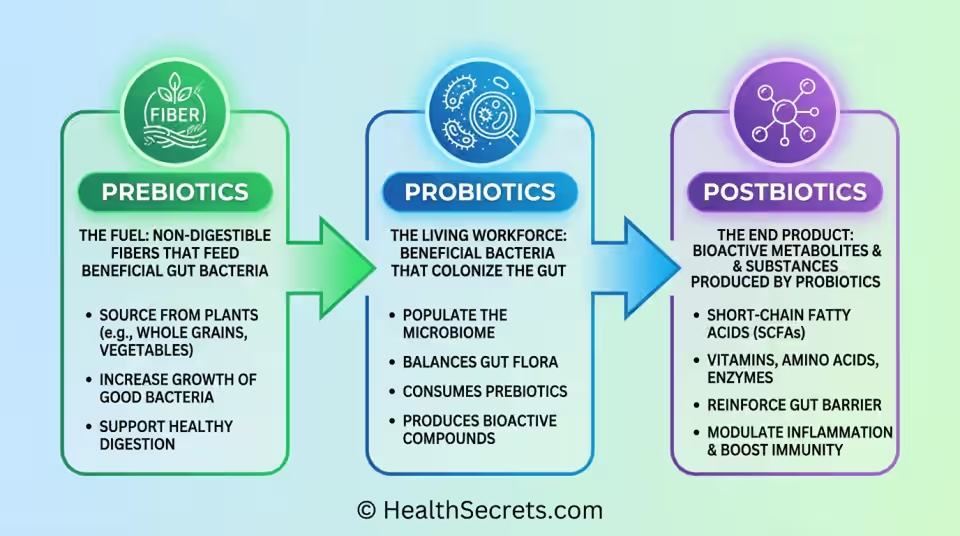
Postbiotics: The Next Frontier in Gut Health
Postbiotics are bioactive compounds produced by beneficial gut bacteria that deliver health benefits without requiring live organisms. This complete guide explains what postbiotics are, how they differ from probiotics and prebiotics, the science behind short-chain fatty acids like butyrate, and how to optimize your postbiotic production through diet, lifestyle, and targeted supplementation.
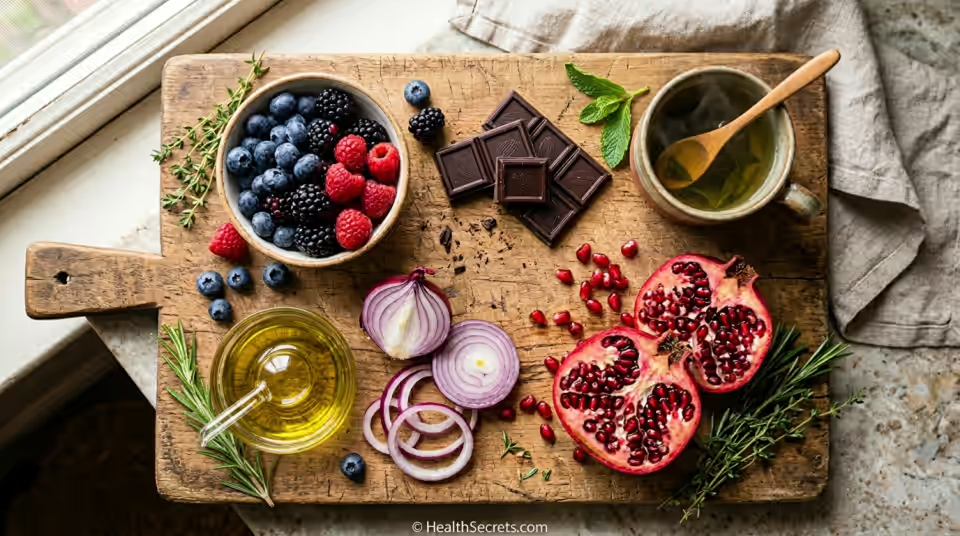
Polyphenols for Gut Health: Complete Guide
Polyphenols are powerful plant compounds that act as prebiotics in your gut, feeding beneficial bacteria like *Bifidobacterium* and *Lactobacillus* while inhibiting harmful pathogens. This evidence-based guide explains the four main polyphenol classes, how your gut bacteria transform them into bioactive metabolites, and practical strategies to boost your daily intake for better digestive health.
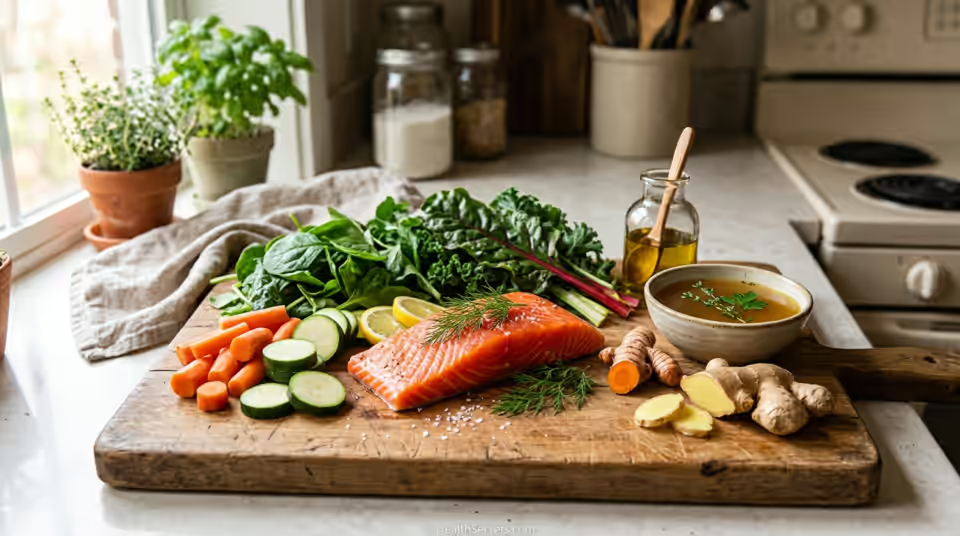
Inflammatory Bowel Disease Natural Support
Inflammatory bowel disease (IBD) affects over 3 million Americans and demands lifelong medical management. This evidence-based condition guide explores how dietary strategies, targeted supplements like curcumin and omega-3s, plus stress reduction can complement conventional treatment — helping you reduce flares, support remission, and improve quality of life.
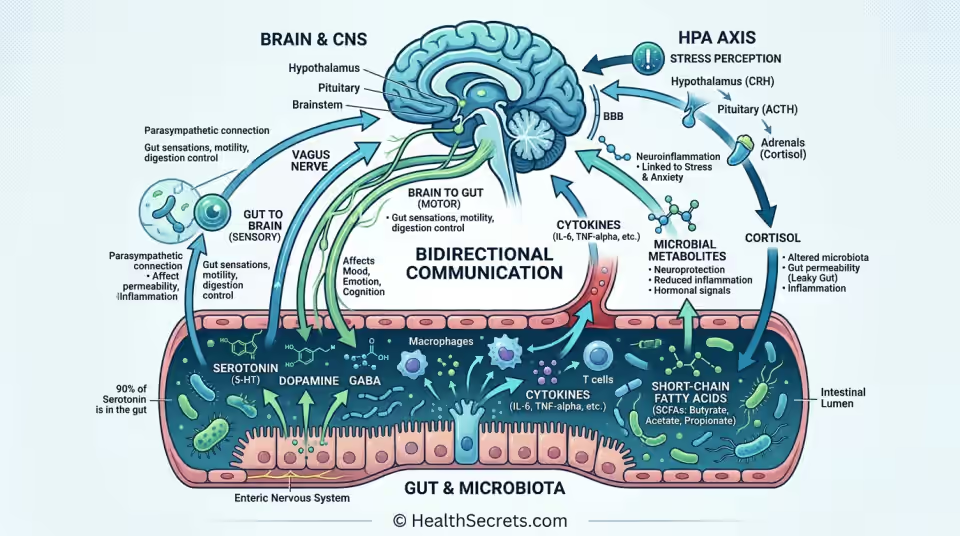
La Guía Completa de la Salud Intestinal: Transforma tu Microbioma en 30 Días
Tu microbioma intestinal, hogar de 100 billones de microorganismos, influye en todo, desde la digestión y la inmunidad hasta el estado de ánimo y el metabolismo. Esta guía completa cubre la ciencia detrás de la salud intestinal, estrategias dietéticas prácticas, un protocolo de transformación de 30 días y los mejores productos y suplementos para restaurar tu microbioma.
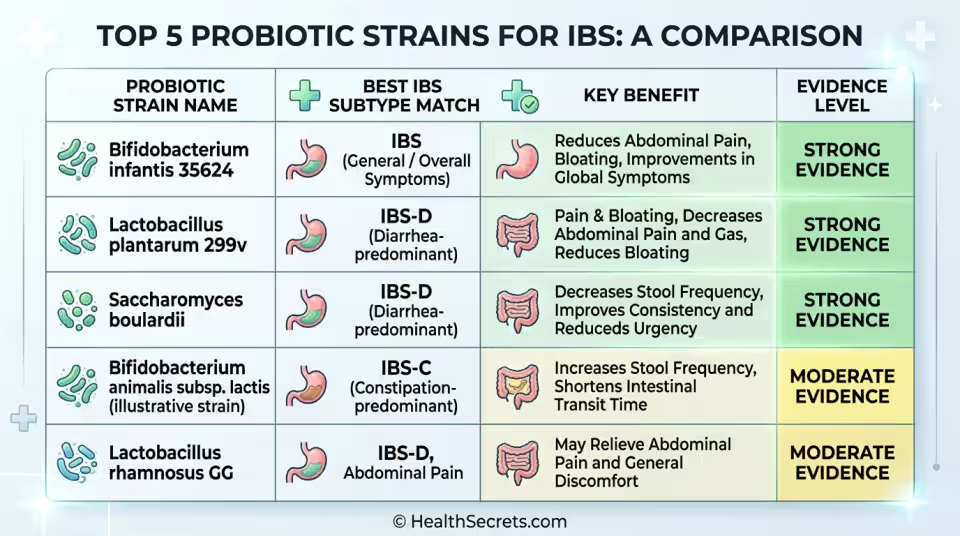
Stomach Ulcers Natural Treatment and Prevention
Stomach ulcers affect roughly 10% of people at some point in life, but natural approaches like DGL licorice, zinc carnosine, and mastic gum can support healing alongside medical treatment. This evidence-based guide covers causes, symptoms, proven natural remedies, and when to see a doctor.
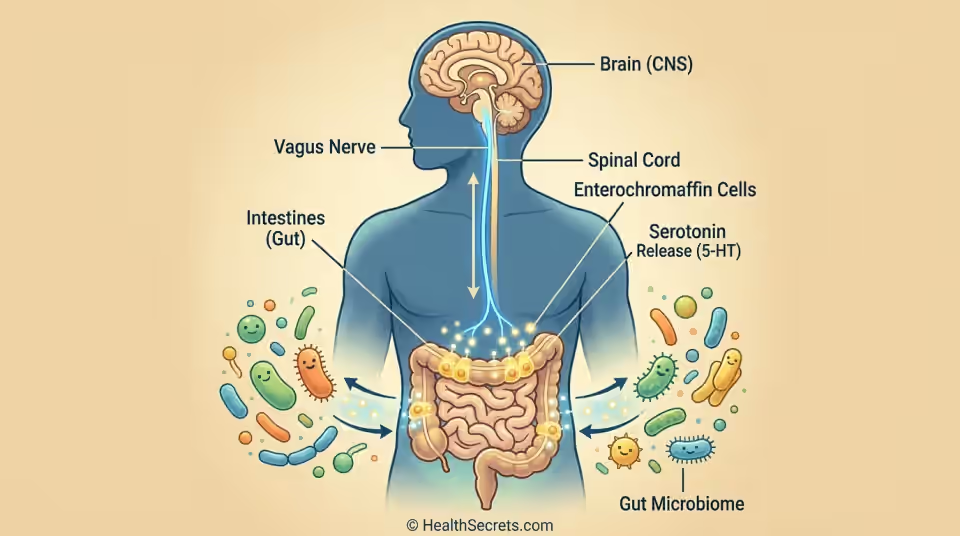
Serotonin and Gut Health: The 90% Connection
Discover why 90–95% of your body's serotonin is produced in the gut, how gut bacteria influence mood through the gut-brain axis, and practical strategies to optimize serotonin levels through diet, lifestyle, and targeted supplements.

Probiotic Foods vs Supplements: Which is Better?
Probiotic foods like yogurt and kefir deliver diverse bacterial strains with additional nutrients, while supplements offer targeted, high-dose strains for specific conditions. This guide compares effectiveness, safety, cost, and convenience to help you decide — or combine both for optimal gut health.
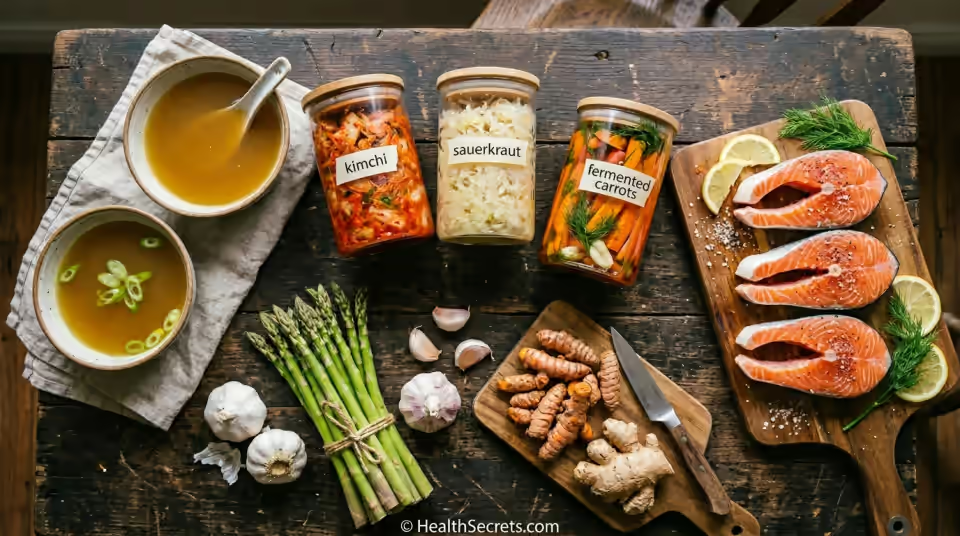
ಜೀರ್ಣಕ್ರಿಯೆಗೆ ಪೂರಕವಾದ ಆಹಾರ ಪದ್ಧತಿ: ಸೂಕ್ಷ್ಮಜೀವಿಗಳ ಆರೋಗ್ಯಕ್ಕೆ ಪೂರಕವಾದ 20 ಪೌಷ್ಟಿಕ ಆಹಾರಗಳು
ನಿಮ್ಮ ಜೀರ್ಣಕ್ರಿಯೆಯ ಆರೋಗ್ಯವನ್ನು ಸುಧಾರಿಸಲು, ಕರುಳಿನ ಪದರವನ್ನು ಸರಿಪಡಿಸಲು, ಪ್ರಯೋಜನಕಾರಿ ಬ್ಯಾಕ್ಟೀರಿಯಾಗಳ ಉತ್ಪತ್ತಿಯನ್ನು ಹೆಚ್ಚಿಸಲು ಮತ್ತು ದೀರ್ಘಕಾಲದ ಉರಿಯೂச்சವನ್ನು ಕಡಿಮೆ ಮಾಡಲು ವಿನ್ಯಾಸಗೊಳಿಸಲಾದ 20 ವೈಜ್ಞಾನಿಕವಾಗಿ ಪರೀಕ್ಷಿತ ಆಹಾರ ಪದ್ಧತಿಗಳನ್ನು ಇಲ್ಲಿ ಕಂಡುಕೊಳ್ಳಿ. ಇದರಲ್ಲಿ ಬೋನ್ ಬ್ರೋತ್ (bone broth), গাঁಜಿಯ ලද ತರಕಾರಿಗಳು (fermented vegetables), ಪ್ರೈಬಯೋಟಿಕ್ ಆಹಾರಗಳು ಮತ್ತು ಉರಿಯೂச்ச ವಿರೋಧಿ ರಾತ್ರಿभೋಜನದ ವಿಶೇಷ ರೆಸಿಪಿಗಳು ಸೇರಿವೆ.
Understanding Gut Health: The Foundation of Whole-Body Wellness
Your gut is home to roughly 38 trillion microorganisms collectively known as the gut microbiome — a living ecosystem that weighs about as much as your brain and influences nearly every system in your body. Far from being a simple digestive tube, the gastrointestinal tract houses around 70% of your immune cells and produces more than 90% of your body's serotonin, the neurotransmitter most associated with mood regulation. This is why researchers increasingly describe the gut as the body's "second brain."
The connection runs through the gut-brain axis, a bidirectional communication network linking the enteric nervous system in your digestive tract to your central nervous system via the vagus nerve, immune signaling, and microbial metabolites. When the balance of beneficial and harmful bacteria shifts — a state called dysbiosis — it has been associated in clinical research with conditions ranging from irritable bowel syndrome and inflammatory bowel disease to anxiety, depression, and metabolic disorders.
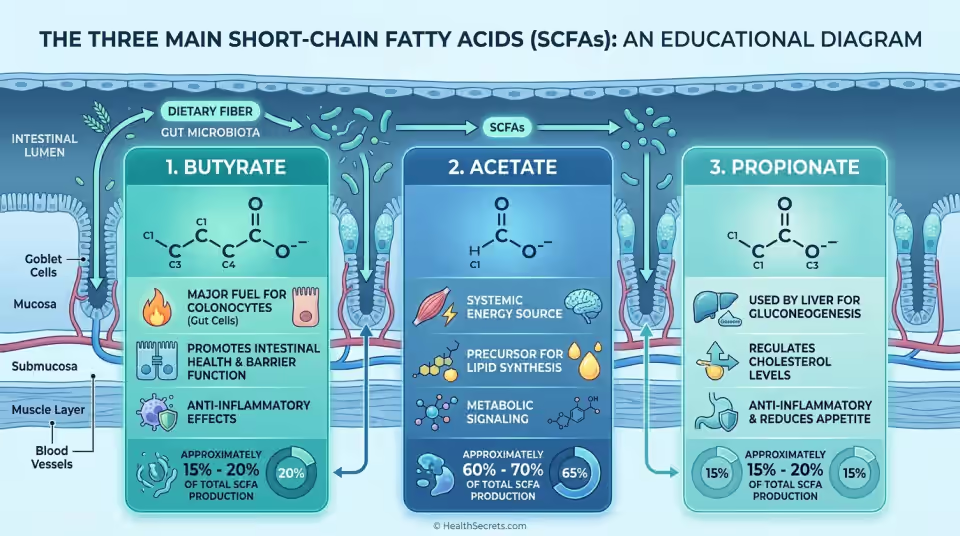
The most reliable way to support a healthy microbiome is also the simplest: eat a diverse range of plant foods. Fiber-rich foods act as prebiotics, feeding beneficial bacteria that ferment them into short-chain fatty acids like butyrate, which nourish the cells lining your colon and help maintain the gut barrier. Fermented foods such as yogurt, kefir, sauerkraut, and kimchi introduce live probiotic cultures, while polyphenol-rich foods like berries, green tea, and dark chocolate further encourage microbial diversity.
Lifestyle factors matter just as much as diet. Chronic stress, inadequate sleep, overuse of antibiotics, and a sedentary routine all reduce microbial diversity. Conversely, regular physical activity, quality sleep, and stress-management practices have measurable benefits for gut composition. Our guides below translate the latest gastroenterology and microbiome research into practical, evidence-based steps you can apply today.
ಈ ಅವಲೋಕನವು ಶೈಕ್ಷಣಿಕ ಉದ್ದೇಶಗಳಿಗಾಗಿರುತ್ತದೆ ಮತ್ತು ವೈಯಕ್ತಿಕ ವೈದ್ಯಕೀಯ ಸಲಹೆಗೆ ಪರ್ಯಾಯವಲ್ಲ. ನಿಮ್ಮ ಆಹಾರ, ಸಪ್ಲಿಮೆಂಟ್ ಅಥವಾ ಚಿಕಿತ್ಸಾ ಕ್ರಮದಲ್ಲಿ ಬದಲಾವಣೆಗಳನ್ನು ಮಾಡುವ ಮೊದಲು ಯಾವಾಗಲೂ ಅರ್ಹ ಆರೋಗ್ಯ ವೃತ್ತಿಪರರನ್ನು ಸಂಪರ್ಕಿಸಿ.
ಗಟ್ ಹೆಲ್ತ್ FAQ
ಗಟ್ ಹೆಲ್ತ್ Frequently Asked Questions
Clinical, evidence-based answers to key questions about ಗಟ್ ಹೆಲ್ತ್.
Gut health refers to the balance, diversity, and integrity of the gastrointestinal tract and its microbiome—a complex ecosystem of over 100 trillion microorganisms. It is central to overall vitality because the gut microbiome regulates nutrient absorption, produces critical neurotransmitters like serotonin, trains over 70% of the immune system, and protects against systemic chronic inflammation.
Evidence-based strategies include eating 30 or more diverse plant foods weekly to nourish beneficial bacteria, regularly consuming fermented foods (kefir, sauerkraut, kimchi) for live probiotics, getting 7 to 9 hours of restorative sleep, managing chronic psychological stress, and staying adequately hydrated with purified water.
Clinically validated supplements include targeted multi-strain probiotics (specifically Lactobacillus and Bifidobacterium species), prebiotic fibers (such as inulin and partially hydrolyzed guar gum), L-glutamine (which fuels enterocytes and supports gut barrier tight junctions), and digestive enzymes when pancreatic insufficiency is present.
The gut-brain axis is a bidirectional biochemical communication superhighway connecting the central nervous system and the enteric nervous system. Signaling occurs via the vagus nerve, microbial metabolites (short-chain fatty acids like butyrate and acetate), endocrine hormones, and immune cytokines.
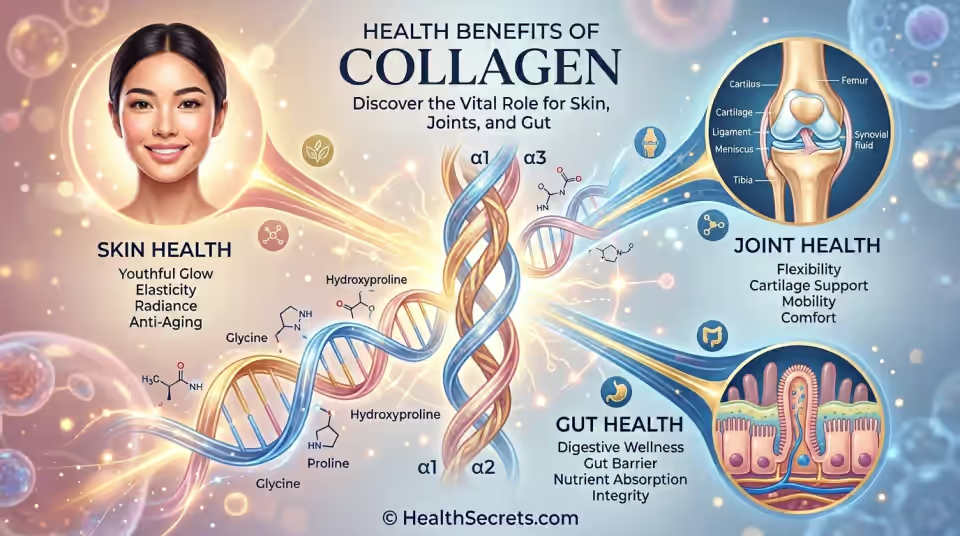
Intestinal permeability occurs when tight junction proteins (zonulin, occludin) loosen, allowing toxins, microbial fragments, and undigested food particles into the bloodstream. It can be repaired by removing inflammatory dietary triggers, managing cortisol, consuming bone broth or collagen peptides, and supplementing with zinc carnosine and L-glutamine.