For centuries, cultures around the world have turned to simmering pots of bone broth as a remedy for illness and recovery. From the Jewish tradition of "penicillin" chicken soup to Chinese medicine's use of slow-simmered bone stocks to tonify Qi and Blood, bone broth has been a cornerstone of traditional healing across civilizations. Modern science is now validating what grandmothers have known for generations — bone broth contains a powerful combination of collagen-derived amino acids, minerals, and bioactive compounds that directly support your immune system.
The connection between bone broth and immunity centers on one critical fact: approximately 70% of your immune system resides in your gut. The amino acids released during long simmering — particularly glutamine, glycine, and proline — work synergistically to heal the gut lining, reduce systemic inflammation, and provide fuel for immune cells. Whether you make it at home from grass-fed bones or choose a quality store-bought option, incorporating bone broth into your daily routine may be one of the simplest and most effective strategies for strengthening your body's natural defenses.
What Nutrients Does Bone Broth Contain That Support Immunity?
Bone broth is a complex nutritional matrix of collagen-derived amino acids, minerals, and bioactive compounds extracted through prolonged simmering. One cup of beef bone broth provides approximately 9 grams of protein with virtually zero carbohydrates, but its true value lies in the specific amino acids and compounds released during the cooking process — particularly glutamine, glycine, proline, and arginine — that directly support immune function and gut barrier integrity.
Collagen and Gelatin
Collagen is the most abundant structural protein in bones, skin, and connective tissue. During long simmering (12–48 hours), heat breaks down collagen into gelatin — a partially hydrolyzed form that is easier to digest. Gelatin further breaks down into individual amino acids during digestion, delivering the building blocks your immune system needs. A broth that becomes gelatinous when refrigerated indicates high collagen extraction — a sign of quality [Fallon Morell & Daniel, Nourishing Broth].
Key Amino Acids
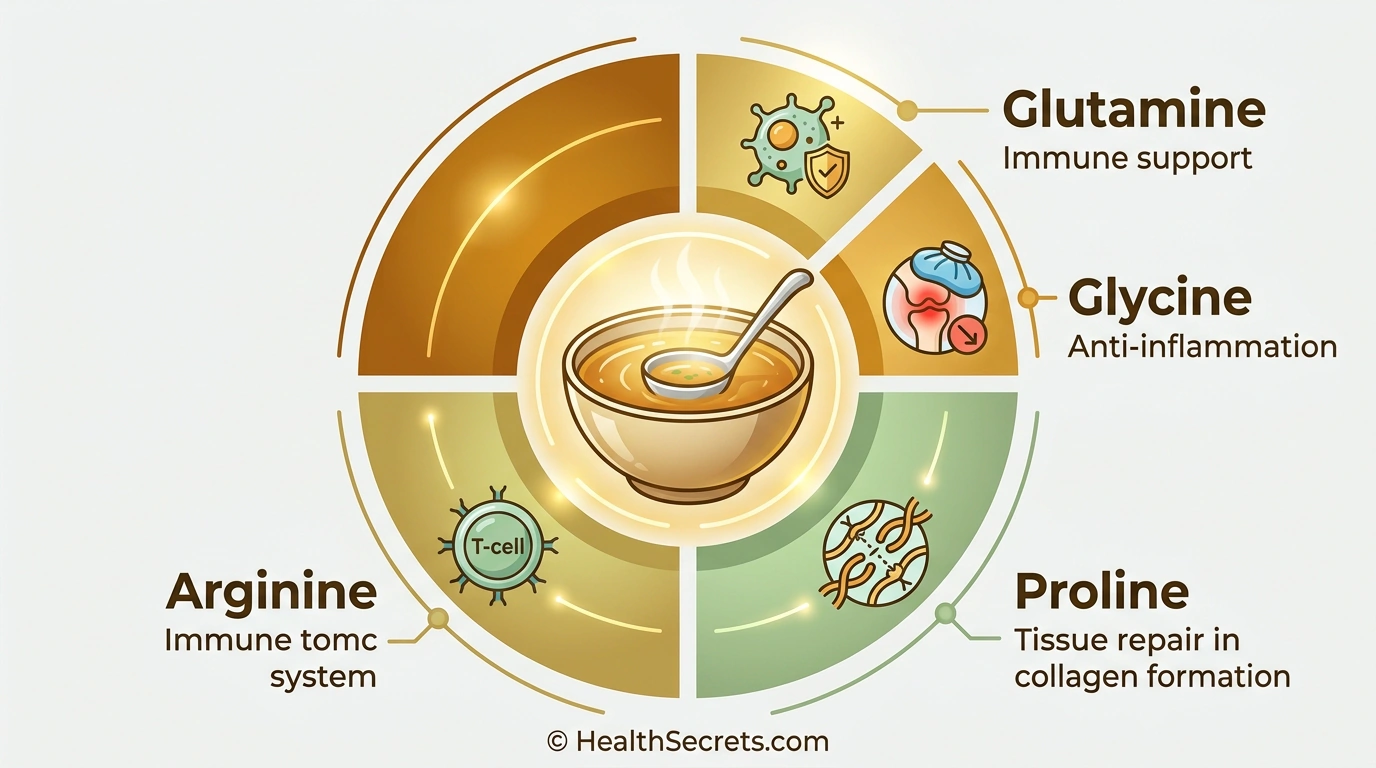
- Glycine (most abundant in collagen) acts as an anti-inflammatory agent, reducing pro-inflammatory cytokines including IL-6 and TNF-α. It supports gut lining integrity and modulates immune responses. Glycine also promotes sleep quality, which is critical for immune function.
- Glutamine is the primary fuel for immune cells — lymphocytes, macrophages, and neutrophils consume glutamine at rates similar to or greater than glucose [2][2]. It maintains tight junctions in the gut barrier, preventing leaky gut and immune dysfunction.
- Proline drives collagen synthesis for tissue repair and supports immune cell proliferation. It works alongside glycine to rebuild damaged gut lining.
- Arginine supports T cell proliferation and enhances immune cell activity through nitric oxide production.
Minerals
Bone broth contains calcium, magnesium, phosphorus, potassium, and trace amounts of zinc, iron, and selenium extracted from bones. However, research shows mineral content is lower than commonly claimed — a 2017 analysis found calcium levels of only 7–13 mg per serving compared to ~300 mg in milk [5]Food & Nutrition Research [5]. The true immune value of bone broth comes from its amino acid and gelatin content rather than minerals.
Glucosamine and Chondroitin
Extracted from cartilage in joints and bones, these compounds have demonstrated anti-inflammatory effects and may support gut lining health in addition to their well-known joint benefits.
| Component | Primary Immune Role | Evidence Level |
|---|---|---|
| Glutamine | Immune cell fuel, gut barrier repair | Strong (multiple human/animal studies) |
| Glycine | Anti-inflammatory, immune modulation | Strong (human and animal studies) |
| Proline | Collagen synthesis, tissue repair | Moderate (mechanistic studies) |
| Arginine | T cell function, wound healing | Moderate (human studies) |
| Gelatin | Gut lining protection, soothing | Moderate (traditional + emerging) |

The Low-FODMAP Cheat Sheet
A green / amber / red FODMAP food map with portion sizes, a symptom baseline and a fillable reintroduction log that adds up your scores, so you can see which foods suit you.
Does Bone Broth Strengthen the Gut-Immune Connection?
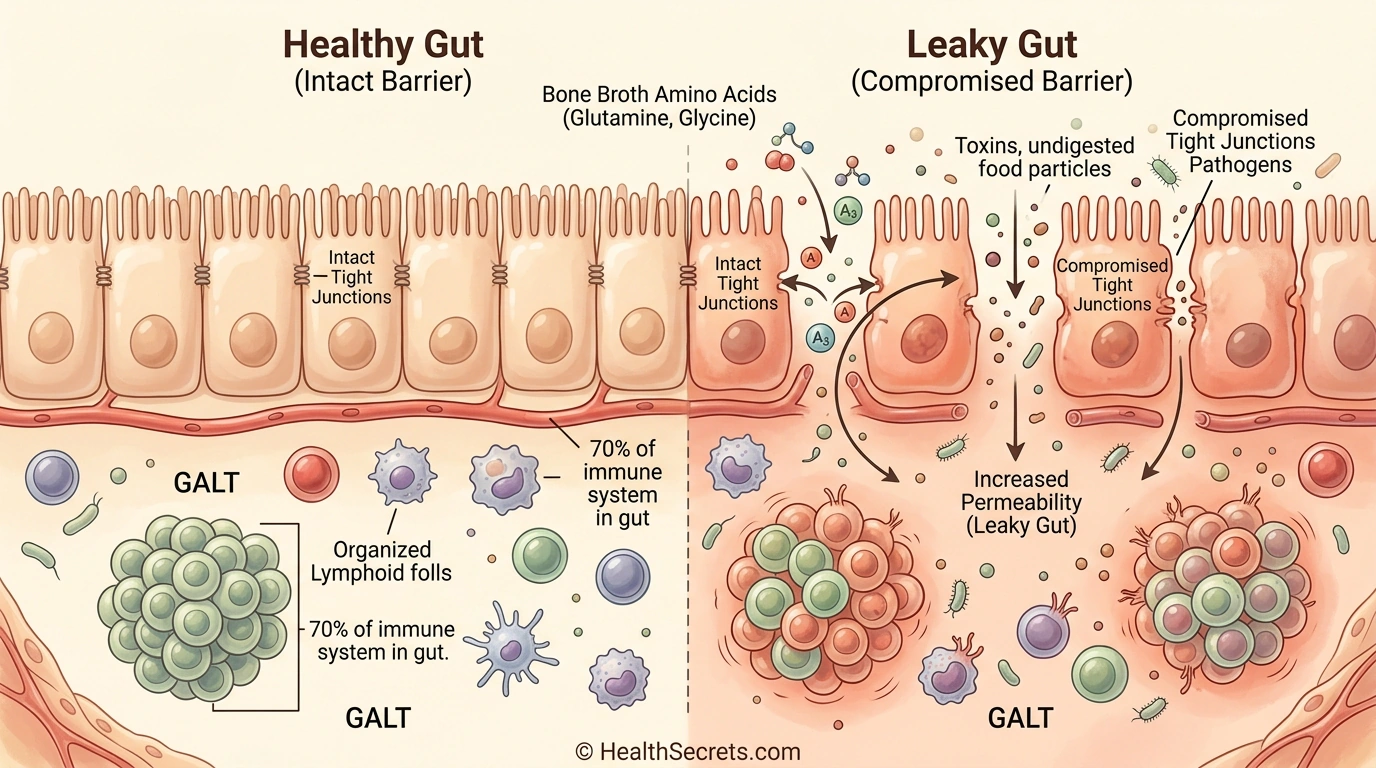
Yes — bone broth directly supports the gut barrier where approximately 70% of your immune system resides. The gut-associated lymphoid tissue (GALT) serves as your body's largest immune organ, and the amino acids in bone broth — particularly glutamine and glycine — repair and maintain the tight junctions that prevent pathogens from entering the bloodstream.
The gut barrier is a single layer of cells held together by tight junctions that selectively allow nutrients through while blocking pathogens, toxins, and undigested food particles. When these junctions loosen — a condition known as intestinal permeability or "leaky gut" — harmful substances enter the bloodstream, triggering systemic inflammation and chronic immune activation [9]Frontiers in Immunology [9].
A 2026 comprehensive review published with Mayo Clinic researchers confirmed that bone broth's amino acids and minerals have "demonstrable effects on the intestinal barrier" and may support remission in inflammatory bowel conditions [1][1]. Glutamine serves as the primary fuel for enterocytes (gut lining cells) and directly maintains tight junction integrity. Glycine reduces gut inflammation, while gelatin coats and protects the inflamed gut lining — a mechanism behind the traditional use of bone broth for digestive issues.
The result is clear: a healthy gut barrier blocks pathogens, reduces systemic inflammation, and allows the immune system to function optimally rather than remaining in a state of chronic activation.
Can Bone Broth Reduce Inflammation and Modulate Immune Response?
Bone broth has demonstrated significant anti-inflammatory properties in research, primarily through the action of glycine and other amino acids that reduce pro-inflammatory cytokines while boosting anti-inflammatory compounds. This immune modulation helps prevent the chronic inflammation that weakens overall immune defense.
A landmark 2021 study in a murine model of ulcerative colitis found that bone broth administration reduced the expression of pro-inflammatory cytokines IL-1β by 61%, IL-6 by 95%, and TNF-α by 69%, while dramatically increasing anti-inflammatory cytokines IL-4 by 541% and IL-10 by 532% [3]Molecules [3]. The researchers concluded that bone broth's therapeutic effect stems from its "immunomodulatory capacity."
Glycine specifically inhibits the NF-κB inflammatory pathway, reducing the production of inflammatory molecules that contribute to immune dysfunction. Chronic, low-grade inflammation — often called "inflammaging" — is increasingly recognized as a driver of weakened immunity and susceptibility to infections. By reducing this background inflammation, bone broth helps your immune system respond more effectively to actual threats rather than wasting resources on unnecessary inflammatory responses.
The combination of anti-inflammatory amino acids with gut barrier support creates a synergistic effect — healed gut lining prevents inflammatory triggers from entering the bloodstream, while glycine and other compounds directly calm existing inflammation.
Does Bone Broth Provide Direct Fuel for Immune Cells?
Bone broth supplies glutamine and other amino acids that serve as direct fuel sources for key immune cells including lymphocytes, macrophages, and neutrophils. During illness or physiological stress, immune cell demand for glutamine increases dramatically, making bone broth a particularly valuable food during times of immune challenge.
Research published in Nutrients confirmed that immune cells consume glutamine at rates similar to or greater than glucose — making it a conditionally essential amino acid during illness [2]. Glutamine supports lymphocyte proliferation, cytokine production, macrophage phagocytic activity, and neutrophil bacterial killing capacity. When glutamine availability drops during catabolic states — such as during infections, surgery, or intense physical stress — immune function becomes compromised.
Arginine, another amino acid present in bone broth, supports T cell function and proliferation. T cells are critical components of the adaptive immune system, responsible for identifying and destroying infected cells and coordinating broader immune responses.
The traditional practice of consuming chicken soup during colds — "Jewish penicillin" — has scientific backing. A 2000 study by Rennard et al. found that chicken soup inhibited neutrophil migration in vitro, suggesting an anti-inflammatory mechanism that could help reduce upper respiratory symptoms [4]CHEST [4]. A 2022 study further demonstrated immunomodulatory effects of chicken soup preparations, noting increased anti-inflammatory activity from longer-simmered broths [7]Poultry Science [7].
Is Bone Broth Beneficial During Illness and Recovery?
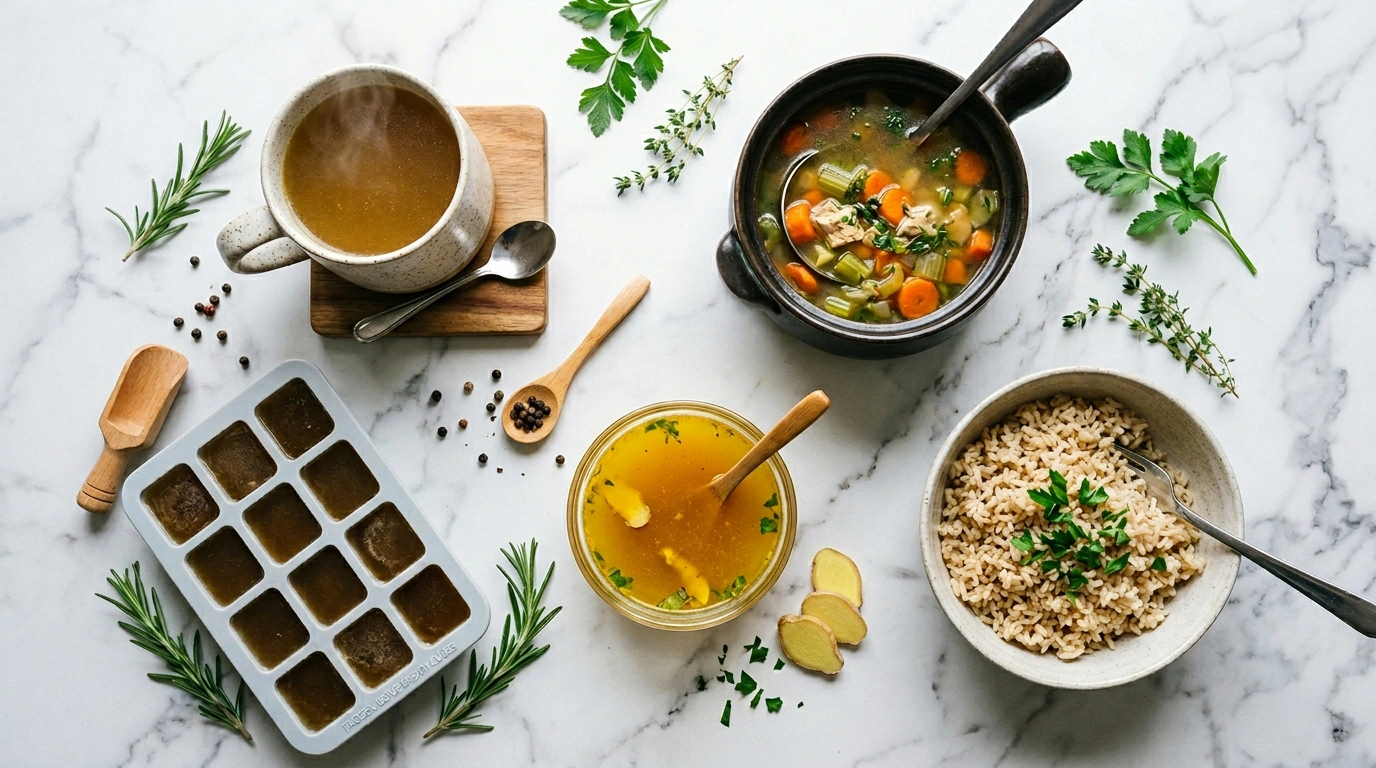
Bone broth is one of the most effective foods during illness and recovery because it simultaneously provides immune-supporting amino acids, essential hydration, easily digestible nutrition, and soothing warmth — all when your body needs them most and appetite is often poor.

During acute illness like colds and flu, the body's demand for glutamine and other amino acids increases substantially as immune cells ramp up activity. Bone broth delivers these nutrients in a highly bioavailable liquid form that requires minimal digestive effort. The warm liquid also provides critical hydration and electrolytes — sodium and potassium — that are essential during fever, congestion, and reduced fluid intake.
For post-illness recovery, post-surgery healing, and postpartum support, bone broth provides the building blocks for tissue repair. Proline and glycine drive collagen synthesis needed to rebuild damaged tissues, while glutamine supports the immune system as it transitions from active defense back to surveillance mode.
Adding immune-boosting ingredients enhances these benefits:
- Garlic — antimicrobial and immune-stimulating compounds (allicin)
- Ginger — anti-inflammatory and anti-nausea properties
- Turmeric + black pepper — curcumin anti-inflammatory effects (piperine enhances absorption)
- Onions — quercetin for immune support
Does Bone Broth Support Collagen Production and Tissue Integrity?
Bone broth provides the raw amino acid building blocks — glycine, proline, and hydroxyproline — that your body uses to synthesize new collagen, supporting the structural integrity of gut lining, skin, and connective tissues that serve as physical barriers against pathogens.
A 2026 study published in Nature Communications found that supplementing with collagen amino acids in the ratio found in bone broth (3 glycine : 1 proline : 1 hydroxyproline) improved collagen homeostasis and reduced biological age by 1.4 years after 6 months of supplementation [8]. While this study used isolated amino acids rather than whole bone broth, it demonstrates the biological value of the specific amino acid profile that bone broth naturally provides.
Type II collagen — abundant in bone broth made with joint-rich bones like chicken feet and knuckle bones — specifically supports gut lining maintenance and immune function. The continuous turnover of gut epithelial cells (replaced every 3–5 days) requires a steady supply of collagen precursors, making regular bone broth consumption particularly valuable for maintaining this critical immune barrier. Combining bone broth with vitamin C-rich foods enhances collagen synthesis, as vitamin C is a required cofactor in the process.
How Should You Make and Use Bone Broth for Immune Support?
For maximum immune benefit, make bone broth at home using grass-fed or pastured bones simmered for 12–48 hours with apple cider vinegar to extract minerals. Consume 1–2 cups daily for preventive support, increasing to 2–4 cups during illness. Both stovetop slow-simmering and slow cooker methods yield excellent results.
Homemade Bone Broth Recipe
Ingredients:
- 2–4 lbs bones (grass-fed beef marrow/knuckle bones, pastured chicken carcass/feet, or wild-caught fish bones)
- 2 tablespoons apple cider vinegar (essential for mineral extraction)
- Filtered water (enough to cover bones by 2 inches)
- Vegetables: onions, carrots, celery, garlic (add in last 1–2 hours)
- Herbs: parsley, thyme, bay leaves (add in last 30 minutes)
Instructions:
- Optional: Roast bones at 400°F for 30–45 minutes for richer flavor
- Place bones in large stockpot or slow cooker with apple cider vinegar and water — let sit 30 minutes before heating (allows acid to begin mineral extraction)
- Bring to a boil, then reduce to a low simmer — beef: 24–48 hours; chicken: 12–24 hours; fish: 4–8 hours
- Skim foam in the first hour (impurities that rise to surface)
- Add vegetables in last 1–2 hours, herbs in last 30 minutes
- Strain through fine-mesh strainer or cheesecloth
- Cool and store — refrigerate (5–7 days) or freeze in portions (3–6 months)
Tips for maximum collagen: Use a variety of bones (marrow, knuckle, neck), add chicken feet for extra gelatin, maintain a low simmer (boiling reduces collagen yield), and simmer longer rather than shorter.
How to Incorporate Daily
- Morning ritual: Sip 1 cup of warm bone broth like coffee or tea
- Cooking base: Use instead of water for rice, quinoa, soups, and sauces
- During illness: Increase to 2–4 cups daily; add garlic, ginger, and turmeric
- Gut healing protocol: 2–3 cups daily consistently for weeks to months
- Golden broth recipe: Bone broth + turmeric + black pepper + ginger + coconut oil
Store-Bought vs.
Homemade
- Homemade is preferred — most nutrient-dense, full quality control, and cost-effective (bones often cost $2–5/lb or are free from butchers).
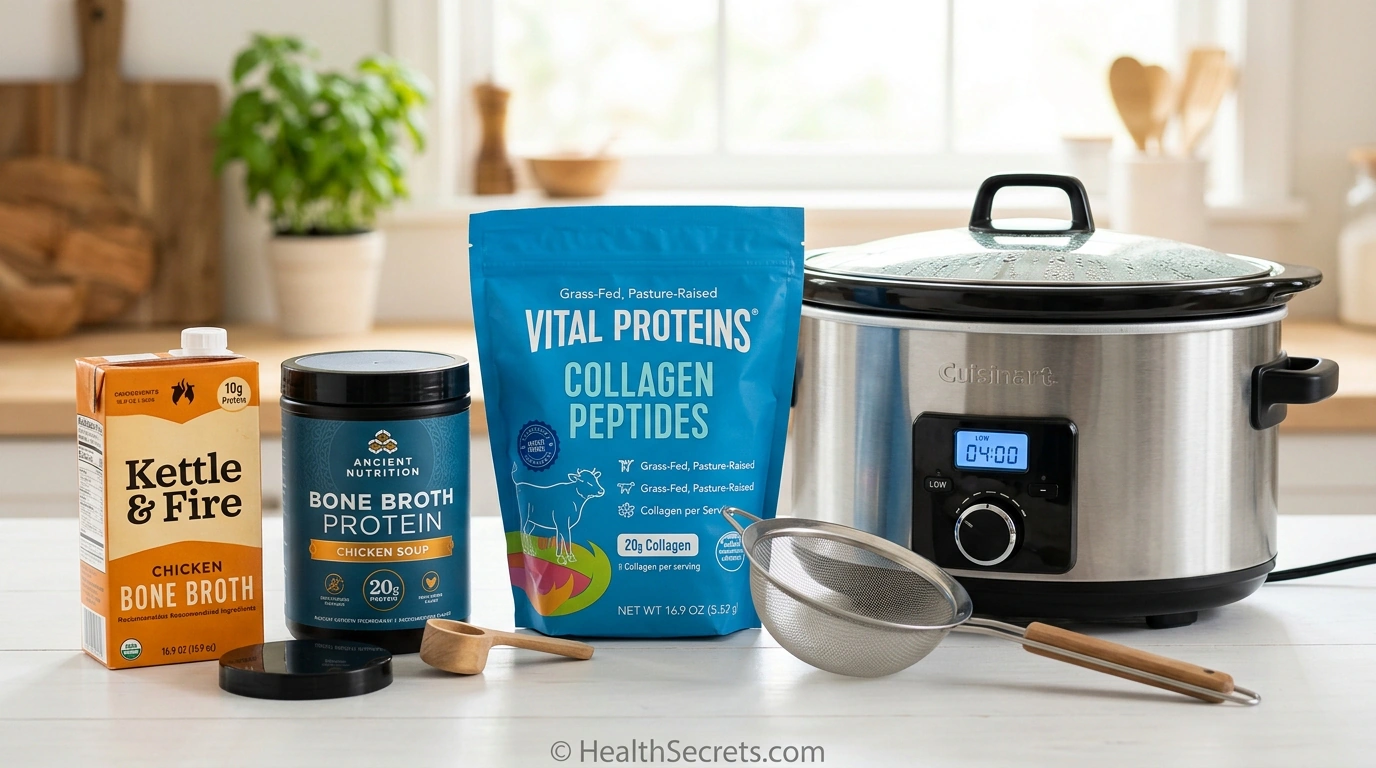
- Quality store-bought is a convenient alternative — look for brands labeled "bone broth" (not just "broth"), organic/grass-fed sourcing, minimal ingredients, and gelatinous texture when cold. Recommended brands include Kettle & Fire, Bonafide Provisions, Bare Bones, and EPIC. Avoid products with long ingredient lists, yeast extract, or "natural flavors."
- Bone broth powder offers portability and shelf stability — mix with hot water for a quick cup. Quality brands include Ancient Nutrition and Left Coast Performance. However, powders are more processed and less nutrient-dense than liquid bone broth.
Are There Any Risks or Side Effects of Bone Broth?
Bone broth is generally very safe for most people when consumed in normal dietary amounts. However, there are a few considerations including potential heavy metal contamination from non-organic bones, histamine sensitivity in certain individuals, and sodium content in store-bought varieties.
- Heavy metals: A 2013 study found that bone broth made from organic chicken contained measurable lead levels, though still below safety thresholds [6]Medical Hypotheses [6]. Using bones from grass-fed, organic, or pastured animals reduces exposure risk. The 2017 Food & Nutrition Research analysis confirmed that toxic metal concentrations in bone broth are generally low under normal cooking conditions [5].
- Histamine: Long-simmered foods can be higher in histamines. Individuals with histamine intolerance may experience headaches, digestive discomfort, or skin reactions. Shorter simmering times (8–12 hours) may reduce histamine levels.
- Sodium: Store-bought bone broth can be high in sodium — check labels and choose low-sodium options when available. Homemade broth allows you to control salt content.
- Glutamate sensitivity: Bone broth naturally contains glutamate (from glutamine breakdown). Those sensitive to MSG-like compounds should start with small amounts.
- Who should consult a doctor first: People with kidney disease (high protein/mineral content), those on blood-thinning medications (vitamin K in added vegetables), and individuals with diagnosed histamine intolerance.
Action Plan
What Is the Best Way to Start Using Bone Broth for Immunity?
Follow the sequence below, work through each phase in order, and use the checklist as your practical implementation guide.
The best approach is to begin with 1 cup of quality bone broth daily — either homemade or from a trusted store-bought brand — and gradually increase to 2 cups as your digestive system adjusts. Focus on consistency rather than quantity, as the gut-healing and immune benefits accumulate over weeks of regular consumption.
Phase 1: Getting Started (Week 1–2)
- Choose your approach: homemade (preferred) or quality store-bought
- If homemade: source organic, grass-fed bones from a local butcher or farmer
- Make your first batch using the recipe above (start with chicken — easier and faster)
- Begin with 1 cup daily, preferably in the morning or before meals
- Store portions in the freezer for convenience
Phase 2: Building the Habit (Week 3–4)
- Increase to 1–2 cups daily
- Experiment with cooking: use bone broth as a base for soups, grains, and sauces
- Try different bone types (beef marrow, chicken feet, fish) for varied nutrition
- Add immune-boosting ingredients: garlic, ginger, turmeric with black pepper
Phase 3: Optimizing for Immunity (Month 2+)
- Maintain 1–2 cups daily as a preventive baseline
- Increase to 2–4 cups during illness or high-stress periods
- Combine with other immune-supporting foods and supplements
- Keep a freezer stash of bone broth portions always on hand
- Pair with probiotics and prebiotic-rich foods for complete gut support
- Monitor improvements: fewer infections, better digestion, reduced bloating