Skip to content
Health Secrets
← All Tools

Water Intake Calculator

Water is the most essential nutrient — you can survive weeks without food but only days without water. It serves as a solvent for biochemical reactions, regulates body temperature, transports nutrients, cushions joints, and removes waste products. Even mild dehydration (1-2% body weight loss) impairs cognitive function, mood, and physical performance before thirst is perceived.

Activity Level
Climate

The Science of Hydration

Water is the most essential nutrient — you can survive weeks without food but only days without water. It serves as a solvent for biochemical reactions, regulates body temperature, transports nutrients, cushions joints, and removes waste products. Even mild dehydration (1-2% body weight loss) impairs cognitive function, mood, and physical performance before thirst is perceived.

Key Facts

  • The "8 glasses a day" rule has no scientific basis — needs vary by 2-3x between individuals
  • Thirst is a late indicator — by the time you feel thirsty, you may already be 1-2% dehydrated
  • Caffeine is a mild diuretic but habitual coffee drinkers develop tolerance (net hydrating)
  • Pale yellow urine indicates adequate hydration; clear may indicate overhydration
  • Exercise in heat can require 1-2 liters per hour to replace sweat losses
  • About 20% of daily water intake comes from food (fruits, vegetables, soups)

Electrolytes: Why Water Alone Is Not Enough

Hydration is not just about water volume — it requires electrolyte balance. Sodium, potassium, magnesium, and chloride create the osmotic gradients that allow cells to absorb and retain water. Drinking large amounts of plain water without electrolytes can actually dilute blood sodium (hyponatremia), which is dangerous. During exercise or fasting, adding a pinch of salt or an electrolyte supplement ensures that consumed water is actually retained and distributed to cells rather than quickly excreted by the kidneys.

Recommended Clinical Companion
Evidence-Based System
Healthy Travel Preparation Toolkit
24 Pages • A4 Printable PDF

Healthy Travel Preparation Toolkit

Time-zone medication schedules, digestive transition checklists, and international emergency health documentation.

What's Inside This Complete Digital System:

✓ Departure Timeline and Risk-Question Map: The timeline starts weeks before departure and separates booking, clinical, document, packing, and day-of-travel tasks. Question prompts cover destination, season, activities, access to care, and personal health considerations. The outcome is a prioritized plan rather than a last-minute search.
✓ Medication and Routine Continuity Planner: The planner records medicine names, original containers, supply checks, prescriber or pharmacy contacts, and questions about crossing time zones. It includes a blank schedule for the clinician or pharmacist to complete rather than inventing dose instructions. You can carry a clear plan without changing a prescription on your own.
✓ Health Documents and Emergency Contacts Wallet: This module organizes copies of identification, insurance information, allergies, conditions, medicines, emergency contacts, and relevant records. It includes a privacy checklist for deciding what to carry, store, or share. The practical outcome is faster access to accurate information if plans change.
✓ Food, Water, and Digestive Routine Checklist: The checklist helps you plan familiar snacks, safe food questions, hydration access, meal timing, and gradual transitions at the destination. It avoids blanket claims about local foods and leaves room for dietary needs supplied by a professional. You can make a flexible routine without turning travel into a restriction exercise.
$11 $14 20% Off w/ Code READER20

Instant PDF download • Lifetime updates • 60-day money-back guarantee

Frequently Asked Questions

How much water should I drink per day? +

A good starting formula is 0.5-1 oz per pound of body weight, adjusted for activity and climate. A 150-lb person needs approximately 75-150 oz (2.2-4.4 liters). More active people, those in hot climates, and those eating high-protein diets need more.

Can you drink too much water? +

Yes. Overhydration (hyponatremia) dilutes blood sodium below safe levels, causing headache, confusion, and in severe cases, seizures. This primarily affects endurance athletes drinking excessive plain water. Adding electrolytes prevents this.

Does coffee dehydrate you? +

Minimally. While caffeine has a mild diuretic effect, regular coffee drinkers develop tolerance within 4-5 days. Studies show that moderate coffee consumption (3-4 cups) contributes to net hydration rather than detracting from it.

What are signs of chronic mild dehydration? +

Fatigue, headaches, difficulty concentrating, dry skin, constipation, dark urine, and increased hunger (thirst is often mistaken for hunger). Many people are chronically mildly dehydrated without realizing it, especially older adults whose thirst mechanism weakens with age.

Recommended Reading

Prebiotic Foods Guide: Feed Your Beneficial Bacteria

Prebiotic Foods Guide: Feed Your Beneficial Bacteria

Prebiotic foods fuel the beneficial bacteria in your gut, helping produce short-chain fatty acids that strengthen your immune system, reduce inflammation, and improve digestion. This guide covers the best prebiotic-rich foods, fiber types, and how to add them to your diet safely.

read article

Anti-Inflammatory Foods for Gut Health

Anti-Inflammatory Foods for Gut Health

Discover the 30 best anti-inflammatory foods that heal your gut, reduce intestinal inflammation, and support a thriving microbiome — backed by science and easy to add to your daily meals.

read article

30 Gut-Healing Foods to Transform Your Microbiome

30 Gut-Healing Foods to Transform Your Microbiome

Your gut doesn't just digest food — it houses trillions of microorganisms that control your immunity, mood, and inflammation levels. These 30 science-backed gut-healing foods — organized into six powerful categories — can measurably shift your microbiome diversity and reduce inflammatory markers in just weeks.

read article

Gut Motility: How to Improve Digestive Transit

Gut Motility: How to Improve Digestive Transit

Gut motility — the coordinated muscular movement that pushes food through your digestive tract — is the foundation of healthy digestion. When motility slows, bloating, constipation, and even small intestinal bacterial overgrowth (SIBO) can follow. This guide walks you through six evidence-based steps to restore and optimize your digestive transit naturally.

read article

The Complete Guide to Gut Health: Transform Your Microbiome in 30 Days

The Complete Guide to Gut Health: Transform Your Microbiome in 30 Days

Your gut microbiome—home to 100 trillion microorganisms—influences everything from digestion and immunity to mood and metabolism. This complete guide covers the science behind gut health, practical dietary strategies, a 30-day transformation protocol, and the best products and supplements to restore your microbiome.

read article

Best Probiotics for Gut Health: Top 12 Science-Backed Supplements

Best Probiotics for Gut Health: Top 12 Science-Backed Supplements

Choosing the best probiotics for gut health can feel overwhelming with thousands of products on the market. We spent over 200 hours researching clinical studies to identify the 12 best science-backed probiotic supplements for 2025, covering everything from strain specificity and CFU count to delivery technology and third-party testing.

read article

Stay Ahead of Health Science

Get evidence-based health insights, calculator updates, and weekly longevity guides delivered to your inbox.

Hydration Products

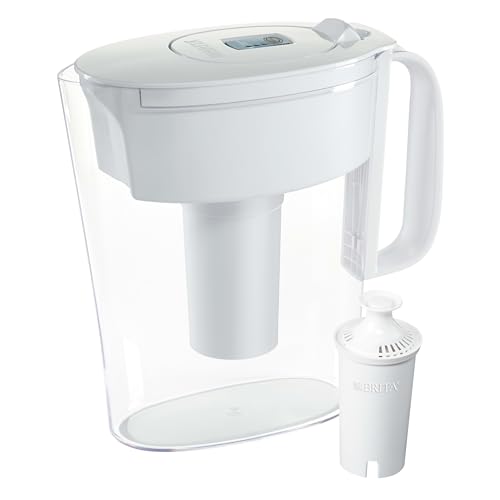
Stay hydrated all day with these water bottles, filters, and electrolyte solutions.

As an Amazon Associate, Health Secrets earns from qualifying purchases. Product links open on Amazon, where current pricing and availability are displayed. We only feature products discussed in our editorial guides.