Skip to content
Health Secrets
← All Tools

Macro Calculator

Macronutrients — protein, carbohydrates, and fats — are the three categories of nutrients that provide calories and serve distinct biological functions. While total calories determine weight change, macronutrient ratios influence body composition, energy levels, hormone production, and metabolic health. The optimal ratio depends on your goals, activity level, and individual physiology.

Use the TDEE Calculator if you don't know yours

Goal
Diet Preference

Equal distribution, good for general health

Understanding Macronutrient Ratios

Macronutrients — protein, carbohydrates, and fats — are the three categories of nutrients that provide calories and serve distinct biological functions. While total calories determine weight change, macronutrient ratios influence body composition, energy levels, hormone production, and metabolic health. The optimal ratio depends on your goals, activity level, and individual physiology.

Key Facts

  • Protein provides 4 calories per gram and is essential for muscle repair, immune function, and satiety
  • Carbohydrates provide 4 calories per gram and are the brain's preferred fuel source
  • Fats provide 9 calories per gram and are required for hormone production and vitamin absorption
  • Protein needs increase to 1.6-2.2g/kg during resistance training for muscle growth
  • Minimum fat intake should not drop below 20% of calories to maintain hormonal health
  • Fiber (a carbohydrate) feeds beneficial gut bacteria and is associated with reduced disease risk

Flexible Dieting: Why Macros Matter More Than "Clean Eating"

Research consistently shows that for body composition, adherence to a caloric target with adequate protein is more predictive of success than food quality alone. A meta-analysis in the Journal of the International Society of Sports Nutrition found no difference in fat loss between "clean" and flexible dieting when calories and protein were matched. However, micronutrient density still matters for health — so the optimal approach is flexible dieting with a foundation of whole foods (80/20 rule), hitting protein targets first, then distributing remaining calories between carbs and fats based on preference and performance needs.


Frequently Asked Questions

How much protein do I need per day? +

For muscle maintenance: 0.7-0.8g per pound of bodyweight. For muscle growth during training: 0.8-1.2g per pound. For fat loss while preserving muscle: 1.0-1.3g per pound. Higher amounts are safe for healthy kidneys but show diminishing returns above 1.3g/lb.

Are carbs bad for weight loss? +

No. Low-carb and low-fat diets produce equal fat loss when calories and protein are matched (multiple meta-analyses confirm this). Carbs support exercise performance and thyroid function. Choose whichever approach you can sustain.

What is the best macro ratio for muscle gain? +

A common evidence-based split is 30% protein, 45% carbs, 25% fat during a caloric surplus of 200-300 calories. The high protein supports muscle protein synthesis, while adequate carbs fuel intense training and support recovery.

Should I track macros every day? +

Tracking is most valuable as a learning tool for 4-8 weeks until you develop intuitive portion awareness. Long-term, most people succeed with "anchor habits" (hitting protein at each meal) rather than daily tracking, which can become obsessive.

Recommended Reading

Calcium and Bone Health: Complete Supplement Guide

Calcium and Bone Health: Complete Supplement Guide

Calcium is the most abundant mineral in your body and the primary building block for strong bones and teeth. But supplementing calcium alone is not enough — optimal bone health requires a synergistic approach combining calcium with vitamin D, K2, magnesium, and weight-bearing exercise to truly protect against osteoporosis.

read article

Milk Thistle for Liver Health: Silymarin Guide

Milk Thistle for Liver Health: Silymarin Guide

Milk thistle (silymarin) is one of the most evidence-backed herbal supplements for liver health. This comprehensive guide covers how silymarin protects liver cells, clinical evidence for fatty liver and hepatitis, dosing by condition, bioavailability solutions, and how to choose a quality supplement.

read article

Supplements Guide: Complete Evidence-Based Reference

Supplements Guide: Complete Evidence-Based Reference

With thousands of dietary supplements on the market, choosing the right ones can feel overwhelming. This evidence-based supplements guide breaks down the science behind vitamins, minerals, and popular supplements — helping you make informed decisions about what actually works, what to avoid, and how to build a safe, effective supplement routine.

read article

Supplements for Joint Health: Complete Guide

Supplements for Joint Health: Complete Guide

Joint pain affects over 90 million Americans, and the right supplements can reduce inflammation, protect cartilage, and improve mobility. This complete guide reviews the best joint health supplements — including glucosamine, turmeric, collagen, and boswellia — with evidence-based dosing, safety guidance, and tested product recommendations.

read article

Supplement Timing and Absorption: When to Take What

Supplement Timing and Absorption: When to Take What

Taking supplements at the right time can dramatically change how well your body absorbs them. This guide breaks down exactly when to take each type of supplement — from fat-soluble vitamins with meals to magnesium before bed — so you get the most from every capsule.

read article

Supplement Safety: Myths, Risks and Precautions

Supplement Safety: Myths, Risks and Precautions

Supplement safety is far more complex than most people realize. With the FDA unable to approve dietary supplements before they reach store shelves, quality varies dramatically between brands—and certain products can interact dangerously with medications or cause toxicity at high doses. This complete guide breaks down what the science actually says about using supplements safely.

read article

Stay Ahead of Health Science

Get evidence-based health insights, calculator updates, and weekly longevity guides delivered to your inbox.

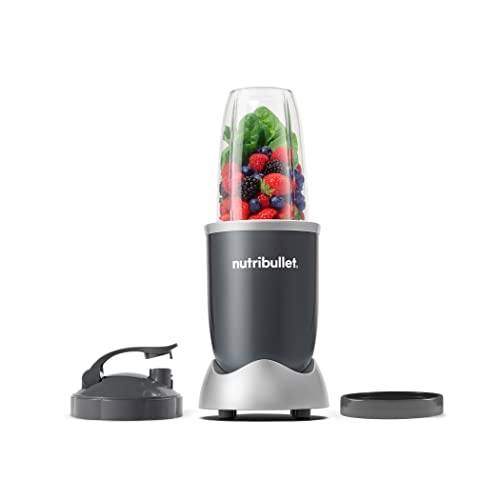
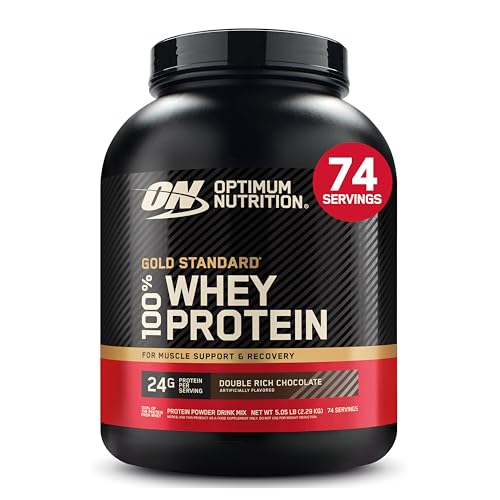
Macro-Friendly Kitchen Essentials

Precision tools for tracking macros and preparing balanced meals.

As an Amazon Associate, Health Secrets earns from qualifying purchases. Product links open on Amazon, where current pricing and availability are displayed. We only feature products discussed in our editorial guides.