Skip to content
Health Secrets
← All Tools

Fasting & Autophagy Timer

Track your fast and see when key metabolic changes happen — autophagy, fat burning, growth hormone, and ketosis milestones.

Start tracking your fast to see real-time metabolic milestones

Fasting Milestones

📉
Insulin drops 4h

Blood sugar normalizes, insulin falls — fat mobilization begins

🔥
Fat burning starts 12h

Glycogen depleted, body switches to fat oxidation as primary fuel

💪
Growth hormone rises 14h

HGH increases for tissue repair and fat metabolism

♻️
Autophagy begins 16h

Cellular cleanup — damaged proteins and organelles recycled

🧠
Deep ketosis 18h

Significant ketone production — brain uses ketones for fuel

Autophagy peaks 24h

Maximum cellular recycling, gut rest, intestinal stem cell activation

🧬
Stem cell activation 36h

Significant increase in stem cell regeneration (research-phase)

🛡️
Deep autophagy 48h

Immune system reset begins, old immune cells cleared

About fasting timelines: These milestones are approximate and vary by individual (prior diet, activity level, metabolic health). Autophagy research is still emerging — exact thresholds differ between studies. Extended fasts beyond 24 hours should be done under guidance. Always break fasts gently with easily digestible foods.

The Biology of Fasting

Intermittent fasting (IF) is not a diet but a meal timing pattern that cycles between periods of eating and fasting. Its benefits extend far beyond calorie restriction — fasting triggers a cascade of cellular repair mechanisms including autophagy (cellular recycling), improved insulin sensitivity, increased growth hormone secretion, and metabolic flexibility (the ability to efficiently switch between burning glucose and fat for fuel).

Key Facts

  • Autophagy (cellular cleanup) begins significantly after 16-18 hours of fasting
  • Growth hormone increases by 300-500% during a 24-hour fast
  • Insulin sensitivity improves measurably after just 3 days of time-restricted eating
  • The 16:8 protocol (16h fast, 8h eating window) is the most studied and sustainable method
  • Fasting does NOT cause muscle loss if protein intake is adequate during eating windows
  • Metabolic switching (glucose to ketone fuel) typically occurs at 12-16 hours of fasting

Autophagy: Why Cellular Recycling Matters

Autophagy, from the Greek "self-eating," is the process by which cells digest and recycle damaged organelles, misfolded proteins, and intracellular pathogens. It is suppressed by mTOR (activated by eating, especially protein and carbs) and activated by AMPK (triggered by energy depletion during fasting). Yoshinori Ohsumi won the 2016 Nobel Prize for elucidating autophagy's mechanisms. Impaired autophagy is linked to neurodegeneration (Alzheimer's, Parkinson's), cancer, accelerated aging, and metabolic disease. Regular fasting windows of 16+ hours are one of the most practical ways to activate this repair system.

Frequently Asked Questions

Does coffee break a fast? +

Black coffee (no sugar, cream, or milk) does not break a fast for autophagy or fat burning purposes. It contains near-zero calories and may actually enhance autophagy. However, adding any caloric substance (cream, butter, MCT oil) technically breaks the fast.

Is intermittent fasting safe for women? +

Yes, but women may benefit from a gentler approach (14:10 rather than 16:8) due to hormonal sensitivity. Some women experience menstrual irregularities with aggressive fasting. A modified approach with adequate calories during eating windows and avoiding fasting during the luteal phase works well.

How long until I see results from intermittent fasting? +

Improved energy and mental clarity: 3-7 days. Measurable fat loss: 2-4 weeks. Significant body composition changes: 6-12 weeks. Metabolic markers improvement (fasting insulin, triglycerides): 4-8 weeks.

What can I consume during a fast? +

Water, black coffee, plain tea, and electrolytes (sodium, potassium, magnesium) without calories. Some protocols allow bone broth (<50 calories) for extended fasts. Anything with calories, artificial sweeteners (debated), or protein will trigger an insulin response and interrupt autophagy to varying degrees.

Recommended Reading

Biological Age Testing: How Old Are You Really?

Biological Age Testing: How Old Are You Really?

Biological age testing uses epigenetic clocks and DNA methylation patterns to measure how fast your body is actually aging—regardless of your birthday. This guide covers the science behind epigenetic clocks like GrimAge, available commercial tests, how to interpret results, and evidence-based interventions that may slow or reverse biological aging.

read article

Longevity Secrets: Science-Backed Strategies to Live Longer

Longevity Secrets: Science-Backed Strategies to Live Longer

Longevity isn't about chasing some mythical fountain of youth — it's about stacking everyday habits that keep your cells healthy, your mind sharp, and your body resilient for decades. This comprehensive guide breaks down the science of aging, lessons from the world's longest-lived communities, and practical strategies you can start using today to extend both your lifespan and your healthspan.

read article

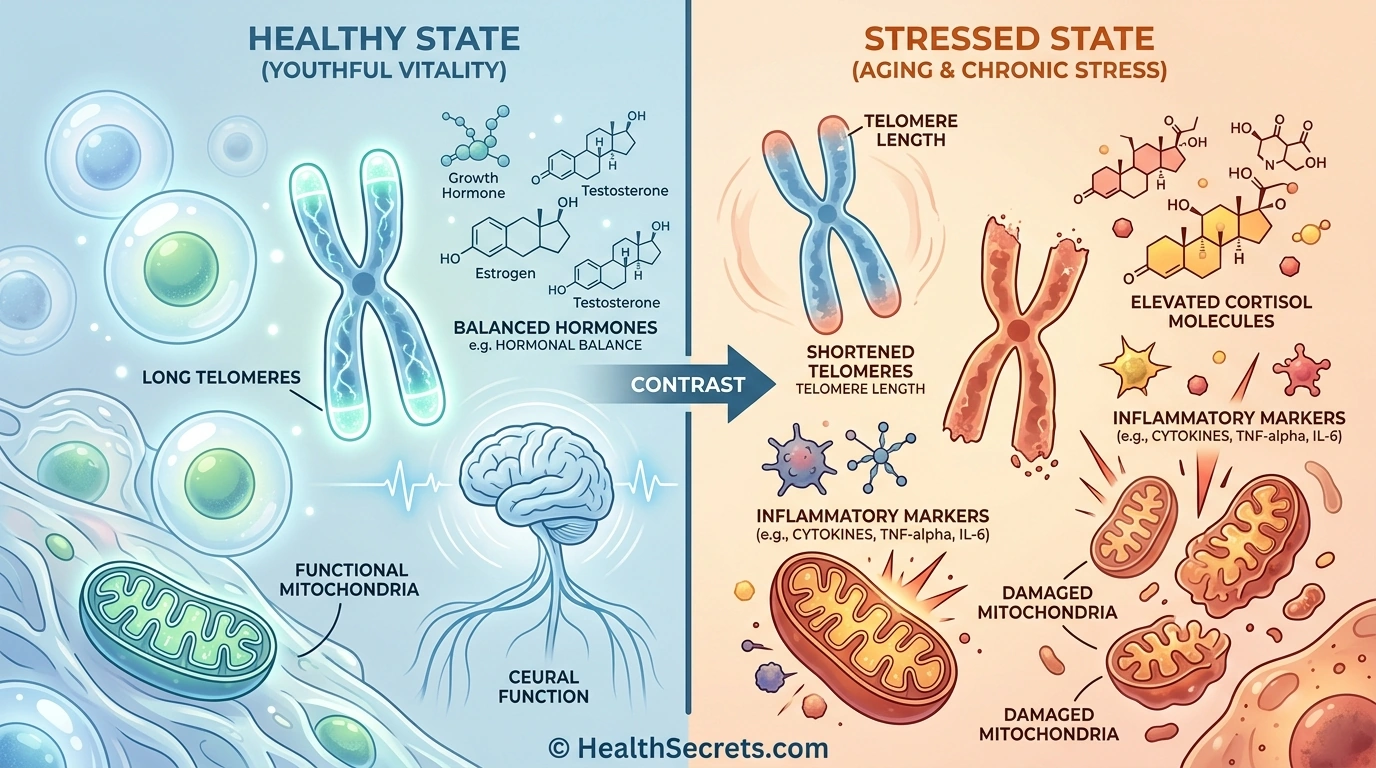
Stress and Aging: How to Protect Against Accelerated Aging

Stress and Aging: How to Protect Against Accelerated Aging

Chronic stress doesn't just make you feel exhausted—it literally accelerates aging at the cellular level, shortening telomeres, elevating cortisol, and driving inflammation. This evidence-based guide explores exactly how stress ages you and the proven interventions that can slow or even reverse the damage.

read article

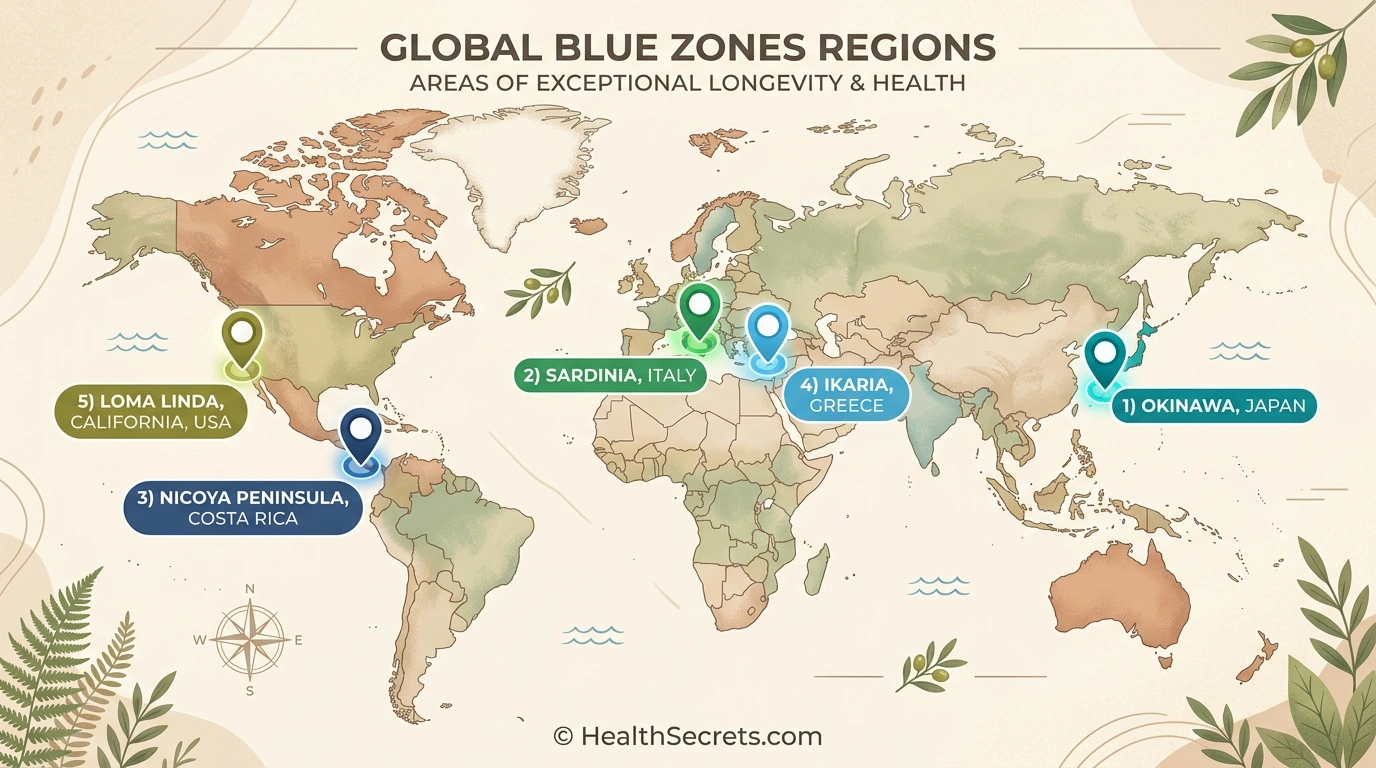
Blue Zones: Lessons from the World's Longest-Lived People

Blue Zones: Lessons from the World's Longest-Lived People

Discover the science behind Blue Zones — five regions where people routinely live past 100 with remarkably low rates of chronic disease. Learn the Power 9 longevity principles, explore each Blue Zone's unique dietary and lifestyle secrets, and find out how to create your own Blue Zone lifestyle today.

read article

Longevity Lifestyle: Daily Habits of the Longest-Lived

Longevity Lifestyle: Daily Habits of the Longest-Lived

The longest-lived people on Earth don't rely on expensive supplements or complex health protocols. They follow simple, daily habits rooted in natural movement, plant-based eating, purpose, stress management, and deep social connection—patterns researchers call the "Power 9." Here's how to adopt these longevity lifestyle habits wherever you live.

read article

Sleep and Longevity: The Vital Connection

Sleep and Longevity: The Vital Connection

Sleep isn't just rest—it's one of the most powerful longevity interventions available. Research confirms that 7–8 hours of consistent, high-quality sleep reduces mortality risk, protects your brain, and slows biological aging. Here's what the science actually says about sleeping your way to a longer life.

read article

Stay Ahead of Health Science

Get evidence-based health insights, calculator updates, and weekly longevity guides delivered to your inbox.

Intermittent Fasting Essentials

Support your fasting protocol with these popular products.

As an Amazon Associate, Health Secrets earns from qualifying purchases. Product links open on Amazon, where current pricing and availability are displayed. We only feature products discussed in our editorial guides.