Osteoporosis is often called the "silent disease" because bone loss occurs without symptoms until a fracture happens. By the time a hip fracture, vertebral compression, or wrist break occurs, significant bone density has already been lost. But here's what most people don't realize: bone is living tissue that's constantly being broken down and rebuilt. The key to preventing and reversing osteoporosis is shifting this balance toward more building than breaking. [2] [8]
Research shows that the combination of weight-bearing exercise, targeted nutrition (calcium + vitamin D3 + vitamin K2), and lifestyle optimization can not only slow bone loss but actually increase bone mineral density — even in postmenopausal women who are at highest risk [5] [16] [17].
Related reading: Vitamins for Women Over 50 · Supplements for Men Over 50 · Sports Nutrition Guide · Inflammation and Pain Relief Guide · Hormonal Health Guide · Mental Wellness Complete Guide · Sleep Optimization Guide [12] [18]
What Is Osteoporosis and How Common Is It?
Osteoporosis ("porous bones") is a condition where bones become weak and brittle due to loss of bone mass and deterioration of bone tissue structure. It affects approximately 54 million Americans — about 10 million have osteoporosis and 44 million have low bone density (osteopenia). One in two women and one in four men over 50 will experience an osteoporotic fracture in their remaining lifetime. [21] [22]
Bone density peaks around age 30 ("peak bone mass"), then gradually declines. In women, this decline accelerates dramatically during and after menopause due to falling estrogen levels. Men experience a slower, more gradual decline. The goal of any osteoporosis protocol is to maximize peak bone mass before 30 and minimize loss after.
How Is Osteoporosis Diagnosed?
DEXA (dual-energy X-ray absorptiometry) scanning is the gold standard:
- T-score above -1.0: Normal bone density
- T-score -1.0 to -2.5: Osteopenia (low bone density, precursor to osteoporosis)
- T-score below -2.5: Osteoporosis
- T-score below -2.5 with fracture history: Severe osteoporosis
All women should have a baseline DEXA at menopause (or age 65), and all men by age 70 (or earlier with risk factors).


Are You Unknowingly Inflaming Your Body?
Get the free Health Vitals & Nutrient Checklist — the daily guide that shows you which habits and supplements are silently triggering inflammation.
What Causes Osteoporosis to Develop?
Osteoporosis develops when the balance between bone formation (osteoblasts) and bone resorption (osteoclasts) tips toward excess breakdown. The most common causes are estrogen decline (menopause), inadequate calcium and vitamin D, sedentary lifestyle, chronic cortisol elevation (stress), medications (corticosteroids, PPIs), smoking, excessive alcohol, and genetic predisposition.
Why Does Menopause Accelerate Bone Loss?
Estrogen is the primary bone-protective hormone in women. It suppresses osteoclast activity (bone breakdown), promotes osteoblast activity (bone building), enhances calcium absorption, and stimulates calcitonin (a bone-preserving hormone). When estrogen declines during menopause, all of these protective effects diminish simultaneously, causing bone loss to accelerate from 0.5–1% per year to 2–5% per year during the first 5–7 years post-menopause.
What Other Factors Contribute to Bone Loss?
- Sedentary lifestyle — Bone responds to mechanical stress; without it, osteoblasts are less active
- Inadequate calcium and vitamin D — The body pulls calcium from bones when dietary intake is insufficient
- Chronic stress/cortisol — Cortisol directly inhibits osteoblast activity and accelerates bone resorption
- Medications — Corticosteroids, PPIs (reduce calcium absorption), some anticonvulsants, and aromatase inhibitors
- Smoking — Reduces estrogen levels and directly toxifies osteoblasts
- Excess alcohol — Impairs calcium absorption and directly reduces bone formation
- Low body weight — Less mechanical load on bones; also associated with lower estrogen in women

Evidence-Based Supplement Organizer & Safety Log
Track your daily intake, verify third-party certifications, and prepare clear questions for your clinician.
What Are the Symptoms of Osteoporosis?
Osteoporosis typically has no symptoms until a fracture occurs — which is why it's called the "silent disease." However, certain signs can indicate bone density loss before a major fracture occurs.
Warning Signs That May Indicate Bone Loss
- Loss of height (more than 1 inch over time) — from vertebral compression fractures
- Stooped posture or rounding of the upper back (kyphosis/"dowager's hump")
- Back pain (from compression fractures)
- Fractures from minor falls or impacts that shouldn't break bones
- Receding gums (jawbone loss can be an early indicator)
- Weak grip strength (correlates with overall bone density)
- Brittle fingernails (may indicate poor mineral status)
When Should You Get a DEXA Scan?
- All women at menopause or age 65 (whichever comes first)
- All men by age 70
- Anyone who experiences a fracture from minimal trauma
- Anyone taking long-term corticosteroids
- Anyone with significant risk factors (family history, low body weight, smoking, early menopause)
How Is Osteoporosis Properly Evaluated?
A comprehensive osteoporosis evaluation includes DEXA scanning (bone density measurement), blood work (calcium, vitamin D, PTH, bone turnover markers), FRAX score (10-year fracture risk calculator), and a thorough risk factor assessment [13]. This combination provides the complete picture needed for an effective treatment plan.

Essential Blood Tests for Bone Health
- 25-OH Vitamin D — Target: 40–60 ng/mL (most osteoporosis patients are deficient)
- Calcium (serum) — Should be normal; high calcium can indicate parathyroid issues
- PTH (parathyroid hormone) — Elevated PTH drives bone resorption
- CTX (C-terminal telopeptide) — Bone breakdown marker; measures osteoclast activity
- P1NP (procollagen type I N-propeptide) — Bone formation marker; measures osteoblast activity
- Magnesium, zinc, B12 — All required for bone metabolism
- Thyroid panel — Hyperthyroidism accelerates bone loss

What Are the Conventional Treatment Options for Osteoporosis?
Conventional treatments include bisphosphonates (alendronate/Fosamax, risedronate/Actonel) that slow bone breakdown, denosumab (Prolia) that inhibits osteoclasts, teriparatide (Forteo) that stimulates bone building, romosozumab (Evenity) that does both, and hormone replacement therapy. These are most appropriate for severe osteoporosis or high fracture risk. Natural approaches are most appropriate for osteopenia and mild osteoporosis, or as complements to medication.
When Are Medications Necessary?
- T-score below -2.5 with fracture history
- FRAX score showing >20% major fracture risk or >3% hip fracture risk
- History of vertebral or hip fracture
- Rapid bone loss despite natural interventions
- Very high fall risk
What Natural Approaches Support Bone Density?
The most effective natural interventions for bone density are weight-bearing and resistance exercise, the calcium + D3 + K2 nutritional triad, adequate protein and collagen, magnesium and trace minerals, and stress/cortisol management [15]. These approaches can increase bone density by 1–3% per year in some individuals — enough to move from osteoporosis to osteopenia or from osteopenia to normal.
Why Is Weight-Bearing Exercise the #1 Intervention?
Bone responds to mechanical stress through a process called mechanotransduction — osteocytes sense physical force and signal osteoblasts to build more bone in stressed areas. Weight-bearing exercise and resistance training are the most effective because they load bones directly [20]. Clinical trials show resistance training can increase bone density by 1–3% per year at the hip and spine.
Most effective exercises for bone density:
- Resistance training (squats, deadlifts, lunges, overhead press) — The gold standard; directly loads the spine and hips [3]
- Impact exercise (jumping, stair climbing, hiking) — Impact forces stimulate bone formation
- Walking — Better than nothing but less effective than resistance training
- Yoga/tai chi — Moderate bone benefit plus fall prevention through balance improvement
- Swimming/cycling — Non-weight-bearing; minimal direct bone benefit (but good for overall health)
Recommendation: Resistance training 2–3x per week targeting major muscle groups + impact activity 3–4x per week.
How Does the Calcium + D3 + K2 Triad Work?
- Calcium (1,000–1,200 mg daily from food + supplements) provides the mineral building blocks for bone. Get as much as possible from food (dairy, leafy greens, sardines); supplement only the gap.
- Vitamin D3 (2,000–5,000 IU daily, target 40–60 ng/mL) is required for calcium absorption in the intestines. Without adequate D3, you absorb only 10–15% of dietary calcium; with it, you absorb 30–40%.
- Vitamin K2 (MK-7) (100–200 mcg daily) activates osteocalcin, the protein that directs calcium into bones and teeth [11]. Without K2, supplemental calcium may deposit in arteries instead of bones — this is why calcium alone showed cardiovascular concerns in some studies.
All three are needed together for safe, effective bone building.
How Does Collagen Support Bone Health?
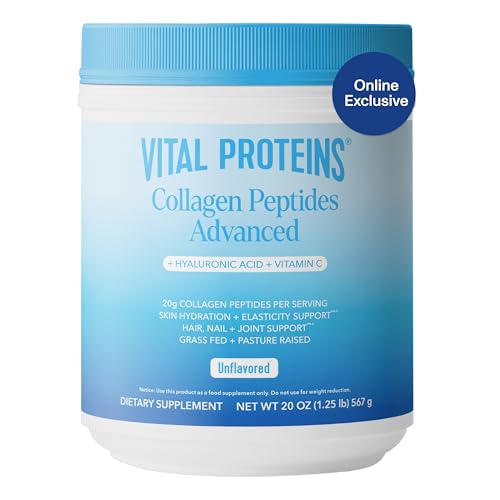
Bones are approximately 30% collagen by weight. Collagen provides the organic matrix — a flexible scaffold that minerals (calcium, phosphorus) attach to. Think of bone as reinforced concrete: collagen is the rebar and minerals are the cement. Without adequate collagen, bones become brittle even if mineral density appears adequate. Collagen peptides (10–20g daily) support this organic matrix, and clinical trials show collagen supplementation can improve bone mineral density in postmenopausal women [4].
What Other Nutrients Support Bone Density?
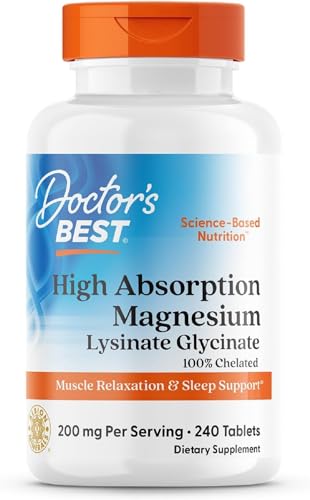
- Magnesium (200–400 mg daily) — Required for vitamin D activation and bone crystal formation; 50% of people are deficient
- Zinc (15–30 mg daily) — Required for osteoblast differentiation and bone formation
- Boron (3–6 mg daily) — Enhances calcium and magnesium metabolism; may reduce urinary calcium loss
- Silicon/Silica (5–10 mg daily) — Involved in collagen formation and bone mineralization
- Strontium (680 mg daily as strontium citrate) — Clinical evidence for increasing bone density; works by both stimulating osteoblasts and mildly inhibiting osteoclasts
Can You Prevent Osteoporosis Before It Starts?
Yes — the most effective prevention strategy starts before age 30 by maximizing peak bone mass through adequate calcium, vitamin D, weight-bearing exercise, and protein. After 30, the goal shifts to minimizing loss. Women should intensify bone-protective strategies at perimenopause (mid-40s), not wait until menopause or an osteoporosis diagnosis.

Prevention by Age
- Under 30: Maximize peak bone mass through exercise, nutrition, and adequate calcium/D3
- 30–45: Maintain bone with continued exercise, nutrition, and monitoring
- 45–55 (perimenopause): Intensify exercise, ensure D3/K2/calcium, get baseline DEXA
- 55+: Full bone-protective protocol including all supplements, resistance training, and regular DEXA monitoring

When Should You See a Doctor About Bone Health?
See a doctor if you've had a fracture from a minor fall or impact, if you've lost more than 1 inch of height, if you have chronic back pain, if you have significant risk factors (family history, early menopause, long-term corticosteroid use), or if you're a postmenopausal woman or man over 70 who hasn't had a DEXA scan.
Red Flags Requiring Immediate Evaluation
- Fracture from minimal trauma (low-impact fracture)
- Sudden severe back pain (possible vertebral compression fracture)
- Significant height loss
- DEXA T-score below -2.5
Action Plan
What Should You Do First to Protect Your Bones?
Follow the sequence below, work through each phase in order, and use the checklist as your practical implementation guide.
Start with three actions: schedule a DEXA scan if you haven't had one (especially if postmenopausal or over 50 with risk factors), begin weight-bearing exercise 3x per week, and start the calcium + D3 + K2 triad today.
This Week:
- Schedule a DEXA scan if you haven't had one in the past 2 years
- Request blood work: vitamin D, calcium, PTH, magnesium
- Start vitamin D3 (2,000–5,000 IU) + K2 (100–200 mcg MK-7) daily
- Begin resistance training 2–3x per week
- Assess calcium intake (target 1,000–1,200 mg from food + supplements)
Month 1–3:
- Add magnesium glycinate (200–400 mg before bed)
- Start collagen peptides (10–20g daily)
- Add zinc picolinate (15–30 mg daily)
- Increase protein to 1.0–1.2g per kg body weight
- Review DEXA and blood work results with doctor
Ongoing:
- Continue resistance training + weight-bearing exercise consistently
- Repeat DEXA every 1–2 years to monitor
- Maintain D3/K2/calcium/magnesium supplementation long-term
- Manage stress (cortisol breaks down bone)
- Eliminate smoking; limit alcohol to minimal