If you've ever stood in the supplement aisle feeling completely overwhelmed by the sheer number of women's vitamins staring back at you, you're not alone. Between multivitamins, prenatals, bone support formulas, and hormone-balancing blends, it can feel impossible to know what you actually need — and what's just clever marketing. [4]
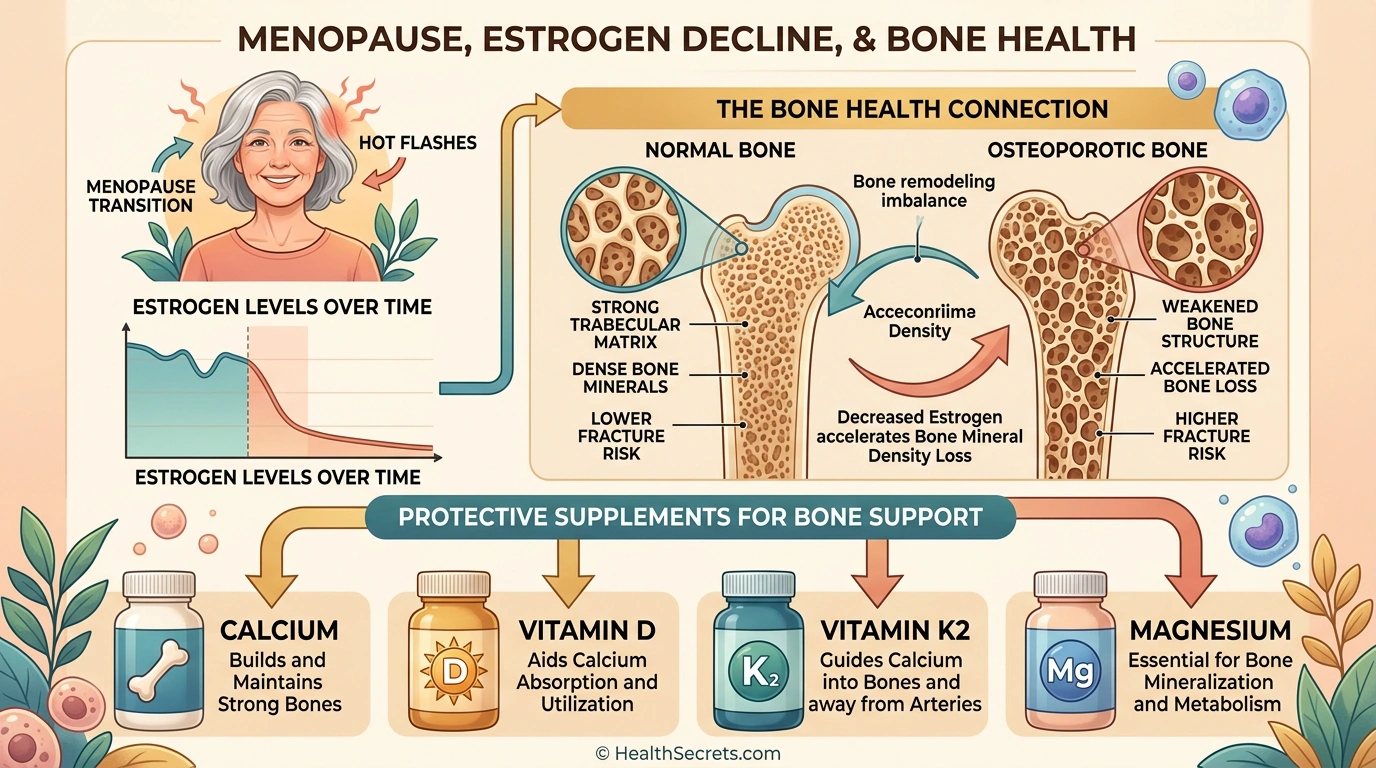
Here's the thing: women's bodies have genuinely unique nutritional demands. Monthly menstruation depletes iron stores. Pregnancy skyrockets the need for folate, DHA, and choline. And menopause triggers rapid bone loss that calcium and vitamin D can help slow down. The right supplements, chosen for your specific life stage, can make a real difference in how you feel day to day.
We spent over 60 hours researching formulations, third-party testing certifications, bioavailability science, and real user experiences to identify the 10 best supplements for women's health. Whether you're in your twenties, planning a pregnancy, or navigating menopause, this guide has you covered.
For related guidance on specific nutrients, explore our complete guide to supplements and our gut health guide for digestive wellness support [6].
What Should You Look for When Choosing Women's Health Supplements?
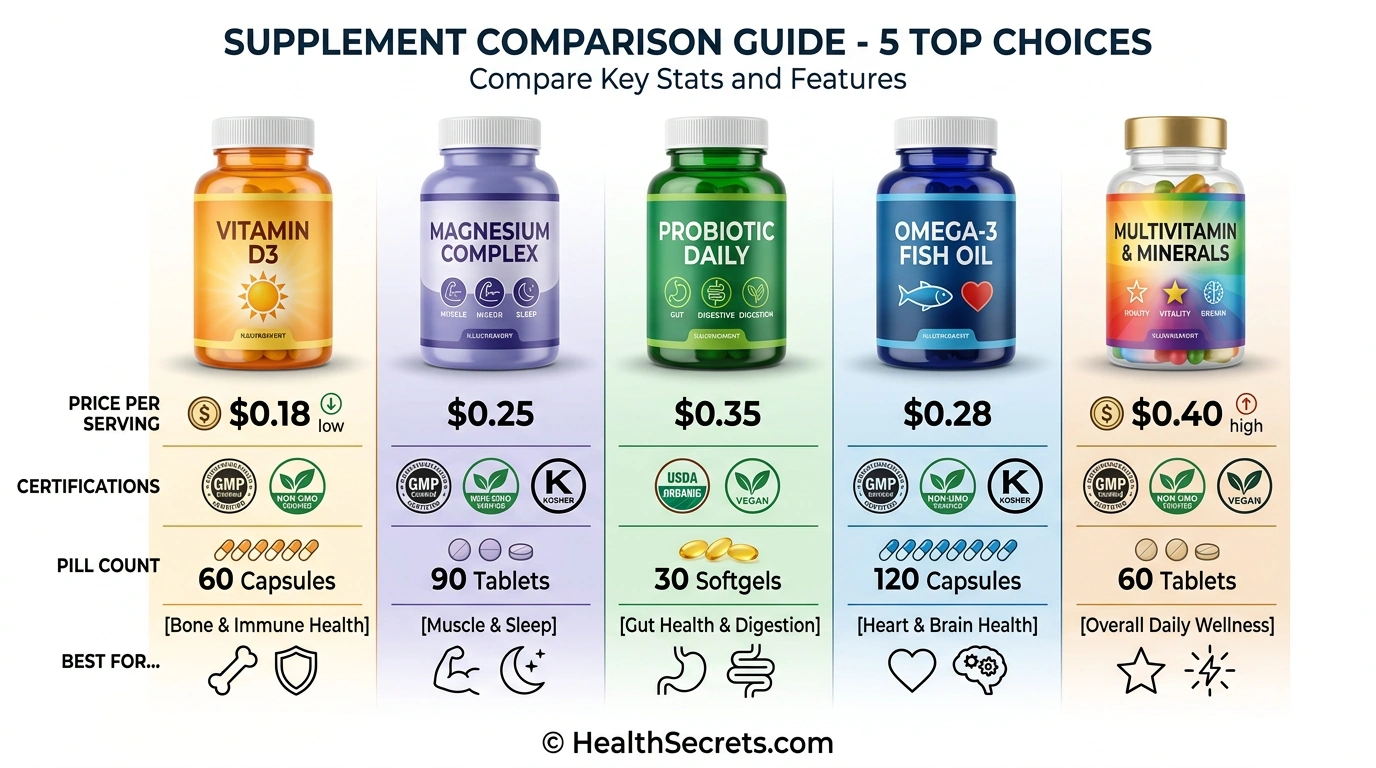
The best women's health supplements combine bioavailable nutrient forms, appropriate dosing for your life stage, and independent third-party verification to ensure what's on the label matches what's in the bottle. Look for methylated B vitamins, chelated minerals, and certifications from USP, NSF, or ConsumerLab.
Which Nutrient Forms Offer the Best Absorption for Women?
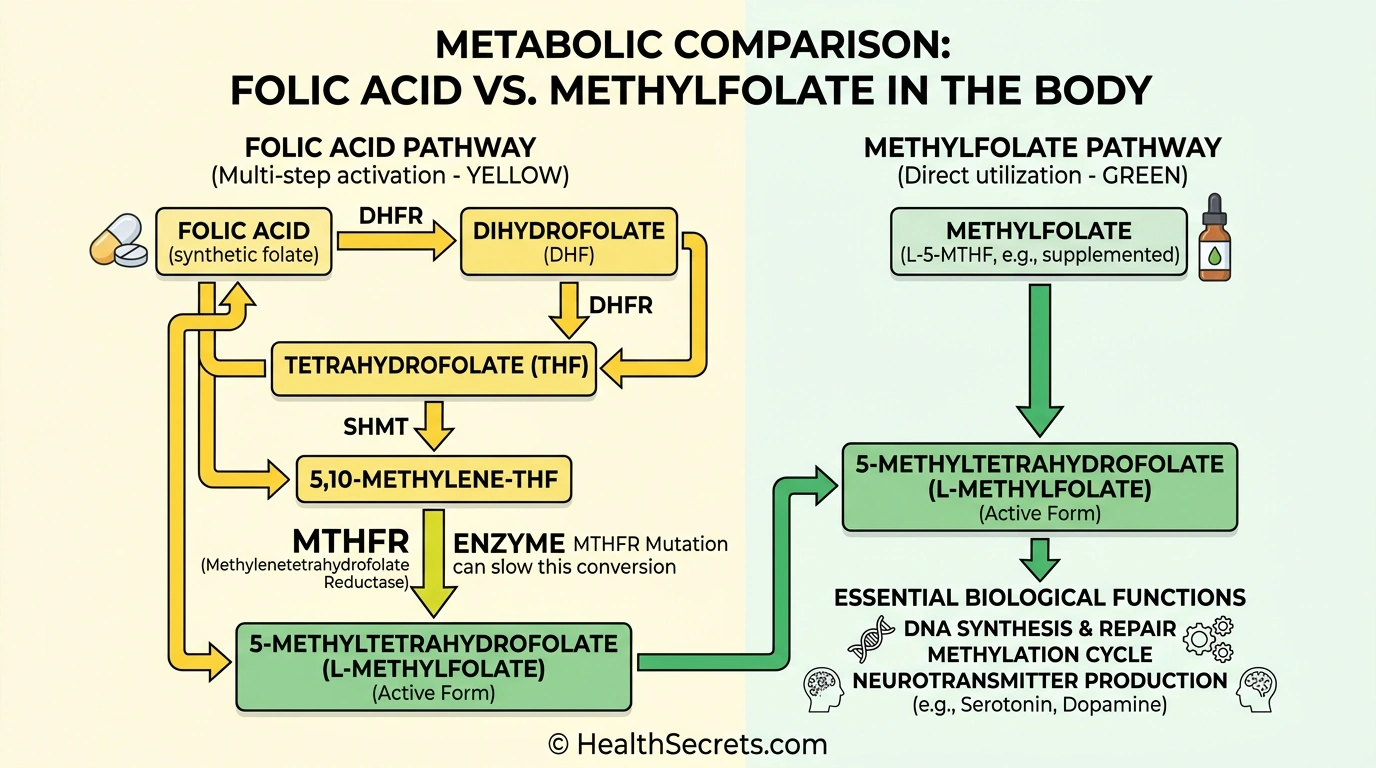
Not all vitamin and mineral forms are created equal. Methylfolate (5-MTHF) is significantly better absorbed than synthetic folic acid, which matters especially for the estimated 40% of women with MTHFR gene variants who have difficulty converting folic acid [14] [15]. Similarly, ferrous bisglycinate offers roughly twice the bioavailability of ferrous sulfate with far fewer gastrointestinal side effects, according to a 2022 randomized controlled trial published in Nutrients [3].
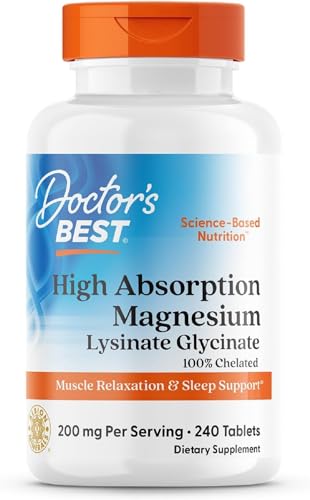
For minerals, look for chelated forms: magnesium glycinate over magnesium oxide, calcium citrate over calcium carbonate (especially if you take it without food), and zinc picolinate for superior absorption.
Why Does Third-Party Testing Matter So Much?
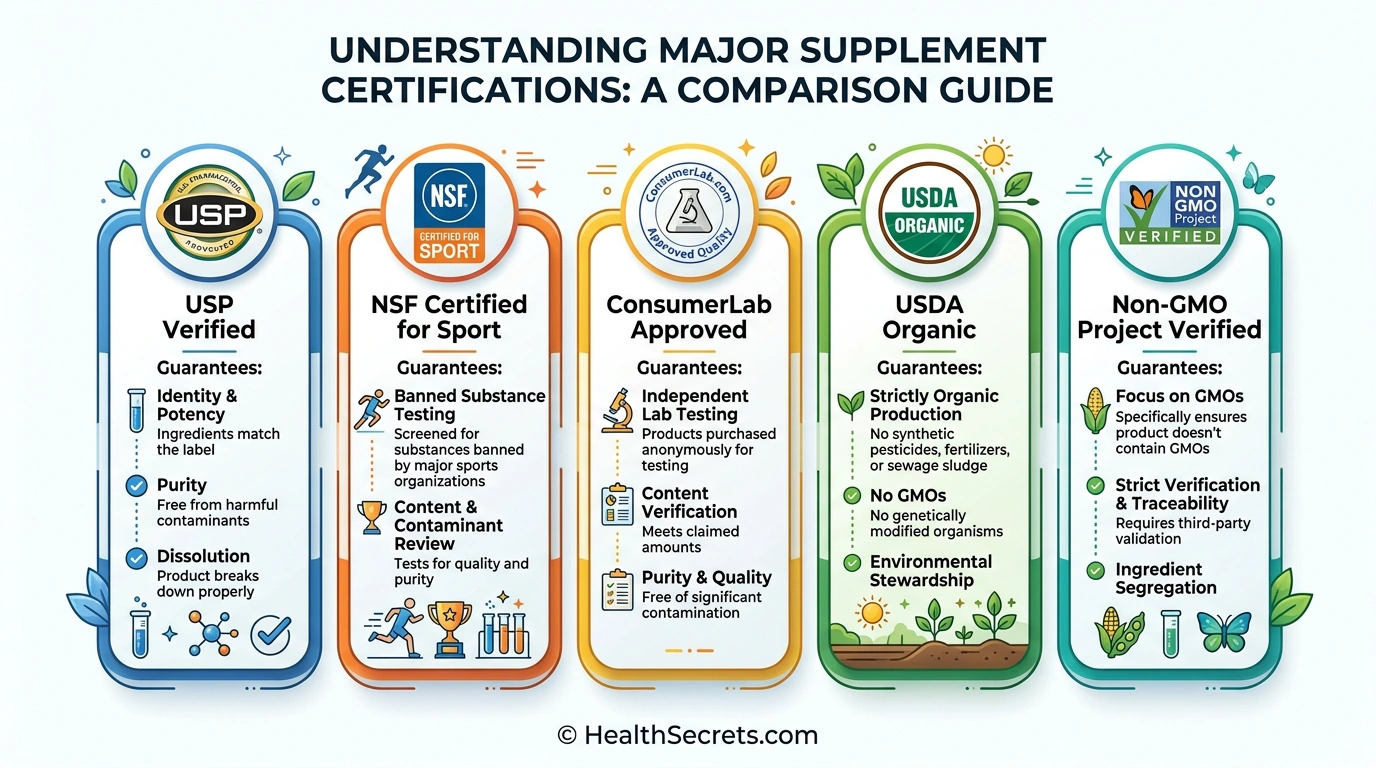
The supplement industry is largely self-regulated, which means quality varies enormously between brands. Third-party certifications like
USP Verified,
NSF Certified for Sport, and
ConsumerLab Approved independently verify that a product contains what it claims, is free from harmful contaminants (heavy metals, pesticides, microbes), and dissolves properly for absorption. A 2021 analysis found that nearly 25% of supplements tested did not match their label claims — making certification essential, not optional.
What Nutrients Do Women Need at Each Life Stage?
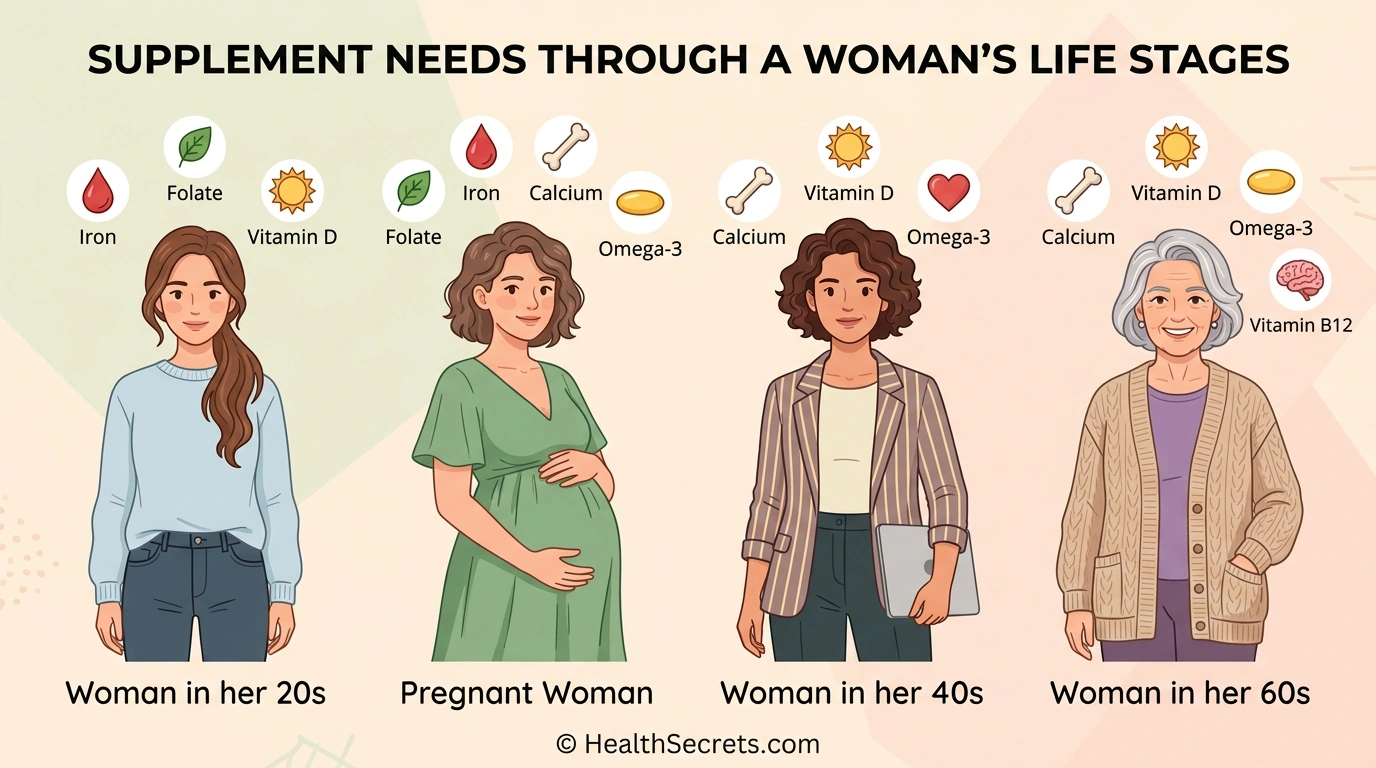
- Reproductive years (18–40): Iron (18 mg), folate (400–800 mcg), vitamin D (1,000–2,000 IU), B12, omega-3s
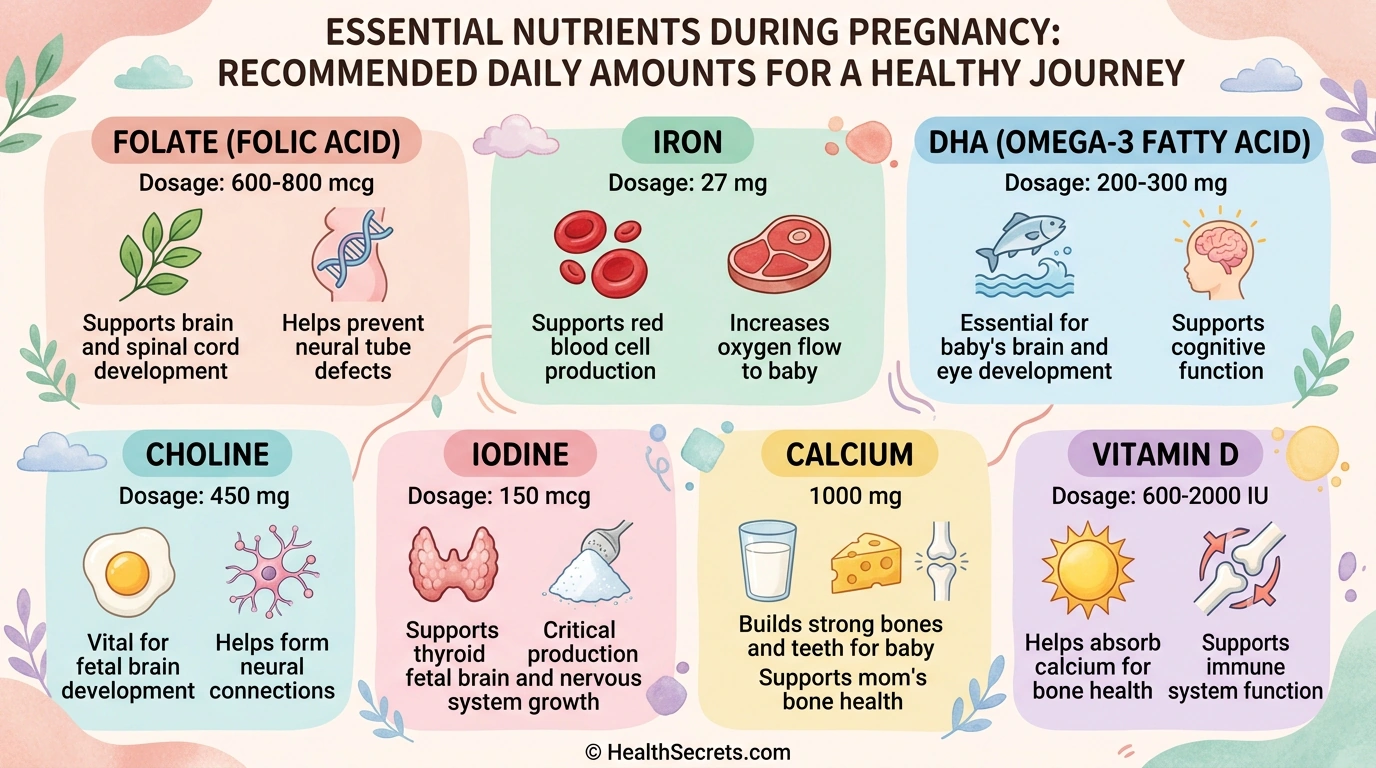
- Pregnancy and lactation: Prenatal with folate (600–800 mcg), iron (27 mg), DHA (200–300 mg), choline (450 mg), iodine (150 mcg)
- Perimenopause (40–55): B vitamins for energy, magnesium for sleep and mood, vitamin D, calcium [18]
- Menopause and beyond (55+): Calcium (1,200 mg), vitamin D (1,000–2,000 IU), magnesium, B12 (absorption declines with age), no iron unless prescribed

Are You Unknowingly Inflaming Your Body?
Get the free Health Vitals & Nutrient Checklist — the daily guide that shows you which habits and supplements are silently triggering inflammation.
How Did We Evaluate These Women's Health Supplements?
We evaluated over 40 women's supplements across five weighted criteria: ingredient quality and bioavailability (30%), third-party testing and certifications (25%), life-stage appropriateness (20%), value per serving (15%), and real user experience including taste, pill size, and tolerability (10%).
What Was Our Research Methodology?
Our evaluation process included four key steps:
- Ingredient analysis — We reviewed every supplement facts panel, comparing nutrient forms (methylfolate vs. folic acid, chelated vs. oxide minerals), dosages against RDA and UL values, and the inclusion of emerging essential nutrients like choline and vitamin K2.
- Certification verification — We confirmed third-party testing claims directly through USP, NSF, and ConsumerLab databases. Products without any independent verification were deprioritized.
- Clinical evidence review — We cross-referenced ingredient dosages with published clinical trials and NIH Office of Dietary Supplements recommendations to verify therapeutic relevance [1] [2].
- User experience assessment — We analyzed thousands of verified purchase reviews across Amazon, iHerb, and brand websites, focusing on tolerability, ease of use, and reported outcomes.
Products were disqualified if they contained proprietary blends hiding individual dosages, included unnecessary fillers or artificial colors, or made health claims unsupported by evidence.

Evidence-Based Supplement Organizer & Safety Log
Track your daily intake, verify third-party certifications, and prepare clear questions for your clinician.
How Do You Use Women's Health Supplements Effectively?
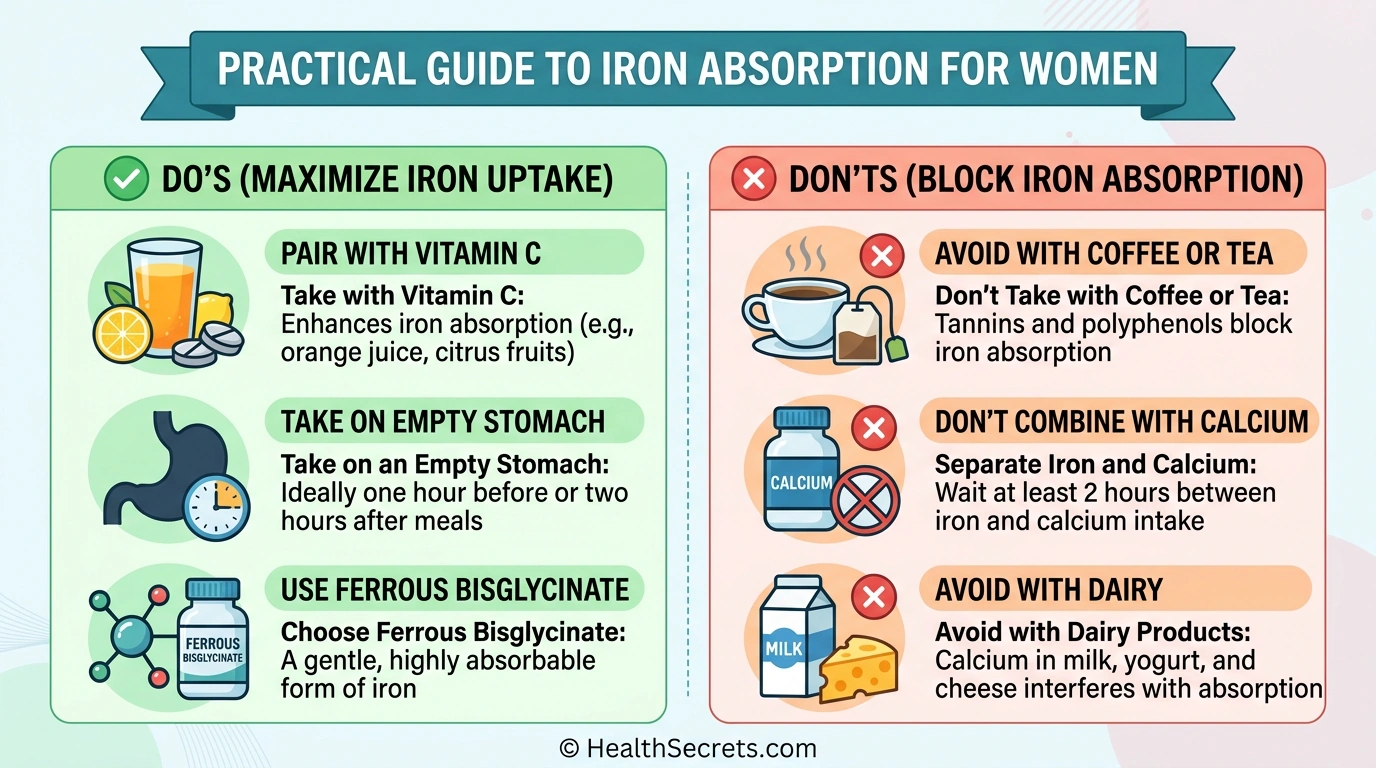
For best results, take fat-soluble vitamins (A, D, E, K) and omega-3s with a meal containing healthy fats, take iron on an empty stomach or with vitamin C for maximum absorption, and separate calcium and iron doses by at least two hours since they compete for absorption.
When Is the Best Time to Take Women's Supplements?
Timing matters more than most people realize. Here's a practical schedule:
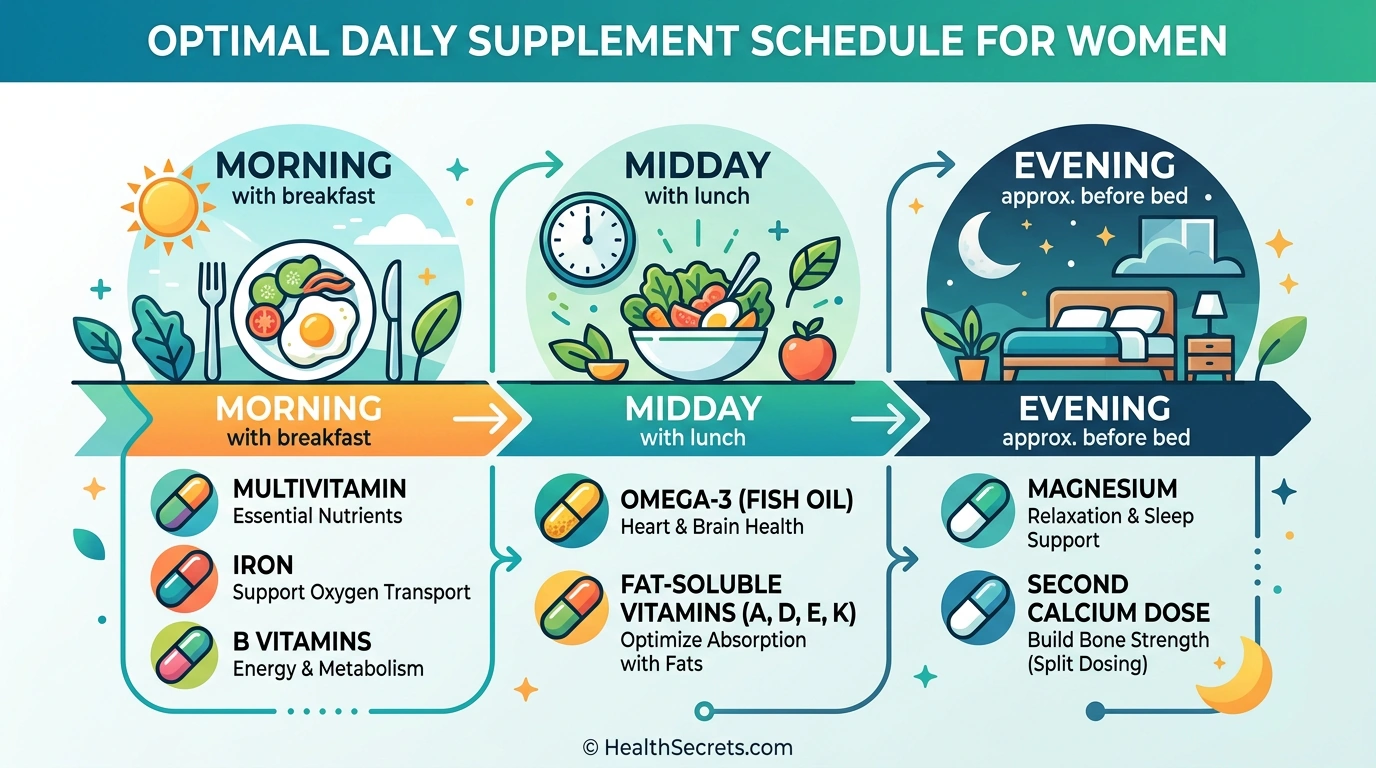
- Morning with breakfast: Multivitamin, B vitamins, iron (if your stomach tolerates it), vitamin D
- With lunch or dinner: Omega-3s, calcium (if taking a separate supplement), fat-soluble vitamins
- Evening: Magnesium glycinate (supports sleep), calcium second dose if splitting
If your multivitamin contains iron, avoid taking it with coffee, tea, or dairy — all of which significantly reduce iron absorption. Instead, pair it with a glass of orange juice or another vitamin C source.
How Long Before You Notice Results from Supplements?
Most women notice improvements in energy and mood within 2–4 weeks of correcting a nutrient deficiency. However, benefits like improved bone density, hair growth, or hormonal balance typically require 3–6 months of consistent supplementation. Iron deficiency anemia usually improves within 2–3 months, though your doctor may recommend continuing supplementation for 3–6 months to fully replenish ferritin stores.
Are There Any Safety Concerns with Women's Health Supplements?
Most women's supplements are safe when taken as directed, but certain nutrients carry real risks at high doses — including iron toxicity, vitamin A teratogenicity during pregnancy, and calcium's potential link to cardiovascular events when supplemented excessively. Always stay within recommended upper limits and consult your healthcare provider.
Which Supplements Can Interact with Medications?
Several common interactions deserve attention:
- Iron can reduce the effectiveness of thyroid medications (levothyroxine), certain antibiotics (tetracyclines, fluoroquinolones), and levodopa. Separate doses by at least 2–4 hours.
- Calcium interferes with thyroid medication absorption and some bisphosphonates for osteoporosis.
- Vitamin K can counteract blood thinners like warfarin — if you take anticoagulants, keep vitamin K intake consistent and inform your doctor.
- St. John's Wort (found in some women's mood formulas) can reduce the effectiveness of birth control pills, antidepressants, and many other medications.
- High-dose vitamin E (above 400 IU) may increase bleeding risk, especially combined with blood thinners or aspirin.
Who Should Avoid Certain Women's Supplements?
Postmenopausal women generally should not take iron supplements unless blood work confirms a deficiency — excess iron accumulates in the body and is associated with increased oxidative stress. Women with kidney disease should be cautious with calcium and magnesium doses. Pregnant women should avoid vitamin A as retinol (preformed) above 3,000 mcg due to teratogenic risk — beta-carotene forms are safer. Anyone with the MTHFR C677T variant should discuss methylfolate vs [20]. folic acid with their provider.
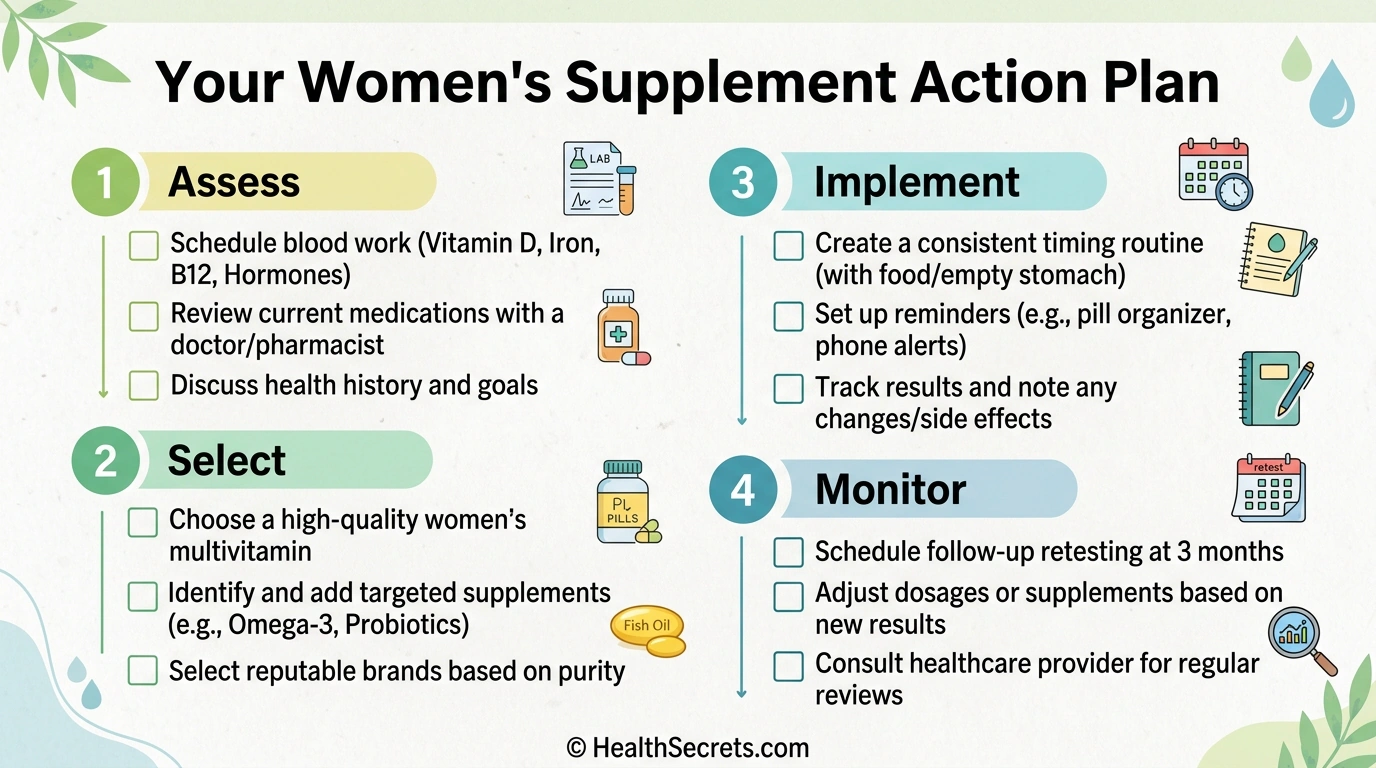
Action Plan
What Should You Do First to Optimize Your Supplement Routine?
Follow the sequence below, work through each phase in order, and use the checklist as your practical implementation guide.
Start by identifying your life stage and getting baseline blood work for vitamin D, iron (ferritin), B12, and thyroid function. Then choose a high-quality, third-party tested multivitamin matched to your age group, and add targeted supplements only where testing reveals specific deficiencies.
Phase 1 — Assess (Week 1):
- Schedule blood work: complete blood count, ferritin, vitamin D 25(OH)D, B12, thyroid panel
- List all current medications to check for supplement interactions
- Identify your life stage (reproductive, prenatal, perimenopausal, postmenopausal)
Phase 2 — Select (Week 2):
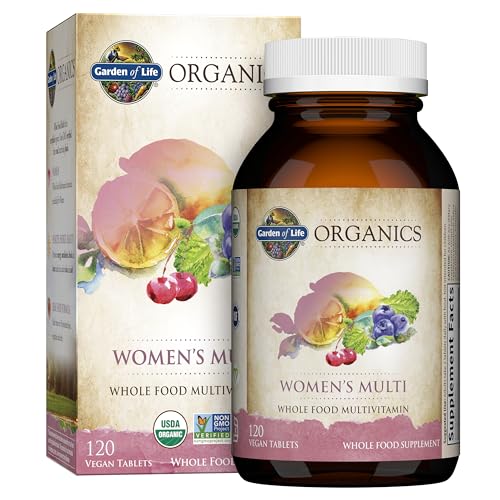
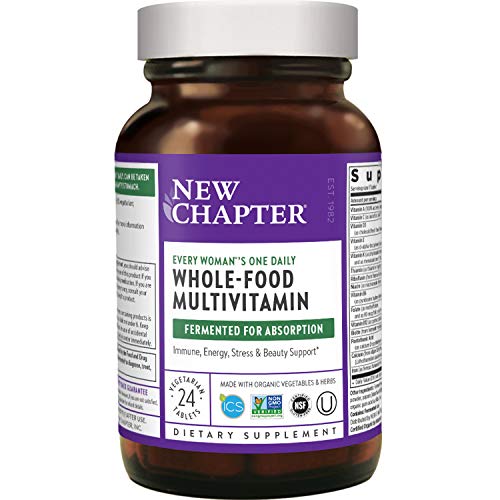
- Choose a multivitamin from our recommendations matched to your life stage
- If blood work shows deficiency, add targeted supplements (vitamin D, iron, or B12)
- Verify third-party testing on all selected products
Phase 3 — Implement (Weeks 3–4):
- Establish a daily timing routine (morning multivitamin, evening magnesium)
- Separate conflicting supplements (iron and calcium by 2+ hours)
- Track energy, mood, and any side effects in a simple journal
Phase 4 — Monitor (Months 2–6):
- Retest vitamin D and ferritin at 3 months
- Adjust dosages based on results and how you feel
- Reassess needs at major life transitions (pregnancy, menopause)