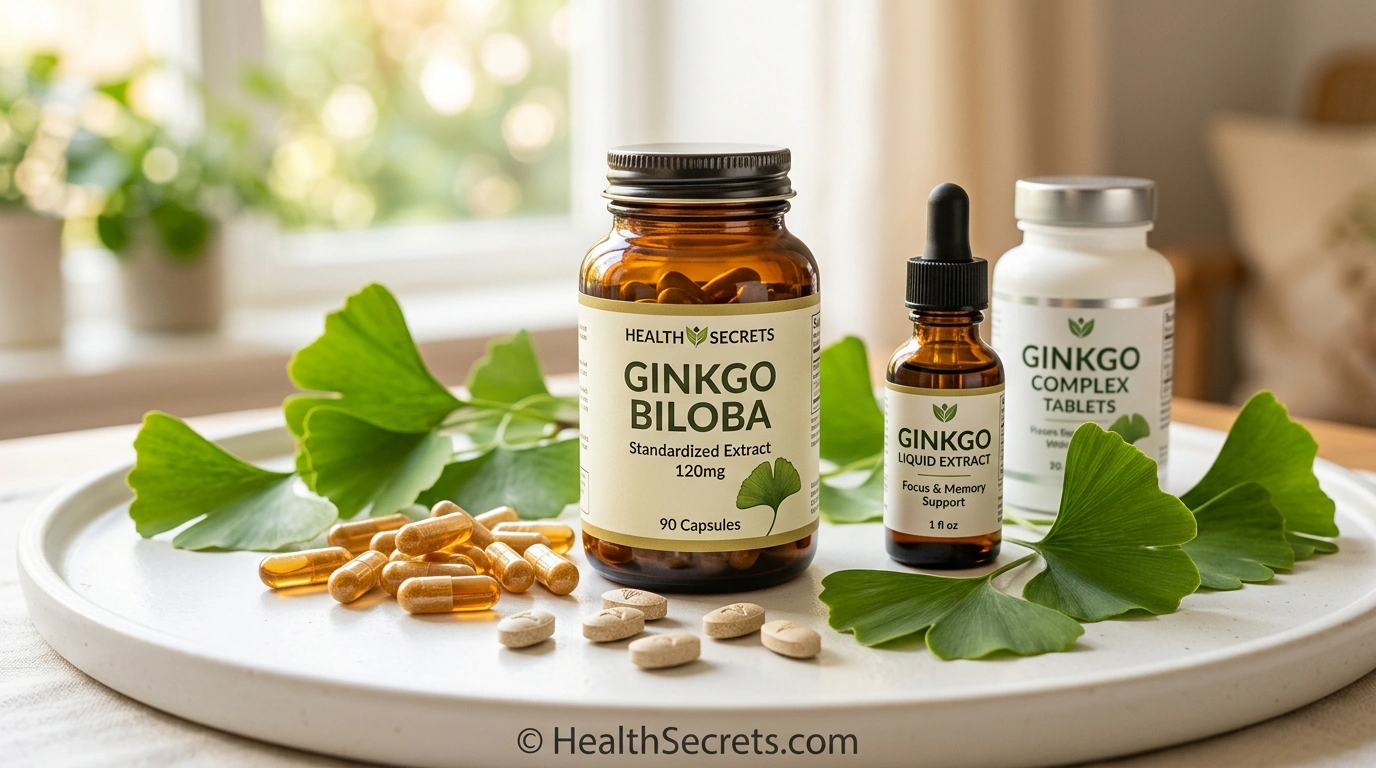
Ginkgo biloba — extracted from the leaves of one of the oldest living tree species on Earth — has been used in Traditional Chinese Medicine for over 5,000 years. Today, it remains one of the top-selling herbal supplements worldwide and is even prescribed as a medication for cognitive disorders in Germany and France [1].
But does the science support the ancient wisdom? A 2026 meta-analysis found that the standardized ginkgo extract EGb 761 significantly improves cognition, daily functioning, and quality of life in patients with mild dementia [2]. Meanwhile, a 2024 study showed ginkgo improved episodic memory in patients with early Alzheimer's pathology [3].
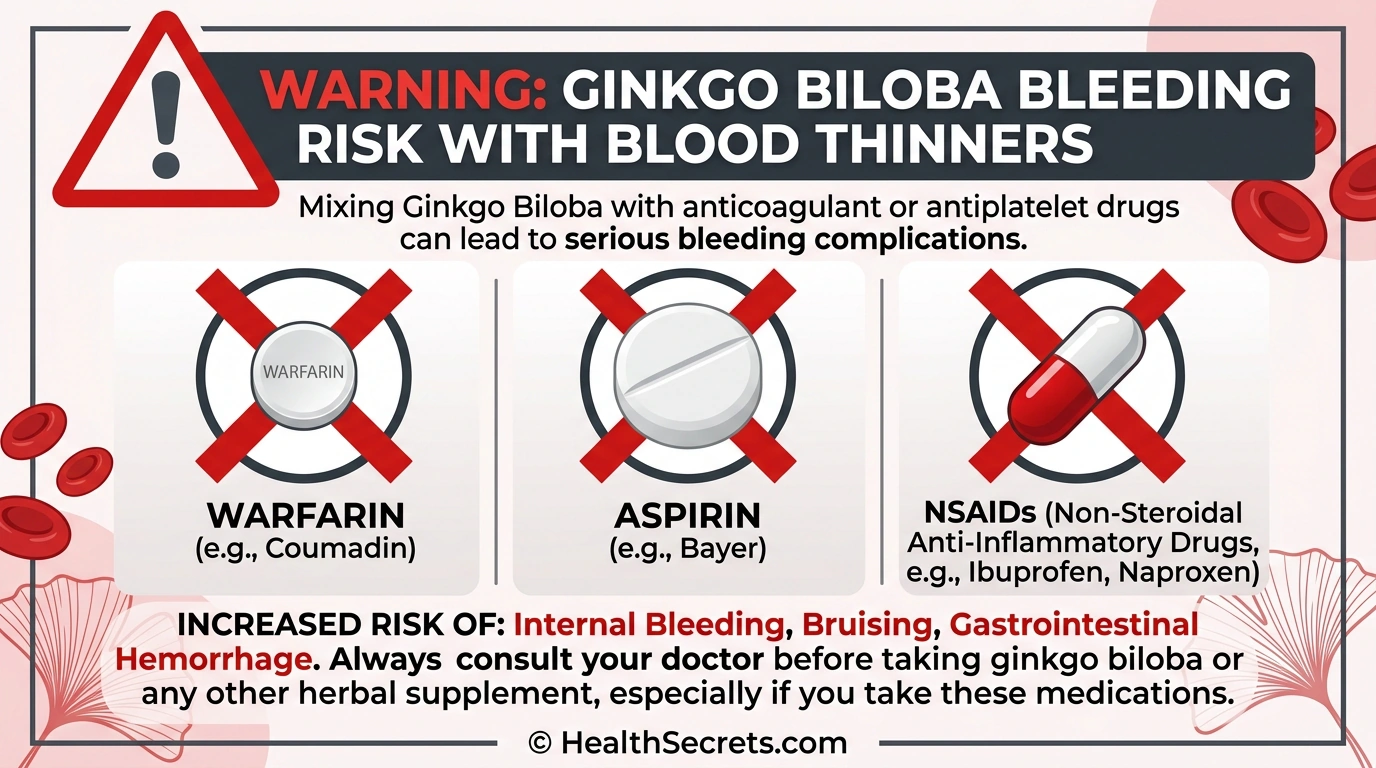
Ginkgo biloba significantly increases bleeding risk when combined with anticoagulants (warfarin, apixaban), antiplatelet drugs (clopidogrel, aspirin), or NSAIDs (ibuprofen, naproxen).
Do NOT take ginkgo if you are on blood thinners without medical supervision [4][5]. Always consult your healthcare provider before starting ginkgo, especially if taking any medications. This article is for educational purposes only and does not replace professional medical advice.
In this guide, you will learn what the clinical evidence actually shows, how ginkgo works in the brain, why standardization matters, critical drug interactions to watch for, proper dosing protocols, and how to choose a quality supplement. Whether you are exploring options for age-related cognitive decline or considering ginkgo as part of a broader mental wellness guide strategy, this review gives you the evidence-based answers you need.
- Ginkgo biloba extract EGb 761 (240 mg/day) significantly improves cognition, daily functioning, and quality of life in patients with mild dementia [2]
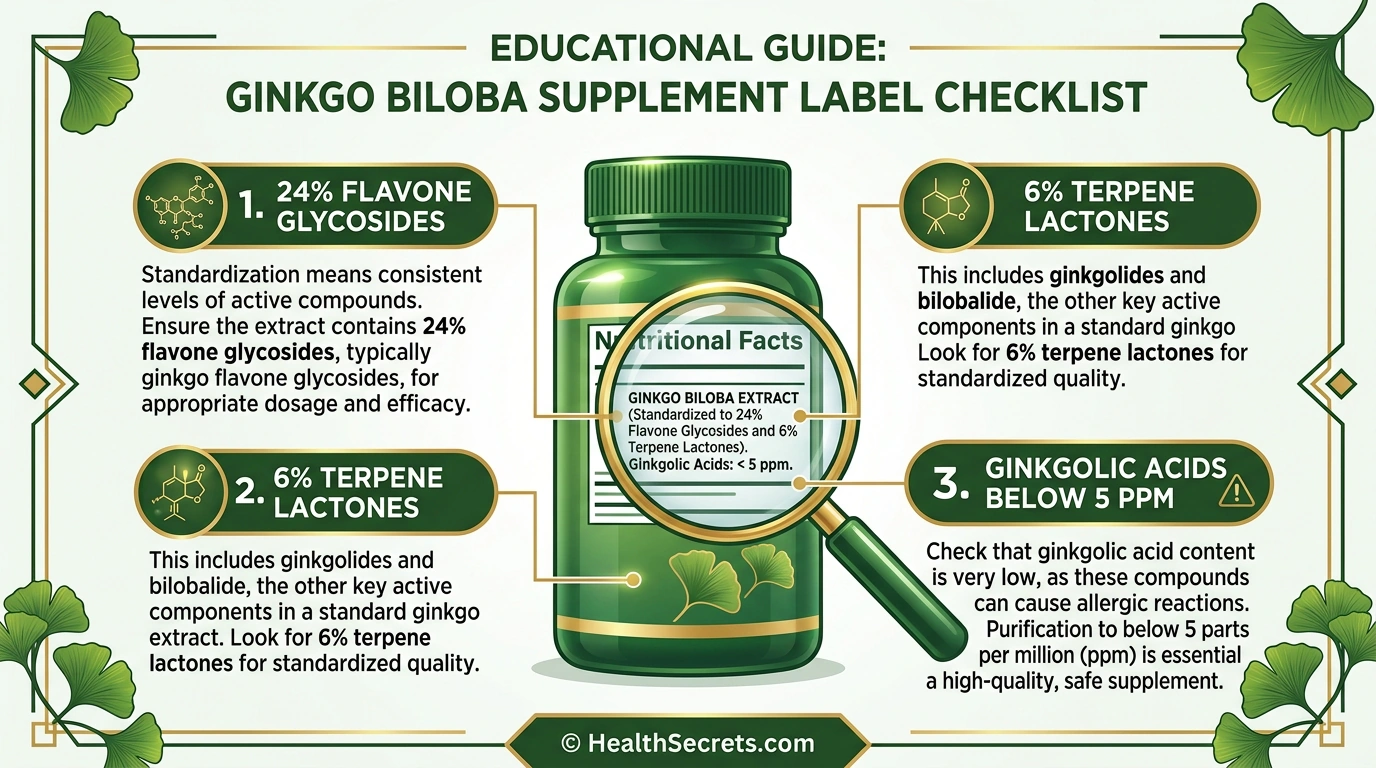
- The standardized 24/6 extract (24% flavone glycosides, 6% terpene lactones) is the gold standard — unstandardized products are unreliable
- ⚠️ Ginkgo significantly increases bleeding risk with warfarin (hazard ratio 1.38) and other blood thinners — never combine without medical supervision [4]
- Benefits take 8–12 weeks for cognitive effects — this is not a quick fix
- Strong evidence exists for mild-to-moderate dementia and vascular cognitive impairment, but limited evidence for cognitive enhancement in healthy adults
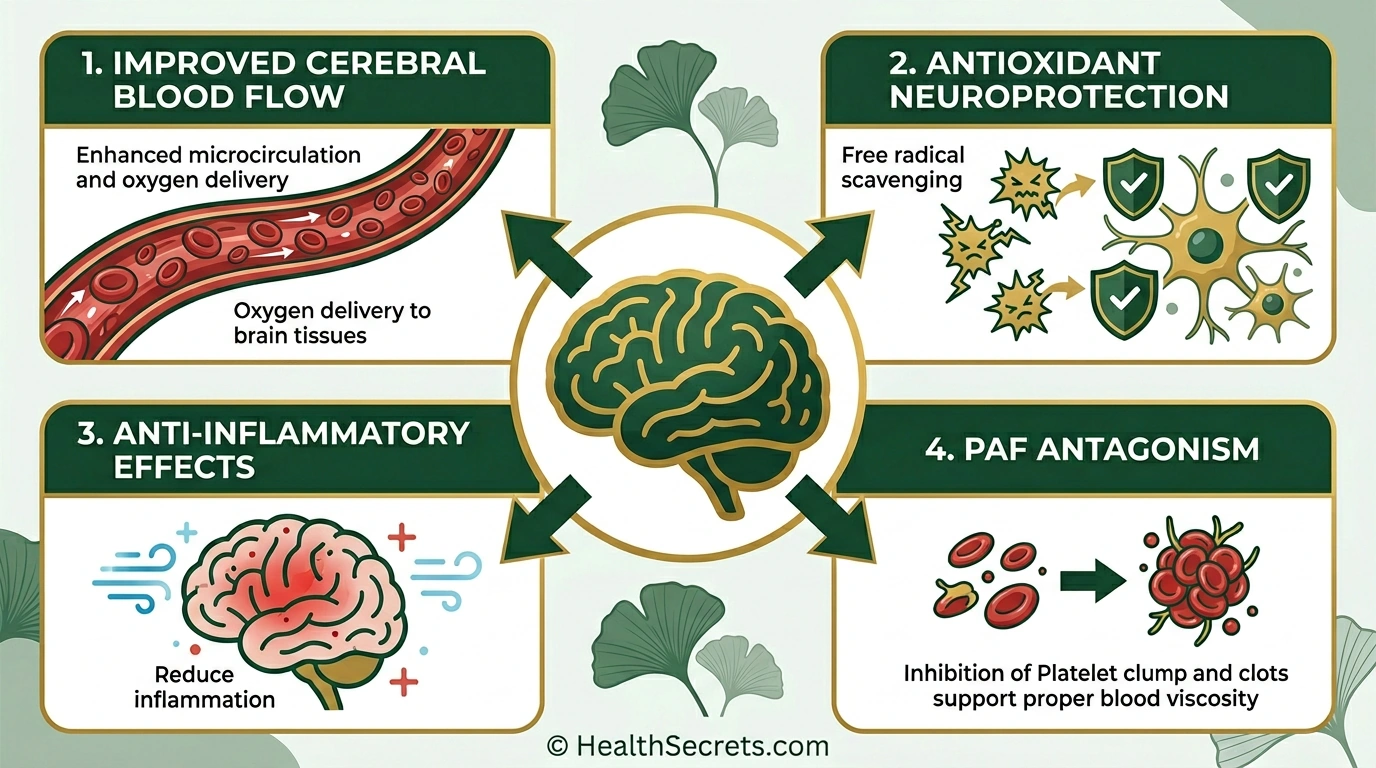
- Ginkgo works through multiple mechanisms: improved cerebral blood flow, antioxidant protection, neuroprotection, and anti-inflammatory effects [6][7]
- Always choose products with ginkgolic acid content below 5 ppm to minimize allergic reactions
- Stop ginkgo at least 2 weeks before any surgery or dental procedure
What Is Ginkgo Biloba and What Does It Actually Do?
Ginkgo biloba is a standardized herbal extract derived from the leaves of the Ginkgo biloba tree — the sole surviving member of the Ginkgoaceae family and a true "living fossil" that has existed for over 200 million years. Native to China, the tree's leaves contain a complex mix of bioactive compounds that work together to support brain health and circulation [6].
The two primary active compound groups are flavone glycosides (including quercetin, kaempferol, and isorhamnetin) which provide antioxidant protection and improve blood flow, and terpene lactones (including ginkgolides A, B, C, J and bilobalide) which antagonize platelet-activating factor (PAF) and offer neuroprotective effects [7][8].
Why does standardization matter so much for ginkgo?
Standardization is the single most important factor in choosing a ginkgo supplement. The gold standard extract is EGb 761, which contains exactly 24% flavone glycosides and 6% terpene lactones with ginkgolic acid content below 5 ppm. This is the extract used in virtually all major clinical trials [2][3]. Products labeled "24/6 standardized" mimic this profile. Unstandardized ginkgo products deliver inconsistent doses of active compounds and may contain harmful levels of ginkgolic acids, which can trigger allergic reactions similar to poison ivy [9].
How does ginkgo differ from other brain supplements?
Unlike nootropics such as lion's mane mushroom (which stimulates nerve growth factor) or bacopa monnieri (which modulates cholinergic transmission), ginkgo primarily works by improving cerebral blood flow and providing antioxidant neuroprotection [6]. This makes it particularly effective for vascular-related cognitive decline. The two approaches are complementary — ginkgo can be safely combined with most other brain health supplements under medical guidance.

Can't Sleep Through the Night?
Download the free Sleep Audit & Recovery Guide — used by our readers to identify the exact bedroom triggers and stress habits wrecking their rest.
How Does Ginkgo Biloba Work in the Brain?
Ginkgo biloba exerts its cognitive benefits through multiple synergistic mechanisms. Rather than targeting a single pathway, the extract's diverse compounds work simultaneously to protect and support brain function. This multi-target approach is why ginkgo shows broad benefits across several cognitive domains [6][7].
How does ginkgo improve cerebral blood flow?
Ginkgo's flavonoids cause vasodilation — widening blood vessels to increase blood flow to the brain. The extract also antagonizes overproduction of endothelin-1 (a potent vasoconstrictor), reverses cerebral vasospasm, and improves microcirculation [8]. This enhanced blood flow delivers more oxygen and glucose to brain tissue, which is particularly beneficial for people with vascular cognitive impairment. A 2024 Nature study confirmed that EGb 761 reduces blood markers of inflammation and oxidative stress while improving cerebral perfusion [10].
How does ginkgo protect neurons from damage?
Ginkgo provides robust neuroprotection through its antioxidant properties. The flavone glycosides scavenge reactive oxygen species (free radicals), reduce lipid peroxidation of cell membranes, and protect mitochondria — the cellular energy factories [6][7]. A 2026 study found that ginkgo extract (GBE50) alleviated cognitive impairment in cerebral small vessel disease by specifically inhibiting mitochondrial oxidative stress and preventing neuronal apoptosis (cell death) [11].
Does ginkgo reduce brain inflammation?
Yes. Ginkgo's terpene lactones — particularly the ginkgolides — are potent antagonists of platelet-activating factor (PAF), which reduces both platelet aggregation and neuroinflammation [8]. The extract also reduces inflammatory cytokines and modulates the immune response in brain tissue [10]. This anti-inflammatory effect contributes to both its cognitive benefits and its bleeding risk profile.
Can ginkgo protect against Alzheimer's pathology?
Emerging evidence suggests possible disease-modifying effects. The 2024 PMC study on amyloid PET-positive patients with mild cognitive impairment found that ginkgo monotherapy was associated with preserved cognition, improved daily functioning, and — remarkably — reduced plasma amyloid-beta oligomerization, suggesting potential effects on the underlying Alzheimer's pathology [3]. However, larger prospective trials are needed to confirm these findings.

Evidence-Based Supplement Organizer & Safety Log
An inventory that adds up the cost, thirty-three supplements graded on the evidence, an upper-limit tally, an interaction screen, a daily schedule and a one-sheet for your clinician.
How Well Is Ginkgo Biloba Absorbed by the Body?
The bioavailability of ginkgo's key active compounds varies significantly depending on the formulation and standardization. In standardized EGb 761 extract, the flavone glycosides (quercetin, kaempferol, isorhamnetin) reach measurable plasma levels within 1–2 hours after oral ingestion, with half-lives ranging from 2–4 hours depending on the specific compound [12].
Absorption is adequate with or without food, though some studies suggest mild improvements when taken with meals. The terpene lactones (ginkgolides and bilobalide) are generally well-absorbed, with bilobalide showing particularly good oral bioavailability [12].
What enhances ginkgo absorption?
Phospholipid complexes and solid dispersions of ginkgo extract have shown significantly enhanced bioavailability of key flavonoids in animal studies [13]. However, the standard EGb 761 extract used in clinical trials demonstrates sufficient bioavailability at recommended doses without special formulations. The most important factor for absorption is consistent daily dosing rather than any particular enhancement strategy.
Tea is NOT recommended as a delivery method — it provides inconsistent dosing, low potency, and may contain uncontrolled levels of ginkgolic acids. Capsules and tablets standardized to 24/6 remain the most reliable form.
How Much Ginkgo Biloba Should You Take?
The optimal dose depends on your goals and the clinical evidence supporting each use case. Most major clinical trials used the standardized EGb 761 extract at 120–240 mg per day, with 240 mg daily being the most commonly studied dose for cognitive benefits [2][3].
| Use Case | Daily Dose | Frequency | Duration |
|---|---|---|---|
| Starting dose | 120 mg | Once or twice daily | 1–2 weeks trial |
| Cognitive decline / MCI | 240 mg | 120 mg twice daily | 12+ weeks minimum |
| Mild-moderate dementia | 240 mg | 120 mg twice daily | 6–12 months (studies) |
| Circulatory symptoms | 120–240 mg | Divided doses | 2–4 weeks for effects |
| Key timing guidelines: |
- Start low: Begin with 120 mg once or twice daily and assess tolerance for 1–2 weeks
- Increase if needed: Move to 240 mg daily (divided into two doses) after the initial period
- Do not exceed 240 mg daily — higher doses have not shown additional benefits
- Be patient: Cognitive effects typically require 8–12 weeks of consistent use; circulatory improvements may appear in 2–4 weeks
- Consistency matters: Take at the same times each day, with or without food
- Long-term use is acceptable if beneficial and well-tolerated — studies have shown safety up to 2 years
Can You Get Ginkgo's Benefits from Food?
Unlike many supplements with dietary equivalents, ginkgo biloba does not have meaningful food sources. While ginkgo seeds (bai guo) are used in some Asian cuisines, they contain different compounds than the leaf extract and can actually be toxic in large quantities — ginkgo seeds contain ginkgotoxin (4-O-methylpyridoxine), which can cause seizures [9].
The therapeutic compounds in standardized ginkgo extract (flavone glycosides and terpene lactones) are concentrated from ginkgo leaves through a complex 27-step extraction process. You simply cannot achieve therapeutic levels through dietary means. This is one supplement where the extract is the only practical delivery method.
That said, you can support brain health through diet by eating foods rich in complementary nutrients: fatty fish (omega-3s for anti-inflammatory brain support), blueberries and dark berries (anthocyanins for antioxidant protection), walnuts (polyphenols and healthy fats), and dark leafy greens (folate and vitamin K for cognitive function).
Is Ginkgo Biloba Safe? Critical Drug Interactions You Must Know
Ginkgo biloba is generally well-tolerated when used as a standardized extract at recommended doses. However, the bleeding risk with certain medications is a serious and well-documented concern that requires careful attention [4][5][14].
⚠️ What medications should NEVER be combined with ginkgo?
The antiplatelet effects of ginkgo's ginkgolides (PAF antagonism) can dangerously potentiate the effects of blood-thinning medications. A large Veterans Administration study found that ginkgo significantly increases bleeding risk when taken concurrently with warfarin (hazard ratio 1.38, 95% CI: 1.20–1.58, p<.001) [4]. A 2024 PLOS ONE analysis confirmed significant interactions with multiple drug categories [5][14].
| Drug Category | Specific Drugs | Risk Level | What to Do |
|---|---|---|---|
| Anticoagulants | Warfarin, apixaban, rivaroxaban, dabigatran | HIGH — DO NOT COMBINE | Avoid ginkgo entirely |
| Antiplatelets | Clopidogrel, aspirin, ticagrelor, prasugrel | HIGH — DO NOT COMBINE | Avoid ginkgo entirely |
| NSAIDs | Ibuprofen, naproxen, celecoxib | MODERATE | Avoid regular combined use |
| SSRIs | Fluoxetine, sertraline, paroxetine | MODERATE | Monitor for bleeding |
| Anticonvulsants | Valproate, carbamazepine | MODERATE | Consult doctor |
What are the common side effects?
- Common (generally mild): Headache (most common, especially initially), digestive upset (nausea, stomach discomfort), mild dizziness, restlessness.
- Less common: Palpitations, constipation, allergic skin reactions (related to ginkgolic acid content).
- Serious (seek immediate medical attention): Unusual bruising, nosebleeds, blood in stool or urine, prolonged bleeding from cuts, severe headache, sudden vision changes.
Who should NOT take ginkgo?
- Anyone taking anticoagulants or antiplatelet medications
- People with bleeding disorders (hemophilia, von Willebrand disease)
- Anyone with surgery scheduled within 2 weeks
- Pregnant or breastfeeding individuals (insufficient safety data)
- People with known allergy to ginkgo or related plants (poison ivy, cashews)
- People with seizure disorders (use only under medical supervision)
What Can Ginkgo Biloba Actually Do for You?
Setting realistic expectations is essential. Ginkgo is not a miracle brain pill, but it does have genuine evidence-based benefits for specific populations. The clinical evidence supports a clear hierarchy of effectiveness [2][3][15].
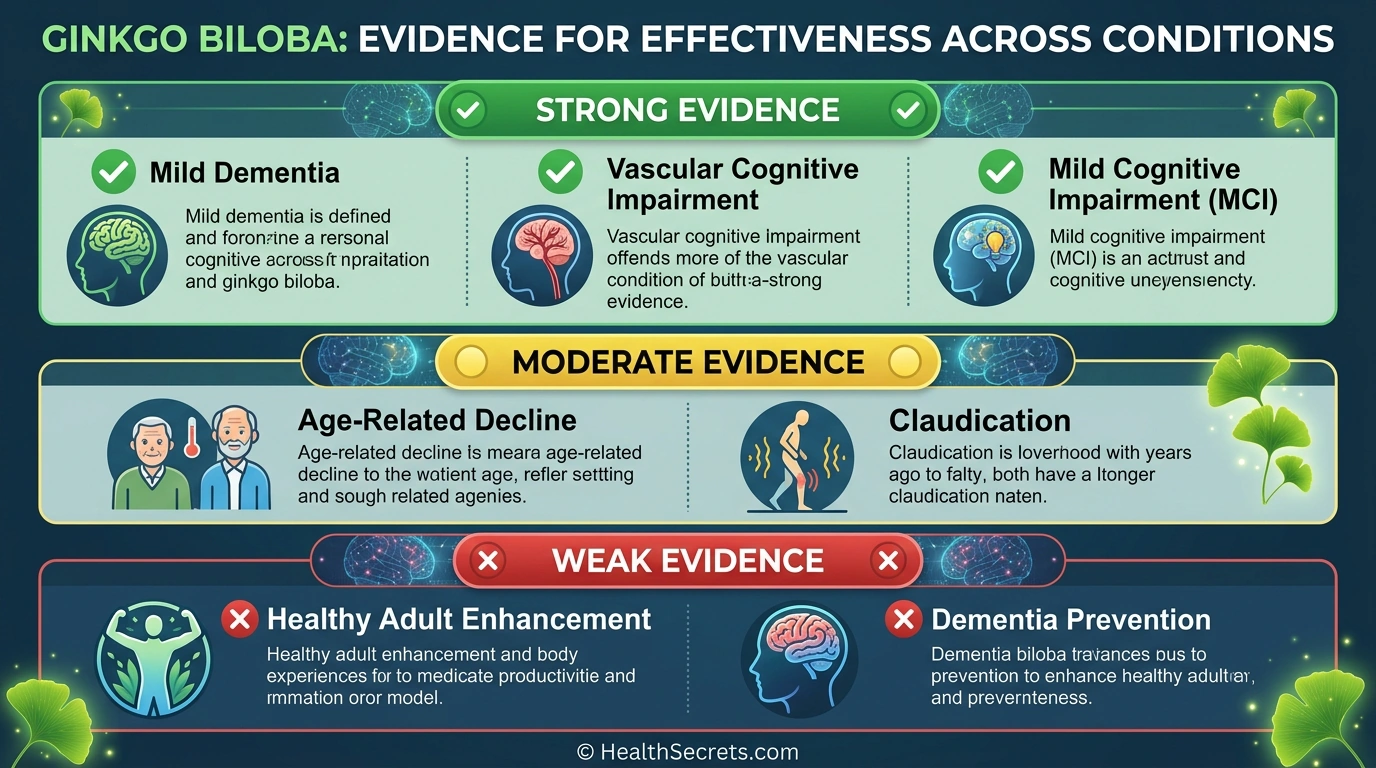
Strong evidence (likely to help):
- ✅ Mild-to-moderate dementia, especially with a vascular component
- ✅ Cerebrovascular insufficiency symptoms (dizziness, tinnitus from poor circulation)
- ✅ Mild cognitive impairment, particularly with vascular risk factors
Moderate evidence (may help):
- 🟡 Age-related cognitive decline in older adults
- 🟡 Intermittent claudication (leg pain from poor circulation)
- 🟡 Vertigo of vascular origin
Weak evidence (probably won't help):
- ❌ Cognitive enhancement in healthy young adults
- ❌ Prevention of dementia in healthy populations
- ❌ Non-vascular tinnitus
Realistic timeline:
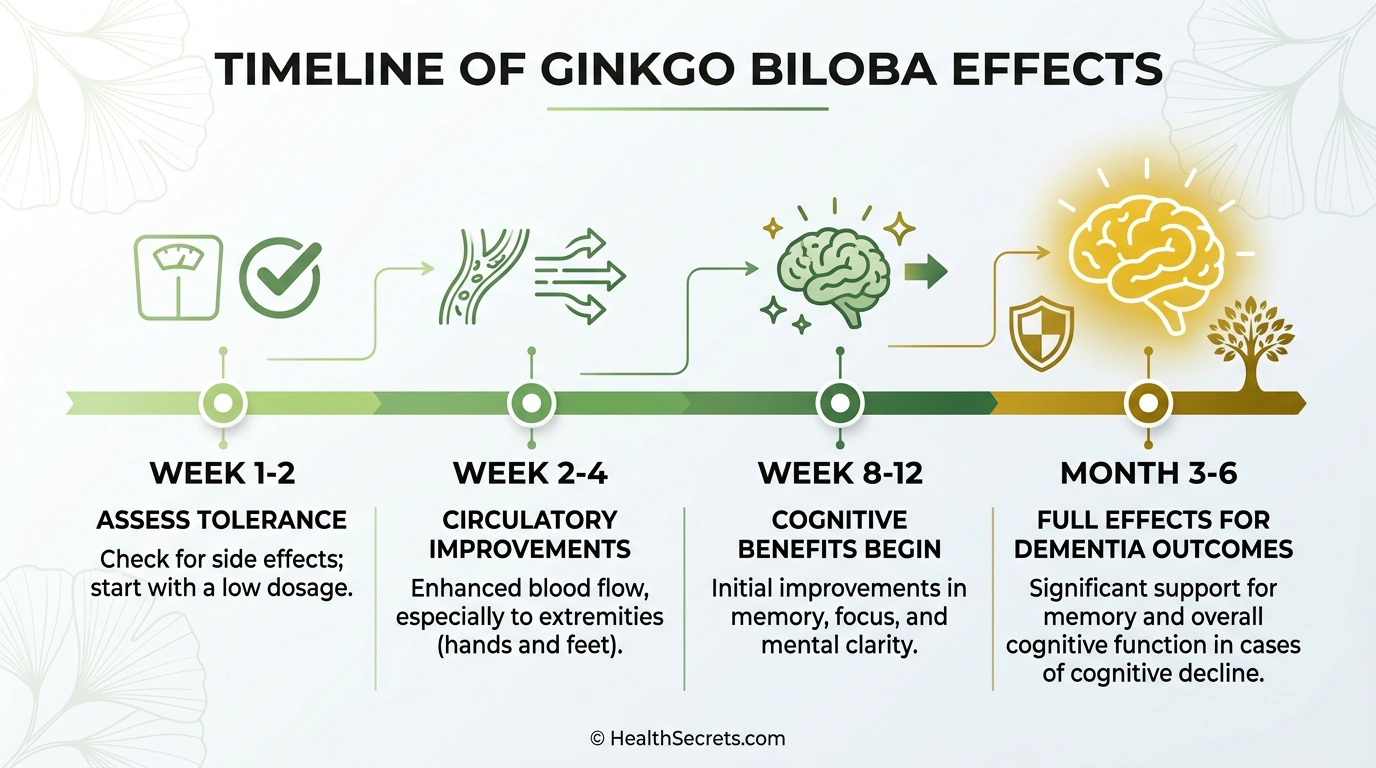
- Weeks 1–2: Assess tolerance, minimal cognitive effects
- Weeks 2–4: Possible improvement in circulatory symptoms
- Weeks 8–12: Cognitive benefits may become noticeable
- Months 3–6: Full effects for dementia-related outcomes
If you are a healthy adult under 60 with no cognitive complaints, the evidence does not support ginkgo as a cognitive enhancer [16]. If you are experiencing age-related memory concerns, particularly with vascular risk factors, ginkgo may offer meaningful benefits. For anyone concerned about cognitive aging, ginkgo is best used as one component of a comprehensive approach that includes good sleep hygiene, regular exercise, and a nutrient-dense diet.
Action Plan
What Should You Do First If You Want to Try Ginkgo?
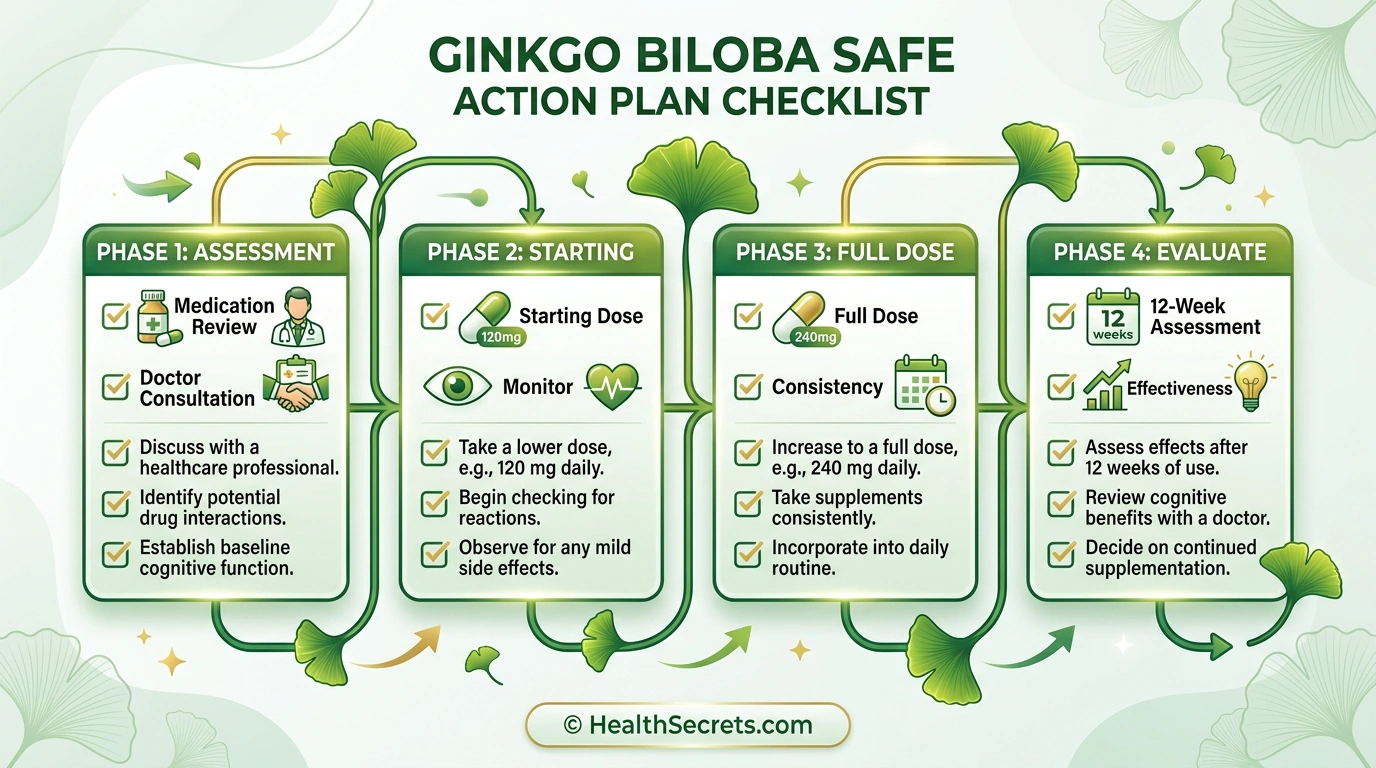
Follow the sequence below, work through each phase in order, and use the checklist as your practical implementation guide.
Follow this phased approach to use ginkgo safely and effectively. Before beginning any new supplement, discuss your plans with a healthcare provider — this is especially critical with ginkgo due to its drug interaction profile [4][5].
Phase 1: Assessment (Before Starting)
- Review all current medications with your doctor or pharmacist — especially blood thinners, antiplatelets, NSAIDs, and SSRIs
- Confirm you have no bleeding disorders or upcoming surgery within 2 weeks
- Identify your goal: cognitive support, circulatory symptoms, or general brain health
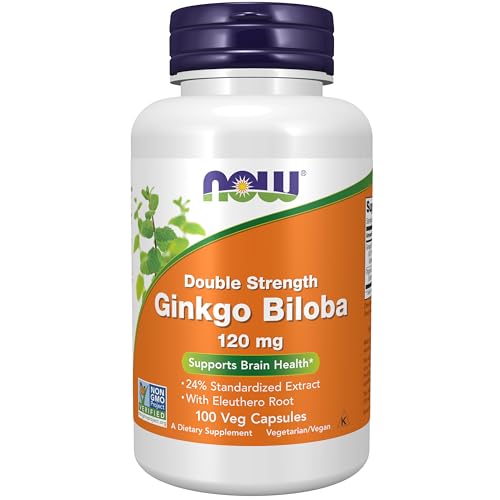
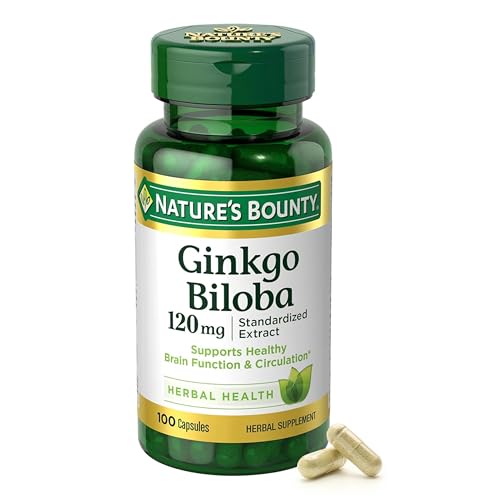
- Choose a quality standardized product (24/6, low ginkgolic acids, third-party tested)
Phase 2: Starting Protocol (Weeks 1–2)
- Begin with 120 mg once or twice daily with meals
- Monitor for side effects: headache, digestive upset, dizziness
- Watch for any unusual bleeding or bruising
- Keep a brief daily journal of how you feel
Phase 3: Full Dose (Weeks 3–12)
- If tolerated, increase to 240 mg daily (120 mg twice daily)
- Take consistently at the same times each day
- Continue monitoring for side effects and bleeding signs
- Do not expect dramatic changes — cognitive effects are gradual
Phase 4: Assessment (Week 12+)
- Evaluate: Has memory, focus, or circulation improved?
- If beneficial, continue long-term (safe for extended use)
- If no improvement, discontinue — ginkgo may not be right for you
- Inform all healthcare providers that you take ginkgo