Here's something most people don't realize about their brain: roughly 60% of it is fat. And one specific fat—phosphatidylserine—plays an outsized role in how well your neurons talk to each other, how efficiently your brain burns glucose, and whether your memory stays sharp as you get older.
Phosphatidylserine (PS) isn't a trendy newcomer to the nootropic world. It's been studied since the 1990s, and the evidence, while not earth-shattering, is genuinely encouraging—particularly for older adults dealing with age-related memory decline. A standard dosage of 300 mg daily, divided into three 100 mg doses, has shown effectiveness as a daily preventative measure for cognitive decline ([1]). Research confirms that PS is a phospholipid regulating the function of key proteins in cell membranes and can improve brain function and even support brain damage repair ([5]). Clinical trials have found that food supplements containing PS could improve different cognitive functions in mild cognitive impairment (MCI) patients, especially short-term memory ([7]), and a 12-week trial verified significant cognitive improvements in healthy subjects taking PS ([2]).
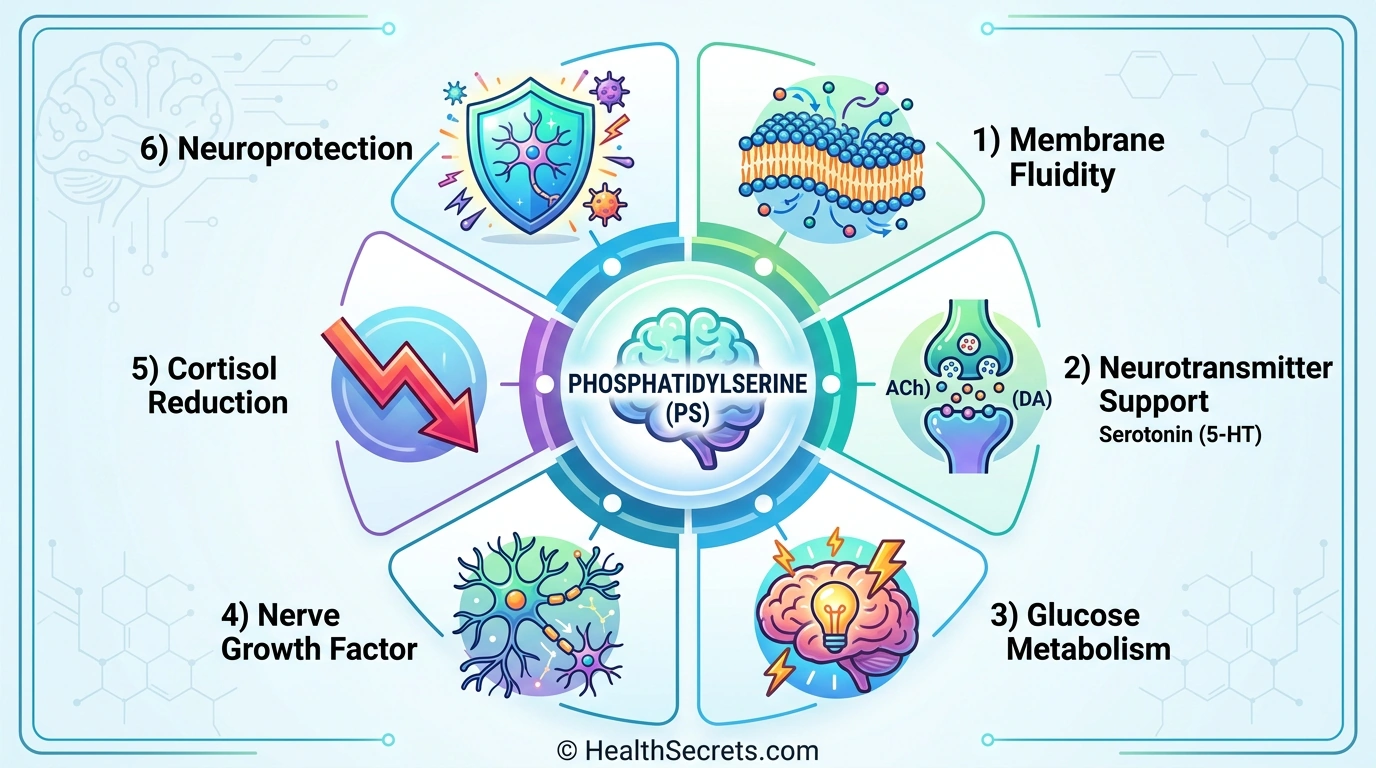
PS works through several interconnected pathways: maintaining neuronal membrane fluidity, supporting neurotransmitter release (acetylcholine, dopamine, serotonin), enhancing brain glucose metabolism, and reducing cortisol—the stress hormone that actively damages your hippocampus over time.
In this guide, you'll learn what PS actually is and why your brain depends on it, how it works at the cellular level, what the clinical research actually shows (and doesn't show), proper dosing for different goals, soy vs. sunflower sources, and who's most likely to benefit. If you're working on a broader mental wellness strategy or exploring the connection between brain health and gut function, understanding phosphatidylserine is a solid foundation.
What Is Phosphatidylserine and Why Does Your Brain Need It?
Phosphatidylserine is a phospholipid—a fat molecule with an attached phosphate group and the amino acid serine—that forms a critical structural component of every cell membrane in your body. Your brain contains the highest concentration of PS of any organ, with PS making up roughly 15% of the brain's total phospholipid pool, concentrated heavily in neuronal cell membranes and synapses ([1]).
Think of cell membranes as a two-layered wall of fat molecules. PS molecules sit within this wall with their fatty acid tails pointing inward (hydrophobic) and their phosphate-serine heads facing outward (hydrophilic). This arrangement keeps your cell membranes structurally sound while allowing them to remain fluid enough for proper signaling.
Why Is PS So Important for Brain Cells?
PS does several things simultaneously in neuronal membranes. It regulates the function of key proteins embedded in cell membranes—receptors, ion channels, and enzymes that control everything from neurotransmitter release to glucose uptake ([5]). It facilitates cell-to-cell communication. It supports the signaling cascade that tells damaged cells to self-destruct (apoptosis) so they don't accumulate.
Your body manufactures PS on its own, but here's the catch: production declines with age. And dietary sources are limited—organ meats, fish, white beans, and soybeans contain modest amounts, but most people don't eat enough of these foods to compensate for declining endogenous production ([9]). That's where supplementation enters the picture.

The Vagal Reset Breathing Cards
Four cut-out breathing patterns with exact counts and the moment each fits, a ten-session log that averages your before-and-after tension, and when breathwork is the wrong tool.
How Does Phosphatidylserine Work in Your Brain?
Phosphatidylserine supports brain function through at least six interconnected mechanisms—membrane fluidity, neurotransmitter support, glucose metabolism, nerve growth factor activity, cortisol reduction, and neuroprotection. These pathways work in concert, which partly explains why PS has broad cognitive effects rather than targeting just one aspect of brain function.
How Does PS Maintain Neuronal Membrane Fluidity?
PS keeps neuronal membranes at the right consistency—fluid enough for embedded proteins (receptors, channels) to move freely and function properly, but structured enough to maintain cell integrity. As you age, membranes tend to stiffen. Rigid membranes mean impaired receptor function, sluggish neurotransmitter release, and poor cell signaling. PS counteracts this stiffening by maintaining optimal membrane composition ([1]).
How Does PS Support Neurotransmitter Release?
PS enhances the release of acetylcholine (critical for memory and learning), dopamine (motivation and focus), and serotonin (mood regulation). It does this indirectly—by maintaining the membrane environment that vesicles need to fuse with the cell surface and release their neurotransmitter cargo. PS also supports the receptor proteins that catch those neurotransmitters on the other side of the synapse.
What Role Does PS Play in Brain Energy and Neuroprotection?
Your brain consumes about 20% of your body's glucose despite weighing only 2% of your total mass. PS enhances glucose uptake and utilization in neurons, essentially helping your brain access the fuel it needs. Additionally, PS supports nerve growth factor (NGF) activity—critical for neuronal survival and synaptic plasticity—and has neuroprotective properties, reducing oxidative stress, supporting mitochondrial function, and potentially maintaining myelin integrity ([5]).
And then there's cortisol. PS blunts stress-induced cortisol elevation, which matters because chronic cortisol excess actively damages your hippocampus—the brain region most critical for memory formation.
How Well Is Phosphatidylserine Absorbed When You Take It?
Phosphatidylserine is efficiently absorbed after oral consumption, crosses the blood-brain barrier, and reaches neuronal membranes where it's needed. However, absorption is significantly improved when PS is taken with meals containing dietary fat, since PS is itself a lipid molecule.
About 60% of ingested PS is excreted in feces and 10% in urine, with the major metabolite being lyso-PS (FDA GRAS Notice 636 [10]). That might sound like a lot of waste, but the remaining absorbed PS does reach the brain effectively. Studies using radiolabeled PS have confirmed that supplemental PS integrates into brain cell membranes.
Does the Source Affect Absorption?
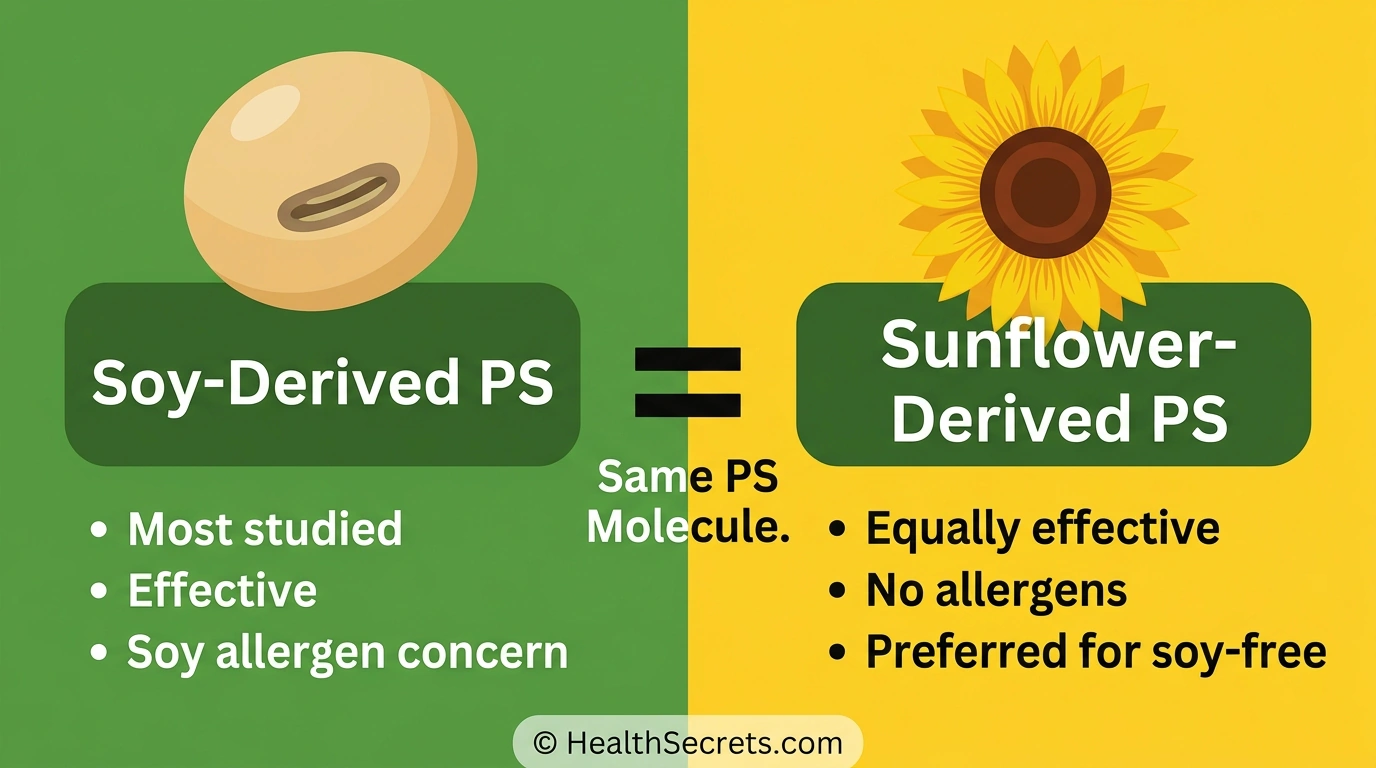
The PS molecule itself is identical whether derived from soy or sunflower lecithin. The fatty acid composition attached to the PS backbone differs slightly between sources—soy and sunflower versions tend to contain more polyunsaturated fatty acids compared to the original bovine-derived PS, which had more saturated and monounsaturated fatty acids. However, these differences don't meaningfully affect absorption or efficacy (FDA GRAS Notice 636 [10]).
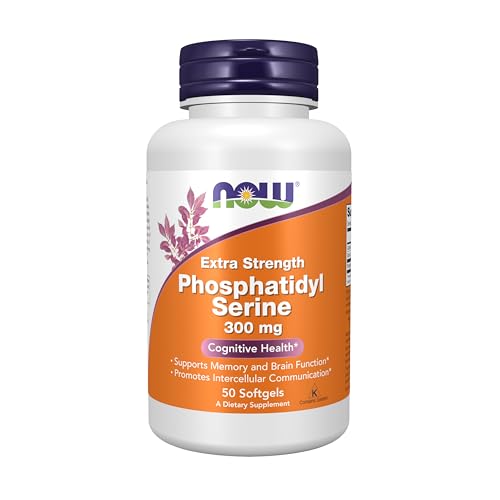
Softgels may offer slightly better absorption than capsules since the PS is already dissolved in an oil matrix, but both forms are effective. The most important absorption factor is simply taking PS with a meal that includes some fat.
How Much Phosphatidylserine Should You Take?
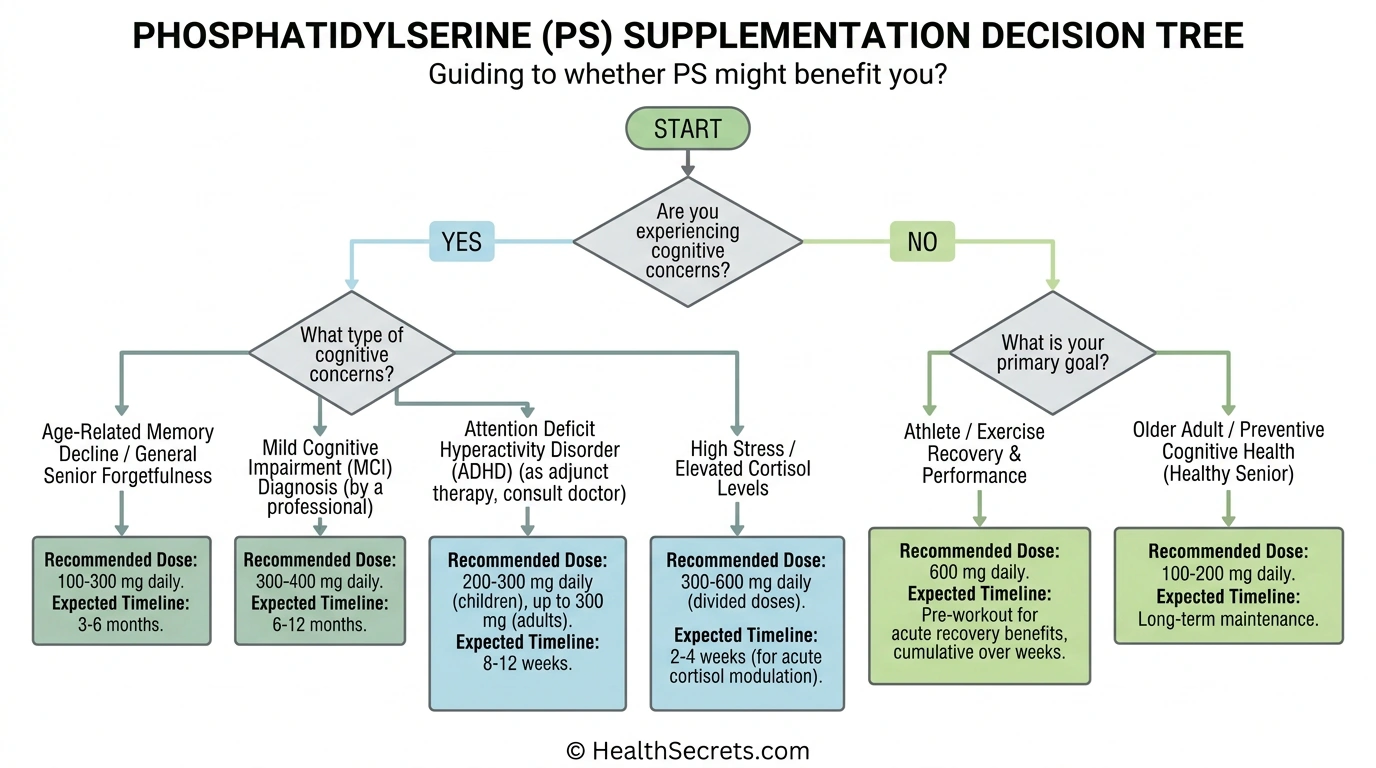
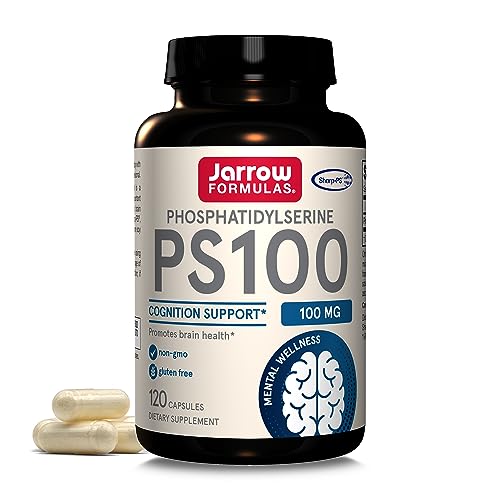
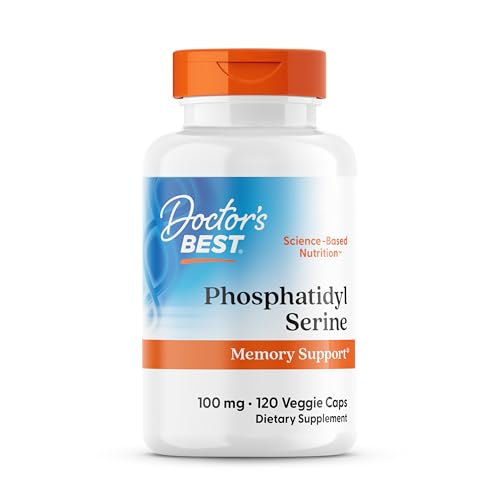
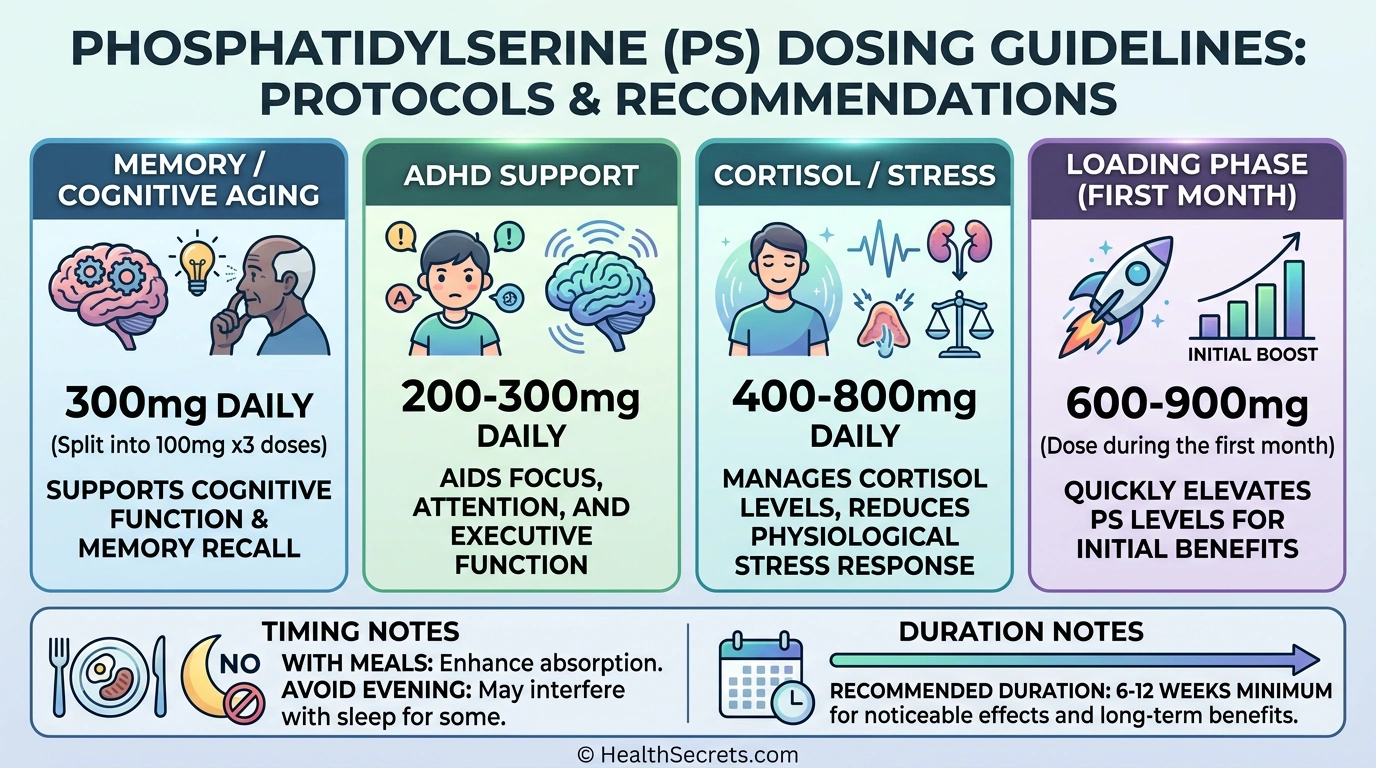
The standard effective dose is 300 mg daily, divided into three 100 mg doses taken with meals. This dosing protocol has the most clinical support and appears effective as a daily preventative for cognitive decline ([1]).
| Goal | Daily Dose | Schedule | Duration |
|---|---|---|---|
| Memory and cognitive aging | 300 mg | 100 mg 3x daily with meals | 6–12 weeks minimum |
| ADHD support | 200–300 mg | Divided into 2–3 doses | 8–12 weeks minimum |
| Cortisol reduction and stress | 400–800 mg | Divided throughout day | Ongoing as needed |
| Loading phase (optional) | 600–900 mg | 300 mg 2–3x daily | First 4 weeks only |
| Timing matters. Always take PS with meals containing fat for better absorption. Avoid evening doses—some people report insomnia when PS is taken too late in the day. Your last dose should be with dinner or earlier. |
Consistency is more important than dose size. PS works by gradually increasing brain PS levels, which requires daily, sustained supplementation. Skipping days undermines the process. Most clinical trials showing benefits ran for 6–12 weeks minimum, with some extending to 6 months for greater effects ([2]).
Can You Get Enough Phosphatidylserine From Food Alone?
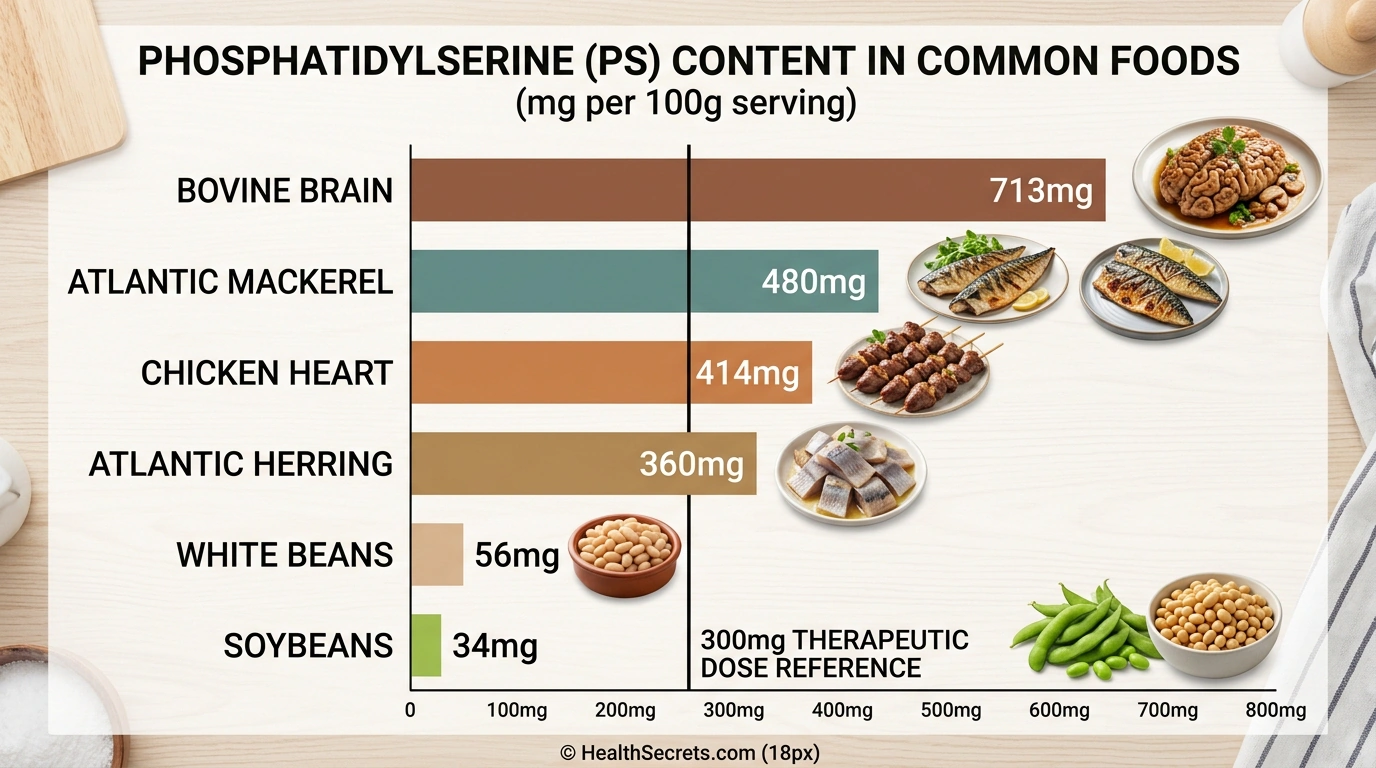
The average Western diet provides roughly 130 mg of PS daily—well below the 300 mg therapeutic dose used in clinical trials. While you can increase dietary PS intake, reaching supplemental levels through food alone is impractical for most people.
The richest food sources include:
- Bovine brain: ~713 mg per 100g (not commonly eaten)
- Atlantic mackerel: ~480 mg per 100g
- Chicken heart: ~414 mg per 100g
- Atlantic herring: ~360 mg per 100g
- White beans: ~56 mg per 100g
- Soybeans: ~34 mg per 100g ([13])
Notice the pattern: the highest PS foods are organ meats and certain fish—foods most people eat infrequently if at all. Soy lecithin contains only about 0.5% PS, and common vegetable oils have trace amounts.
A balanced approach makes the most sense: eat fish 2–3 times per week (good for both PS and omega-3s), include legumes regularly, and supplement to reach therapeutic levels if you're targeting specific cognitive goals. Food sources alone won't give you enough PS for meaningful cognitive effects, but they contribute to your baseline.
Is Phosphatidylserine Safe to Take?
Phosphatidylserine has an excellent safety profile. It has been used in clinical trials lasting months to years with no serious adverse effects reported at doses ranging from 200–800 mg daily. The FDA granted GRAS (Generally Recognized As Safe) status to both soy-derived and sunflower-derived PS (FDA GRAS Notice 636 [10]).
Side effects are rare and mild:
- Insomnia — the most commonly reported issue, easily avoided by taking your last dose with dinner rather than later in the evening
- Digestive upset — occasional mild stomach discomfort, usually resolves when taken with food
- Headache — rare, typically transient
Interactions and contraindications to know about:
- Blood thinners (warfarin, heparin): PS has a theoretical interaction—it may enhance anticoagulant effects. Consult your doctor before combining
- Anticholinergic medications: Since PS enhances acetylcholine activity, it may interact with drugs that block acetylcholine. Talk to your prescriber
- Pregnancy and breastfeeding: Insufficient safety data exists. Avoid unless specifically directed by your healthcare provider
The original bovine brain-derived PS was abandoned due to concerns about mad cow disease (BSE), but modern plant-derived versions (soy and sunflower) carry no such risk. Both soy-derived and sunflower-derived PS have been extensively safety-tested ([9]).
What Can Phosphatidylserine Actually Do for Your Memory?
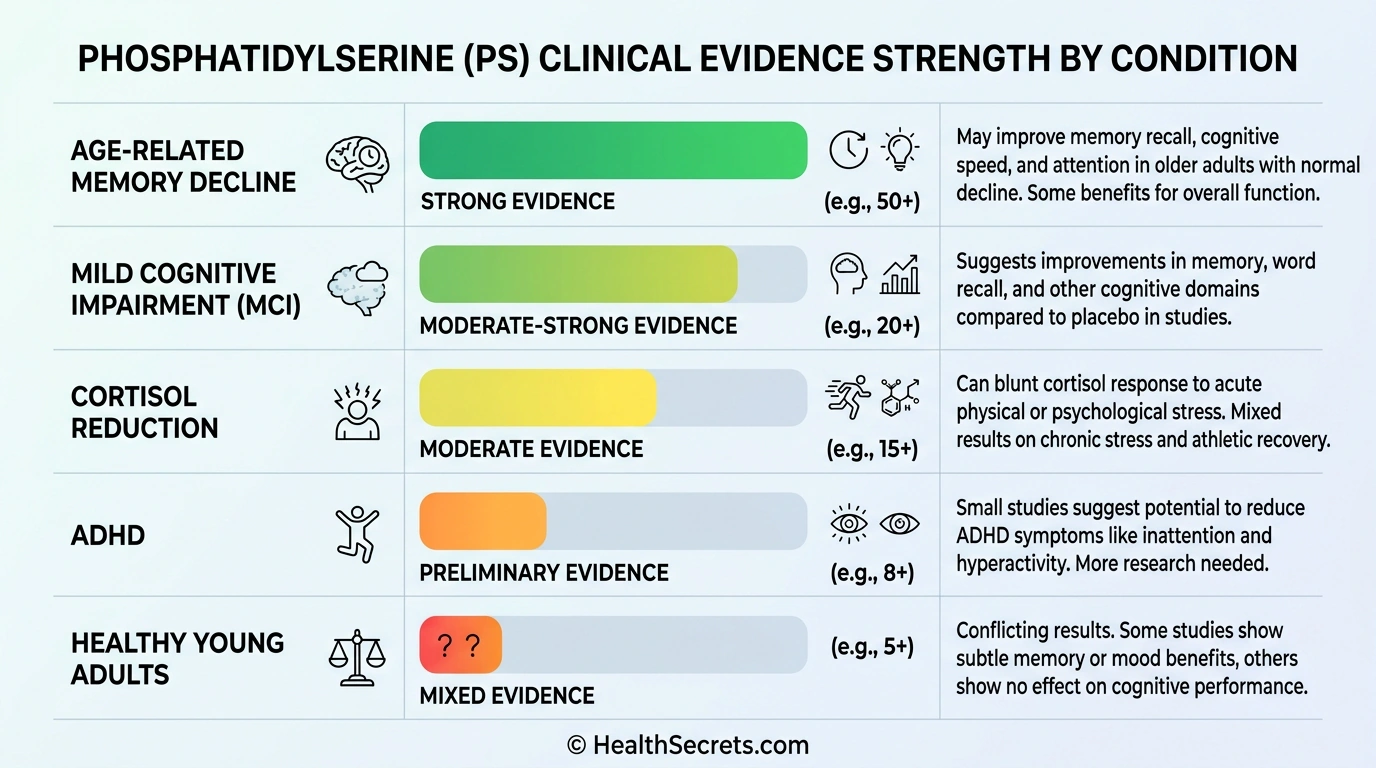
Phosphatidylserine offers modest but genuine cognitive benefits—primarily for older adults experiencing age-related memory decline or mild cognitive impairment. It's not a miracle molecule, and setting realistic expectations upfront will help you evaluate whether it's working for you.
Age-related memory decline and MCI show the most consistent results. Soybean-derived PS improved memory function in elderly subjects with memory complaints, particularly delayed recall—one of the earliest cognitive functions impaired in dementia progression ([2]). A landmark 1991 trial of 149 patients with age-associated memory impairment found that 300 mg daily PS significantly improved learning and memory tasks compared to placebo, especially in those who started at lower cognitive levels ([3]).
- Cortisol reduction is well-documented. PS supplementation at 600–800 mg daily reduced exercise-induced cortisol by 20–30% compared to placebo, promoted a more favorable testosterone-to-cortisol ratio, and was deemed effective for combating exercise-induced stress ([4]).
- ADHD evidence is preliminary but promising. A 2022 meta-analysis of studies using 200–300 mg daily PS found a statistically significant effect on inattention symptoms in children (effect size 0.36), but effects on overall ADHD symptoms and hyperactivity-impulsivity did not reach statistical significance ([6]). A 2026 study found PS reduced aggressive and behavioral problems in ADHD children, though not core ADHD symptoms ([12]).
- For healthy young adults, evidence is mixed. Some studies show improved processing speed and calculation accuracy (19.8% faster, 33% fewer errors in one trial), while others show no significant effects. PS may be more beneficial for people with suboptimal levels or under cognitive stress.
What to realistically expect:
- Modest improvements—think 10–20% better performance on memory tasks, not a transformation
- Benefits build gradually over 6–12 weeks of daily use
- Best results when combined with exercise, healthy diet, adequate sleep, and stress management
- PS is a supportive tool, not a standalone cognitive solution
Action Plan
What Should You Do First If You Want to Try Phosphatidylserine?
Follow the sequence below, work through each phase in order, and use the checklist as your practical implementation guide.
Start by assessing whether you're a good candidate for PS supplementation—older adults with memory concerns, people under chronic stress, or those with diagnosed MCI will likely see the most benefit. Then follow this phased approach to give PS the best chance of working.
Phase 1: Preparation (Week 1)
- Consult your healthcare provider, especially if you take blood thinners or anticholinergic medications
- Choose your PS source: sunflower-derived if you have soy allergies, soy-derived if you want the most-studied form
- Select a quality supplement: pharmaceutical grade, third-party tested, standardized PS content clearly labeled
- Establish your baseline—note your current memory, focus, and stress levels
Phase 2: Starting PS (Weeks 2–4)
- Begin with 300 mg daily, divided into 100 mg three times daily with meals
- Take each dose with a meal containing dietary fat for optimal absorption
- Avoid taking your last dose after dinner to prevent potential insomnia
- Optional loading phase: 600–900 mg daily for faster brain PS accumulation
Phase 3: Assessment (Weeks 6–12)
- Continue daily PS supplementation without interruption
- At week 6, evaluate memory, focus, and stress resilience compared to baseline
- If using a loading dose, reduce to 300 mg daily maintenance after week 4
- Combine with brain-supportive lifestyle: Mediterranean-style diet, regular exercise, 7–9 hours of sleep
Phase 4: Long-Term Maintenance (Month 3+)
- Maintain 300 mg daily if experiencing benefits
- For cortisol management, continue at 400–800 mg daily as needed
- Reassess every 3 months with your healthcare provider