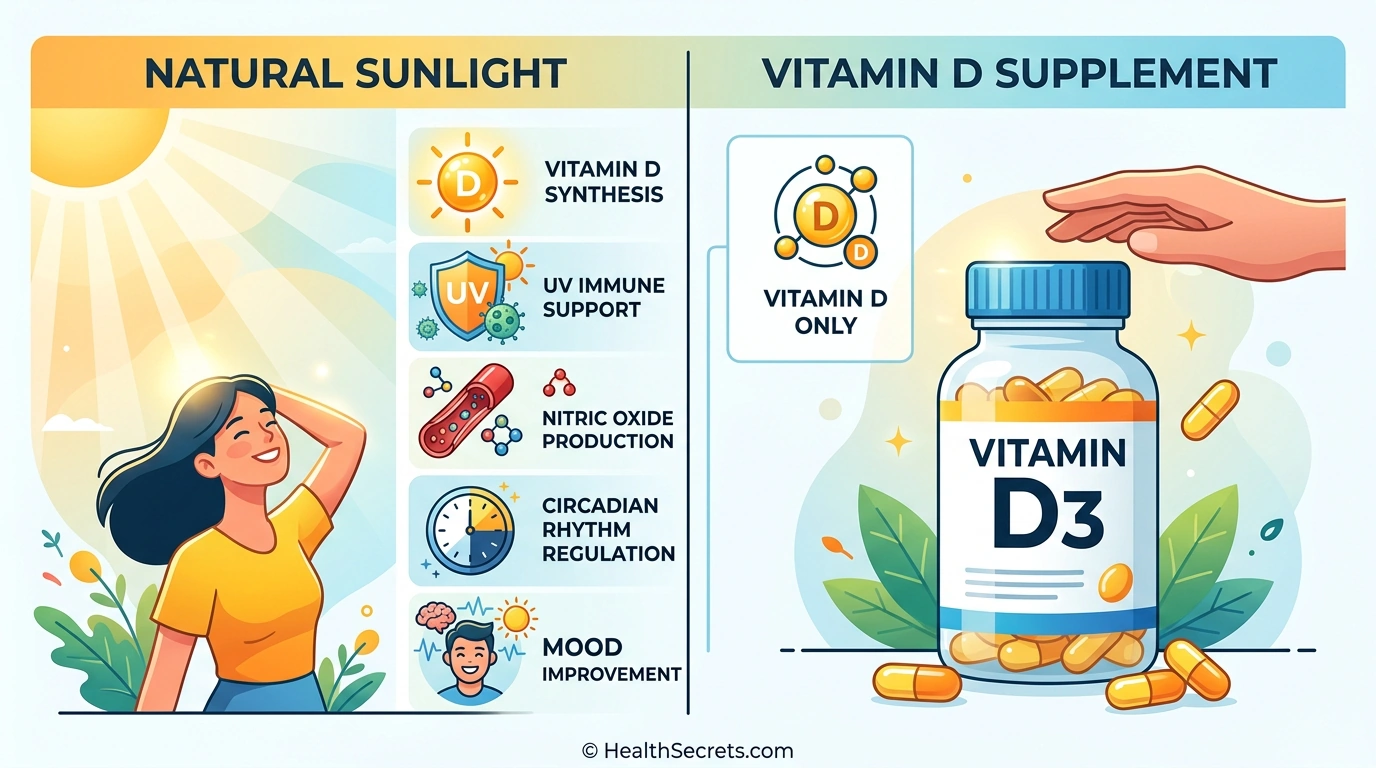
We've been taught to think of sunlight primarily as a vitamin D delivery system. And sure, that part is real — 10 to 30 minutes of midday sun exposure can trigger the production of 10,000 to 25,000 IU of vitamin D, dwarfing what most supplements provide. But here's what most people miss: sunlight's immune benefits extend well beyond vitamin D. [1] [3]
Researchers at Georgetown University Medical Center discovered that sunlight directly energizes infection-fighting T cells through a mechanism completely separate from vitamin D production. UV light modulates immune cells in the skin, triggers nitric oxide release from skin stores, and synchronizes circadian rhythms that govern when your immune cells patrol your body. These pathways explain something epidemiologists have puzzled over for years — people with higher sun exposure have lower rates of autoimmune disease, cardiovascular disease, and certain cancers, even after accounting for vitamin D levels. [4] [6]
This guide covers what happens when sunlight hits your skin, why modern indoor lifestyles are quietly undermining your immune system, and how to get the right amount of sun without increasing skin cancer risk. [11] [15]
For a deeper dive into vitamin D supplementation, see our vitamin D complete guide. If you're building a broader immune support strategy, our guide to boosting your immune system naturally and best immune supplements are good starting points.
How Does Sunlight Actually Affect Your Immune System?
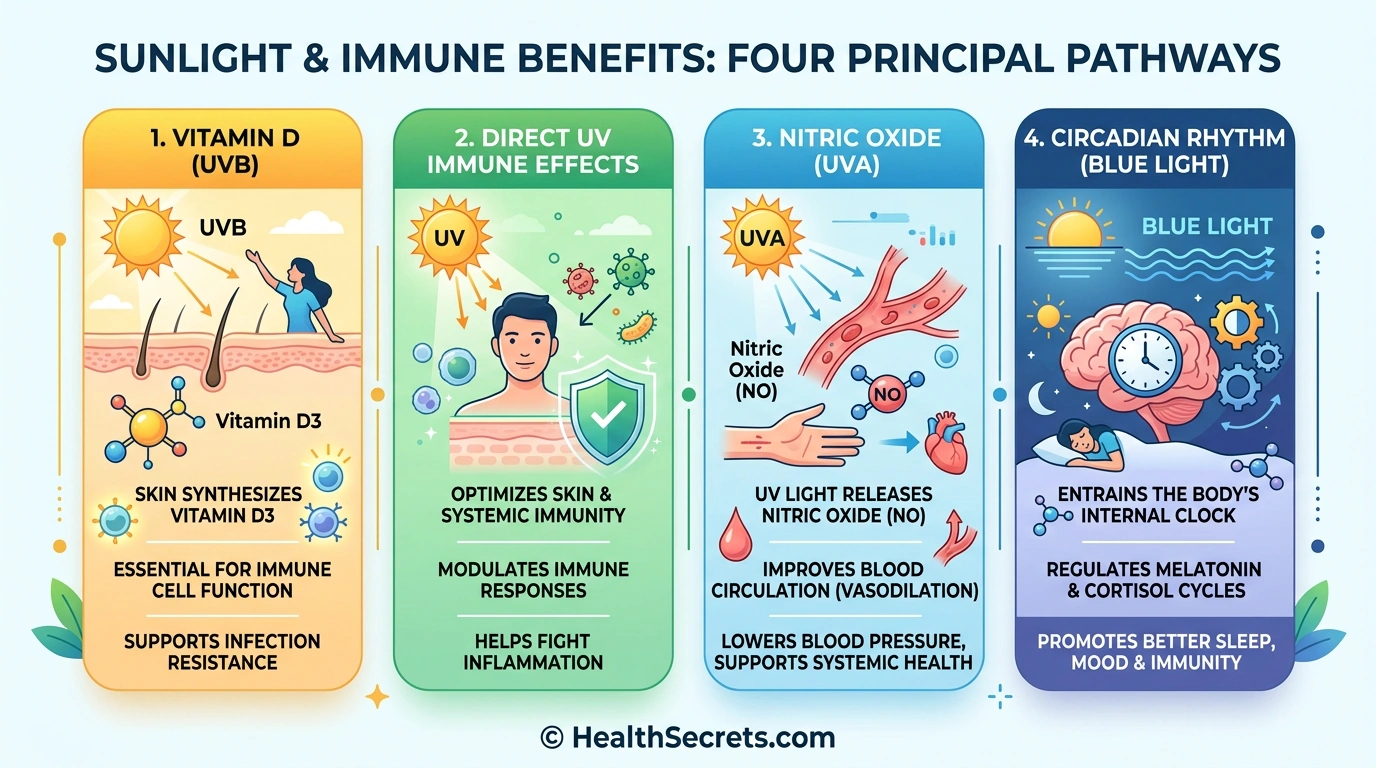
Sunlight influences immunity through at least four separate biological mechanisms: vitamin D synthesis via UVB radiation, direct modulation of skin-resident immune cells by UV light, nitric oxide release triggered by UVA rays, and circadian rhythm entrainment through blue-spectrum light entering the eyes. Each pathway contributes independently to immune function.
The idea that sunlight matters for health isn't new. What is relatively new is the scientific understanding that vitamin D is only part of the story. A 2024 review published in the Journal of Investigative Dermatology noted that epidemiological studies from the UK and Sweden link sun exposure to reduced all-cause mortality, cardiovascular mortality, and cancer mortality — yet multiple trials of oral vitamin D supplementation alone show limited benefit [2]. Something else about sunlight is driving these health effects.
That "something else" includes direct immune effects of UV radiation on skin cells, the release of nitric oxide (a vasodilator and antimicrobial molecule), the regulation of circadian biology, and mood enhancement through endorphin and serotonin pathways.
| Mechanism | How It Works | Immune Benefit | Evidence Level |
|---|---|---|---|
| Vitamin D (UVB) | UVB converts 7-dehydrocholesterol to vitamin D3 | T cell activation, antimicrobial peptides, immune modulation | Strong |
| Direct UV immune effects | UV modulates Langerhans cells, T cells, mast cells in skin | Increased Tregs, reduced autoimmune activity | Moderate-Strong |
| Nitric oxide (UVA) | UVA releases NO from skin stores | Antimicrobial, anti-inflammatory, improved blood flow | Moderate |
| Circadian rhythm (blue light) | Morning light entrains SCN master clock | Optimized immune cell trafficking and timing | Strong |

Can't Sleep Through the Night?
Download the free Sleep Audit & Recovery Guide — used by our readers to identify the exact bedroom triggers and stress habits wrecking their rest.
How Does Sunlight Drive Vitamin D Production and Immune Function?
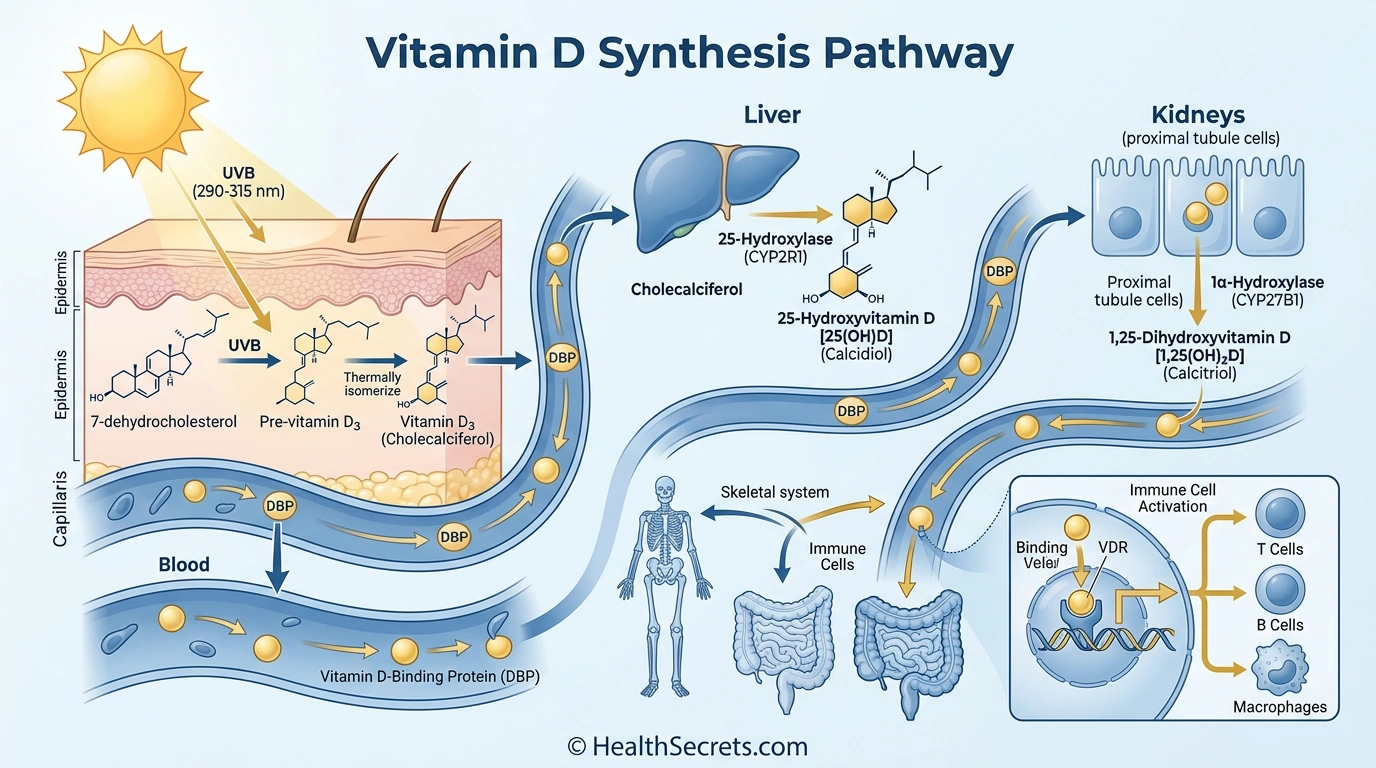
When UVB rays (290–315 nm) hit your skin, they convert 7-dehydrocholesterol into pre-vitamin D3, which is then transformed into the active hormone calcitriol — a powerful immune modulator that activates T cells, stimulates antimicrobial peptide production, and balances inflammatory responses. This process makes sunlight the body's primary and most efficient source of vitamin D.
The Vitamin D Production Process
- UVB rays hit exposed skin
- 7-dehydrocholesterol converts to pre-vitamin D3
- Body heat converts it to vitamin D3 (cholecalciferol)
- Liver converts D3 to 25(OH)D (storage form — what blood tests measure)
- Kidneys and immune cells convert to 1,25(OH)2D (active form, calcitriol)
A key study published in Environmental Health Perspectives found that 10–15 minutes of midday sun exposure on arms and legs produced approximately 10,000 IU of vitamin D in light-skinned individuals — more than 10x the typical supplement dose [10]. But production varies enormously by latitude, season, skin tone, age, and body surface area exposed.
Vitamin D and Immune Defense
Vitamin D isn't just a bone nutrient. Immune cells (T cells, B cells, macrophages) all have vitamin D receptors, and vitamin D is required for T cell activation. Research published in Nature Immunology demonstrated that without adequate vitamin D, T cells remain in a dormant state and fail to mount effective responses to pathogens.
Vitamin D also induces cathelicidin and defensins — antimicrobial peptides that directly kill bacteria, viruses, and fungi. This mechanism likely explains why vitamin D deficiency (below 20 ng/mL) is consistently associated with increased respiratory infections. A landmark meta-analysis in The BMJ found that vitamin D supplementation reduced acute respiratory infections by 12–70%, with the largest benefits in people who were most deficient [5].
Beyond Vitamin D: UV Effects on Skin Immune Cells
Georgetown University researchers discovered that low-level blue light in sunlight directly energizes T cells in the skin — making them move faster toward infection sites. This mechanism is entirely independent of vitamin D.
Additionally, UV exposure increases regulatory T cells (Tregs) in the skin. Tregs suppress excessive immune responses and prevent autoimmunity. This may explain why autoimmune diseases like multiple sclerosis, type 1 diabetes, and rheumatoid arthritis are more common at higher latitudes with less sun exposure. A 2024 PNAS review confirmed that UVA and UVB regulate central and peripheral immune-endocrine responses through pathways that are "independent or only partially dependent" on vitamin D.
Nitric Oxide: The Overlooked Pathway
UVA rays (315–400 nm) release stored nitric oxide (NO) from skin cells. A 2023 study in Cell Death Discovery confirmed that even low-dose daylight exposure induces significant NO release in skin cells with negligible DNA damage [8]. Nitric oxide provides antimicrobial effects, reduces inflammation, and improves blood flow — helping immune cells reach infection sites faster.

Better Sleep Environment Workbook
Heat, light, sound and air measured against their targets, a bedroom audit that counts itself, fixes at three price points, and two 14-day experiments that show which change helped you.
What Are the Key Immune Benefits of Regular Sunlight Exposure?
Regular sunlight exposure provides a constellation of immune benefits: vitamin D–dependent T cell activation and antimicrobial peptide production, UV-driven immune modulation that reduces autoimmune risk, nitric oxide–mediated antimicrobial activity, and circadian rhythm synchronization that optimizes immune cell function throughout the 24-hour cycle.
Does Morning Sunlight Improve Immune Function Through Circadian Rhythm?
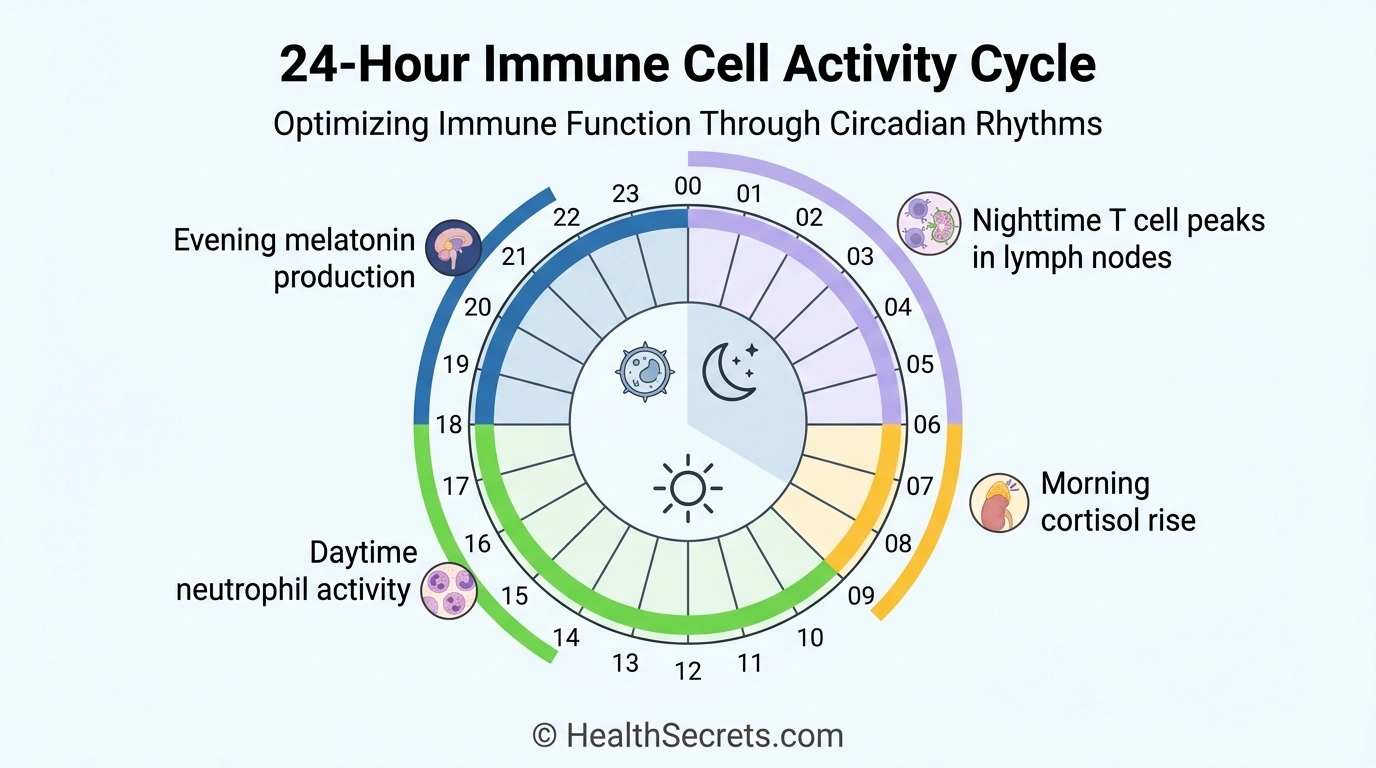
Your immune system runs on a clock. A 2020 NIH workshop review published in Journal of Immunity documented that immune cell numbers, trafficking patterns, and cytokine production all fluctuate on a 24-hour rhythm controlled by the circadian clock. T cells peak in lymph nodes at night during sleep, while neutrophils are most active during daytime. Morning sunlight — specifically the blue-spectrum light entering your eyes — sets this entire system by entraining the suprachiasmatic nucleus (SCN), the brain's master clock.
Disrupt this rhythm (through shift work, jet lag, or chronic artificial light at night), and immunity suffers measurably. Research shows shift workers have higher infection rates and impaired vaccine responses [14]. A 2026 review in Frontiers in Immunology confirmed that vaccination timing aligned with circadian rhythms enhances T cell activation and cytokine production.
Why Is Flu Season in Winter?
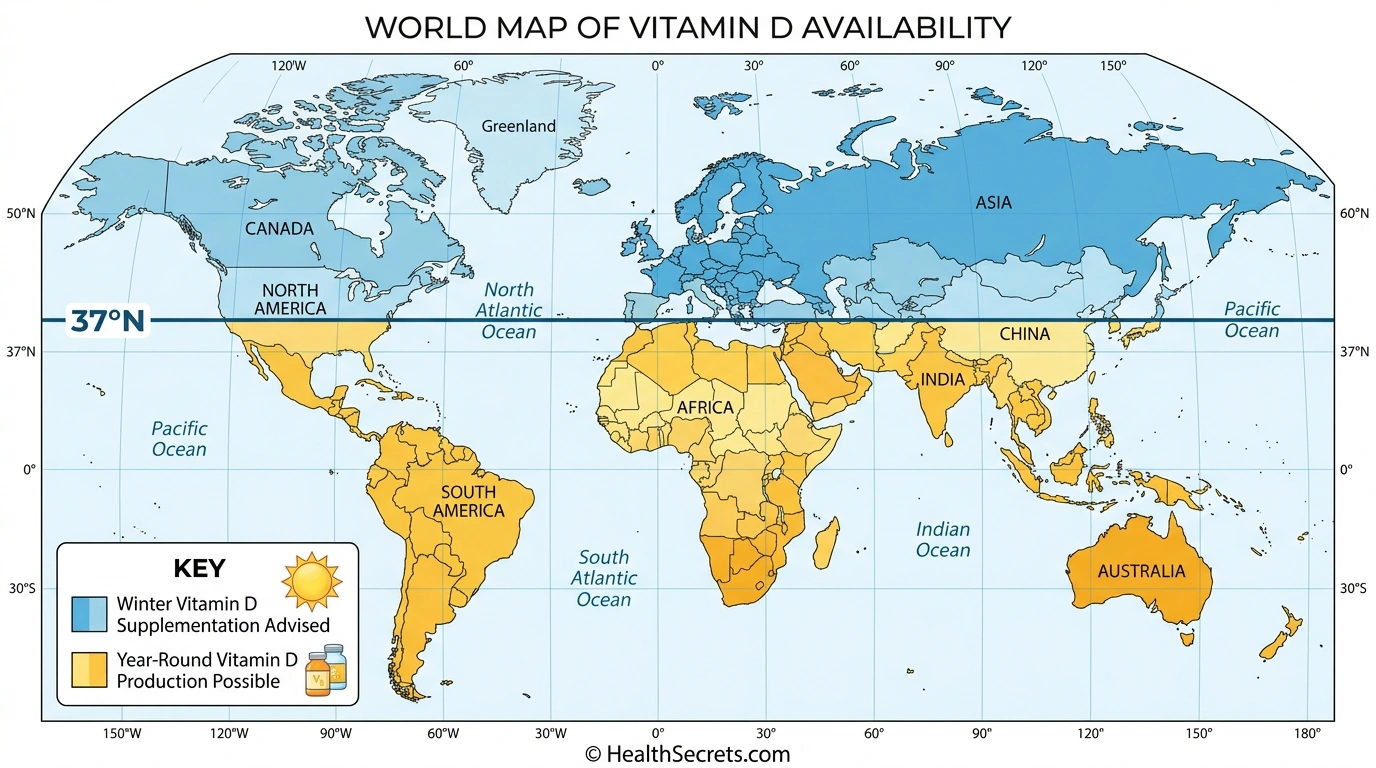
Flu season coincides precisely with the period of lowest sunlight and lowest vitamin D levels. At latitudes above 37° (New York, Chicago, Seattle, most of Europe), UVB radiation is insufficient for vitamin D production from November through February. Combined with more time indoors (close contact, poor ventilation) and dry winter air (which keeps viral particles airborne longer), the seasonal immune disadvantage is substantial.
Can Sunlight Reduce Autoimmune Disease Risk?
Epidemiological data consistently shows lower rates of MS, type 1 diabetes, and other autoimmune diseases closer to the equator. UV-induced increases in regulatory T cells, combined with vitamin D's immune-modulating effects, likely contribute to this pattern. A Scientific American analysis of recent clinical trials highlighted UV therapy's "surprising ability to calm an immune system that has bolted out of control."
Are There Risks to Sun Exposure for Immune Health?
Excessive sun exposure causes sunburn, which actually suppresses immune function and increases skin cancer risk. The goal is moderate, regular exposure — enough to activate immune-supporting pathways without triggering UV-induced immune suppression or skin damage. There's a clear dose-response curve where moderate sun helps and excessive sun harms.
Key risk considerations:
- Sunburn actively suppresses immunity and damages DNA — always avoid sunburn
- Skin cancer risk increases with cumulative UV exposure, especially for fair-skinned individuals
- Photosensitizing medications (some antibiotics, blood pressure drugs, NSAIDs) increase burn risk
- Individual variation means exposure guidelines must account for skin tone, age, latitude, and season
The balanced approach: get brief, regular sun exposure (10–30 minutes depending on your skin tone), then apply sunscreen or cover up if staying outdoors longer. Never use sun exposure as an excuse to burn.
How Do You Optimize Sun Exposure for Immune Health?
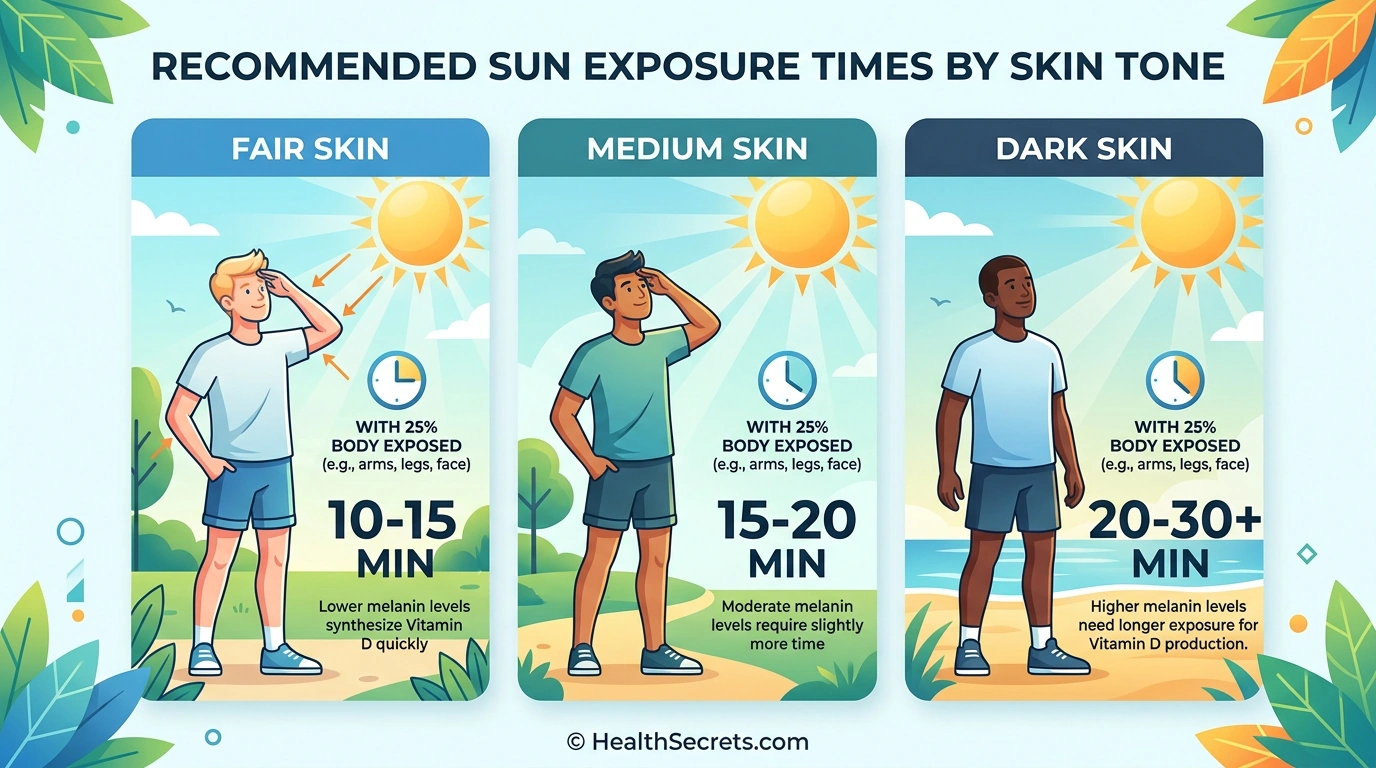
The optimal strategy combines daily morning sunlight for circadian rhythm (10–30 minutes within two hours of waking) with midday sun exposure two to three times weekly for vitamin D production (10–30 minutes on 25% of body area without sunscreen). Supplement vitamin D in winter if you live above 37° latitude.

Daily Sunlight Routine
Morning (within 1–2 hours of waking):
10–30 minutes of outdoor light — no sunglasses needed at this intensity
Works even on cloudy days (outdoor light intensity exceeds indoor lighting)
Midday (2–3x weekly):
10–30 minutes with 25% of body exposed (arms, legs, or back)
No sunscreen during this window; apply afterward if staying out longer
Adjust duration by skin tone: lighter skin 10–15 min, darker skin 20–30+ min
Winter Strategies (Above 37° Latitude)
- Still get morning sunlight — circadian benefits persist even without vitamin D production
- Supplement vitamin D: 1,000–2,000 IU daily (test levels; aim for 40–60 ng/mL)
- Consider a light therapy lamp (10,000 lux) for 20–30 minutes each morning if natural light is insufficient
- Sleep and circadian optimization becomes especially important in winter months
What Diet and Lifestyle Changes Support Sunlight's Immune Benefits?
A diet rich in vitamin D–containing foods (fatty fish, egg yolks, fortified foods), combined with regular outdoor physical activity, adequate sleep, and stress management, amplifies sunlight's immune-supporting effects. Pairing sun exposure with these lifestyle factors creates a synergistic immune advantage that no supplement alone can replicate.
Vitamin D–rich foods (to complement sun exposure):
- Fatty fish (salmon, mackerel, sardines) — 400–1,000 IU per serving
- Egg yolks — approximately 40 IU each
- Fortified milk and orange juice
- Cod liver oil — up to 1,360 IU per tablespoon
Outdoor exercise provides the dual benefit of sunlight exposure and physical activity, both of which independently boost immune function. Forest bathing (shinrin-yoku) research shows that outdoor time increases natural killer cell activity through phytoncides released by trees [12].
Circadian hygiene:
- Consistent sleep-wake times (supports immune rhythm)
- Dim lights 2–3 hours before bed
- Limit screen blue light in the evening
- Dark, cool bedroom for optimal sleep quality
Action Plan
What Should You Do First to Use Sunlight for Better Immunity?
Follow the sequence below, work through each phase in order, and use the checklist as your practical implementation guide.
Start with morning sunlight exposure tomorrow — just 10–15 minutes outdoors within two hours of waking. This single habit synchronizes your circadian clock and begins optimizing immune timing immediately. Then gradually add midday sun sessions and test your vitamin D levels to personalize your approach.
Week 1–2: Morning light habit
- 10–15 minutes outdoor morning light daily
- Note sleep quality and energy changes
Week 3–4: Add midday exposure
- 10–30 minutes midday sun 2–3x weekly (25% body exposed)
- Order a vitamin D blood test (25(OH)D)
Month 2: Optimize
- Review vitamin D results (target 40–60 ng/mL)
- Add supplementation if needed (1,000–5,000 IU depending on levels)
- Implement evening circadian hygiene (dim lights, reduce screens)
Ongoing: Seasonal adjustments
- Summer: shorter exposure, sun protection after vitamin D window
- Winter: maintain morning light, supplement vitamin D, consider light therapy