Here's something that might surprise you: roughly 5–10% of children and 2–5% of adults live with ADHD, making it one of the most common neurodevelopmental conditions on the planet. And while stimulant medications work remarkably well for many people—70–80% see meaningful improvement—plenty of families want to know what else they can do. [10]
Maybe you're a parent who's noticed that diet changes seem to help your child focus. Or you're an adult who manages well on medication but still hits afternoon brain fog. Or perhaps you're exploring all your options before deciding on a treatment plan. Whatever brought you here, the good news is that research supports several natural approaches as genuine complements to ADHD management.
We're talking omega-3 fatty acids that show modest but real improvements in meta-analyses, minerals like zinc and iron that matter a great deal when you're deficient, and lifestyle changes—exercise, sleep, behavioral strategies—that every ADHD specialist recommends alongside medication.
But let's get one thing absolutely clear from the start.
If you're interested in related natural approaches, check out our guides on mental wellness and sleep optimization. For gut-brain connections that may influence focus, see our gut health guide.
What Do You Need to Know Before Starting Natural ADHD Remedies?
Before trying any natural approach for ADHD, you need a confirmed diagnosis from a qualified professional, an understanding of which nutrient deficiencies to test for, and realistic expectations. Natural remedies work best as part of a multimodal treatment plan—not as standalone solutions—and results typically take 4–12 weeks to appear.
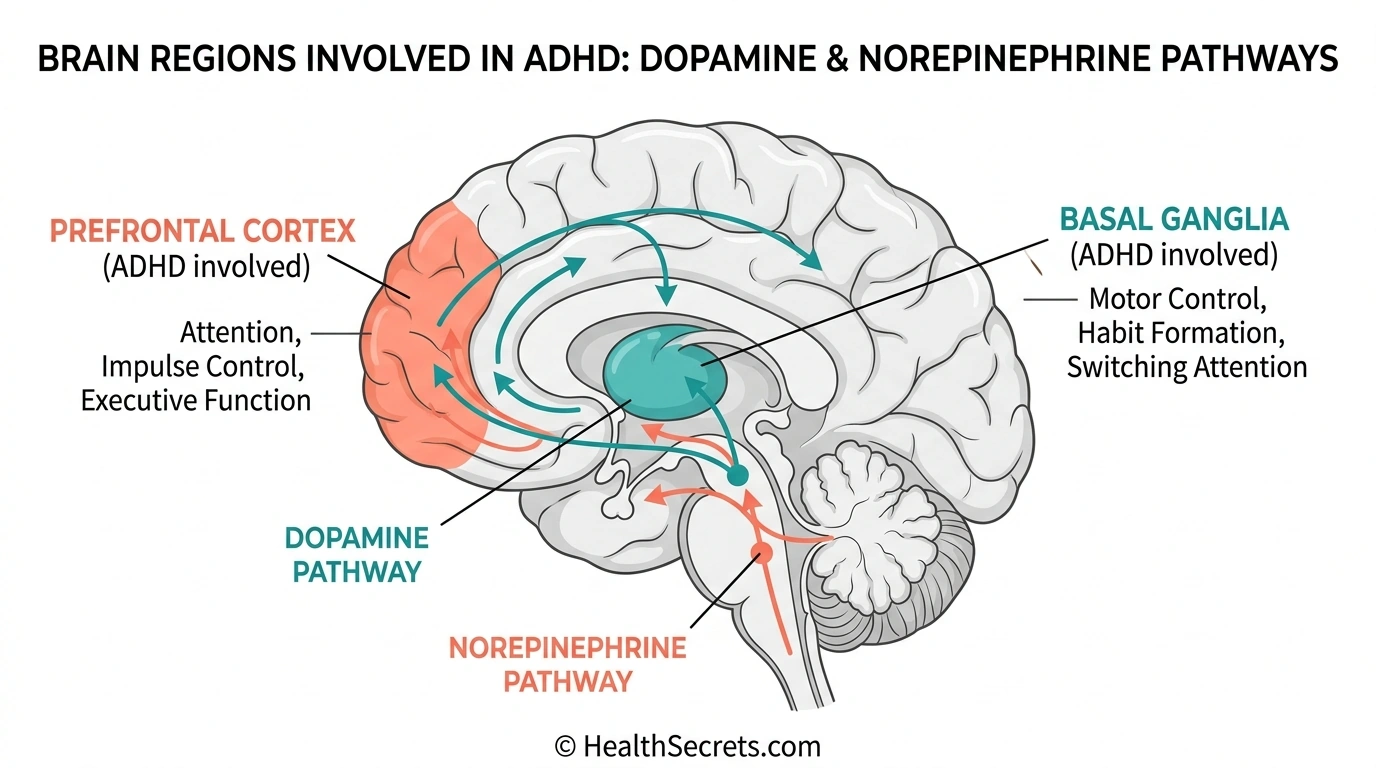
ADHD involves differences in brain structure and neurotransmitter systems, primarily dopamine and norepinephrine. This means natural interventions that support these pathways—omega-3s for cell membrane health, minerals as enzyme cofactors, exercise for neurotransmitter release—have biological plausibility behind them.
That said, the evidence for most natural approaches is modest compared to medication. A 2017 network meta-analysis of 190 randomized trials found limited evidence for complementary approaches as standalone ADHD treatments [9]. Where natural remedies shine is in supporting conventional treatment: improving nutrient status, building healthy habits, and potentially allowing lower medication doses under medical supervision.
Who this guide is for:
- Parents exploring complementary options alongside their child's treatment plan
- Adults with ADHD seeking additional support beyond medication
- Anyone recently diagnosed who wants a comprehensive, evidence-based starting point
What you'll need:
- A confirmed ADHD diagnosis from a qualified professional
- Baseline blood work (ferritin, zinc, vitamin D, B12, thyroid panel)
- Willingness to commit to 8–12 weeks before evaluating results
- Open communication with your healthcare provider

Want Everyday Habits That Actually Stick?
Download the free printable habit checklist — evidence-backed clinical frameworks for daily energy, cellular recovery, and longevity.
How Do You Get a Proper ADHD Evaluation and Baseline Testing?
Start with a comprehensive evaluation from a psychiatrist, psychologist, or developmental pediatrician who can confirm the ADHD diagnosis, rule out conditions that mimic ADHD (anxiety, sleep disorders, thyroid issues), and order baseline nutrient testing. This step is essential because supplementing without knowing your actual levels can be wasteful or even harmful.
ADHD diagnosis requires symptoms present in two or more settings (home, school, work) that started before age 12 and significantly impair functioning. The evaluation typically includes clinical interviews, standardized rating scales like the Conners' or Vanderbilt, and ruling out other explanations.
Request these baseline labs:
- Serum ferritin — below 30 ng/mL causes fatigue and worsens ADHD symptoms even without anemia
- Serum zinc or RBC zinc — deficiency is common in ADHD and affects dopamine metabolism
- 25-hydroxyvitamin D — optimal is 40–60 ng/mL; roughly 50% of Americans are insufficient
- Serum B12 — optimal above 400 pg/mL, especially if vegetarian or taking PPIs
- Thyroid panel (TSH, free T4) — hypothyroidism mimics ADHD symptoms
These tests guide which supplements will actually help you versus which would be money wasted.

Fermentation Safety Starter Kit
A 32-page downloadable digital PDF guide featuring brine salinity calculation charts, equipment sanitation checklists, batch tracking logs, and 6 guided beginner recipes. (Digital PDF Only — No physical items shipped).
How Should You Optimize Your Diet for Better ADHD Focus?
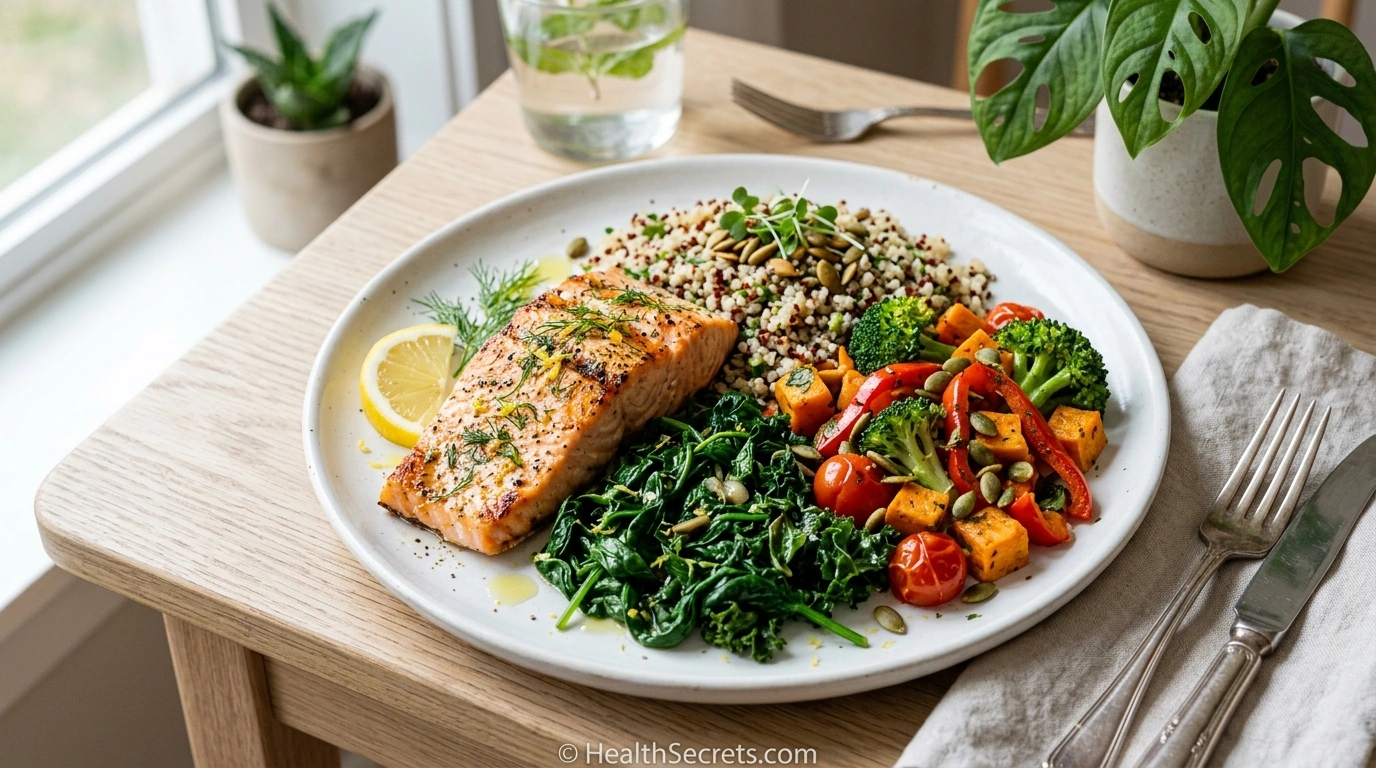
A diet built around adequate protein at every meal, plenty of omega-3-rich foods, and minimal processed sugars can meaningfully support ADHD management. Protein provides the amino acid tyrosine (a dopamine precursor), while stable blood sugar prevents the crashes that worsen inattention and impulsivity.
Core dietary principles:
Does a High-Protein Breakfast Really Improve ADHD Focus?
Yes—protein provides tyrosine and tryptophan, precursors to dopamine and serotonin. A breakfast with 15–30 grams of protein (eggs, Greek yogurt, nuts, or lean meat) stabilizes blood sugar and supports sustained attention through the morning. Skip the sugary cereal.
- Omega-3-rich foods: Aim for fatty fish (salmon, sardines, mackerel) 2–3 times weekly. Plant sources like walnuts, flaxseeds, and chia seeds provide ALA, though conversion to the more beneficial EPA and DHA is limited.
- Foods to minimize: Refined carbohydrates, sugary drinks, and highly processed foods cause blood sugar spikes and crashes that amplify ADHD symptoms. Some children respond to eliminating artificial food dyes (Red 40, Yellow 5, Yellow 6) and preservatives like sodium benzoate.
- Elimination diet consideration: If you suspect food sensitivities, try removing suspected triggers for 4–6 weeks, then reintroduce one at a time [8]. Work with a registered dietitian to ensure nutritional adequacy, especially for children.
Which Supplements Have the Strongest Evidence for ADHD?
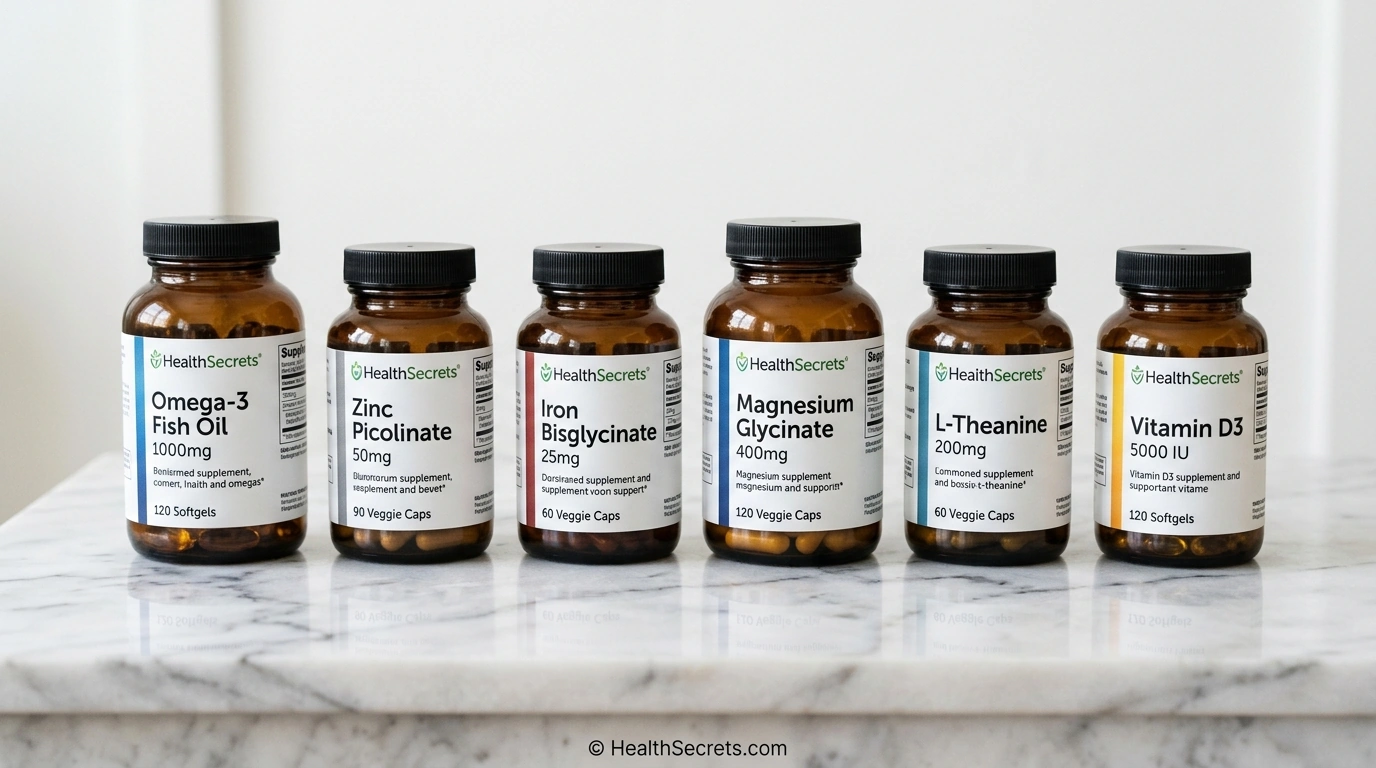
Omega-3 fatty acids have the most robust evidence, with multiple meta-analyses showing modest symptom improvements—particularly EPA-rich formulas in children with low baseline levels. Zinc, iron, and magnesium supplementation is effective primarily when deficiencies are present, which is common in ADHD populations.
Do Omega-3 Fatty Acids Actually Help with ADHD Symptoms?
A 2011 meta-analysis found that omega-3 supplementation produced small but significant improvements in ADHD symptoms in children. More recent research from Chang et al [2] [4]. (2019) demonstrated that high-dose EPA specifically improved attention in youth with ADHD who had low baseline EPA levels. The effect is modest—don't expect it to replace medication—but as an adjunct, particularly for children with poor omega-3 intake, the evidence is promising.
Dosing: Children: 500–1,000 mg EPA+DHA daily (aim for a 2:1 EPA-to-DHA ratio). Adults: 1,000–2,000 mg EPA+DHA daily. Allow 8–12 weeks for brain incorporation.
Can Zinc Supplementation Reduce ADHD Hyperactivity?
Research is mixed but leans positive when deficiency exists. Studies have shown 13–40 mg elemental zinc improved symptoms in children aged 6–14, and a trial using 150 mg/day for 12 weeks found significant reductions in hyperactivity and impulsivity. Zinc is a cofactor for dopamine transporter function, making biological sense as a target.
Dosing: Children 6–12: 10–15 mg elemental zinc daily [13] [16]. Adolescents and adults: 15–30 mg. Long-term use above 40 mg daily requires copper supplementation (1–2 mg) to prevent deficiency.
Does Iron Deficiency Make ADHD Worse?
Significantly. Studies show low serum ferritin correlates with more severe ADHD symptoms and greater cognitive deficits. Iron supplementation at 80 mg/day improved symptoms in children with low ferritin levels. Iron is a cofactor for tyrosine hydroxylase, the rate-limiting enzyme in dopamine synthesis.
Test ferritin before supplementing—excess iron is toxic. Only supplement if ferritin is below 30 ng/mL. Take with vitamin C to enhance absorption; avoid taking with calcium or coffee.
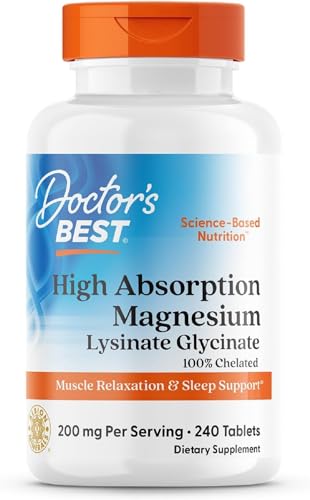
How Does Magnesium Support ADHD Management?
Magnesium deficiency has been found in up to 72% of ADHD children, and supplementation improved cognitive function in the deficient group. A combination of vitamin D and magnesium was effective for reducing conduct problems, social difficulties, and anxiety in children with ADHD. Magnesium supports over 300 enzymatic reactions including neurotransmitter synthesis and has a calming effect on the nervous system.
Dosing: Children: 100–200 mg elemental magnesium daily.
Adults: 200–400 mg. Best forms: magnesium glycinate (well-absorbed, calming) or L-threonate (crosses blood-brain barrier). Take in the evening to support sleep.
Other supplements with limited but emerging evidence:
- L-Theanine (100–200 mg): Amino acid from green tea that promotes calm focus by increasing alpha brain waves
- Rhodiola rosea (200–400 mg): Adaptogen that may improve attention and reduce fatigue
- Vitamin D (1,000–2,000 IU if deficient): Supports brain function; deficiency is linked to worse ADHD symptoms
How Does Regular Exercise Reduce ADHD Symptoms?
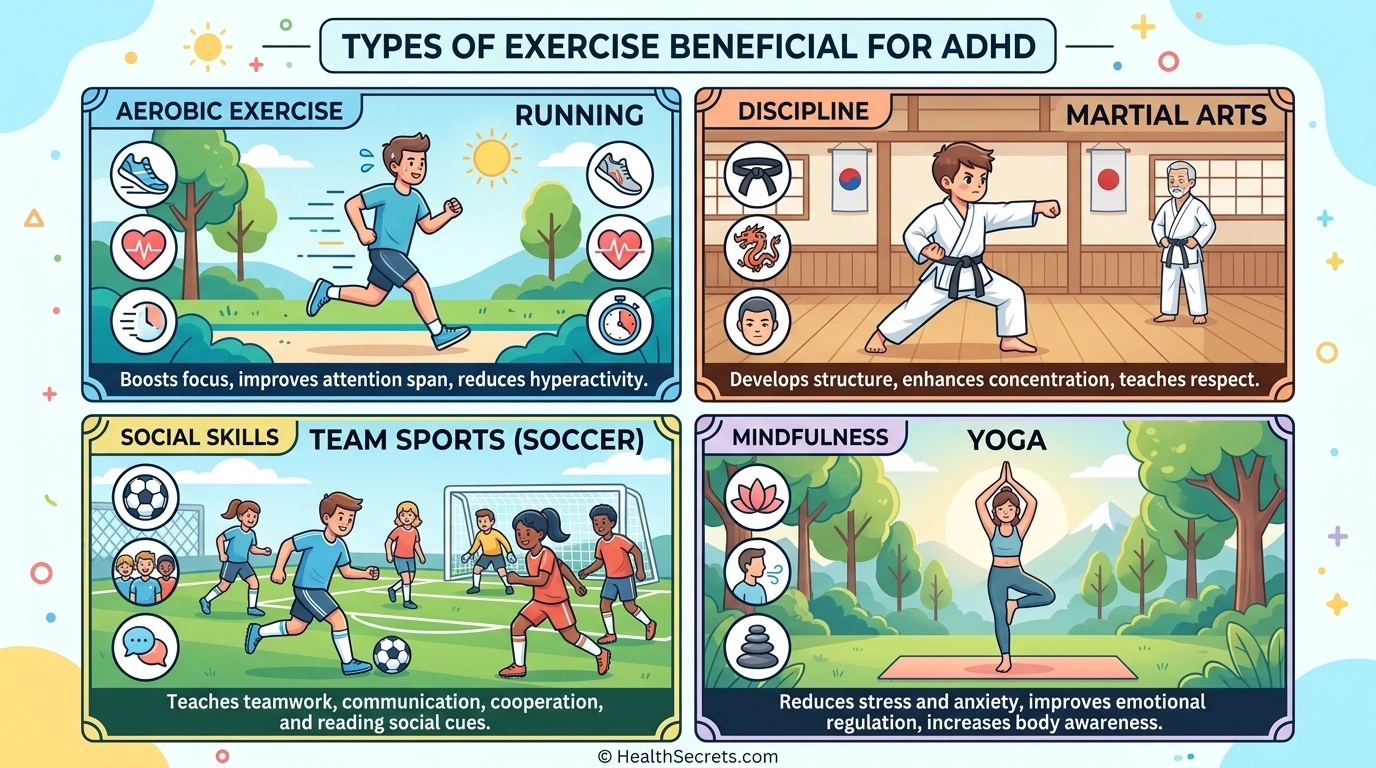
Exercise is arguably the most powerful non-pharmacological intervention for ADHD. It increases dopamine, norepinephrine, and serotonin—the same neurotransmitters targeted by ADHD medications—improves blood flow to the prefrontal cortex, and promotes neuroplasticity. A 2026 study from Örebro University confirmed that 150 minutes of weekly structured exercise improved ADHD symptoms with "only positive health results and no known side effects."
How much: 30–60 minutes of moderate-to-vigorous exercise, 3–5 times weekly. Even a single session can improve attention for 1–2 hours afterward.
Best types for ADHD:
- Aerobic exercise (running, cycling, swimming) — strongest evidence for symptom improvement
- Martial arts — builds discipline, focus, and self-regulation
- Team sports — develops social skills and executive function
- Yoga — enhances mindfulness and self-regulation
Practical tips:
- Schedule exercise in the morning for all-day focus benefits
- Incorporate 5–10 minute movement breaks every 30–60 minutes during homework or desk work
- Walk or bike to school/work when possible
- For children, recess and physical play count—advocate for keeping them in the school day
What Sleep Habits Help Manage ADHD Symptoms?
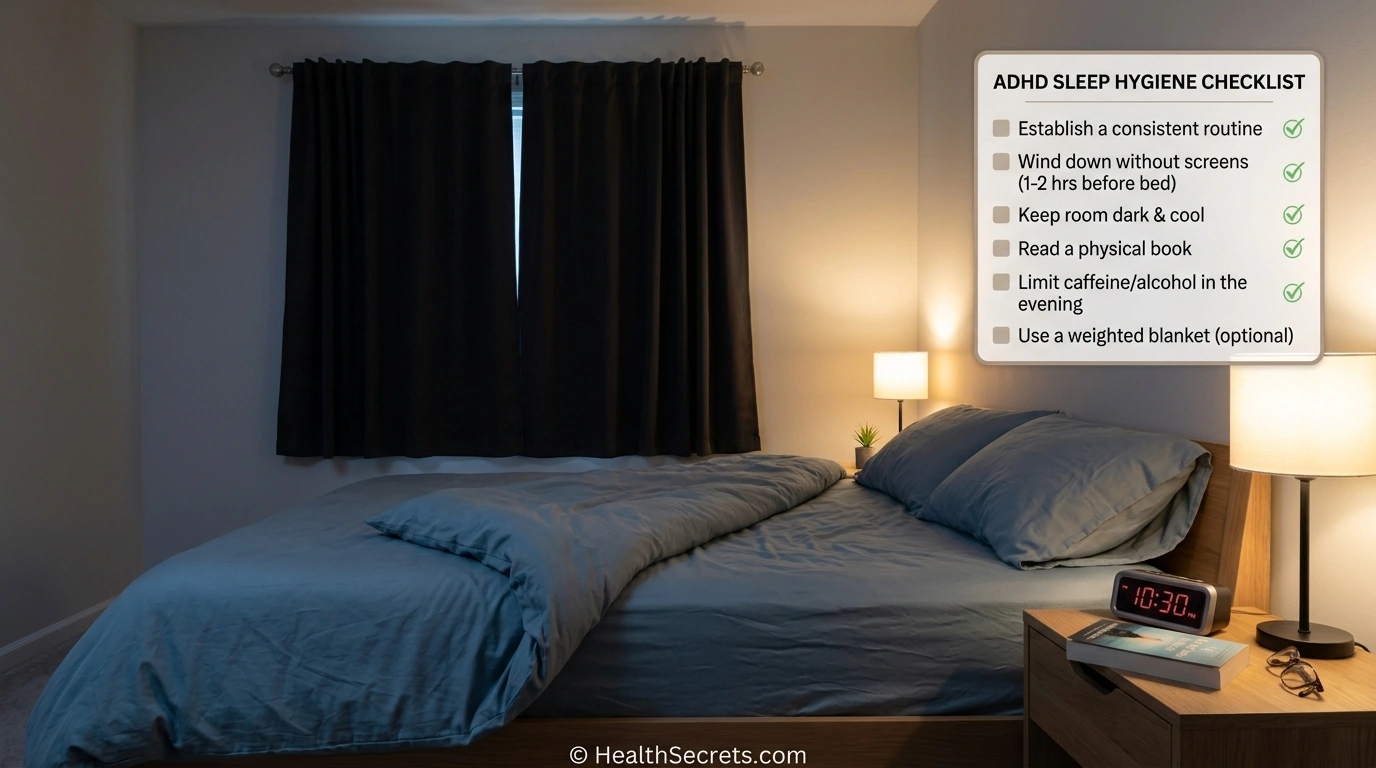
Sleep problems affect the majority of people with ADHD—difficulty falling asleep, restless sleep, and trouble waking are all common. Poor sleep directly worsens every core ADHD symptom: attention, hyperactivity, impulsivity, and emotional regulation. Prioritizing sleep hygiene is not optional; it's foundational.
Non-negotiable sleep habits:
- Consistent schedule: Same bedtime and wake time every day, including weekends
- Adequate duration: Children 6–12 years need 9–12 hours; teens need 8–10 hours; adults need 7–9 hours
- Screen-free wind-down: No screens for at least 1 hour before bed (blue light suppresses melatonin)
- Cool, dark, quiet environment: 60–67°F, blackout curtains, white noise if helpful
- Calming routine: Reading, warm bath, or relaxation exercises before bed
- No caffeine after noon: The 5–6 hour half-life means afternoon caffeine disrupts sleep
If falling asleep is still difficult: Melatonin (0.5–3 mg, 30–60 minutes before bed) is generally safe short-term for children and adults. Start with the lowest dose. Consult your doctor for long-term use, especially in children.
Which Behavioral Strategies Improve Daily ADHD Functioning?
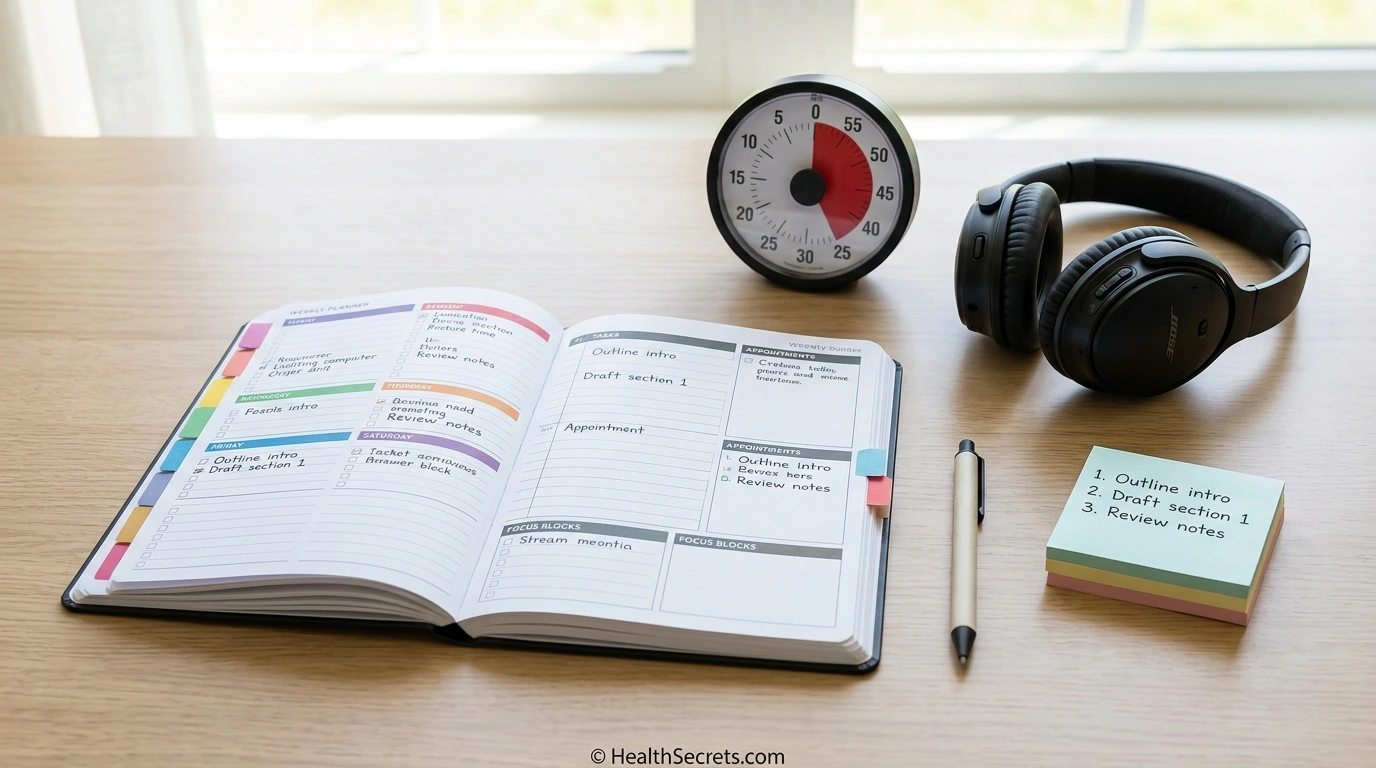
Behavioral strategies—structure, organization systems, environmental modifications, and mindfulness—are evidence-based interventions that the CDC and major ADHD organizations recommend alongside any treatment plan [11]. They directly target the executive function deficits that make daily life challenging with ADHD.
Structure and routine:
- Build consistent daily schedules with visual cues (calendars, checklists, color-coded planners)
- Put belongings in the same designated spots every time
- Use predictable routines to reduce decision fatigue and overwhelm
Task management:
- Break large tasks into small, concrete steps
- Use timers (Pomodoro technique: 25 minutes work, 5 minutes break) to combat poor time awareness
- Set phone alarms and reminders for transitions and deadlines
Environment:
- Create a distraction-free workspace: clear desk, noise-canceling headphones, notifications off
- Some people with ADHD focus better with background music or light movement—experiment
- Limit recreational screen time to under 2 hours daily; avoid fast-paced, highly stimulating games
Mindfulness and therapy:
- Even 5–10 minutes daily of mindfulness meditation can improve self-regulation over time
- Cognitive behavioral therapy (CBT) teaches coping strategies and organizational skills
- For children, parent training programs teach effective behavior management
What Are the Most Common Mistakes When Using Natural ADHD Remedies?
The biggest mistake is treating natural remedies as replacements for professional treatment rather than complements to it. People also commonly supplement without testing for deficiencies first, expect overnight results, and abandon approaches before giving them adequate time to work.
Mistakes to avoid:
- Stopping medication without medical supervision — rebound symptoms can be severe; always taper under guidance
- Supplementing iron without testing — excess iron causes oxidative damage and organ toxicity
- Expecting supplements to work like medication — natural approaches typically produce modest improvements over weeks, not dramatic changes in hours
- Taking too many supplements at once — start one at a time so you can identify what actually helps
- Ignoring lifestyle factors — no supplement compensates for poor sleep, no exercise, and a processed food diet
- Using unverified products — choose supplements with third-party testing (NSF, USP, ConsumerLab)
- Neglecting behavioral strategies — the non-supplement steps in this guide matter just as much as the supplement steps
Are Natural ADHD Remedies Safe? When Should You Stop?
Most evidence-based natural ADHD remedies are safe when used at recommended doses, but several carry real risks if misused. Iron toxicity from unsupervised supplementation, zinc-induced copper deficiency from chronic high doses, and herb-drug interactions all deserve respect. Stop any supplement and contact your healthcare provider if you experience severe side effects.
Key safety considerations:
- Iron: Never supplement without confirmed low ferritin. Acute iron overdose is a medical emergency, especially in children. Keep supplements in child-resistant containers.
- Zinc: Doses above 40 mg daily long-term deplete copper. Supplement copper (1–2 mg) if taking high-dose zinc.
- Omega-3s: Generally very safe. May increase bleeding risk at very high doses (above 3 g daily) in people on blood thinners.
- Magnesium: High doses cause loose stools. People with kidney disease should avoid supplementation.
- Herb-drug interactions: St. John's wort (sometimes used for ADHD-related depression) dangerously reduces effectiveness of stimulant medications and many other drugs.
- Children: All supplements for children require pediatrician approval and weight-appropriate dosing.
See your doctor if:
- Symptoms worsen despite intervention
- New symptoms appear (tics, severe anxiety, mood changes)
- You want to adjust medication doses based on supplement response
- Fatigue, weight loss, or other concerning changes develop
Action Plan
What Should You Do First to Support ADHD Naturally?
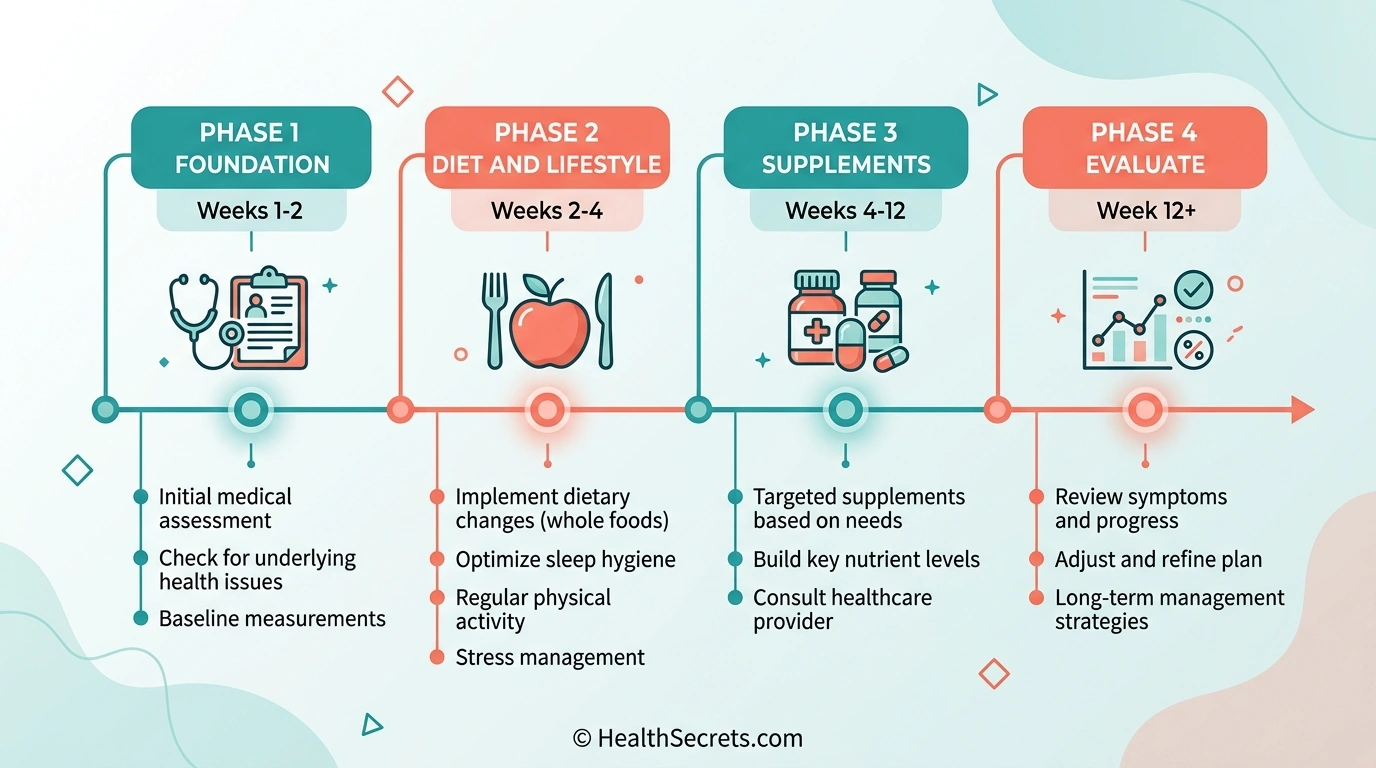
Follow the sequence below, work through each phase in order, and use the checklist as your practical implementation guide.
Start with professional diagnosis and baseline blood work in weeks 1–2, build dietary and lifestyle foundations in weeks 2–4, then layer in targeted supplements based on your test results starting in week 4. This phased approach prevents overwhelm and lets you clearly identify what's working.
Phase 1 — Foundation (Weeks 1–2):
- Get comprehensive ADHD evaluation if not already diagnosed
- Request baseline labs: ferritin, zinc, vitamin D, B12, thyroid panel
- Start consistent sleep schedule tonight
- Begin daily exercise (even 20 minutes counts)
Phase 2 — Diet and Lifestyle (Weeks 2–4):
- Add high-protein breakfast and omega-3-rich foods
- Remove artificial food dyes and reduce processed sugar
- Set up organizational systems (planner, designated spots, timers)
- Establish screen-free wind-down routine before bed
Phase 3 — Targeted Supplements (Weeks 4–12):
- Start omega-3 supplement (500–1,000 mg EPA+DHA for children; 1,000–2,000 mg for adults)
- Address any identified deficiencies (iron, zinc, magnesium, vitamin D) per test results
- Add one supplement at a time, waiting 2 weeks between additions
- Track symptoms weekly using a simple 1–10 scale
Phase 4 — Evaluate and Adjust (Week 12+):
- Retest nutrient levels
- Review symptom tracking with your healthcare provider
- Discontinue supplements that haven't shown benefit
- Discuss whether medication adjustments are appropriate based on progress