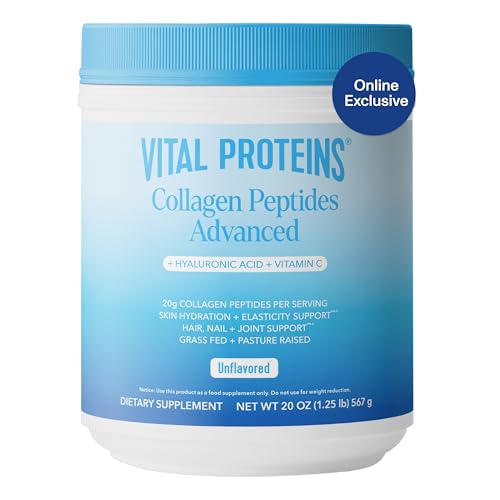
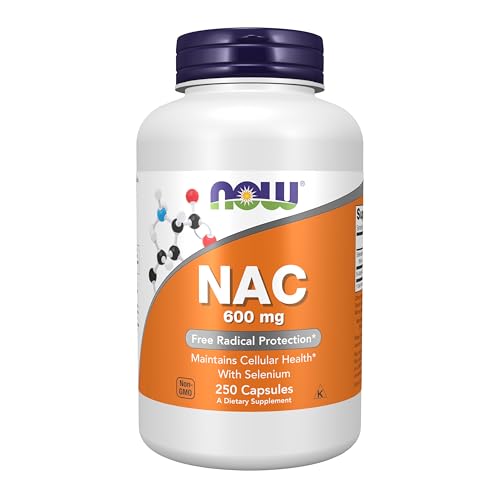
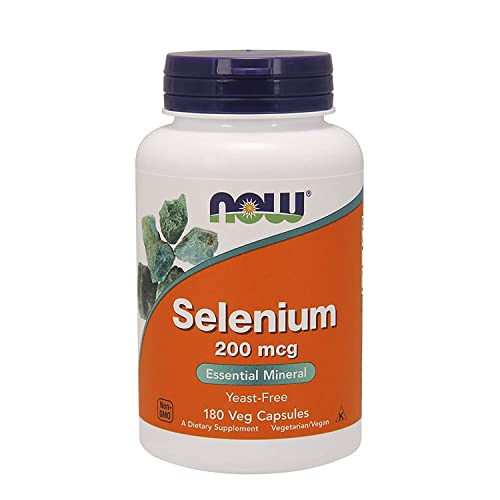
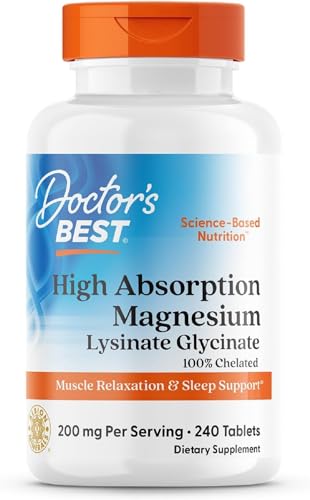
Collagen supplements have exploded in popularity, with the market projected to exceed $7 billion by 2027 [4] [16]. The promise is appealing: healthier hair, glowing skin, and stronger nails from a simple daily scoop of powder. But does the science actually support these claims?
The answer is nuanced. A 2023 systematic review and meta-analysis confirmed that oral collagen peptides significantly improve skin hydration and elasticity [1] [10]. A 2024 double-blind, placebo-controlled trial showed collagen peptides improved dermis density, skin moisture, elasticity, and nail color within 28 days [2] [8] [14] [15] [17]. For hair, the evidence is more limited but emerging research on fish collagen peptides shows promising results for promoting hair follicle cell proliferation [3].
This review cuts through the marketing hype to examine what collagen can actually do for your hair, skin, and nails — and which products deliver the best results based on source quality, clinical evidence, and bioavailability. [12]
Related reading: Hair Loss: Complete Natural Prevention and Regrowth Guide · Inflammation and Pain Relief Guide · Hormonal Health Guide · Gut Health Complete Guide · Sleep Optimization Guide · Glutathione: The Master Antioxidant
What Should You Look for When Choosing a Collagen Supplement?
The most important factors when choosing a collagen supplement are the collagen source (marine or bovine), the type of collagen (Type I for skin/hair, Type II for joints), whether it's hydrolyzed (broken into absorbable peptides), third-party testing, and the inclusion of synergistic nutrients like vitamin C. Price per serving and taste/mixability also matter for long-term adherence.
What Is the Difference Between Marine and Bovine Collagen?
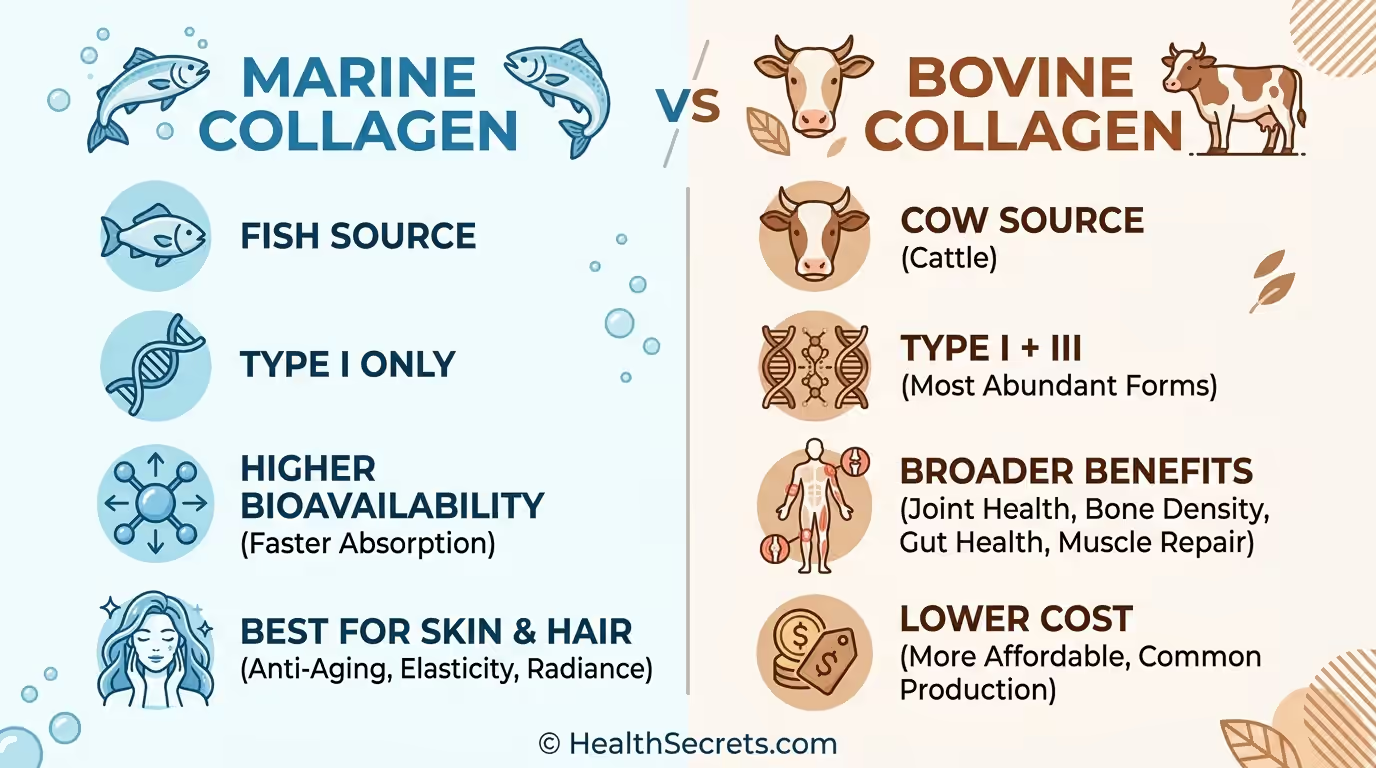
Marine collagen is extracted from fish skin and scales, contains primarily Type I collagen, and has approximately 1.5x higher bioavailability than bovine collagen due to smaller peptide molecules. It's the better choice if your primary goals are skin elasticity and hair health.
Bovine collagen is sourced from cowhide, contains both Type I and Type III collagen, and offers broader benefits including gut health, muscle recovery, and connective tissue support. It's typically less expensive than marine collagen and is the better all-around choice.

How Much Collagen Should You Take Daily?
Clinical trials showing benefits for skin and nails typically use 2.5–10g of hydrolyzed collagen peptides daily [5]. The most common effective dose is 5–10g per day. Higher doses (15–20g) are used for joint and gut health. Consistency matters more than timing — take it at whatever time helps you remember daily.
What Makes a High-Quality Collagen Supplement?
- Hydrolyzed (broken into small peptides for absorption)
- Third-party tested for purity and contaminants (heavy metals, pesticides)
- Grass-fed/pasture-raised (bovine) or wild-caught (marine) sourcing
- Minimal additives — avoid products with excessive fillers, sugars, or artificial ingredients
- Includes vitamin C or taken with a vitamin C source for enhanced collagen synthesis

Want Everyday Habits That Actually Stick?
Download the free printable habit checklist — evidence-backed clinical frameworks for daily energy, cellular recovery, and longevity.
How Did We Evaluate These Collagen Products?
We evaluated collagen products based on six criteria: clinical evidence for the collagen type and source, bioavailability of the peptide form, third-party testing and certifications, ingredient quality and sourcing transparency, consumer reviews and real-world results, and value per serving. Products with published clinical trials on their specific formulation received the highest ratings.
What Criteria Matter Most?
- Source and type (40% weight) — Type I collagen from quality marine or grass-fed bovine sources
- Bioavailability (20%) — Hydrolyzed peptide size, absorption enhancers
- Purity and testing (20%) — Third-party verification, heavy metal testing, certifications
- Synergistic ingredients (10%) — Vitamin C, hyaluronic acid, biotin co-formulations
- Value and practicality (10%) — Cost per serving, taste, mixability, convenience

Fermentation Safety Starter Kit
A 32-page downloadable digital PDF guide featuring brine salinity calculation charts, equipment sanitation checklists, batch tracking logs, and 6 guided beginner recipes. (Digital PDF Only — No physical items shipped).
How Do You Use Collagen Supplements Effectively for Hair, Skin, and Nails?
For optimal results, take 5–10g of hydrolyzed collagen peptides daily, paired with a vitamin C source (citrus fruit, berries, or a supplement). Collagen powder dissolves in hot or cold liquids — coffee, smoothies, water, and bone broth are popular vehicles. Consistency over 8–12 weeks is essential before evaluating results, as collagen turnover in skin takes approximately 4–6 weeks.
When Is the Best Time to Take Collagen?
There's no strong evidence favoring a specific time of day. Some practitioners recommend taking collagen on an empty stomach for better absorption, while others suggest taking it with a vitamin C-rich meal. The most important factor is daily consistency. Many people add it to their morning coffee or evening tea as a routine anchor.

How Long Until You See Results?
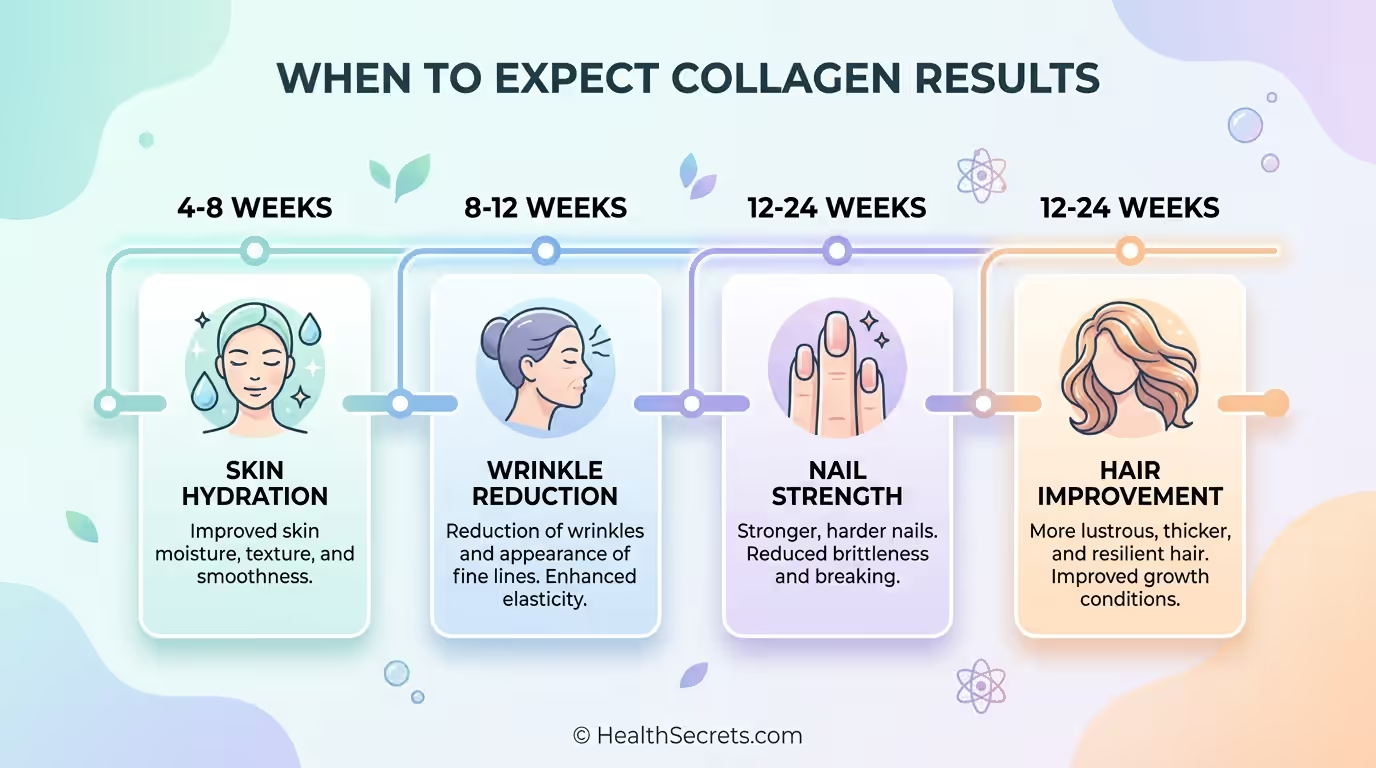
- Skin hydration and elasticity: 4–8 weeks (earliest improvements seen at 28 days in clinical trials)
- Wrinkle reduction: 8–12 weeks
- Nail strength and growth: 12–24 weeks
- Hair: 12–24 weeks (limited clinical data; anecdotal reports suggest 3–6 months)
Are There Any Safety Concerns with Collagen Supplements?
Collagen supplements are generally well-tolerated with an excellent safety profile. The most common side effects are mild digestive discomfort (bloating, fullness) that typically resolves within a few days. Allergies are the primary safety concern — marine collagen should be avoided by those with fish/shellfish allergies, and bovine collagen by those with beef allergies.
Who Should Avoid Collagen Supplements?
- People with fish or shellfish allergies (for marine collagen)
- People with beef allergies (for bovine collagen)
- Those taking calcium-regulating medications (collagen contains small amounts of calcium)
- People with histamine intolerance (some collagen products may contain histamine)
- Always consult your doctor if you're pregnant, breastfeeding, or taking medications
Action Plan
What Should You Do First to Start Using Collagen for Hair, Skin, and Nails?
Follow the sequence below, work through each phase in order, and use the checklist as your practical implementation guide.
Start by choosing a high-quality hydrolyzed collagen peptide product (marine for skin/hair focus, bovine for all-around benefits), begin with 5g daily mixed into your morning beverage, and pair it with a vitamin C source. Take baseline photos of your skin, hair, and nails for comparison at 4, 8, and 12 weeks.
Week 1 Action Checklist:
- Choose a collagen product based on your goals (marine for skin/hair, bovine for all-around)
- Start with 5g daily in coffee, smoothie, or water
- Ensure daily vitamin C intake (from food or supplement)
- Take baseline photos of skin, hair, and nails
- Set a 12-week evaluation date in your calendar
Month 1–3 Action Checklist:
- Increase to 10g daily if well-tolerated
- Compare 4-week and 8-week photos to baseline
- Optimize hydration (collagen works best in well-hydrated skin)
- Consider adding hyaluronic acid for enhanced skin results
- Evaluate at 12 weeks: has skin, hair, or nail quality improved?