Your brain is roughly 60% fat. That's not an insult—it's biology. And the type of fat you feed it? That matters more than most people realize. Omega-3 fatty acids for brain health aren't some fringe wellness trend. They're essential nutrients your body literally cannot manufacture on its own, and research consistently shows they influence how well you think, remember, and even feel emotionally.
Here's what caught my attention when I first dug into this topic: omega-3 fatty acids increase learning, memory, cognitive well-being, and blood flow in the brain ([1]). That's not one cherry-picked study—it's a systematic review looking at the totality of evidence. And a 2026 dose-response meta-analysis confirmed that 2,000mg daily omega-3 supplementation significantly improved attention, memory, language, and global cognitive abilities ([2]).
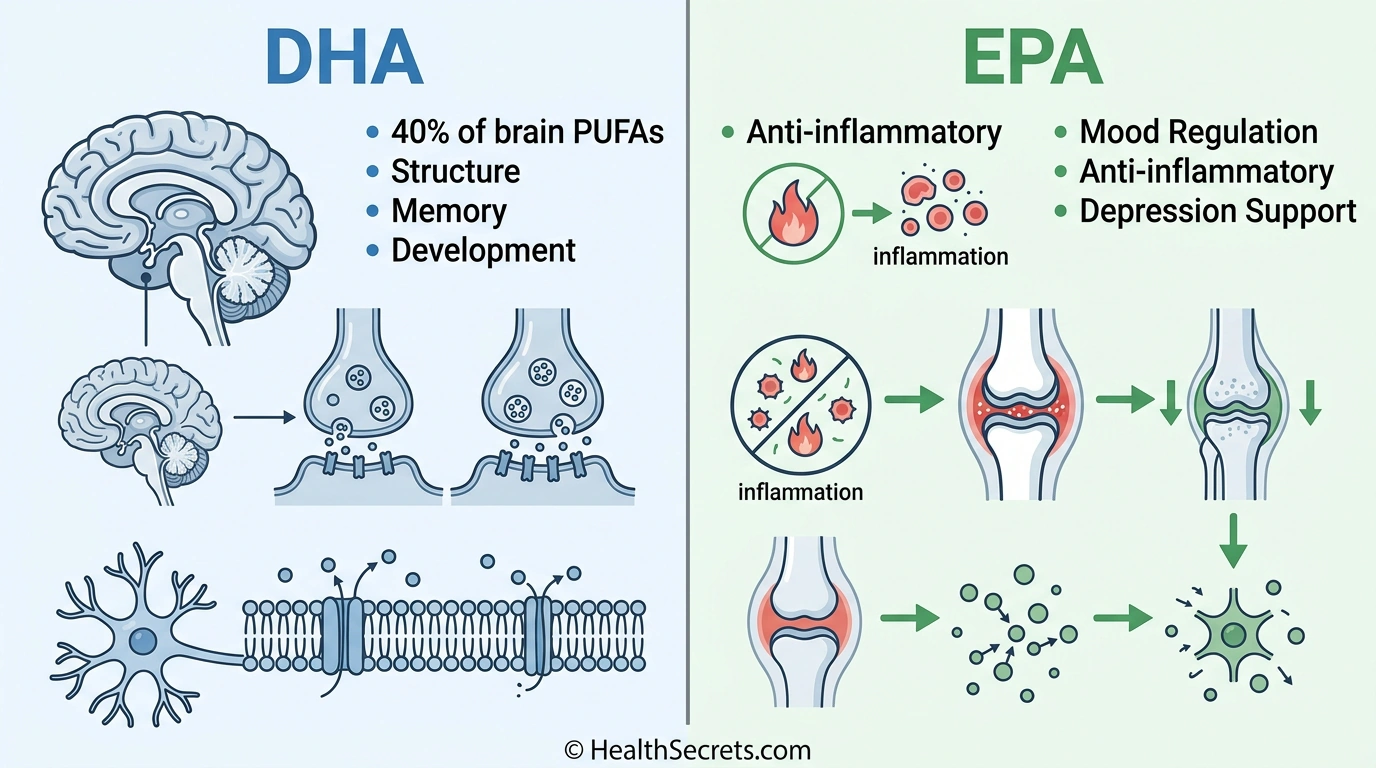
The two omega-3s that matter most for your brain are DHA (docosahexaenoic acid) and EPA (eicosapentaenoic acid). DHA makes up about 40% of the polyunsaturated fatty acids in your brain—it's literally woven into the structure of your neurons. EPA, meanwhile, acts as an anti-inflammatory and mood regulator, with particularly strong evidence for depression and ADHD support.
The problem? Most people are woefully deficient. The average omega-3 index in Western countries sits around 4–5%, well below the 8% threshold that researchers consider optimal. Low fish intake combined with a modern diet swimming in omega-6 fats creates an inflammatory imbalance that your brain pays for.
In this guide, you'll learn exactly what DHA and EPA do in your brain, which cognitive and mental health conditions they help with, how to dose them properly, and how to pick a supplement that's actually worth your money.
Related reading: Mental wellness complete guide · Inflammation and pain relief guide · Gut health complete guide
What Are Omega-3 Fatty Acids and What Do They Do for Your Brain?
Omega-3 fatty acids are a family of polyunsaturated fats that your body cannot synthesize—making them "essential" nutrients you must obtain through food or supplementation. The three main types are DHA, EPA, and ALA, but DHA and EPA are the ones that directly impact brain structure and function, with research showing they increase learning, memory, and cerebral blood flow.
Let's break down the three types and why they're not interchangeable.
What Is DHA and Why Is It the Brain's Preferred Fat?
DHA (docosahexaenoic acid) is a 22-carbon omega-3 with six double bonds. It's the dominant structural fat in your brain, comprising approximately 40% of polyunsaturated fatty acids in brain tissue and roughly 60% of the retina ([4]). Found in fatty fish, algae, and fish oil supplements, DHA maintains neuronal membrane fluidity—which directly affects how fast your neurons fire, how sensitive your receptors are, and how effectively new synapses form.
What Does EPA Do Differently Than DHA?
EPA (eicosapentaenoic acid) is a 20-carbon omega-3 with five double bonds. Rather than serving as structural material, EPA functions primarily as an anti-inflammatory agent and mood regulator. It converts into resolvins and protectins—specialized molecules that actively resolve neuroinflammation. EPA has stronger clinical evidence than DHA for depression, modulating serotonin and dopamine signaling pathways.
Can You Get Enough Omega-3 from Plant Sources Alone?
ALA (alpha-linolenic acid) is the plant-based omega-3 found in flaxseeds, chia seeds, and walnuts. Here's the catch: your body converts ALA to EPA and DHA at a dismal 5–10% efficiency rate. That means even generous ALA intake from plant foods won't deliver meaningful brain-level DHA or EPA. Vegetarians and vegans need algae-based DHA supplements specifically.
The real issue most people face is deficiency. The typical Western diet delivers an omega-6 to omega-3 ratio of roughly 15:1—far above the recommended 4:1 or lower. This inflammatory imbalance contributes to cognitive decline, mood disorders, and neurodegeneration over time.

The Supplement Seal Verifier
What six certification programs each test, the label claims that test nothing, and a ten-bottle audit sheet that counts your verified products.
How Do Omega-3 Fatty Acids Work in the Brain?
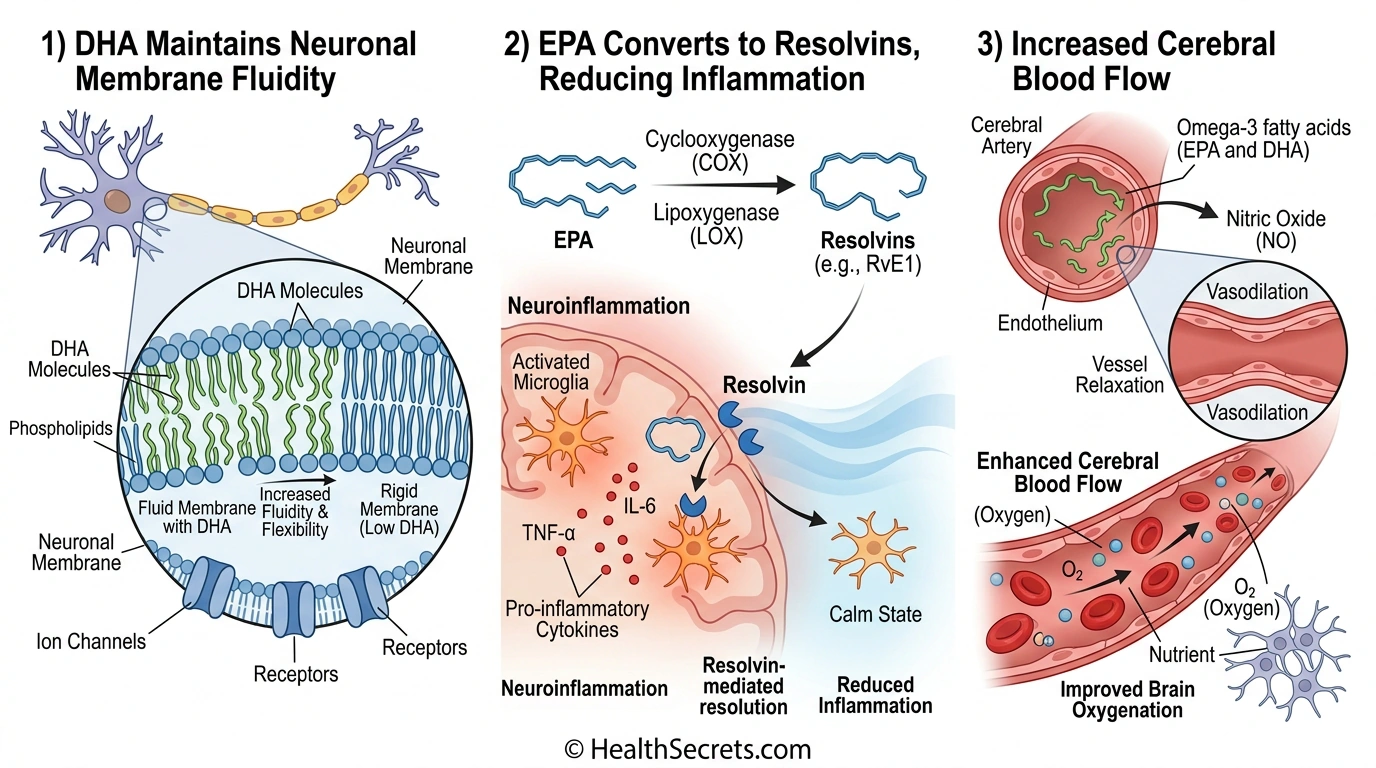
Omega-3s support brain function through three interconnected mechanisms: structural integration into neuronal membranes, anti-inflammatory signaling, and neurotransmitter modulation. DHA maintains the physical architecture of brain cells while EPA reduces the chronic neuroinflammation that impairs cognition and mood.
How Does DHA Build and Maintain Brain Structure?
DHA is concentrated in gray matter (neuronal cell bodies), synaptic junctions, and mitochondrial membranes throughout the brain. Its unique molecular structure—with six flexible double bonds—creates optimal membrane fluidity that directly affects:
- Neurotransmitter signaling speed — More fluid membranes allow faster signal transmission
- Receptor sensitivity — Ion channels and receptors function better in DHA-rich membranes
- Synaptogenesis — DHA supports the growth of new synaptic connections and strengthening of existing ones through long-term potentiation
- Neuroprotection — DHA-derived molecules called neuroprotectins and resolvins protect neurons from oxidative damage and reduce amyloid-beta accumulation linked to Alzheimer's disease
Studies at UT Health San Antonio found that higher omega-3 levels in midlife were associated with larger brain volumes and better cognitive performance ([5]).
How Does EPA Reduce Brain Inflammation and Regulate Mood?
EPA's primary mechanism involves converting to specialized pro-resolving mediators (SPMs)—resolvins and protectins that actively resolve inflammation rather than just suppressing it. Neuroinflammation is increasingly recognized as a driver of depression, cognitive decline, and neurodegenerative diseases.
EPA reduces inflammatory cytokines (IL-6, TNF-alpha) in the brain and modulates the HPA axis—your stress response system—helping regulate cortisol levels. It also supports BDNF (brain-derived neurotrophic factor), which promotes neuroplasticity, new neuron growth, and stress resilience.
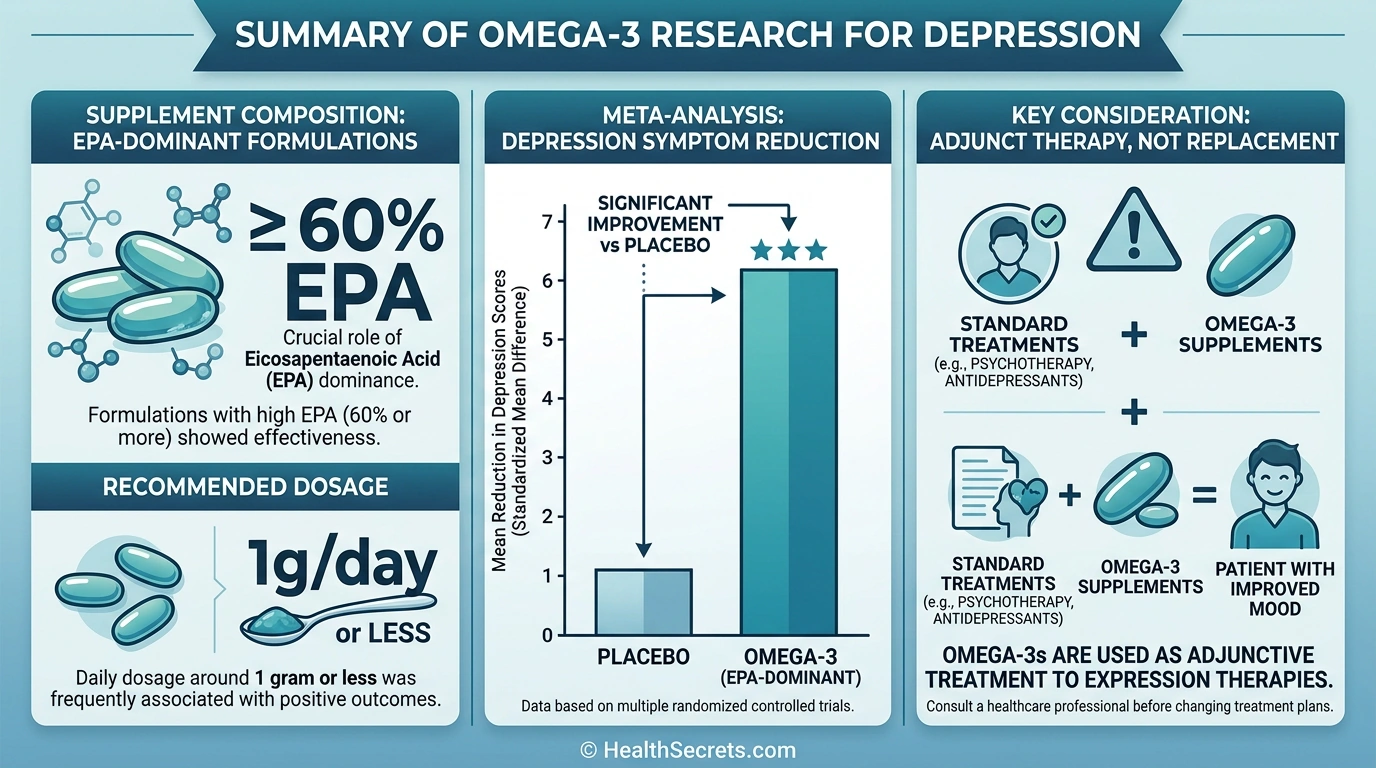
A key meta-analysis confirmed that EPA-rich formulations (≥60% EPA) at doses ≤1g/day produced significant antidepressant effects, while DHA-dominant formulations did not ([3]).
How Do Omega-3s Increase Brain Blood Flow?
Omega-3 supplementation increases cerebral perfusion—delivering more oxygen, glucose, and nutrients to brain tissue. A systematic review confirmed that omega-3 fatty acids improve brain blood flow alongside cognitive well-being ([1]). Better perfusion supports every cognitive function from working memory to processing speed.
How Well Are Omega-3 Supplements Absorbed?
Absorption of omega-3 supplements varies dramatically based on the chemical form, timing, and what you eat alongside them. Triglyceride-form omega-3s absorb significantly better than ethyl ester forms, and taking supplements with a fat-containing meal can increase absorption by up to 300%.
Does the Form of Fish Oil Affect How Much Your Body Actually Uses?
This is where supplement quality really diverges:
- Triglyceride form (TG): The natural form found in fish. Superior absorption, especially when taken with meals. More expensive.
- Ethyl ester form (EE): A concentrated, semi-synthetic form that allows higher doses per capsule. Lower absorption rate—requires dietary fat to absorb properly. Less expensive.
- Re-esterified triglyceride (rTG): Concentrated like ethyl ester but converted back to triglyceride form. Good absorption profile at moderate cost. This is the sweet spot for many quality brands.
The practical takeaway: always take omega-3 supplements with meals containing some fat. A handful of nuts, avocado, or even olive oil on a salad makes a real difference.
Fish Oil vs Algae Oil: Which Delivers Omega-3s More Effectively?
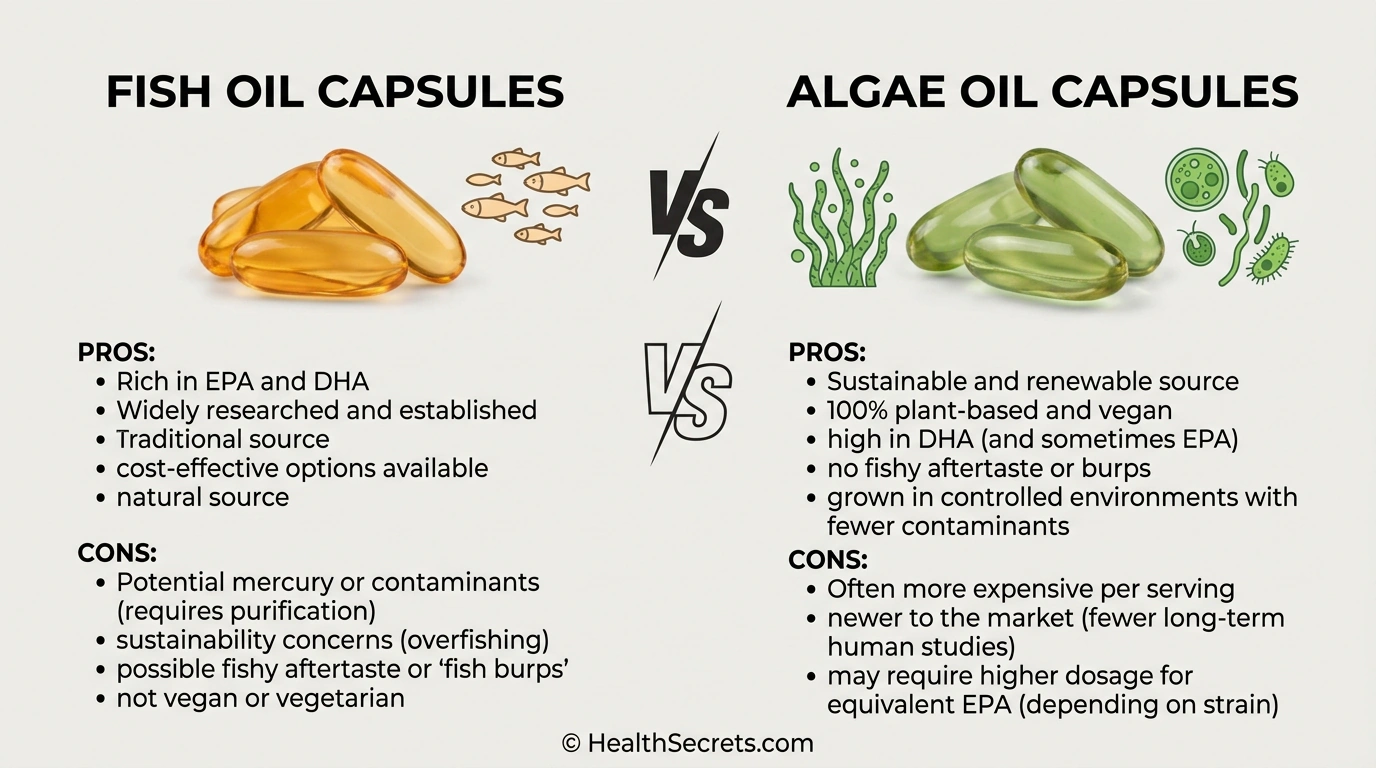
Fish oil contains both EPA and DHA in natural ratios, with more options for high-EPA formulas. Algae oil—the plant-based alternative—primarily delivers DHA with some newer formulations including EPA. Research shows algae-derived DHA raises blood omega-3 levels as effectively as fish-based DHA.
Choose fish oil if you want comprehensive EPA+DHA coverage, need a high-EPA formula for mood support, or budget matters. Choose algae oil if you're vegetarian or vegan, sensitive to fish taste, or primarily need DHA for pregnancy or cognitive function.
How Much Omega-3 Should You Take for Brain Health?
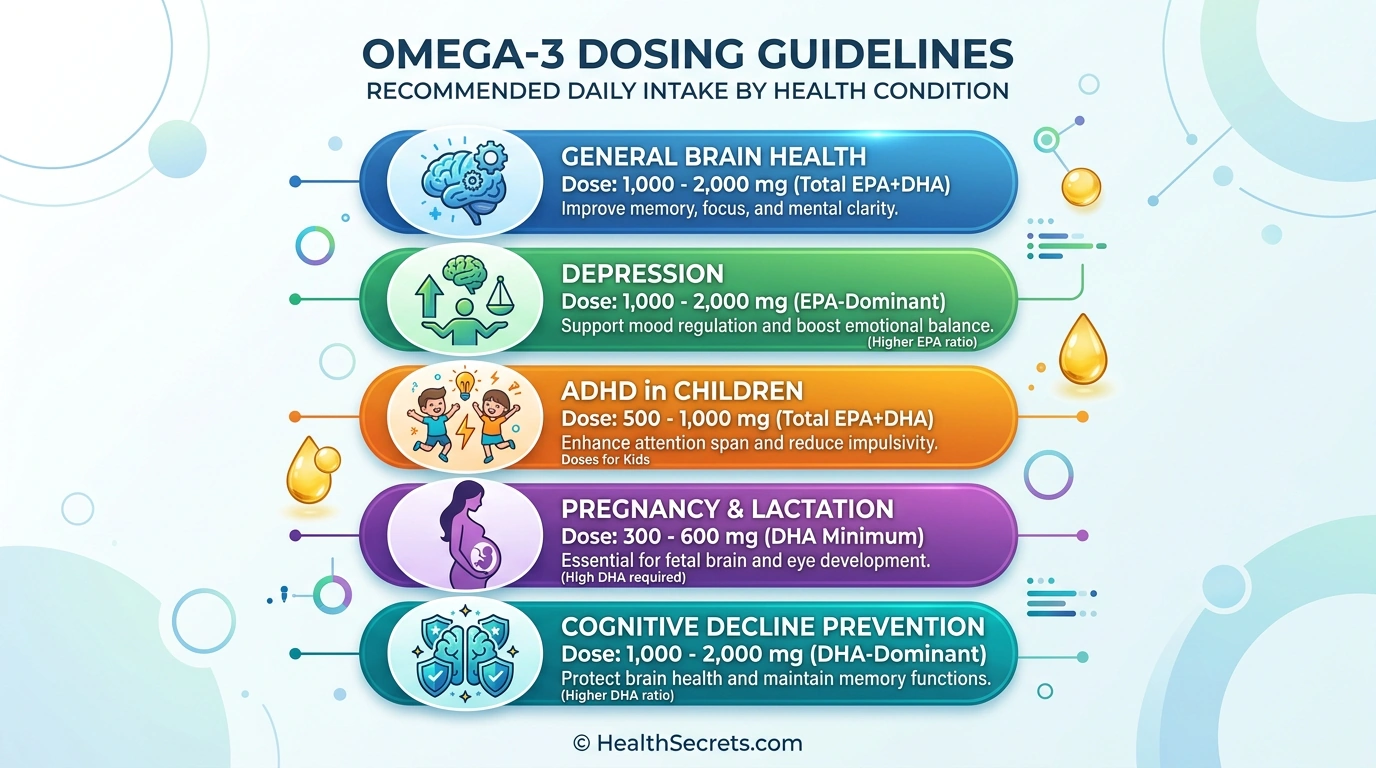
Optimal omega-3 dosing depends on your specific goals. General brain health requires 1,000–2,000mg combined EPA+DHA daily, while therapeutic applications like depression may call for higher EPA-dominant doses. Taking omega-3s with meals and maintaining consistency over months are both critical for results.
What Are the Recommended Doses for Different Brain Health Goals?
| Goal | Daily Dose | EPA:DHA Emphasis | Duration |
|---|---|---|---|
| General brain health | 1,000–2,000mg combined | Balanced | Ongoing |
| Depression support | 1,000–2,000mg EPA | Higher EPA (2:1 or 3:1) | 8–12 weeks minimum |
| ADHD (children) | 500–1,000mg combined | Balanced with EPA | 12+ weeks |
| ADHD (adults) | 1,000–2,000mg combined | Balanced with EPA | 12+ weeks |
| Cognitive decline prevention | 1,000–2,000mg combined | Higher DHA | Ongoing |
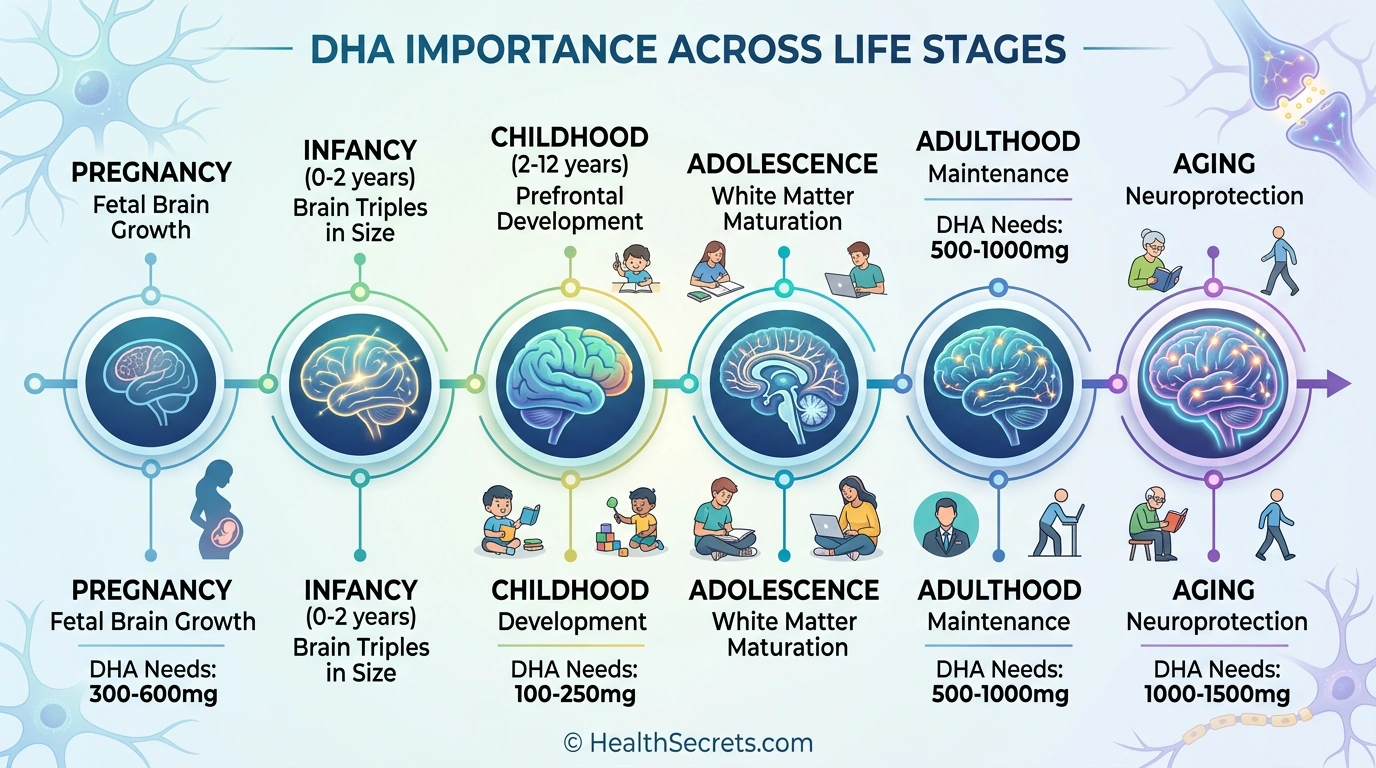
| Pregnancy/breastfeeding | 300–600mg DHA + 300–500mg EPA | Higher DHA | Throughout |
| Timing tips: Take with fat-containing meals for best absorption. If taking 3,000mg+, split into 2–3 doses. Freeze capsules or take before bed to minimize fishy burps. |
Blood levels take 4–8 weeks to reach steady state. Cognitive effects typically require 8–12 weeks, mood effects 4–8 weeks. Patience and daily consistency are non-negotiable.
Consider testing your omega-3 index—a blood test measuring omega-3 levels in red blood cell membranes. Target 8% or higher for optimal brain and heart health. Most Western adults test at 4–5%.
Can You Get Enough Omega-3 for Brain Health from Food?
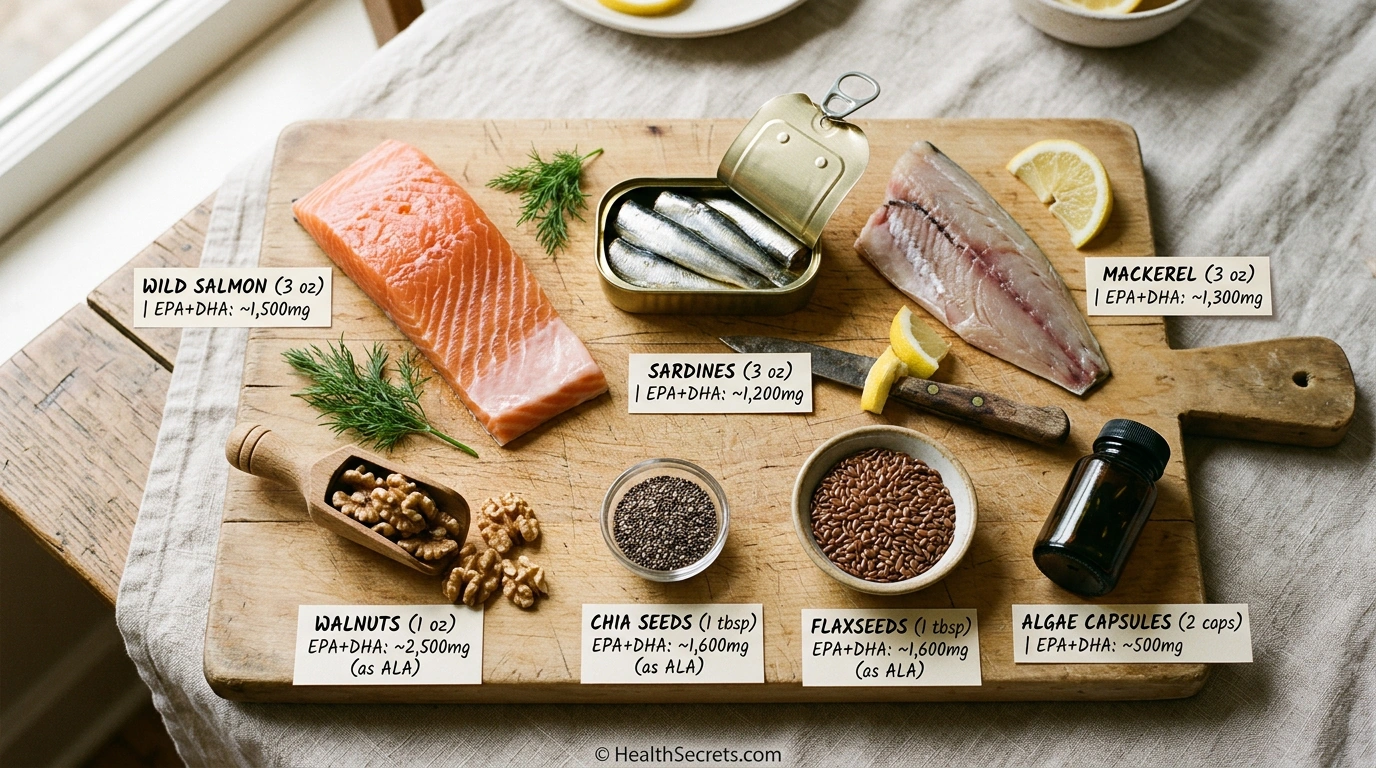
Fatty fish remains the gold standard dietary source of DHA and EPA, with 2–3 servings weekly providing adequate omega-3s for general maintenance. However, reaching therapeutic doses for depression, ADHD, or cognitive decline prevention through food alone is challenging—supplementation fills the gap practically.
Top fatty fish sources (EPA+DHA per 3.5 oz serving):
- Mackerel: 2,500–3,000mg
- Salmon (wild-caught): 1,500–2,500mg
- Herring: 1,500–2,000mg
- Anchovies: 1,400–2,000mg
- Sardines: 1,000–1,500mg
Plant sources provide ALA only (poor conversion to DHA/EPA):
- Chia seeds: 2,500mg ALA per tablespoon
- Flaxseeds (ground): 2,300mg ALA per tablespoon
- Walnuts: 2,500mg ALA per ounce
Remember: ALA converts to EPA and DHA at only 5–10% efficiency. If you're vegetarian, vegan, or simply don't eat fish twice weekly, supplementation with fish oil or algae oil is the practical path to adequate brain omega-3 levels.
Is Omega-3 Supplementation Safe?
Omega-3 supplements are generally well-tolerated with a strong safety profile. The primary concerns involve mild blood-thinning effects at high doses, potential medication interactions with anticoagulants, and the risk of consuming rancid (oxidized) fish oil that may cause more harm than good.
Blood thinning considerations:
- Omega-3s have mild anticoagulant effects. If you take warfarin, aspirin, or clopidogrel, consult your doctor before supplementing
- High doses (>3,000mg daily) increase bleeding risk more than moderate doses
- Discontinue omega-3 supplements 1–2 weeks before scheduled surgery
- Avoid if you have hemophilia or von Willebrand disease without physician approval
Common side effects (usually mild):
- Fishy burps or aftertaste—take with meals, freeze capsules, or switch to algae oil
- Occasional gastrointestinal upset with high doses
- Fishy body odor at very high doses (rare)
Quality and purity red flags:
- Rancid fish oil increases oxidative stress rather than reducing it. Smell and taste-test capsules periodically
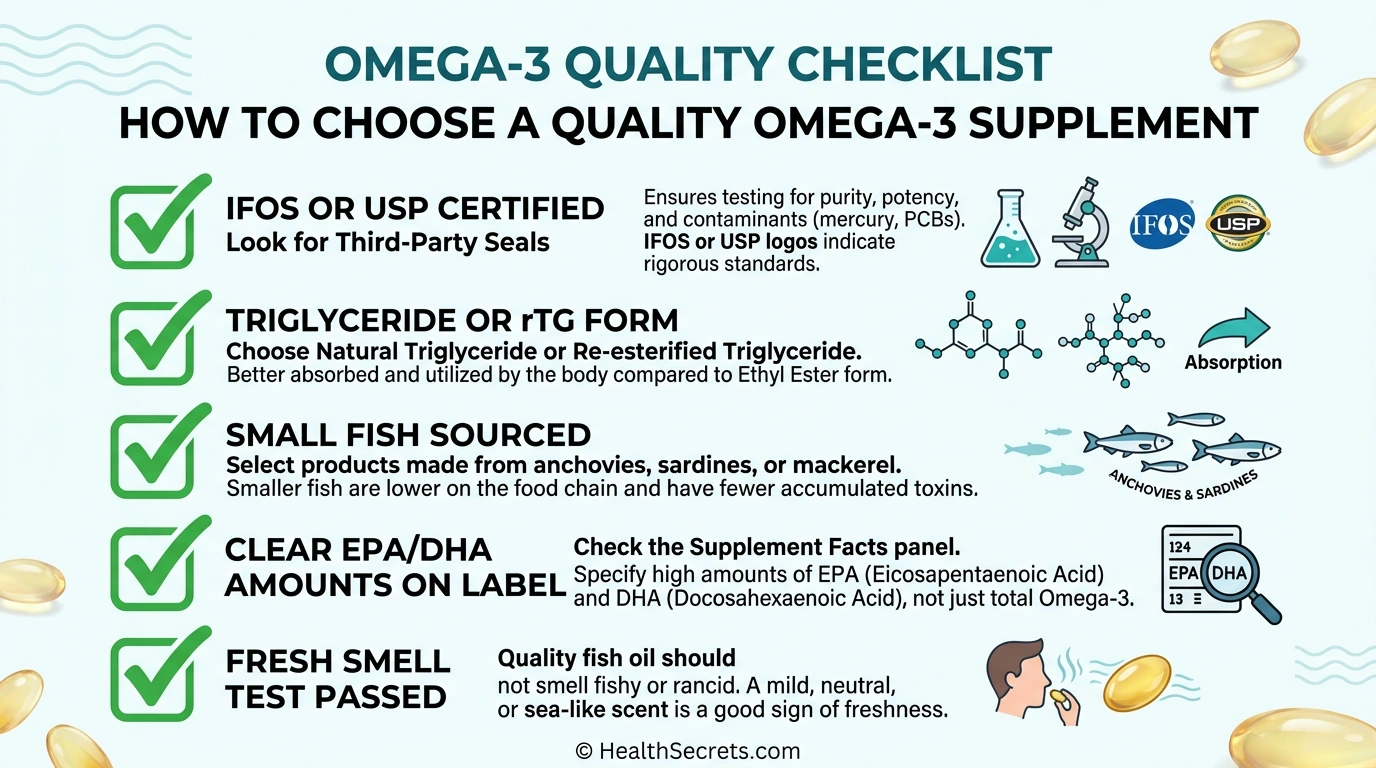
- Low-quality products may contain mercury, PCBs, or dioxins. Always choose third-party tested brands (IFOS, USP, or ConsumerLab certified)
- Store in a cool, dark place. Respect expiration dates
The FDA considers up to 3,000mg combined EPA+DHA daily generally safe. Higher therapeutic doses should be supervised by a healthcare provider.
What Can Omega-3 Fatty Acids Actually Do for Your Brain?
Omega-3s deliver modest but meaningful improvements in cognitive function, mood, and brain protection—not dramatic overnight transformations. They work best as part of a comprehensive lifestyle approach including healthy diet, exercise, sleep, and stress management, with effects building gradually over weeks to months of consistent use.
What omega-3s CAN do:
- Support brain structure and membrane function throughout life
- Improve learning, memory, attention, and cognitive well-being ([1]; [2])
- Reduce depression symptoms as an adjunct treatment, particularly EPA-rich formulas ([3])
- Produce small to moderate improvements in ADHD inattention symptoms ([18])
- Support critical brain development during pregnancy and childhood
- Potentially slow age-related cognitive decline, especially in people with low baseline omega-3 levels
What omega-3s CANNOT do:
- Cure depression, ADHD, Alzheimer's, or any disease
- Replace prescribed medications or psychotherapy
- Produce immediate effects (expect 4–12 weeks minimum)
- Reverse advanced cognitive impairment or dementia
- Work equally for everyone—individual variation based on genetics, baseline status, and co-existing conditions is real
Think 10–20% symptom improvement, not a dramatic transformation. That said, when you're talking about cognition and mood, even a modest improvement can meaningfully change your daily quality of life. The key is framing omega-3s as a foundational supportive tool—not a magic pill.
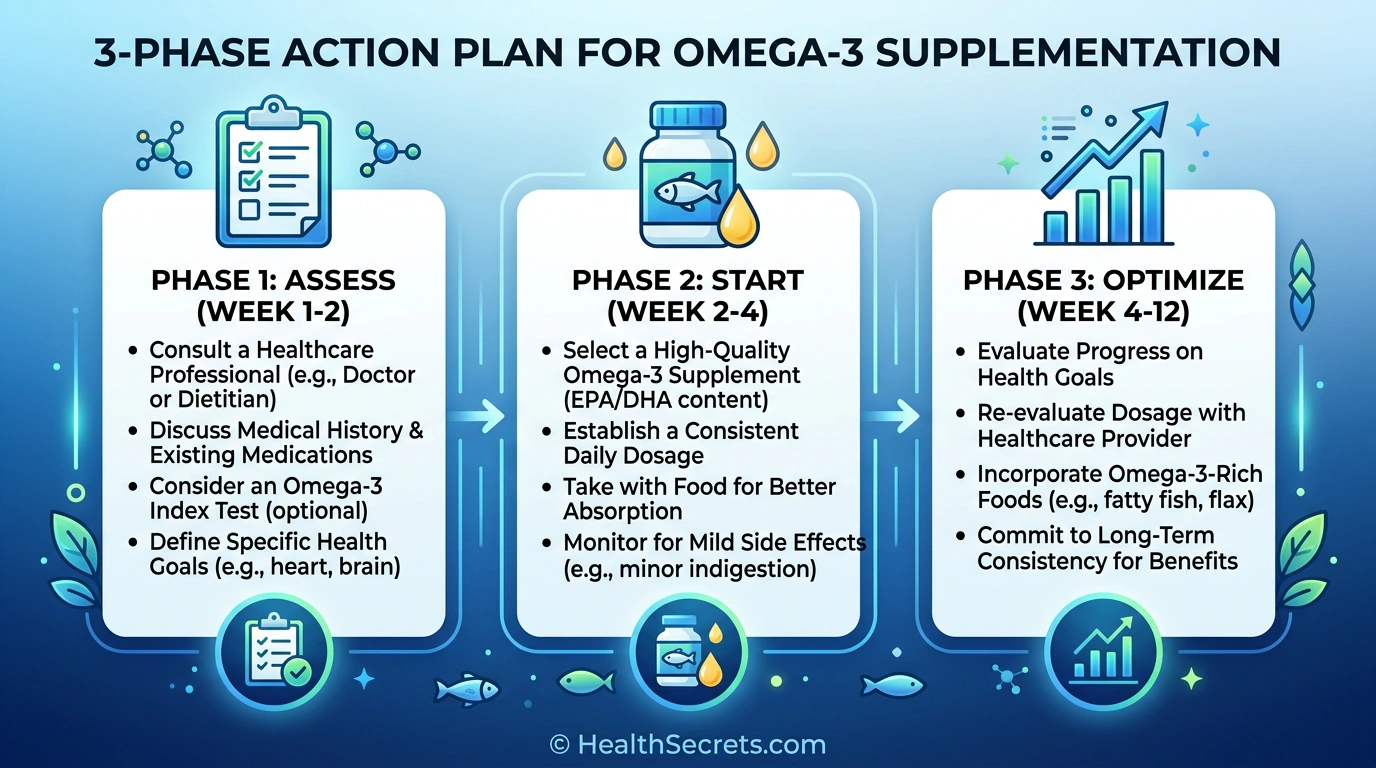
Action Plan
What Should You Do First to Optimize Omega-3 for Brain Health?
Follow the sequence below, work through each phase in order, and use the checklist as your practical implementation guide.
Start by assessing your current omega-3 intake, then choose a quality supplement matched to your specific brain health goals. A phased approach—building from dietary changes to targeted supplementation—gives your brain the best foundation while allowing you to track results over time.
Phase 1 — Assess and Establish Baseline (Week 1–2):
- Evaluate your current fish intake—do you eat fatty fish 2+ times weekly?
- Consider an omega-3 index blood test (target: 8% or higher)
- Identify your primary goal: general brain health, mood support, ADHD, pregnancy, or cognitive decline prevention
- Review medications with your doctor if you take blood thinners
Phase 2 — Choose and Start Supplementation (Week 2–4):
- Select a quality supplement: IFOS-certified, triglyceride or rTG form, from small fish
- Match your dose to your goal (see dosing table above)
- Take with fat-containing meals for optimal absorption
- Increase dietary fatty fish to 2–3 servings weekly
Phase 3 — Optimize and Evaluate (Week 4–12):
- Maintain daily consistency—benefits build over weeks to months
- Track cognitive function, mood, and energy subjectively
- Consider re-testing omega-3 index at 8–12 weeks
- Adjust dose based on response and blood levels
- Combine with Mediterranean-style diet, exercise, quality sleep, and stress management