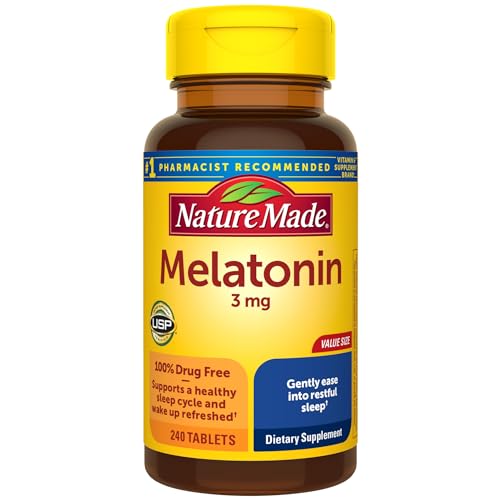
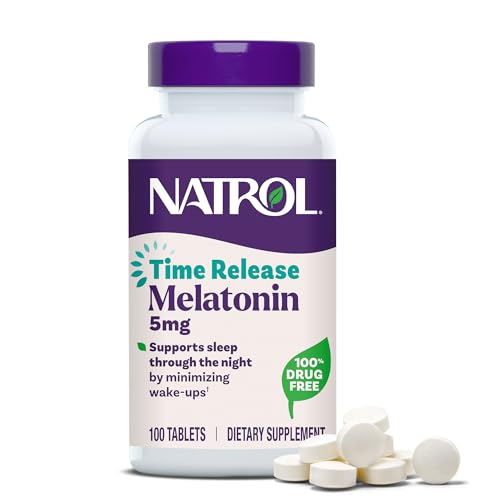
Melatonin supplements line the shelves of every pharmacy in America, and sales have skyrocketed over the past decade. Yet here's the uncomfortable truth: most people use melatonin incorrectly. They take doses 10 to 100 times higher than what research supports, swallow it right before bed when earlier timing might work better, and expect it to act like a sleeping pill — which it isn't.
Melatonin is a hormone your pineal gland produces naturally every evening. It doesn't knock you out. It signals your body that darkness has arrived and sleep time is approaching. That distinction matters enormously, because it means melatonin works best for circadian rhythm problems — jet lag, delayed sleep phase, shift work — not necessarily for every type of insomnia.
In this guide, you'll learn exactly how melatonin works, the research-backed dosing strategy (spoiler: 0.3 mg can be as effective as 3 mg), when and how to take it, who should avoid it entirely, and which products actually deliver what the label promises. Whether you're a frequent traveler, a shift worker, or simply curious about this widely misunderstood supplement, you'll walk away with a clear, actionable plan.
For more on natural sleep strategies, see our sleep hygiene guide and circadian rhythm guide. To explore the connection between sleep and overall mental health, read our mental wellness complete guide.
What Is Melatonin and How Does It Regulate Your Sleep?
Melatonin is a naturally occurring hormone produced by the pineal gland in your brain, primarily in response to darkness. It functions as your body's internal clock signal, regulating your sleep-wake cycle (circadian rhythm) by telling your brain and body that nighttime has arrived. Unlike sedative medications, melatonin does not induce unconsciousness — it prepares your system for sleep.
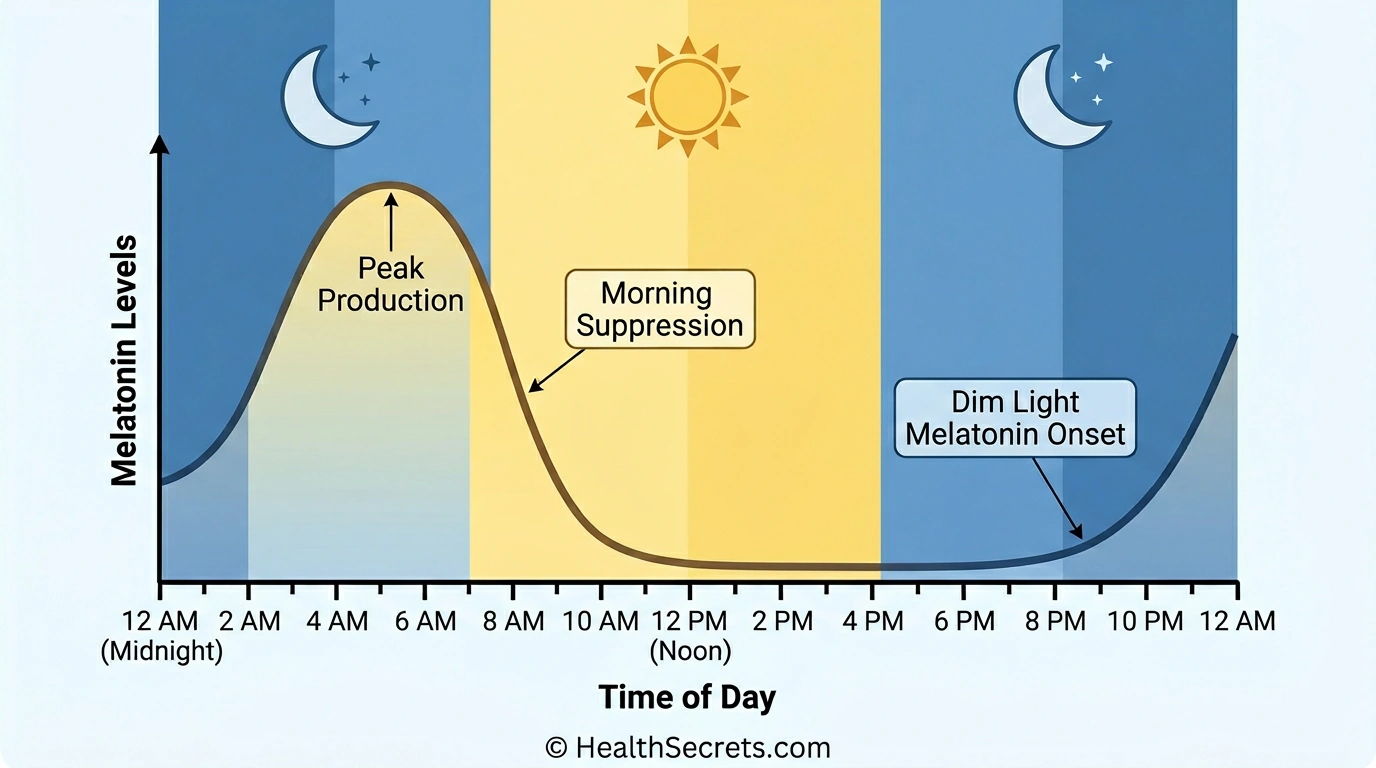
Your body produces remarkably small amounts of melatonin each night — roughly 10 to 80 micrograms (0.01–0.08 mg). Production follows a predictable pattern: levels stay low during daylight, begin rising 2–3 hours before your natural bedtime (a phase called "dim light melatonin onset"), peak around 2–4 AM, and drop off by morning as light exposure suppresses production [1].
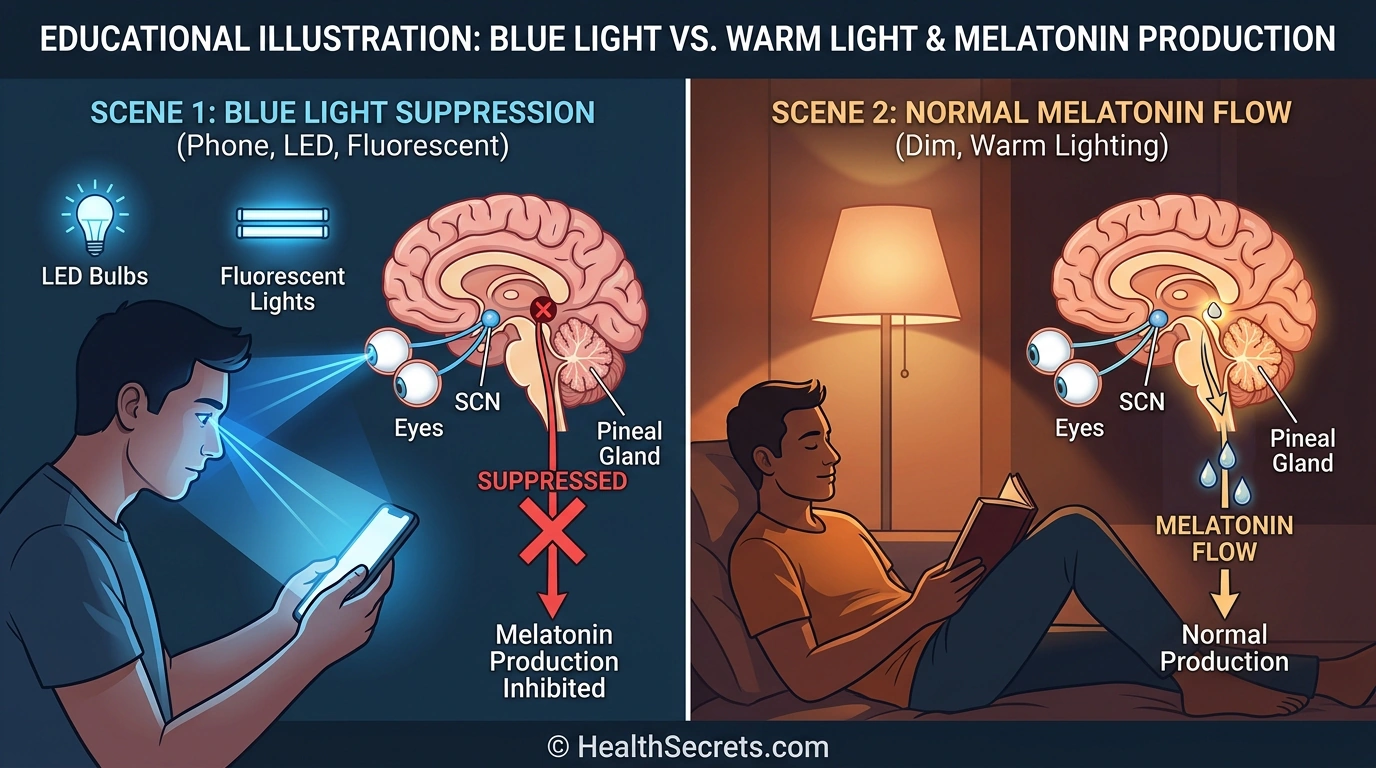
This is why melatonin is sometimes called the "darkness hormone." Any light exposure during evening hours — especially blue light from screens, LED bulbs, and fluorescent lighting — can suppress melatonin production and delay sleep onset [2]. The modern epidemic of evening screen use is one reason so many people struggle with falling asleep.
What melatonin is NOT:
- Not a sleeping pill (does not sedate)
- Not a cure for chronic insomnia (addresses timing, not sleep drive)
- Not appropriate for every sleep problem
- Not a substitute for proper sleep hygiene

The Bedroom Sleep Audit Checklist
Sixteen checks across temperature, light, sound and air with target ranges, a score sheet that counts what to fix first, and the one-change-at-a-time rule.
How Does Melatonin Work in Your Body?
Melatonin works through a multi-step signaling process that involves receptor binding in the brain, body temperature regulation, and circadian clock synchronization. It does not force sleep the way benzodiazepines or antihistamines do — instead, it opens a "sleep gate" by shifting your physiology toward conditions that favor sleep onset.
How Does Melatonin Signal Your Brain That It's Time to Sleep?
Melatonin binds to MT1 and MT2 receptors in the suprachiasmatic nucleus (SCN), your brain's master circadian clock located in the hypothalamus. MT1 receptor activation promotes sleepiness by inhibiting wake-promoting neurons, while MT2 receptor activation shifts your circadian phase — essentially moving your internal clock earlier or later [3]. This dual action explains why melatonin helps both with falling asleep and with resetting disrupted circadian rhythms.
How Does Melatonin Lower Body Temperature to Promote Sleep?
One of melatonin's key physiological effects is promoting peripheral vasodilation, which causes heat loss from your extremities and lowers your core body temperature. This temperature drop is a critical prerequisite for sleep onset. Research shows that the natural evening rise in melatonin closely parallels the decline in core body temperature that precedes sleep [4]. When you take exogenous melatonin, it mimics this effect.
Does Melatonin Have Antioxidant Properties Beyond Sleep?
Melatonin is a potent free radical scavenger that protects cells against oxidative stress. It directly neutralizes reactive oxygen species and stimulates antioxidant enzymes including superoxide dismutase and glutathione peroxidase [5]. While these antioxidant properties are well-documented, taking melatonin supplements primarily for antioxidant purposes isn't well-supported — the doses needed for meaningful antioxidant activity in humans remain unclear.
How Does Light Exposure Affect Your Natural Melatonin Production?
Light — particularly blue wavelengths (460–480 nm) — suppresses melatonin production through a pathway involving melanopsin-containing retinal ganglion cells that signal the SCN [2]. Even relatively dim indoor lighting (100–200 lux) can suppress melatonin by 50% or more. This means evening screen use, bright bathroom lights, and illuminated bedrooms all work against your natural melatonin rhythm. Managing light exposure is often the first step before considering supplements.
How Well Is Melatonin Absorbed When You Take It as a Supplement?
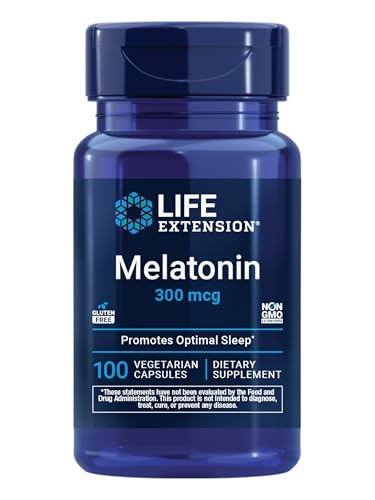
Oral melatonin bioavailability is surprisingly low — only about 15% of the dose reaches your bloodstream due to extensive first-pass metabolism in the liver. This means a 3 mg tablet delivers roughly 0.45 mg of active melatonin, which is still several times higher than your body's natural nightly production. Sublingual and liquid forms bypass some first-pass metabolism and may offer slightly faster absorption.
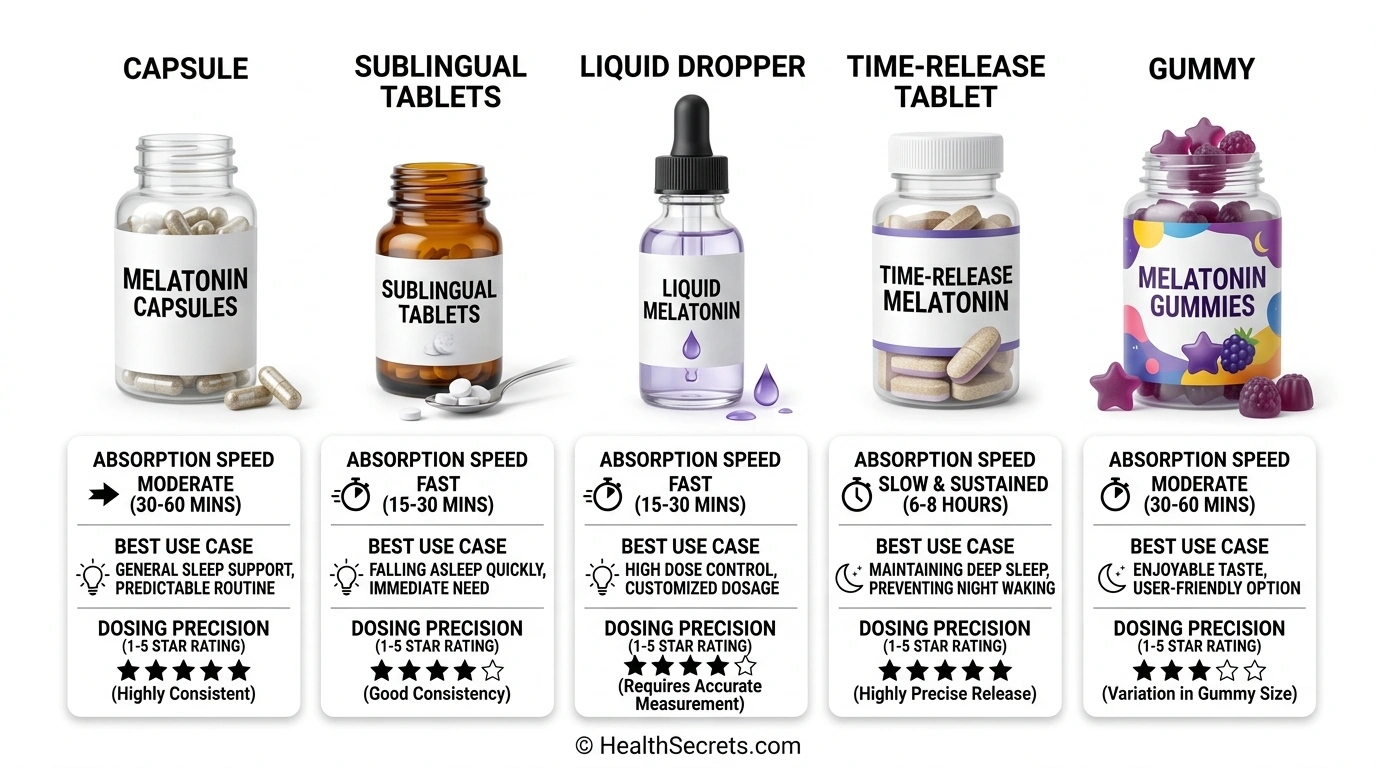
Melatonin is absorbed relatively quickly from the gastrointestinal tract, with blood levels peaking within 20–60 minutes depending on the formulation [6]. Immediate-release forms reach peak concentration faster and are best for sleep onset issues, while time-release formulations deliver melatonin over 6–8 hours and may help with sleep maintenance.
Form comparison:
- Immediate-release tablets/capsules: Peak in 30–60 minutes, last 4–6 hours. Best for sleep onset and jet lag.
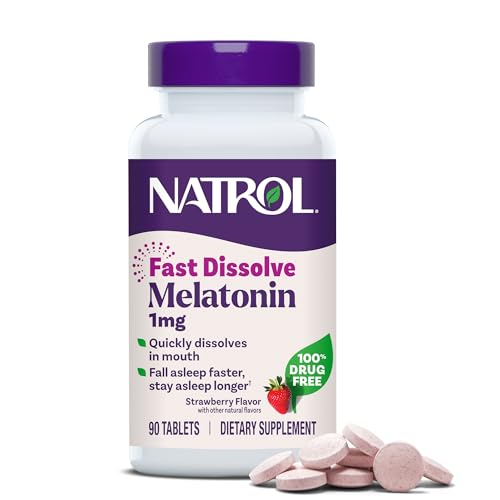
- Sublingual tablets/liquid: Peak in 15–30 minutes, bypasses liver partially. Best when faster onset is needed.
- Time-release: Gradual release over 6–8 hours. May help elderly individuals with low overnight melatonin.
- Gummies: Often contain 3–10 mg (too high for most), added sugars, less precise dosing.
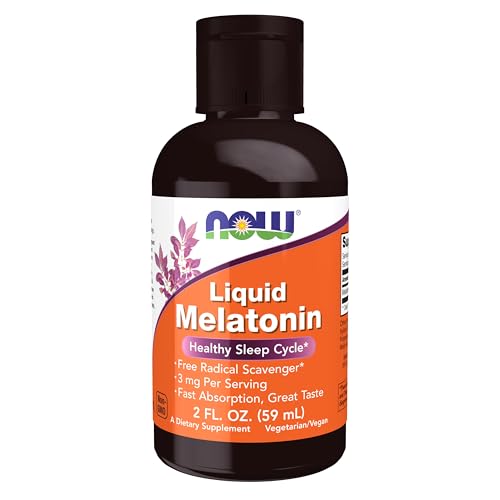
- Liquid drops: Most flexible for low-dose titration (0.3–0.5 mg). Ideal for children (under medical guidance) and dose-sensitive adults.
Taking melatonin with a high-fat meal can delay absorption, so most experts recommend taking it on an empty stomach or with a light snack for consistent timing [6].
How Much Melatonin Should You Take?
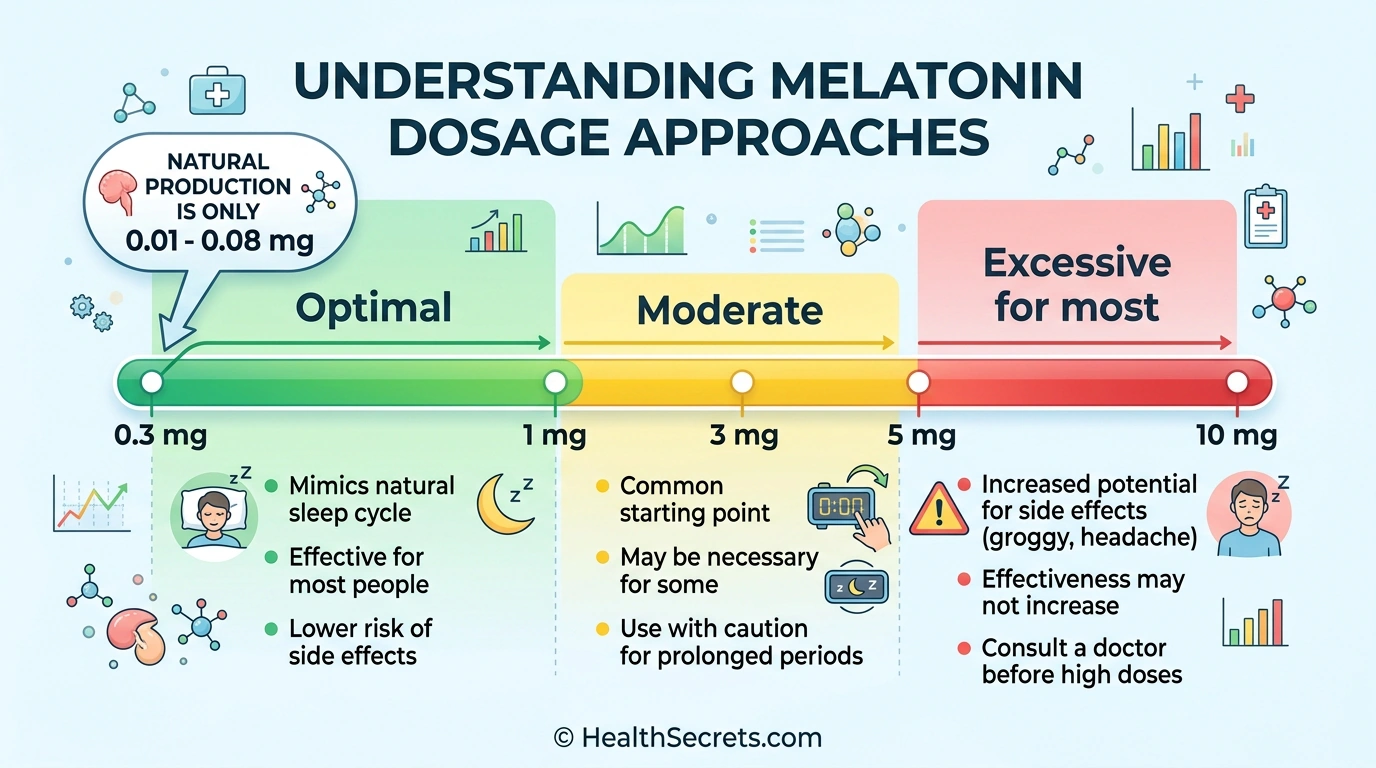
For most adults, 0.3–1 mg is the optimal starting dose for sleep onset — far less than what most commercial products contain. A landmark MIT study found that 0.3 mg was just as effective as 3 mg for improving sleep onset and quality, with fewer side effects [7]. Higher doses (3–10 mg) are supraphysiological and may cause next-day grogginess, headaches, and potential receptor desensitization over time.
The "less is more" principle is the most important dosing insight. Your body naturally produces only 10–80 micrograms per night, so even 0.3 mg is already several times the physiological level. Higher doses don't produce proportionally better sleep — they just increase side effects.
Dosing by Purpose:
| Purpose | Recommended Dose | Timing | Duration | Notes |
|---|---|---|---|---|
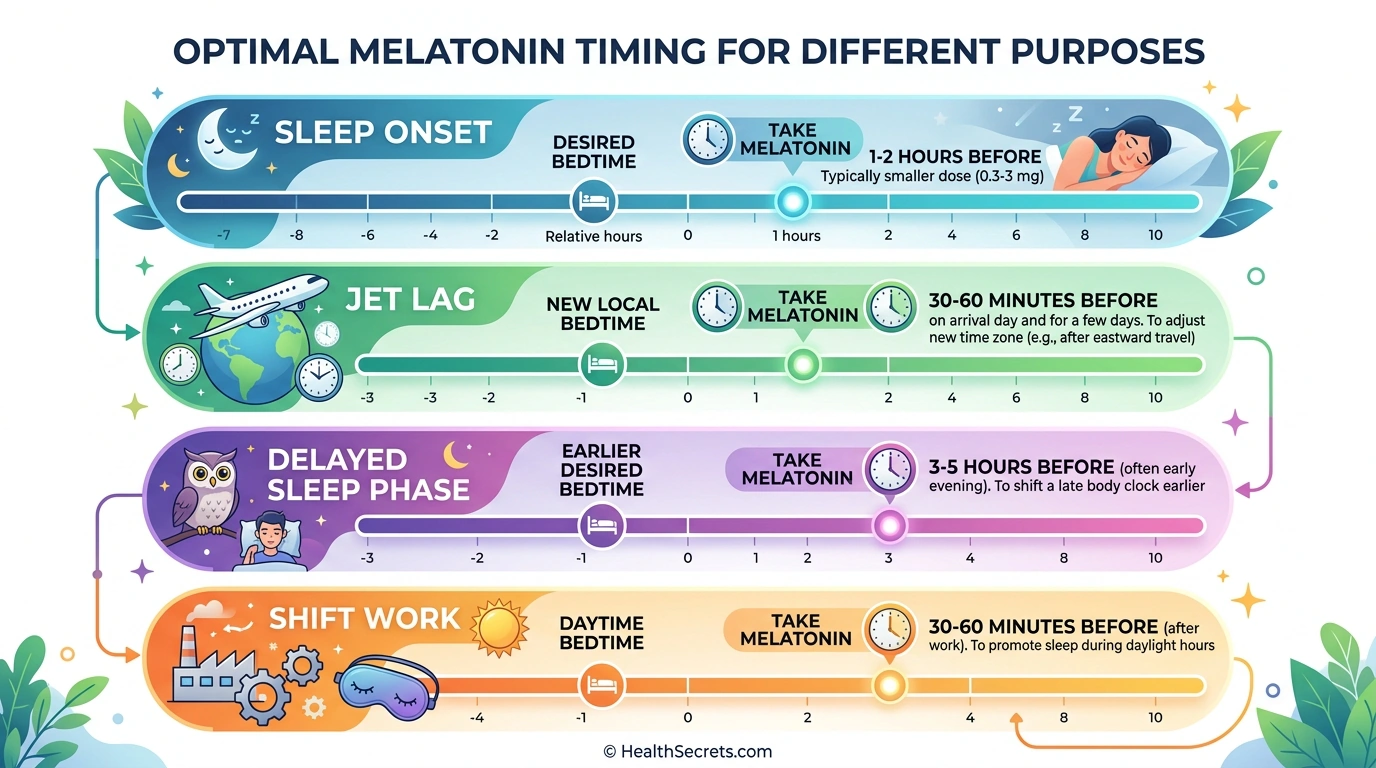
| Sleep onset | 0.3–1 mg | 30–60 min before bed | As needed | Start at 0.3 mg |
| Jet lag | 0.5–5 mg | Bedtime in new time zone | 2–5 days | More effective eastward |
| Delayed sleep phase | 0.5–3 mg | 4–6 hours before desired bedtime | Weeks (with specialist) | Timing is critical |
| Shift work | 1–3 mg | 30–60 min before daytime sleep | As needed | Modest benefit |
| Elderly | 0.3–2 mg | 30–60 min before bed | Consult doctor | Natural production declines with age |
| Timing matters more than dose. Taking melatonin at the right time relative to your desired sleep schedule is far more important than taking a higher dose. For delayed sleep phase syndrome, the French Sleep Research and Medicine Society (SFRMS) found that low-dose melatonin taken 4–6 hours before desired sleep onset provides maximum chronobiotic (clock-shifting) effect [8]. |
Can You Get Enough Melatonin from Food?
Several foods contain small amounts of melatonin, but dietary sources alone cannot replace supplementation when a true circadian rhythm issue exists. Tart cherries are the richest food source, providing roughly 0.01–0.05 mg per serving — enough to modestly influence sleep in some studies but far below supplemental doses. Other sources include pistachios, walnuts, eggs, fish, and certain mushrooms.
A 2022 systematic review found that tart cherry juice consumption improved sleep duration and quality in several small trials, likely due to a combination of melatonin and anti-inflammatory compounds like proanthocyanidins [9]. However, the melatonin content in food is measured in micrograms, making it impractical to rely on diet alone for therapeutic effects.
A balanced approach: Prioritize melatonin-supporting dietary habits — eating tart cherries, nuts, and fatty fish while avoiding large meals, caffeine, and alcohol in the evening — as a foundation. Add low-dose supplementation only when circadian-specific issues warrant it.
Is Melatonin Safe and What Are the Side Effects?
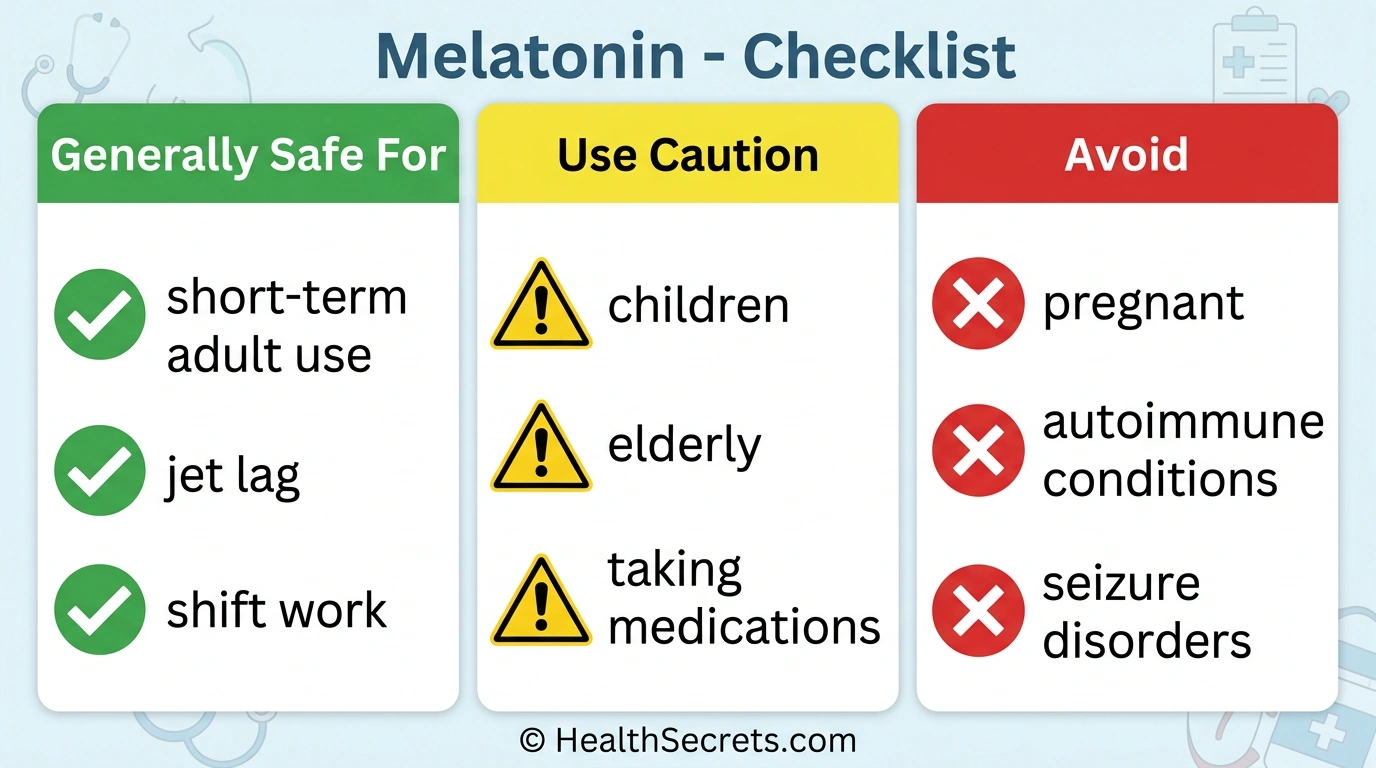
Melatonin is generally considered safe for short-term use (weeks to a few months) in healthy adults at appropriate doses. The most common side effects — daytime drowsiness, headache, dizziness, and vivid dreams — are typically dose-dependent and resolve with dose reduction. However, because melatonin is a hormone that affects multiple body systems, long-term safety data remains limited.
Common side effects (dose-dependent):
- Daytime drowsiness and "melatonin hangover" (especially at doses above 3 mg)
- Headache
- Dizziness and nausea
- Vivid dreams or nightmares
Drug interactions to watch:
- Blood thinners (warfarin): May increase bleeding risk
- Immunosuppressants: May interfere with immunosuppressive therapy
- Diabetes medications: May affect blood sugar regulation
- Sedatives/benzodiazepines: May enhance sedative effects
- Fluvoxamine (CYP1A2 inhibitor): Can dramatically increase melatonin blood levels
- Birth control pills: May increase melatonin's effects (theoretical)
Who should avoid melatonin:
Pregnant or breastfeeding individuals (insufficient safety data)
People with autoimmune conditions (melatonin may stimulate immune activity)
Those with seizure disorders (may lower seizure threshold in rare cases)
Anyone taking medications without consulting a healthcare provider first
Children and melatonin: A 2026 JAMA systematic review documented rising pediatric melatonin use but highlighted limited long-term safety data, particularly regarding effects on hormonal development [10]. The American Academy of Sleep Medicine (AASM) recommends that parents only use USP-verified products and always consult a pediatrician before giving melatonin to children [11].
Dependency and tolerance: StatPearls clinical reference data show no evidence of physical dependence or tolerance development at standard doses [12]. A 2004 study on MT2 receptor desensitization found that high (supraphysiological) melatonin concentrations could reduce receptor sensitivity, but this supports using lower doses rather than avoiding melatonin entirely [13]. Psychological reliance — feeling you "need" melatonin to sleep — can develop with long-term nightly use.
Long-term safety note: A 2026 AHA preliminary report noted an association between long-term melatonin supplementation and heart failure risk, but this was not peer-reviewed, showed association rather than causation, and should be interpreted cautiously [14]. Short-term use (up to 3 months) has a well-established safety profile.
What Can Melatonin Actually Do for You?
Melatonin is most effective for circadian rhythm disruptions — jet lag, delayed sleep phase, and shift work — with modest benefits for general sleep onset in some individuals. It will not cure chronic insomnia, replace good sleep hygiene, or work as a nightly sedative. Setting realistic expectations is essential for using melatonin effectively and knowing when to seek other solutions.
When melatonin works well:
- Jet lag (strong evidence): A Cochrane review found melatonin "remarkably effective" for preventing or reducing jet lag when crossing five or more time zones, particularly for eastward travel [15].
- Delayed sleep phase syndrome: When timed correctly (4–6 hours before desired bedtime), low-dose melatonin combined with morning bright light therapy can advance the sleep schedule.
- Shift work: A 2024 randomized controlled trial found melatonin superior to placebo for improving sleep quality in shift workers, though benefits are modest given the inherent circadian disruption [16].
- Elderly individuals: Natural melatonin production declines with age, and supplementation may help some older adults with sleep onset.
When melatonin does NOT work:
- Chronic primary insomnia: CBT-I (Cognitive Behavioral Therapy for Insomnia) is the gold standard treatment.
- Sleep maintenance insomnia: Waking during the night is not a circadian timing issue.
- Sleep apnea: A breathing disorder requiring CPAP or other treatment.
- Restless leg syndrome: Different mechanism entirely.
- Anxiety-driven insomnia: Address the underlying anxiety first.
Realistic timeline: Give melatonin 3–7 days to assess effectiveness. If you notice no improvement in sleep onset after one week at the correct dose and timing, melatonin is unlikely to be the solution for your particular sleep issue.
Quality concerns: A study published in the Journal of Clinical Sleep Medicine found that the actual melatonin content in supplements ranged from 83% less to 478% more than what the label stated [17]. Some products even contained serotonin, which should not be present. This makes choosing third-party tested (USP, NSF, or ConsumerLab verified) products essential.
Action Plan
What Should You Do First to Use Melatonin Correctly?
Follow the sequence below, work through each phase in order, and use the checklist as your practical implementation guide.
Before reaching for a melatonin supplement, start with sleep hygiene optimization — this alone resolves many sleep difficulties. If you determine melatonin is appropriate for your situation, follow a systematic approach starting with the lowest effective dose and correct timing to maximize benefits while minimizing side effects.
Phase 1: Foundation (Weeks 1–2) — Before Melatonin
- Establish a consistent sleep and wake time (even on weekends)
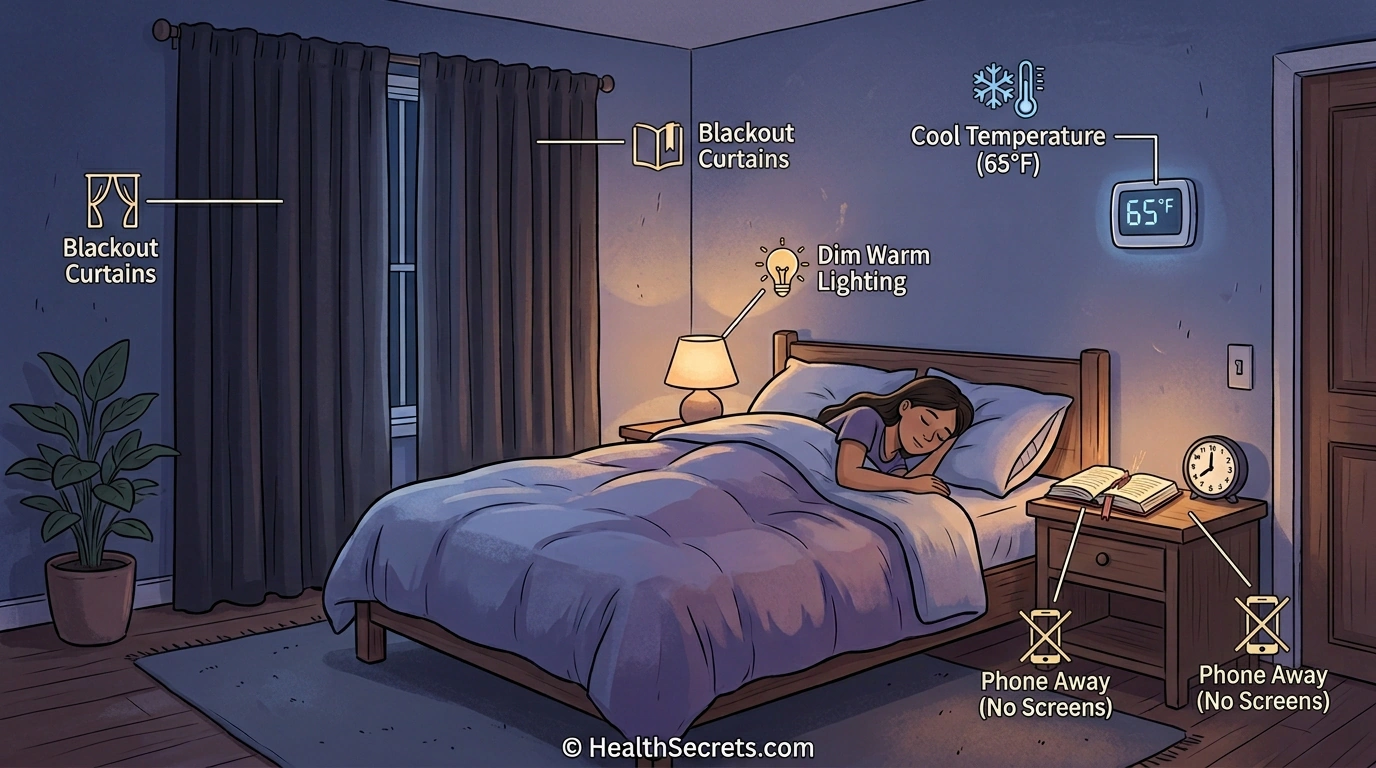
- Create a dark, cool bedroom (60–67°F, blackout curtains)
- Eliminate screens 1–2 hours before bed (or use blue light blocking glasses)
- Avoid caffeine after 2 PM and alcohol within 3 hours of bedtime
- Get 10–30 minutes of bright morning light exposure
- Track your sleep pattern to identify the actual problem
Phase 2: Assessment (Week 3)
- Determine if your sleep problem is circadian-related (jet lag, DSPS, shift work)
- Rule out other causes: anxiety, sleep apnea, medication side effects
- If circadian-related, proceed to melatonin trial
- If not circadian-related, consider CBT-I or consult a sleep specialist
Phase 3: Melatonin Trial (Weeks 3–4)
- Choose a third-party tested product (USP or NSF verified)
- Start with 0.3–0.5 mg, 30–60 minutes before desired bedtime
- Take on an empty stomach or with a light snack
- Track sleep onset time, quality, and morning grogginess
- Increase to 1 mg if 0.3–0.5 mg is ineffective after 3–5 days
Phase 4: Optimize and Maintain
- Use the lowest effective dose long-term
- Take periodic breaks (1–2 weeks) to reassess need
- Address root causes rather than relying on melatonin indefinitely
- Consult a sleep specialist if problems persist beyond 4 weeks