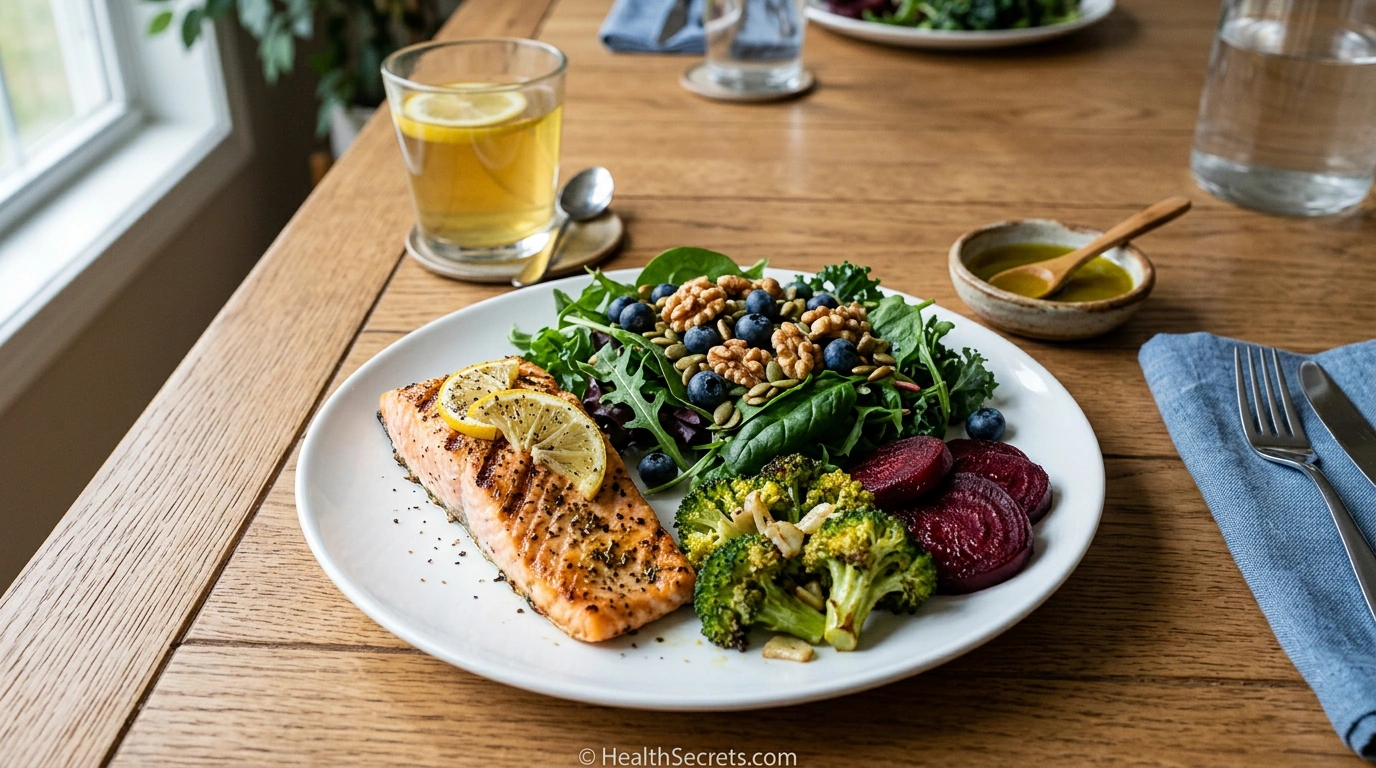
You already know that food fuels your body — but did you know that specific nutrients directly shape how well your brain thinks, remembers, and processes information? The connection between diet and cognitive function is one of the most exciting areas of modern neuroscience, with research consistently showing that what you eat today influences how sharp your mind stays for decades. [8] [10]
The Mediterranean and MIND diets — both rich in vegetables, fruits, whole grains, olive oil, and fish — have been linked to fewer signs of Alzheimer's disease pathology and better cognitive performance across all age groups [2]. A 2026 study published in Scientific Reports found that adherence to these diets was associated with significant neuroprotective effects over a 5-year period, with improvements in cognitive biomarkers including reduced amyloid-beta and tau protein levels [4].
Whether you want to enhance focus at work, support your child's brain development, or protect against cognitive decline as you age, the 25 brain foods in this guide offer a delicious, evidence-based starting point [14].
Related reading: Mental Wellness Complete Guide · Gut-Brain Axis and Mental Health · Omega-3 for Brain Health
How Did We Choose These 25 Brain Foods?
We selected these 25 brain foods based on peer-reviewed research from PubMed, NIH, and major medical journals published between 2020 and 2026. Each food had to demonstrate measurable cognitive benefits through clinical trials or large-scale observational studies, with clear mechanisms of action on brain function [9]. Priority was given to foods with the strongest evidence for neuroprotection, memory enhancement, and cognitive performance improvement.
Our selection criteria included:
- Scientific evidence — Published research demonstrating cognitive benefits with clear biological mechanisms
- Nutrient density — High concentration of brain-supportive nutrients per serving (omega-3s, antioxidants, B vitamins, polyphenols)
- Accessibility — Readily available at most grocery stores at reasonable prices
- Versatility — Easy to incorporate into various meals and dietary patterns
- Safety profile — Generally safe for most adults with minimal risk of adverse effects

Can't Sleep Through the Night?
Download the free Sleep Audit & Recovery Guide — used by our readers to identify the exact bedroom triggers and stress habits wrecking their rest.
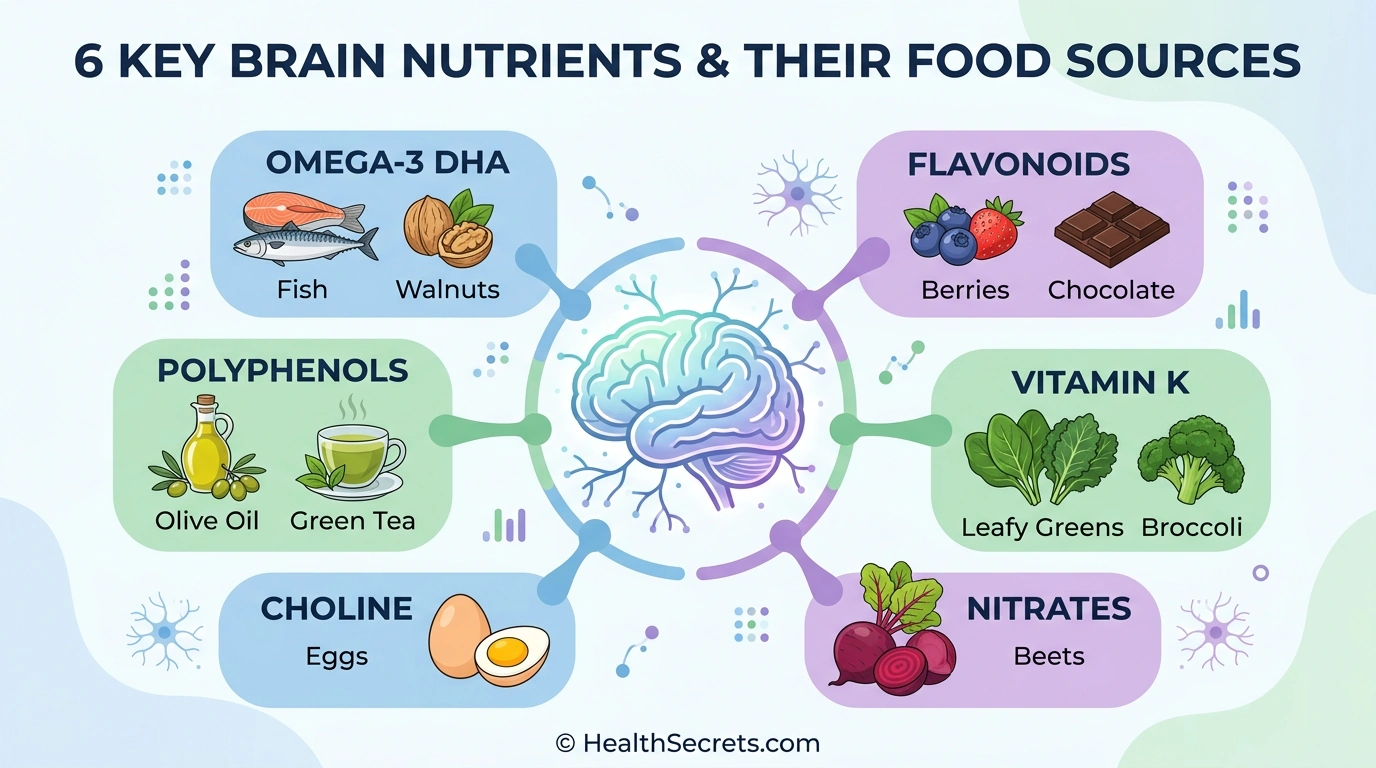
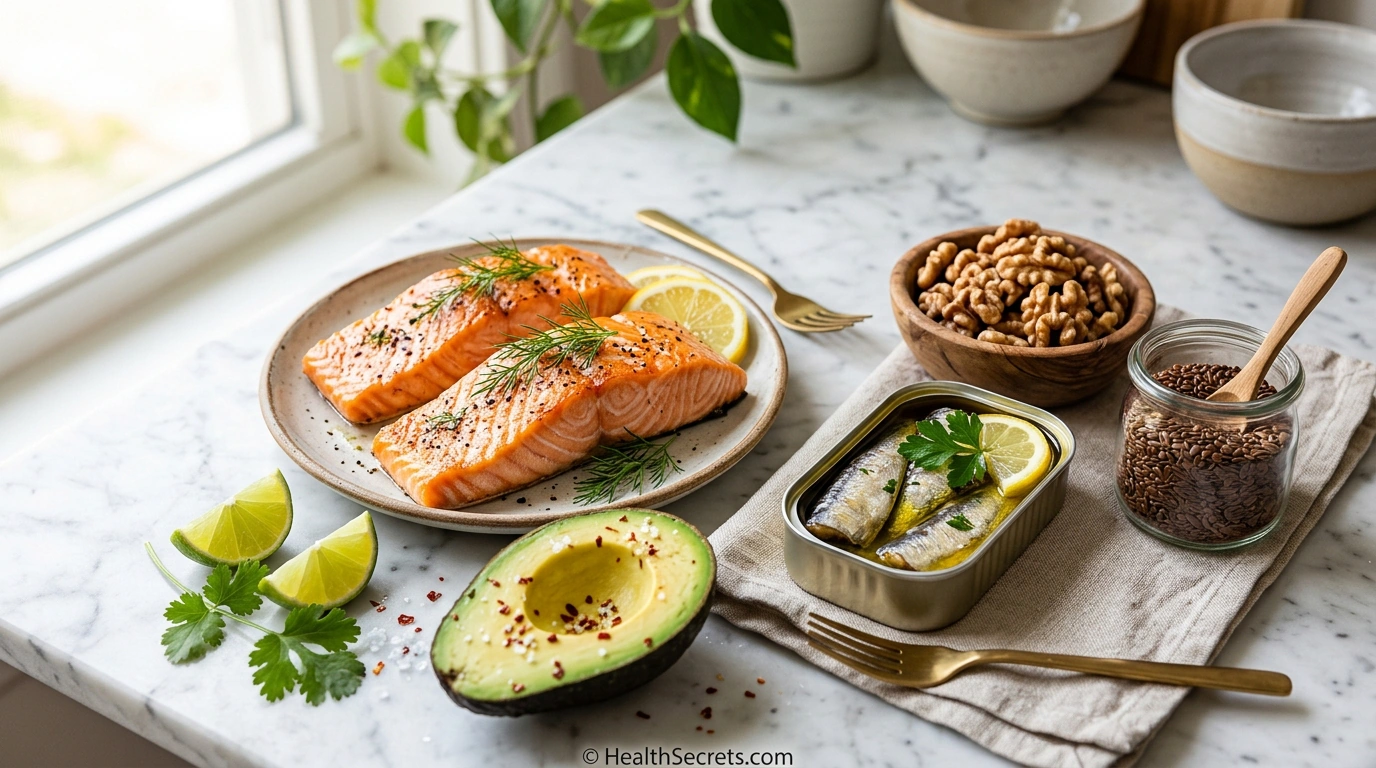
1. Fatty Fish (Salmon, Mackerel, Sardines): Why Is This the Ultimate Brain Food?
Fatty fish is the single most important brain food because it provides DHA, the omega-3 fatty acid that makes up approximately 25% of your brain's total fat content. DHA supports neuronal membrane structure, enhances synaptic plasticity, and has been shown to reduce beta-amyloid protein levels associated with Alzheimer's disease.
Research published in Nature Reviews Neuroscience demonstrates that DHA supplementation elevates hippocampal BDNF (brain-derived neurotrophic factor) levels and enhances cognitive function [1]. The omega-3 fatty acids in salmon, mackerel, and sardines also stimulate glucose utilization in the brain and support mitochondrial function, reducing oxidative stress that damages neurons over time.
How to eat it: Aim for 2–3 servings per week. Wild-caught salmon, Atlantic mackerel, and sardines offer the highest omega-3 content with lowest mercury levels.

Better Sleep Environment Workbook
Heat, light, sound and air measured against their targets, a bedroom audit that counts itself, fixes at three price points, and two 14-day experiments that show which change helped you.
2. Blueberries: How Do They Protect Your Brain from Aging?
Blueberries are among the most potent brain-protective foods thanks to their high concentration of anthocyanins — flavonoid compounds that cross the blood-brain barrier and accumulate in brain regions responsible for learning and memory. Research from Harvard Health shows that regular berry consumption can delay cognitive aging by up to 2.5 years [3].
Anthocyanins reduce neuroinflammation, improve signal transmission between neurons, and stimulate neurogenesis in the hippocampus. Studies show that consuming just one cup of blueberries daily for 12 weeks improves memory performance in older adults with early cognitive decline.
How to eat them: Fresh or frozen blueberries are equally beneficial. Add to smoothies, oatmeal, or yogurt daily.
3. Dark Leafy Greens (Spinach, Kale, Swiss Chard): What Makes Them Essential for Cognitive Function?
Dark leafy greens deliver a powerful combination of brain-protective nutrients including vitamin K, lutein, folate, and beta-carotene. A landmark study from Rush University found that people who ate 1–2 servings of leafy greens daily had cognitive abilities equivalent to someone 11 years younger than those who rarely consumed them.
The NIA-funded 2023 study published in Neurology confirmed that green leafy vegetables were particularly associated with fewer signs of Alzheimer's brain pathology [13]. Folate supports methylation pathways critical for neurotransmitter production, while lutein protects neural tissue from oxidative damage.
How to eat them: Rotate between spinach, kale, and Swiss chard. Both raw salads and cooked preparations preserve key brain nutrients.
4. Walnuts and Almonds: Why Are These Called Brain Nuts?
Walnuts are uniquely brain-shaped for good reason — they contain the highest omega-3 content of any nut (2.5g ALA per ounce) plus vitamin E, polyphenols, and melatonin. Almonds add vitamin E and magnesium, both essential for neurotransmitter function. Clinical trials demonstrate that daily walnut consumption improves memory, processing speed, and cognitive flexibility in adults.
How to eat them: A daily handful (about 1 ounce) of walnuts provides meaningful cognitive benefits. Mix with almonds for a complementary nutrient profile.
5. Eggs: How Do They Support Memory and Brain Development?
Eggs are one of the richest dietary sources of choline, providing approximately 147mg per large egg — a nutrient critical for producing acetylcholine, the neurotransmitter most associated with memory and learning. Research shows that higher choline intake is associated with better cognitive performance and reduced risk of dementia.
Egg yolks also contain lutein, zeaxanthin, and healthy fats that support brain cell membrane integrity. Studies indicate that consuming eggs regularly improves verbal and visual memory in both younger and older adults.
How to eat them: Whole eggs with the yolk provide the most brain benefits. Aim for 1–2 eggs daily.
6. Dark Chocolate and Raw Cacao: Can Chocolate Really Improve Brain Function?
Dark chocolate (70%+ cacao) contains flavanols that increase cerebral blood flow by up to 10%, directly boosting cognitive performance. Research from Northwestern Medicine confirms that the flavonoids in cacao improve attention, processing speed, and working memory [6]. A systematic review found that acute cocoa flavanol consumption (200–900mg) improved attention and processing speed within 2 hours.
How to eat it: Choose dark chocolate with 70%+ cacao content. One to two small squares daily provides meaningful cognitive benefits without excessive sugar.
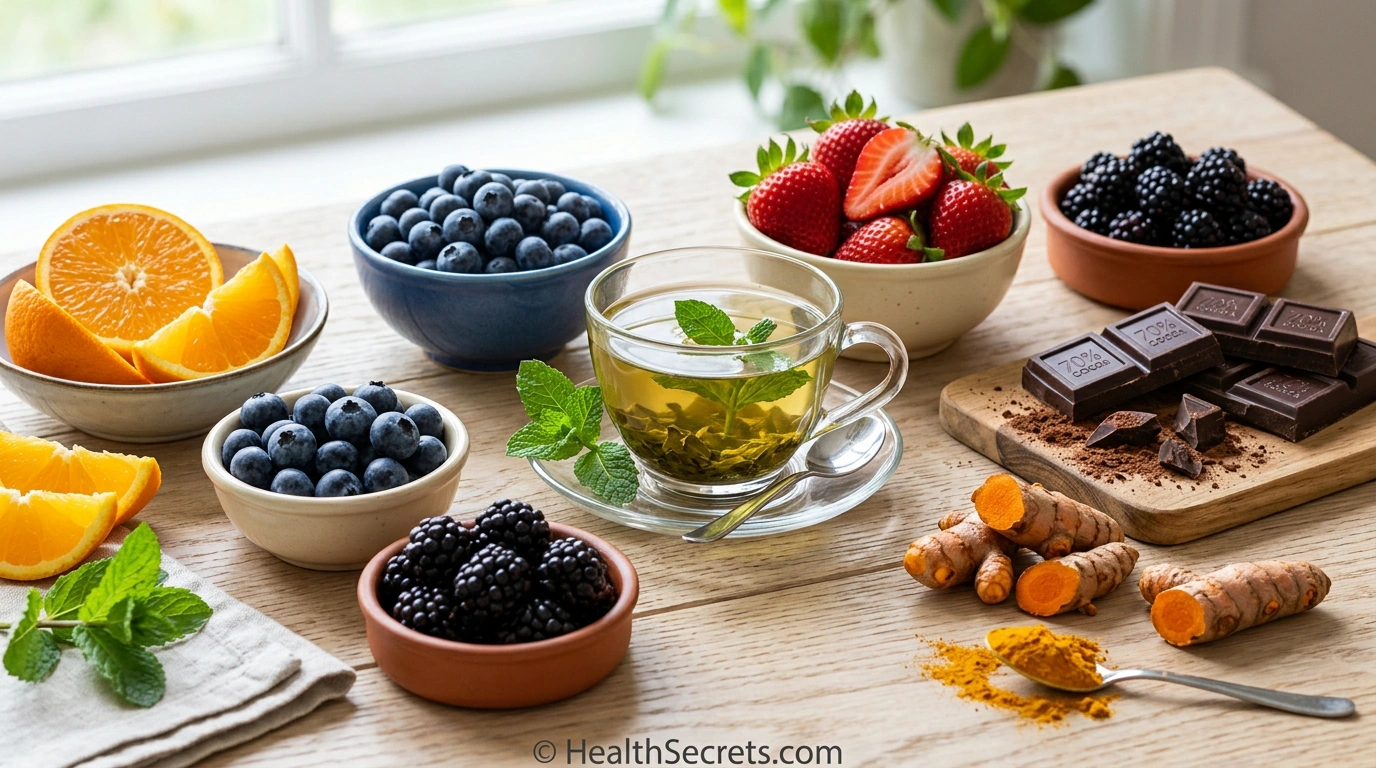
7. Turmeric: How Does Curcumin Protect Against Cognitive Decline?
Turmeric's active compound curcumin crosses the blood-brain barrier and has demonstrated powerful anti-inflammatory and antioxidant effects in brain tissue. Clinical research shows that curcumin supplementation improves memory and attention in older adults while reducing amyloid and tau accumulation — the hallmark proteins of Alzheimer's disease. Curcumin also boosts BDNF levels, promoting the growth of new neurons.
How to eat it: Combine turmeric with black pepper (piperine increases curcumin absorption by 2,000%) and a source of fat for optimal bioavailability.
8. Broccoli and Brussels Sprouts: Why Are Cruciferous Vegetables Brain Superfoods?
Broccoli provides exceptionally high levels of vitamin K (one cup delivers over 100% of daily needs), essential for forming sphingolipids — the fat molecules densely packed in brain cells. Sulforaphane, a compound unique to cruciferous vegetables, activates the Nrf2 pathway that protects neurons from oxidative damage and inflammation. Brussels sprouts add kaempferol, a flavonoid that reduces neuroinflammation.
How to eat them: Lightly steam or roast to preserve sulforaphane content. Aim for 3–4 servings of cruciferous vegetables per week.
9. Avocados: How Do Healthy Fats in Avocados Support Brain Health?
Avocados provide monounsaturated fats that support healthy blood flow to the brain, which is critical for optimal cognitive function. They also contain folate, vitamin K, vitamin C, and vitamin E — a combination that reduces oxidative stress and supports neurotransmitter synthesis. Research shows that the lutein in avocados accumulates in the brain and is associated with better cognitive function in older adults.
How to eat them: Half an avocado daily provides meaningful brain benefits. Add to salads, smoothies, or toast.
10. Pumpkin Seeds and Flaxseeds: What Brain-Boosting Minerals Do Seeds Contain?
Pumpkin seeds are exceptionally rich in zinc (one ounce provides 14% of daily needs), magnesium, copper, and iron — four minerals critical for nerve signaling, memory formation, and neurological function. Zinc deficiency has been directly linked to impaired memory and increased risk of neurodegenerative diseases. Flaxseeds provide ALA omega-3 fatty acids and lignans that reduce neuroinflammation.
How to eat them: Add 1–2 tablespoons of pumpkin seeds and ground flaxseeds to smoothies, oatmeal, or salads daily.
11. Green Tea: How Does It Enhance Focus and Mental Clarity?
Green tea contains a unique combination of L-theanine and caffeine that produces focused alertness without the jittery effects of coffee. L-theanine increases alpha brain wave activity, promoting a state of calm concentration. Research shows that this combination improves attention, reaction time, and working memory more effectively than either compound alone. The catechin EGCG is also a potent neuroprotective compound that may reduce the risk of Alzheimer's and Parkinson's disease.
How to drink it: 2–3 cups daily provides optimal cognitive benefits. Matcha contains higher L-theanine concentrations than regular green tea.
12. Oranges and Citrus Fruits: Why Is Vitamin C Critical for Brain Health?
One medium orange provides your entire daily requirement of vitamin C, a powerful antioxidant that protects brain cells from free radical damage. Vitamin C is essential for producing neurotransmitters including dopamine, norepinephrine, and serotonin. Research published in Nutrients found that higher vitamin C levels are consistently associated with better attention, memory, and processing speed.
How to eat them: One serving of citrus fruit daily supports brain health. Oranges, grapefruits, and lemons all provide protective flavonoids alongside vitamin C.
13. Beets: How Do They Improve Blood Flow to the Brain?
Beets are rich in dietary nitrates that the body converts to nitric oxide, a molecule that dilates blood vessels and increases cerebral blood flow. Research shows that beetroot juice consumption significantly improves blood flow to the frontal lobe — the brain region responsible for decision-making, working memory, and executive function. Studies in older adults demonstrate that dietary nitrates from beets improve cognitive performance on tasks requiring sustained attention.
How to eat them: Roasted beets, raw beet slices in salads, or beetroot juice all provide cognitive benefits. Aim for 2–3 servings per week.
14. Extra Virgin Olive Oil: What Makes It Protective for Brain Health?
Extra virgin olive oil contains oleocanthal and polyphenols that reduce neuroinflammation and help clear amyloid-beta plaques from the brain. The Mediterranean diet's brain-protective benefits are largely attributed to olive oil as its primary fat source. A 2026 Tulane University study found that Mediterranean diet adherence changed gut microbiome composition in ways that correlated with better memory and cognitive performance [5].
How to use it: Use as your primary cooking oil and salad dressing. 2–4 tablespoons daily aligns with Mediterranean diet guidelines.
15. Bone Broth and Fermented Foods (Kimchi, Sauerkraut): How Do They Support Brain Function Through the Gut?
The gut-brain axis is a bidirectional communication system where gut health directly influences cognitive function. Bone broth provides glycine and collagen peptides that support the intestinal barrier and reduce systemic inflammation reaching the brain. Fermented foods like kimchi and sauerkraut deliver live probiotics that produce neurotransmitters — approximately 95% of serotonin is produced in the gut. Research shows that regular consumption of fermented foods reduces neuroinflammation markers and improves mood, stress resilience, and cognitive clarity.
How to eat them: Include 1–2 servings of fermented foods daily and incorporate bone broth several times per week.
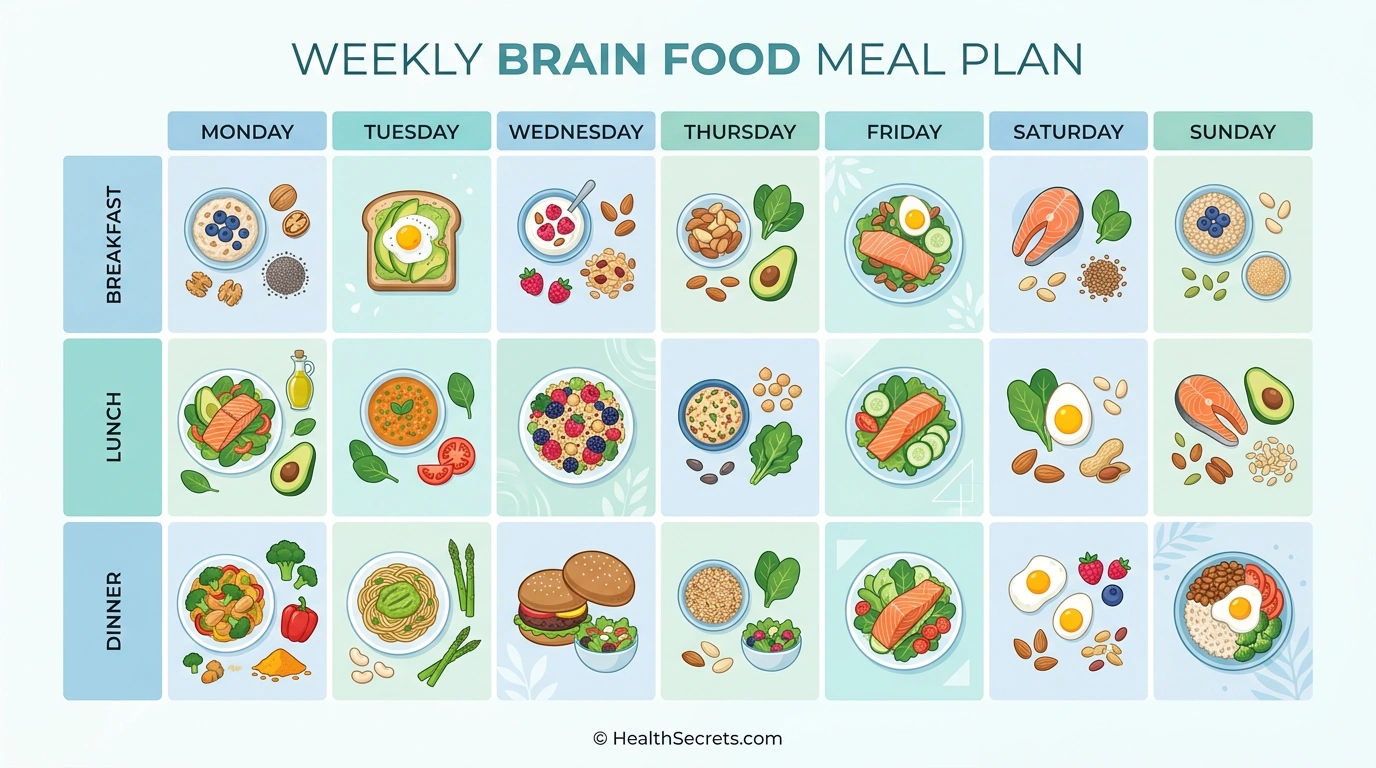
Action Plan
What Should You Do First to Eat for Better Brain Health?
Follow the sequence below, work through each phase in order, and use the checklist as your practical implementation guide.
Start by adding the highest-impact brain foods to your current diet rather than overhauling everything at once. Focus on fatty fish, berries, and leafy greens first — these three food groups provide the broadest range of neuroprotective nutrients with the strongest research support. Within 4–6 weeks of consistent dietary improvement, most people notice improvements in focus, memory, and mental energy.
Week 1–2: Foundation Foods
- Add fatty fish 2–3 times per week (salmon, mackerel, or sardines)
- Include one serving of blueberries or dark berries daily
- Add one serving of dark leafy greens daily
Week 3–4: Expand Your Brain Food Repertoire
- Add walnuts or almonds as a daily snack (1 ounce)
- Include eggs for breakfast 3–4 times per week
- Switch to extra virgin olive oil as your primary cooking fat
- Add 1 square of dark chocolate (70%+ cacao) daily
Week 5–6: Optimize and Diversify
- Include turmeric with black pepper in cooking 3+ times per week
- Add cruciferous vegetables 3–4 servings per week
- Incorporate green tea (2–3 cups daily)
- Add pumpkin seeds and flaxseeds to meals
- Include fermented foods and bone broth regularly