
소주제 맵
소주제별 보기
독자들이 핵심 주제에서 필요한 세부 주제로 바로 이동할 수 있도록 아카이브가 구성되어 있습니다.
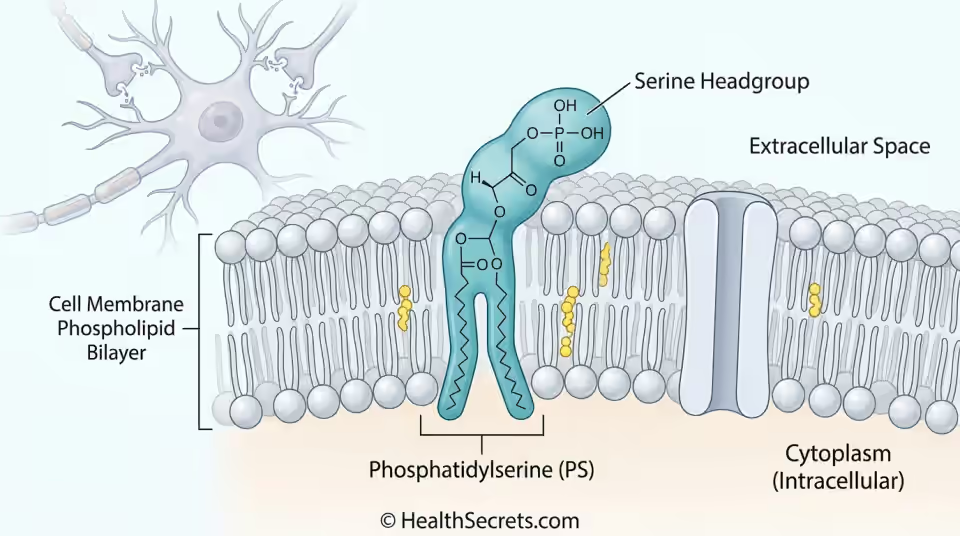
인지력 개선을 위한 포스파티딜세린: 뇌 지질 가이드
포스파티딜세린(PS)은 뇌의 인지 기능과 기억력 유지에 중요한 역할을 하는 뇌 인지질입니다. PS는 뇌 인지질 풀의 약 15%를 차지하며, 나이가 들면서 PS 수치가 감소하는 것이 연령 관련 기억력 감퇴의 원인 중 하나로 꼽힙니다. 이 영양제 가이드는 PS와 기억력 개선의 임상적 증거, 적절한 복용량, 대두와 해바라기 유래 원료의 차이, 코르티솔 감소 효과, 그리고 현재 연구 결과를 바탕으로 한 현실적인 기대치를 다룹니다.

기분 전환 영양제: 완전한 가이드
セント 존스 워트와 오메가-3, 로디올라, 마그네슘 등 기분 전환 영양제의 세계는 다양한 옵션으로 가득 차 있지만, 모든 제품이 동일한 효과를 내는 것은 아닙니다. 이 증거 기반 가이드는 기분 지원에 가장 효과적인 영양제를 검토하고, 연구 품질에 따라 순위를 매기며, 안전성과 약물 상호작용을 다루고, 특정 필요에 맞는 제품을 선택하는 방법을 안내합니다.

정신 건강 가이드: 마음의 건강을 위한 자연적 전략
정신 건강은 정신 질환의 부재 그 이상으로, 증거 기반의 자연적 전략을 통해 뇌, 감정, 인지 기능을 돌보는 일상적인 실천입니다. 이 종합 가이드는 영양, 수면, 스트레스 관리, 장-뇌 축, 주요 영양제, 지속적인 감정적 균형과 뇌 건강을 지원하는 생활 방식 변화 등을 다룹니다.
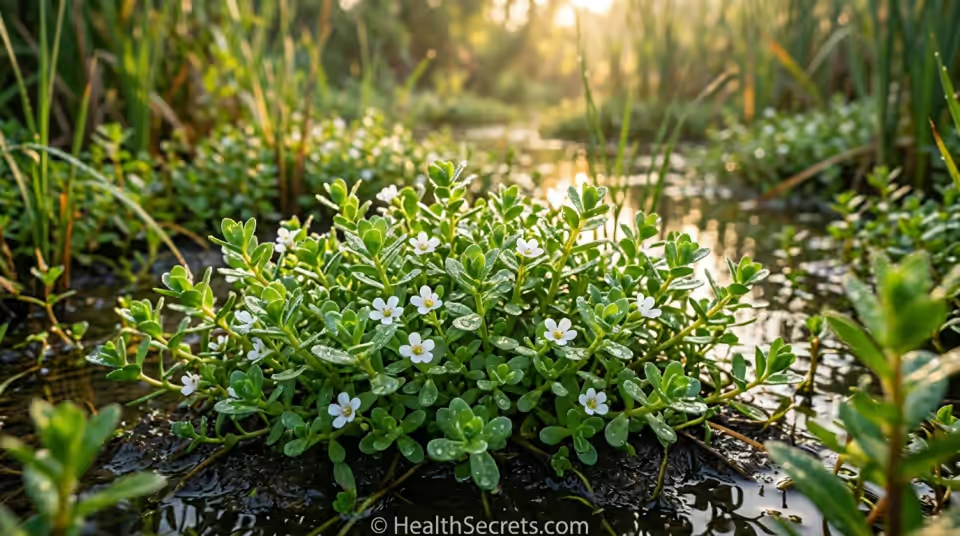
기억력 향상을 위한 바코파 모니에리: 아유르베다의 뇌 허브
바코파 모니에리(Brahmi)는 3,000년 이상 기억력과 인지 기능을 향상시키기 위해 사용되어 온 아유르베다 허브입니다. 임상 연구에 따르면, 바코파의 유효 성분인 바코사이드(bacosides)는 기억력 유지, 학습 능력, 정보 처리 속도를 개선하는 것으로 나타났습니다. 하지만 이러한 완전한 효과를 얻으려면 50% 바코사이드로 표준화된 300~450mg을 매일 꾸준히 8~12주 동안 복용해야 합니다.
수면 위생: 더 나은 수면을 위한 15가지 규칙
수면 위생은 약물에 의존하지 않고도 더 빠르게 잠들고, 더 오래 잠을 유지하며, 상쾌하게 깨어날 수 있도록 돕는 증거 기반의 습관과 환경 조절법입니다. 이 가이드는 생체리듬 연구에 기반한 15가지 실행 가능한 규칙과 모든 침실 환경 및 일정에 맞는 실용적인 팁을 제공합니다.

수면 영양제: 완전한 가이드 및 리뷰
멜라토닌, 글리신산 마그네슘, L-테아닌과 같은 수면 영양제는 처방전 기반 수면제에 대한 과학적 근거가 있는 대안을 제공합니다. 이 종합 가이드는 상위 10개 수면 영양제의 과학적 배경을 검토하고, 투여량 및 시간 관리 프로토콜을 비교하며, 특정 수면 문제에 맞는 제품을 선택하는 방법을 안내합니다.

뇌 건강을 위한 은행잎 추출물: 고대 치료법의 증거 기반 리뷰
은행잎 추출물(Ginkgo biloba)은 뇌 건강에 대한 임상적 근거가 가장 풍부한 허브 영양제 중 하나로, 경도 치매 및 혈관성 인지 장애 치료에 대한 강력한 증거가 있습니다. 이 증거 기반 리뷰에서는 임상 연구, EGb 761과 같은 표준화 추출물, 혈전 용해제 복용 시 중요한 출혈 위험, 적절한 용량, 그리고 신뢰할 수 있는 최고 등급의 은행잎 영양제 제품을 다룹니다.
The Science of Mental Wellness and Brain Health
Mental wellness is not simply the absence of illness — it is an active state of cognitive resilience, emotional balance, and brain health that can be measurably improved through evidence-based practices. Modern neuroscience has overturned the old assumption that the adult brain is fixed. Through neuroplasticity, the brain continuously rewires itself in response to experience, forming new neural connections throughout life.
One of the most powerful drivers of brain health is physical exercise. Aerobic activity increases production of brain-derived neurotrophic factor (BDNF), a protein that supports the growth and survival of neurons, and has been shown to increase hippocampal volume — the brain region central to memory and learning. Exercise also regulates the stress hormone cortisol, which in chronic excess shrinks the hippocampus while enlarging the amygdala, the brain's fear and threat center.
Stress management practices produce structural changes too. Studies using brain imaging have found that an eight-week mindfulness meditation program is associated with measurable changes in gray matter density in regions tied to learning, memory, and emotional regulation. Sleep is equally critical: during deep sleep, the brain's glymphatic system clears metabolic waste, including the amyloid proteins linked to neurodegenerative disease.
Nutrition completes the picture. The brain consumes roughly 20% of the body's energy and depends on a steady supply of omega-3 fatty acids, B vitamins, magnesium, and antioxidants to function optimally. Diets high in ultra-processed foods are associated with greater rates of depression, while Mediterranean-style eating patterns rich in vegetables, fish, and olive oil are linked to better mood and cognitive performance. The guides below explore each of these levers in depth, translating cognitive neuroscience into daily habits that protect and strengthen your mind.
본 개요는 교육 목적으로만 제공되며, 개인별 맞춤 의료 상담을 대체할 수 없습니다. 식단, 영양제 또는 치료 루틴을 변경하기 전에 항상 자격을 갖춘 의료 전문가와 상담하십시오.
정신 건강 FAQ
정신 건강 Frequently Asked Questions
Clinical, evidence-based answers to key questions about 정신 건강.
Clinical meta-analyses show that Ashwagandha (reduces morning cortisol and stress response), L-Theanine (promotes calming alpha brain wave activity), Magnesium Glycinate or L-Threonate (modulates NMDA and GABA receptors), and Holy Basil (Tulsi) provide proven, non-habit-forming neurochemical calming support.
Over 90% of the body’s serotonin and roughly 50% of dopamine are synthesized within the gut. Gut dysbiosis and barrier permeability trigger systemic neuroinflammation that impairs emotional regulation, whereas beneficial microbes produce calming gamma-aminobutyric acid (GABA) and neuroprotective butyrate.
Proven habits include viewing early morning sunlight within 30 minutes of waking to anchor the circadian rhythm, maintaining a cool bedroom temperature (65–68°F / 18–20°C), eliminating blue-spectrum screen exposure 2 hours before sleep, and abstaining from caffeine at least 10 hours prior to bedtime.
Yes. Magnesium functions as a natural NMDA receptor blocker and binds to calming GABA-A receptors in the central nervous system, dampening sympathetic nervous system arousal and reducing muscle tension associated with panic responses.
Sustained elevated glucocorticoids (cortisol) downregulate Brain-Derived Neurotrophic Factor (BDNF) in the hippocampus and prefrontal cortex, leading to dendritic atrophy, reduced synaptic density, brain fog, and impaired emotional processing.