Skip to content
Health Secrets
Pin It
🦠 Gut Health Product Review
8

腸内環境を整える最強のプロバイオティクス:科学的根拠に基づいたおすすめサプリメント12選【2026年最新版】

HS
Health Secrets Editorial Team
| Dr. Emily Foster | 1,571 単語 | 18 引用文献
今月の更新 最終確認日: August 10, 2026 医学的監修 Dr. Emily Foster

対象となる方

Best for readers comparing options and looking for evidence-based insights.

注意が必要な方

Not for replacing clinician guidance when symptoms, medications, or lab issues are involved.

アフィリエイトに関する免責事項 | This article contains affiliate links. When you purchase through links on this page, we may earn a small commission at no extra cost to you. This supports our ability to provide free, evidence-based health content. Full disclosure

医療に関する免責事項 | 本情報は情報提供のみを目的としています。専門的な医学的アドバイスの代わりになるものではありません。 免責事項の全文を読む

腸内環境に最適なプロバイオティクスを選ぶことは、市場に無数の製品が存在するため、非常に複雑に感じられるかもしれません。私たちは200時間以上をかけて臨床研究を調査し、2025年に推奨される12種の科学的根拠に基づくプロバイオティクスサプリメントを特定しました。その範囲には、菌株の特异性、CFU数、デリバリー技術、第三者機関によるテストが含まれています。

M
8
69%
8 1.6K 単語

Key Takeaways

CFU数よりも株の特定性が重要 — 一般的な腸内環境のために最も強力な臨床的エビデンスがあるのは、Lactobacillus rhamnosus GG と Bifidobacterium longum です。
100億〜500億CFUの範囲が最適 — 多くの成人にとって、これ以上多くても必ずしも良いわけではなく、初期の膨満感を引き起こす可能性があります。
保存性の高い製剤と遅延放出カプセル — 生きた菌叢を胃酸から保護し、腸に到達する生菌数を増やします。
Saccharomyces boulardii(酵母菌)はゴールドスタンダード — 抗生物質関連下痢の予防と C. difficile(クロストリジオイド・ディフィシル)の再発防止において優れています。
多株プロバイオティクスは単株を上回る — 一般的な消化器の健康には多株が優れていますが、IBS-Dなどの特定の症状には単株製品が効果的です。
第三者機関によるテスト(USP、NSF、ConsumerLab)が不可欠 — 研究によると、プロバイオティクスサプリメントの最大40%がラベルに記載されている成分を含んでいないことが示されています。
プレバイオティクス繊維(イヌリン、FOS、GOS)と併用 — 定着率と長期的な腸内細菌叢の多様性を大幅に改善します。
結果が出るまで通常2〜4週間 — 一貫した毎日の使用が必要です。3〜6ヶ月ごとに異なる株をローテーションさせることで、より広範なマイクロバイオームの恩恵が得られる可能性があります。

腸内環境に最適なプロバイオティクスを選ぶことは、 overwhelming(圧倒される)ほど難しいと感じるかもしれません。市場には数千もの製品があり、それぞれが消化管の改善を謳っていますが、実際に効果的なものを見極めるのは容易ではありません。真実は、すべてのプロバイオティクスが同等に作られているわけではないということです。微生物叢(マイクロバイオーム)を真にサポートするサプリメントを選ぶ際には、株の特定性、CFU数、配送技術、そして臨床的エビデンスがすべて重要になります。

私たちは2026年の腸内環境に最適なプロバイオティクス12選を特定するために、臨床研究の調査に200時間以上費やし、第三者機関のラボ結果を分析し、マイクロバイオームの専門家に相談しました。IBS(過敏性腸症候群)の管理、抗生物質服用後の回復、あるいは単に消化器系の健康を最適化したい場合でも、このガイドはあなたに最適なプロバイオティクスを見つけるのを助けます。

腸内環境に最適なプロバイオティクスを選ぶ際に何を見るべきですか?

腸内環境に最適なプロバイオティクスは、臨床的に研究された株を有効量で含み、細菌を胃酸から保護する配送技術を使用し、第三者機関によるテストで検証されているものです。株の特定性、CFU数、保存要件、そして臨床的エビデンスに関する製造元の透明性に焦点を当ててください。

特定のプロバイオティクス株はどれほど重要ですか?

株の特定性は、プロバイオティクスを選ぶ際に最も重要な要素です。効果は株ごとに異なり、種全体に共通するわけではありません。Lactobacillus rhamnosus GG には消化器の健康をサポートする300件以上の臨床試験がありますが、他の L. rhamnosus 株には最小限のエビデンスしかありません [1]。属、種、株識別子を含む完全な指定名で株を記載している製品を探してください。

臨床的に検証された主要な株は以下の通りです:

  • Lactobacillus rhamnosus GG — 下痢の予防、免疫サポート、一般的な腸内環境の健康 [1]
  • Bifidobacterium longum BB536 — IBS症状の緩和、免疫調整 [2]
  • Saccharomyces boulardii CNCM I-745 — 抗生物質関連下痢、C. difficile の予防 [3]
  • Lactobacillus plantarum 299v — IBSによる膨満感と腹部痛の緩和 [4]
  • Bifidobacterium lactis HN019 — 腸通過時間の改善、膨満感の減少 [5]
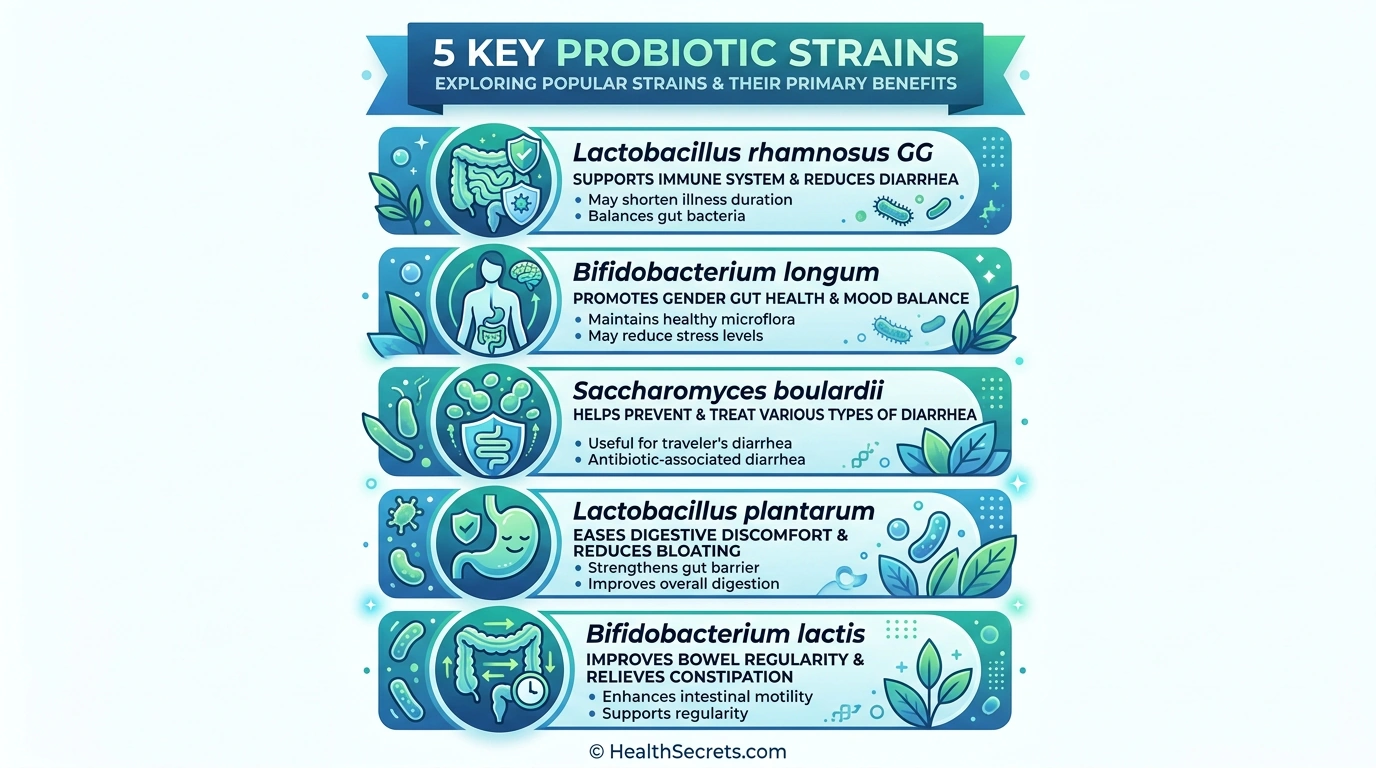
Infographic comparing five key probiotic strains and their primary health benefits for gut health

実際に必要なCFU数はどれくらいですか?

多くの成人にとって、1日あたり100億〜500億CFUが最適な治療効果をもたらします。Nutrients 誌に掲載された2023年のメタ分析では、500億CFUを超える投与量が中等度の投与量と比較して結果を大幅に改善しない一方で、初期の消化器系の不快感を増加させる可能性が高いことが示されました [6]。生のCFU数よりも重要なのは、腸に到達する生きた菌の数であり、ここで配送技術が重要になります。

なぜプロバイオティクスに配送技術が重要なのですか?

胃酸は、保護されていないプロバイオティクス細菌の最大99%を腸に到達する前に破壊します [7]。遅延放出カプセル、腸溶コーティング、マイクロカプセル化技術は生存率を劇的に向上させます。BIO-tract、DRcaps、耐酸性植物性カプセルは、消費者向けプロバイオティクスで利用可能な最も効果的な配送システムのいくつかです。
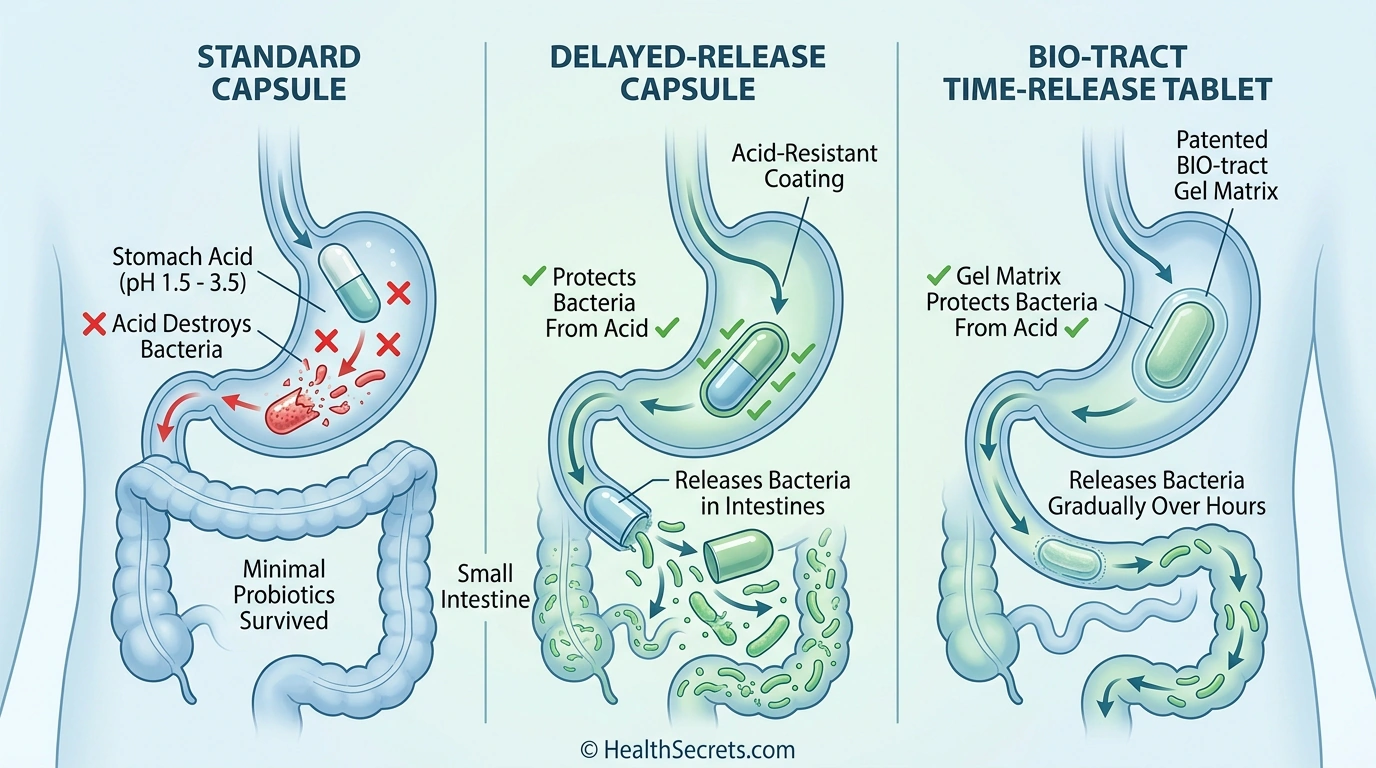
Diagram comparing probiotic delivery technologies showing how delayed-release and time-release protect bacteria from stomach acid

保存性の高いプロバイオティクスと冷蔵プロバイオティクスのどちらを選ぶべきですか?

適切に製造されていれば、どちらも効果的です。保存性の高いプロバイオティクスは凍結乾燥と湿気保護包装を使用して室温で生存性を維持します。冷蔵プロバイオティクスはより繊細な株を含んでいる場合がありますが、輸送中に効力が失われる可能性があります。重要なのは、ラベルに「製造時」ではなく「賞味期限まで効力保証(guaranteed potency through expiration date)」と記載されているか確認することです [8]。

腸内環境に最適なプロバイオティクスをどのように評価・ランク付けしましたか?

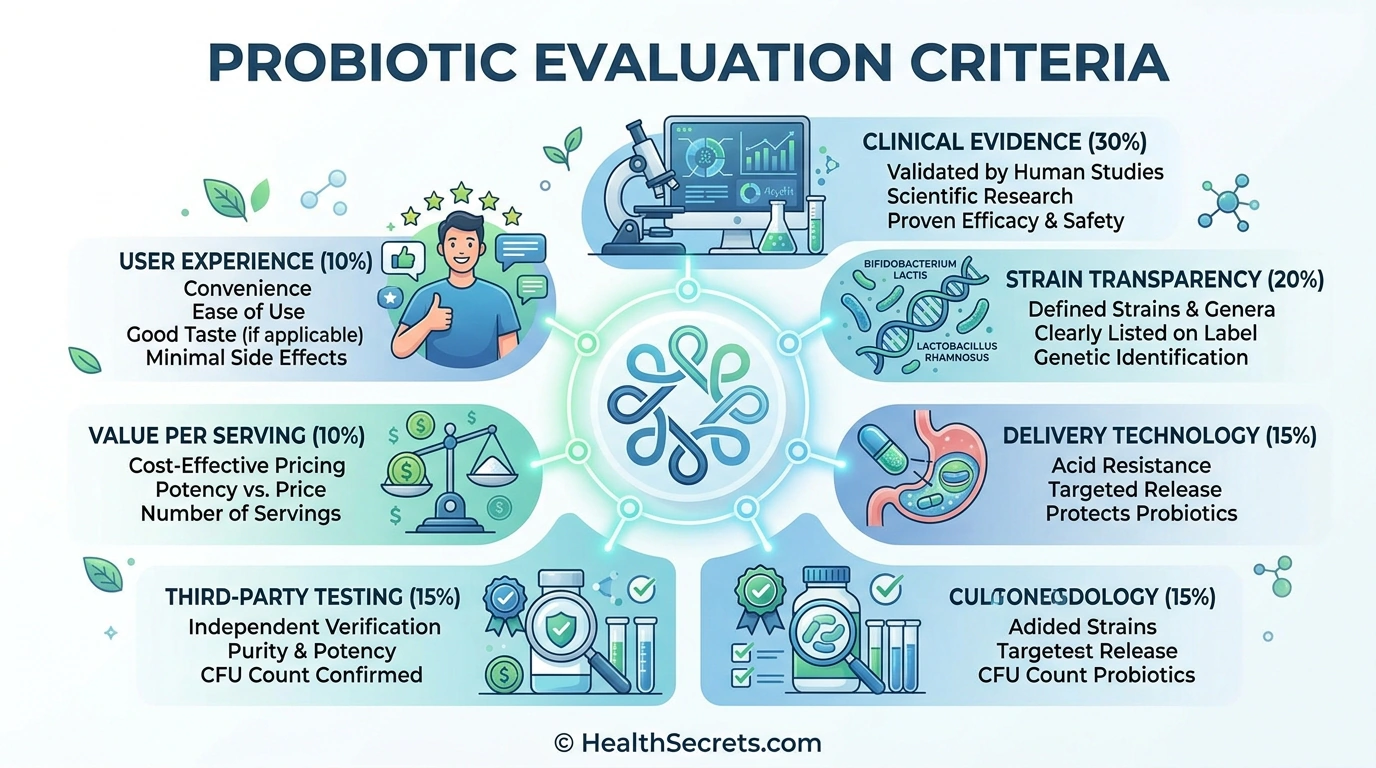
私たちは8つの基準に基づいて60件以上のプロバイオティクスサプリメントを評価しました。その基準とは、株の臨床的エビデンス、CFU数の正確性、配送技術、第三者機関によるテスト、成分の透明性、1回分あたりの価値、ユーザーレビュー、ブランドの評判です。製品は100点満点で採点され、臨床的エビデンスが最も重く評価されました。

ℹ️ 私たちの評価基準:
基準 重み 評価内容
臨床的エビデンス 30% 使用されている特定株に関する公開研究
株の透明性 20% ラベルに記載された完全な株指定
配送技術 15% 耐酸性カプセル、腸溶コーティング
第三者機関によるテスト 15% USP、NSF、ConsumerLab の検証
1回分あたりの価値 10% 10億CFUあたりのコスト
ユーザー体験 10% 検証済みレビュー、耐容性レポート
また、私たちの方法論と最終的なランク付けを検証するために、消化器内科医3名とマイクロバイオーム研究者2名に相談しました。根拠のない健康主張を行っている製品や、透明性のあるラベル付けがない製品は自動的に除外されました。
Infographic showing the six weighted evaluation criteria used to rank the best probiotics for gut health

最大の腸内環境の恩恵を得るためにプロバイオティクスを効果的に使用するには?

最良の結果を得るためには、毎日同じ時間にプロバイオティクスを一貫して摂取してください。理想的には、食前20〜30分、または脂肪を含む食品と一緒に摂取します。多くの人は2〜4週間で初期の改善を実感し、8〜12週間の継続的な使用でマイクロバイオームの恩恵が完全に現れます [9]。
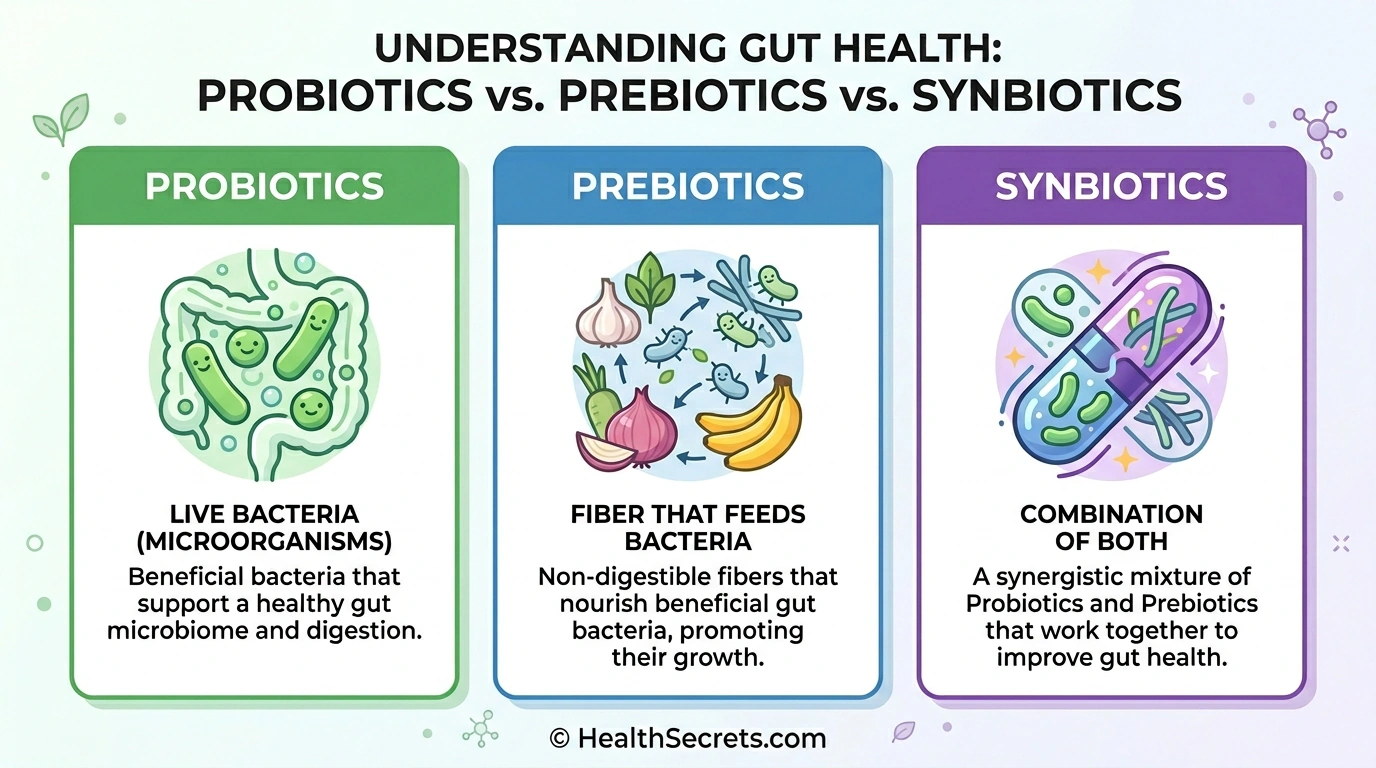
Comparison infographic explaining the difference between probiotics, prebiotics, and synbiotics for gut health

プロバイオティクスを摂取する最適なタイミングはいつですか?

Beneficial Microbes 誌に掲載された研究では、食後30分よりも、食前30分、または食事と一緒に摂取した方がプロバイオティクスの生存率が高いことが示されました [10]。食事中に胃酸のpHがわずかに上昇することで、細菌の生存により適した環境が作られます。正確なタイミングよりも一貫性が重要なので、毎日忘れずに摂取できる時間を選びましょう。

他のサプリメントと一緒にプロバイオティクスを摂取できますか?

はい、プロバイオティクスはほとんどのサプリメントと併用しても一般的に安全です。プレバイオティクス繊維(イヌリン、FOS、またはGOS)と一緒に摂取すると、定着率が大幅に向上します。Gut Microbes 誌の2022年の研究では、プロバイオティクスをプレバイオティクスと併用した際、有益な Bifidobacterium 集団が37%増加しました [11]。ただし、抗生物質がプロバイオティクスの菌を殺さないよう、抗生物質とは少なくとも2時間空けて摂取してください。
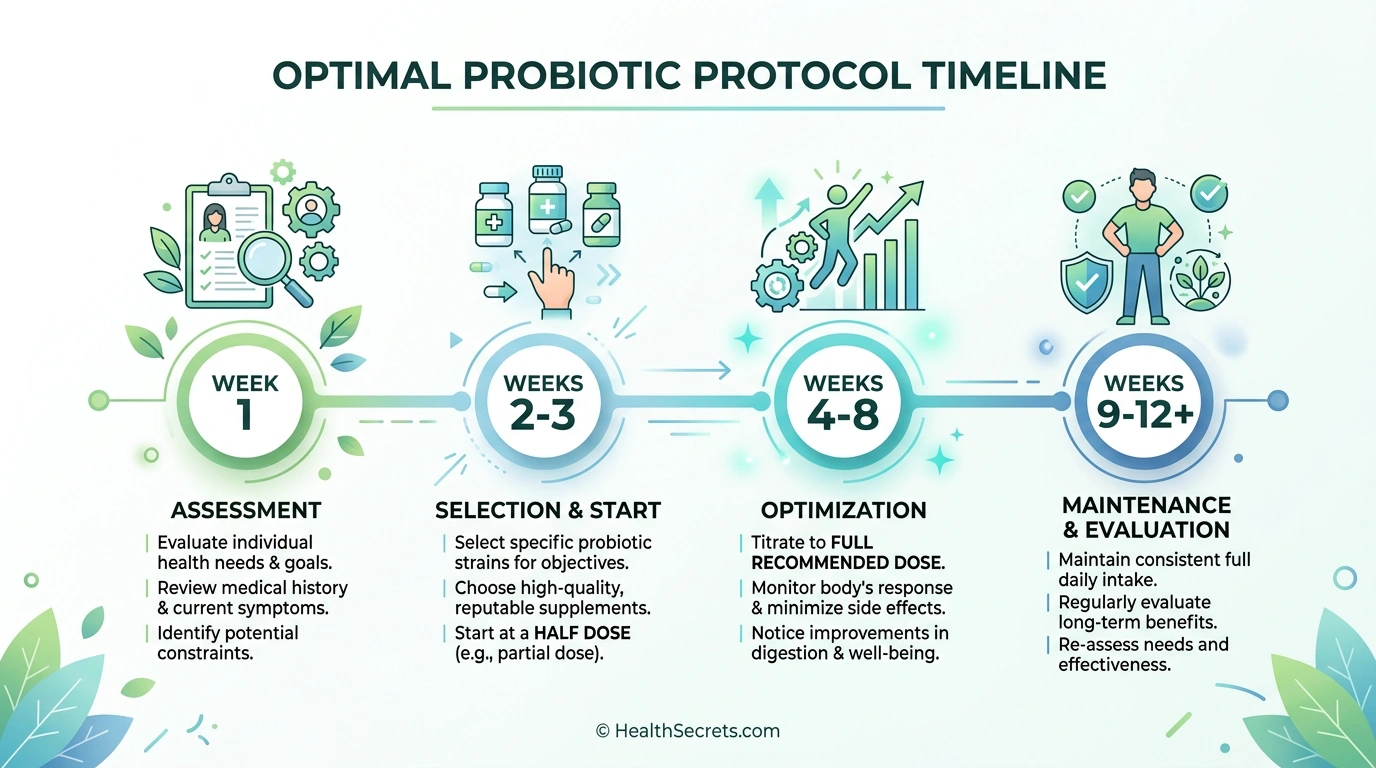
Timeline showing the four phases of starting a probiotic supplement protocol from assessment through maintenance

プロバイオティクスをどのくらいの期間摂取すべきですか?

有意義な恩恵を示した臨床試験の多くは8〜12週間のプロトコルを使用しています。IBSなどの慢性疾患には、継続的な毎日のサプリメント摂取が有益な場合があります。一般的な健康維持のためには、一部の専門家は、腸に多様な細菌株を曝露し、マイクロバイオームの停滞を防ぐために、3〜6ヶ月ごとに異なる多株製剤をローテーションさせることを推奨しています [12]。

プロバイオティクスサプリメントに安全性の懸念はありますか?

プロバイオティクスは、健康な成人の大多数に対して安全として認識されています(GRAS)。最も一般的な副作用は、最初の1〜2週間に一時的なガス、膨満感、排便パターンの変化であり、これはマイクロバイオームが適応している間の現象です。しかし、特定の集団は注意が必要、または完全に避けるべきです [13]。

プロバイオティクスを避けるべき、または注意が必要な人は誰ですか?

  • 免疫不全の個人Saccharomyces 属による血症や真菌血症のリスク [13]
  • 重症患者 — ICU環境でのプロバイオティクス関連感染症の症例報告
  • 中心静脈カテーテルを装着している人 — 感染症リスクの増加
  • 短腸症候群の患者Lactobacillus 属によるD-乳酸アシドーシスのリスク [14]
  • 重症急性膵炎の患者 — PROPATRIA試験では、プロバイオティクス使用により死亡率が増加することが示されました [15]
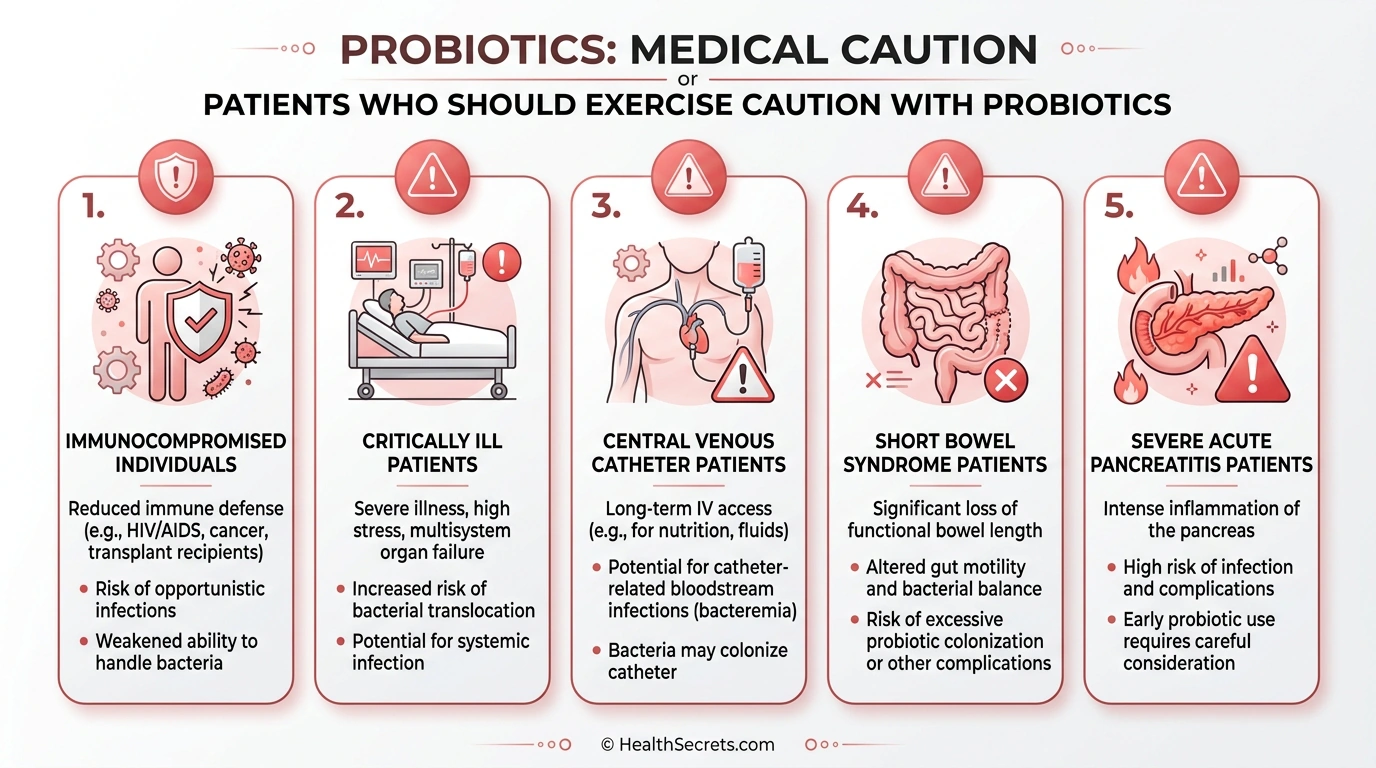
Safety infographic showing five groups of people who should consult a doctor before taking probiotic supplements

プロバイオティクスはSIBO(小腸細菌過増殖症)を引き起こしたり、悪化させたりしますか?

これは文献において議論されています。Clinical and Translational Gastroenterology 誌の2018年の研究では、プロバイオティクス使用が一部のSIBO患者においてD-乳酸アシドーシスや脳のぼんやり感(brain fogginess)に寄与する可能性があると示唆されました [16]。しかし、2024年のシステマティックレビューでは、特定の株(L. rhamnosus GG、S. boulardii)が抗生物質との併用療法として使用される場合、SIBOの管理に実際に役立つ可能性があると見つかりました。SIBOが疑われる場合は、プロバイオティクスを開始する前に消化器内科医と相談してください。

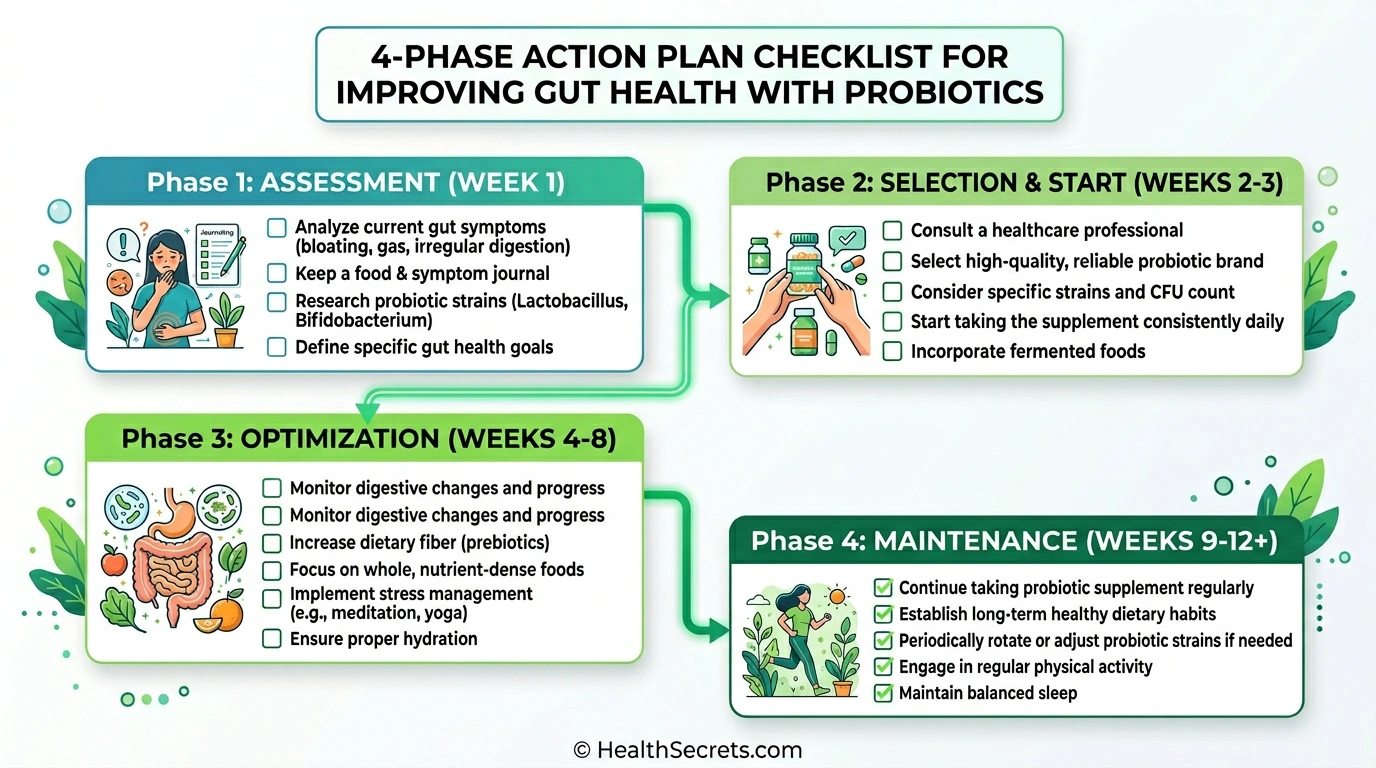
Action Plan

プロバイオティクスで腸内環境を改善するために、まずどのようなステップを踏むべきですか?

Follow the sequence below, work through each phase in order, and use the checklist as your practical implementation guide.

Step-by-Step

まず、主要な腸内環境の目標(一般的な健康維持、IBSの緩和、抗生物質服用後の回復、または免疫サポート)を特定し、その目標に一致する臨床的に検証されたプロバイオティクスを選び、プレバイオティクスを豊富に含む食品で定着をサポートしながら、一貫した8〜12週間のプロトコルをcommit(コミット)してください。

フェーズ1:評価(第1週)

  • 現在の消化器症状を7日間追跡する(膨満感、ガス、排便の規則性、エネルギーレベル)
  • 主要な目標を特定する:一般的な健康維持、IBSの緩和、抗生物質後の回復、または免疫サポート
  • 基礎疾患がある場合は特に、医療提供者に相談する
  • 基礎知識を得るために、腸内環境の完全ガイド を確認する

フェーズ2:選択と開始(第2〜3週)

  • 目標に一致する推奨プロバイオティクスから選ぶ
  • 初期の消化器系の適応を最小限に抑えるため、推奨用量の半分から3〜5日間開始する
  • 朝食の20〜30分前、または最初の食事と一緒に一貫して摂取する
  • 毎日1〜2食分のプレバイオティクス食品(ニンニク、タマネギ、バナナ、オートミール)を追加する

フェーズ3:最適化(第4〜8週)

  • 初期の適応期間後、推奨用量の全量に増やす
  • 症状の改善を週ごとにジャーナルやアプリで追跡する
  • 追加の株の多様性を得るために、週に3〜4回発酵食品 を取り入れる
  • 十分な水分摂取を維持する(1日8杯以上の水)

フェーズ4:維持(第9週以降)

  • 初期の症状ベースラインに対して進捗を評価する
  • 症状が改善していない場合は、腸内環境の専門家 に相談することを検討する
  • マイクロバイオームの多様性のために、3〜6ヶ月ごとに株のローテーションを計画する
  • 継続的なサポートとして、プレバイオティクスと発酵食品の摂取を続ける
Four-phase action plan checklist for starting a probiotic supplement routine for optimal gut health

おすすめ製品トップ

Comparison shortlist to review before leaving the guide

12 Items
01

Seed DS-01 Daily Synbiotic

Seed DS-01 · Comprehensive daily microbiome support and gut barrier health

Compare details
02

Culturelle Digestive Daily Probiotic

Culturelle Digestive · General digestive health, diarrhea prevention, first-time probiotic users

Compare details
03

Align Extra Strength Probiotic

Align Extra · IBS symptom management (bloating, pain, irregular bowels)

Compare details
04

Visbiome High Potency Probiotic

Visbiome High · Therapeutic use, ulcerative colitis support, severe dysbiosis

Compare details
05

Garden of Life Dr. Formulated Probiotics Once Daily 30 Billion

Garden of · Health-conscious consumers seeking organic, clean-label probiotics

Compare details
06

Renew Life Ultimate Flora Extra Care 50 Billion

Renew Life · Budget-conscious consumers wanting high-potency multi-strain support

Compare details
07

NOW Foods Probiotic-10 25 Billion

NOW Foods · Daily maintenance and broad microbiome diversity on a budget

Compare details
08

Jarrow Formulas Jarro-Dophilus EPS 5 Billion

Jarrow Formulas · Travelers, office use, anyone needing reliable room-temperature storage

Compare details
09

Florastor Daily Probiotic Supplement

Florastor Daily · Antibiotic-associated diarrhea prevention, C. difficile recurrence, travel diarrhea

Compare details
10

Thorne FloraPro-LP Probiotic

Thorne FloraPro-LP · Athletes, quality-focused consumers, gut barrier support

Compare details
11

Hyperbiotics PRO-15 Advanced Strength

Hyperbiotics PRO-15 · Those who prefer slow-release delivery and sustained gut support throughout the day

Compare details
12

Ritual Synbiotic+

Ritual Synbiotic+ · Consumers seeking a comprehensive pre/pro/postbiotic in one formula

Compare details

Read the detailed review cards below before opening any retailer link

関連記事

関連記事

"The Good Gut: Taking Control of Your Weight, Your Mood, and Your Long-Term Health"

by Justin Sonnenburg, PhD & Erica Sonnenburg, PhD

Understanding of how the Western diet has depleted microbiome diversity; practical dietary strategies for feeding beneficial gut bacteria; scientific framework for understanding probiotic and prebiotic mechanisms

Why it adds value here

Written by two of the world's leading microbiome scientists, this book provides the foundational knowledge that makes all probiotic decisions more informed and effective.

最適:: Anyone wanting to understand the science behind gut health before choosing a probiotic

View book details

関連記事

"Gut: The Inside Story of Our Body's Most Underrated Organ"

by Giulia Enders, MD

Complete understanding of how the digestive system works; clear explanation of the gut-brain connection and its health implications; practical guidance on food choices, probiotics, and common digestive issues

Why it adds value here

This accessible bestseller makes complex gut science enjoyable to learn, giving readers the foundational knowledge to make smarter probiotic and dietary choices.

最適:: Beginners who want an engaging, easy-to-read introduction to gut health science

View book details

関連記事

"The Mind-Gut Connection: How the Hidden Conversation Within Our Bodies Impacts Our Mood, Our Choices, and Our Overall Health"

by Emeran Mayer, MD

Deep understanding of the gut-brain axis and bidirectional communication; evidence linking gut bacteria to mood, anxiety, and cognitive function; practical protocols for optimizing the gut-brain connection through diet and probiotics

Why it adds value here

Understanding the gut-brain axis is essential for appreciating why probiotic supplementation can impact mental wellness, immune function, and overall health beyond digestion.

最適:: Readers interested in the gut-brain connection and how probiotics influence mental health

View book details

AEO FAQ

Frequently Asked Questions

12 common questions answered

For overall gut health, Seed DS-01 Daily Synbiotic offers the broadest clinical evidence with 24 strains and innovative delivery technology. For a budget-friendly alternative, Renew Life Ultimate Flora Extra Care 50 Billion delivers excellent strain diversity at a lower price. The best choice depends on your specific goals, budget, and whether you prefer multi-strain or targeted single-strain support. See our complete gut health guide for more context.

Most adults benefit from 10–50 billion CFUs per day. Research shows doses above 50 billion don't significantly improve outcomes but may increase initial bloating [6]. More important than raw CFU count is delivery technology — a 5 billion CFU product with enteric coating may deliver more live bacteria than a 100 billion CFU product in a standard capsule.

Research suggests taking probiotics 30 minutes before a meal or with food provides the best survival rates [10]. The slight pH increase during eating creates a more favorable environment for bacterial transit. Consistency matters more than exact timing — choose a time you'll remember daily.

Yes, daily probiotic use is generally safe for most healthy adults. Many clinical trials use 8–12 week protocols, and some gastroenterologists recommend ongoing supplementation for chronic conditions like IBS. For general wellness, consider cycling between different formulas every 3–6 months for broader microbiome diversity [12].

Yes, specific strains have strong clinical evidence for reducing bloating. Bifidobacterium longum 35624 (Align) and Lactobacillus plantarum 299v are among the most studied for IBS-related bloating [2][4]. Note that probiotics may temporarily increase gas during the first 1–2 weeks as your microbiome adjusts.

Probiotics are live beneficial microorganisms (bacteria or yeast) that colonize your gut. Prebiotics are non-digestible fibers (like inulin, FOS, and GOS) that feed existing beneficial bacteria. Both work synergistically — taking a probiotic with prebiotic fiber increases colonization by up to 37% [11]. Learn more in our probiotics and prebiotics supplement guide.

Not necessarily. Both can be effective when properly manufactured. Shelf-stable products use freeze-drying and moisture-protective packaging, while refrigerated products may contain more fragile strains. The key indicator of quality is "guaranteed potency through expiration date" — not storage method [8].

The most common side effects are temporary gas, bloating, and changes in bowel patterns during the first 1–2 weeks [13]. These usually resolve as your gut adjusts. Start at half the recommended dose for 3–5 days to minimize initial discomfort. Serious side effects are rare but possible in immunocompromised individuals.

Saccharomyces boulardii (Florastor) is the only probiotic you can take simultaneously with antibiotics because it's a yeast, naturally resistant to antibacterial agents [3]. For bacterial probiotics, space them at least 2 hours apart from antibiotic doses. Continue probiotics for at least 2–4 weeks after completing antibiotic therapy.

Bifidobacterium longum 35624 (in Align) has the strongest IBS-specific clinical evidence, followed by Lactobacillus plantarum 299v for bloating and abdominal pain, and Saccharomyces boulardii for IBS-D [2][4]. Multi-strain formulas like Visbiome have evidence for IBS symptom reduction at higher doses. See our natural IBS relief guide for comprehensive strategies.

Most people notice initial improvements in digestive comfort within 2–4 weeks of consistent daily use [9]. Full microbiome benefits, including improved immune function and gut barrier integrity, typically develop over 8–12 weeks. If you don't notice any improvement after 4 weeks, consider trying a different strain or multi-strain formula.

Some strains show modest effects on body composition. Lactobacillus gasseri SBT2055 reduced abdominal fat by 8.5% over 12 weeks in a 2013 Japanese study. However, probiotics are not a weight loss solution on their own — they work best as part of a comprehensive approach including diet, exercise, and lifestyle changes.

🦠

Test Your Knowledge

Take our Gut Health Quiz and see how much you really know about gut health.

Take Quiz

Was this article helpful?

Written & Reviewed By Experts

HS

Author

Health Secrets Editorial Team

Dr. Emily Foster

Medical Reviewer

Dr. Emily Foster

MD, Endocrinology

All content is evidence-based, peer-reviewed by qualified professionals, and updated regularly. Our editorial team follows strict guidelines for accuracy and transparency.

参考文献・引用

18 引用された出典

1
Capurso, L. (2019). Thirty Years of Lactobacillus rhamnosus GG: A Review. Journal of Clinical Gastroenterology, 53(Suppl 1), S1–S41. PubMed 表示
2
Whorwell, P.J. et al. (2006). Efficacy of an Encapsulated Probiotic Bifidobacterium infantis 35624 in Women with Irritable Bowel Syndrome. American Journal of Gastroenterology, 101(7), 1581–1590. PubMed 表示
3
Szajewska, H. & Kołodziej, M. (2015). Systematic Review with Meta-Analysis: Saccharomyces boulardii in the Prevention of Antibiotic-Associated Diarrhoea. Alimentary Pharmacology & Therapeutics, 42(7), 793–801. PubMed 表示
4
Ducrotté, P. et al. (2012). Clinical Trial: Lactobacillus plantarum 299v (DSM 9843) Improves Symptoms of Irritable Bowel Syndrome. World Journal of Gastroenterology, 18(30), 4012–4018. PubMed 表示
5
Waller, P.A. et al. (2011). Dose-Response Effect of Bifidobacterium lactis HN019 on Whole Gut Transit Time and Functional Gastrointestinal Symptoms in Adults. Scandinavian Journal of Gastroenterology, 46(9), 1057–1064. PubMed 表示

医療に関する免責事項

The information provided in this article is for educational and informational purposes only and is not intended as a substitute for professional medical advice, diagnosis, or treatment. Always seek the advice of your physician or other qualified health provider with any questions you may have regarding a medical condition or before starting any new supplement regimen. Never disregard professional medical advice or delay in seeking it because of something you have read on this website. If you think you may have a medical emergency, call your doctor or emergency services immediately. HealthSecrets does not recommend or endorse any specific tests, physicians, products, procedures, opinions, or other information that may be mentioned on this site. Reliance on any information provided by HealthSecrets, its writers, or other contributors is solely at your own risk.

You Might Also Like

Discussion (0)

Loading comments...