
Here's something that might change how you think about your next meal: what you eat doesn't just affect your waistline — it directly controls the level of inflammation simmering throughout your entire body. And for most people eating a standard Western diet, that inflammation is running way too high. [4] [6]
Chronic, low-grade inflammation is now recognized as the root driver behind heart disease, type 2 diabetes, certain cancers, Alzheimer's, and autoimmune conditions [1]. And the biggest controllable factor? Your food choices. Ultra-processed foods, refined carbs, sugary drinks, and cheap vegetable oils don't just lack nutrition — they actively trigger inflammatory cascades that damage your tissues over time. [12]
The good news is that dietary changes are one of the most powerful anti-inflammatory interventions available — more effective than many medications. Research shows that switching from a pro-inflammatory Western diet to an anti-inflammatory eating pattern can reduce key inflammatory markers by 20–50% in just 4–8 weeks [2]. [13]
If you're dealing with chronic inflammation or want to understand how diet connects to gut health, this guide will walk you through exactly which foods trigger inflammation, why they do it, how to identify your personal triggers, and what to eat instead [5]. [14]
What Are Pro-Inflammatory Foods and Why Do They Matter?
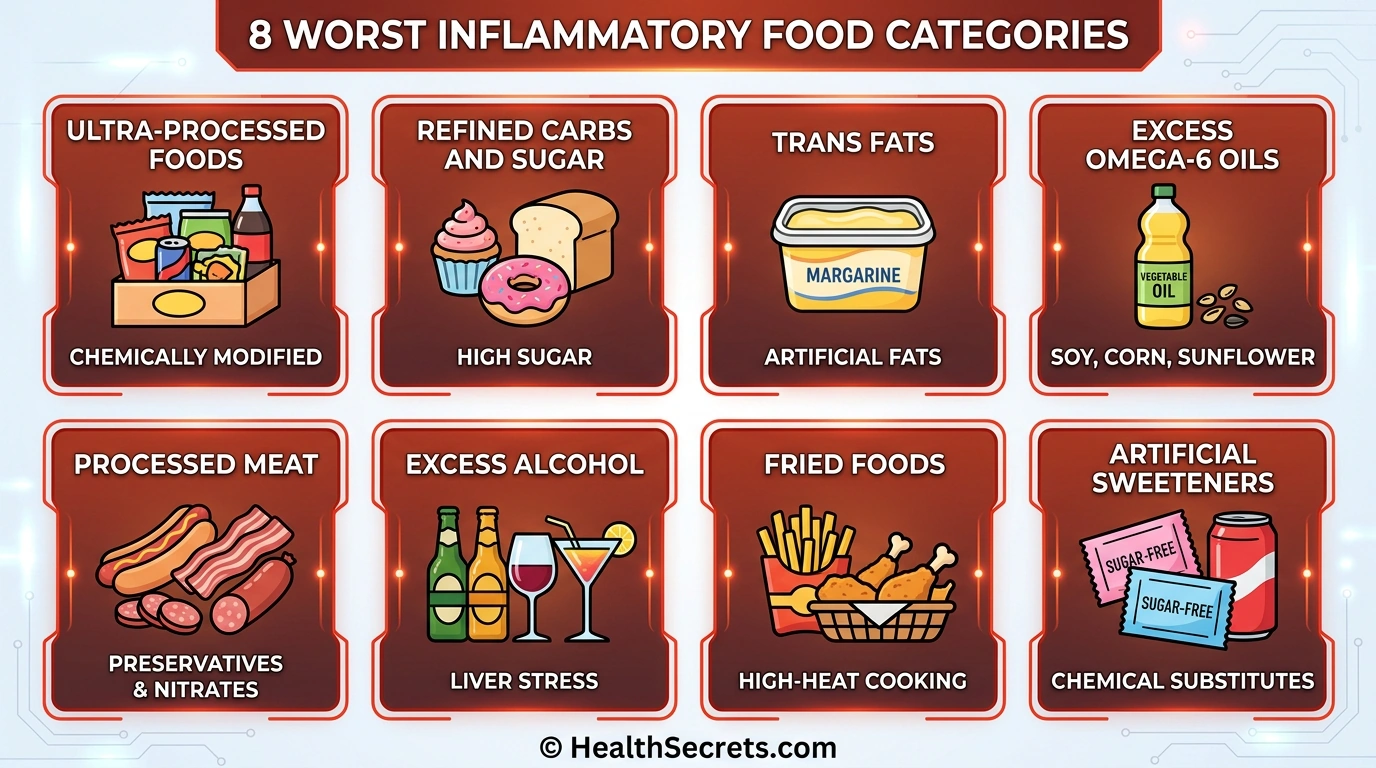
Pro-inflammatory foods are dietary items that trigger or amplify your body's inflammatory response when consumed regularly, raising levels of inflammatory biomarkers like C-reactive protein (CRP), interleukin-6 (IL-6), and tumor necrosis factor-alpha (TNF-α). These include ultra-processed foods, refined carbohydrates, added sugars, trans fats, excess omega-6 fatty acids, processed meats, and fried foods — essentially the building blocks of the standard Western diet. [15] [16]
The problem isn't occasional indulgence — it's the cumulative, daily pattern. When more than 60% of your calories come from ultra-processed foods (as they do for the average American), your body exists in a constant low-grade inflammatory state called "metaflammation." This chronic inflammation silently damages blood vessels, joints, the brain, and the gut lining over months and years, ultimately contributing to heart disease, diabetes, cancer, and neurodegenerative conditions.
What makes this particularly important is that diet is the single most modifiable factor in chronic inflammation. Unlike genetics or age, you can change what you eat starting today — and the inflammatory response shifts within days to weeks.

Are You Unknowingly Inflaming Your Body?
Get the free Health Vitals & Nutrient Checklist — the daily guide that shows you which habits and supplements are silently triggering inflammation.
How Do Foods Trigger Inflammation in the Body?
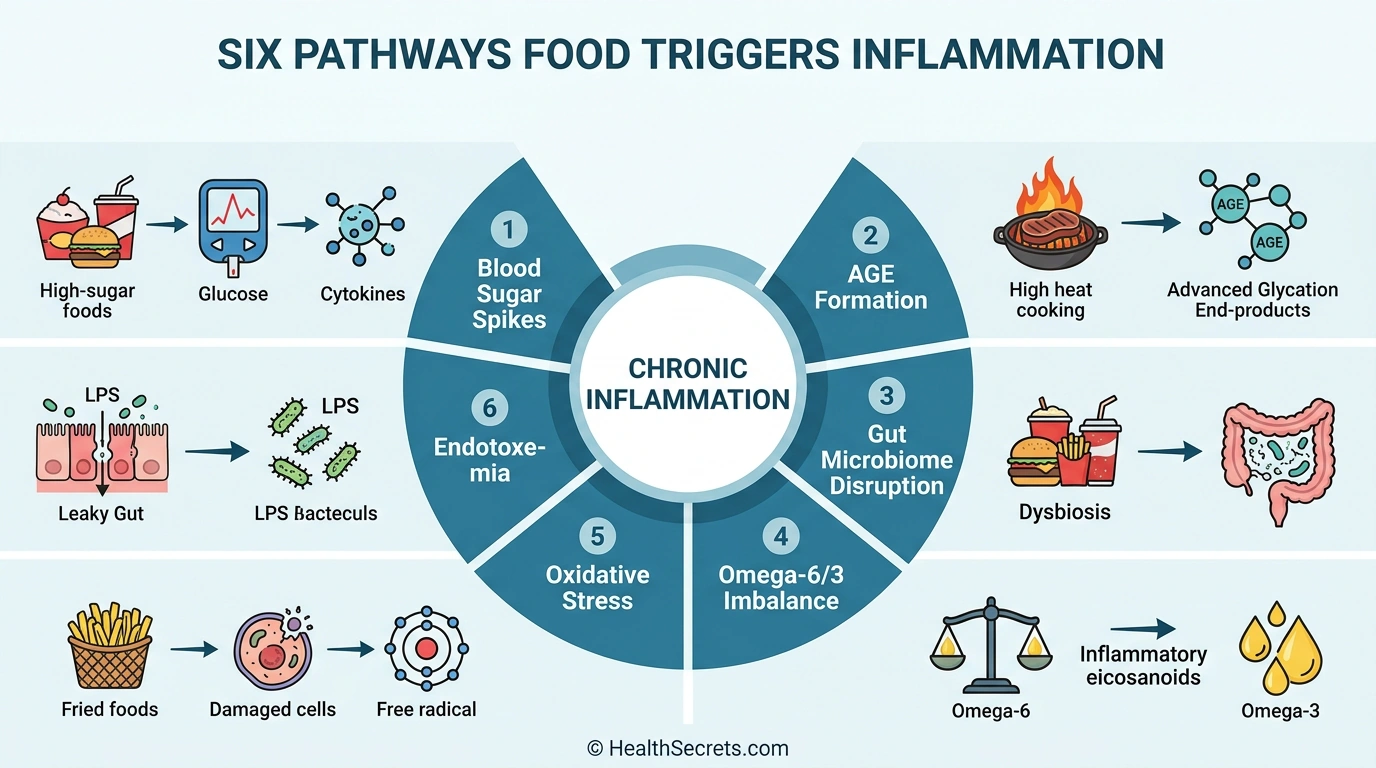
Inflammatory foods activate multiple overlapping biological pathways — from spiking blood sugar and producing toxic byproducts to disrupting your gut microbiome and overwhelming antioxidant defenses. Understanding these mechanisms helps explain why certain foods are so consistently linked to inflammation across hundreds of studies.
How Do Blood Sugar Spikes Cause Inflammation?
When you eat refined carbohydrates or added sugars, your blood glucose rises rapidly, triggering a surge of insulin and the release of pro-inflammatory cytokines including IL-6 and TNF-alpha. Chronic blood sugar spikes also lead to insulin resistance, which itself is an inflammatory state. Research shows that high-glycemic diets increase CRP levels by 30–40% compared to low-glycemic eating patterns.
What Are Advanced Glycation End Products (AGEs)?
AGEs form when sugars bind to proteins or fats — both inside your body (from high blood sugar) and in foods cooked at high temperatures (frying, grilling, roasting). AGEs activate RAGE receptors on cell surfaces, triggering NF-κB and other inflammatory cascades. Fried foods, grilled meats, and processed foods are the highest dietary sources of AGEs.
How Do Inflammatory Foods Damage the Gut Microbiome?
Processed foods, sugar, emulsifiers (like carrageenan and polysorbate 80), and artificial additives disrupt the balance of beneficial gut bacteria, promoting pathogenic species. This dysbiosis damages the intestinal barrier, leading to "leaky gut" — where bacterial toxins (lipopolysaccharides/LPS) enter the bloodstream and trigger systemic immune activation called endotoxemia.
Why Does the Omega-6 to Omega-3 Ratio Matter?
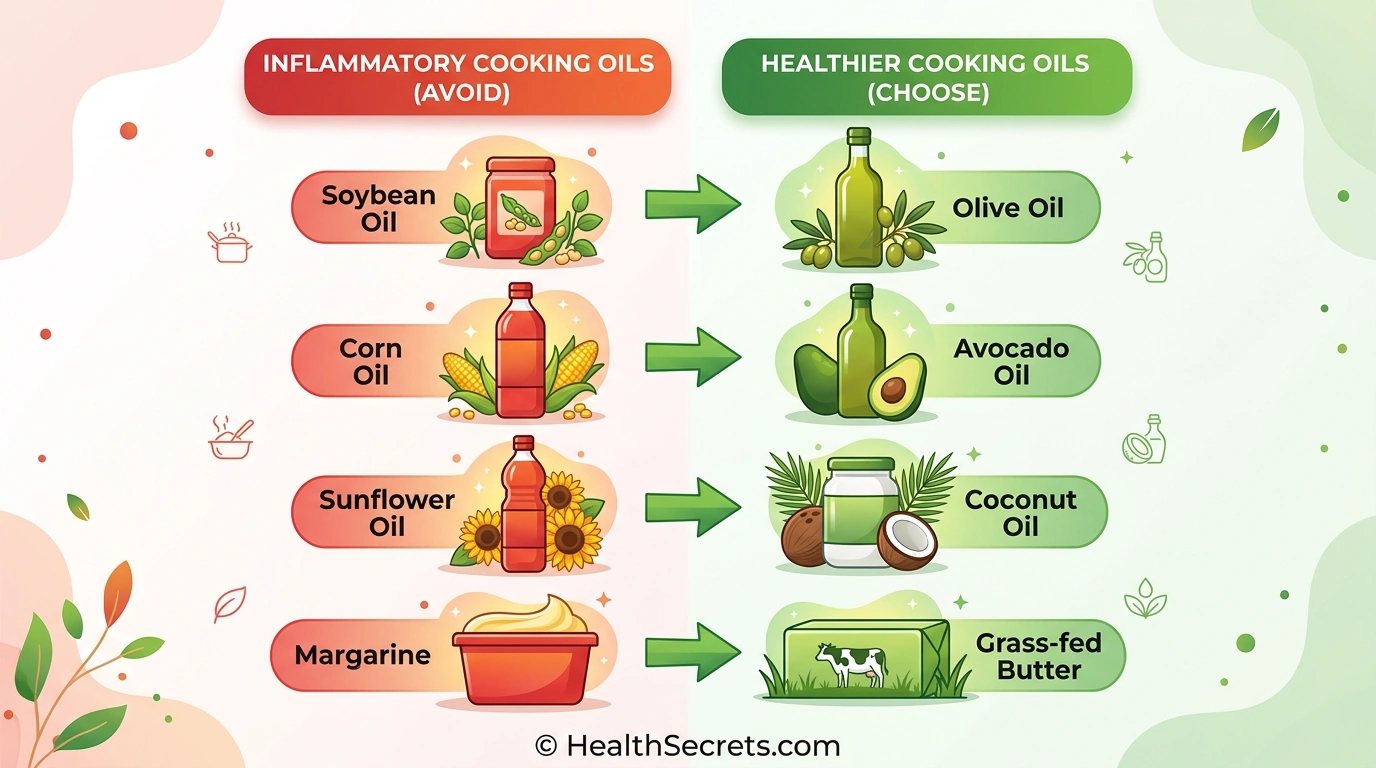
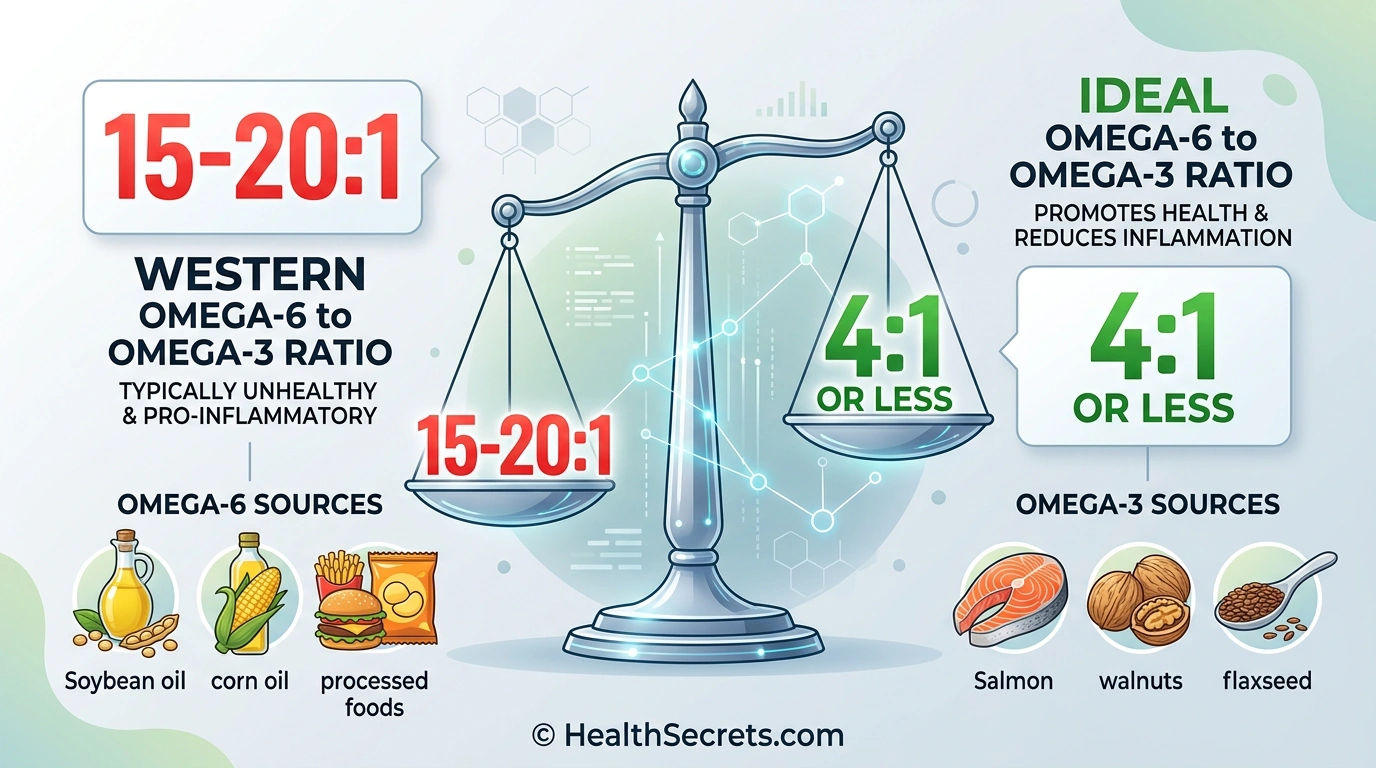
Omega-6 fatty acids produce pro-inflammatory eicosanoids (prostaglandins, leukotrienes), while omega-3s produce anti-inflammatory resolvins and protectins. The ideal ratio is around 4:1, but the typical Western diet delivers 15–20:1 due to heavy use of soybean, corn, and sunflower oils. This imbalance tips the body's baseline toward a pro-inflammatory state.

Food Label Decoder Workbook
Normalize serving sizes, decode deceptive health claims, and compare supermarket products like a food scientist.
What Are the Worst Foods for Inflammation?
The most inflammatory foods share common features: they're highly processed, nutrient-poor, and trigger multiple inflammatory pathways simultaneously. Eliminating or reducing these foods is the single most impactful dietary change you can make for inflammation.
Are Ultra-Processed Foods the Biggest Inflammation Trigger?
Yes — ultra-processed foods are the worst overall category. These industrially manufactured products (packaged snacks, frozen meals, fast food, sugary cereals, soft drinks) combine multiple inflammatory ingredients: refined carbs, added sugars, trans fats, excess omega-6 oils, sodium, and chemical additives. Research published in Nutrients (2023) confirms that high ultra-processed food consumption significantly elevates CRP and IL-6 levels [3]. They now represent over 60% of calories in the average American diet.
How Does Sugar and Refined Carbohydrates Drive Inflammation?
Added sugars (soda, candy, desserts, sweetened beverages) and refined carbs (white bread, white rice, pastries) cause rapid blood glucose spikes that trigger inflammatory cytokine release, AGE formation, and feed pathogenic gut bacteria. Studies show high sugar intake increases CRP by 30–50%. Hidden sugars in sauces, flavored yogurt, granola, and protein bars make this category particularly insidious.
Why Are Trans Fats So Inflammatory?
Trans fats (from partially hydrogenated oils) increase LDL cholesterol, damage blood vessel endothelium, and raise CRP, IL-6, and TNF-alpha. Harvard researchers identified trans fats as major inflammation triggers in the 1990s. Despite FDA bans, they still appear in some fried foods, commercial baked goods, microwave popcorn, and non-dairy coffee creamers. Always check labels for "partially hydrogenated oil."
What's Wrong with Excess Omega-6 Fatty Acids?
Omega-6 isn't inherently harmful — it's essential in small amounts. But the Western diet delivers 15–20 times more omega-6 than omega-3, primarily through vegetable oils (soybean, corn, sunflower, safflower, cottonseed) used in virtually all processed and fried foods. This excess drives overproduction of pro-inflammatory prostaglandins (PGE2) and leukotrienes.
How Inflammatory Are Red and Processed Meats?
Processed meats (bacon, hot dogs, sausage, deli meat) are the more concerning category — they contain nitrites/nitrates that form carcinogenic N-nitroso compounds, plus high sodium, saturated fat, and AGEs from high-heat processing. Red meat in moderate amounts (1–2 servings/week of grass-fed beef) is less problematic, but its heme iron generates pro-oxidant free radicals that drive inflammation.
Does Alcohol Cause Inflammation?
Excess alcohol (more than 2 drinks daily) damages the gut barrier causing leaky gut and endotoxemia, promotes liver inflammation, generates free radicals, and disrupts the microbiome. Moderate consumption (1 drink/day) remains controversial — some evidence suggests red wine polyphenols may be neutral or mildly anti-inflammatory, but individual variation is significant. If you have inflammatory conditions or gut issues, avoiding alcohol entirely is safest.
Could Your Personal Food Sensitivities Be Driving Hidden Inflammation?
Beyond universally inflammatory foods, individual food sensitivities can trigger significant inflammation in susceptible people — but not everyone reacts to the same foods. Genetics, gut microbiome composition, and immune system differences create highly individual responses that require personalized investigation.
Who Reacts to Gluten?
People with celiac disease (about 1% of the population) experience severe autoimmune-driven inflammation from gluten. An additional 6–10% may have non-celiac gluten sensitivity, where gluten triggers zonulin release, increasing intestinal permeability and inflammatory cytokines. However, most people tolerate gluten without issues — eliminating it unnecessarily can reduce fiber and B-vitamin intake.
Is Dairy Inflammatory?
It depends. About 65% of people globally have some degree of lactose intolerance, and undigested lactose ferments in the gut, producing inflammatory byproducts. Casein protein sensitivity also triggers immune responses in some individuals. However, fermented dairy (yogurt, kefir) may actually be anti-inflammatory due to probiotic content. A 2022 review in Advances in Nutrition found dairy's inflammatory effects vary dramatically by type and individual.
What About Nightshades and FODMAPs?
Nightshades (tomatoes, potatoes, peppers, eggplant) contain solanine alkaloids that some people with autoimmune conditions report as inflammatory triggers, though clinical evidence is limited. FODMAPs (fermentable short-chain carbohydrates found in wheat, onions, garlic, beans, certain fruits) cause gut inflammation in about 70% of IBS sufferers. An elimination diet is the gold standard for identifying whether these are problems for you.
How Do You Identify Personal Triggers?
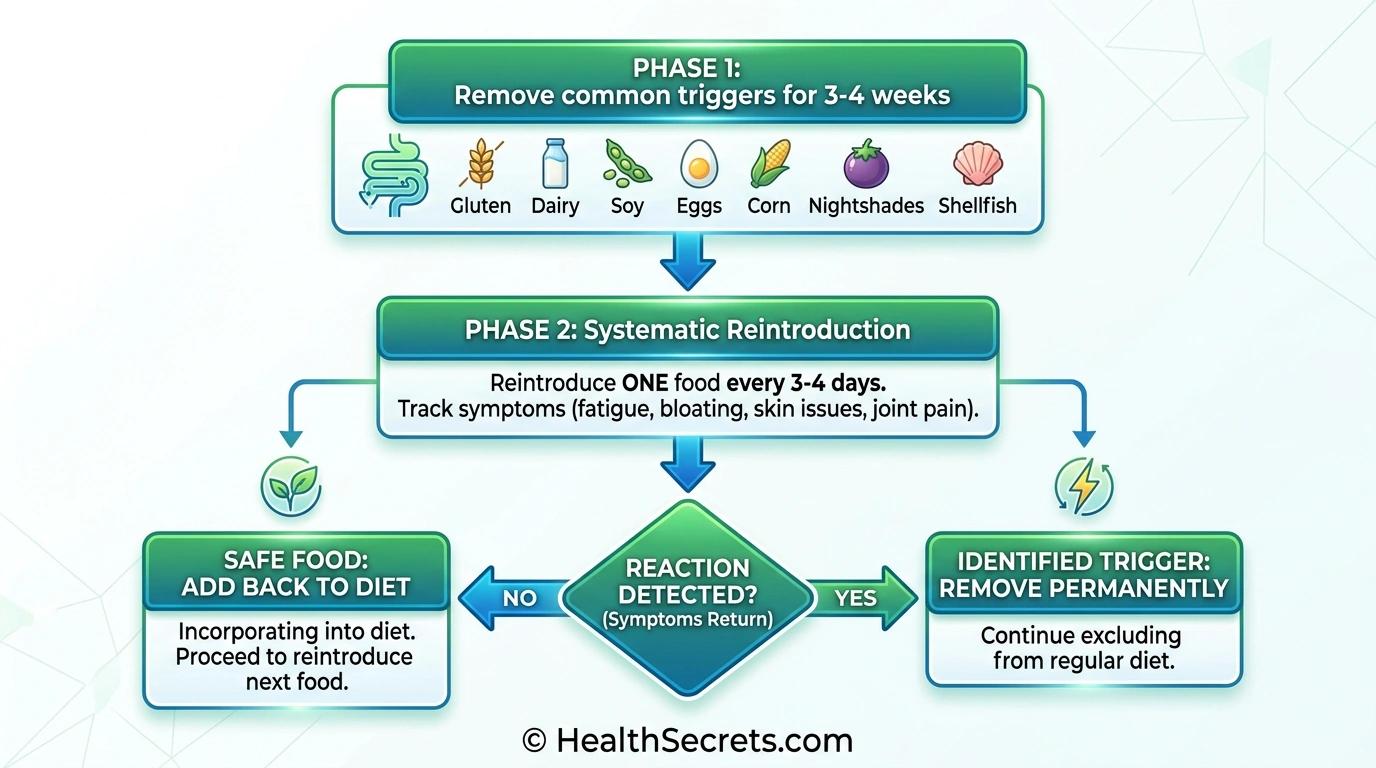
- Elimination diet (gold standard): Remove common triggers (gluten, dairy, soy, eggs, corn, nightshades, processed foods, sugar, alcohol) for 3–4 weeks. Then reintroduce one food every 3–4 days, monitoring for symptoms like bloating, fatigue, joint pain, skin issues, or mood changes.
- Food diary: Track everything you eat alongside symptoms daily to identify patterns.
- Inflammatory marker testing: Measure baseline CRP before dietary changes, then retest after 4–8 weeks — a 20–50% decrease confirms your dietary changes are working.
How Do You Build an Anti-Inflammatory Diet?
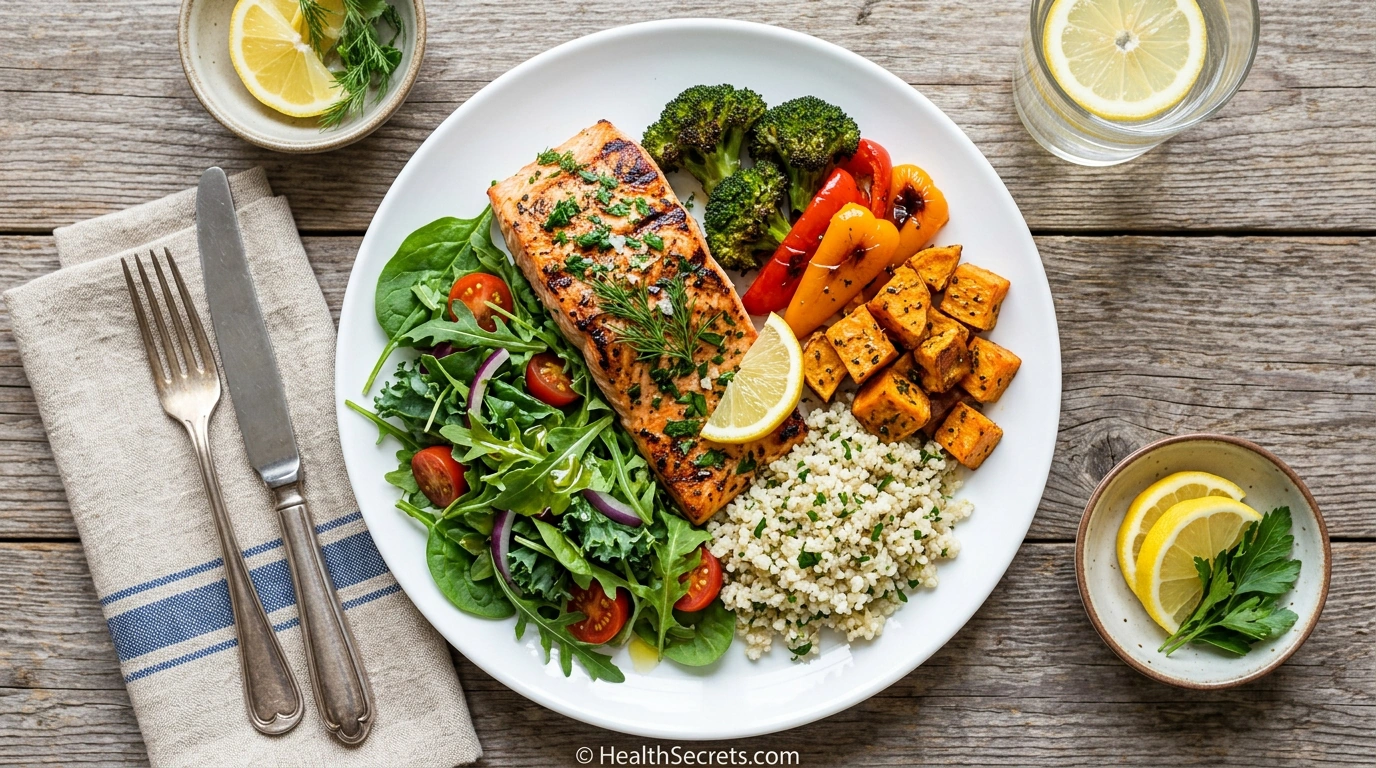
Building an anti-inflammatory eating pattern means both removing the worst offenders and actively adding foods that reduce inflammation. The Mediterranean diet is the most well-studied anti-inflammatory dietary pattern, with a 2024 meta-analysis confirming it significantly reduces CRP, IL-6, and oxidative stress biomarkers [10].
Foods to prioritize:
- Colorful vegetables and fruits (5–9 servings daily) — polyphenols, antioxidants, and fiber that feed beneficial gut bacteria
- Fatty fish (salmon, sardines, mackerel, 2–3 times weekly) — EPA and DHA omega-3s that produce anti-inflammatory resolvins
- Extra virgin olive oil (2–3 tablespoons daily) — oleocanthal acts as a natural COX-2 inhibitor similar to ibuprofen
- Nuts and seeds (walnuts, flaxseeds, chia seeds) — omega-3s, magnesium, and vitamin E
- Anti-inflammatory spices (turmeric, ginger, cinnamon, garlic) — potent NF-κB and COX-2 inhibitors
- Green tea (2–3 cups daily) — EGCG is a powerful anti-inflammatory polyphenol
- Whole grains (quinoa, brown rice, oats) — fiber supports gut health
- Legumes (beans, lentils, chickpeas) — protein, fiber, and resistant starch
Practical swaps:
- Soybean/corn oil → extra virgin olive oil or avocado oil
- White bread/pasta → whole grain or gluten-free alternatives
- Sugary drinks → water, green tea, or herbal infusions
- Processed snacks → nuts, seeds, fresh fruit
- Processed meat → fatty fish, legumes, pasture-raised poultry
What Lifestyle and Cooking Changes Reduce Dietary Inflammation?
Beyond choosing the right foods, how you shop, cook, and structure your meals dramatically impacts the inflammatory load of your diet. Small, practical shifts in daily habits compound into major reductions in chronic inflammation over time.
- Cooking methods matter: Steaming, boiling, baking at moderate temperatures (below 350°F/175°C), and sautéing in olive oil produce far fewer AGEs than deep frying, grilling at high heat, or charring. A simple shift from fried to baked can reduce AGE intake by 50% or more.
- Read labels strategically: Avoid products listing partially hydrogenated oils, high-fructose corn syrup, or ingredients you can't pronounce. Check sugar content (aim for under 5g per serving) and look for short, recognizable ingredient lists.
- Cook at home more often: Home cooking gives you control over oils, sugar, sodium, and processing. Even cooking 5–6 meals per week at home significantly reduces inflammatory food exposure. Meal prepping anti-inflammatory recipes on weekends makes this sustainable.
- Reduce sugar gradually: Week 1 — cut sugary drinks; Week 2 — reduce desserts to 1–2 times weekly; Week 3 — check labels for hidden sugars; Week 4 — switch to natural sweeteners (honey, maple syrup) in moderation. Gradual reduction is more sustainable than cold turkey.
- Stay hydrated: Water (8–10 cups daily) supports detoxification and reduces inflammation. Green tea and ginger tea provide additional anti-inflammatory compounds.
- Shop the perimeter: Whole foods (produce, fish, eggs, fresh meat) line grocery store perimeters. Center aisles contain most ultra-processed products.
What Should You Do First to Reduce Inflammatory Foods?
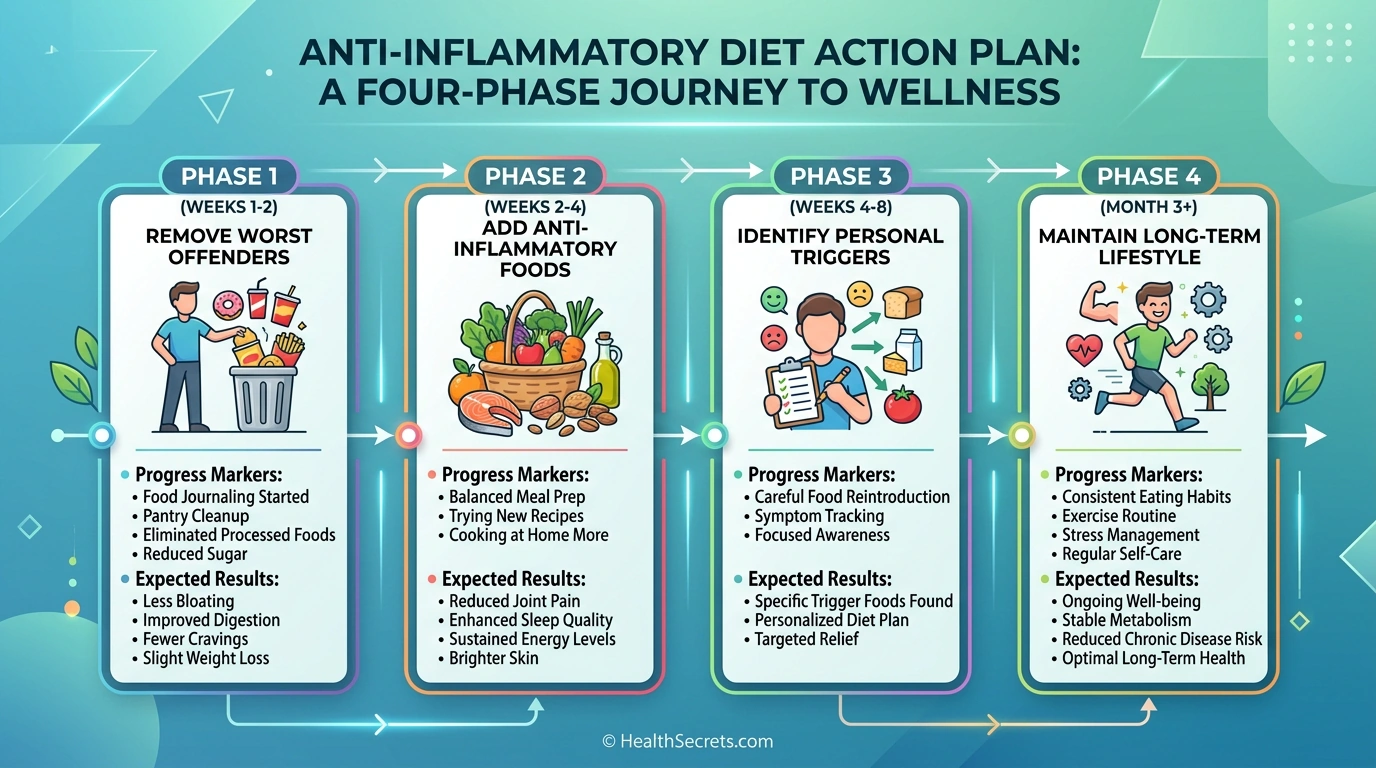
Start by eliminating the top three worst offenders — ultra-processed foods, sugary drinks, and trans fats — in your first week, then progressively add anti-inflammatory replacements over the following weeks. Track your symptoms and, if possible, measure your CRP before and after to quantify your progress.
Phase 1 — Remove Worst Offenders (Weeks 1–2)
- Eliminate ultra-processed foods (fast food, packaged snacks, frozen meals)
- Cut sugary drinks entirely (soda, juice, sweetened beverages)
- Remove trans fats (check labels for "partially hydrogenated oil")
- Stop eating fried foods and processed meats
- Switch cooking oils from soybean/corn to olive oil and avocado oil
Phase 2 — Add Anti-Inflammatory Foods (Weeks 2–4)
- Add 5–9 servings of colorful vegetables and fruits daily
- Include fatty fish 2–3 times per week
- Use extra virgin olive oil as your primary fat (2–3 tablespoons daily)
- Add anti-inflammatory spices to meals (turmeric, ginger, garlic)
- Drink 2–3 cups of green tea daily
Phase 3 — Identify Personal Triggers (Weeks 4–8, if needed)
- If symptoms persist, try a full elimination diet (remove gluten, dairy, soy, eggs, corn, nightshades for 3–4 weeks)
- Reintroduce one food every 3–4 days, monitoring for reactions
- Keep a food diary tracking meals and symptoms
- Test CRP at baseline and after 4–8 weeks (expect 20–50% reduction)
Phase 4 — Maintain Long-Term (Month 3+)
- Follow 80/20 rule — 80% anti-inflammatory foods, 20% flexibility
- Continue avoiding worst offenders (ultra-processed, trans fats, excess sugar)
- Respect personal triggers identified through elimination
- Retest CRP annually to monitor inflammation status

