If you're reading this, chances are you already know what fibromyalgia feels like. The pain that moves around your body like it has its own agenda. The fatigue that sleep doesn't fix. The brain fog that makes you forget words mid-sentence. The frustration of being told your labs look "normal" when nothing about your experience feels normal. [16] [17]
You're not imagining it. And you're not alone.
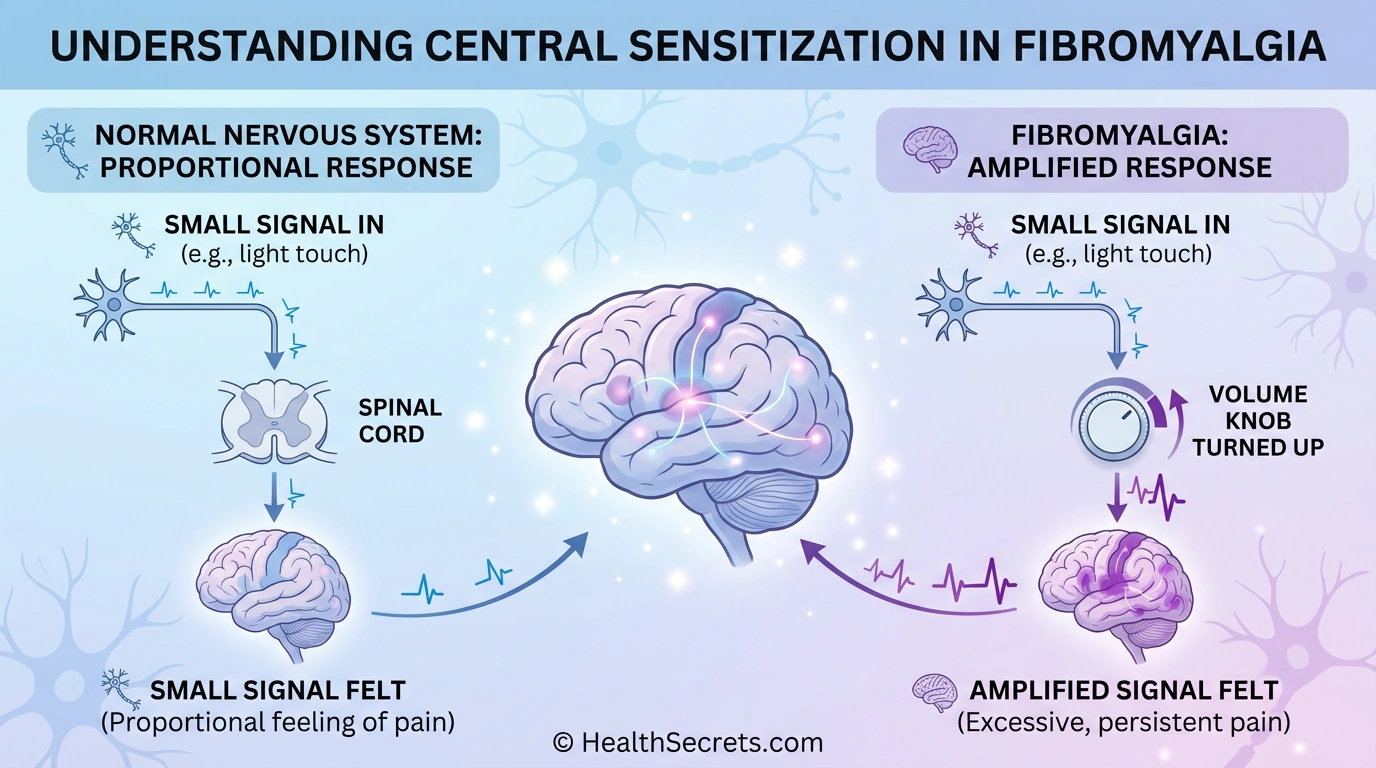
Fibromyalgia is a real, complex neurological condition affecting 2–8% of the global population — and it's not "just pain." It's a disorder of central sensitization where your nervous system amplifies pain signals, turning everyday sensations into genuine suffering.
The good news [10]? Research increasingly shows that combining conventional treatment with evidence-based natural approaches — anti-inflammatory nutrition, targeted supplements, gentle exercise, sleep optimization, and stress management — can reduce symptoms by 20–40% and meaningfully improve quality of life.
This guide gives you the evidence, the practical strategies, and the compassion you deserve.
Related reading: Chronic Inflammation Guide · Anti-Inflammatory Diet Guide · Sleep Optimization Guide · Mental Wellness Guide
What Is Fibromyalgia and Why Does It Cause So Much Pain?
Fibromyalgia is a chronic neurological condition characterized by widespread pain, profound fatigue, and cognitive dysfunction caused by central sensitization — a state where the brain and spinal cord amplify pain signals, making normal sensory input feel genuinely painful. It's not "in your head" — it's in your nervous system.
For decades, fibromyalgia was dismissed by much of the medical community. Patients were told they were stressed, depressed, or simply imagining their pain. That era is ending. Modern neuroimaging confirms that fibromyalgia patients have measurable differences in brain pain processing, elevated substance P (a pain neurotransmitter) at up to 3x normal levels in cerebrospinal fluid, and evidence of neuroinflammation — activated microglia releasing pro-inflammatory cytokines that produce pain, fatigue, depression, and cognitive problems.
A 2024 review in Pain confirmed evidence of neuroinflammation in fibromyalgia using PET imaging, showing activated glial cells in brain regions associated with pain processing [1] [4] [18]. A comprehensive 2024 pathophysiology review documented how central sensitization, neuroinflammation, small fiber neuropathy, and autonomic dysfunction all contribute to the syndrome.
This isn't a character flaw. It's biology.
Who Gets Fibromyalgia?
- Prevalence: 2–8% of the global population
- Gender ratio: 7:1 women to men (though men are likely underdiagnosed)
- Age of onset: Most commonly 30–50, but can occur at any age
- Risk factors: Genetic predisposition, physical trauma, infections (Epstein-Barr, Lyme), emotional trauma/PTSD, chronic stress, autoimmune conditions (lupus, RA)

Can't Sleep Through the Night?
Download the free Sleep Audit & Recovery Guide — used by our readers to identify the exact bedroom triggers and stress habits wrecking their rest.
What Causes Fibromyalgia and What Are the Risk Factors?
The exact cause remains unclear, but fibromyalgia appears to result from a combination of genetic predisposition, triggering events (infections, trauma, chronic stress), and resulting central nervous system changes that amplify pain processing. Multiple pathways — neuroinflammation, autonomic dysfunction, small fiber neuropathy, and immune dysregulation — converge to create the syndrome.
Genetic Predisposition
Fibromyalgia runs in families. First-degree relatives of fibromyalgia patients have an 8x higher risk. Genetic variants affecting serotonin, dopamine, and catecholamine metabolism create vulnerability in pain processing pathways.
Triggering Events
- Physical trauma: Car accidents, injuries, surgeries
- Infections: Epstein-Barr virus, Lyme disease, hepatitis C
- Emotional trauma: PTSD, childhood adversity, chronic stress
- Autoimmune overlap: Many patients have co-existing lupus, rheumatoid arthritis, or Sjögren's syndrome
Central Sensitization: The Core Mechanism
Central sensitization means your brain's pain volume knob is turned up and stuck [19]. Normal signals — a light touch, temperature changes, even clothing on skin — get amplified into pain. This isn't psychological. It's measurable neurological dysfunction involving:
- Elevated substance P and glutamate (excitatory neurotransmitters)
- Reduced serotonin, norepinephrine, and dopamine (inhibitory/pain-dampening)
- Neuroinflammation (activated microglia releasing cytokines)
- Autonomic nervous system dysregulation
A 2026 review in Brain Sciences detailed the neuroinflammatory and immunological aspects of fibromyalgia, including the role of autoantibodies, microglial activation, and cellular immune dysfunction [3].

Better Sleep Environment Workbook
Run a structured two-week bedroom experiment to optimize temperature, light, and noise before buying gadgets.
What Are the Symptoms of Fibromyalgia and How Is It Diagnosed?
Fibromyalgia presents as widespread pain lasting more than 3 months, accompanied by profound fatigue, non-restorative sleep, cognitive dysfunction ("fibro fog"), and frequently co-occurring conditions including IBS (60–70% of patients), migraines, depression, and anxiety. Diagnosis is clinical — there is no blood test.
Core Symptoms
- Widespread pain: Aching, burning, stabbing — moves around the body, often worse with weather changes, stress, or overexertion
- Fatigue: Crushing exhaustion that sleep doesn't resolve — often described as "running on empty"
- Non-restorative sleep: You sleep but wake feeling unrefreshed — disrupted deep sleep architecture
- Cognitive dysfunction ("fibro fog"): Difficulty concentrating, word-finding problems, memory issues, mental processing slowness
Common Co-occurring Conditions
- IBS: 60–70% of fibromyalgia patients
- Migraines/headaches: 50–60%
- Depression and anxiety: 40–60%
- Temporomandibular disorders (TMJ): 30–40%
- Interstitial cystitis: 20–30%
- Restless leg syndrome: 30–40%
Diagnosis
Diagnosis uses the Widespread Pain Index (WPI) and Symptom Severity Scale (SSS). There's no definitive blood test — diagnosis requires ruling out other conditions (thyroid disorders, rheumatoid arthritis, lupus, multiple sclerosis, vitamin D deficiency). This process can be frustrating and often takes years.
What Are the Conventional Medical Treatments for Fibromyalgia?
Conventional treatment focuses on symptom management through FDA-approved medications (pregabalin, duloxetine, milnacipran), additional pharmaceuticals for specific symptoms, physical therapy, and cognitive behavioral therapy (CBT). Most patients benefit from a multimodal approach combining several strategies.

FDA-Approved Medications
- Pregabalin (Lyrica): Reduces nerve pain by calming overactive neurons
- Duloxetine (Cymbalta): SNRI antidepressant that modulates pain pathways
- Milnacipran (Savella): SNRI specifically for fibromyalgia pain and fatigue
Additional Medications
- Amitriptyline: Low-dose tricyclic for pain and sleep
- Gabapentin: Off-label for nerve pain
- Cyclobenzaprine: Muscle relaxant for spasm and sleep
- Low-dose naltrexone (LDN): Emerging evidence for pain reduction
Non-Pharmacological
- Physical therapy: Gentle, progressive exercise programs
- CBT: Reduces pain catastrophizing and improves coping
- Patient education: Understanding the condition reduces anxiety and improves outcomes
⚠️ These medications are often essential for symptom management. Natural approaches discussed below are meant to COMPLEMENT medical treatment, not replace it.
How Can Natural Approaches Help Manage Fibromyalgia Symptoms?
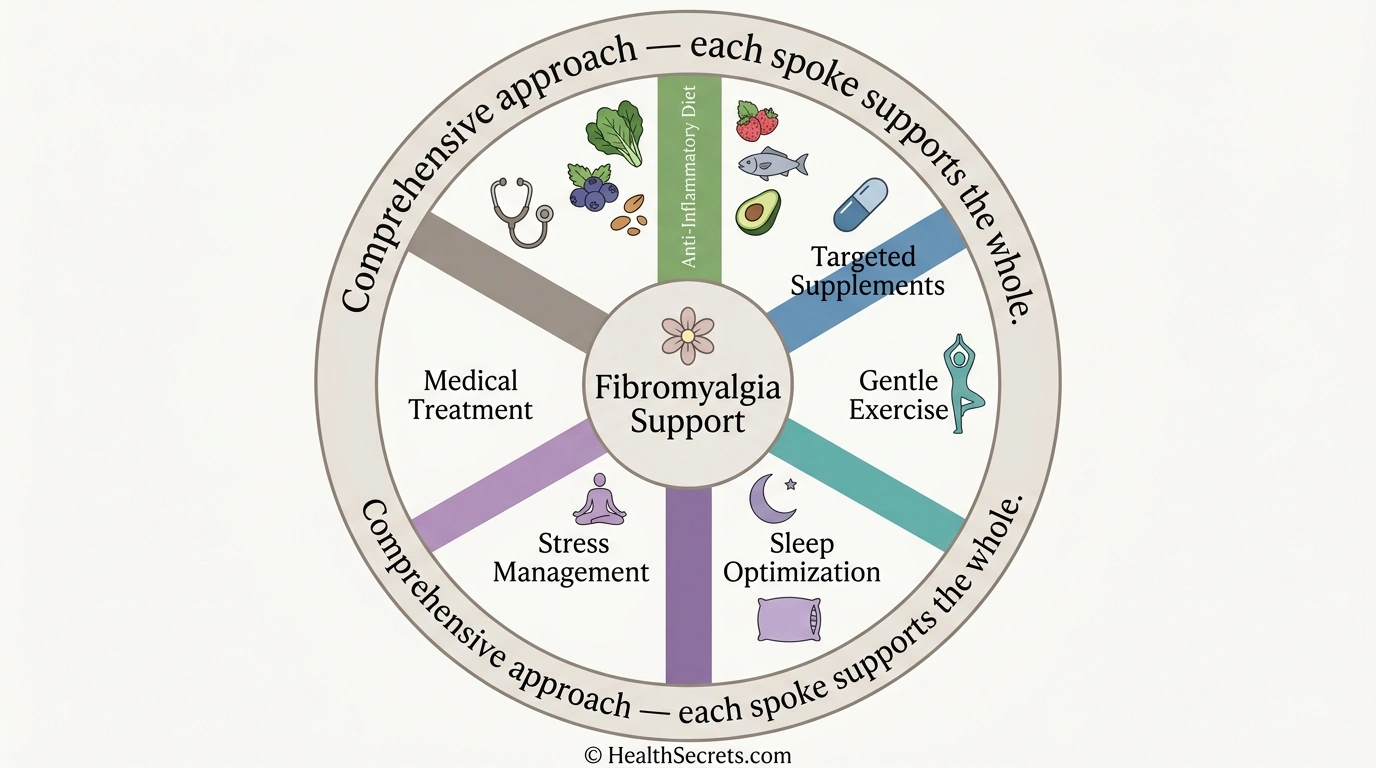
Evidence-based natural approaches — including anti-inflammatory nutrition, targeted supplementation, gentle exercise, sleep optimization, and stress management — can reduce fibromyalgia symptoms by 20–40% when used consistently alongside conventional medical treatment. The most effective strategy is a comprehensive, multimodal approach addressing multiple symptom domains simultaneously.
Think of fibromyalgia management as a wheel with multiple spokes. Each natural strategy is one spoke — diet, supplements, movement, sleep, stress management. No single spoke holds the wheel together, but together they create stability. Remove several, and the wheel collapses.
A 2024 comprehensive review in PMC documented that diet and lifestyle modifications for fibromyalgia — including anti-inflammatory nutrition, omega-3 supplementation, vitamin D, polyphenols, probiotics, and exercise — collectively improve pain, fatigue, sleep, and quality of life [8].
⚠️ CRITICAL: Natural approaches work ALONGSIDE your medical treatment. Never stop prescribed medications without your doctor's guidance. Many supplements interact with fibromyalgia medications (gabapentin, antidepressants, muscle relaxants). Always consult your healthcare provider before starting any supplement.
What Diet Reduces Fibromyalgia Pain and Fatigue?
A personalized Mediterranean-style anti-inflammatory diet reduces fibromyalgia pain, fatigue, anxiety, and disability scores in clinical studies. A 2024 study of 100 fibromyalgia patients found that those following a personalized Mediterranean diet showed improvement in most fibromyalgia parameters after 8 weeks, while those eating more inflammatory foods saw no benefit.
Anti-Inflammatory Foods to Emphasize
- Omega-3 rich fish: Salmon, sardines, mackerel — 2–3 servings per week
- Colorful vegetables: 5–7 servings daily — leafy greens, cruciferous, root vegetables
- Berries and fruits: Antioxidant-rich — blueberries, cherries (tart cherry for pain), apples
- Extra virgin olive oil: Primary cooking fat — anti-inflammatory polyphenols
- Nuts and seeds: Walnuts, flaxseed, chia — omega-3 and magnesium
- Turmeric and ginger: Anti-inflammatory spices — use liberally in cooking
- Green tea: 2–3 cups daily — EGCG anti-inflammatory benefits
Foods to Reduce or Eliminate
- Gluten: Sensitivity is common in fibromyalgia — try elimination for 4–6 weeks
- Refined sugar and processed foods: Drive inflammation and blood sugar crashes that worsen fatigue
- Dairy: Some patients report worsening symptoms — try elimination
- Alcohol: Disrupts sleep architecture, worsens pain sensitivity
- Excessive caffeine: Disrupts sleep, increases anxiety — limit to morning only
Low-FODMAP for IBS Symptoms
Since 60–70% of fibromyalgia patients have IBS, a low-FODMAP approach may help reduce bloating, diarrhea, and abdominal pain. Work with a registered dietitian for proper implementation — it's a phased elimination diet, not a permanent restriction.
A 2026 systematic review confirmed that the Mediterranean diet's anti-inflammatory and low-antigen properties are associated with significant improvements in fibromyalgia symptoms, including chronic widespread pain, fatigue, sleep disturbances, and cognitive impairments.
⚠️ Dietary changes are supportive, not curative. They work best alongside your prescribed treatment plan.
What Supplements Help with Fibromyalgia Pain and Fatigue?
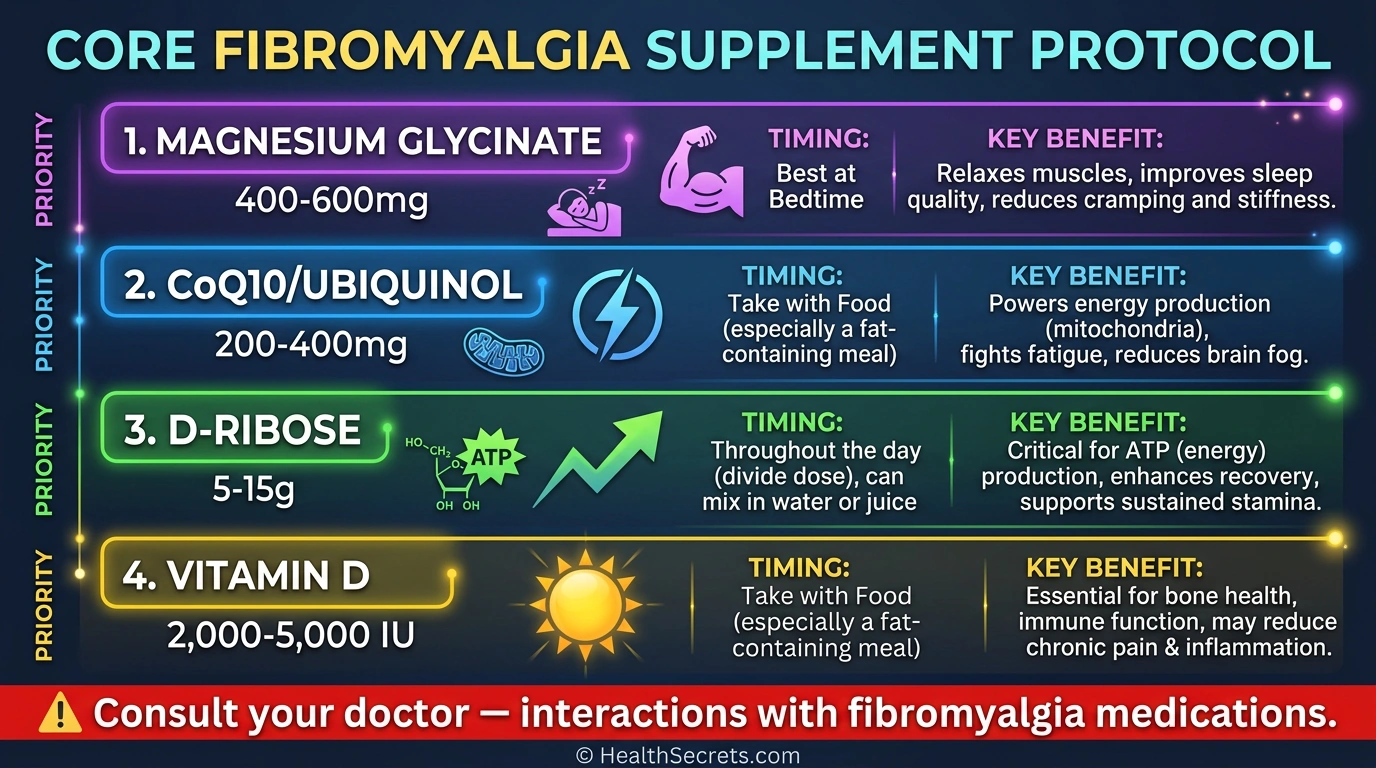
Targeted supplements addressing the specific nutritional deficiencies and metabolic dysfunctions common in fibromyalgia — magnesium, CoQ10, D-ribose, and vitamin D — have clinical evidence supporting meaningful symptom reduction when used alongside conventional treatment.
⚠️ CONSULT YOUR DOCTOR before starting ANY supplement. Many interact with fibromyalgia medications including gabapentin, pregabalin, duloxetine, amitriptyline, and muscle relaxants.
Magnesium Glycinate (400–600mg daily)
Magnesium deficiency is common in fibromyalgia and contributes to muscle tension, pain, poor sleep, and anxiety. Magnesium glycinate is the preferred form — it's well-absorbed, gentle on the stomach, and the glycine component promotes relaxation and sleep.
- Dose: 400–600mg daily, split doses (200–300mg morning, 200–300mg bedtime)
- Benefits: Muscle relaxation, improved sleep, reduced pain sensitivity, calms nervous system
- Timeline: 4–8 weeks for noticeable improvement
Coenzyme Q10 (200–400mg daily)
Fibromyalgia patients show decreased CoQ10 levels and mitochondrial dysfunction. A review of clinical studies found that CoQ10 supplementation (300mg daily) reduced pain, fatigue, and morning tiredness while improving mitochondrial biogenesis and reducing inflammation markers.
- Dose: 200–400mg daily (ubiquinol form preferred for absorption)
- Benefits: Energy production, reduced fatigue, antioxidant protection, reduced inflammation
- Timeline: 4–8 weeks
D-Ribose (5–15g daily)
D-ribose is a naturally occurring sugar essential for ATP (energy) production. A multicenter study of 203 fibromyalgia and chronic fatigue patients found that 3 weeks of D-ribose supplementation produced a 61.3% increase in energy, 37% improvement in overall well-being, 29.3% improvement in sleep, 30% improvement in mental clarity, and 15.6% decrease in pain.
- Dose: 5g three times daily (15g total), with meals
- Benefits: ATP production, energy, mental clarity, pain reduction
- Timeline: Improvements often begin within 1–2 weeks
Vitamin D (2,000–5,000 IU daily)
Vitamin D deficiency is found in 70–80% of fibromyalgia patients and correlates with pain severity. Supplementation counterbalances NF-κB activity (anti-inflammatory) and supports pain modulation and immune function.
- Dose: 2,000–5,000 IU daily (test levels first — target 40–60 ng/mL)
- Benefits: Pain modulation, immune support, mood improvement, bone health
Omega-3 Fatty Acids (2–4g EPA+DHA daily)
Reduces systemic inflammation and improves mood (depression is common in fibromyalgia).
Additional Supplements to Discuss with Your Doctor
- 5-HTP (100–300mg): Serotonin precursor — improves sleep, mood, pain.
Do NOT combine with SSRIs/SNRIs (serotonin syndrome risk)
- SAMe (400–800mg): Pain relief and mood support — comparable to NSAIDs in some studies
- Melatonin (3–10mg bedtime): Improves sleep quality, has antioxidant properties
- Acetyl-L-Carnitine (1,000–2,000mg): Energy, nerve pain, cognitive support
- Probiotics (25–50 billion CFU): Gut-brain axis support for IBS symptoms
⚠️ Many of these supplements interact with medications. 5-HTP must NEVER be combined with antidepressants. Always get medical approval first.
What Lifestyle Changes Help Manage Fibromyalgia?
The most impactful lifestyle modifications for fibromyalgia are gentle, consistent exercise (reducing pain 20–30%), sleep optimization (addressing the non-restorative sleep that worsens every other symptom), and stress management techniques that calm the overactivated nervous system.
Gentle Exercise: Movement Without Flare-Ups
A 2026 narrative review in PMC confirmed that exercise is one of the most effective non-pharmacological treatments for fibromyalgia, with combined programs (aerobic + resistance + flexibility) showing the greatest benefits. The key is starting low and progressing slowly.
Best exercises for fibromyalgia:
- Yoga: 2–3x weekly — a 2026 systematic review found yoga significantly reduces pain, fatigue, depression, and anxiety in fibromyalgia, with effects sustainable after intervention
- Tai Chi: Reduces pain (SMD -0.35 to -0.83), fatigue, sleep issues, and depression with sustained effects up to 6 months
- Water aerobics/swimming: Low-impact, joint-friendly, warm water soothes muscles
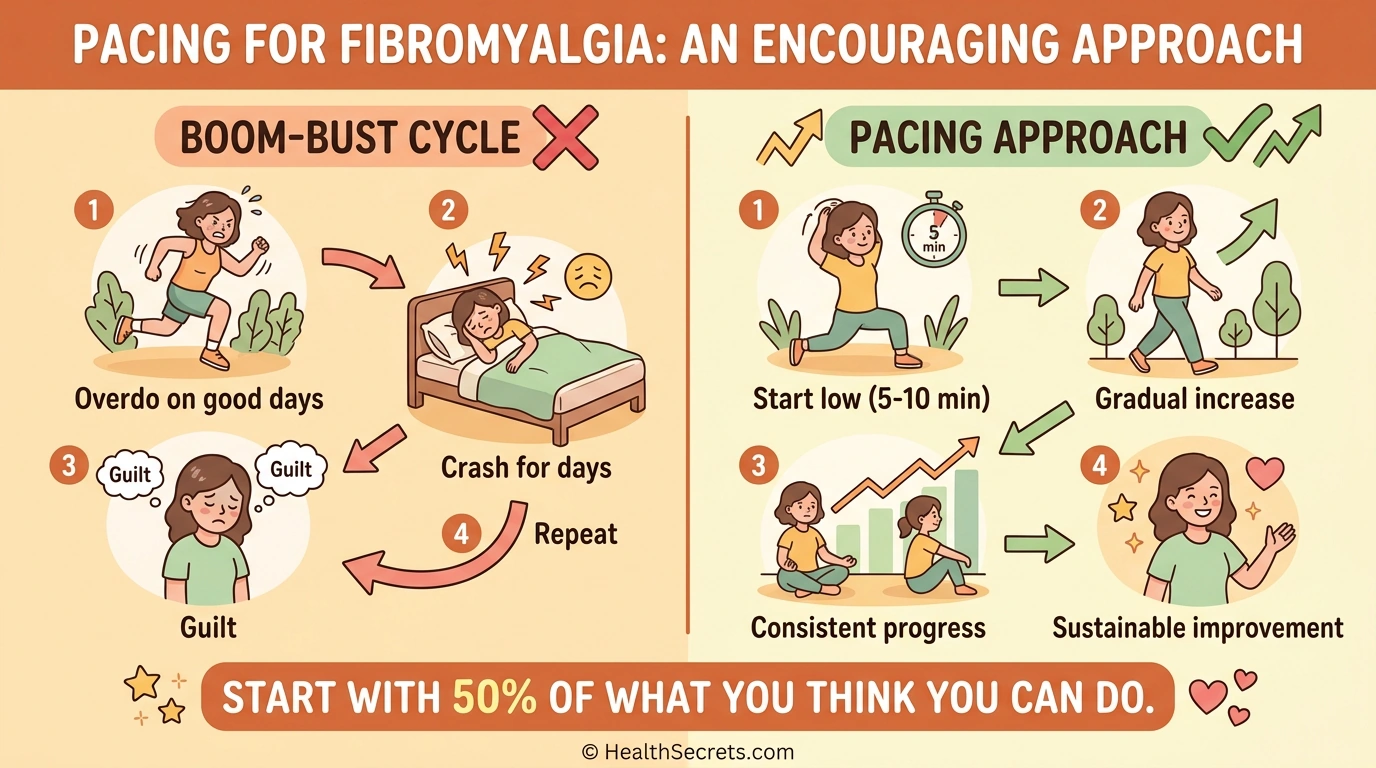
- Walking: Start with 5–10 minutes, increase by 2–3 minutes per week
- Light strength training: 1–2x weekly with light weights — prevents deconditioning
⚠️ PACING IS CRITICAL:
- Listen to your body — pain is your signal to slow down
- Avoid the boom-bust cycle (overdoing on good days → crashing for days)
- Start with 50% of what you think you can do
- Post-exertional malaise (PEM): If symptoms worsen 12–48 hours after activity, you did too much. Rest and reduce next session
Sleep Optimization: Breaking the Fatigue Cycle
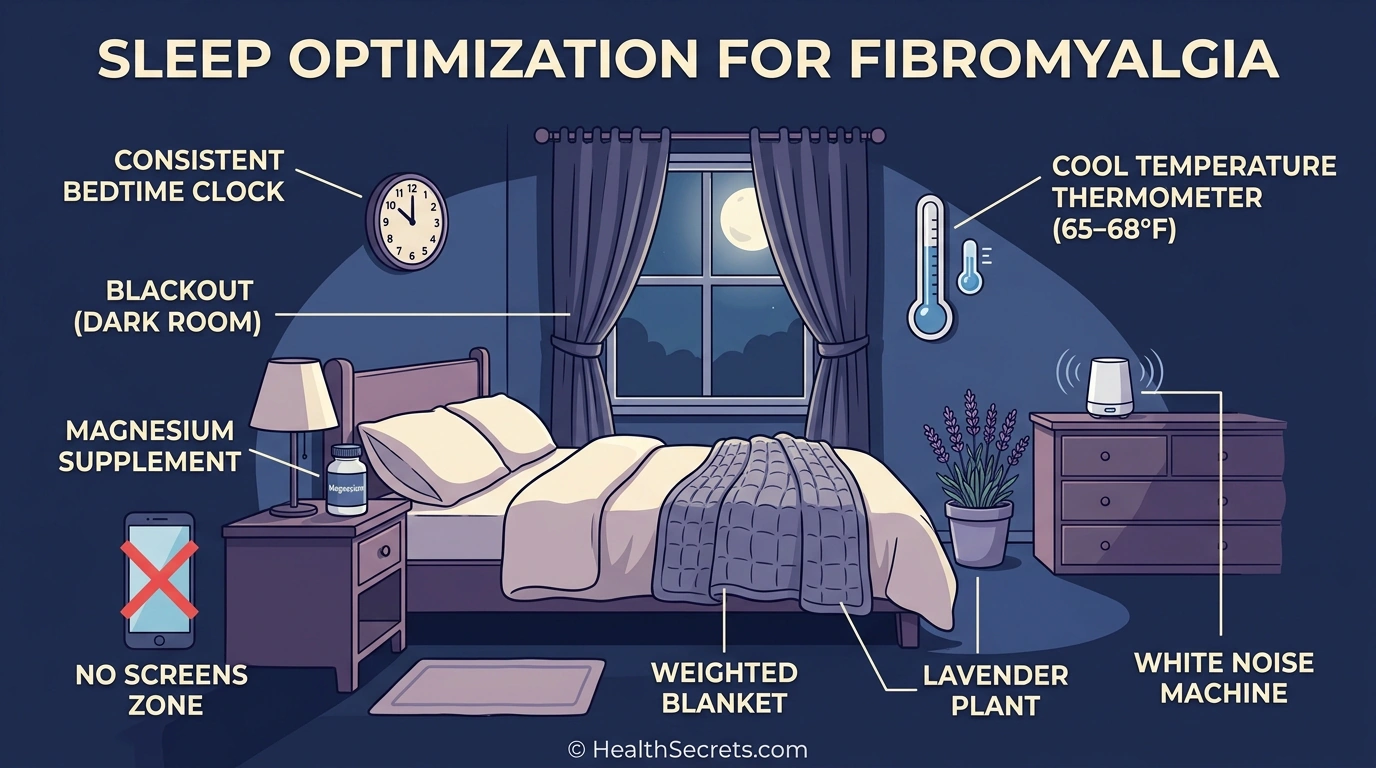
Non-restorative sleep is a hallmark of fibromyalgia. You may sleep 8+ hours and wake feeling like you didn't sleep at all — because your deep sleep architecture is disrupted.
- Consistent schedule: Same bedtime and wake time every day (including weekends)
- Dark, cool room: Blackout curtains, 65–68°F (18–20°C)
- No screens 1–2 hours before bed: Blue light suppresses melatonin
- Magnesium glycinate at bedtime: 200–400mg for muscle relaxation and sleep
- Melatonin: 3–10mg, 30–60 minutes before bed
- Weighted blanket: 15–20 lbs — deep pressure stimulation reduces anxiety and improves sleep
- Sleep apnea screening: Common in fibromyalgia and dramatically worsens fatigue — ask your doctor
Stress Management: Calming the Nervous System
Chronic stress directly amplifies fibromyalgia symptoms by keeping the nervous system in a hyperactivated state.
- Meditation/mindfulness: 20 minutes daily reduces pain perception 20–30%
- CBT (Cognitive Behavioral Therapy): Reduces pain catastrophizing and improves coping strategies
- Deep breathing: 4-7-8 technique or box breathing — activates parasympathetic nervous system
- Support groups: Reduces isolation — fibromyalgia communities provide understanding and practical tips
- Biofeedback: Teaches conscious control of physiological stress responses
Additional Complementary Strategies
- Heat therapy: Warm baths, heating pads — reduces muscle tension and pain
- Epsom salt baths: Magnesium absorption through skin, muscle relaxation
- Gentle massage: Avoid deep tissue (can trigger flares) — Swedish or myofascial release
- Acupuncture: Reduces pain 20–30% in studies — releases endorphins
- TENS (Transcutaneous Electrical Nerve Stimulation): Blocks pain signals
- Journaling: Track symptoms, triggers, patterns — invaluable for identifying what helps and what hurts
The Gut-Brain Connection
IBS affects 60–70% of fibromyalgia patients — this isn't coincidence. Gut-brain axis dysfunction, altered gut microbiome, and increased intestinal permeability all contribute. Probiotics (25–50 billion CFU daily), a low-FODMAP approach for IBS symptoms, and anti-inflammatory nutrition collectively address this connection.
⚠️ All lifestyle modifications should complement, not replace, your medical treatment plan. Discuss new exercise programs with your doctor.
What's the Best Way to Start a Natural Fibromyalgia Support Plan?
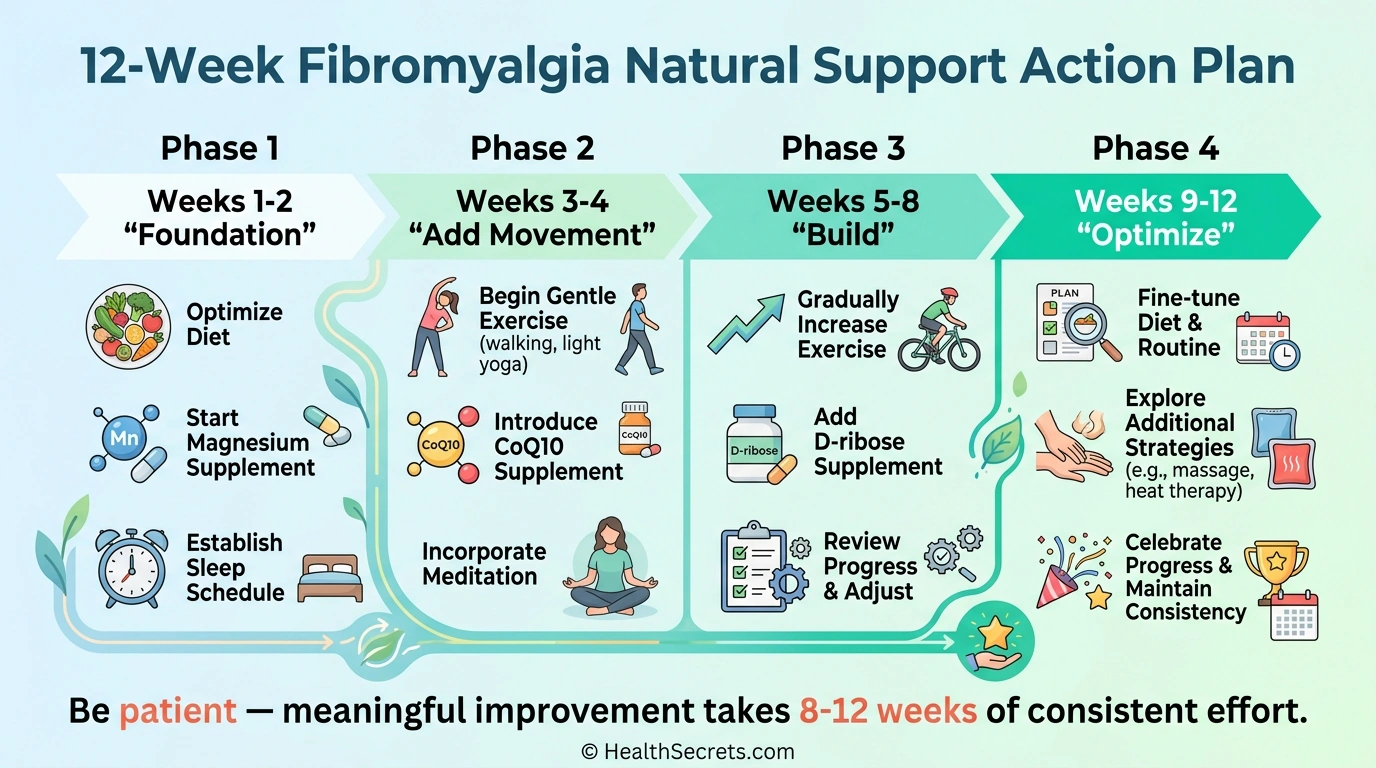
The most effective approach is starting gradually with one or two changes at a time, building a comprehensive support plan over 8–12 weeks, and maintaining close communication with your healthcare team throughout. Trying everything at once is overwhelming and makes it impossible to identify what helps.
Your Fibromyalgia Natural Support Action Plan
Weeks 1–2: Foundation
- Talk to your doctor about adding natural support strategies
- Start an anti-inflammatory Mediterranean-style diet (add omega-3 fish, vegetables, reduce processed foods)
- Begin magnesium glycinate 400mg at bedtime
- Establish consistent sleep schedule (same bedtime/wake time)
- Start symptom journal (pain levels, fatigue, sleep quality, triggers)
Weeks 3–4: Add Movement and Supplements
- Begin gentle movement — 5–10 minutes walking or gentle yoga, 3x per week
- Add CoQ10 200mg daily and vitamin D (test levels first)
- Start 5-minute daily meditation or deep breathing
- Eliminate one potential trigger food (gluten or dairy — 4-week trial)
Weeks 5–8: Build and Adjust
- Gradually increase exercise duration (add 2–3 minutes per week)
- Add D-ribose 5g three times daily if fatigue is primary concern
- Increase meditation to 10–20 minutes daily
- Review symptom journal — what's improving? What's not?
- Follow up with your doctor — discuss progress and any concerns
Weeks 9–12: Optimize
- Fine-tune supplement doses based on response
- Explore additional strategies (acupuncture, yoga class, support group)
- Develop flare management plan (what to do when symptoms worsen)
- Celebrate progress — even small improvements matter
⚠️ Be patient and compassionate with yourself. Fibromyalgia is a marathon, not a sprint. Flares will happen — they don't mean you've failed.