Have you been dealing with persistent bloating, unexplained fatigue, or digestive issues that just won't resolve? You might be surprised to learn that intestinal parasites affect an estimated 3.5 billion people worldwide — and they're more common in developed countries than most people realize. Whether you've recently traveled to an endemic area, consumed contaminated water, or simply can't shake those nagging gut symptoms, a structured parasite cleanse protocol could be worth exploring. [1] [3]
But here's the thing: you can't just grab a random herbal supplement and hope for the best. A successful parasite cleanse requires proper testing, the right combination of antiparasitic herbs, strategic timing, and careful management of die-off symptoms. This guide walks you through the entire process — from confirming whether parasites are actually the problem to completing a full cleanse cycle safely. [4] [5]
If you're new to detoxification protocols, start with our complete detox and cleanse guide for foundational knowledge. For liver support during your cleanse, explore our guides on milk thistle for liver health and NAC for detox and liver support. [9] [10]
What Do You Need to Know Before Starting a Parasite Cleanse?
Before starting a parasite cleanse, you need proper diagnostic testing to confirm parasites are actually present — symptoms like bloating, fatigue, and digestive issues overlap with many other conditions. A stool ova and parasites (O&P) test using 3 samples collected on different days provides the most accurate results, with single samples detecting only 30–50% of infections. [12] [13]
Who Is This Protocol For?
This protocol is designed for adults who have confirmed or strongly suspected parasitic infections based on:
- Recent travel to endemic areas (Africa, Asia, South America, Central America)
- Persistent digestive issues — bloating, diarrhea, constipation, or abdominal pain not improving with standard treatment
- Unexplained symptoms — chronic fatigue, unintentional weight loss, nutrient deficiencies (iron, B12), skin issues
- Exposure risk factors — contaminated water, undercooked meat, contact with pets, daycare exposure [14] [16]
What Types of Intestinal Parasites Exist?
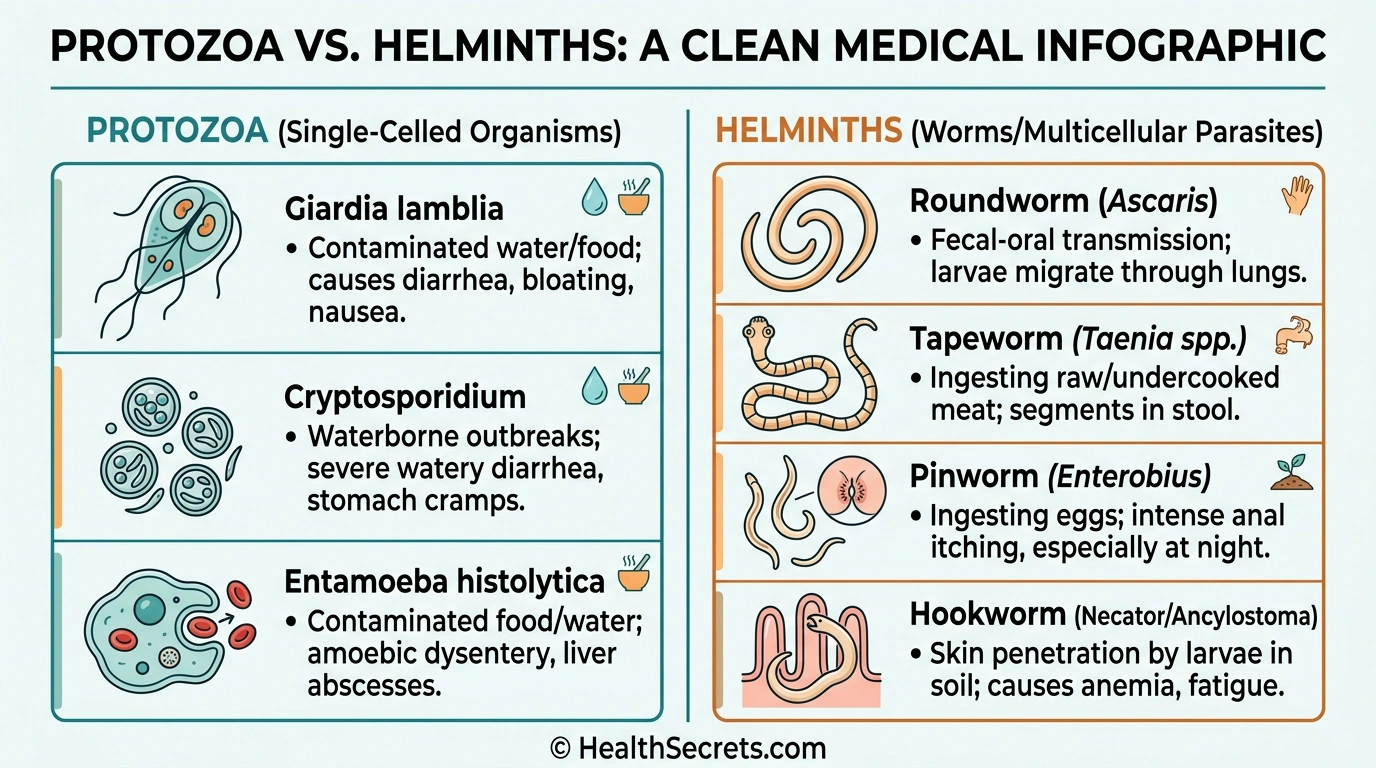
Intestinal parasites fall into two main categories:
Protozoa (single-celled organisms):
- Giardia lamblia — causes giardiasis (diarrhea, bloating, malabsorption from contaminated water)
- Cryptosporidium — causes cryptosporidiosis (watery diarrhea from contaminated water, swimming pools)
- Entamoeba histolytica — causes amebiasis (diarrhea, dysentery from contaminated food and water) [8] [17]
Helminths (worms):
- Roundworms (Ascaris) — abdominal pain, malnutrition
- Tapeworms (Taenia) — from undercooked beef or pork
- Pinworms (Enterobius) — most common in the US, especially in children
- Hookworms — anemia, protein deficiency from skin penetration
How Long Does a Complete Parasite Cleanse Take?
A complete parasite cleanse takes 30–90 days minimum. Parasite eggs hatch every 2–4 weeks, so multiple cycles are needed to eliminate all life stages. Plan for 2–3 pulsing cycles with rest weeks in between, totaling approximately 6–9 weeks of active treatment.

The Post-Meal Walk Protocol
How long to walk after your largest meal, how soon and how hard, a 14-day log that counts itself, a meter check, and the situations where the protocol changes.
How Do You Get Tested for Parasites?
Testing is the essential first step — never start a parasite cleanse based on symptoms alone. The stool ova and parasites (O&P) test remains the gold standard, but it requires 3 separate samples collected on different days because parasites shed intermittently. A single sample catches only 30–50% of infections.
Stool Ova and Parasites (O&P) Test
- Collect 3 samples on different days for maximum accuracy
- Microscopic examination detects parasite eggs, larvae, adult forms, and protozoan cysts
- Order through your primary care physician or functional medicine provider
Comprehensive Stool Analysis (PCR DNA Testing)
- More sensitive than traditional O&P — detects parasite DNA even when organisms aren't actively shedding
- Identifies protozoa including Giardia, Cryptosporidium, Entamoeba, and Blastocystis
- Available through functional medicine labs (GI-MAP, GI Effects, Doctor's Data)
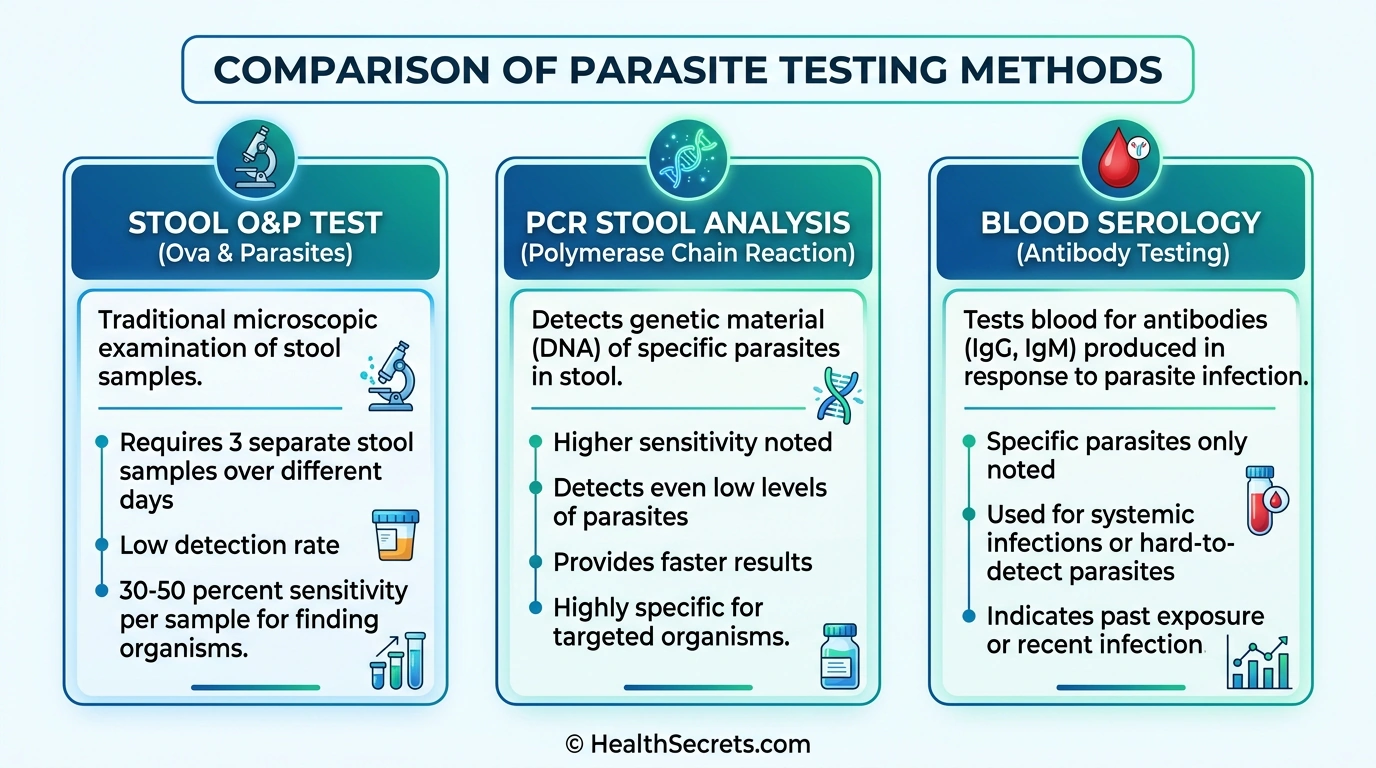
Blood Tests (Serology)
- Detects antibodies for specific parasites like Toxoplasma and Trichinella
- Not useful for routine screening — limited to certain species
Important: False negatives are common with all testing methods. If symptoms strongly suggest parasites despite negative results, consider PCR-based testing or consult a functional medicine doctor trained in parasitology.
How Do You Choose the Right Antiparasitic Herbs?
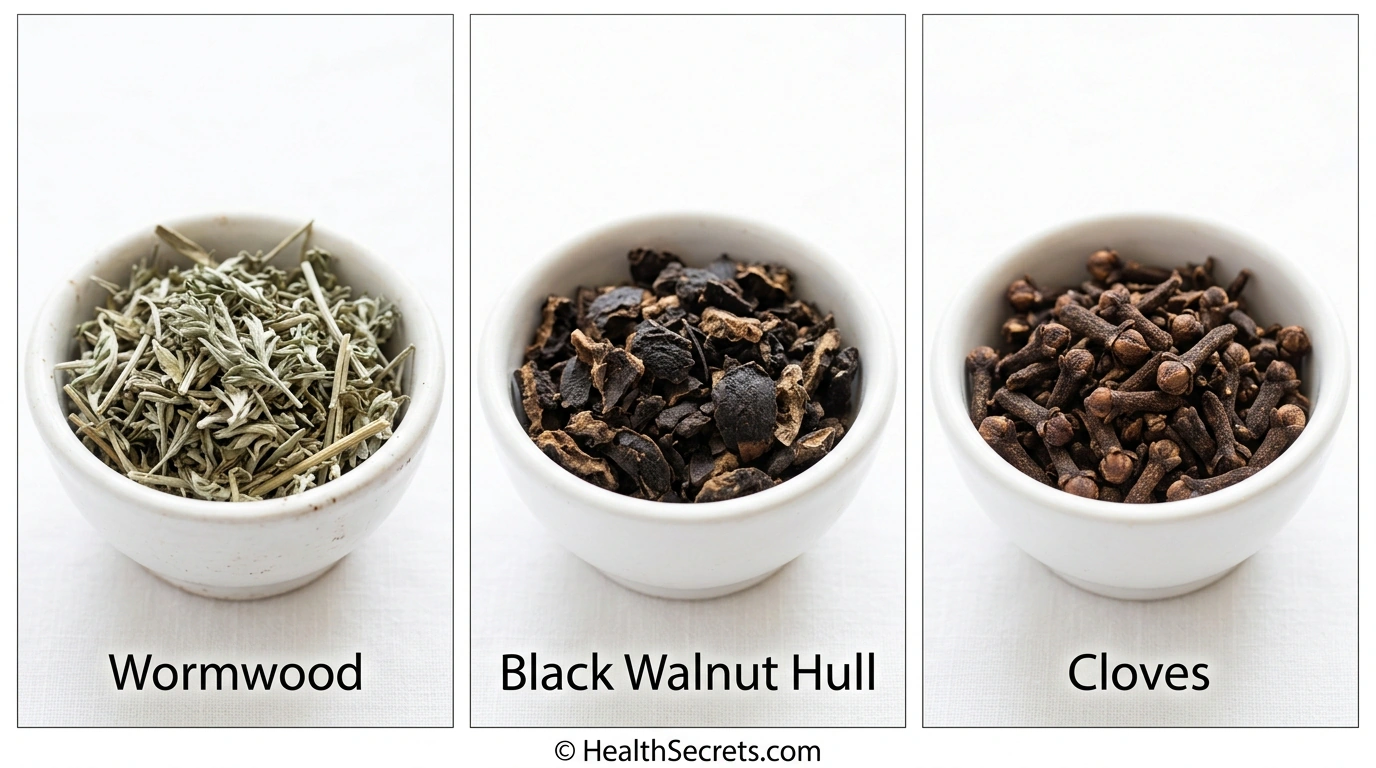
The most effective parasite cleanses combine multiple herbs that target different life stages — adults, eggs, and larvae. Wormwood kills adult parasites, black walnut disrupts their metabolism, and cloves destroy eggs and larvae. Together, they form the classic antiparasitic trio used in traditional herbal medicine for centuries.
What Are the Core Antiparasitic Herbs?
| Herb | Active Compound | Targets | Dose |
|---|---|---|---|
| Wormwood (A. absinthium) | Artemisinin, thujone | Adult parasites (Giardia, roundworms, tapeworms) | 200–300mg 3x daily |
| Black walnut hull (J. nigra) | Juglone, tannins | Adult parasites (antiparasitic, antifungal) | 500–1,000mg 3x daily |
| Cloves (S. aromaticum) | Eugenol | Parasite eggs and larvae | 500mg 3x daily |
- Oregano oil (Origanum vulgare) — carvacrol and thymol provide broad-spectrum antiparasitic and antibacterial activity. Take 150–200mg enteric-coated capsules 3x daily.
- Berberine (Berberis vulgaris) — effective against Giardia and Entamoeba in clinical studies, comparable to metronidazole in some research. Take 500mg 3x daily. Avoid during pregnancy; caution with diabetes medications.
- Garlic (Allium sativum) — allicin provides antiparasitic and antibacterial properties [6]. Consume 2–4 raw cloves daily or 600–900mg aged garlic extract.
- Pumpkin seeds (Cucurbita pepo) — cucurbitacin paralyzes worms, aiding elimination. Consume 1–2 tablespoons ground seeds daily.
- Papaya seeds (Carica papaya) — carpaine offers traditional antiparasitic support. Consume 1 teaspoon ground seeds daily mixed with honey.
How Do You Follow a Parasite Cleanse Protocol?
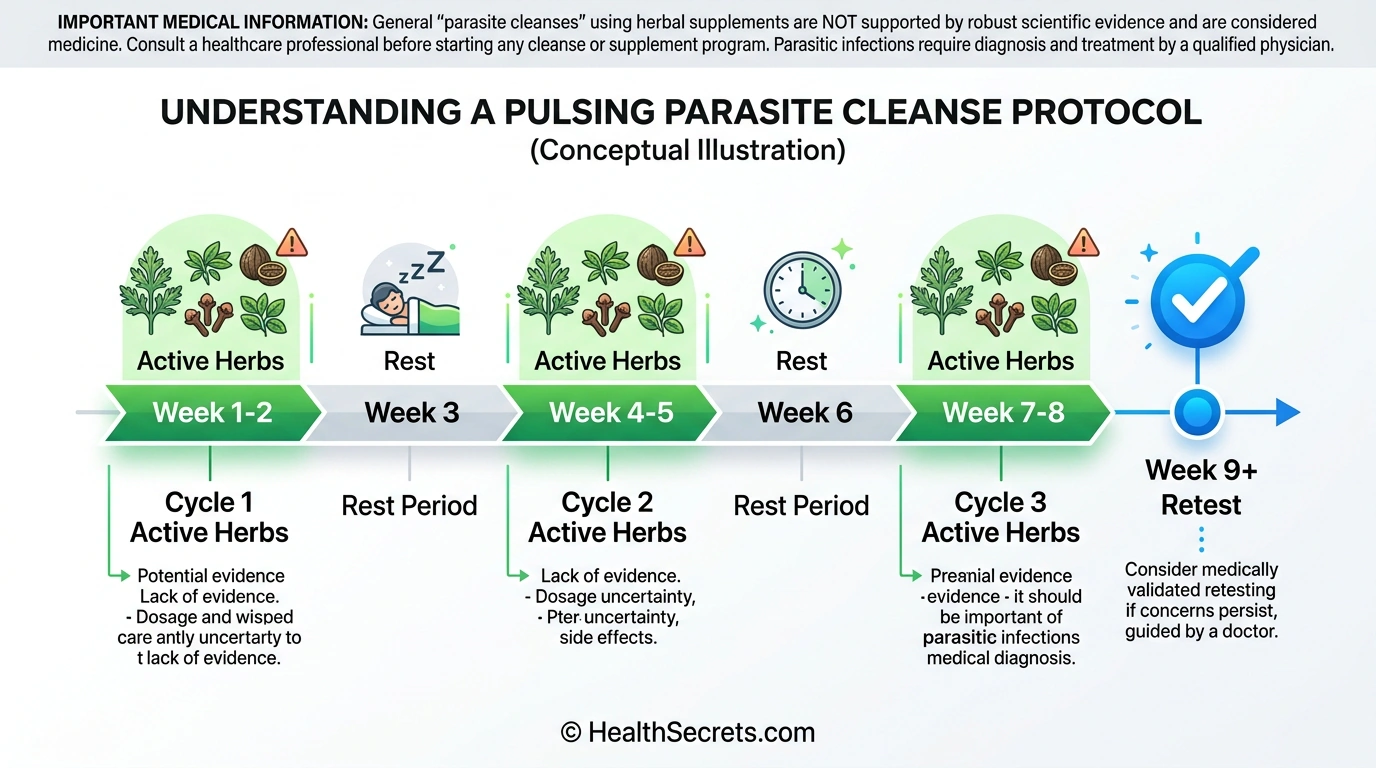
The most effective approach combines the classic antiparasitic trio with a pulsing schedule — 2 weeks on herbs followed by 1 week off — repeated for 2–3 complete cycles. This pulsing method prevents parasite resistance, reduces side effects, and catches newly hatched eggs during each subsequent cycle.
Basic Protocol (Classic Trio)
Take all three herbs together, 3 times daily with meals:
- Wormwood: 200–300mg extract
- Black walnut hull: 500–1,000mg extract
- Cloves: 500mg
Comprehensive Protocol (Broader Spectrum)
Add to the classic trio for more stubborn or diverse infections:
- Oregano oil: 150–200mg enteric-coated, 3x daily
- Berberine: 500mg, 3x daily
- Garlic: 600–900mg aged garlic extract daily
What Does the Pulsing Schedule Look Like?
- Weeks 1–2: Take antiparasitic herbs daily (3x daily with meals)
- Week 3: Rest week — no antiparasitic herbs (continue supporting supplements)
- Weeks 4–5: Second cycle of herbs
- Week 6: Rest week
- Weeks 7–8: Third cycle (if needed based on symptoms)
- Week 9+: Retest with stool O&P or comprehensive stool analysis
Timing Tips
- Take with meals to reduce GI upset
- Space 2–3 hours away from probiotics — antiparasitic herbs are antimicrobial and can kill beneficial bacteria
- Start at 50% dose for the first 3–5 days to assess tolerance and minimize initial die-off
How Do You Support Your Body During a Parasite Cleanse?
Supporting your body during a parasite cleanse is just as important as the antiparasitic herbs themselves. Digestive enzymes break down protective biofilms, fiber helps sweep parasites from the intestines, and liver support helps your body process the toxins released as parasites die.
What Are the Essential Supporting Strategies?
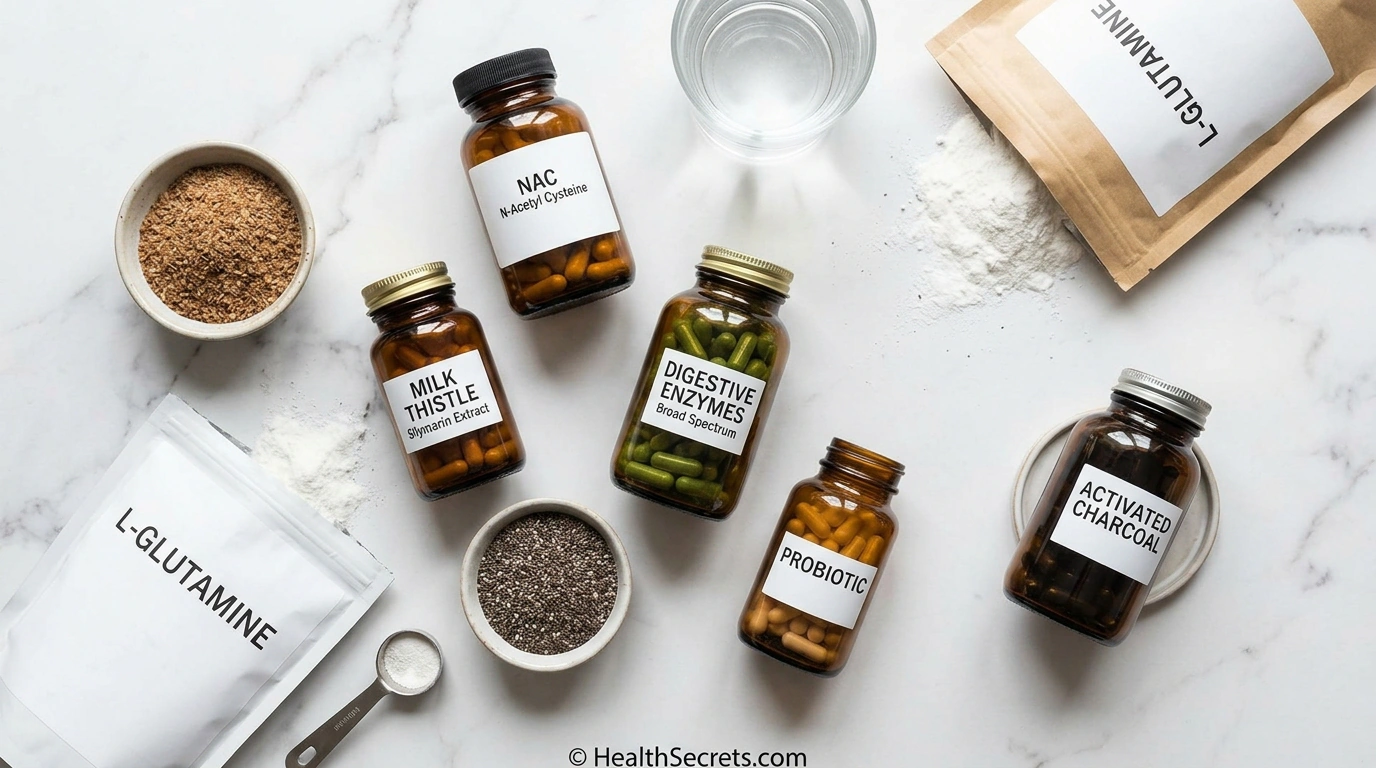
- Digestive enzymes — Proteolytic enzymes break down parasite biofilms that shield organisms from herbs and the immune system. Take 2–3 capsules between meals on an empty stomach.
- Fiber (25–35g daily) — Psyllium husk, ground flaxseed, and chia seeds bind parasites and support elimination. Increase gradually to avoid bloating.
- Hydration (8–10 cups daily) — Water supports elimination and prevents constipation. Critical during die-off phases.
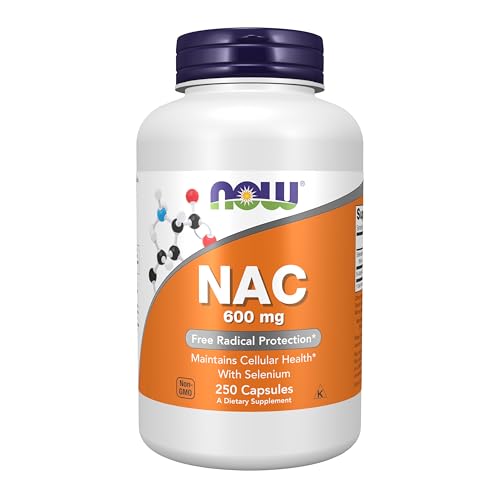
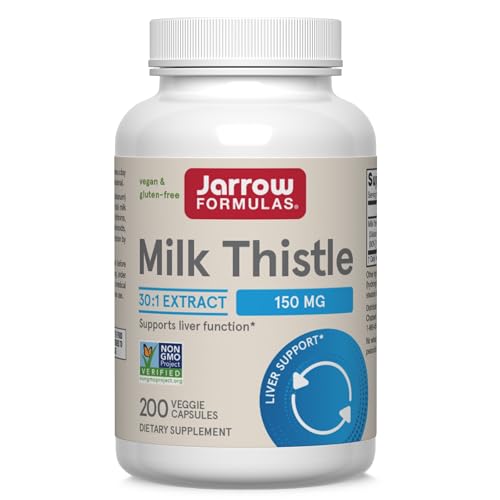
- Liver support — NAC (600–1,200mg daily) replenishes glutathione for detoxification. Milk thistle (150mg silymarin 2–3x daily) protects liver cells during toxin processing.
- Probiotics (during and post-cleanse) — 50–100 billion CFU multi-strain daily to restore the microbiome. Take 2–3 hours away from antiparasitic herbs.
What Dietary Changes Should You Make?
- Avoid sugar, refined carbohydrates, and processed foods — parasites feed on sugar
- Focus on whole foods, vegetables, lean proteins, healthy fats, and whole grains
- Include anti-parasitic foods: raw garlic, pumpkin seeds, papaya seeds, coconut oil
How Do You Manage Die-Off Symptoms During a Parasite Cleanse?
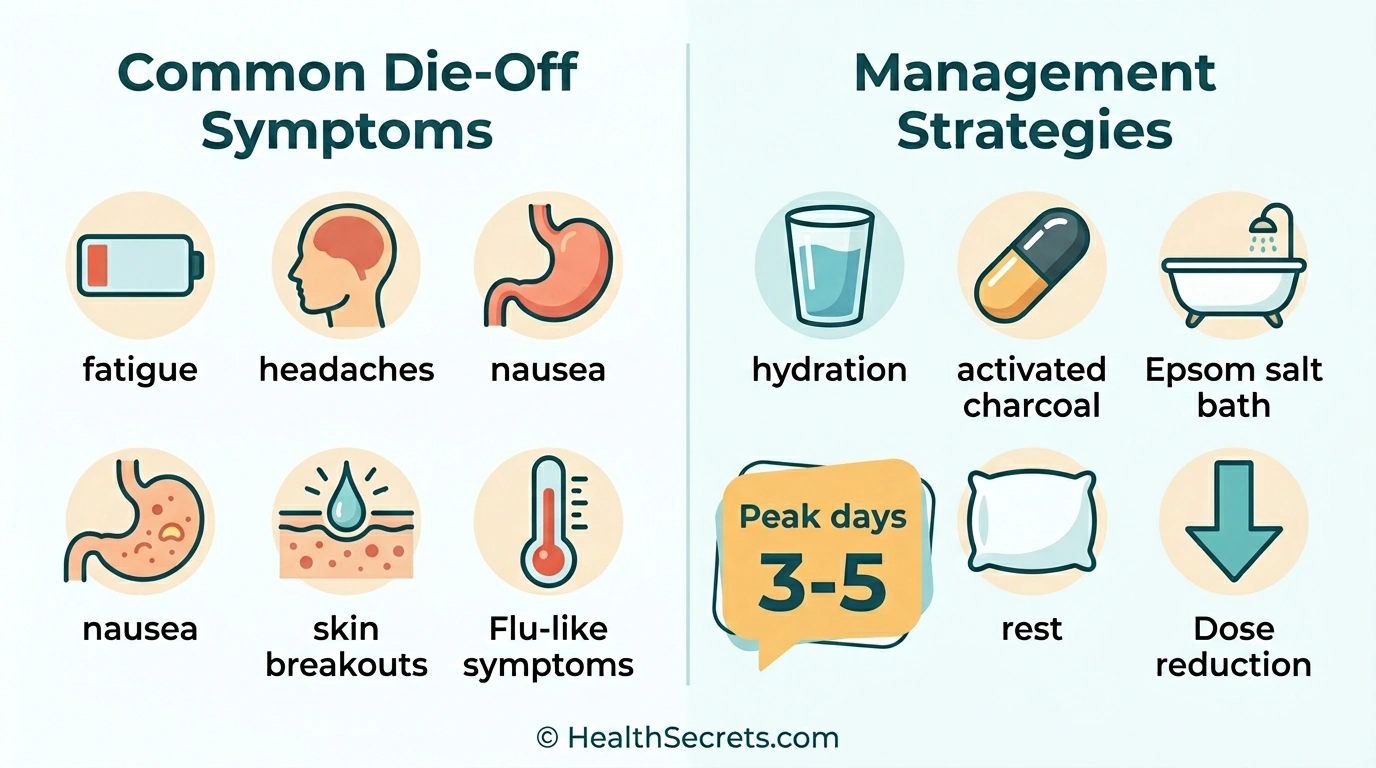
Die-off symptoms, also called a Herxheimer reaction, occur when parasites die faster than your body can process their released toxins. Symptoms typically peak on days 3–5 of treatment and resolve within 3–7 days. While uncomfortable, they are generally a sign that the protocol is working — not a reason to stop entirely.
What Are the Common Die-Off Symptoms?
- Fatigue and brain fog
- Headaches from inflammatory toxin release
- Nausea, diarrhea, or increased bloating
- Skin breakouts — acne, rashes, hives
- Flu-like symptoms — body aches, chills, low-grade fever
How Do You Reduce Die-Off Severity?
- Increase hydration to 10–12 cups water daily to flush toxins
- Add electrolytes — coconut water or electrolyte drinks to replenish sodium and potassium
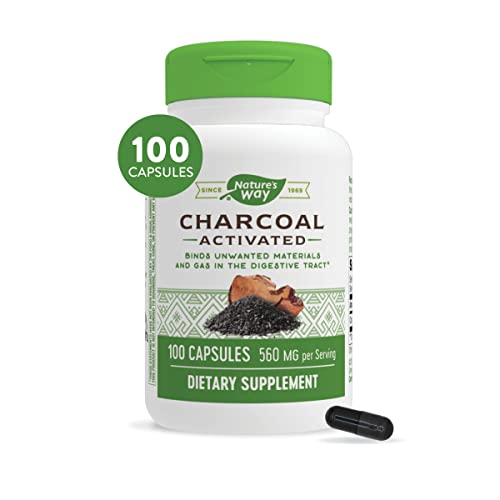
- **Take **activated charcoal — 1–2g between meals (2–3 hours away from herbs and medications) to bind toxins in the gut
- Try Epsom salt baths — 2 cups in warm water, soak 20–30 minutes for magnesium absorption and toxin elimination through skin
- Reduce herb dose by 50% if symptoms are severe — slower die-off means less intense reactions
- Prioritize sleep — aim for 8–9 hours to support cellular repair and detoxification
- Rest and reduce stress — your body needs energy for toxin processing
How Do You Know When Your Parasite Cleanse Is Working?
Track your symptoms throughout the cleanse using a daily journal. Initial die-off symptoms followed by gradual improvement is the expected pattern. After completing 2–3 full pulsing cycles (approximately 6–9 weeks of active treatment), retest with a comprehensive stool analysis to confirm parasite clearance.
What Are the Signs the Protocol Is Working?
- Die-off symptoms in the first week that gradually resolve
- Improved digestion and reduced bloating after 2–3 weeks
- Better energy levels and mental clarity by weeks 4–6
- Visible parasites in stool (in some cases with helminth infections)
- Improved nutrient absorption markers on follow-up labs
When Should You Retest?
- After completing the full protocol (6–9 weeks of active treatment)
- Use comprehensive stool analysis (PCR) for the most sensitive results
- If symptoms persist after a full protocol, consult a functional medicine doctor or integrative gastroenterologist for alternative approaches
How Do You Prevent Parasite Reinfection After a Cleanse?
Prevention is the most effective long-term strategy against parasitic infections. Clean water, proper food handling, and good hygiene habits prevent the vast majority of infections. Without addressing these root causes, reinfection is likely regardless of how thorough your cleanse protocol was.
What Are the Key Prevention Strategies?
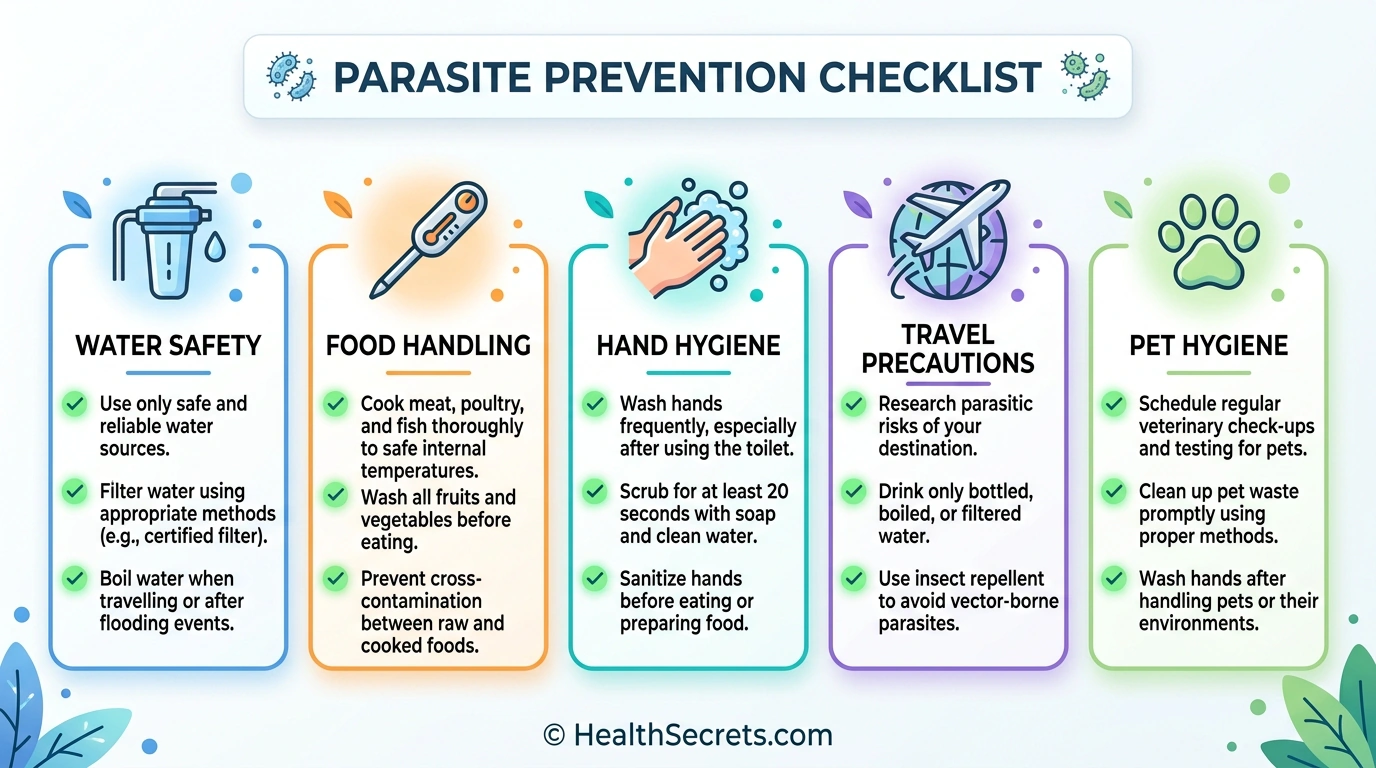
- Water safety — filter or boil water when traveling, avoid tap water in endemic areas, use a high-quality water filter at home
- Food handling — cook meat to safe temperatures (145°F beef, 160°F pork, 165°F poultry), wash all produce thoroughly
- Hand hygiene — wash hands after using the bathroom, before eating, after handling pets, and after gardening
- Travel precautions — drink bottled water, avoid ice, peel fruits, eat only well-cooked foods in developing countries
- Pet hygiene — deworm pets regularly, wash hands after contact, keep pet areas clean
What Are the Most Common Mistakes to Avoid During a Parasite Cleanse?
The biggest mistake is starting a cleanse without proper testing — many conditions mimic parasitic infections, and treating the wrong problem wastes time and money while potentially causing harm. The second most common error is quitting too early when die-off symptoms appear, mistaking them for adverse reactions rather than signs of progress.
What Should You Never Do During a Parasite Cleanse?
- Skipping testing — Never assume you have parasites based on symptoms alone. Get a stool O&P with 3 samples or PCR testing first.
- Stopping too early — Parasite life cycles require 30–90 days of treatment. Stopping at 2 weeks leaves eggs and larvae to reestablish the infection.
- Not using a combination approach — Single herbs are less effective [11]. Use the trio (wormwood + black walnut + cloves) to target all life stages.
- Taking herbs with probiotics — Space them 2–3 hours apart. Antiparasitic herbs can kill beneficial bacteria.
- Ignoring liver support — Without NAC and milk thistle, die-off toxins overwhelm the liver and worsen symptoms.
- Not adjusting diet — Continuing to eat sugar and processed foods feeds parasites and undermines the protocol.
- Diagnosing through unverified practitioners — Avoid practitioners who diagnose parasites without testing or sell expensive protocols without medical justification.
Is a Natural Parasite Cleanse Safe? When Should You Stop?
Herbal antiparasitic protocols are generally safe for healthy adults when used correctly and for appropriate durations. However, several groups should avoid these protocols entirely and seek medical treatment instead: pregnant women, breastfeeding mothers, children under 12, individuals with seizure disorders, and anyone who is immunocompromised.
Who Should NOT Do a Herbal Parasite Cleanse?
- Pregnant women — wormwood, black walnut, oregano oil, and berberine are uterine stimulants
- Breastfeeding mothers — insufficient safety data for antiparasitic herbs
- Children under 12 — consult a pediatrician; children under 2 should never use herbal protocols
- Seizure disorders — wormwood contains thujone, which lowers seizure threshold
- Liver disease — herbs are metabolized by the liver and may worsen function
- Immunocompromised individuals — HIV, chemotherapy, organ transplant patients need prescription antiparasitics
What Drug Interactions Should You Be Aware Of?
- Blood thinners (warfarin) — garlic has blood-thinning effects; monitor INR
- Diabetes medications — berberine lowers blood sugar; monitor glucose closely
- Immunosuppressants — herbs may stimulate the immune system, reducing drug effectiveness
When Should You Stop and See a Doctor?
- Persistent diarrhea lasting more than 2 weeks
- Blood in stool or severe abdominal pain
- Fever above 101°F
- Symptoms worsening after 2 weeks (beyond initial die-off period)
- Any symptoms of allergic reaction
Action Plan
What Should You Do First to Start a Parasite Cleanse Safely?
Follow the sequence below, work through each phase in order, and use the checklist as your practical implementation guide.
Start by getting proper diagnostic testing through your healthcare provider — a stool ova and parasites test with 3 samples is the minimum. Once parasites are confirmed, begin with the basic trio at 50% dose, add supporting supplements, and gradually increase over the first week before entering a full pulsing protocol.
Phase 1: Test and Prepare (Week 0)
- Schedule stool O&P test (3 samples on different days) or comprehensive stool analysis (PCR)
- Consult healthcare provider about results and treatment plan
- Eliminate sugar, refined carbs, and processed foods from diet
- Stock up on antiparasitic herbs, supporting supplements, and activated charcoal
Phase 2: Begin Protocol (Weeks 1–2)
- Start classic trio at 50% dose for 3–5 days to assess tolerance
- Increase to full dose: wormwood 200–300mg + black walnut 500–1,000mg + cloves 500mg, 3x daily
- Take with meals, 2–3 hours away from probiotics
- Begin liver support: NAC 600mg + milk thistle 150mg daily
- Increase fiber to 25–35g daily and water to 8–10 cups
Phase 3: Manage and Continue (Weeks 3–9)
- Follow pulsing schedule: 2 weeks on, 1 week off, repeat 2–3 cycles
- Manage die-off symptoms with hydration, activated charcoal, Epsom salt baths
- Track symptoms in daily journal
- Reduce dose if die-off is severe
Phase 4: Retest and Maintain (Week 10+)
- Complete comprehensive stool analysis to confirm clearance
- Begin probiotic protocol (50–100 billion CFU daily) to restore microbiome
- Implement prevention strategies to avoid reinfection
- Continue dietary improvements long-term