
সাপ্লিমেন্ট
ডোজ, বায়োঅ্যাভেলেবিলিটি, বিভিন্ন রূপ, পারস্পরিক ক্রিয়া এবং থার্ড-পার্টি টেস্টিং সহ প্রমাণ-ভিত্তিক সাপ্লিমেন্ট রিভিউ। আমরা মার্কেটিংয়ের দাবি নয়, বরং গবেষণায় যা প্রকৃতপক্ষে দেখা যায় তা বিশ্লেষণ করি।
এখান থেকেই শুরু করুন
Start with the flagship guide for foundational research.
সাবটপিক ম্যাপ
সাবটপিক অনুযায়ী দেখুন
আর্কাইভটি এমনভাবে সাজানো হয়েছে যাতে পাঠকরা মূল বিষয় থেকে তাদের প্রয়োজনীয় নির্দিষ্ট অংশে সহজে পৌঁছাতে পারেন।
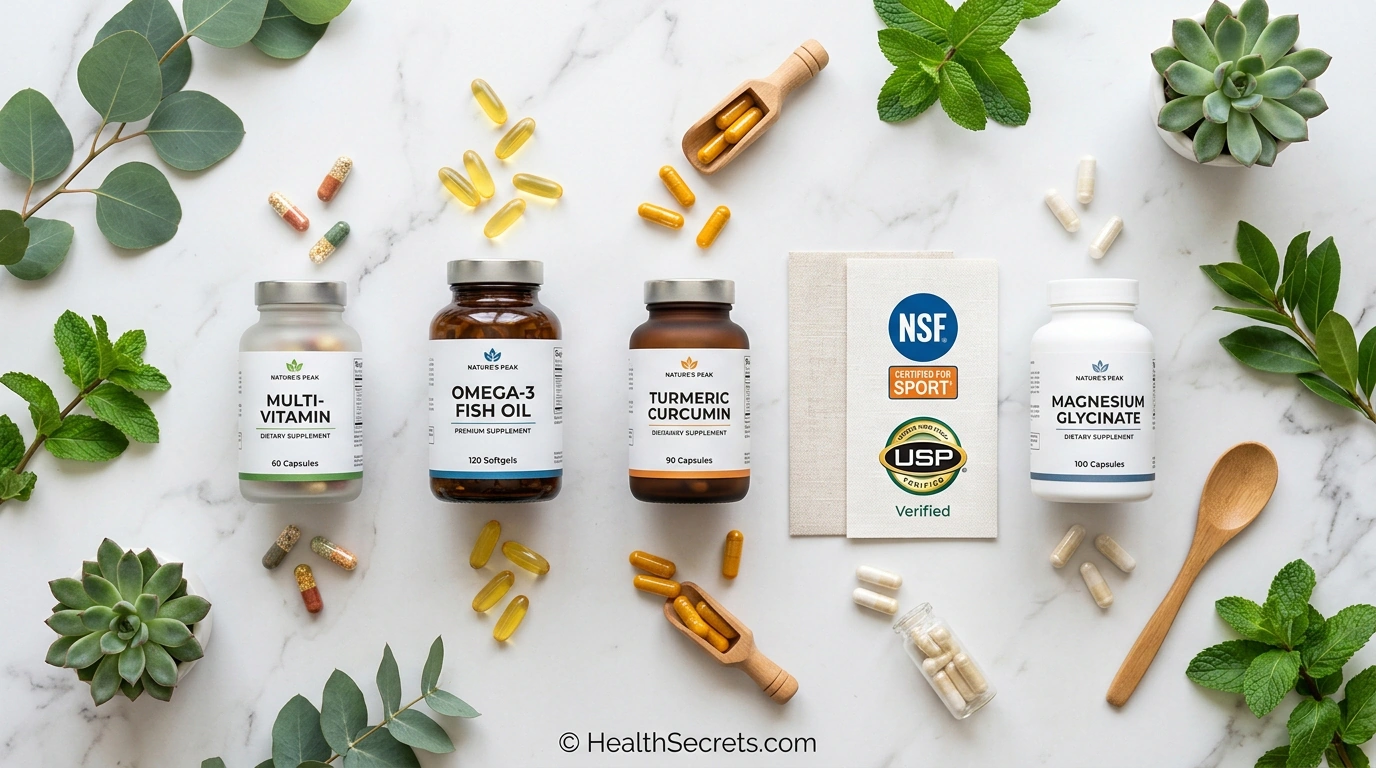
Supplements Guide: Complete Evidence-Based Reference
With thousands of dietary supplements on the market, choosing the right ones can feel overwhelming. This evidence-based supplements guide breaks down the science behind vitamins, minerals, and popular supplements — helping you make informed decisions about what actually works, what to avoid, and how to build a safe, effective supplement routine.
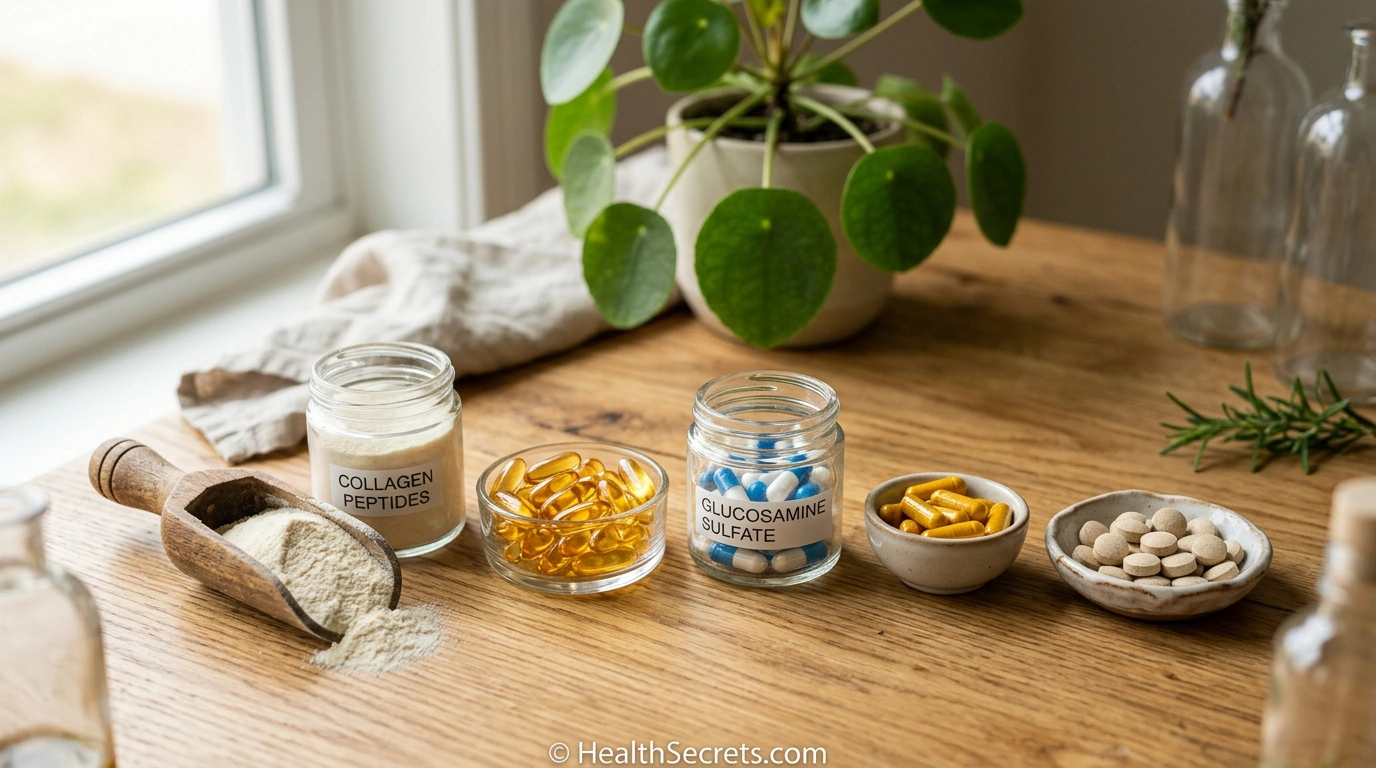
গাঁটের স্বাস্থ্য রক্ষায় সাপ্লিমেন্ট: একটি পূর্ণাঙ্গ নির্দেশিকা
যন্ত্রণাযিত জোড়ের ব্যথায় মার্কিন যুক্তরাষ্ট্রের ৯০ মিলিয়নেরও বেশি মানুষ আক্রান্ত, এবং সঠিক সাপ্লিমেন্ট প্রদাহ কমাতে, ক্যালটেজকে সুরক্ষিত রাখতে এবং গতিশীলতা উন্নত করতে সাহায্য করতে পারে। এই সম্পূর্ণ গাইডটি সেরা জয়েন্ট স্বাস্থ্য সাপ্লিমেন্টগুলি পর্যালোচনা করে — গ্লুকোসামাইন, হলুদ, কলাজেন এবং বোসভেলিয়া সহ, প্রমাণ-ভিত্তিক ডোজিং, নিরাপত্তা নির্দেশিকা এবং পরীক্ষিত পণ্যের সুপারিশ সহ।

Supplements for Women's Health: Complete Guide
Women's nutritional needs shift dramatically across life stages — from reproductive years through pregnancy and into menopause. This evidence-based guide reviews the best supplements for women's health in 2025, covering multivitamins, prenatal formulas, bone support, and hormone-balancing nutrients backed by clinical research.
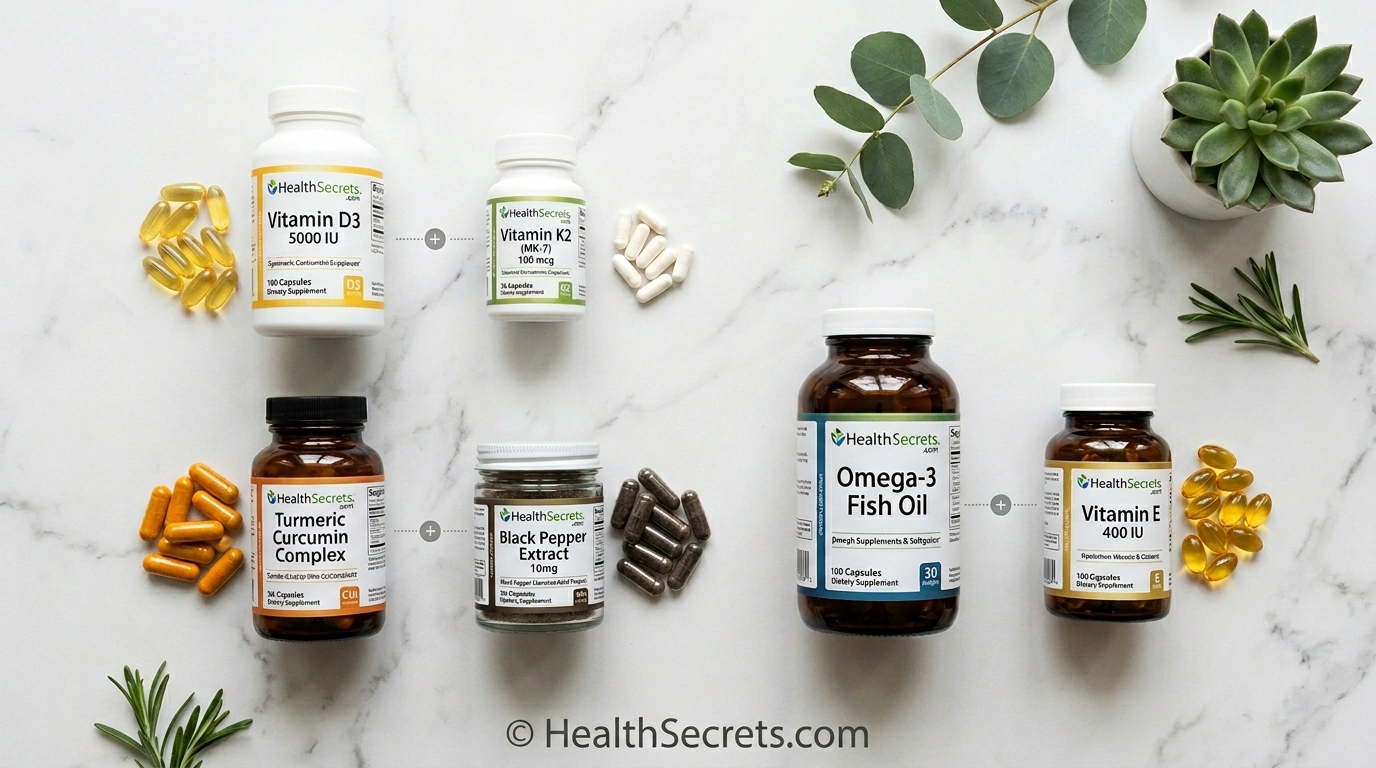
Supplement Stacking: How to Combine for Maximum Benefit
Supplement stacking—combining specific nutrients for synergistic effects—can dramatically improve absorption, effectiveness, and health outcomes when done correctly. This evidence-based guide covers the science behind proven supplement combinations like vitamin D + K2, magnesium + B6, and curcumin + piperine, plus protocols for specific goals and safety considerations.
How to Evaluate Supplements Like a Scientist
The global supplement industry exceeds $150 billion annually, yet the quality and efficacy of products vary enormously. Unlike pharmaceuticals, dietary supplements in most countries are not reviewed for safety or effectiveness before they reach store shelves — regulators typically act only after problems are reported. That places the burden of evaluation on the consumer, which is exactly where evidence-based analysis becomes essential.
The first question to ask of any supplement is whether you actually need it. Nutrients are best obtained from whole foods, where they arrive alongside fiber, cofactors, and phytonutrients that enhance absorption. Supplementation makes the most sense when there is a documented deficiency or elevated need — vitamin D in low-sunlight climates, vitamin B12 for those following plant-based diets, omega-3s for people who rarely eat fatty fish, or iron and folate during pregnancy.
When a supplement is warranted, three factors determine its real-world value: form, dose, and bioavailability. The chemical form changes how well a nutrient is absorbed — magnesium glycinate is gentler and better absorbed than magnesium oxide, and methylated B vitamins suit people with certain genetic variants. Dose matters because both too little and too much can be ineffective or harmful; fat-soluble vitamins A, D, E, and K can accumulate to toxic levels, while water-soluble vitamins are generally excreted.
Quality and purity are the final filters. Look for products verified by independent third parties such as USP, NSF International, or ConsumerLab, which test for label accuracy and contaminants. Be wary of proprietary blends that hide individual ingredient amounts, and remember that many supplements interact with medications — fish oil with blood thinners, St. John's Wort with antidepressants and birth control. The reviews below cut through marketing claims to show what the peer-reviewed research actually supports.
এই ওভারভিউটি শুধুমাত্র শিক্ষামূলক উদ্দেশ্যে এবং এটি ব্যক্তিগত চিকিৎসা পরামর্শের বিকল্প নয়। আপনার খাদ্যতালিকা, সাপ্লিমেন্ট বা চিকিৎসার রুটিনে কোনো পরিবর্তন আনার আগে সর্বদা একজন যোগ্য স্বাস্থ্যসেবা বিশেষজ্ঞের পরামর্শ নিন।