
سپلیمنٹس
شواہد پر مبنی سپلیمنٹس کا جائزہ، جس میں خوراک (dosing)، حیاتیاتی دستیابی (bioavailability)، اقسام، اثرات اور تھرڈ پارٹی ٹیسٹنگ شامل ہے۔ ہم مارکیٹنگ کے دعووں کے بجائے اصل تحقیق کا تجزیہ کرتے ہیں۔
یہاں شروع کریں
Start with the flagship guide for foundational research.
ذیلی عنوان کا نقشہ
ذیلی عنوان کے لحاظ سے دیکھیں
آرکائیو کو اس طرح ترتیب دیا گیا ہے کہ قارئین بنیادی ستونوں سے براہ راست اپنے مطلوبہ حصے تک پہنچ سکیں۔
سپلیمنٹس گائیڈ: مکمل شواہد پر مبنی حوالہ
مارکیٹ میں ہزاروں غذائی سپلیمنٹس کی موجودگی میں، صحیح انتخاب کرنا مشکل محسوس ہو سکتا ہے۔ یہ شواہد پر مبنی سپلیمنٹس گائیڈ وٹامنز، معدنیات اور مقبول سپلیمنٹس کے پیچھے چھپی سائنس کی وضاحت کرتی ہے — جو آپ کو یہ فیصلہ کرنے میں مدد دیتی ہے کہ حقیقت میں کیا کام کرتا ہے، کن سے بچنا چاہیے، اور ایک محفوظ اور موثر سپلیمنٹ روٹین کیسے بنائی جائے۔

جوڑوں کی صحت کے لیے سپلیمنٹس: مکمل گائیڈ
جوڑوں کا درد 90 ملین سے زیادہ امریکیوں کو متاثر کرتا ہے، اور صحیح سپلیمنٹس سوزش کو کم کر سکتے ہیں، کارٹلیج کی حفاظت کر سکتے ہیں، اور حرکت کرنے کی صلاحیت کو بہتر بنا سکتے ہیں۔ یہ مکمل گائیڈ جوڑوں کی صحت کے بہترین سپلیمنٹس کا جائزہ لیتی ہے — بشمول گلوکوزامین، ہلدی، کولیجن، اور بوسویلیہ — شواہد پر مبنی خوراک، حفاظت کے رہنما اصول، اور آزمودہ مصنوعات کی سفارشات کے ساتھ۔

خواتین کی صحت کے لیے سپلیمنٹس: مکمل گائیڈ
خواتین کی غذائی ضروریات زندگی کے مختلف مراحل میں تیزی سے بدلتی ہیں — تولیدی سالوں سے لے کر حمل اور مینوپاز (menopause) تک۔ یہ شواہد پر مبنی گائیڈ 2025 میں خواتین کی صحت کے لیے بہترین سپلیمنٹس کا جائزہ لیتی ہے، جس میں ملٹی وٹامنز، پری نٹل فارمولے، ہڈیوں کی مضبوطی، اور کلینیکل ریسرچ سے ثابت شدہ ہارمونز کو متوازن رکھنے والے غذائی اجزاء شامل ہیں۔
سپلیمنٹ اسٹیکنگ: زیادہ سے زیادہ فائدے کے لیے انہیں کیسے ملا کر استعمال کیا جائے
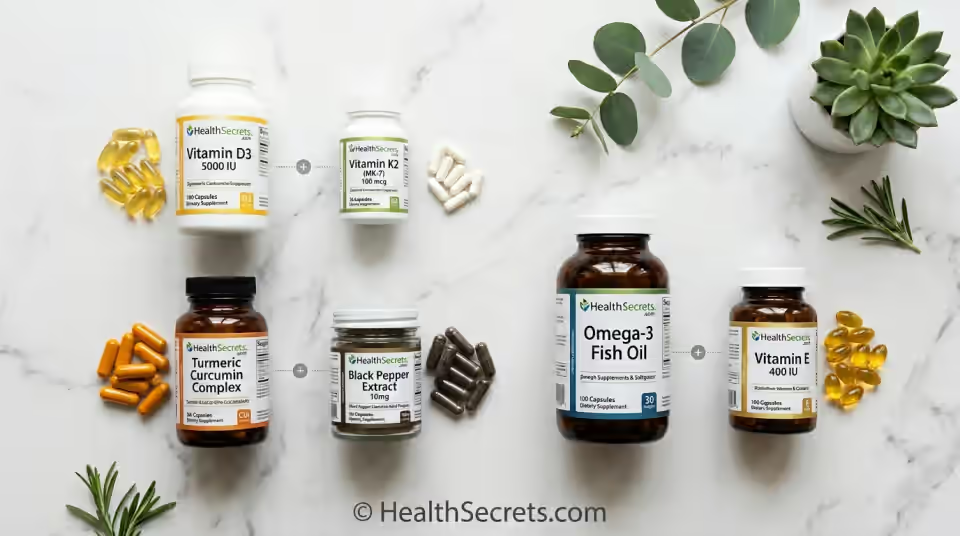
سپلیمنٹ اسٹیکنگ—باہمی اثرات (synergistic effects) کے لیے مخصوص غذائی اجزاء کو ملانا—اگر صحیح طریقے سے کیا جائے تو جذب کرنے کی صلاحیت، تاثیر، اور صحت کے نتائج کو ڈرامائی طور پر بہتر بنا سکتا ہے۔ یہ شواہد پر مبنی گائیڈ وٹامن D + K2، میگنیشیم + B6، اور کرکومن + پائپیرین جیسے ثابت شدہ سپلیمنٹ مجموعوں کے پیچھے کے سائنس، نیز مخصوص اہداف کے لیے پروٹوکولز اور حفاظتی تحفظات کا احاطہ کرتی ہے۔
How to Evaluate Supplements Like a Scientist
The global supplement industry exceeds $150 billion annually, yet the quality and efficacy of products vary enormously. Unlike pharmaceuticals, dietary supplements in most countries are not reviewed for safety or effectiveness before they reach store shelves — regulators typically act only after problems are reported. That places the burden of evaluation on the consumer, which is exactly where evidence-based analysis becomes essential.
The first question to ask of any supplement is whether you actually need it. Nutrients are best obtained from whole foods, where they arrive alongside fiber, cofactors, and phytonutrients that enhance absorption. Supplementation makes the most sense when there is a documented deficiency or elevated need — vitamin D in low-sunlight climates, vitamin B12 for those following plant-based diets, omega-3s for people who rarely eat fatty fish, or iron and folate during pregnancy.
When a supplement is warranted, three factors determine its real-world value: form, dose, and bioavailability. The chemical form changes how well a nutrient is absorbed — magnesium glycinate is gentler and better absorbed than magnesium oxide, and methylated B vitamins suit people with certain genetic variants. Dose matters because both too little and too much can be ineffective or harmful; fat-soluble vitamins A, D, E, and K can accumulate to toxic levels, while water-soluble vitamins are generally excreted.
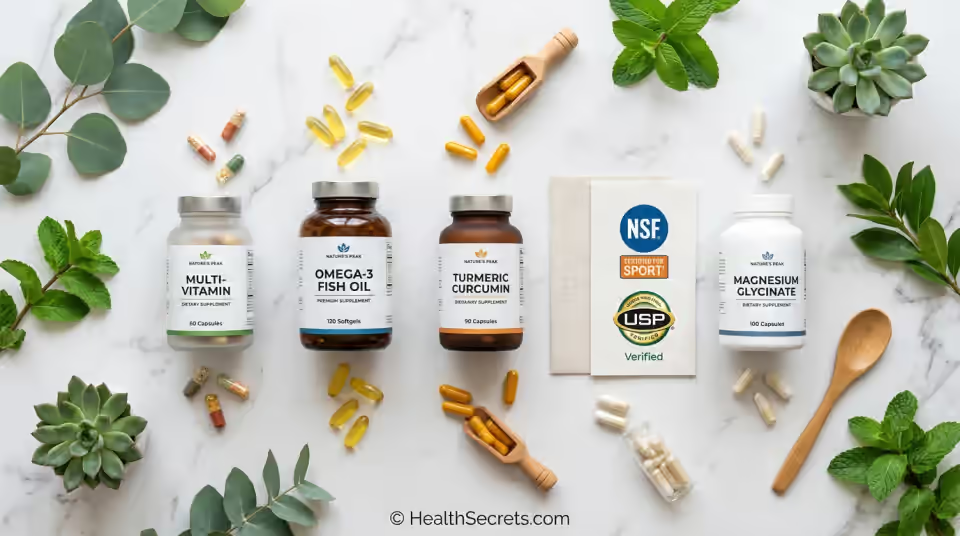
Quality and purity are the final filters. Look for products verified by independent third parties such as USP, NSF International, or ConsumerLab, which test for label accuracy and contaminants. Be wary of proprietary blends that hide individual ingredient amounts, and remember that many supplements interact with medications — fish oil with blood thinners, St. John's Wort with antidepressants and birth control. The reviews below cut through marketing claims to show what the peer-reviewed research actually supports.
یہ جائزہ صرف تعلیمی مقاصد کے لیے ہے اور اسے ذاتی طبی مشورے کا متبادل نہ سمجھا جائے۔ اپنی غذا، سپلیمنٹ، یا علاج کے معمولات میں تبدیلی لانے سے پہلے ہمیشہ کسی مستند طبی ماہر سے مشورہ کریں۔
سپلیمنٹس FAQ
سپلیمنٹس Frequently Asked Questions
Clinical, evidence-based answers to key questions about سپلیمنٹس.
Look for supplements backed by peer-reviewed human randomized controlled trials (RCTs), standardized active ingredient concentrations, third-party purity certifications (USP, NSF, Informed-Sport), and transparent formula labels that avoid proprietary blends.
Total compound weight refers to the entire bound molecule (for example, 1,000 mg of Magnesium Glycinate), whereas elemental dosage measures strictly the active nutrient (yielding roughly 140 mg of pure elemental magnesium). Always verify and calculate dosage based on elemental content.
Fat-soluble vitamins (A, D3, E, K2) must be taken alongside a meal containing healthy dietary fats for optimal micellar absorption. Water-soluble vitamins (B-complex vitamins and Vitamin C) are best absorbed when taken in the morning with water, either on an empty stomach or with a light meal.
Yes. For example, St. John’s Wort strongly induces hepatic CYP3A4 enzymes, blunting the efficacy of oral contraceptives and antidepressants. High-dose Vitamin K counteracts blood thinners like Warfarin. Always review your supplement protocol with a prescribing physician or licensed pharmacist.
Patented, clinically studied extracts (such as KSM-66 Ashwagandha, Curcumin C3 Complex, or Kaneka Ubiquinol) provide standardized bioactive potency and verified batch consistency that generic commodity powders often fail to deliver.