
Sistem Imunitar
Cum să susții sistemul imunitar prin nutriție, somn, exerciții fizice și suplimentare țintită. Cercetări în imunologie traduse în sfaturi practice.
Începe Aici
Start with the flagship guide for foundational research.
HARTĂ SUBIECTE
Răsfoiește după subsubiect
Arhiva este organizată astfel încât cititorii să poate accesa direct subiectul dorit.
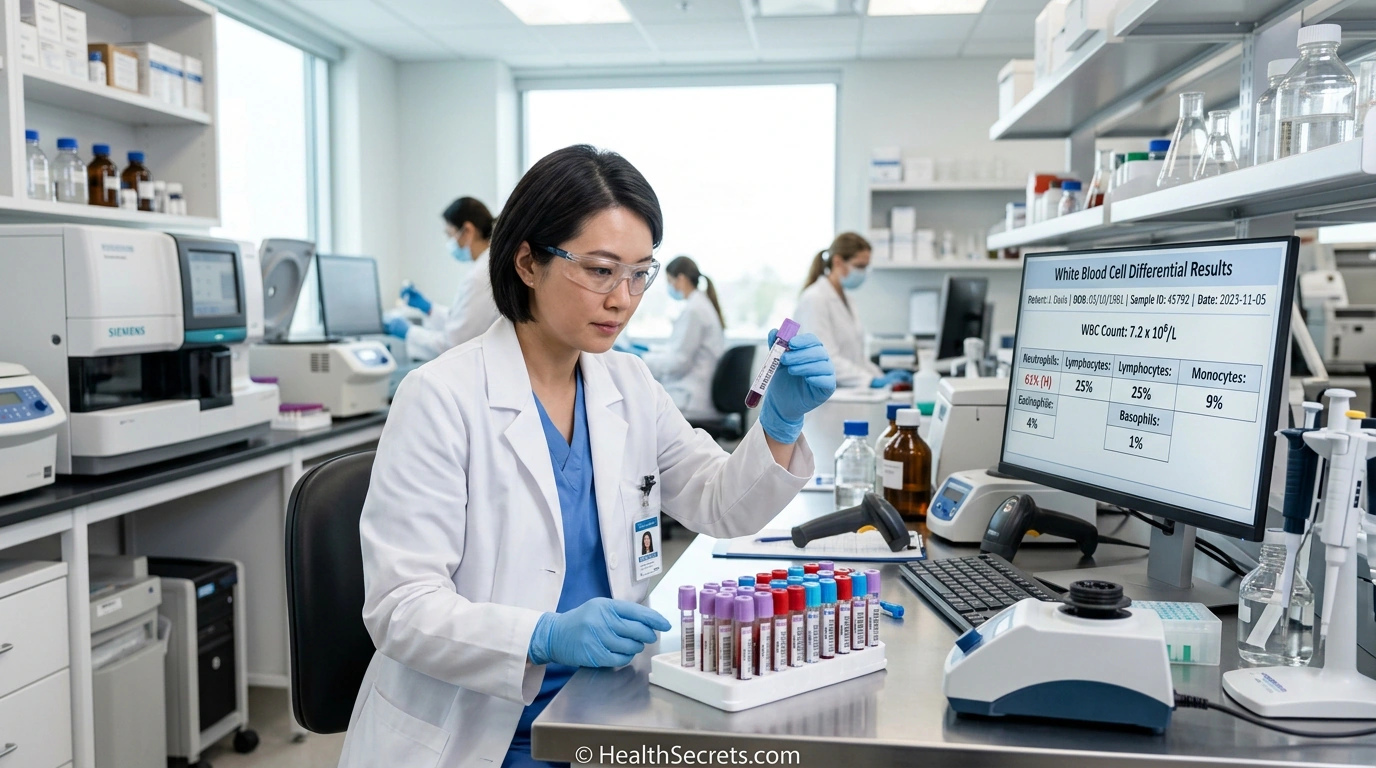
Cum să îți testezi sistemul imunitar: Markeri și metode
Sistemul tău imunitar nu vine cu un tablou de bord, dar anumite analize de sânge pot revela cât de bine funcționează acesta. Acest ghid detaliază markerii imunitari cheie, semnificația lor și când ar trebui să iei în considerare efectuarea testelor.

Îmbătrânirea sistemului imunitar: Cum să menții imunitatea pe măsură ce îmbătrânești
Îmbătrânirea sistemului imunitar, cunoscută sub numele de imunosenescență, este o scădere progresivă a funcției imune care se accelerează după vârsta de 60 de ani. Acest ghid bazat pe dovezi explică cum inflamația cronică legată de vârstă (inflammaging) și involuția timusului slăbesc apărarea organismului și prezintă strategii dovedite de nutriție, exerciții fizice, suplimente și stil de viață pentru a menține o imunitate mai puternică pe măsură ce îmbătrânești.
Supporting Your Immune System: What the Research Really Shows
The phrase "boost your immune system" is one of the most common — and most misleading — claims in wellness marketing. The immune system is not a single dial that can be turned up; it is a sophisticated, multi-layered defense network involving physical barriers, innate responses, and adaptive immunity with billions of specialized cells. A "boosted" immune system would actually be undesirable, since overactivation drives autoimmune disease and chronic inflammation. The realistic goal is to support balanced immune function.
Nutrition lays the groundwork. Several micronutrients are genuinely essential for immune cells to function: vitamin C, vitamin D, zinc, and selenium among them. Vitamin D is particularly notable — deficiency, common in low-sunlight regions, has been associated with roughly a 40% higher risk of respiratory infection in some studies, and immune cells carry vitamin D receptors. Zinc supports the development of immune cells and may shorten the duration of common colds when taken early.
Lifestyle factors often matter more than any supplement. Sleep is when the immune system performs much of its work — producing antibodies, forming immune memory, and releasing protective cytokines. People who sleep fewer than six or seven hours are substantially more likely to catch a cold after exposure. Moderate, regular exercise has been shown to reduce the frequency of upper respiratory infections, while chronic stress elevates cortisol and suppresses lymphocyte activity.
The gut also plays a central immune role, since roughly 70% of immune tissue surrounds the digestive tract and the microbiome helps train immune responses. This is why a fiber-rich, diverse diet supports immunity indirectly. Rather than chasing quick fixes, the evidence points to consistent fundamentals: adequate sleep, regular movement, stress management, and a nutrient-dense diet. The guides below detail each of these pillars and clarify which supplements have real support behind them.
Această prezentare generală are scop educațional și nu înlocuiește sfatul medical personalizat. Consultați întotdeauna un profesionist calificat din domeniul sănătății înainte de a face modificări în dieta, suplimentele sau tratamentul dumneavoastră.
Sistem Imunitar FAQ
Sistem Imunitar Frequently Asked Questions
Clinical, evidence-based answers to key questions about sistem imunitar.
Immunologically, the goal is immune regulation rather than over-activation. An overactive immune system drives debilitating autoimmune disorders and cytokine hyperinflammation, whereas an underactive one leaves you susceptible to pathogens. Evidence-based nutrition supports calibrated immune defense.
Essential immune-modulating nutrients include Vitamin D3 (regulates antimicrobial cathelicidin production), Zinc (inhibits intracellular viral replication), Vitamin C (supports phagocyte and neutrophil migration), and Quercetin (which functions as a natural zinc ionophore).
Even a single night of partial sleep deprivation can suppress natural killer (NK) cell cytolytic activity by up to 70% and severely diminishes the production of protective interleukin cytokines, significantly increasing infection vulnerability.
Randomized controlled clinical trials indicate that standardized black elderberry (Sambucus nigra) does not prevent initial transmission, but significantly shortens upper respiratory infection duration by 2 to 4 days by inhibiting viral hemagglutinin spikes.
Innate immunity represents your non-specific first line of defense (epithelial barriers, stomach acid, neutrophils, natural killer cells). Adaptive immunity develops targeted antigen-specific antibodies and cytotoxic T-cells that establish long-term immunological memory.