That searing burn creeping up your chest after dinner — you know the feeling. Maybe you've been popping antacids like candy, or maybe you've just started noticing it more often and you're wondering what's going on. Here's the thing most people don't realize: heartburn isn't just uncomfortable. Left unchecked, chronic acid reflux can damage your esophageal lining and lead to complications that go well beyond a little chest discomfort. [2] [10]
The good news? Natural remedies for heartburn have genuine clinical support behind them. A 2015 randomized controlled trial found that aloe vera syrup significantly reduced heartburn, regurgitation, and nausea — performing comparably to conventional medications. Deglycyrrhizinated licorice (DGL) has shown protective effects on the stomach lining, while lifestyle modifications remain the first-line recommendation from gastroenterologists worldwide [6]. Natural products are increasingly recognized as promising candidates for GERD management due to their bioactive compounds with antioxidant and anti-inflammatory properties [5].
This guide walks you through every evidence-based natural approach — from specific supplements with clinical backing to the lifestyle shifts that gastroenterologists recommend before reaching for prescriptions. You'll get exact dosing, honest assessments of what works (and what's just hype), plus practical steps you can start tonight. [11] [12]
Related reading: Complete Gut Health Guide · Gut Detox Protocol · Inflammation and Pain Relief Guide [14]
What Do You Need to Know Before Treating Heartburn Naturally?
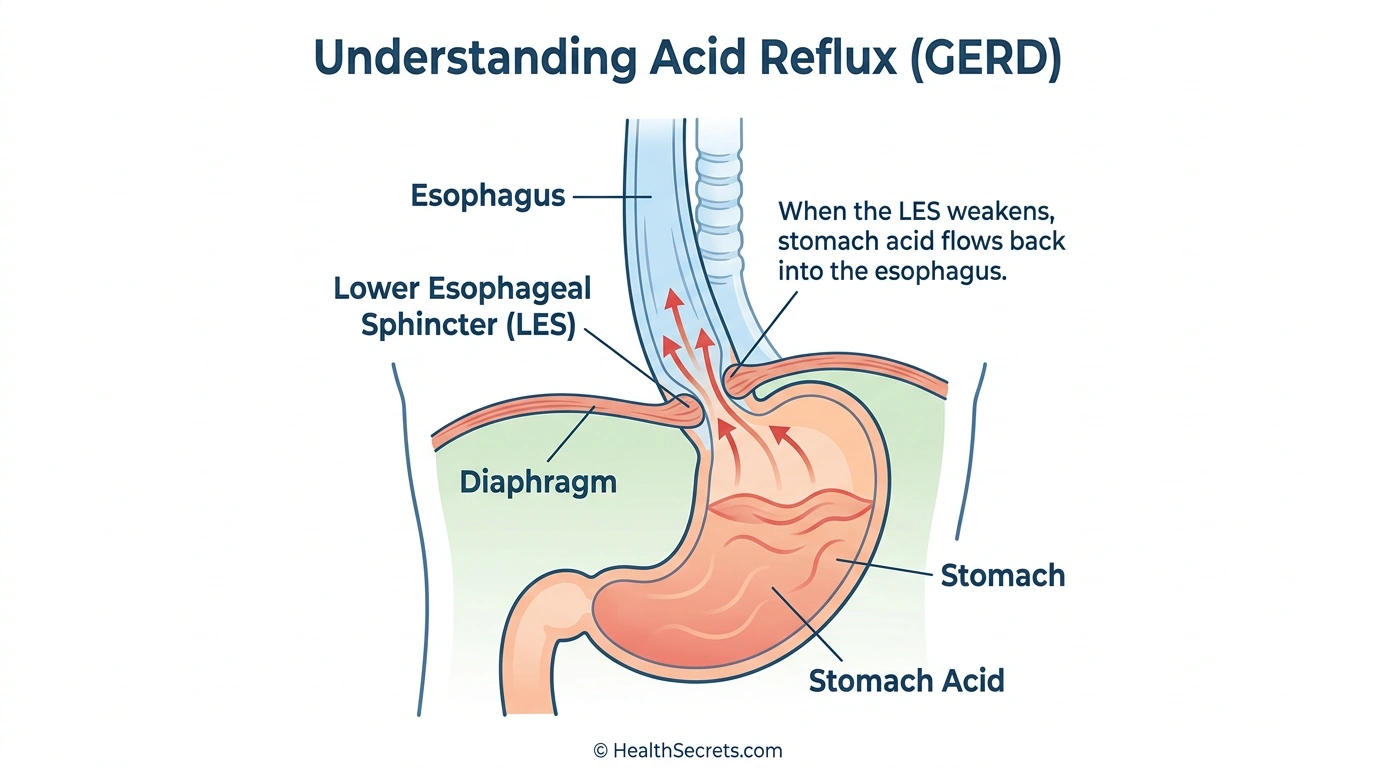
Heartburn occurs when stomach acid flows backward into the esophagus through a weakened lower esophageal sphincter (LES). Understanding this mechanism is essential before choosing natural remedies, because different approaches target different parts of the problem — some soothe the irritated lining, others strengthen the LES, and lifestyle changes address root causes directly.
When heartburn happens more than twice a week, doctors classify it as gastroesophageal reflux disease (GERD) [7]. About 20% of Americans live with GERD, and the distinction matters because chronic reflux causes cumulative esophageal damage that occasional heartburn doesn't.
What's the Difference Between Heartburn and GERD?
Heartburn is a symptom — that burning sensation behind your breastbone. GERD is the underlying condition where the LES fails to close properly, allowing repeated acid exposure. You can have occasional heartburn without GERD, but persistent heartburn usually signals GERD that needs a comprehensive approach.
The natural remedies in this guide work through several mechanisms: coating and protecting the esophageal lining (aloe vera, slippery elm), increasing protective mucus (DGL licorice), reducing acid production naturally (melatonin), improving LES tone (ginger, lifestyle changes), and addressing underlying triggers (diet, stress, H. pylori).

Want Everyday Habits That Actually Stick?
Download the free printable habit checklist — evidence-backed clinical frameworks for daily energy, cellular recovery, and longevity.
How Do You Use Aloe Vera Juice for Acid Reflux Relief?
Aloe vera juice is one of the strongest evidence-backed natural remedies for heartburn. A 2015 randomized controlled trial with 79 participants found that 10 mL of aloe vera syrup daily significantly reduced heartburn, regurgitation, flatulence, and nausea over four weeks — with a safety profile that matched conventional treatments [1].
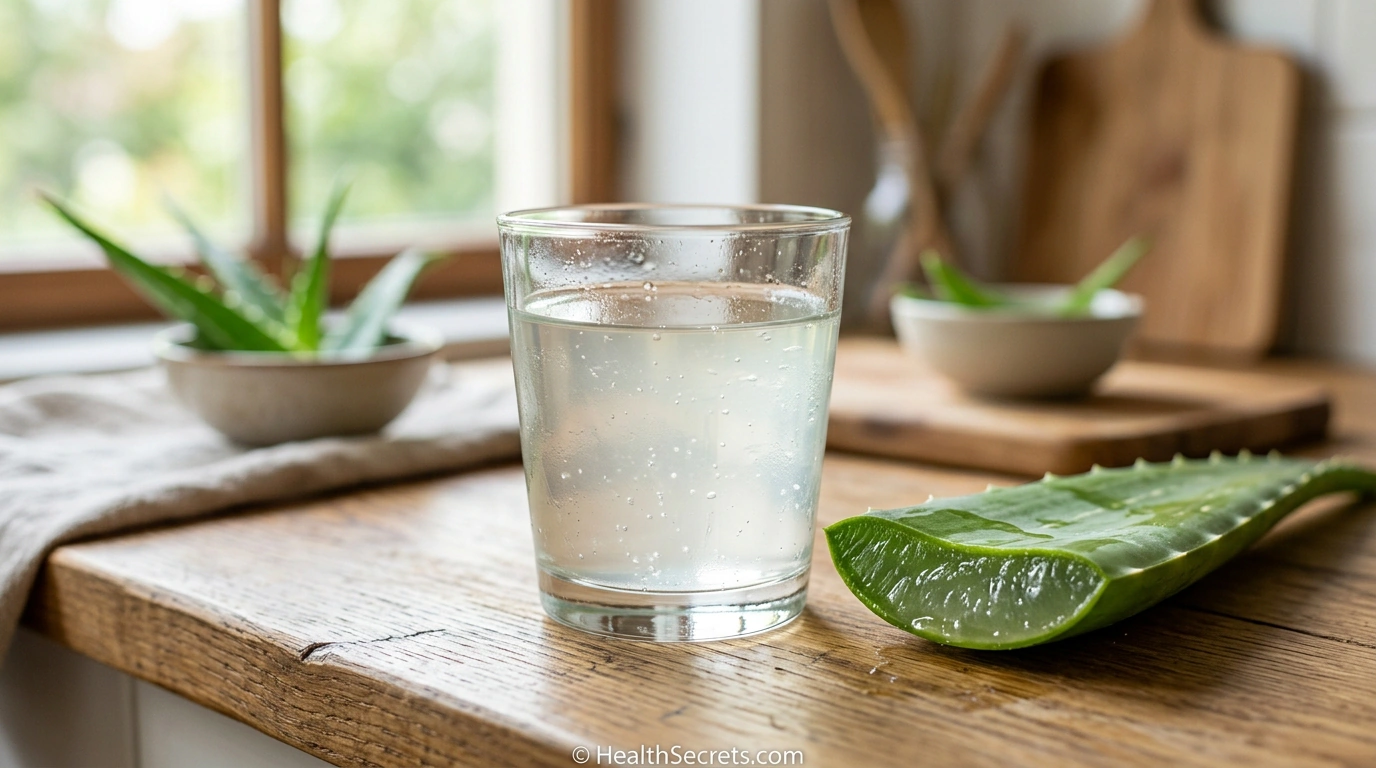
The mechanisms behind aloe vera's effectiveness are straightforward. Its anti-inflammatory compounds soothe irritated esophageal tissue, while its mucilaginous gel creates a physical barrier between stomach acid and your esophageal lining. Additional research confirms that aloe vera was effective in significantly reducing frequencies of all assessed GERD symptoms except vomiting at weeks 2 and 4.
How Should You Take Aloe Vera for Heartburn?
- Dose: 1–3 ounces (30–90 mL) of pure inner-leaf aloe vera juice, 15–20 minutes before meals
- Form: Choose inner-leaf or inner-fillet juice only — whole-leaf products contain aloin, which has strong laxative effects
- Timing: Before your two largest meals is typically sufficient
- Duration: Most people notice improvement within 1–2 weeks; the clinical trial ran 4 weeks
- Caution: Start with 1 ounce to assess tolerance; mild laxative effect is possible initially

Fermentation Safety Starter Kit
A 32-page downloadable digital PDF guide featuring brine salinity calculation charts, equipment sanitation checklists, batch tracking logs, and 6 guided beginner recipes. (Digital PDF Only — No physical items shipped).
How Do You Take DGL Licorice to Soothe Heartburn?
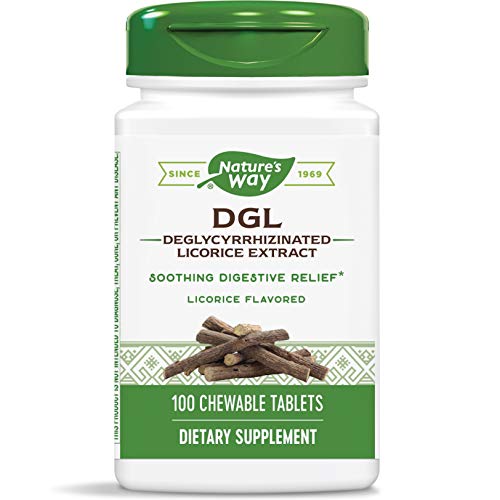
Deglycyrrhizinated licorice (DGL) is a processed form of licorice root with glycyrrhizin removed, eliminating the blood pressure and potassium concerns of regular licorice. DGL works by stimulating your stomach to produce more protective mucus, creating a thicker barrier between acid and tissue. Research confirms DGL as an effective antiulcer compound, with studies showing significant mucosal protection [4].
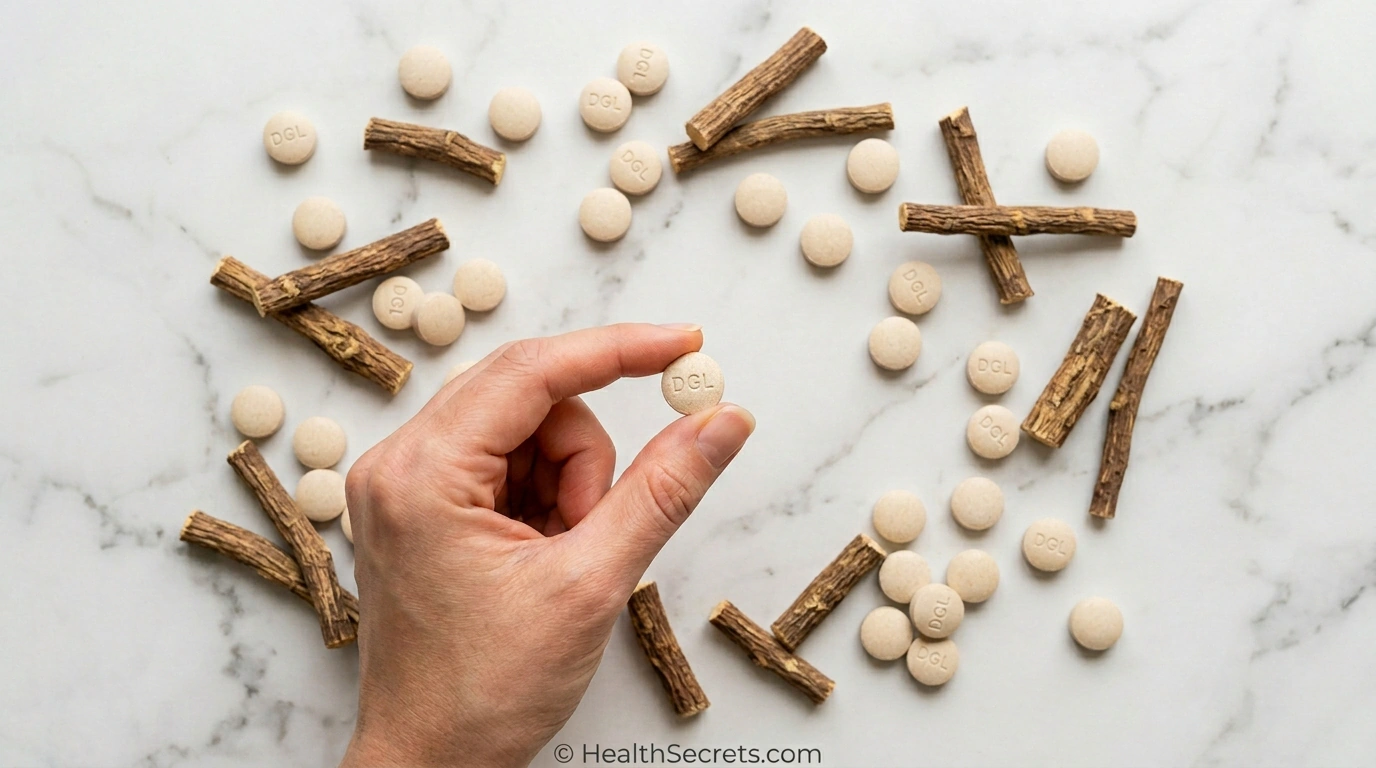
A Phase III randomized controlled trial on GutGard® licorice extract demonstrated significantly better heartburn resolution compared to placebo (p=0.017 at day 14, p=0.005 at day 28), along with meaningful improvement in regurgitation symptoms [3].
What's the Correct Way to Take DGL?
- Dose: 380–400 mg chewable tablets, 2–4 times daily
- Critical detail: DGL must be chewed thoroughly — saliva activates the beneficial compounds. Swallowing tablets whole reduces effectiveness significantly
- Timing: 15–20 minutes before meals and at bedtime
- Form: Chewable tablets are the standard; powders mixed with warm water also work
- Safety: Excellent safety profile since glycyrrhizin has been removed; suitable for long-term use
Should You Try Baking Soda or Apple Cider Vinegar for Heartburn?
Baking soda and apple cider vinegar are the two most-discussed home remedies for heartburn — but one actually works (with caveats) and the other is largely hype. Understanding the difference saves you from wasting time or making your symptoms worse.
Does Baking Soda Actually Neutralize Stomach Acid?
Baking soda (sodium bicarbonate) is a legitimate fast-acting antacid. Dissolving ½ teaspoon in 4 ounces of water creates an alkaline solution that directly neutralizes stomach acid on contact. Relief typically comes within minutes.
However, baking soda is strictly for occasional, acute use. Each ½ teaspoon contains about 630 mg of sodium — nearly a third of the daily recommended limit. Regular use can disrupt your body's acid-base balance and strain the kidneys. Never use it if you're on a sodium-restricted diet.
What About Apple Cider Vinegar — Does It Help or Hurt?
Let's be direct: there is no published clinical evidence supporting apple cider vinegar for heartburn.
Harvard Health has noted that no research on this topic has appeared in medical journals [8] [9]. The theory — that heartburn stems from too little stomach acid, and ACV corrects this — remains unproven.
Some people report anecdotal benefit, possibly those with genuinely low stomach acid production. But for people with erosive esophagitis or active inflammation, adding more acid can worsen damage. If you insist on trying it: 1 tablespoon diluted in a full glass of water before meals, and stop immediately if symptoms increase.
What Other Natural Remedies Can Help With Acid Reflux?
Beyond aloe vera and DGL, several natural compounds show promising evidence for heartburn relief. A comprehensive review confirms that ginger, probiotics, slippery elm, and melatonin enhance lower esophageal sphincter function and decrease gastric acid secretion through various mechanisms.
- Ginger — Anti-inflammatory and prokinetic (speeds stomach emptying, reducing reflux opportunity). Use 1–2 grams daily as capsules, fresh ginger tea, or added to meals. Avoid in those on blood thinners.
- Slippery elm — Creates a mucilaginous coating that protects the esophagus and stomach lining. Take 400–500 mg capsules or mix 1–2 tablespoons of powder in water before meals.
- Melatonin — Emerging research shows it strengthens LES tone and reduces acid secretion. Low doses (3–6 mg at bedtime) may provide dual benefits for reflux and sleep.
- Digestive bitters — Traditional herbal formulas that stimulate digestive enzyme production. Take 1–2 mL in water 15 minutes before meals.
- Probiotics — Support overall gut health and may help address H. pylori, a bacterial contributor to some reflux cases.
- Chewing gum — Stimulates saliva production (a natural acid buffer) and promotes swallowing, which clears acid from the esophagus. Sugar-free, non-mint varieties work best.
How Do You Change Your Diet and Lifestyle to Stop Heartburn?
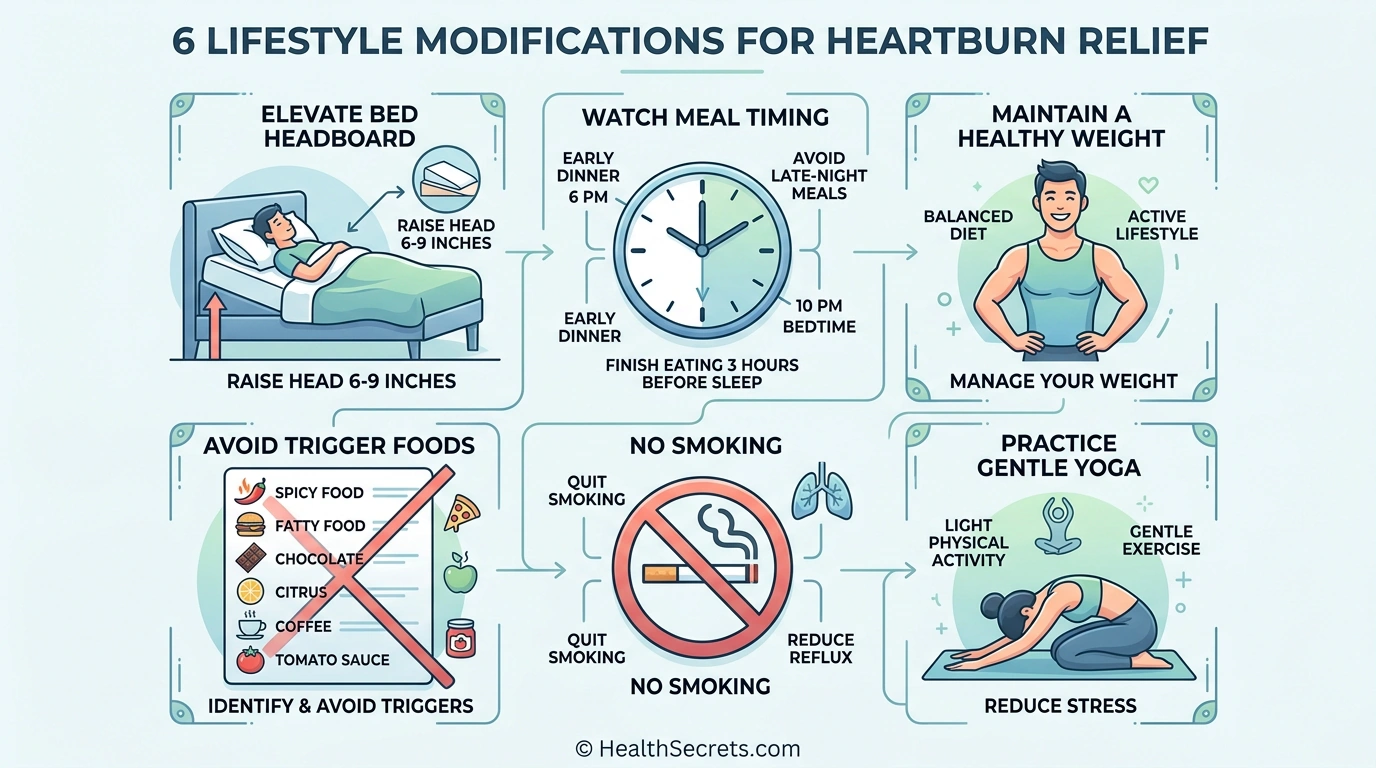
Lifestyle modifications are the foundation of any natural heartburn protocol. Research consistently shows that these changes are worth trying before resorting to drugs for controlling gastroesophageal reflux, and the American College of Gastroenterology guidelines recommend them as first-line therapy alongside medical treatment.
Which Lifestyle Changes Have the Strongest Evidence?
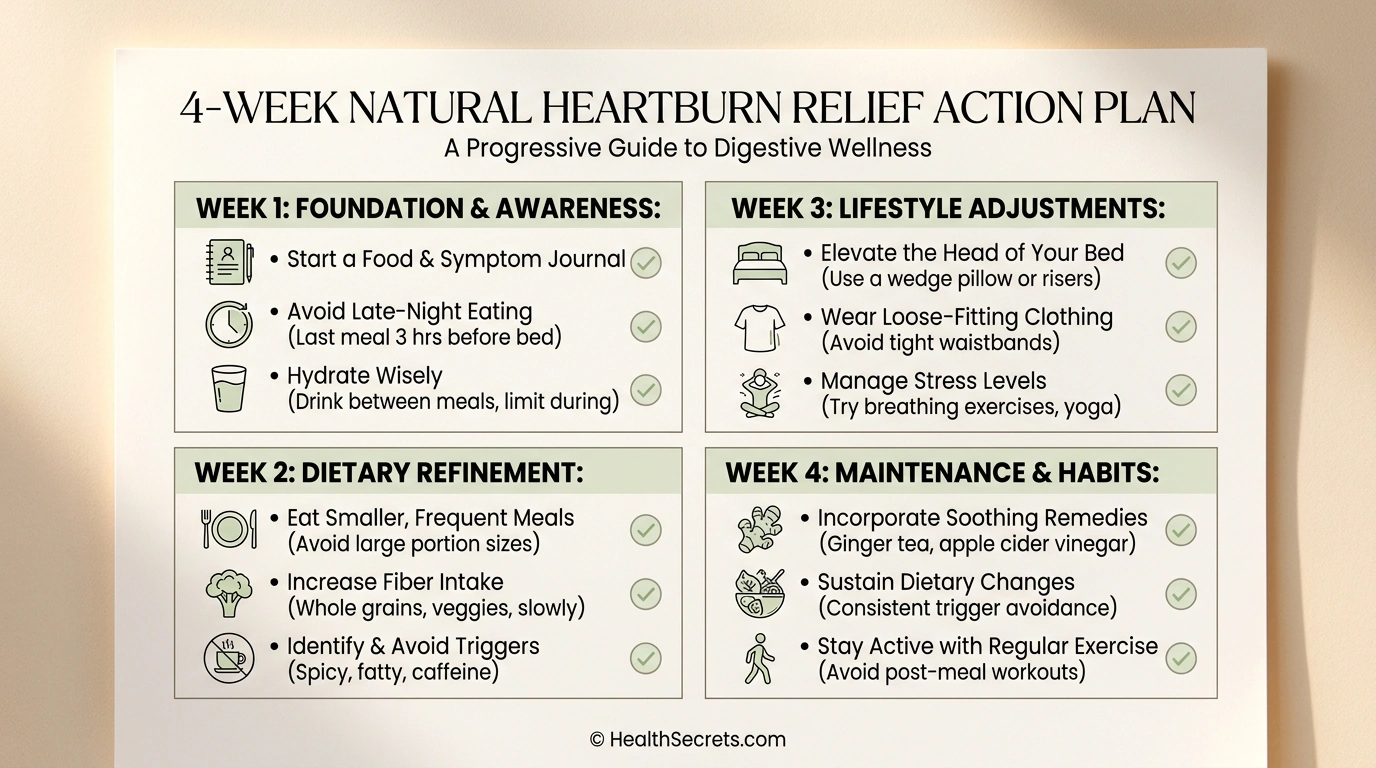
- Elevate the head of your bed — Raise it 6–8 inches using bed risers or a wedge pillow [15]. Gravity helps keep acid in your stomach during sleep. This has moderate-to-strong evidence.
- Avoid eating 2–3 hours before bed — Late meals mean a full stomach when you lie down, dramatically increasing reflux episodes. This single change reduces nighttime symptoms for most people.
- Lose excess weight — Even modest weight loss (5–10 pounds) reduces abdominal pressure on the LES. This has the strongest evidence of any lifestyle modification for GERD.
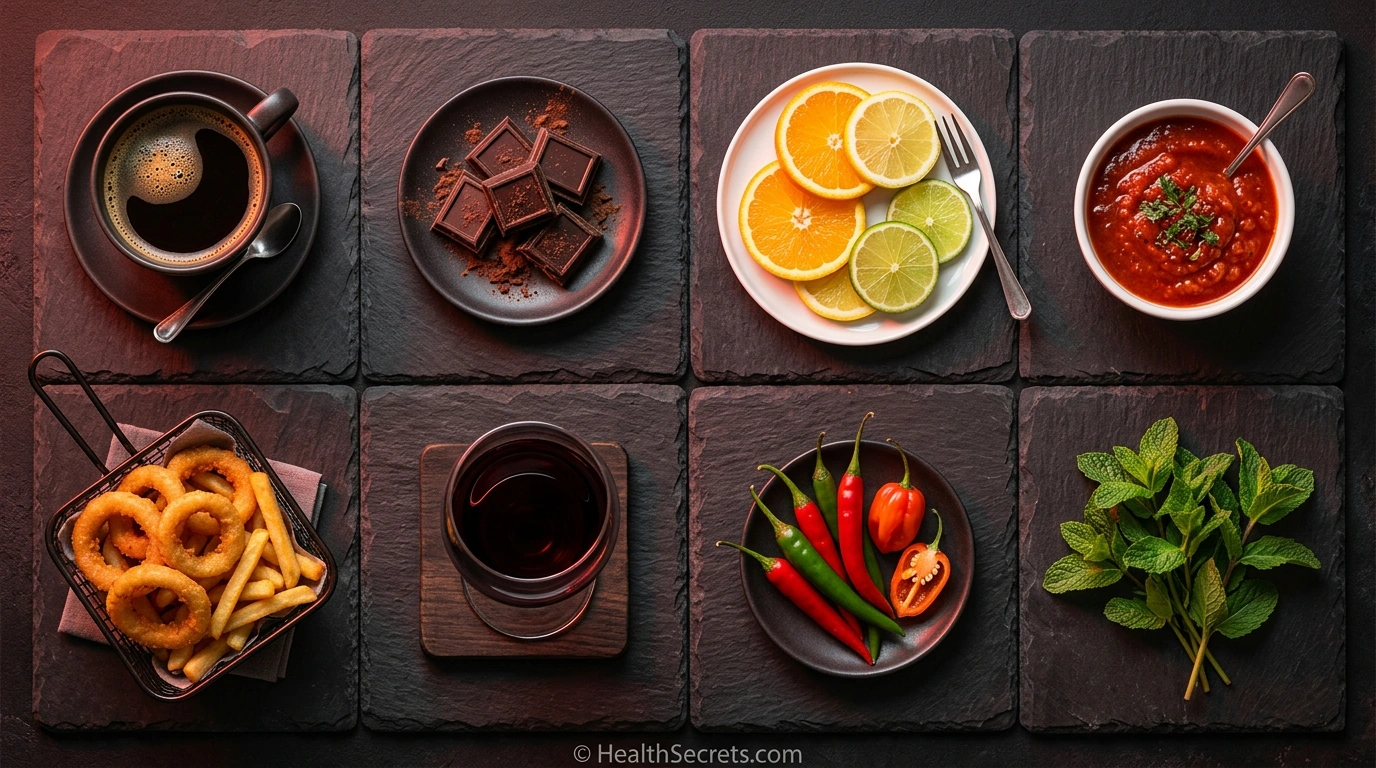
- Identify and avoid trigger foods — Common culprits include fatty or fried foods, spicy dishes, citrus, tomatoes, chocolate, caffeine, alcohol, and mint. Keep a food diary for 2 weeks to identify your personal triggers.
- Other modifications: Quit smoking (nicotine weakens the LES), avoid tight-fitting clothing around the abdomen, eat smaller and more frequent meals, and manage stress through regular exercise, meditation, or deep breathing.
Could H. Pylori Be Causing Your Heartburn Symptoms?
Helicobacter pylori infection affects roughly half the global population and can cause gastritis, ulcers, and — in some cases — contribute to reflux symptoms. If your heartburn persists despite lifestyle changes and natural remedies, H. pylori testing is worth discussing with your doctor.
Research indicates that some natural treatments, including probiotics and broccoli sprouts, may help reduce H. pylori bacteria in the stomach. Sulforaphane from broccoli sprouts has shown particular promise in clinical studies for reducing H. pylori colonization.
What Natural Approaches May Help With H. Pylori?
- Probiotics — Lactobacillus and Saccharomyces boulardii strains show the most evidence for reducing H. pylori loads and improving antibiotic therapy success rates
- Broccoli sprouts — Rich in sulforaphane, which has direct antimicrobial activity against H. pylori
- Honey — Manuka honey shows in vitro antimicrobial activity, though clinical evidence remains limited
- Green tea — Catechins may inhibit H. pylori growth and reduce gastric inflammation
Important: These natural approaches may support conventional H. pylori treatment but should not replace antibiotic therapy when infection is confirmed.
What Are the Most Common Mistakes When Treating Heartburn Naturally?
Most people who fail with natural heartburn remedies aren't using the wrong products — they're making avoidable implementation errors. Here are the mistakes that undermine results most often, along with straightforward fixes.
- Taking DGL tablets whole instead of chewing them — Saliva activation is essential. Swallowing tablets whole bypasses the mechanism that makes DGL effective.
- Using whole-leaf aloe vera instead of inner-fillet — Whole-leaf products contain aloin, a potent laxative compound. Always choose "inner leaf" or "inner fillet" products.
- Trying one remedy in isolation — Natural heartburn management works best as a combined approach: one supplement (aloe or DGL) plus 2–3 lifestyle changes simultaneously.
- Expecting overnight results — Most natural remedies take 1–4 weeks for noticeable improvement. The exception is baking soda, which works immediately but isn't a long-term solution.
- Ignoring meal timing — Taking supplements at random times dramatically reduces effectiveness. DGL and aloe vera work best 15–20 minutes before meals.
- Relying on apple cider vinegar — Without clinical evidence, ACV is an unreliable starting point. Begin with proven options first.
Is It Safe to Treat Heartburn With Natural Remedies? When Should You See a Doctor?
Most natural heartburn remedies have favorable safety profiles when used correctly, but they are complementary approaches — not replacements for medical evaluation of chronic symptoms. Knowing when natural management is appropriate and when you need professional help is critical.
When Should You Stop Home Treatment and See a Doctor?
- Heartburn more than twice weekly for several weeks — this likely indicates GERD requiring medical evaluation
- Difficulty swallowing or food feeling stuck — possible esophageal narrowing
- Unexplained weight loss with digestive symptoms
- Persistent nausea or vomiting, especially with blood
- Chest pain — always seek immediate medical evaluation to rule out cardiac causes
- Chronic cough or hoarseness — may indicate silent reflux affecting the throat and airways
- Symptoms worsening despite 4 weeks of consistent natural treatment and lifestyle changes
Are There Any Supplement Interactions to Watch?
- Aloe vera may increase the effects of diabetes medications and diuretics
- Ginger may interact with blood thinners (warfarin, aspirin)
- Melatonin can interact with blood pressure medications, immunosuppressants, and sedatives
- Slippery elm may slow the absorption of oral medications — take 2 hours apart
Action Plan
What Should You Do First to Relieve Heartburn Naturally?
Follow the sequence below, work through each phase in order, and use the checklist as your practical implementation guide.
Start with the highest-impact, lowest-effort changes and build from there. Most people notice meaningful improvement within the first two weeks when they commit to at least three simultaneous modifications.
Week 1 — Foundation:
- Stop eating 2–3 hours before bed starting tonight
- Elevate the head of your bed 6–8 inches
- Begin a 2-week food diary to identify personal triggers
- Purchase inner-fillet aloe vera juice or DGL chewable tablets
Week 2 — Supplement Introduction:
- Start aloe vera juice (1 oz before meals) OR DGL tablets (380 mg chewed before meals)
- Eliminate your top 2–3 identified trigger foods
- Add chewing gum after meals (sugar-free, non-mint)
Week 3–4 — Optimization:
- Add a second supplement if needed (combine aloe + DGL for maximum coverage)
- Incorporate ginger tea or digestive bitters before meals
- Assess progress — if significant improvement, maintain protocol
- If minimal improvement, schedule a doctor visit for further evaluation