If you've ever reached for your rescue inhaler at 2 a.m., chest tight and breath shallow, you already know asthma doesn't follow a convenient schedule. Roughly 25 million Americans live with this chronic inflammatory condition, and while controller medications and rescue inhalers remain the backbone of treatment, growing research points to complementary strategies that may ease symptoms and cut the frequency of flare-ups. [2] [4]
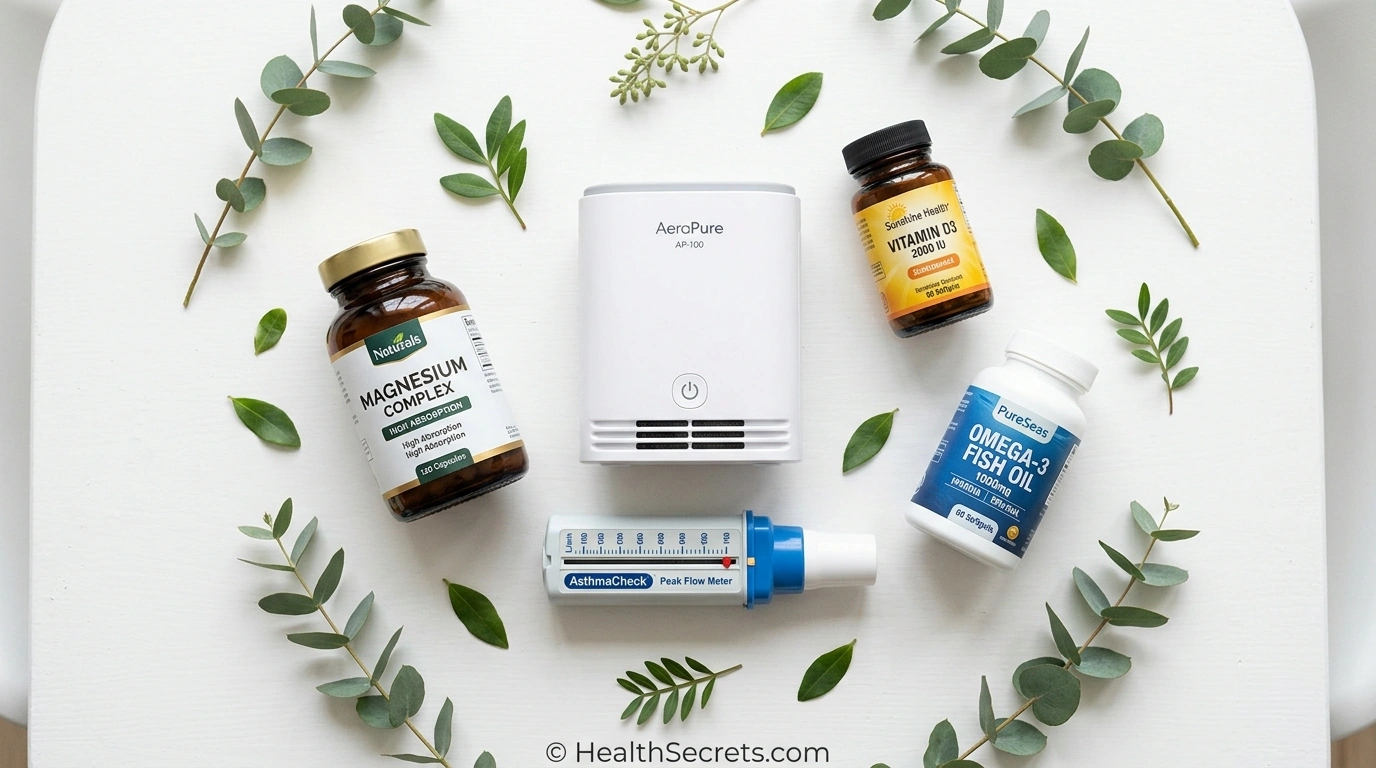
Natural remedies for asthma aren't about ditching your inhaler—they're about building layers of support around it. Magnesium has well-documented bronchodilating properties and is used intravenously in emergency settings for severe attacks. Vitamin D supplementation has shown real promise in reducing asthma exacerbations, particularly in those with low levels. Breathing techniques like the Buteyko method and pranayama can improve symptom control and quality of life [15]. And environmental modifications—HEPA filters, allergen-proof bedding, trigger avoidance—form a practical foundation that costs relatively little and helps considerably. [17]
This guide walks you through six concrete steps you can discuss with your doctor and layer on top of your current asthma treatment plan.
If you're interested in related natural health strategies, explore our complete gut health guide, immune system ultimate guide, and inflammation and pain relief guide.
What Do You Need to Know Before Trying Natural Remedies for Asthma?
Natural remedies for asthma work best as add-ons to your existing medical treatment plan, not replacements. Asthma involves chronic airway inflammation that causes narrowing, swelling, and excess mucus production. Controller medications address the underlying inflammation, while rescue inhalers treat acute symptoms. Natural approaches can reduce triggers, support immune function, and improve breathing patterns alongside these medications.
Understanding the Basics of Asthma
Asthma affects roughly 1 in 13 Americans and remains the leading chronic disease among children. Symptoms include wheezing, shortness of breath, chest tightness, and coughing—particularly at night or early morning. Common triggers include allergens (pollen, dust mites, pet dander, mold), respiratory infections, cold air, exercise, air pollution, smoke, and stress. The condition involves chronic airway inflammation, bronchial hyperresponsiveness, and airway remodeling that makes airways overly reactive to triggers.
Why Medical Management Comes First
Your controller medications and rescue inhaler are non-negotiable. Controller medications (typically inhaled corticosteroids) reduce chronic inflammation and prevent symptoms. Rescue inhalers (albuterol) treat acute episodes and must always be within reach. An asthma action plan from your doctor—with green, yellow, and red zones—guides your daily decisions. Natural remedies build on this foundation but never substitute for it. Consult your doctor before starting any supplement, especially if you take asthma medications.

The Supplement Seal Verifier
What six certification programs each test, the label claims that test nothing, and a ten-bottle audit sheet that counts your verified products.
How Can Magnesium Support Your Asthma Management?
Magnesium relaxes bronchial smooth muscle, reduces airway inflammation, and blocks calcium channels involved in bronchoconstriction. Oral supplementation with 200–400 mg of magnesium glycinate or citrate daily may benefit people with asthma who have low magnesium levels, though the strongest evidence comes from IV magnesium used in emergency settings for severe attacks.
In hospital settings, intravenous and nebulized magnesium sulfate are established treatments for severe acute asthma [1] [3]. One large randomized controlled trial (the 3Mg trial) evaluated IV and nebulized magnesium in severe asthma emergencies. Separately, a trial found nebulized magnesium added to albuterol didn't significantly decrease hospitalization rates, but multiple studies confirm magnesium's bronchodilating and anti-inflammatory properties in the airways.
For daily support, observational data links higher dietary magnesium intake with better lung function. Some researchers hypothesize that widespread magnesium deficiency (estimated in up to 50% of Americans) may contribute to bronchial hyperreactivity.
How to supplement: Choose magnesium glycinate or citrate (200–400 mg daily). Take with food to minimize digestive upset. High doses may cause diarrhea—start low and increase gradually. Tell your doctor, particularly if you take medications that affect electrolytes.
Dietary sources: Dark leafy greens, nuts, seeds, whole grains, legumes, dark chocolate, and avocados.

How Does Vitamin D Help Reduce Asthma Flare-Ups?
Vitamin D modulates immune responses and reduces respiratory infections—one of the most common asthma exacerbation triggers [12]. A Cochrane meta-analysis found that vitamin D supplementation reduced asthma exacerbations requiring systemic corticosteroids, with the strongest benefits seen in people who were deficient or insufficient at baseline [9] [11].
The VDKA randomized clinical trial in children with asthma and low vitamin D levels confirmed this protective effect against severe exacerbations [10]. Another systematic review found consistent reductions in severe exacerbations across multiple populations. The mechanism involves vitamin D's role in regulating both innate and adaptive immunity, reducing airway inflammation, and supporting healthy lung development. A 2022 review further highlighted associations between vitamin D deficiency and increased asthma severity, worse symptom control, and higher levels of asthma biomarkers like IgE and eosinophils.
How to supplement: Get your vitamin D levels tested first (25-hydroxyvitamin D blood test). If levels fall below 30 ng/mL, supplement with 2,000–4,000 IU of vitamin D3 daily as directed by your doctor. Retest after 2–3 months. Excessive vitamin D can cause hypercalcemia, so monitoring matters.
Dietary sources: Fatty fish (salmon, mackerel), fortified milk and orange juice, egg yolks, and sun exposure (10–15 minutes several times weekly).
Can Omega-3 Fatty Acids Reduce Airway Inflammation in Asthma?
Omega-3 fatty acids have anti-inflammatory properties that theoretically benefit asthma by reducing pro-inflammatory eicosanoids. The evidence is mixed—a Cochrane review found that increasing dietary fish oil did not significantly improve asthma outcomes in adults, but research in children and pregnant women tells a more promising story [5].
A landmark study published in the New England Journal of Medicine found that fish oil supplementation during pregnancy reduced persistent wheeze and asthma in offspring by approximately one-third [8]. Low dietary intake of EPA and DHA is associated with increased inflammatory processes, and omega-3 supplementation in asthmatic children has shown protective effects in systematic reviews [6] [7]. The anti-inflammatory mechanism works by competing with omega-6 fatty acids for enzyme pathways, shifting the body toward less inflammatory mediators.
How to supplement: If you choose to try omega-3s, take 1,000–2,000 mg of combined EPA and DHA daily from fish oil or algae-based supplements. Omega-3s may interact with blood thinners—discuss with your doctor. Results may take 2–3 months.
Dietary sources: Fatty fish (salmon, sardines, mackerel), walnuts, flaxseeds, chia seeds, and hemp seeds.
How Do Breathing Exercises Improve Asthma Control?
Breathing exercises retrain dysfunctional breathing patterns, reduce hyperventilation, lower anxiety during symptoms, and may decrease the need for rescue inhaler use. Multiple controlled trials confirm their benefits: pranayama improved asthma control and quality of life in a randomized trial, the Buteyko technique reduced bronchodilator use and improved symptoms, and a Cochrane review found positive effects on quality of life and lung function in mild-to-moderate asthma.
How Does the Buteyko Method Help Asthma?
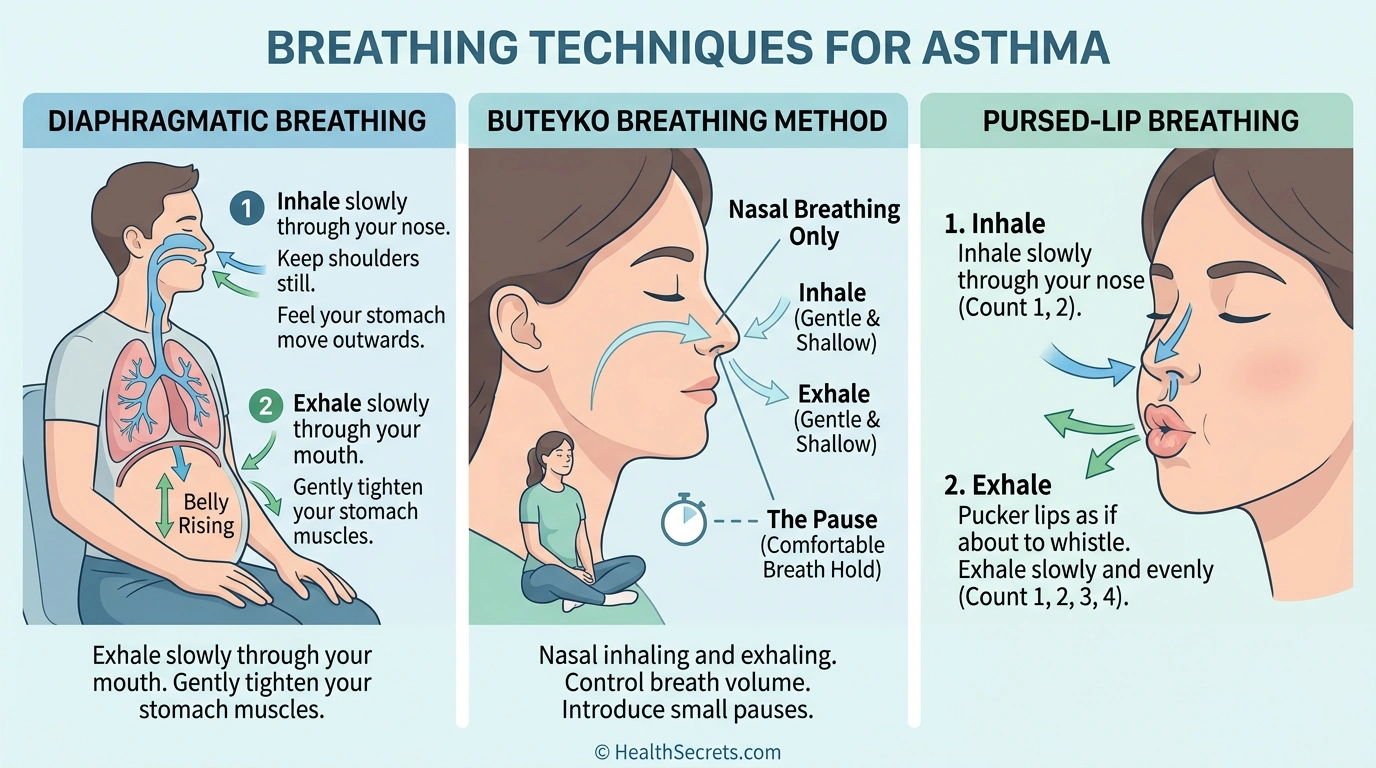
Developed by Ukrainian physician Konstantin Buteyko, this technique focuses on nasal breathing, breath holds, and reduced breathing volume. Clinical trials show improved asthma control and reduced medication use. Practice 10–20 minutes daily: breathe gently through your nose, pause briefly at the end of exhalation, and gradually extend the pause as comfort allows.
What Is Diaphragmatic (Belly) Breathing?
Place one hand on your chest and the other on your belly. Breathe in slowly through your nose so your belly rises while your chest stays relatively still. Exhale through pursed lips for twice as long as you inhaled. This slows breathing rate and improves oxygen exchange.
Can Pranayama (Yogic Breathing) Reduce Asthma Symptoms?
Techniques like alternate nostril breathing and extended exhalation can calm the nervous system and improve asthma symptoms. Start with 5–10 minutes daily under guidance from a trained instructor.
Important: Do NOT practice breathing exercises during an acute asthma attack—use your rescue inhaler. Breathing exercises complement medications; they do not replace controller therapy.
How Can You Improve Air Quality and Avoid Asthma Triggers at Home?
Indoor air quality modifications and systematic trigger avoidance can substantially reduce asthma symptoms and exacerbation frequency. Since most people spend 90% of their time indoors, cleaning up your home environment is one of the highest-impact complementary changes you can make for asthma management.
Indoor Air Quality
- HEPA air purifier: Place in the bedroom and main living area—HEPA filters capture 99.97% of particles 0.3 microns and larger, including pollen, dust mite debris, pet dander, and mold spores.
- Reduce dust mites: Use allergen-proof encasings on mattresses and pillows. Wash bedding weekly in hot water (130°F / 54°C). Keep indoor humidity below 50% with a dehumidifier.
- Prevent mold: Fix leaks promptly, use exhaust fans in bathrooms, clean visible mold with appropriate solutions.
- Vacuum with HEPA filter: Regular vacuuming with a HEPA-equipped vacuum reduces airborne allergens significantly.

Trigger Avoidance
- Smoke-free home: No smoking indoors. Avoid secondhand smoke and wood-burning fireplaces.
- Pet dander: If allergic, keep pets out of the bedroom, bathe pets weekly, and use a HEPA filter.
- Check air quality index (AQI): On high pollution or pollen days, stay indoors and keep windows closed.
- Cold air protection: Wear a scarf over your nose and mouth in cold weather to warm and humidify air before it reaches your airways.
- Avoid strong odors: Perfumes, cleaning chemicals, paint fumes, and aerosol sprays can trigger attacks.
What Lifestyle Changes Help Manage Asthma Long-Term?
Sustained lifestyle modifications—from weight management to stress reduction—strengthen your overall resilience against asthma symptoms. Losing just 5–10% of body weight significantly improves asthma control in overweight individuals, while regular exercise builds cardiovascular fitness and lung capacity over time.
- Maintain healthy weight: Obesity worsens asthma severity. Even modest weight loss improves symptoms and reduces medication needs.
- Regular exercise: Aim for 150 minutes of moderate activity weekly. Warm up properly, use your rescue inhaler before exercise if prescribed, and avoid exercising during high pollution or high pollen periods.
- Stress management: Stress triggers asthma through nervous system activation. Practice meditation, yoga, progressive muscle relaxation, or therapy.
- Anti-inflammatory diet: Emphasize fruits, vegetables, whole grains, fatty fish, and olive oil. Limit processed foods, refined sugars, and trans fats. The Mediterranean diet shows particular benefit for respiratory health.
- Stay hydrated: Adequate water intake helps thin airway mucus.
- Get vaccinated: Annual flu shot and recommended pneumonia vaccines reduce respiratory infection risk—a major exacerbation trigger.
- Adequate sleep: Aim for 7–9 hours nightly. Poor sleep worsens inflammation and immune function.
What Are the Most Common Mistakes When Using Natural Remedies for Asthma?
The biggest mistake people make is treating natural remedies as replacements for prescribed medications rather than complements. Stopping controller medications because you feel better—even temporarily—can lead to dangerous rebound inflammation and severe attacks. Here are the key mistakes to avoid:
- Stopping medications without doctor approval. Never discontinue inhaled corticosteroids or other controllers based on feeling well. Feeling better often means the medication is working.
- Ignoring your asthma action plan. Your green/yellow/red zone plan is your decision-making guide. Green zone: continue medications.
Yellow zone: increase controller, use rescue inhaler.
Red zone: rescue inhaler not working—call 911.
- Over-relying on supplements without addressing environment. Air quality and trigger avoidance often deliver more consistent results than supplements alone.
- Expecting instant results. Supplements like magnesium and vitamin D need weeks to months. Breathing exercises require consistent daily practice for several weeks before noticeable improvement.
- Not tracking symptoms. Keep a log of symptoms, triggers, medication use, and peak flow readings. Patterns emerge that guide better management.
- Using breathing exercises during acute attacks. During an active attack, use your rescue inhaler immediately—don't try to breathe through it.
When Should You Seek Emergency Care for Asthma?
Severe asthma attacks can be life-threatening and require immediate emergency medical intervention. If your rescue inhaler isn't providing relief within 15 minutes, if symptoms rapidly worsen, or if you have difficulty speaking in full sentences, call 911 or go to the nearest emergency room without delay.
Call 911 or seek emergency care immediately if:
- Severe shortness of breath or wheezing that makes it hard to speak
- Rescue inhaler provides no relief or relief lasts less than 4 hours
- Difficulty walking or speaking in full sentences
- Lips, fingernails, or face turning blue or gray (cyanosis)
- Peak flow meter reading falls into the red zone (below 50% of personal best)
- Feeling anxious, panicked, or drowsy due to breathing difficulty
- Chest retractions (skin pulling in around ribs during breathing)
Supplement safety notes:
- Magnesium: High doses cause diarrhea; discuss with your doctor if you take heart or blood pressure medications.
- Vitamin D: Excess can cause hypercalcemia—always test levels before and during supplementation.
- Omega-3: May interact with blood thinners (warfarin, aspirin); consult your doctor.
- Breathing exercises: Safe when practiced correctly, but never during acute attacks.
- Herbal remedies (quercetin, boswellia, turmeric): Limited evidence, potential for interactions—always discuss with your doctor first.
Action Plan
What Should You Do First to Support Your Asthma Naturally?
Follow the sequence below, work through each phase in order, and use the checklist as your practical implementation guide.
Start with environmental modifications and a vitamin D blood test—these two steps are low-risk, high-impact, and give you a foundation while you discuss supplement options with your doctor. Build your natural support plan in phases over 8–12 weeks rather than changing everything at once.
Phase 1: Weeks 1–2 (Foundation)
- Schedule a doctor visit to discuss complementary approaches
- Get vitamin D levels tested (25-hydroxyvitamin D)
- Set up a HEPA air purifier in your bedroom
- Install allergen-proof bedding encasings
- Review and update your asthma action plan
Phase 2: Weeks 3–4 (Supplementation)
- Begin vitamin D3 supplementation if levels are low (per doctor guidance)
- Start magnesium glycinate (200 mg daily, increase to 400 mg)
- Consider omega-3 supplementation (1,000–2,000 mg EPA/DHA daily)
- Eliminate identified triggers from your home environment
Phase 3: Weeks 5–8 (Breathing and Lifestyle)
- Learn and practice diaphragmatic breathing daily (10 minutes)
- Begin Buteyko or pranayama practice with a trained instructor
- Start regular exercise (150 min/week moderate activity)
- Adopt an anti-inflammatory eating pattern
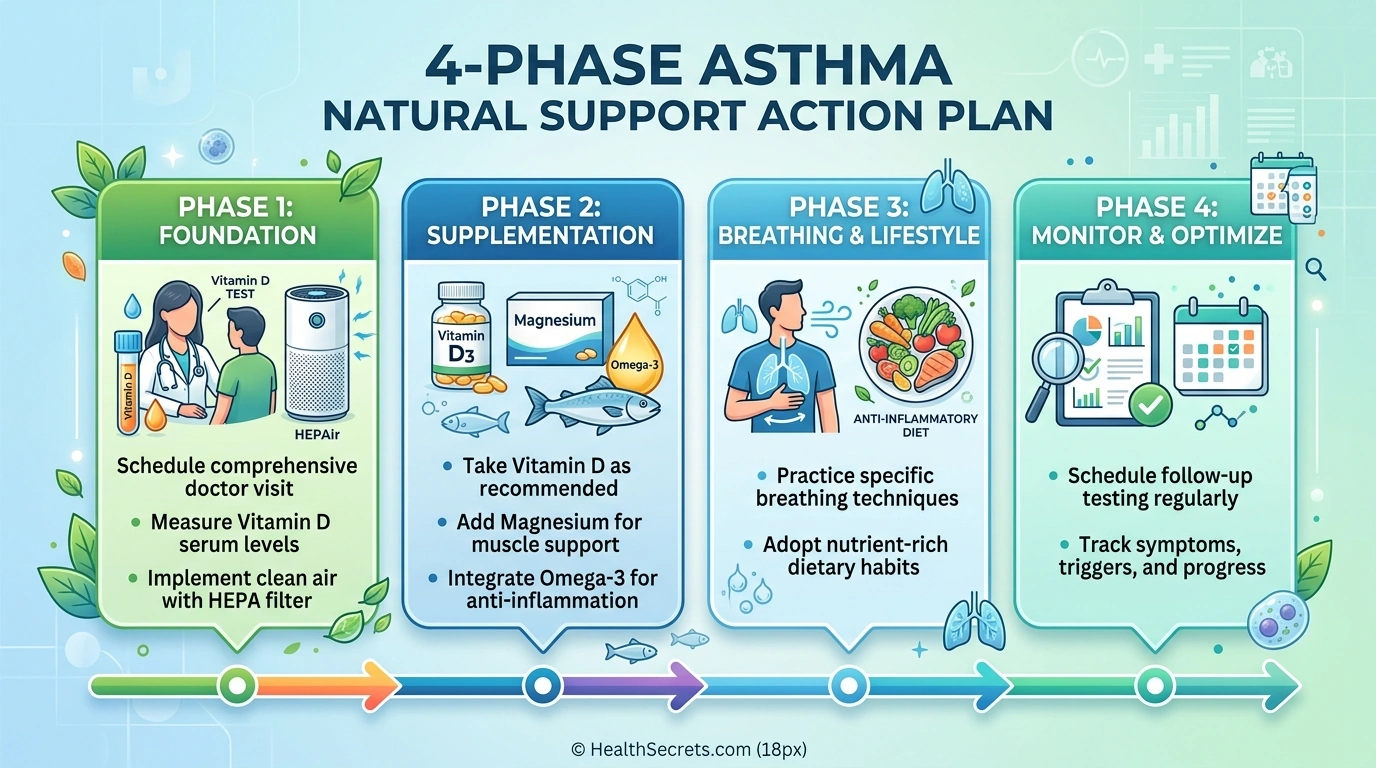
Phase 4: Weeks 9–12 (Monitor and Optimize)
- Retest vitamin D levels
- Track symptom frequency, rescue inhaler use, and peak flow readings
- Review progress with your doctor and adjust plan accordingly