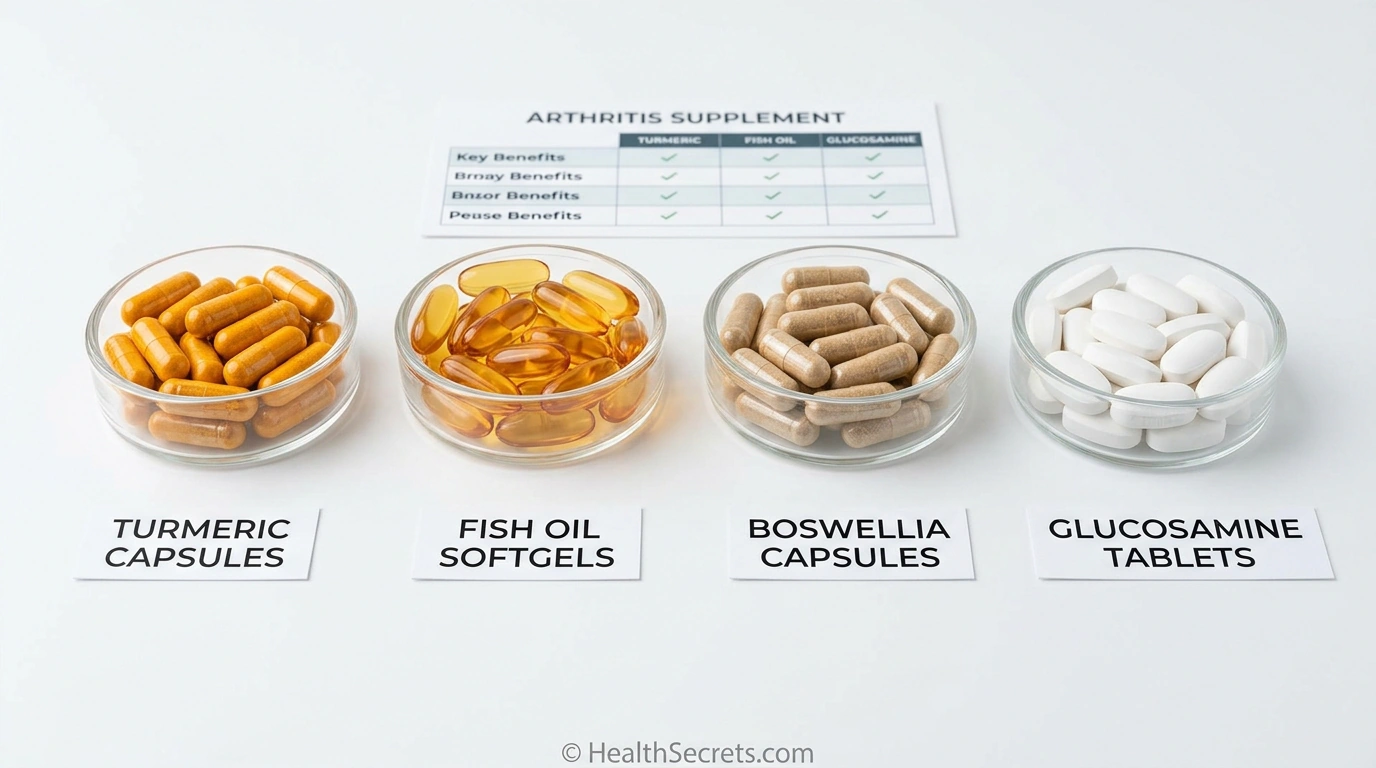
If you've ever winced reaching for a coffee mug or hesitated before climbing stairs, you know the frustration of arthritis. It's not just stiffness — it's that gnawing ache that hijacks your entire day. And here's the thing: roughly 58.5 million Americans live with some form of arthritis, making it one of the leading causes of disability in the United States. Chances are, you or someone you love deals with it daily.
The good news? A growing body of clinical research supports natural remedies for arthritis that can genuinely reduce pain and improve mobility. We're talking turmeric and curcumin that rival NSAIDs in randomized controlled trials, boswellia extracts that cut knee pain by over 60% in 90 days, omega-3 fatty acids that tame inflammatory arthritis, and lifestyle strategies — from anti-inflammatory diets to targeted exercise — that form the foundation of lasting relief [1].
This isn't about abandoning conventional medicine. It's about building a layered, evidence-based approach that works alongside what your doctor recommends. In this guide, you'll get a practical, step-by-step protocol for using natural arthritis remedies safely and effectively.
If you're also dealing with inflammation beyond your joints, check out our inflammation and pain relief guide. For gut-related inflammation that may worsen arthritis, our gut health complete guide covers the gut-joint connection in detail.
What Do You Need to Know Before Trying Natural Remedies for Arthritis?
Before starting any natural arthritis protocol, understand that arthritis isn't one disease — it encompasses over 100 conditions, with osteoarthritis (OA) and rheumatoid arthritis (RA) being the most common. Natural remedies work differently for each type, and some supplements interact with medications. Getting a proper diagnosis first is essential.
What types of arthritis respond to natural remedies?
Osteoarthritis involves cartilage breakdown and affects roughly 32.5 million U.S. adults. Natural remedies like curcumin, glucosamine, and exercise have the strongest evidence here.
Rheumatoid arthritis is an autoimmune condition where omega-3 fatty acids and curcumin show the most promise as complementary approaches. For either type, anti-inflammatory diet changes and regular movement form the foundation.
Who should NOT try natural remedies without medical supervision?
If you take blood thinners (warfarin, aspirin), immunosuppressants, or diabetes medications, several arthritis supplements can interact. Pregnant or breastfeeding individuals should avoid most herbal supplements. And if your joints are red, hot, or severely swollen — that needs urgent medical attention, not supplements.

Are You Unknowingly Inflaming Your Body?
Get the free Health Vitals & Nutrient Checklist — the daily guide that shows you which habits and supplements are silently triggering inflammation.
How Do You Start an Anti-Inflammatory Diet for Arthritis Joint Pain?
An anti-inflammatory diet — particularly the Mediterranean pattern — is associated with reduced joint pain, lower inflammatory markers like CRP and IL-6, and improved physical function in people with arthritis. This single change forms the foundation that makes every other natural remedy more effective.
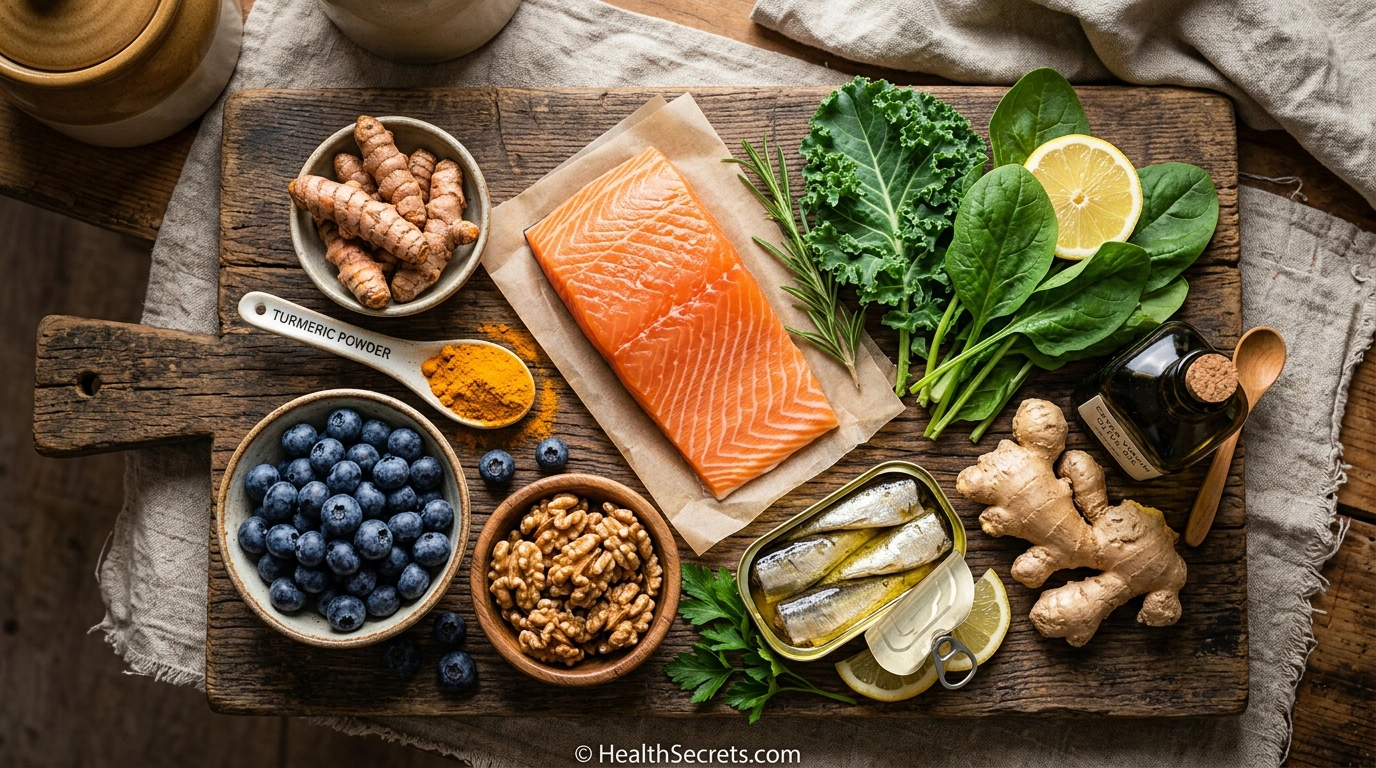
Research from the American College of Rheumatology strongly recommends dietary modification as a first-line nonpharmacological strategy for osteoarthritis. The Mediterranean diet emphasizes omega-3-rich fatty fish (salmon, sardines, mackerel) two to three times weekly, colorful vegetables and fruits rich in antioxidants, extra virgin olive oil as the primary fat source, nuts and seeds, whole grains, and legumes.
Foods to reduce or eliminate: Refined sugar and processed foods drive inflammation. Red meat (limit to once weekly), fried foods, excessive alcohol, and refined carbohydrates can all worsen joint symptoms.
Practical tip: You don't need to overhaul everything overnight. Start by adding two servings of fatty fish per week and replacing one processed snack with a handful of walnuts or an apple with almond butter. Small, consistent changes build the anti-inflammatory foundation your joints need.

30-Day Walking & Mobility Planner
One test walk sets your starting point; thirty days build from it at a pace your joints keep up with, with four short mobility routines and a log that adds up the month.
How Do You Use Turmeric and Curcumin for Arthritis Joint Pain?
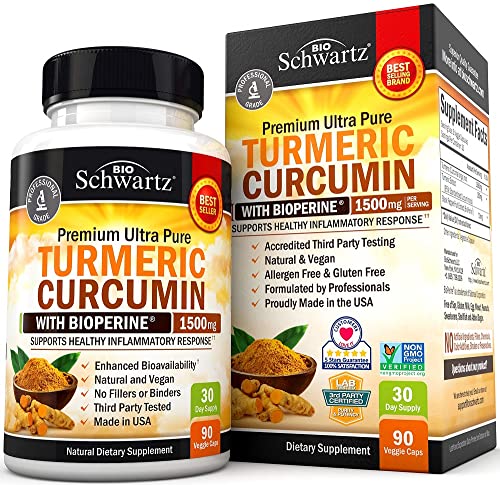
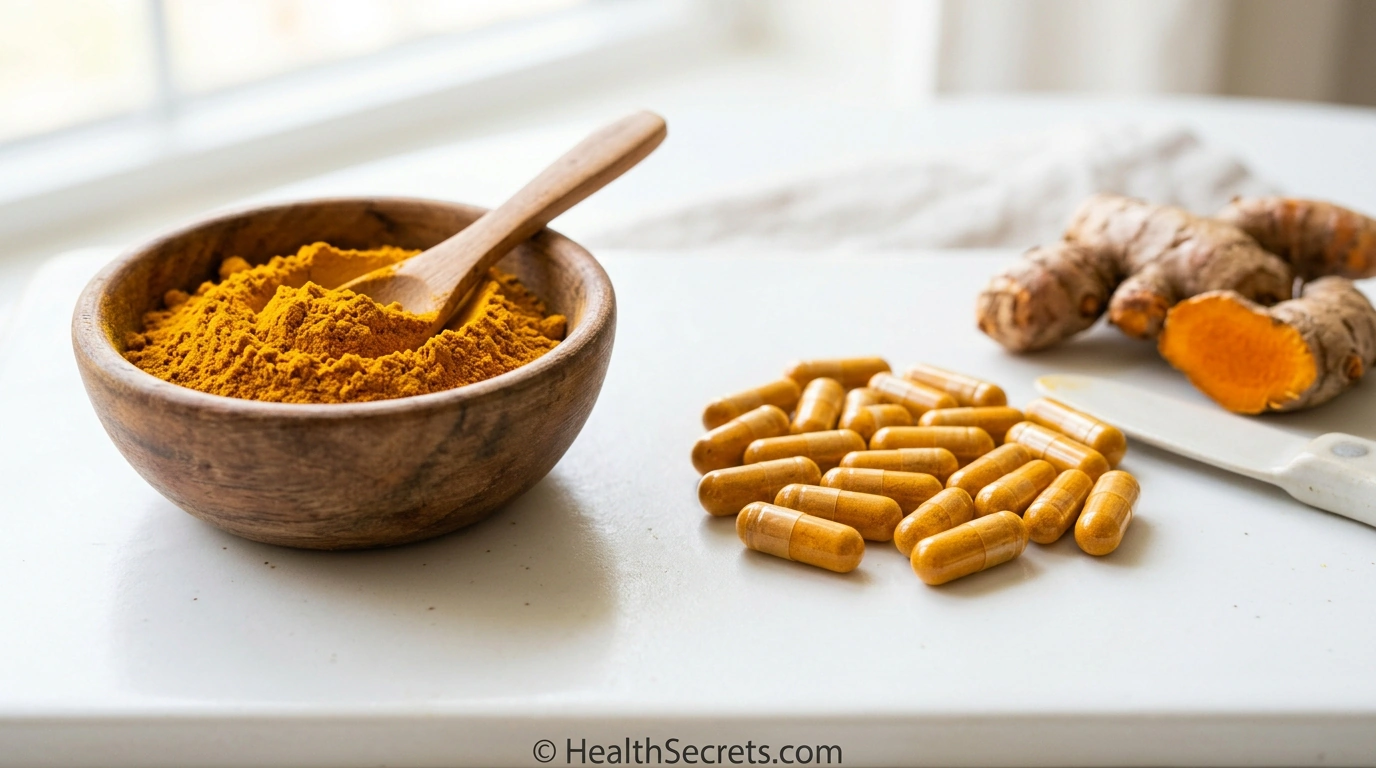
Curcumin — the active compound in turmeric — has demonstrated pain relief comparable to the NSAID diclofenac in randomized controlled trials, with 94% of participants experiencing at least 50% improvement and significantly fewer stomach side effects. A systematic review of ten studies confirmed that all showed improvement in pain and function from baseline with turmeric therapy.
The catch is bioavailability. Only about 2-3% of standard curcumin reaches your bloodstream. That's why formulation matters enormously. Look for enhanced absorption forms: piperine (black pepper extract) increases absorption by up to 2,000%, phospholipid complexes (Meriva, BCM-95), or nanoparticle formulations (Theracurmin).
Dosing: 500mg of high-quality curcumin twice daily (1,000mg total), taken with meals containing fat. The Arthritis Foundation recommends this dose for both OA and RA [17]. Allow 4-8 weeks for full effects.
Important: Curcumin has mild blood-thinning properties. If you take warfarin or other anticoagulants, consult your doctor first. It may also interact with diabetes medications and some chemotherapy drugs.
How Does Boswellia Serrata Help With Arthritis Pain?
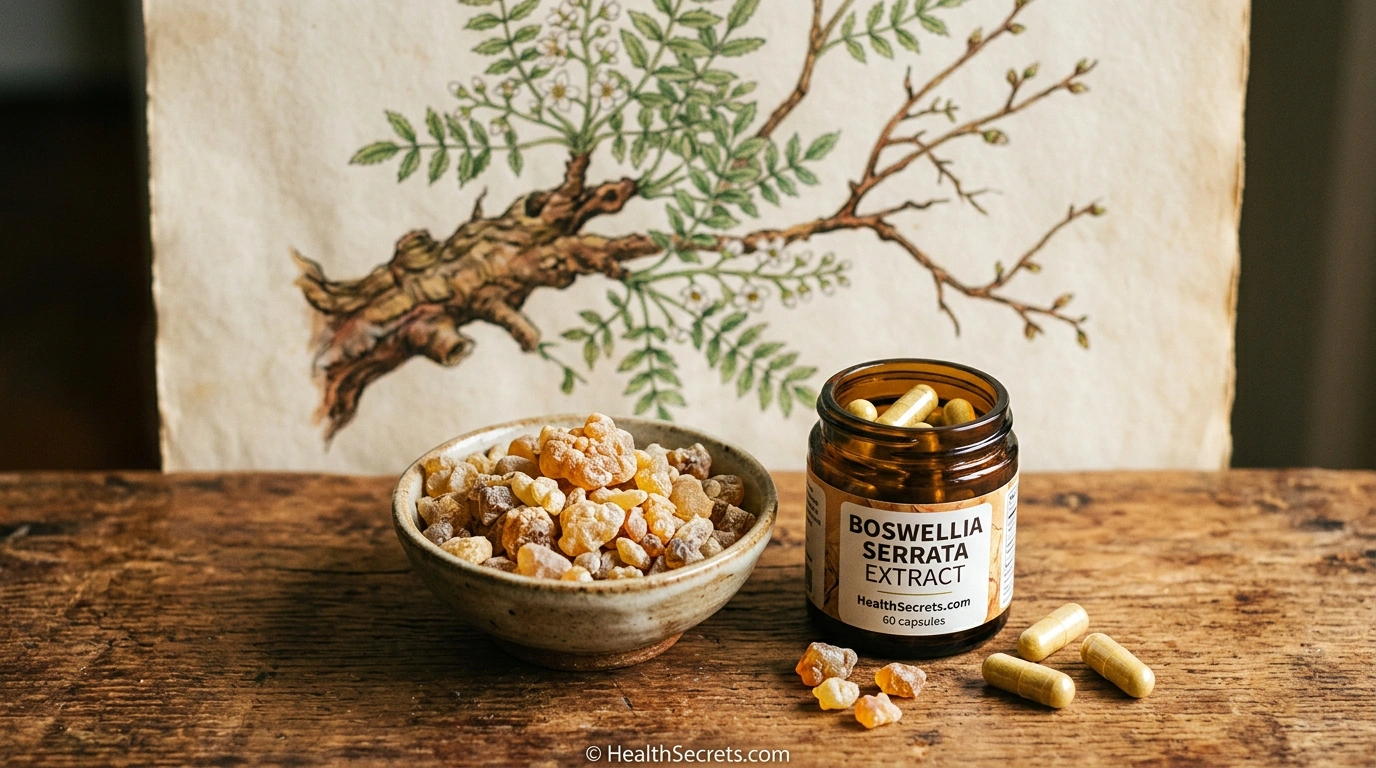
Boswellia serrata — also called Indian frankincense — contains boswellic acids that block the 5-LOX enzyme, a key driver of joint inflammation. A double-blind, placebo-controlled trial showed Boswellia extract reduced knee OA pain by 61.9% and improved total WOMAC scores by 73.6% within 90 days, with improvements starting as early as five days after supplementation [5].
The active compound AKBA (3-acetyl-11-keto-β-boswellic acid) is the most potent anti-inflammatory component. A Cochrane Review found that 100mg daily of AKBA-enriched Boswellia reduced OA pain by nearly 20 points on a 100-point scale [6]. In a 2018 systematic review of 20 OA supplements, Boswellia was among the standouts for short-term pain relief.
Dosing: 100-250mg daily for OA (AKBA-enriched extract), or 300-500mg of standardized extract. For RA, higher doses of 1,200-3,600mg may be used. Look for products standardized to at least 30% boswellic acids or containing the 5-Loxin or Boswellin Super formulation.
Safety: Generally well-tolerated. Mild GI upset is the most common side effect. May interact with anti-inflammatory and anticoagulant medications.
Should You Take Omega-3 Fatty Acids for Arthritis Inflammation?
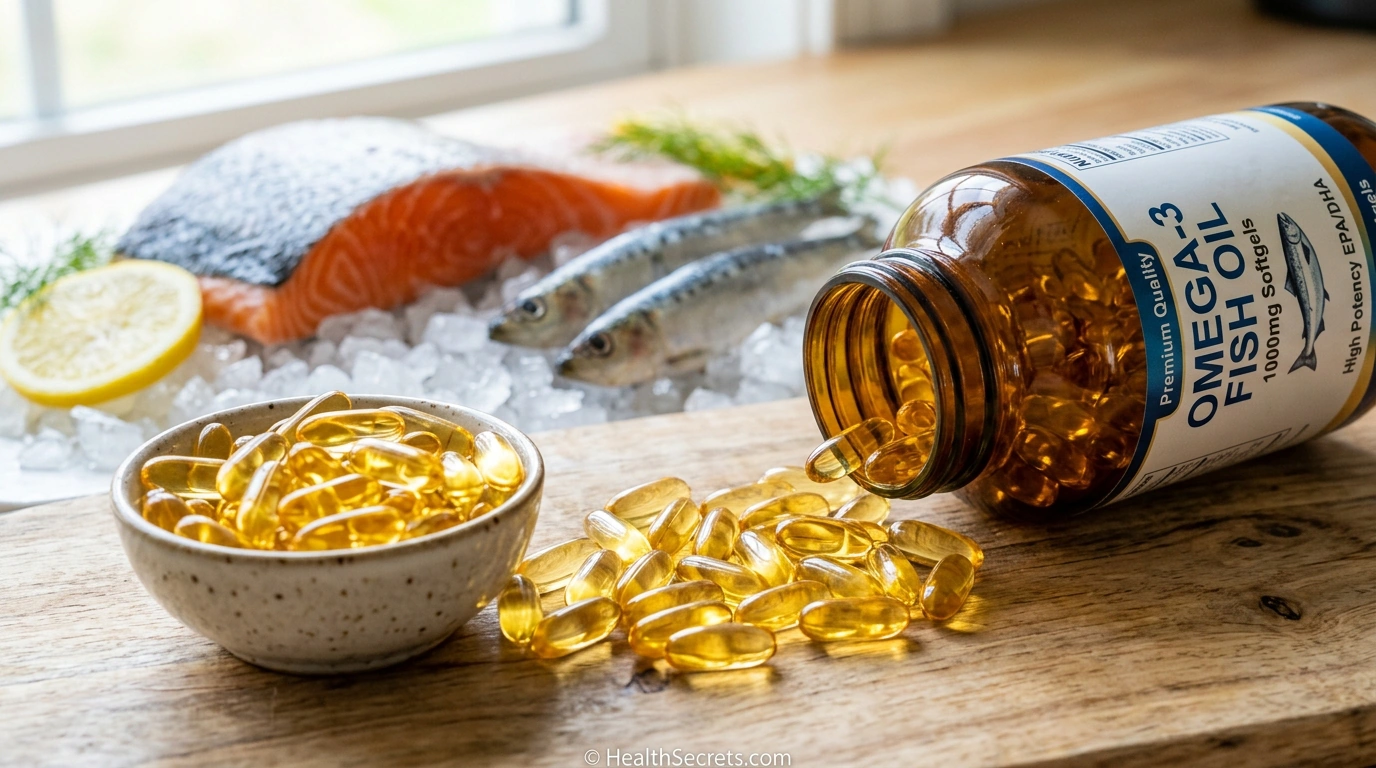
Omega-3 fatty acids — particularly EPA and DHA from fish oil — significantly reduce pain and inflammation in rheumatoid arthritis [10]. A meta-analysis of 16 studies found omega-3 supplementation reduced RA pain scores, and clinical studies show they can decrease the number of swollen and tender joints. For osteoarthritis, evidence is more limited, though one study found fish oil significantly reduced OA-specific pain in overweight older adults [9].
Omega-3s work by competing with omega-6 fatty acids for the same inflammatory pathways, shifting your body toward anti-inflammatory lipid mediators called resolvins and protectins. This is especially relevant in RA, where systemic inflammation drives joint destruction.
- Dosing: 2-4g of combined EPA/DHA daily for inflammatory arthritis. Higher EPA content appears more beneficial for inflammatory conditions. Take with meals for better absorption.
- Quality matters: Choose products tested by third parties (IFOS certification) for mercury, PCBs, and oxidation. Liquid forms often provide higher doses than capsules.
- Caution: Omega-3s have mild blood-thinning effects. Discuss with your doctor if you take anticoagulants or are scheduled for surgery.
Do Glucosamine and Chondroitin Actually Work for Arthritis Joint Pain?
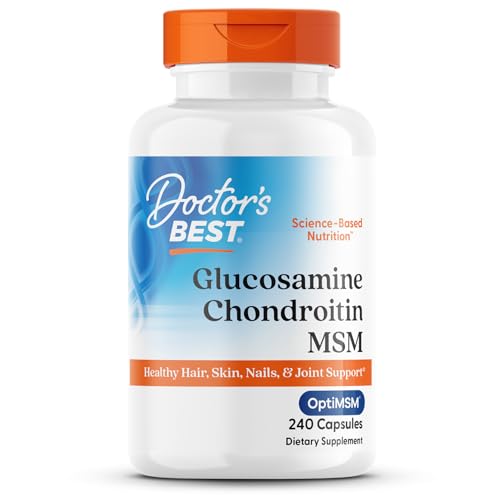
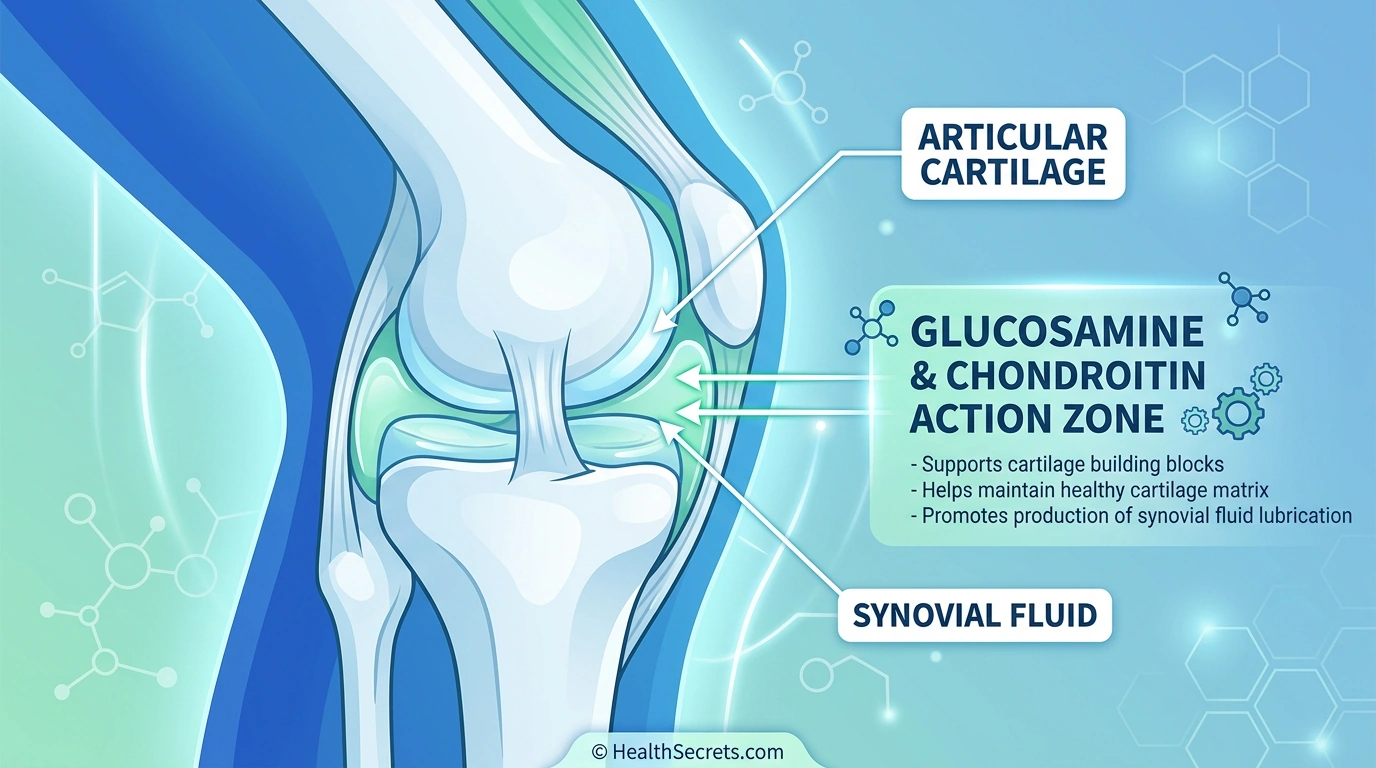
The evidence on glucosamine and chondroitin is genuinely mixed — but more recent comprehensive reviews lean positive. A 2026 systematic review found over 90% of efficacy studies reported positive outcomes, with glucosamine (1,500mg) and chondroitin (1,200mg) daily being the most common effective dosing. They're generally well-tolerated with minimal adverse effects.
However, the landmark NIH-funded GAIT trial found glucosamine and chondroitin didn't outperform placebo in the overall group — though the combination showed promise for moderate-to-severe knee pain specifically [12]. European studies using pharmaceutical-grade glucosamine sulfate have generally shown stronger results than U.S. studies using glucosamine hydrochloride.
Practical takeaway: If you try glucosamine/chondroitin, use the sulfate forms at standard doses (1,500mg glucosamine sulfate + 1,200mg chondroitin sulfate daily) for at least 3 months before judging effectiveness. Some people respond significantly; others don't. Adding MSM (methylsulfonylmethane) may enhance results.
Safety: Very safe overall [11]. Glucosamine may slightly raise blood sugar in some people. Both may interact with warfarin. Shellfish-derived glucosamine should be avoided by those with shellfish allergies — vegetarian alternatives exist.
What Exercises Help With Arthritis Joint Pain and Stiffness?
Exercise is arguably the single most effective non-drug treatment for arthritis. The American College of Rheumatology strongly recommends it for OA, and the Mayo Clinic confirms it reduces pain, improves flexibility, and builds joint-supporting muscle — which actually protects your joints long-term [16].
Range-of-motion exercises (daily): Gentle stretches and joint rotations to maintain flexibility. Roll your shoulders, extend your arms overhead, circle your wrists and ankles. These can be done every morning.
Strengthening exercises (2-3 times weekly): Building the muscles around affected joints provides natural cushioning. Resistance bands, bodyweight exercises, or light weights work well.
Tai Chi has shown particular benefits for balance and joint mobility.
Low-impact aerobic activity (150 minutes weekly): Walking, swimming, cycling, or water aerobics. Pool exercises are especially beneficial — water supports body weight while providing resistance.
Start slow: If you've been sedentary, begin with 10-15 minutes of gentle walking or stretching. The worst thing to do is push through sharp pain. Some muscle soreness is normal, but joint pain that lasts more than 2 hours after exercise means you did too much.

How Do You Use Hot and Cold Therapy for Arthritis Relief?
Hot and cold therapy provides immediate, drug-free pain relief that costs almost nothing. Heat relaxes muscles, increases blood flow, and reduces stiffness — making it ideal for chronic arthritis aches. Cold reduces inflammation, numbs acute pain, and decreases swelling — best for flare-ups and after activity.
- Heat therapy: Apply warm compresses, heating pads, or take warm baths for 15-20 minutes. Morning stiffness responds particularly well to heat. Paraffin wax baths are excellent for arthritic hands and wrists. Never apply heat to inflamed, red, or hot joints — that signals active inflammation where cold is more appropriate.
- Cold therapy: Ice packs wrapped in a thin towel, applied 10-15 minutes at a time. Never apply ice directly to skin. Cold works best after exercise or during acute flare-ups when joints feel warm and swollen.
- Alternating therapy: Some people benefit from alternating heat and cold — 3 minutes warm, 1 minute cold, repeated 3-4 times. This "contrast therapy" can improve circulation and reduce stiffness more effectively than either alone.

What Are the Most Common Mistakes When Using Natural Arthritis Remedies?
The biggest mistake people make with natural arthritis remedies is expecting overnight results and quitting too early. Most supplements need 4-8 weeks to show meaningful effects, and dietary changes build over months. Patience and consistency matter far more than any single supplement.
- Mistake 1: Taking cheap, low-bioavailability curcumin. Generic turmeric capsules deliver almost no curcumin to your joints. Always choose enhanced absorption formulations with piperine, phospholipids, or nanoparticle technology.
- Mistake 2: Skipping the foundation. Supplements without diet and exercise changes are like painting over rust. The anti-inflammatory diet and regular movement are the non-negotiable base — supplements are add-ons.
- Mistake 3: Not checking drug interactions. Curcumin, omega-3s, ginger, and even glucosamine can interact with blood thinners and other medications [14]. Always consult your pharmacist or doctor before combining.
- Mistake 4: Ignoring warning signs. Red, hot, severely swollen joints, unexplained fever, or rapid joint deterioration are not situations for self-treatment with supplements. See your doctor.
- Mistake 5: Going all-in at once. Starting five supplements simultaneously makes it impossible to know what's working or causing side effects. Add one remedy at a time, every 2-3 weeks.
Are Natural Arthritis Remedies Safe? When Should You Stop and See a Doctor?
Most natural arthritis remedies have favorable safety profiles compared to long-term NSAID use, but "natural" doesn't automatically mean "harmless." Every supplement carries some risk, especially when combined with medications or used at inappropriate doses. Informed use is safe use.
When to see a doctor immediately:
- Sudden, severe joint pain (especially in one joint — could indicate gout or infection)
- Red, hot, swollen joints with fever
- Joint pain after an injury
- Significant loss of range of motion over days or weeks
- Numbness, tingling, or weakness alongside joint pain
When to consult before supplementing:
- You take blood thinners (warfarin, aspirin, clopidogrel)
- You take immunosuppressants
- You have diabetes (some supplements affect blood sugar)
- You're pregnant or breastfeeding
- You're scheduled for surgery (stop blood-thinning supplements 2 weeks prior)
General supplement safety: Start with one supplement at a time, use recommended doses, and buy from reputable brands that undergo third-party testing. If any supplement causes worsening pain, GI distress, or allergic reactions, discontinue and consult your healthcare provider.
Action Plan
What Should You Do First to Start Relieving Arthritis Pain Naturally?
Follow the sequence below, work through each phase in order, and use the checklist as your practical implementation guide.
Start with the highest-impact, lowest-risk changes first: an anti-inflammatory diet shift and gentle daily movement. Then layer in targeted supplements one at a time, beginning with curcumin, which has the strongest clinical evidence. This phased approach builds a solid foundation without overwhelming your body or budget.
Phase 1: Foundation (Weeks 1-2)
- Shift toward an anti-inflammatory Mediterranean-style diet
- Add 2-3 servings of fatty fish per week
- Eliminate or significantly reduce sugar, processed foods, and fried foods
- Start daily range-of-motion exercises (10-15 minutes)
- Begin hot/cold therapy as needed for pain management
Phase 2: First Supplements (Weeks 3-6)
- Start curcumin (500mg enhanced-absorption formula, twice daily with meals)
- Increase exercise to include strengthening (2x/week) and walking (20-30 min, most days)
- Track pain levels daily to assess changes
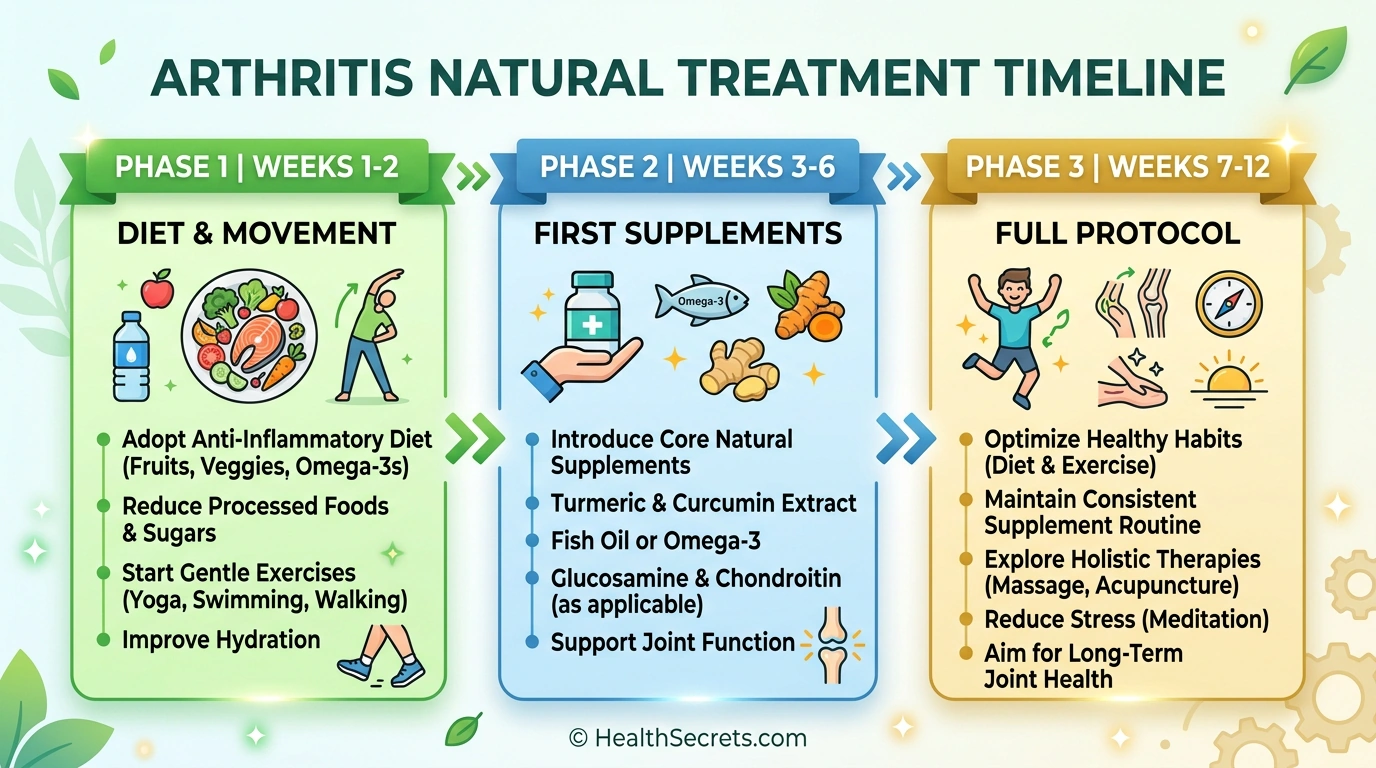
Phase 3: Expanded Protocol (Weeks 7-12)
- Add boswellia serrata (100-250mg AKBA-enriched, daily)
- Consider omega-3 supplementation (2-4g EPA/DHA daily)
- Add glucosamine/chondroitin if targeting cartilage support (1,500mg/1,200mg daily)
- Reassess after 12 weeks — continue what works, discontinue what doesn't