

If you've been feeling a slow, steady drain on your energy over the years — the kind no amount of coffee quite fixes — you're not imagining things. Something genuinely is changing inside your cells, and it has a name: NAD+. [8] [11]
Nicotinamide adenine dinucleotide, or NAD+, is a molecule your body absolutely cannot function without [16]. It sits at the center of cellular energy production, DNA repair, and the activation of longevity-related genes called sirtuins. Every living cell, from bacteria to the neurons in your brain, relies on NAD+ to survive. [12]
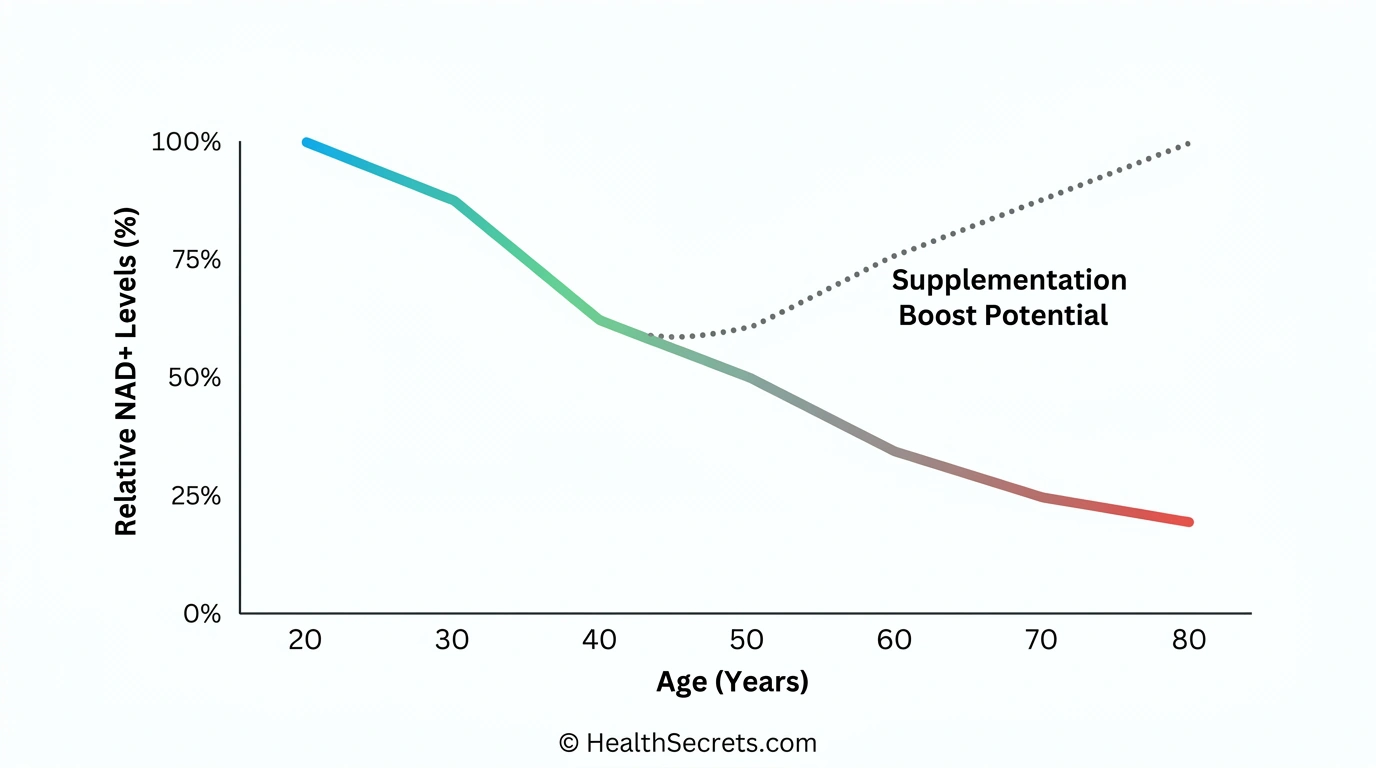
Here's the problem: your NAD+ levels are declining right now. Research published in Cell Metabolism has shown that NAD+ concentrations drop by approximately 50% between young adulthood and middle age, and they keep falling from there [2] [9] [24]. This decline is now considered one of the key molecular drivers of aging itself — contributing to everything from fatigue and metabolic slowdown to impaired immune function and increased disease risk [3].
The exciting news is that scientists have identified several ways to boost NAD+ levels, from cutting-edge supplements like NMN and NR to completely free lifestyle strategies like exercise and intermittent fasting. But the field is still young, and separating genuine promise from overhype requires a careful look at the evidence. [15] [18]
In this guide, you'll learn exactly what NAD+ does in your body, why it declines, how to boost it, what the clinical research actually shows, and how to build a practical NAD+ support protocol that fits your budget and goals. [19] [20]
For a comprehensive overview of evidence-based longevity strategies, see our complete longevity and anti-aging guide [10]. If you're interested in how cellular health intersects with immune function, explore our immune system guide. [21]
What Exactly Is NAD+ and Why Does Every Cell Need It?
NAD+ (nicotinamide adenine dinucleotide) is a coenzyme found in every living cell in your body, and it is absolutely essential for life. Without adequate NAD+, your cells cannot produce energy, repair damaged DNA, or regulate the genes that influence how quickly you age. It participates in more than 500 enzymatic reactions, making it one of the most versatile and critical molecules in human biology.
NAD+ exists in two forms: NAD+ (the oxidized form) and NADH (the reduced form). Together, they function as an electron shuttle in your cells' energy production machinery. When NAD+ picks up electrons during metabolism, it becomes NADH [7]. When NADH delivers those electrons to the mitochondria for ATP (energy) production, it converts back to NAD+. This constant cycling is what keeps your cellular energy flowing.
First identified by researchers in 1906, NAD+ earned Nobel Prize recognition for its role in metabolism. But it wasn't until the early 2000s that scientists began to understand its broader significance — particularly its dramatic decline with age and its role in activating sirtuins, a family of proteins now considered central to longevity research.
Why Does the 70% NAD+ Decline Matter So Much?
The statistic that catches most people off guard is this: NAD+ levels can drop by 50% or more between young adulthood and age 50, with continued decline thereafter [23]. Research published in Cell Metabolism (2016) confirmed this age-related decrease across multiple tissues including skin, brain, muscle, and liver [22]. This isn't a subtle shift — it's a dramatic reduction in the molecule your cells depend on for nearly everything.
The consequences ripple across every system in your body. With less NAD+, your mitochondria produce less ATP (cellular energy). Your DNA repair machinery slows down, allowing mutations to accumulate. Your sirtuins — the so-called "longevity genes" — become less active. Your circadian rhythm destabilizes. Your immune cells function less efficiently. In short, the decline in NAD+ is now understood as both a marker and a potential driver of the aging process itself.

The Preventive Screening Timeline
US screening ages and intervals in one age-ordered table, five questions that change your plan, and a tracker that works out when each test is next due.
How Does NAD+ Actually Power Your Cells and Fight Aging?
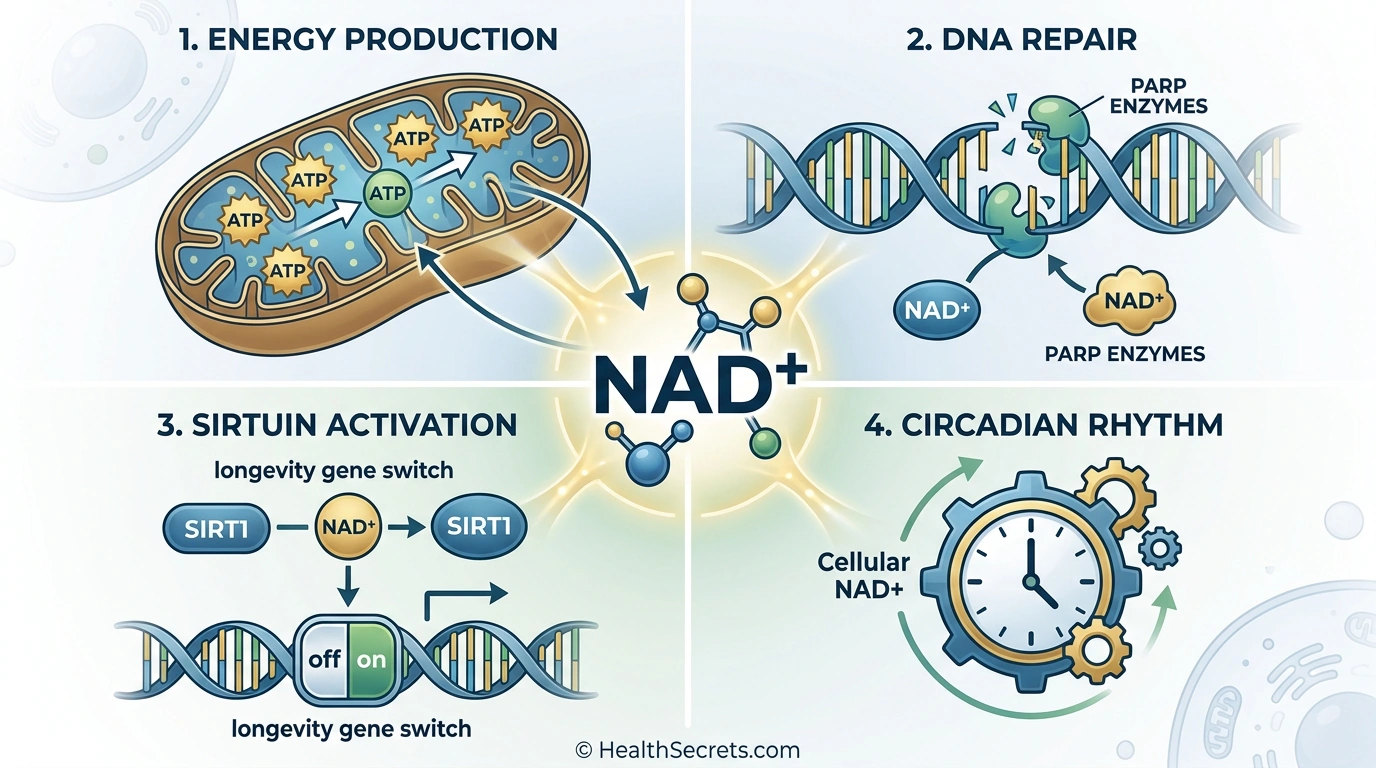
NAD+ drives aging defense through four interconnected mechanisms: energy production in your mitochondria, activation of sirtuin longevity genes, DNA damage repair via PARP enzymes, and maintenance of healthy circadian rhythms [6]. When NAD+ levels are adequate, these systems work in concert to keep cells young and functional. When levels drop, all four systems falter simultaneously.
How Does NAD+ Fuel Cellular Energy Production?
Your mitochondria — the powerhouses inside every cell — depend on NAD+ to produce ATP, the universal energy currency of life. In the electron transport chain, NAD+ accepts electrons from the food you eat and becomes NADH. This NADH then delivers those electrons to the mitochondria, which use them to generate ATP. Without sufficient NAD+, this entire energy production chain slows down, leaving cells starved for fuel. Research confirms that declining NAD+ levels directly impair mitochondrial function and reduce ATP output in aged tissues.
What Are Sirtuins and Why Do They Need NAD+?
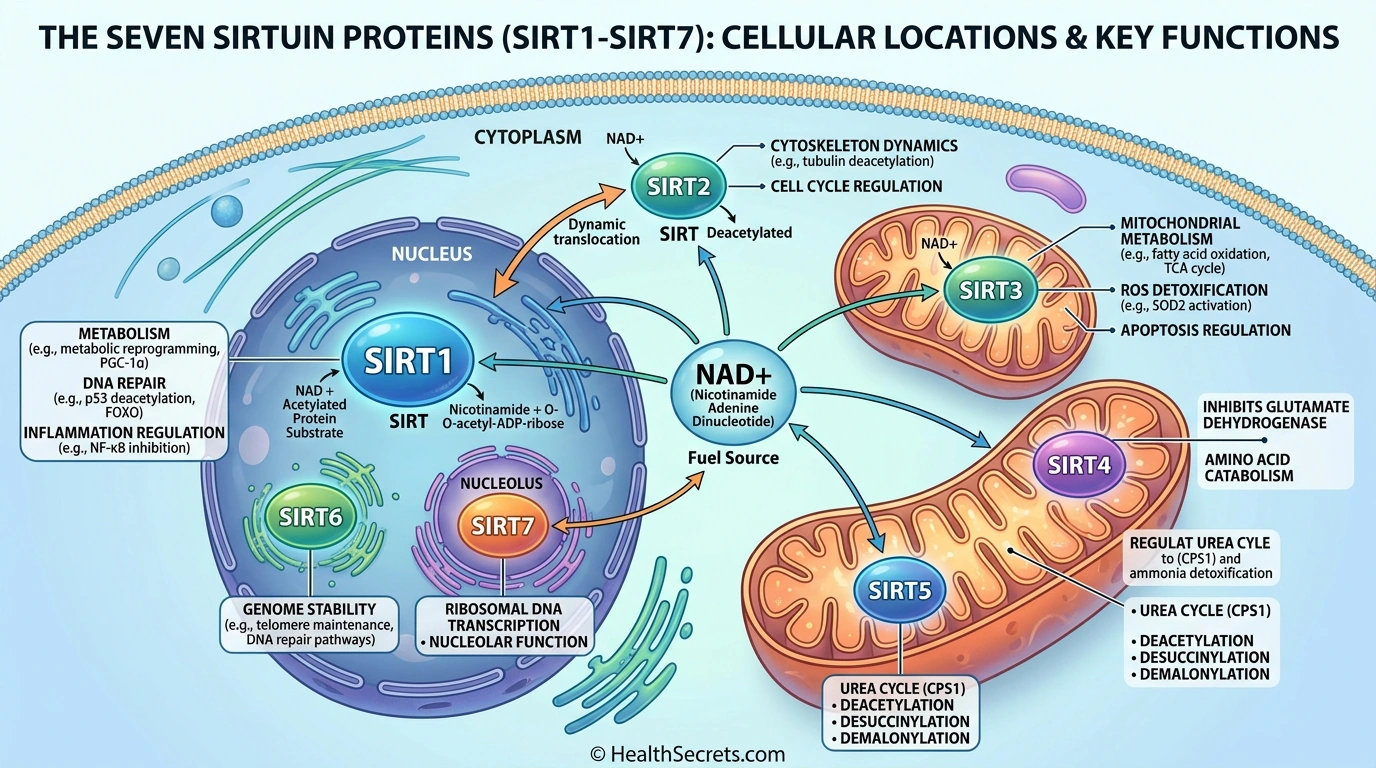
Sirtuins are a family of seven proteins (SIRT1–SIRT7) that regulate hundreds of cellular processes related to aging, metabolism, DNA repair, and inflammation. They're often called "longevity genes" because overexpression of sirtuin homologs extends lifespan in yeast, worms, flies, and mice. Critically, all seven sirtuins require NAD+ as a co-substrate to function — they literally cannot work without it.
SIRT1 is the most studied: it regulates metabolism, reduces inflammation, promotes DNA repair, and mimics the biological effects of caloric restriction — one of the most well-established longevity interventions in animal research. SIRT3 protects mitochondria from oxidative stress. SIRT6 maintains genomic stability and its deficiency accelerates aging in mice. When NAD+ declines with age, sirtuin activity drops in parallel, and many researchers believe this is a central mechanism driving age-related disease.
How Does NAD+ Support DNA Repair?
Your DNA sustains thousands of damage events every single day — from UV radiation, metabolic byproducts, and environmental toxins. PARP enzymes (poly ADP-ribose polymerases) are your primary DNA repair crew, and they consume large quantities of NAD+ to do their work. As you age, DNA damage accumulates and PARP activity increases, creating a vicious cycle: more damage means more NAD+ consumed for repairs, which means less NAD+ available for everything else — energy production, sirtuin activation, and immune function.
Why Does NAD+ Decline With Age?
The decline happens through a triple mechanism. First, NAD+ consumption increases: rising DNA damage means PARPs use more NAD+ for repair. Second, NAD+ production slows: the biosynthesis pathways become less efficient with age. Third, an enzyme called CD38 increases with age-related inflammation — and CD38 actively degrades NAD+. This trifecta of increased consumption, decreased production, and active destruction explains why the decline is so steep and consequential.
What Are the Proven and Potential Benefits of Boosting NAD+?
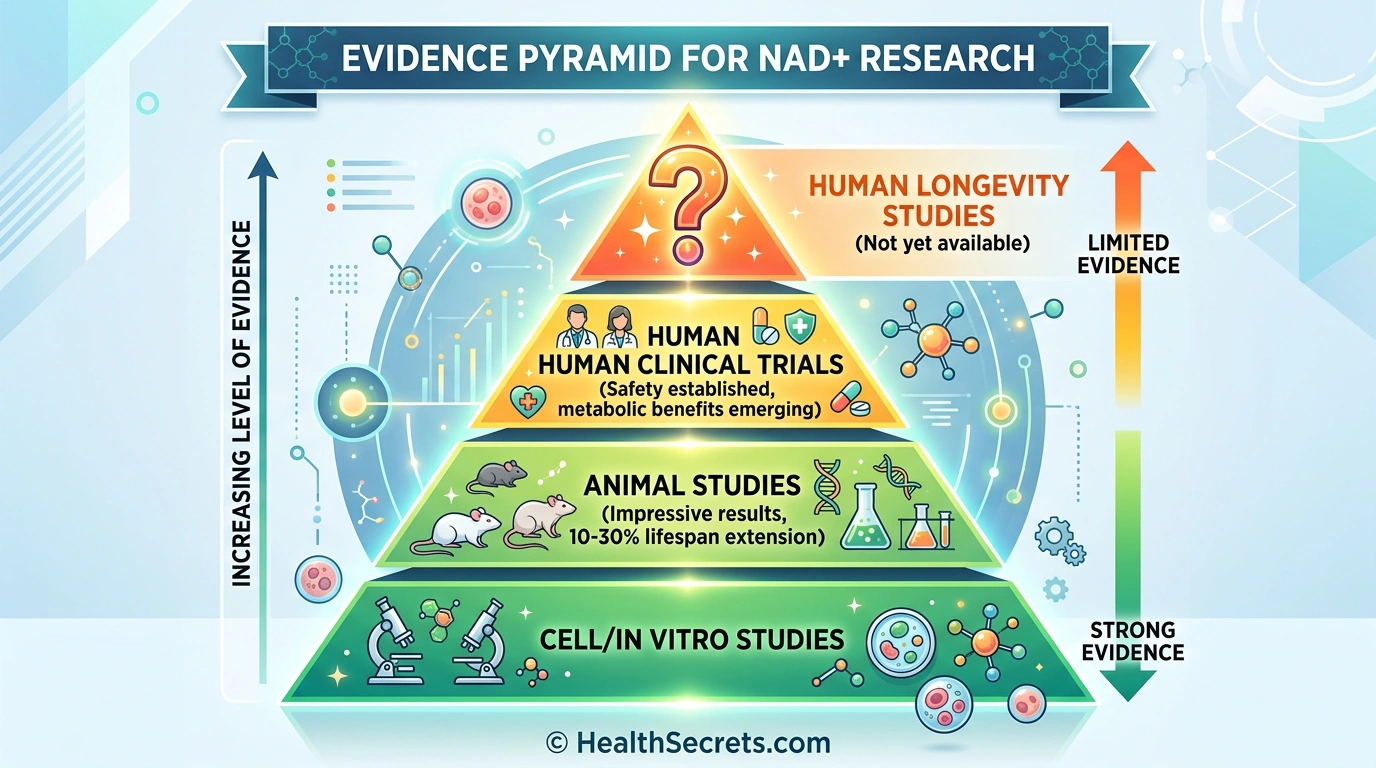
Boosting NAD+ levels through precursor supplements has demonstrated clear benefits in animal studies — including lifespan extension, improved metabolic health, and enhanced physical performance — while human trials show safety and promising but more modest results. The evidence is strongest for metabolic improvements and weakest for actual longevity extension in humans, which remains unproven.
What Do Animal Studies Show About NAD+ Boosting?
The animal data is genuinely impressive. Multiple studies in mice show that NMN and NR supplementation can extend lifespan by 10–30%, reverse age-related metabolic decline, improve insulin sensitivity, enhance muscle function and exercise capacity, improve cognitive function, and support cardiovascular health. A landmark 2016 study by Mills et al [1]. in Cell Metabolism demonstrated that long-term NMN administration significantly mitigated age-associated physiological decline in mice without toxicity [25]. These results sparked enormous scientific and public interest in NAD+ boosters.
What Has Been Shown in Human Clinical Trials?
Human evidence is still emerging but encouraging. A randomized, multicenter clinical trial (Yi et al., 2023) found that NMN supplementation at doses up to 900mg daily safely and significantly increased blood NAD+ levels, with 600mg showing optimal clinical efficacy for physical performance improvements [4]. A 2022 study in npj Aging showed that 250mg daily NMN improved muscle strength in healthy older men over 12 weeks [5] [17]. NR (particularly the patented form Tru Niagen by ChromaDex) has more extensive human safety data, with trials showing improved blood pressure, arterial stiffness, and NAD+ bioavailability. A 2026 study from the University of Bergen found that NR raised blood NAD+ levels more than twice as effectively as NMN after 8 days — though both compounds show benefits.
However, a 2024 meta-analysis of 12 randomized controlled trials (513 total participants) found that while NMN reliably elevates blood NAD+ levels, most clinically relevant metabolic outcomes were not significantly different between NMN and placebo groups. This underscores that raising NAD+ levels doesn't automatically translate to measurable health improvements in every study.
What About Longevity in Humans?
This is the critical gap: no human study has demonstrated lifespan extension from NAD+ boosters. Longevity outcomes require 10–20 year trials that simply don't exist yet. Current human trials are short-term (weeks to months) and measure surrogate markers like NAD+ blood levels, muscle function, and metabolic parameters — not actual lifespan. The animal data is promising, but translating mouse results to humans is never straightforward.
What Are the Risks and Side Effects of NAD+ Boosters?
NAD+ boosters (NMN and NR) are generally well-tolerated in clinical trials at standard doses, with minimal side effects reported. However, long-term safety data beyond a few months is limited, and a theoretical concern exists that boosting NAD+ could fuel cancer cell growth since all rapidly dividing cells benefit from higher NAD+ levels.
Are NMN and NR Safe?
Multiple human trials confirm short-term safety. NMN has been tested at 100–1,250mg daily with no serious adverse events — mild and rare side effects include occasional nausea, headache, or fatigue. NR has been studied at 100–2,000mg daily with a similar safety profile and slightly more extensive long-term data, partly due to ChromaDex's ongoing research program. Neither supplement has shown concerning effects on liver function, kidney function, or blood counts in published trials.
What About Niacin's Side Effects?
Niacin (nicotinic acid) has decades of safety data from cardiovascular research but comes with the well-known "niacin flush" — skin redness, warmth, and itching lasting 15–30 minutes after dosing. This is caused by prostaglandin-mediated vasodilation and is harmless but uncomfortable. Sustained-release niacin reduces flushing but carries a risk of liver toxicity, including elevated liver enzymes and rare hepatotoxicity. High-dose niacin can also worsen glucose control in diabetics and raise uric acid levels in gout-prone individuals.
Who Should Avoid NAD+ Boosters?
Pregnant or breastfeeding women should avoid these supplements due to a lack of safety data. Active cancer patients should consult their oncologist before use — since NAD+ supports all rapidly dividing cells, including tumors, there's a theoretical (though unproven) concern. People with severe liver disease should be cautious with niacin in particular. And anyone taking blood thinners, diabetes medications, or statins should discuss potential interactions with their physician.
How Should You Choose and Use an NAD+ Booster?
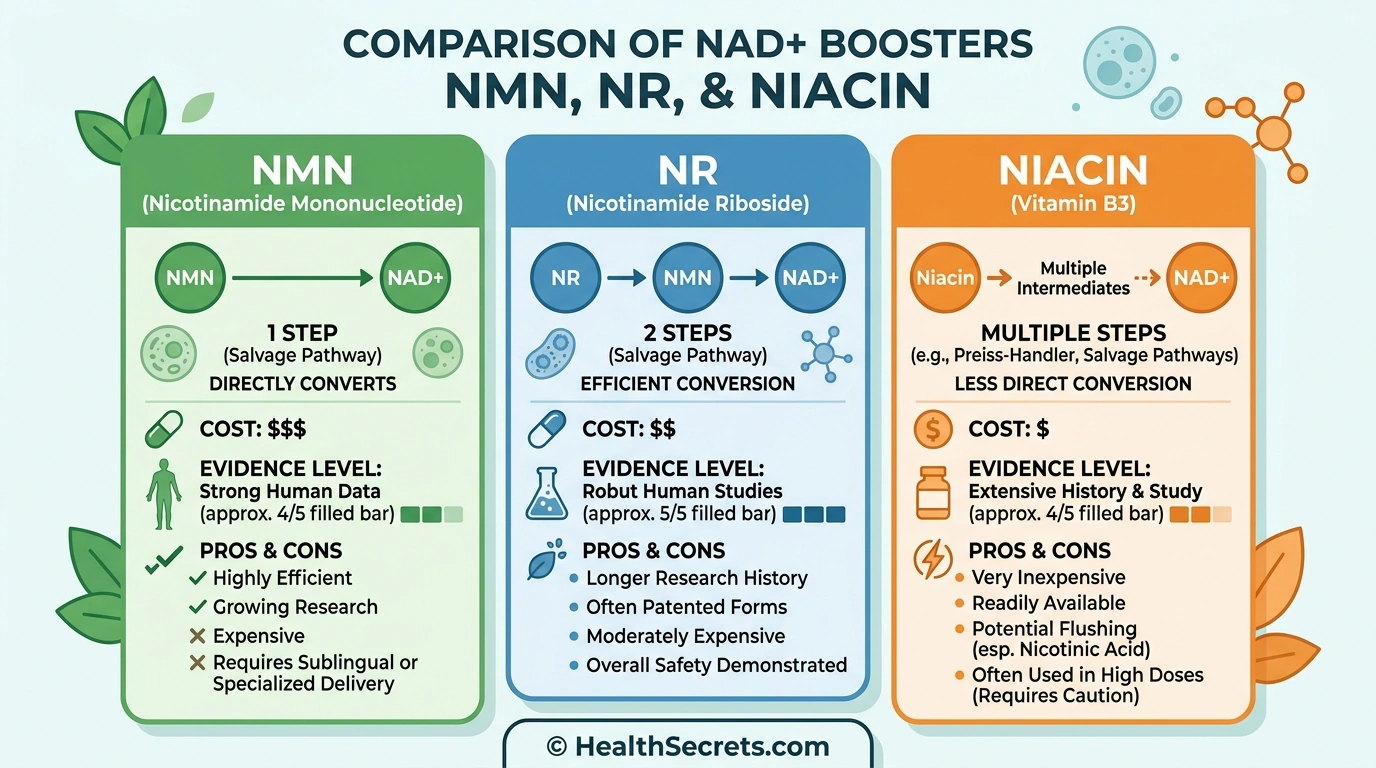
The right NAD+ booster depends on your budget, evidence preferences, and tolerance for side effects. NMN offers the most direct pathway to NAD+ but costs the most. NR has the strongest human safety record. Niacin is the cheapest option by far but causes uncomfortable flushing. Start with free lifestyle strategies and add supplements only if budget and interest allow.
NMN: The Direct Precursor
NMN (nicotinamide mononucleotide) converts to NAD+ in a single enzymatic step, making it the most direct precursor [14]. Standard dosing ranges from 250–1,000mg daily, taken in the morning to align with circadian NAD+ rhythms. Cost runs $40–100 per month for quality brands. The key advantage is its directness; the key limitation is that it has less long-term human data than NR and is the most expensive option.
NR: The Well-Studied Alternative
NR (nicotinamide riboside) converts to NMN and then to NAD+ in two enzymatic steps. ChromaDex's Tru Niagen is the most researched brand, with multiple published trials. Standard dosing is 300–1,000mg daily. Cost ranges from $30–80 per month. NR's advantage is its deeper human safety evidence; its disadvantage is the less direct conversion pathway.
Niacin: The Budget Option
Vitamin B3 (nicotinic acid) converts to NAD+ through the Preiss-Handler pathway — a less direct route. Dosing starts at 100–250mg daily and increases gradually to 500–2,000mg as flush tolerance builds. Cost is essentially negligible at $0.05–0.10 per day. The advantage is extreme affordability; the disadvantages are the flush side effect and less specific anti-aging research.
| Feature | NMN | NR | Niacin |
|---|---|---|---|
| Pathway to NAD+ | 1 step (most direct) | 2 steps (via NMN) | Multiple steps (Preiss-Handler) |
| Typical Daily Dose | 250–1,000mg | 300–1,000mg | 500–2,000mg |
| Monthly Cost | $40–100 | $30–80 | $1–3 |
| Human Safety Data | Good (emerging) | Strong (extensive) | Decades |
| Key Side Effect | Rare, mild | Rare, mild | Flushing (common) |
| Longevity Proven? | No (in humans) | No (in humans) | No |
Dosing Protocols and Timing
- NMN: Start with 250mg daily in the morning. After 2 weeks, increase to 500mg if well-tolerated. Some advanced users take 1,000mg, though added benefit is unclear. Morning dosing supports circadian NAD+ rhythms.
- NR: Begin with 300mg daily (the most-studied Tru Niagen dose). May increase to 500–1,000mg. Morning or split AM/PM dosing.
- Niacin: Start very low at 100mg with food. Increase by 100–250mg per week as flush tolerance develops. Immediate-release is preferred over sustained-release due to liver safety. Always take with food to reduce flushing.
Can You Boost NAD+ Naturally Through Lifestyle and Diet?
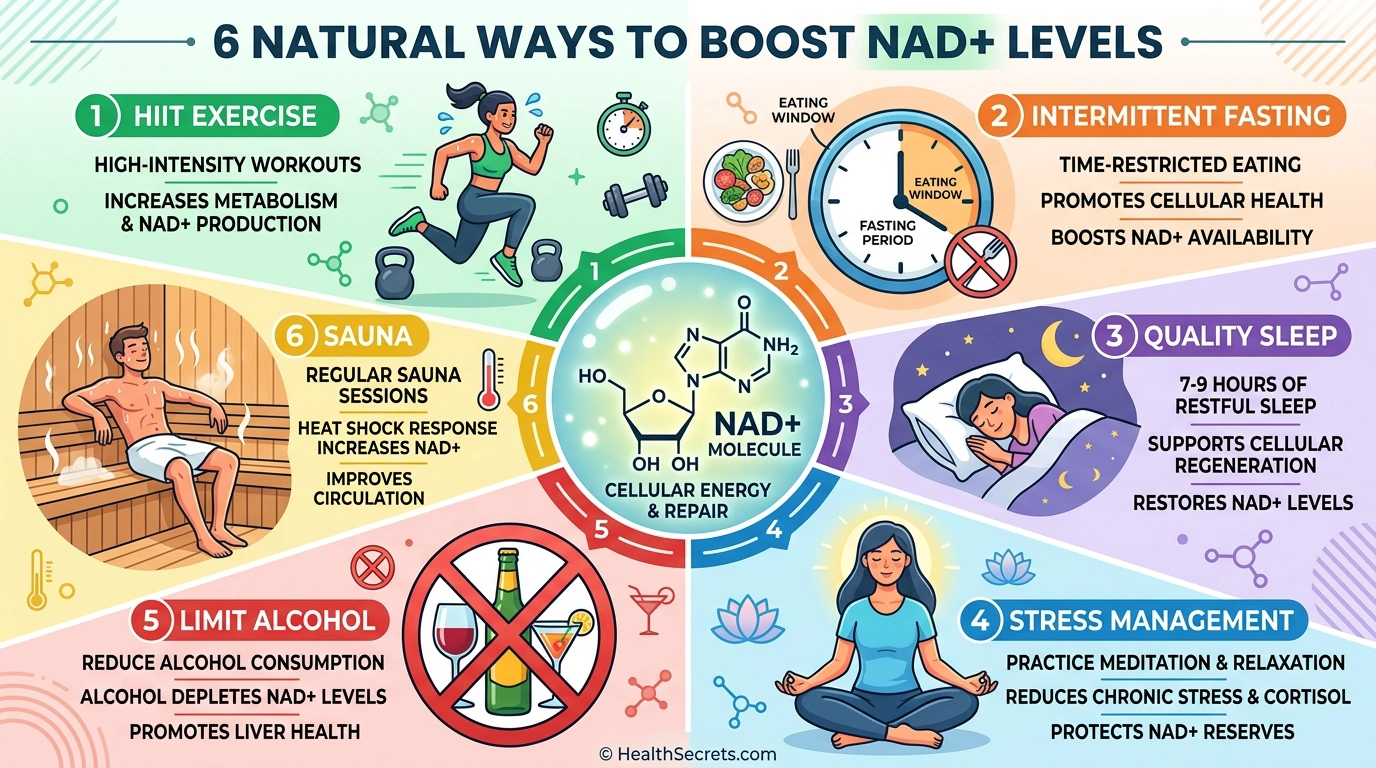
Yes — and these strategies should form the foundation of any NAD+ support plan because they are free, proven to improve healthspan, and offer benefits far beyond NAD+ alone. Exercise, fasting, quality sleep, and stress management all increase NAD+ levels through well-established biological mechanisms.
How Does Exercise Boost NAD+?
Exercise is the single most powerful free NAD+ booster available. Physical activity increases NAD+ synthesis through activation of NAMPT (the rate-limiting enzyme in NAD+ production), stimulates mitochondrial biogenesis, and activates sirtuins. High-intensity interval training (HIIT) appears most effective for NAD+ elevation, though resistance training and moderate aerobic exercise also help. Aim for 150 minutes per week of moderate exercise or 75 minutes of vigorous exercise.
Does Intermittent Fasting Increase NAD+?
Fasting and caloric restriction are among the most well-established NAD+ boosters in research. During fasting periods, NAD+ levels rise as the body shifts metabolic gears. Time-restricted eating (such as a 16:8 protocol) increases NAD+ availability, activates sirtuins and autophagy (cellular cleanup), and mimics some of the longevity benefits seen in caloric restriction studies — without the difficulty of sustained calorie cutting.
What About Sleep and Stress?
NAD+ levels follow a circadian rhythm, peaking in the morning and declining at night. Sleep deprivation disrupts this rhythm and depletes NAD+. Aim for 7–9 hours of quality sleep with a consistent schedule. Chronic stress increases DNA damage and PARP activity, consuming NAD+. Stress management through meditation, yoga, or deep breathing protects your NAD+ reserves.
Which Foods Contain NAD+ Precursors?
Small amounts of NMN are found naturally in broccoli, cabbage, avocado, edamame, and cucumbers — though at milligram quantities far below supplemental doses. Tryptophan-rich foods (turkey, eggs, dairy) provide raw material for de novo NAD+ synthesis. Niacin-rich foods (chicken, tuna, mushrooms, green peas) supply vitamin B3 for the Preiss-Handler pathway.
What About Synergistic Compounds?
- Resveratrol (250–500mg daily) activates sirtuins directly, working synergistically with NAD+ — NAD+ provides the fuel and resveratrol presses the accelerator.
- Quercetin (500–1,000mg daily) inhibits CD38, the enzyme that degrades NAD+, effectively preserving existing stores.
- Apigenin (found in parsley, celery, chamomile tea) also inhibits CD38. Combining a NAD+ booster with a sirtuin activator and a CD38 inhibitor represents the most theoretically complete approach — though this "longevity stack" costs $100–150/month and is based primarily on animal data.
The Free NAD+ Protocol
Before spending anything on supplements, implement these proven strategies:
- HIIT exercise 3× per week (most potent NAD+ booster)
- Time-restricted eating (16:8 intermittent fasting)
- 7–9 hours quality sleep (consistent schedule)
- Stress management (daily meditation or breathwork)
- Limit alcohol (alcohol depletes NAD+ through NAD+-dependent metabolism)
- Sauna use 3–4× per week if available (heat stress activates longevity pathways)
What's the Best Step-by-Step Plan to Support Your NAD+ Levels?
A practical NAD+ support plan starts with free, proven lifestyle strategies as the foundation, adds targeted supplementation only if budget and interest allow, and sets realistic expectations based on current evidence. The goal is optimizing healthspan — the years you live in good health — rather than chasing unproven longevity claims.
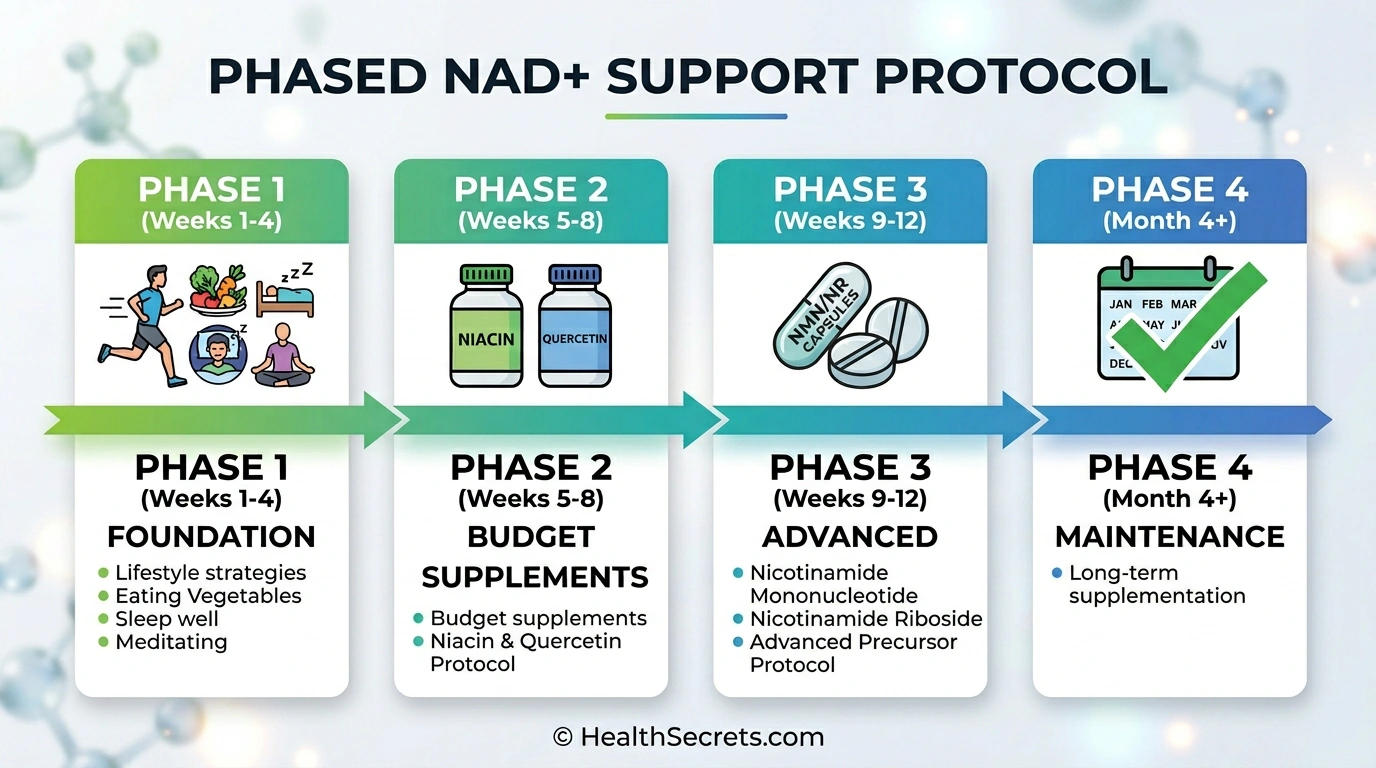
Phase 1: Foundation (Weeks 1–4) — Free Strategies
- Begin or increase exercise: 150 min/week moderate or 75 min/week vigorous (include HIIT 2–3×/week)
- Implement time-restricted eating: start with 14:10, work up to 16:8
- Optimize sleep: 7–9 hours, consistent schedule, dark cool room
- Add daily stress management: 10 min meditation, breathwork, or yoga
- Reduce or eliminate alcohol (depletes NAD+ through metabolic pathways)
- Eat NAD+ precursor-rich foods: broccoli, avocado, edamame, niacin-rich proteins
Phase 2: Budget Supplementation (Weeks 5–8)
- If budget-conscious: Start niacin 100mg daily with food, increase by 100mg weekly to 500–1,000mg (build flush tolerance)
- Add quercetin 500mg daily (CD38 inhibitor, preserves NAD+)
- Consider resveratrol 250mg daily with a fat source (sirtuin activator)
- Monitor: Energy levels, sleep quality, exercise performance
Phase 3: Advanced Supplementation (Weeks 9–12)
- If budget allows: Choose NMN 250–500mg morning OR NR 300–500mg morning
- Continue quercetin and resveratrol if tolerated
- Optional: Baseline bloodwork (metabolic panel, fasting insulin, glucose, liver enzymes)
- Track subjective markers: energy, mental clarity, exercise recovery, sleep quality
Phase 4: Long-Term Maintenance (Month 4+)
- Continue lifestyle strategies (these are non-negotiable regardless of supplementation)
- Reassess supplement protocol every 3 months: Is it worth the cost? Do you notice benefits?
- Follow-up bloodwork at 6 months if taking supplements
- Stay current on research (this field evolves rapidly)