What if you could upgrade your brain the same way you upgrade your phone — systematically, with measurable results? That's the promise of cognitive biohacking, and unlike most wellness trends, the science actually backs it up.
Biohacking for mental performance isn't about swallowing mystery pills or wearing tinfoil hats. It's the disciplined practice of using evidence-based interventions — from targeted nootropics to cold exposure protocols — to optimize how your brain functions. Research shows that combining strategies like caffeine plus L-theanine can improve focus by 20%, intermittent fasting increases brain-derived neurotrophic factor (BDNF) by up to 30%, and proper sleep optimization improves overall cognitive function by 30%.
The key difference between biohacking and random health experimentation?
Data. True biohackers track metrics, isolate variables, and systematically test what works for their unique biology. Whether you're a knowledge worker fighting afternoon brain fog or an entrepreneur seeking peak mental performance, this guide gives you a proven, step-by-step framework.
Related reading: Mental Wellness Guide · Sleep Optimization Guide · Lower Cortisol Naturally · Omega-3 Fish Oil Guide
What Do You Need to Know Before Starting Biohacking for Mental Performance?
Biohacking for mental performance is the systematic, evidence-based practice of optimizing your biology to improve cognitive function — including focus, memory, creativity, and mental energy. Before starting, you need a clear understanding of evidence-based approaches versus pseudoscience, a commitment to tracking metrics, and a safety-first mindset.
What Is Cognitive Biohacking?
Cognitive biohacking combines principles from neuroscience, nutrition, and quantified self-tracking to enhance brain performance. Unlike random supplementation or trendy wellness hacks, true biohacking follows a scientific framework: hypothesis → intervention → measurement → analysis ([1]).
Evidence-Based vs.
Pseudoscience
- Evidence-based: Supported by peer-reviewed research with understood mechanisms (PubMed, clinical trials)
- Pseudoscience: Unproven claims without research or clear mechanisms (anecdotal blogs, exaggerated marketing)
- Critical thinking: Evaluate sources carefully — prioritize systematic reviews and randomized controlled trials
Who Is This For?
This guide is designed for healthy adults looking to optimize cognitive performance. It ranges from beginner-friendly strategies (sleep, nutrition, exercise) to advanced protocols (neurofeedback, red light therapy, nootropic stacks).
Prerequisites
- Baseline health: No unmanaged chronic conditions (consult your doctor first if you have heart disease, diabetes, or mental health conditions)
- Tracking tools: A journal or app for recording mood, energy, and cognitive performance (1–10 scale daily)
- Patience: Most biohacking interventions require 2–12 weeks to show measurable results
- One-at-a-time approach: Add interventions gradually (2–4 weeks apart) to isolate effects

Can't Sleep Through the Night?
Download the free Sleep Audit & Recovery Guide — used by our readers to identify the exact bedroom triggers and stress habits wrecking their rest.
How Do You Optimize Sleep as the Foundation of Brain Performance?
Sleep is the single most powerful biohack for mental performance, improving cognitive function by approximately 30% across attention, memory, processing speed, and creativity. Getting 7–9 hours of quality sleep nightly is non-negotiable — sleep deprivation impairs cognition equivalent to a 0.08% blood alcohol concentration.
Sleep Hygiene Protocol
- Consistent schedule: Same bedtime and wake time daily, including weekends (regulates circadian rhythm)
- Dark room: Complete darkness using blackout curtains or an eye mask to maximize melatonin production
- Cool temperature: 65–68°F (18–20°C) — core body temperature must drop for optimal sleep onset
- Screen curfew: No screens 2–3 hours before bed, or use blue-light-blocking glasses
- Wind-down routine: 30–60 minutes of reading, meditation, or gentle stretching
Sleep Tracking
Use wearables like the
Oura Ring or
Whoop to monitor deep sleep, REM sleep, and heart rate variability (HRV). Target 1.5–2 hours of deep sleep and 1.5–2 hours of REM sleep nightly.

Optional Sleep Supplements
- Magnesium glycinate: 300–400 mg (relaxation, GABA support)
- Glycine: 3 g before bed (improves sleep quality, lowers core body temperature)
- L-theanine: 200 mg (promotes alpha waves and relaxation)
Research confirms that consistent sleep optimization is the foundation upon which all other biohacking strategies depend ([14]).

Better Sleep Environment Workbook
Heat, light, sound and air measured against their targets, a bedroom audit that counts itself, fixes at three price points, and two 14-day experiments that show which change helped you.
How Do You Fuel Your Brain with Optimal Nutrition?
The Mediterranean diet reduces cognitive decline by approximately 30% through its rich combination of omega-3 fatty acids, antioxidants, and polyphenols. Your brain consumes 20% of your body's energy — feeding it the right fuel is essential for sustained mental performance.
Brain-Optimizing Nutrition
- Mediterranean diet: Fatty fish (2–3 servings/week), olive oil, nuts, seeds, colorful vegetables, whole grains, and legumes
- Omega-3 DHA (1–2 g daily): 60% of brain fat is DHA — critical for neuroplasticity, memory, and anti-inflammatory protection
- Polyphenol-rich foods: Blueberries, dark chocolate, green tea, turmeric (neuroprotective antioxidants)
What to Avoid
- Sugar and processed foods: Cause inflammation, blood sugar spikes, and crashes (brain fog, fatigue)
- Trans fats: Impair cognitive function through inflammation and oxidative stress
- Excess alcohol: Neurotoxic, disrupts sleep architecture, impairs memory consolidation
Hydration
Even mild dehydration (2%) impairs cognitive function by approximately 10%. Aim for 8–10 cups of water daily — urine should be pale yellow.
How Do You Use Evidence-Based Nootropics to Enhance Cognition?
Nootropics are substances that improve brain function, and the most evidence-based options — caffeine plus L-theanine, omega-3 DHA, and creatine — can improve focus by 20%, memory by 15%, and overall cognitive function by 10% respectively. Start with one nootropic at a time to isolate effects before building stacks.
Top Evidence-Based Nootropics
Caffeine blocks adenosine (fatigue signals) while L-theanine promotes calming alpha waves. Together, they improve focus by 20% synergistically, with reduced jitters compared to caffeine alone ([2]). Use a 1:2 caffeine-to-L-theanine ratio, morning or early afternoon only.
DHA is the primary structural fat in neurons, supporting neuroplasticity and reducing neuroinflammation. Take with meals for optimal fat-soluble absorption.
Creatine donates phosphate groups for rapid ATP production in the brain. Research shows 10% cognitive improvement, especially in sleep-deprived individuals and vegetarians.
Standardized to 50% bacosides, bacopa improves memory after 12 weeks of consistent use through neuroprotective and anxiolytic effects.
Stimulates nerve growth factor (NGF), promoting neuron growth and repair. Allow 4–8 weeks for cognitive benefits.
This adaptogen reduces fatigue by 30% and improves mental performance under stress. Standardized to 3% rosavins, 1% salidroside. Take morning or early afternoon.
A choline precursor that converts to acetylcholine — the neurotransmitter essential for memory and learning. Split into two daily doses.
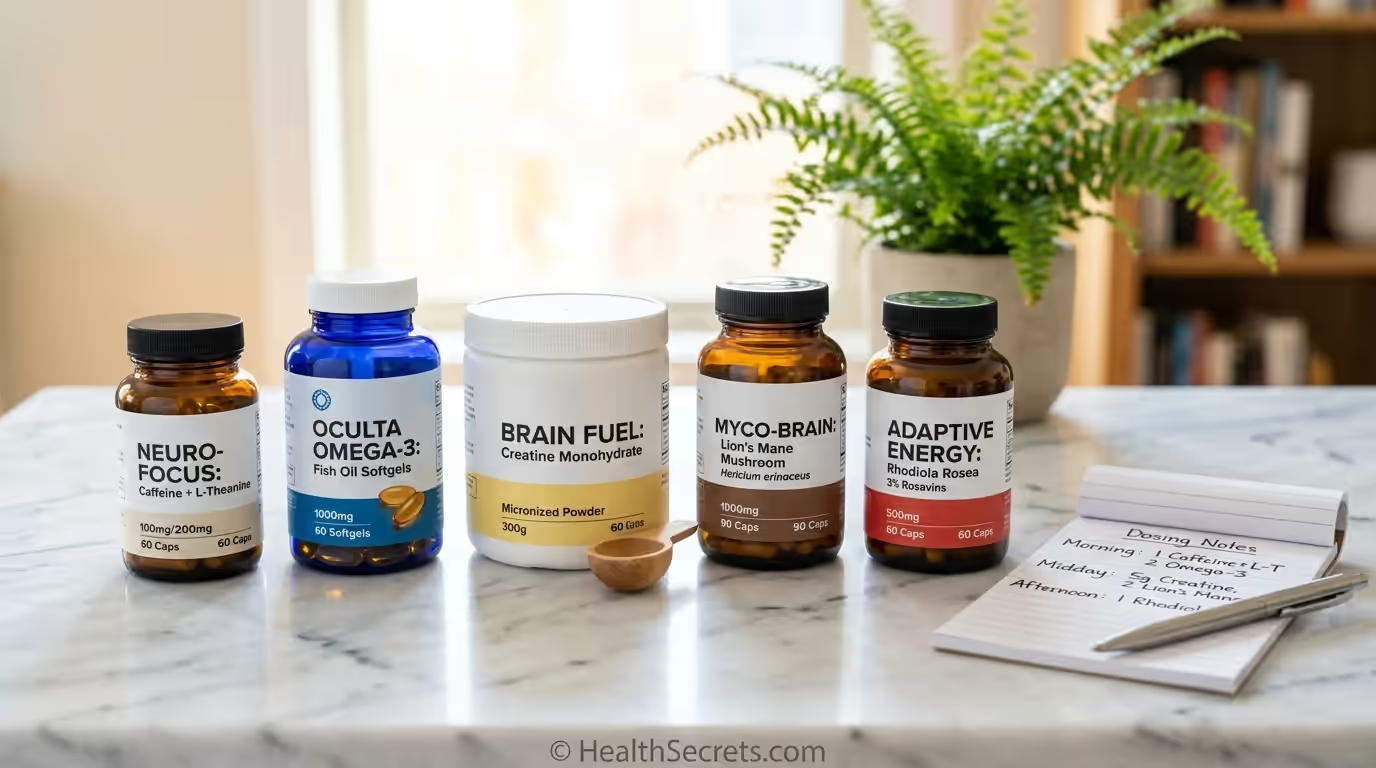
Nootropic Stack Examples
- Focus stack: Caffeine 100 mg + L-theanine 200 mg + Alpha-GPC 300 mg
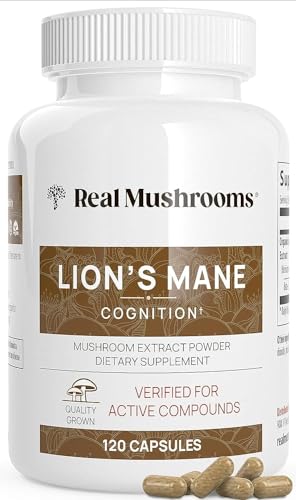
- Memory stack: Omega-3 DHA 1 g + Bacopa 300 mg + Lion's Mane 1,000 mg
- Energy stack: Creatine 5 g + Rhodiola 500 mg + B-complex
Safety: Use research-backed doses only. Avoid unproven compounds (racetams have limited human research). Consult your doctor if taking SSRIs, blood thinners, or stimulants. Cycle rhodiola (2–3 weeks on, 1 week off) to prevent tolerance.
How Does Intermittent Fasting Boost Your Brain Power?
Intermittent fasting (IF) using a 16:8 protocol increases brain-derived neurotrophic factor (BDNF) by up to 30%, enhancing neuroplasticity, memory, and neuroprotection. During fasting, the brain shifts to using ketone bodies as fuel, which provides stable energy and reduces brain fog.
Cognitive Benefits of IF
- BDNF increase (30%): Supports neuron growth, new connections, and learning capacity ([3])
- Ketone production: Beta-hydroxybutyrate crosses the blood-brain barrier as efficient alternative fuel
- Autophagy: Cellular cleanup removes damaged proteins, potentially reducing Alzheimer's-related protein aggregates ([4])
- Reduced inflammation: Improved insulin sensitivity prevents glucose spikes and crashes
How to Start IF Safely
- Week 1–2: Begin with 12:12 (12 hours fasting, 12 hours eating)
- Week 3–4: Progress to 14:10
- Week 5+: Reach 16:8 (eating window 12 PM–8 PM)
- Hydration: Water, herbal tea, and black coffee during fasting (zero calories)
- Electrolytes: Add sodium, potassium, and magnesium if fasting over 16 hours
- Break fast gently: Start with protein, healthy fats, and vegetables
Who Should Avoid IF
IF is not appropriate for those with eating disorder history, BMI below 18.5, pregnancy/breastfeeding, or those on diabetes or blood pressure medications without medical supervision.
How Does Cold Exposure Sharpen Your Mental Performance?
Cold exposure improves alertness by approximately 25% and triggers a massive neurochemical response — norepinephrine increases 200–300% and dopamine increases 250%, producing sustained improvements in mood, motivation, and focus that last for hours after exposure ([7]).
Cold Exposure Protocol
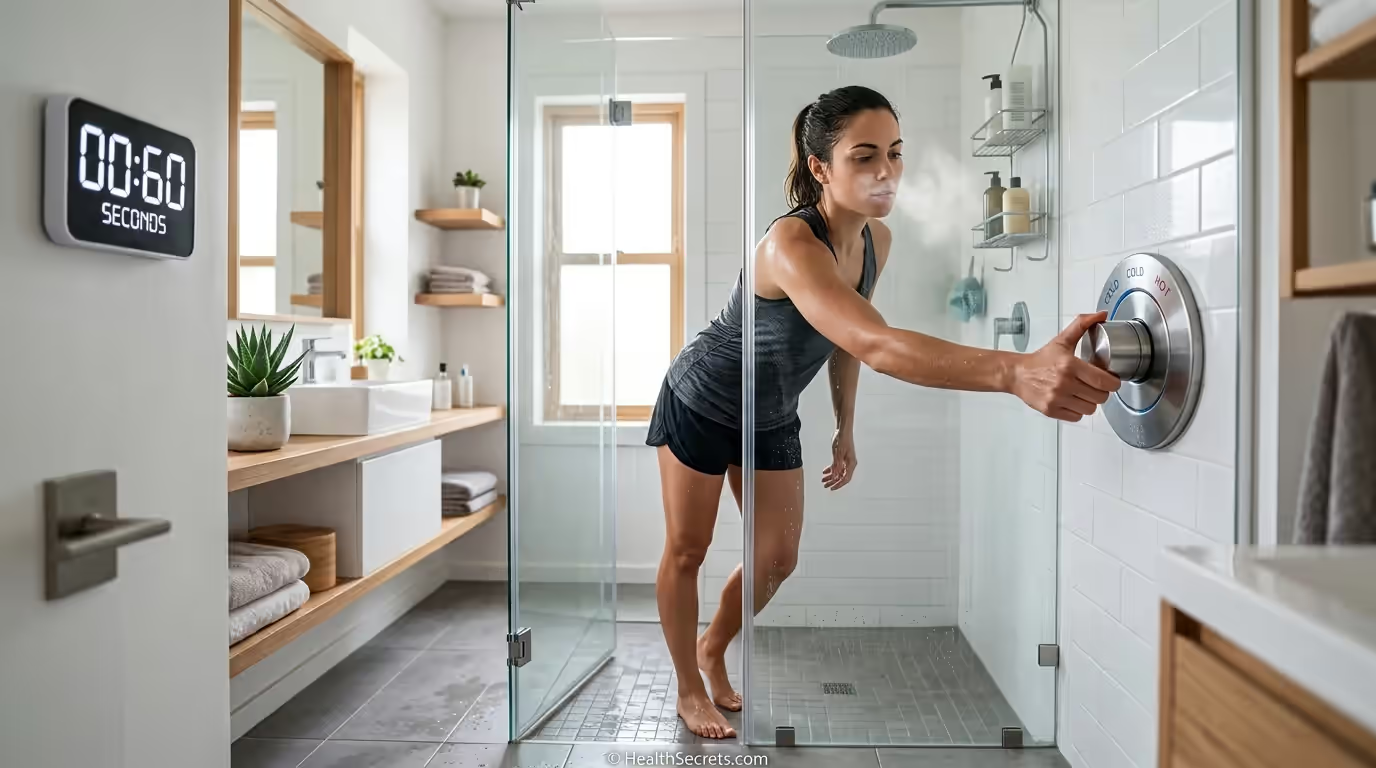
- Week 1–2: End warm showers with 15–30 seconds of cool water
- Week 3–4: Increase to 30–60 seconds of cold water
- Month 2+: Try cold plunge at 50–59°F (10–15°C) for 2–5 minutes
- Breathe: Use deep, controlled breathing to prevent hyperventilation
- Timing: Morning for alertness boost, or post-exercise for recovery
Research confirms that cold-water immersion facilitates positive affect and increases interaction between large-scale brain networks involved in attention control and self-regulation ([5]).
Contraindications
- Heart conditions (arrhythmias, heart disease)
- Raynaud's phenomenon
- Pregnancy
- Always start gradually and stop if you experience chest pain or severe discomfort
How Does Exercise Enhance Cognitive Function?
Aerobic exercise (150 minutes per week) increases BDNF by 30%, grows hippocampal volume (the brain's memory center), and stimulates neurogenesis — the formation of new neurons. Exercise is one of the most thoroughly researched cognitive enhancers available.
Exercise Protocol for Brain Health
- Aerobic exercise: 150 minutes/week (brisk walking, cycling, swimming) — increases BDNF and hippocampus volume
- HIIT (2–3 sessions/week): Improves executive function, decision-making, and cognitive flexibility
- Resistance training (2 sessions/week): Increases growth factors (IGF-1, VEGF) that support brain health, especially in older adults
- Timing: Morning exercise is optimal for circadian rhythm alignment and all-day alertness
- Outdoor exercise: Nature exposure provides additional stress reduction and mood improvement
How Do Red Light Therapy and Neurofeedback Optimize Your Brain?
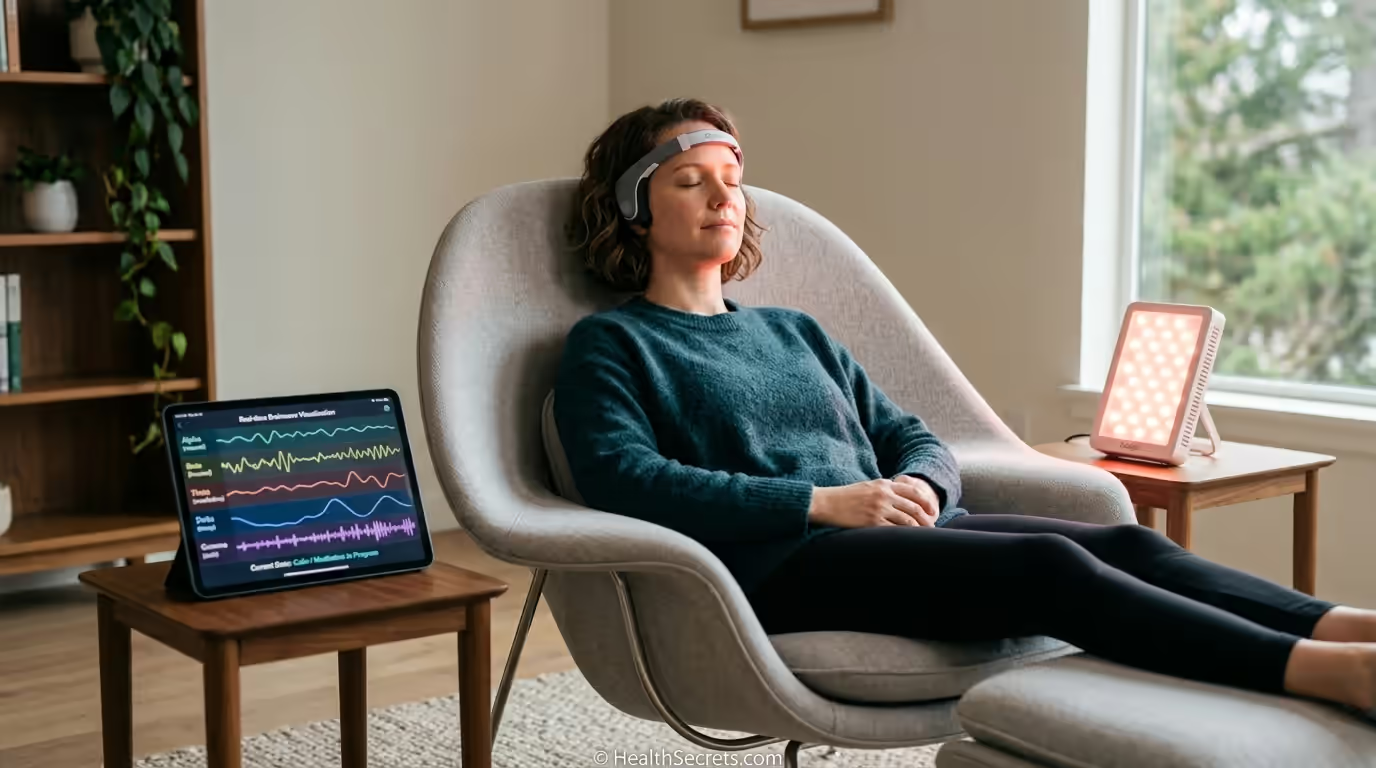
Red light therapy (transcranial photobiomodulation) improves reaction time by approximately 10% through enhanced mitochondrial ATP production, while neurofeedback training improves attention by 20% by optimizing brainwave patterns. These advanced tools represent the cutting edge of evidence-based cognitive biohacking.
Red Light Therapy (Photobiomodulation)
Near-infrared light (810–850 nm) penetrates the skull and stimulates cytochrome c oxidase in mitochondria, increasing ATP synthesis, cerebral blood flow, and reducing neuroinflammation ([8]).
- Protocol: Apply to forehead and temples, 10–20 minutes daily
- Distance: 6–12 inches from device
- Frequency: Daily or 3–5 times per week for cumulative benefits
- Devices: LED panels ($200–500) or handheld devices ($50–150) at 810–850 nm
Neurofeedback Training
EEG biofeedback provides real-time information about brainwave patterns, training your brain to produce optimal states ([12]).
Key brainwave targets:
- Alpha (8–12 Hz): Relaxation, creativity, flow state
- Beta (13–30 Hz): Focus, alertness, active thinking
- Theta (4–7 Hz): Deep meditation, creativity
- Gamma (30–100 Hz): Peak cognitive function, learning
Neurofeedback training has shown large effect sizes on working memory and mood, and medium to large effects on executive functions ([11]).
- Professional: 20–40 clinician-supervised sessions ($100–200/session)
- Home devices: Muse 2 headband ($250) or NeuroSky MindWave ($100–150)
- Consistency: 20–30 minutes daily, 3–5 times per week
How Do You Master Stress Management with HRV Biofeedback?
Heart rate variability (HRV) biofeedback improves stress resilience by training your vagal tone — higher HRV correlates with better cognitive performance, emotional regulation, and recovery. Combined with meditation (20 minutes daily), HRV training increases gray matter in the prefrontal cortex and hippocampus.
HRV Biofeedback Protocol
- Breathing: Slow, deep breathing at 4–6 breaths per minute (resonance frequency)
- Devices: HeartMath Inner Balance, Oura Ring guided breathing, or Welltory app
- Track: Monitor HRV trends over weeks (higher baseline = better stress resilience)
Breathwork Techniques
- 4-7-8 breathing: Inhale 4 seconds, hold 7 seconds, exhale 8 seconds (activates parasympathetic nervous system)
- Box breathing: Inhale 4, hold 4, exhale 4, hold 4 (used by Navy SEALs for stress management)
Adaptogens (If Needed)
- Ashwagandha (300–600 mg): Reduces cortisol by approximately 30%, improves stress resilience
- Rhodiola (340–680 mg): Reduces fatigue, improves mental performance under stress
How Do You Track and Optimize Your Biohacking Results?
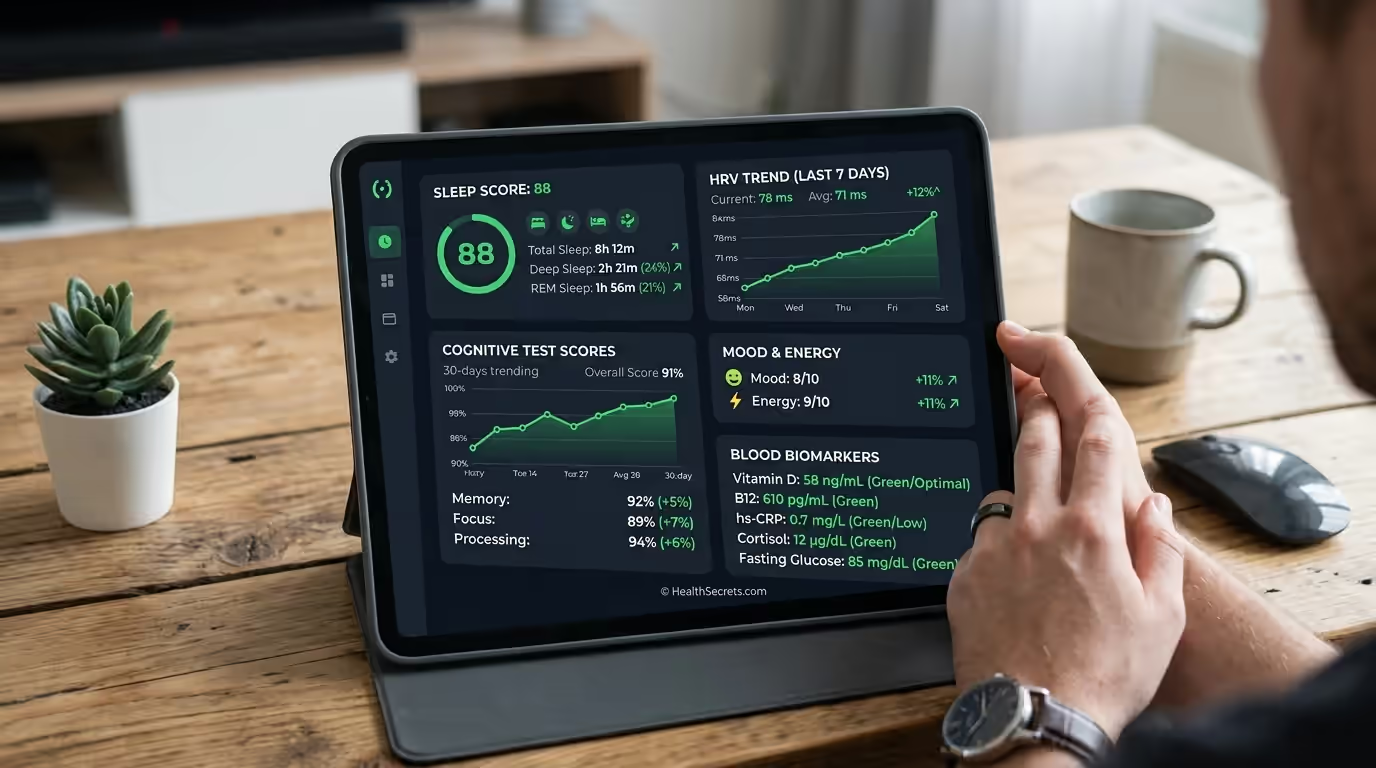
The quantified self approach — tracking cognitive performance, sleep, mood, and biomarkers with data — transforms biohacking from guesswork into science. Without measurement, you cannot know which interventions are actually working for your unique biology.
What to Track
- Cognitive tests: Cambridge Brain Sciences, Lumosity, or Dual N-Back (reaction time, working memory, processing speed)
- Mood and energy: Daily 1–10 scale ratings using apps like Daylio, Bearable, or Exist
- Sleep: Oura Ring or Whoop for deep sleep, REM, and HRV data
- Biomarkers: Blood tests every 3–6 months for vitamin D (target 40–60 ng/mL), B12 (>400 pg/mL), thyroid (TSH, free T4, free T3), and inflammation (CRP, homocysteine)
- Continuous glucose monitor (CGM): Freestyle Libre or Dexcom to identify foods that spike blood sugar and cause brain fog
Optimization Framework
- Baseline: Test for 1–2 weeks before starting any intervention
- Single variable: Add one intervention at a time (2–4 weeks minimum)
- Measure: Track cognitive performance, mood, and energy throughout
- Analyze: Compare to baseline — is the intervention helping, hurting, or neutral?
- Iterate: Keep what works, drop what doesn't, try the next intervention
What Are the Most Common Biohacking Mistakes to Avoid?
The most common mistake in cognitive biohacking is trying too many interventions at once, making it impossible to determine what actually works. Start with one change at a time, track results for at least 2–4 weeks, and resist the temptation to stack everything on day one.
Top Mistakes
- Starting everything at once — isolate variables or you learn nothing
- Ignoring sleep — no supplement or protocol can compensate for poor sleep
- Chasing trends over evidence — stick to peer-reviewed research, not social media hype
- Megadosing supplements — more is not always better and can cause toxicity
- Expecting overnight results — bacopa takes 12 weeks, neurofeedback takes 20–40 sessions
- Skipping food basics — supplements cannot replace a nutrient-dense diet
- Not tracking — without data, you're guessing
- Comparing to others — genetics and lifestyle create enormous individual variation
Is Biohacking for Mental Performance Safe? When Should You Stop?
Biohacking is generally safe when you use evidence-based approaches, start gradually, and listen to your body. However, you should stop any intervention immediately if you experience persistent headaches, severe fatigue, gastrointestinal upset, mood disturbances, insomnia, or chest pain during cold exposure.
Safety Guidelines
- Medical supervision: Consult a doctor if you have heart disease, diabetes, mental health conditions, or take medications (SSRIs, blood thinners, stimulants, diabetes medications)
- Baseline blood work: Test vitamin D, B12, thyroid, and inflammation markers before starting
- Avoid extremes: No fasting over 24 hours without medical supervision; no cold exposure over 10 minutes without progressive training
- Evidence-based only: Avoid unproven compounds, DIY gene editing, unregulated peptides
- Sustainable approach: Biohacking is a long-term lifestyle, not a collection of short-term hacks
- Listen to your body: Stop and reassess if any intervention causes adverse effects
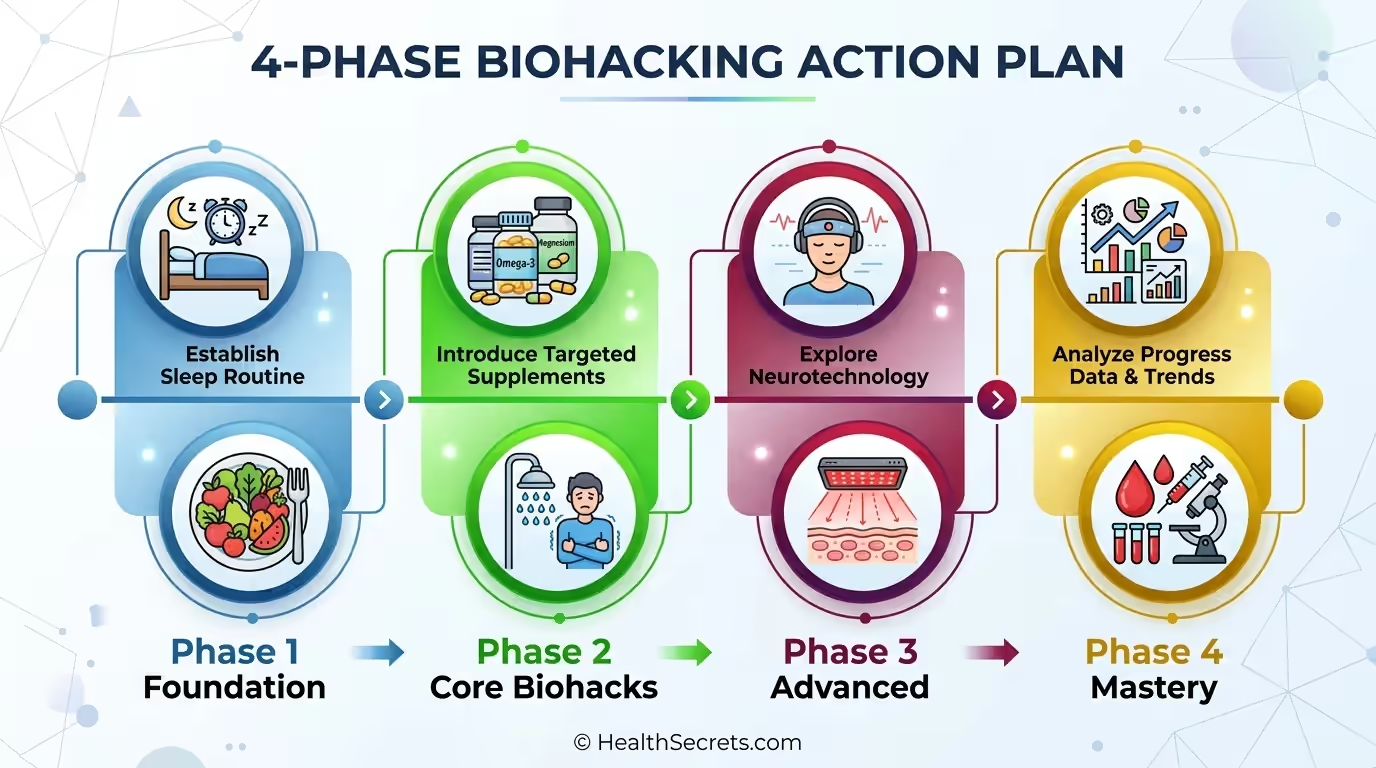
What Should You Do First to Start Biohacking Your Brain?
Start with sleep optimization and nutrition — these two foundational strategies deliver the largest cognitive improvements with the lowest risk. Once your foundation is solid (2–4 weeks), layer in one additional intervention at a time, progressing from low-risk strategies to advanced tools.
Phase 1: Foundation (Weeks 1–4)
- Implement sleep hygiene protocol (consistent schedule, dark room, cool temperature, screen curfew)
- Begin sleep tracking with Oura Ring or Whoop
- Adopt Mediterranean-style eating (fatty fish, olive oil, vegetables, nuts)
- Start daily mood/energy tracking (1–10 scale)
- Get baseline blood work (vitamin D, B12, thyroid, CRP)
Phase 2: Core Biohacks (Weeks 5–12)
- Add caffeine (100 mg) + L-theanine (200 mg) morning stack
- Begin aerobic exercise (150 min/week) + 2 HIIT sessions
- Start omega-3 DHA supplementation (1–2 g daily)
- Introduce cold showers (30–60 seconds, end of shower)
- Begin intermittent fasting (12:12 → 14:10 → 16:8 progression)
Phase 3: Advanced Optimization (Months 3–6)
- Build a targeted nootropic stack (add one at a time: creatine, bacopa, lion's mane, rhodiola)
- Try red light therapy (10–20 min daily, 810–850 nm)
- Begin neurofeedback training (Muse 2 headband, daily sessions)
- Implement HRV biofeedback and breathwork practice
- Add continuous glucose monitor to optimize nutrition
Phase 4: Mastery (Ongoing)
- Review cognitive test data monthly to identify trends
- Repeat blood work every 3–6 months
- Refine supplement stack based on measured outcomes
- Share your data with a healthcare professional for guidance