
소주제 맵
소주제별 보기
독자들이 핵심 주제에서 필요한 세부 주제로 바로 이동할 수 있도록 아카이브가 구성되어 있습니다.
Anti-Inflammatory Foods for Gut Health
Discover the 30 best anti-inflammatory foods that heal your gut, reduce intestinal inflammation, and support a thriving microbiome — backed by science and easy to add to your daily meals.
장내 미생물군을 변화시키는 30가지 장 건강 식품
장기는 단순히 음식을 소화하는 곳이 아닙니다. 장에는 수조 개의 미생물이 서식하며, 이는 면역력, 기분, 염증 수치를 조절합니다. 과학적으로 입증된 이 30가지 장 건강 식품은 강력한 6개 카테고리로 구성되어 있으며, 단 몇 주 만에 장내 미생물군의 다양성을 측정 가능하게 변화시키고 염증 표지자를 줄일 수 있습니다.
식품 불내증과 식품 알레르기: 완전한 가이드
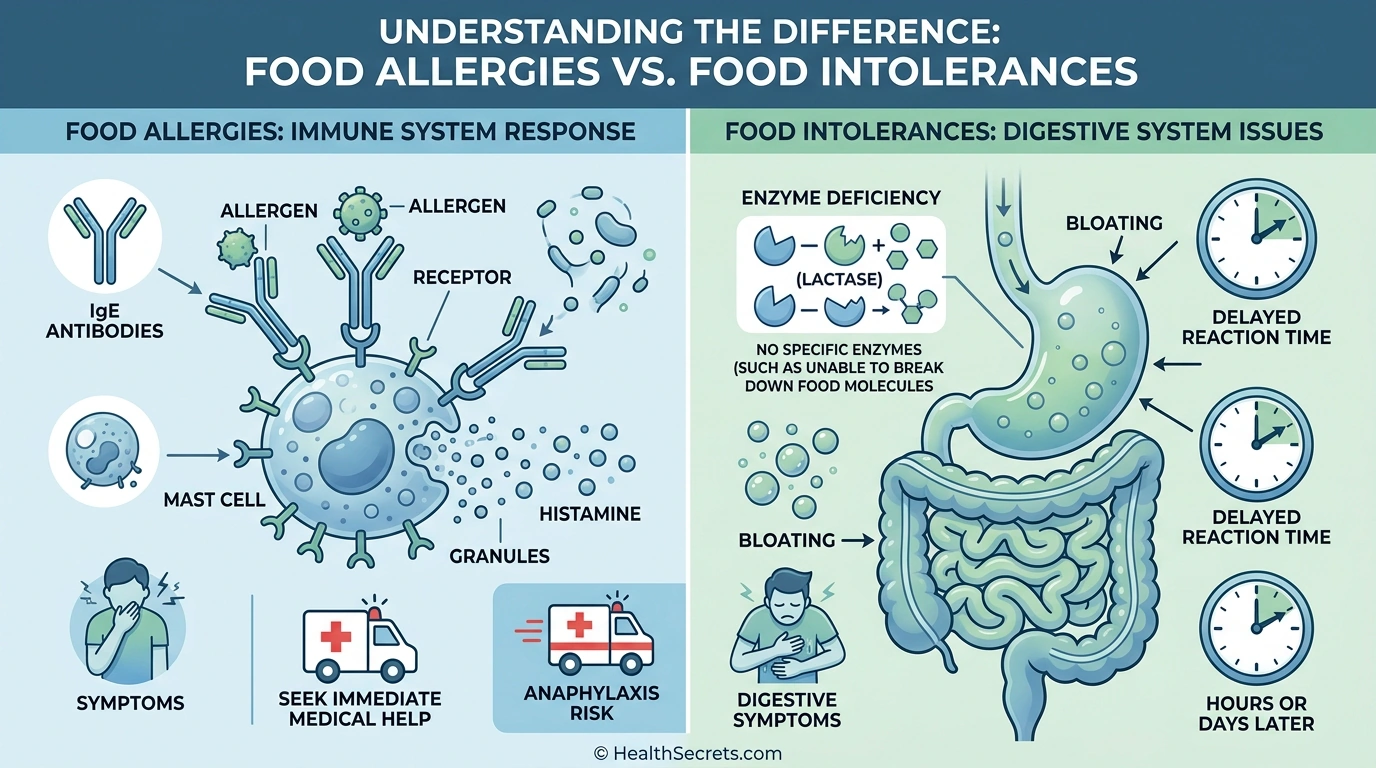
식품 불내증과 식품 알레르기는 자주 혼동되지만, 이는 근본적으로 다른 생물학적 기전을 가지고 있습니다. 하나는 면역 체계를 활성화하는 반면, 다른 하나는 그렇지 않습니다. 이 완전한 가이드는 두 가지를 구분하는 방법, 가장 흔한 불내증을 식별하는 방법, 그리고 유발 식품을 정확히 찾아내는 검증된 제거 식이 요법 프로토콜을 단계별로 안내합니다.
저 FODMAP 식단: 완전한 초보자 가이드
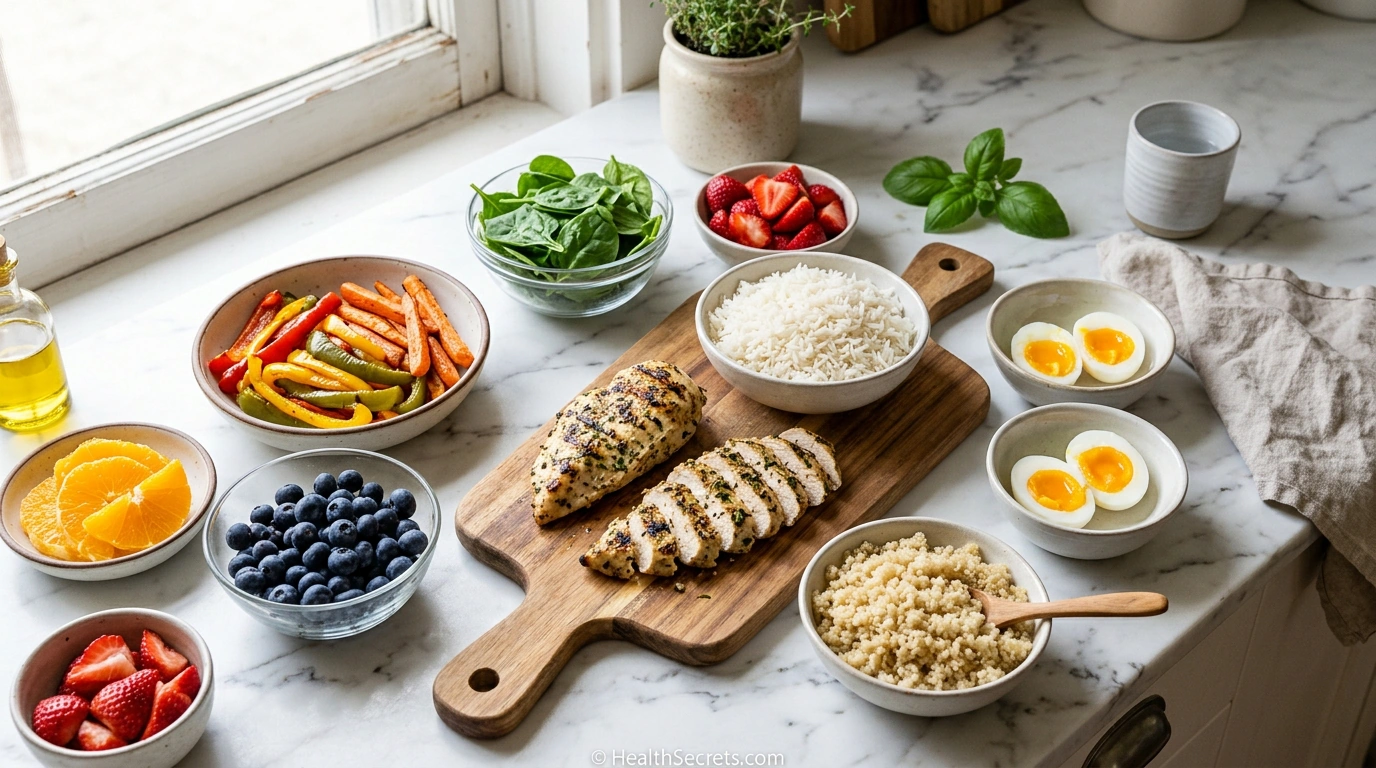
저 FODMAP 식단은 과민성 대장 증후군(IBS) 관리에 가장 근거 기반이 풍부한 식이 접근법으로, 연구에 따르면 환자의 최대 86%가 현저한 증상 완화를 경험합니다. 이 완전한 초보자 가이드는 제거, 재도입, 개인화라는 3단계 프로토콜을 단계별로 안내하여 유발 식품을 식별하고 지속 가능한 장 건강 식단을 구축할 수 있도록 도와줍니다.
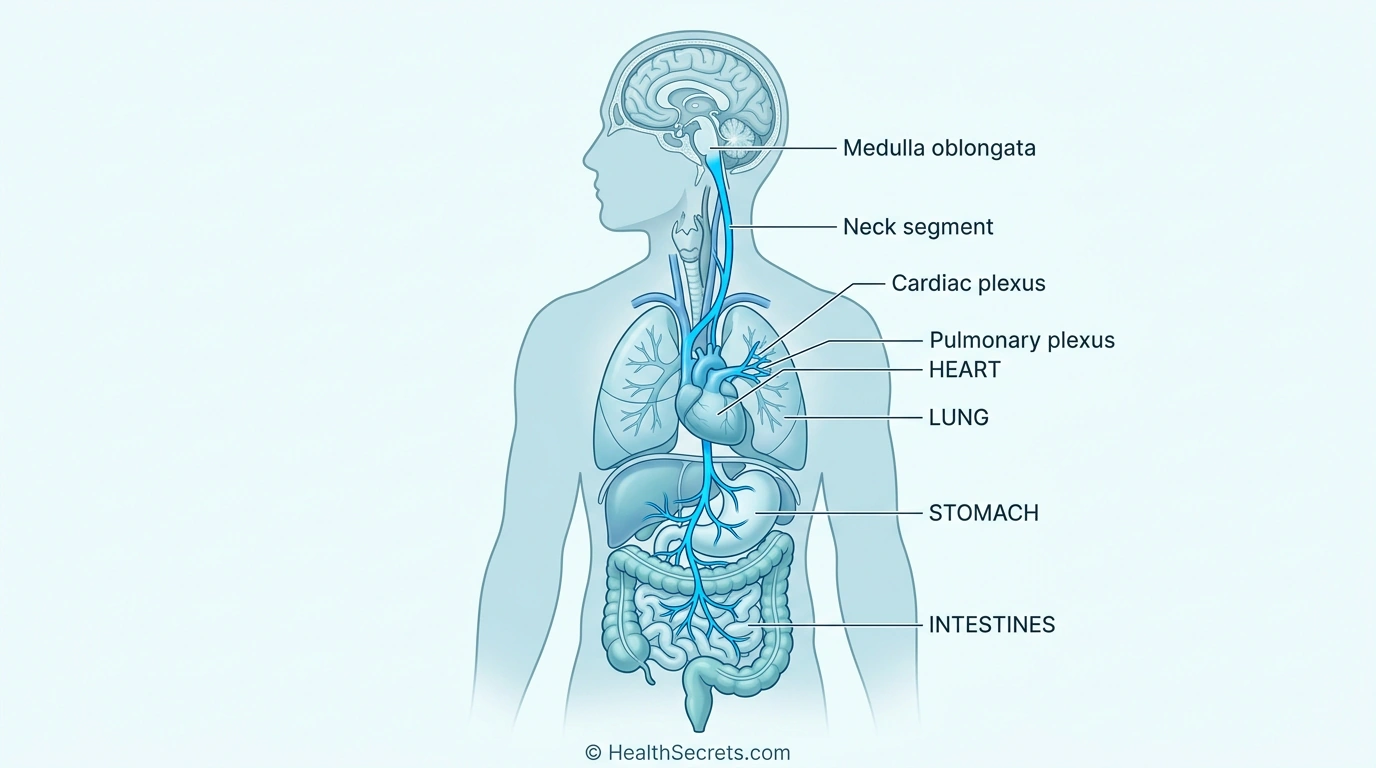
미주신경 자극: 자연적인 활성화 방법
깊은 호흡, 냉기 노출, 윙윙거림, 명상 등 부교감신경계를 활성화하고 장 건강을 개선하며 스트레스 회복력을 높이는 증거 기반 자연 미주신경 자극 기법을 알아보세요.
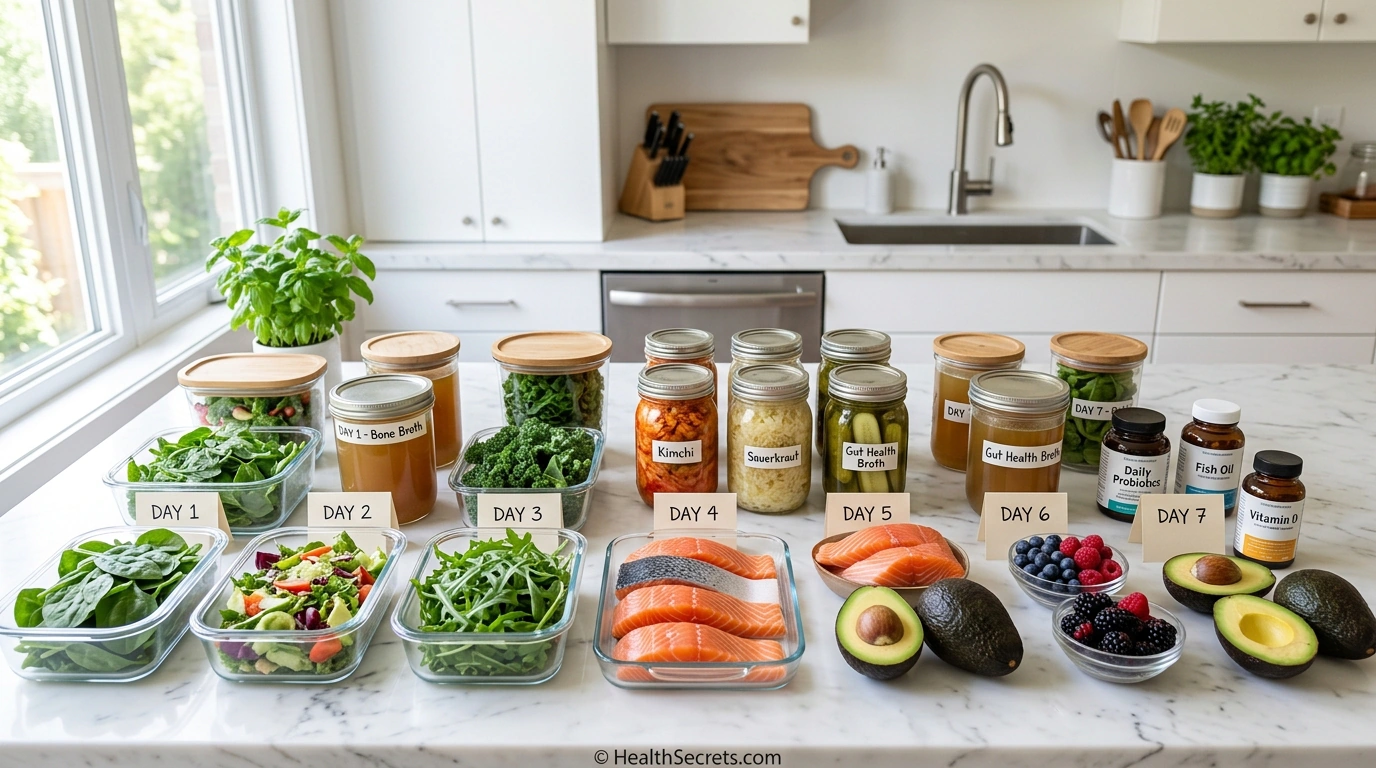
7일 장 리셋 프로토콜: 완전한 단계별 가이드
7일 장 리셋 프로토콜은 전략적 식품 제거, 장 치유 영양소, 프로바이오틱스 재도입을 통해 소화 균형을 회복하고, 염증을 줄이며, 단 일주일 만에 다양한 장내 미생물군을 재구축합니다.
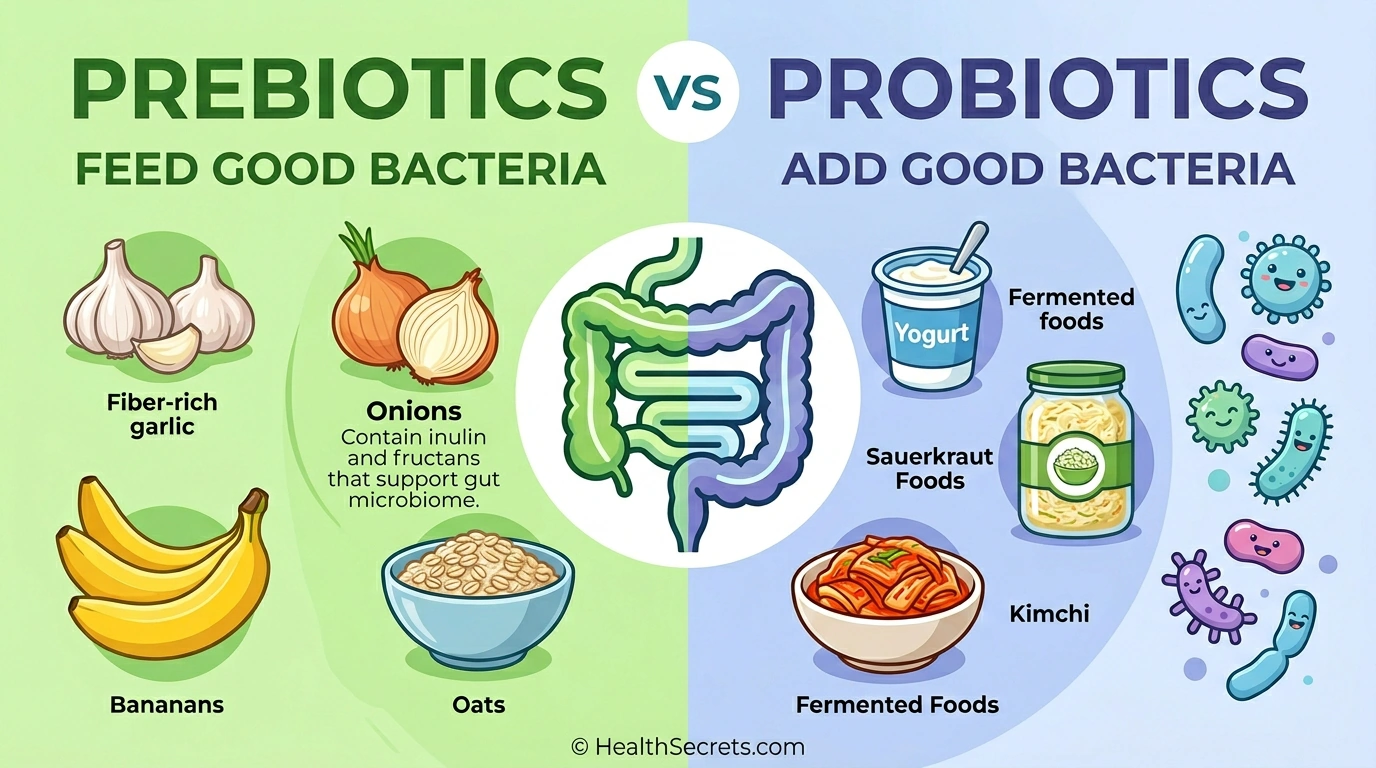
프리바이오틱스 vs 프로바이오틱스: 무엇이 다를까?
프리바이오틱스와 프로바이오틱스의 핵심 차이점, 작용 원리, 각자의 최적 식품 공급원, 그리고 최적의 장 건강을 위해 하나만 복용해야 할지 둘 다 복용해야 할지에 대해 알아보세요.
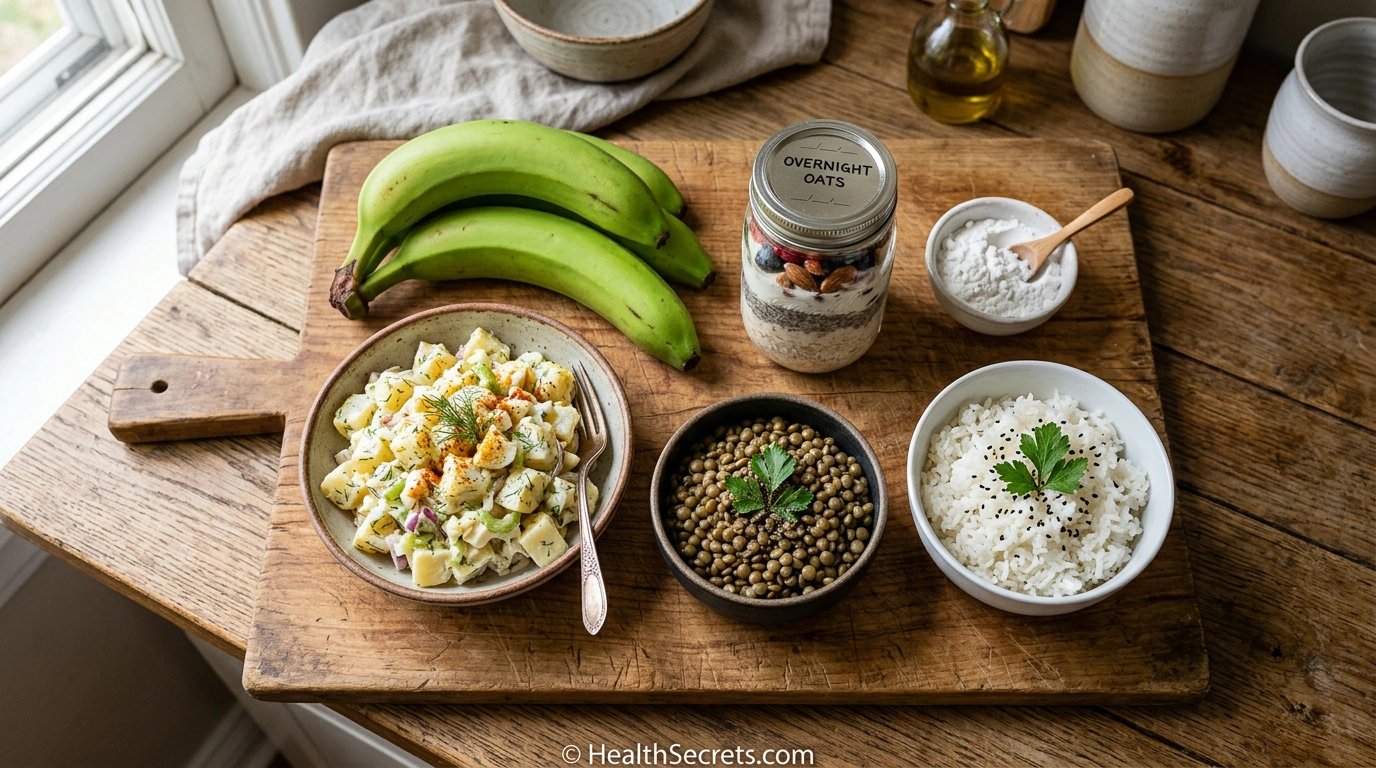
저항성 전분: 효능과 최고의 식품 출처
저항성 전분은 소장에서 소화되지 않고 통과하여 유익한 장내 세균의 먹이가 되고 부티르산(대장 건강, 혈당 조절, 체중 관리에 중요한 단쇄 지방산)을 생성하는 독특한 탄수화물 유형입니다. 이 가이드에서는 저항성 전분의 네 가지 유형(RS1–RS4), 입증된 건강 효능, 그리고 일상 섭취량을 늘리기 위한 최고의 식품 출처를 설명합니다.
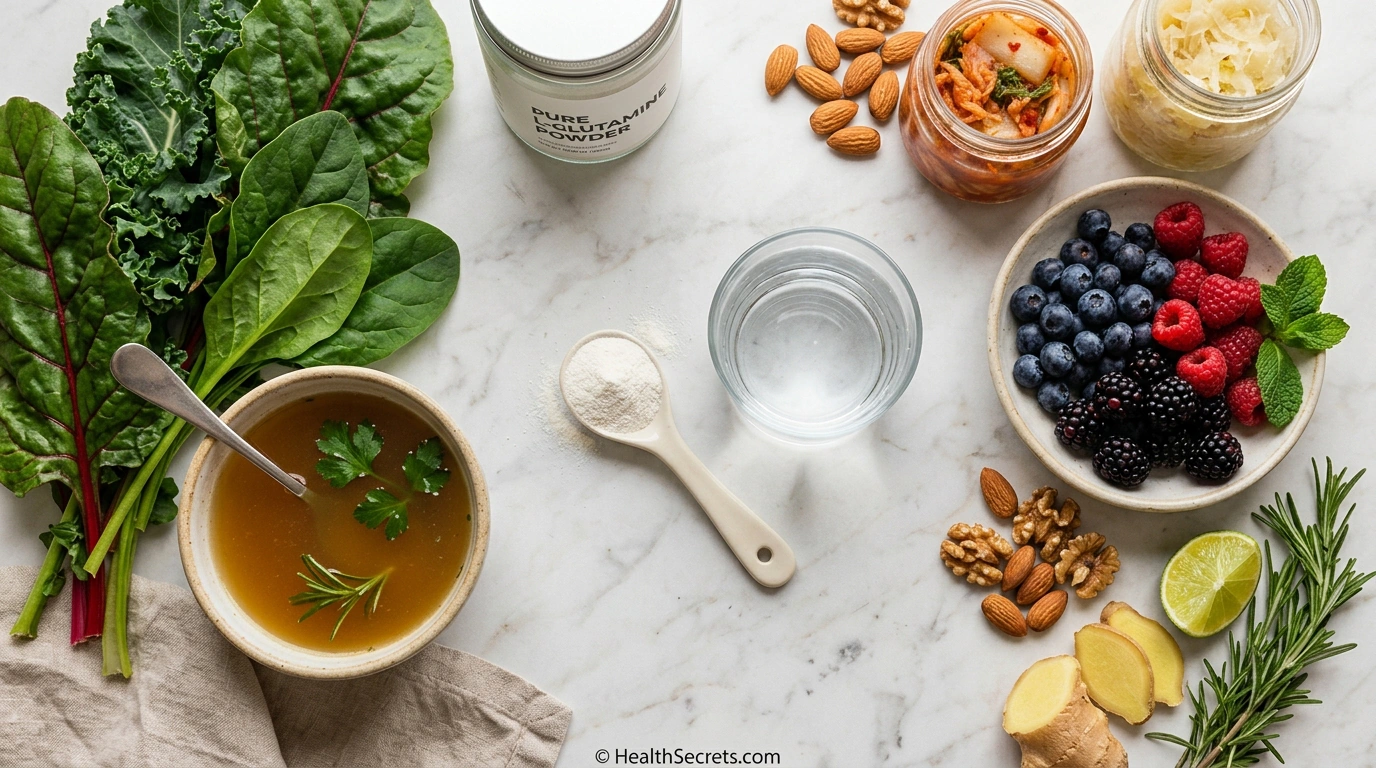
장 건강을 위한 L-글루타민: 완전한 가이드
L-글루타민은 인간 신체에서 가장 풍부한 아미노산이며 장내벽 세포의 주요 연료원입니다. 이 포괄적인 영양제 가이드는 L-글루타민이 장벽 기능을 어떻게 지원하는지, 누수성 장 증후군 및 과민성 대장 증후군(IBS) 치료에 대한 연구 근거, 증거 기반 용량 프로토콜, 그리고 시중에서 가장 우수한 L-글루타민 영양제들을 다룹니다.
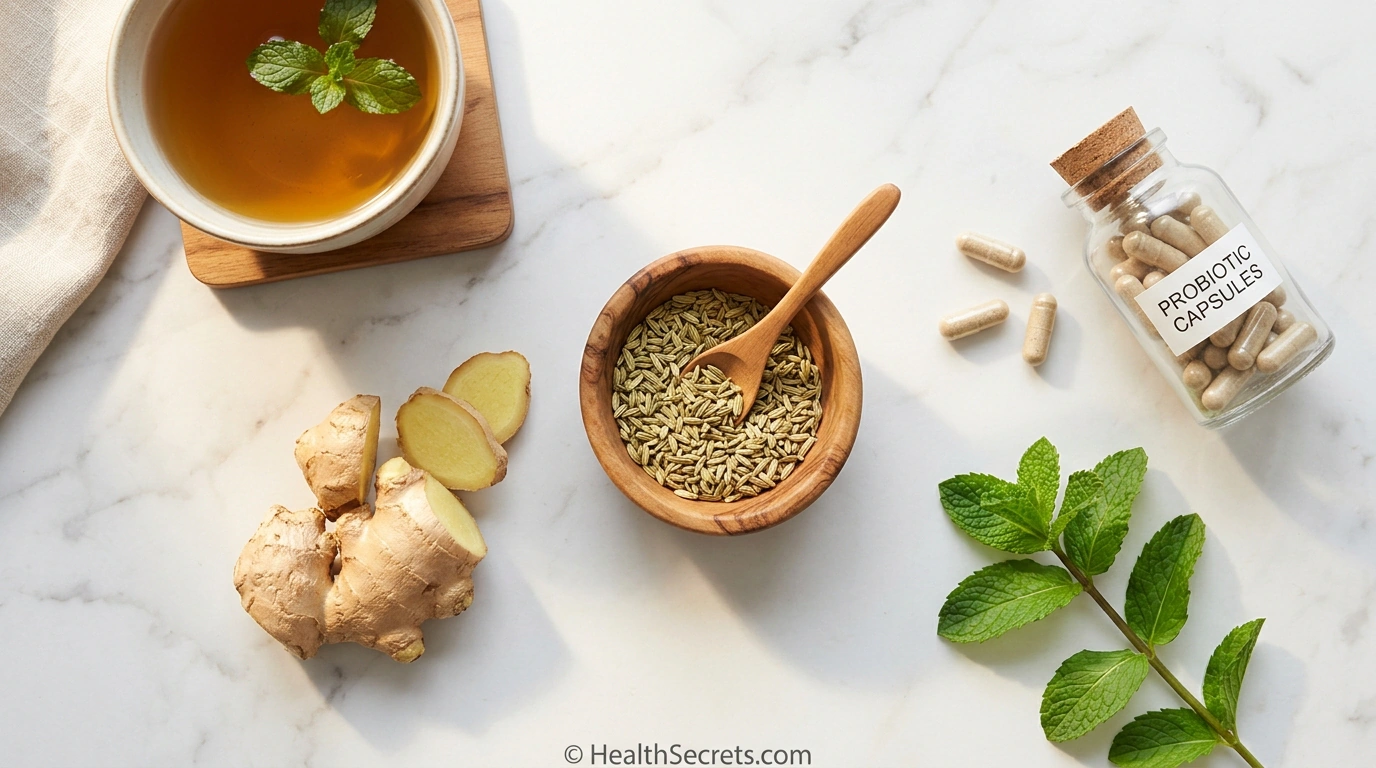
복부 팽만감 완화: 가스 및 복부 팽만을 줄이는 15가지 자연 요법
복부 팽만감은 성인 30%에게 정기적으로 영향을 미치며, 불편한 복부 압력, 눈에 띄는 부종, 과도한 가스를 유발합니다. PubMed와 주요 의료 기관의 임상 연구로 뒷받침되는 이 15가지 자연 요법은 약물 없이 복부 팽만감을 줄이는 데 도움이 되는 즉각적인 완화와 장기적인 해결책을 모두 제공합니다.
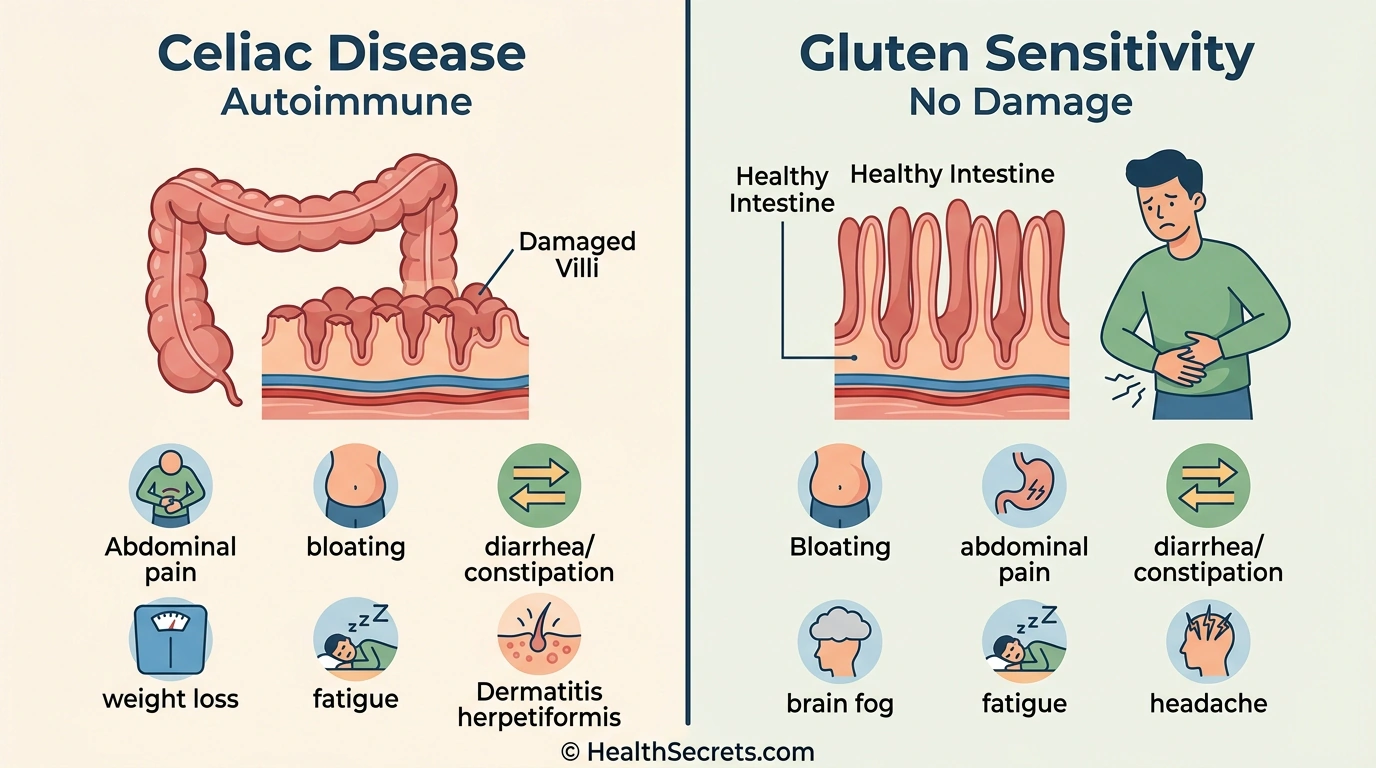
셀리악 질환 vs 글루텐 민감성: 완전한 가이드
셀리악 질환과 글루텐 민감성은 유사한 증상을 공유하지만 관리 접근 방식은 매우 다릅니다. 이 완전한 가이드는 셀리악 질환, 비셀리악 글루텐 민감성(NCGS), 밀 알레르기 간의 주요 차이점을 설명하며, 각각의 진단, 치료 및 장기적인 건강을 위한 관리 방법을 다룹니다.
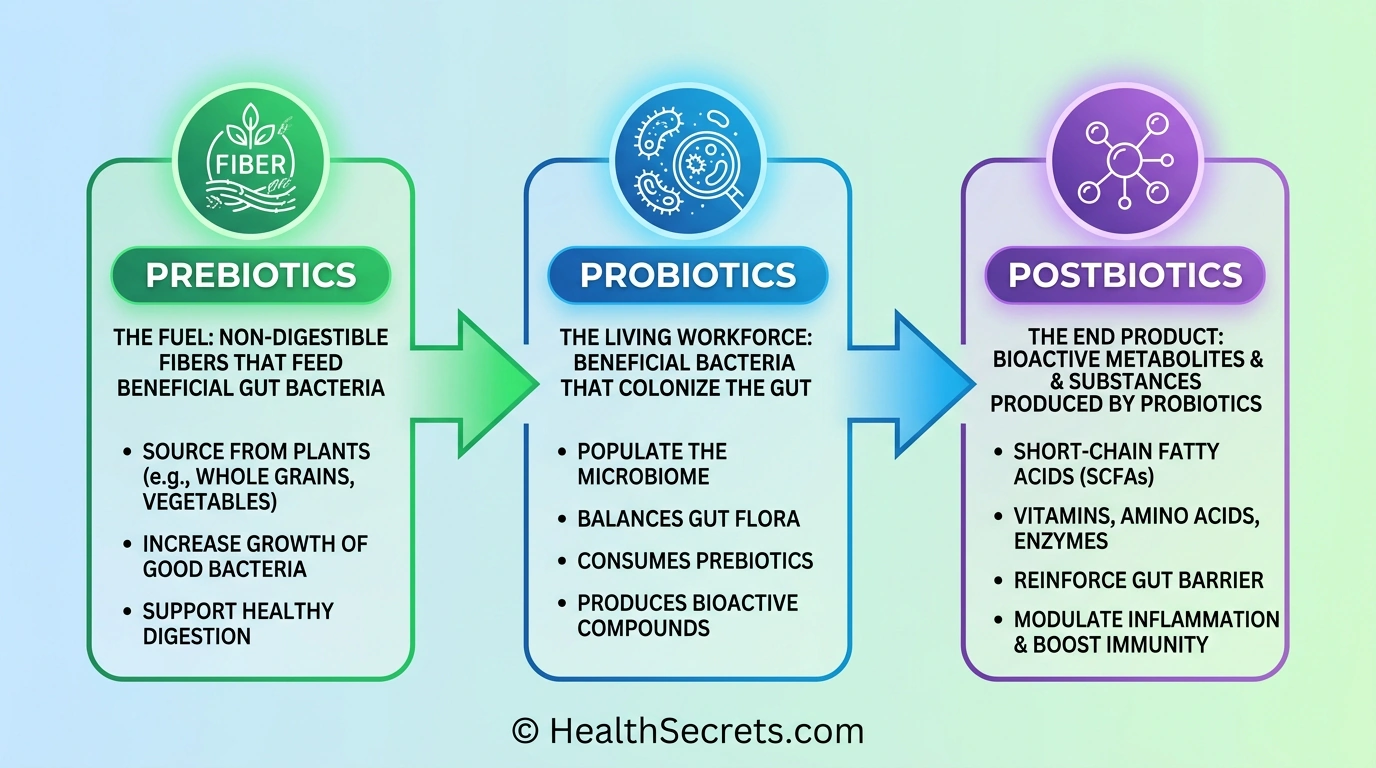
사후생물학(포스트바이오틱스): 장 건강의 다음 최전선
사후생물학(포스트바이오틱스)은 유익한 장내 세균이 생성하는 생체활성 화합물로, 살아있는 미생물이 필요하지 않아도 건강상의 이점을 제공합니다. 이 완전한 가이드는 사후생물학의 정의, 프로바이오틱스 및 프리바이오틱스와의 차이점, 부티르산과 같은 단쇄지방산(SCFA)의 과학적 배경, 그리고 식이요법, 생활습관, 표적 영양제를 통해 사후생물학 생성을 최적화하는 방법을 설명합니다.
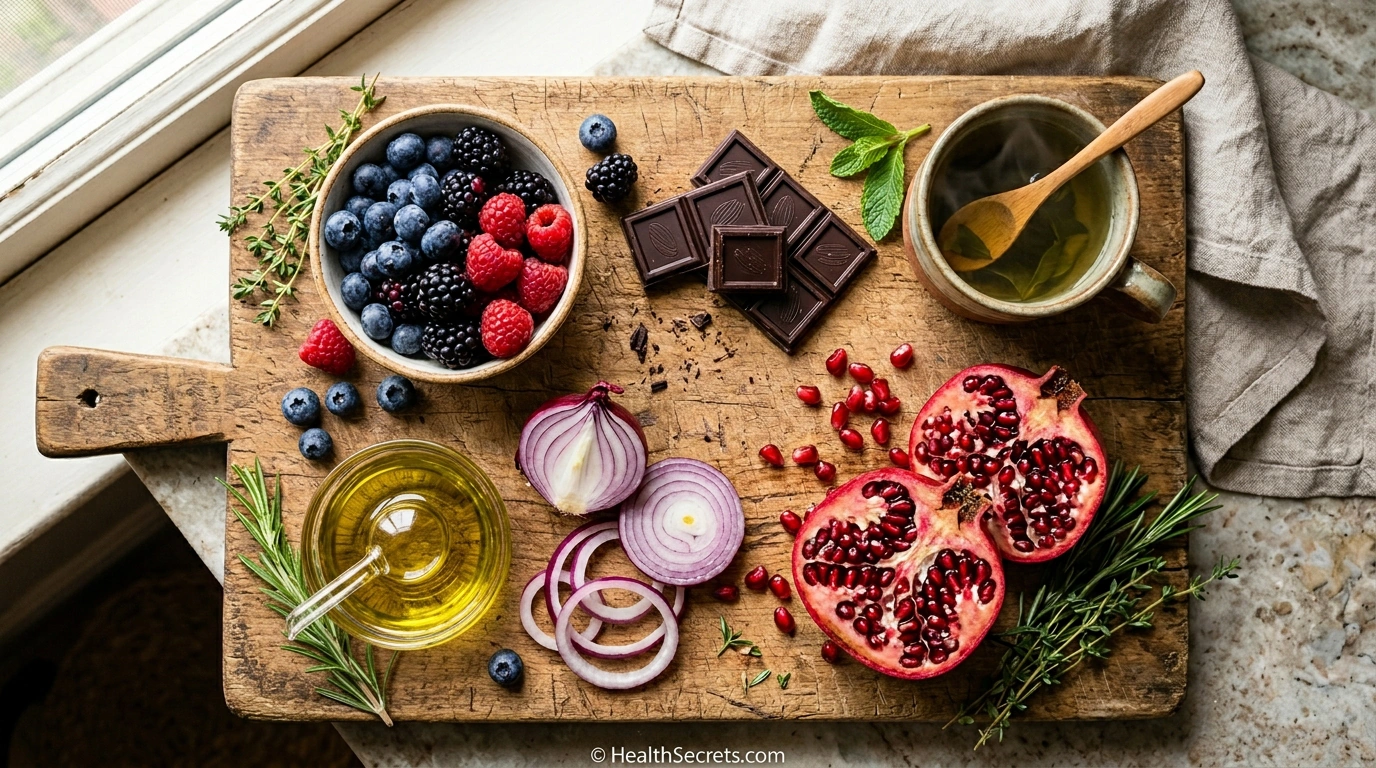
장 건강을 위한 폴리페놀: 완전한 가이드
폴리페놀은 강력한 식물성 화합물로, 장내에서 프리바이오틱스 역할을 하여 *비피도박테리움(Bifidobacterium)* 및 *락토바실러스(Lactobacillus)*와 같은 유익균의 먹이가 되고 해로운 병원균의 성장을 억제합니다. 이 근거 기반 가이드는 네 가지 주요 폴리페놀 클래스, 장내 세균이 이를 어떻게 생체 활성 대사산물로 전환하는지, 그리고 소화 건강을 개선하기 위해 일상 섭취량을 늘리는 실용적인 전략을 설명합니다.
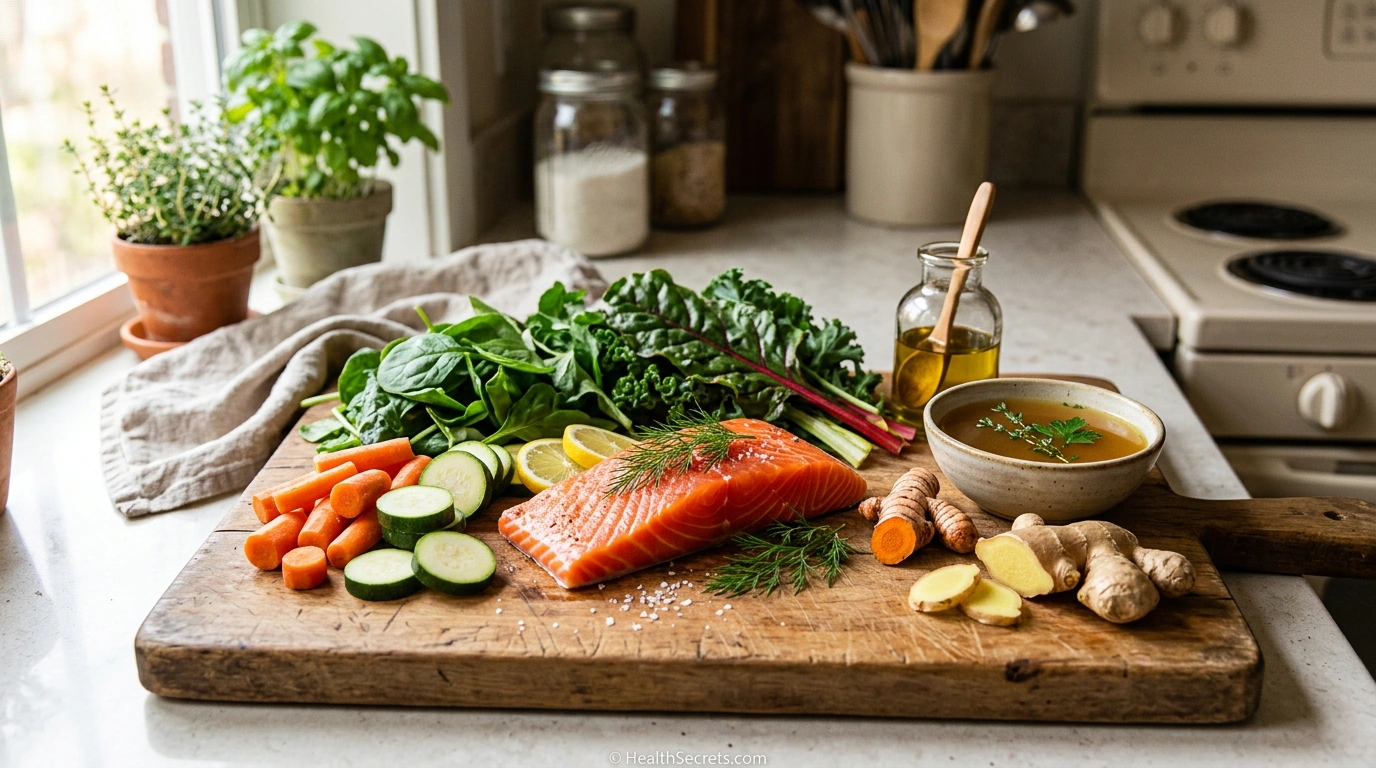
염증성 장질환 자연적 보조 요법
염증성 장질환(IBD)은 300만 명 이상의 미국인에게 영향을 미치며 평생 의학 관리가 필요합니다. 이 증거 기반 질환 가이드는 식이 전략, 커큐민과 오메가-3와 같은 표적 영양제, 그리고 스트레스 감소가 기존 치료와 어떻게 보완될 수 있는지 탐구합니다. 이를 통해 flare(악화)를 줄이고 관해(remission)를 지원하며 삶의 질을 향상시킬 수 있습니다.
장내 건강 완전 가이드: 30일 만에 미생물군을 변화시키세요
100조 개의 미생물이 서식하는 장내 미생물군은 소화부터 면역, 기분, 신진대사에 이르기까지 모든 것에 영향을 미칩니다. 이 완전 가이드는 장내 건강의 과학적 배경, 실용적인 식이 전략, 30일 변화 프로토콜, 그리고 미생물군을 회복하기 위한 최상의 제품과 영양제를 다룹니다.
위궤양의 자연 치료 및 예방법
위궤양은 인생의 어느 시점에서 약 10%의 사람들에게 영향을 미치지만, DGL 감초, 아연 카르노신, 마스틱 껌과 같은 자연적 접근법은 의학적 치료와 병행하여 치유를 지원할 수 있습니다. 이 증거 기반 가이드는 원인, 증상, 입증된 자연 요법, 그리고 언제 의사를 찾아야 하는지를 다룹니다.
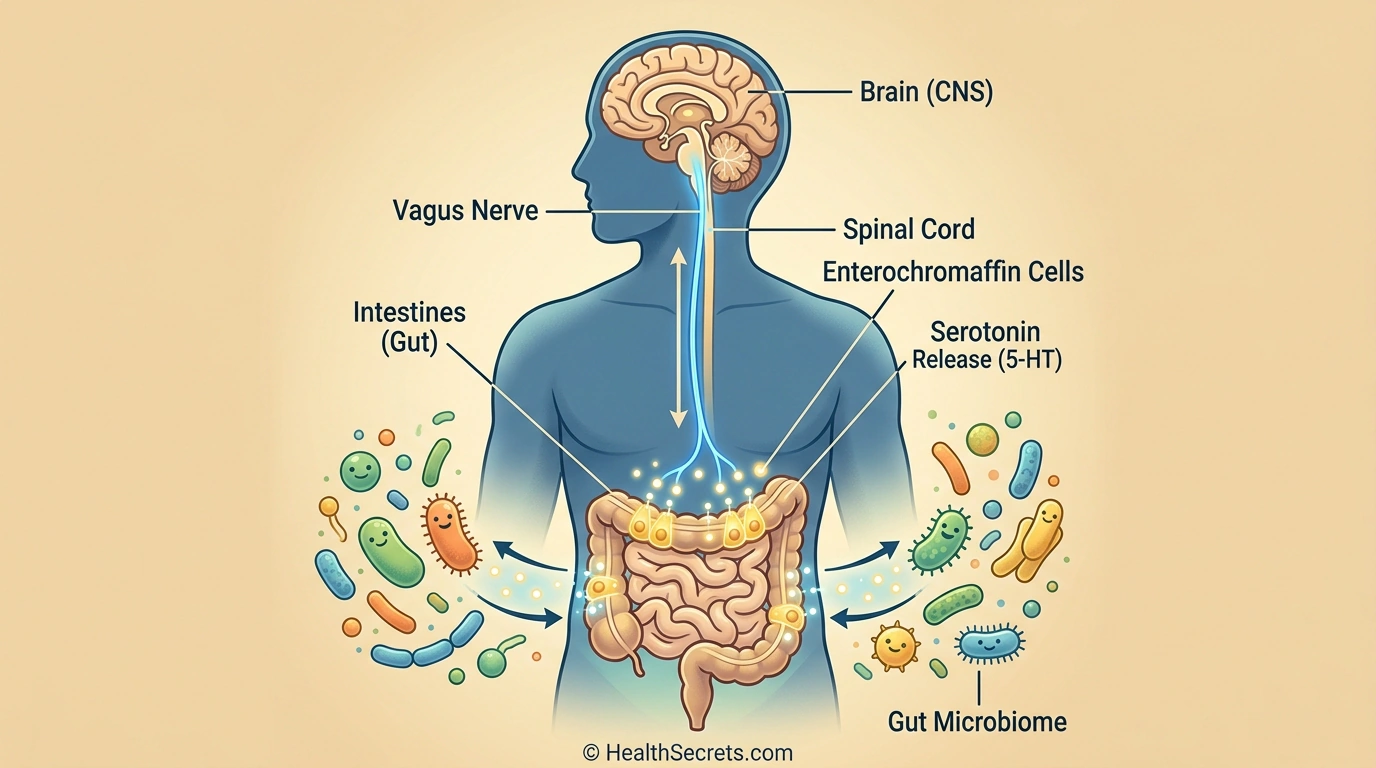
세로토닌과 장 건강: 90%의 연결고리
인체 세로토닌의 90~95%가 장에서 생성되는 이유, 장-뇌 축을 통해 장내 미생물이 기분에 미치는 영향, 그리고 식이요법, 생활습관, 표적 영양제를 통해 세로토닌 수치를 최적화하는 실용적인 전략을 알아보세요.

프로바이오틱스 식품 vs 영양제: 무엇이 더 나은가?
요거트와 케피르와 같은 프로바이오틱스 식품은 추가 영양소와 함께 다양한 균주를 제공하지만, 영양제는 특정 질환에 맞춰 고농도의 균주를 표적으로 합니다. 이 가이드는 효과성, 안전성, 비용, 편의성을 비교하여 최적의 장내 미생물군을 위해 둘 중 무엇을 선택할지, 혹은 둘을 병용할지 결정하는 데 도움을 줍니다.
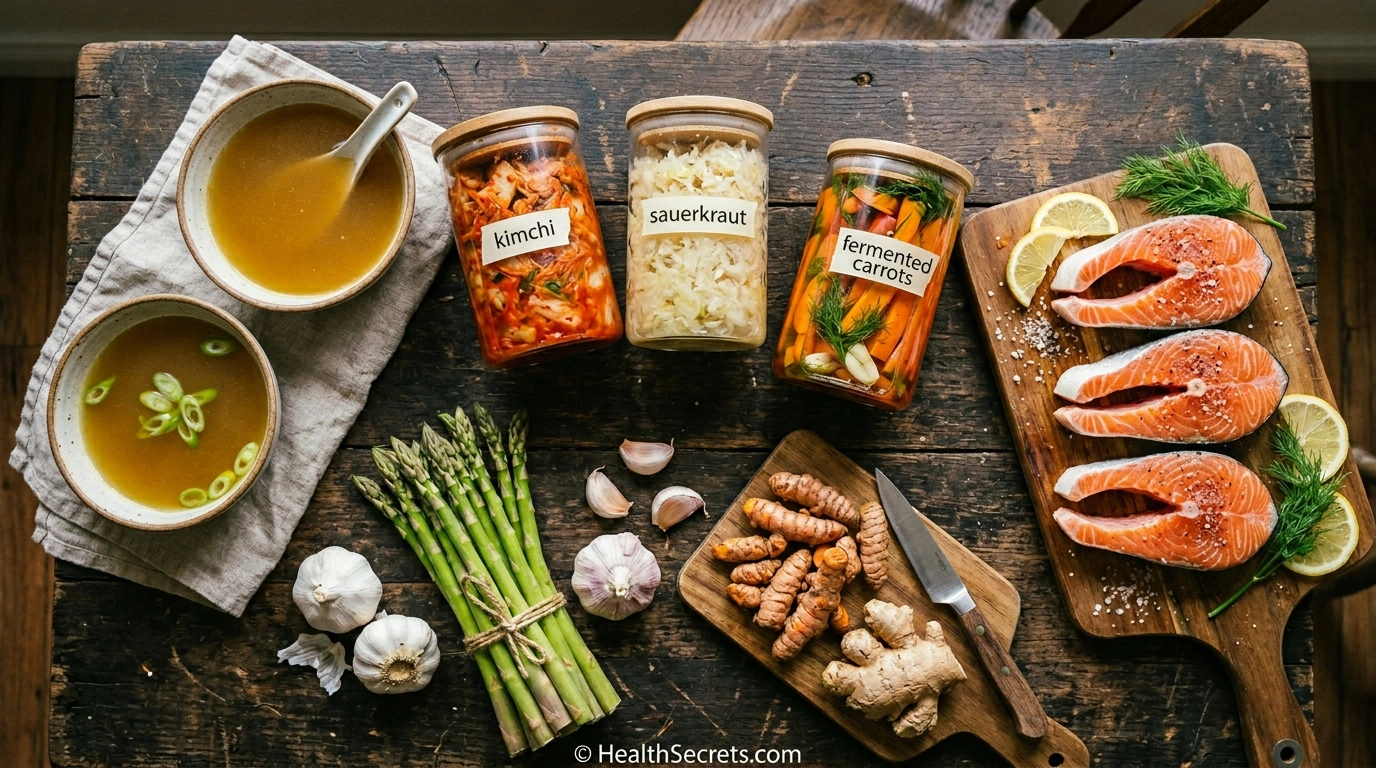
Gut-Healing Recipes: 20 Microbiome-Friendly Meals
Discover 20 science-backed gut-healing recipes including bone broth, fermented vegetables, prebiotic meals, and anti-inflammatory dinners designed to repair your intestinal lining, boost beneficial bacteria, and calm chronic inflammation for optimal microbiome health.
Understanding Gut Health: The Foundation of Whole-Body Wellness
Your gut is home to roughly 38 trillion microorganisms collectively known as the gut microbiome — a living ecosystem that weighs about as much as your brain and influences nearly every system in your body. Far from being a simple digestive tube, the gastrointestinal tract houses around 70% of your immune cells and produces more than 90% of your body's serotonin, the neurotransmitter most associated with mood regulation. This is why researchers increasingly describe the gut as the body's "second brain."
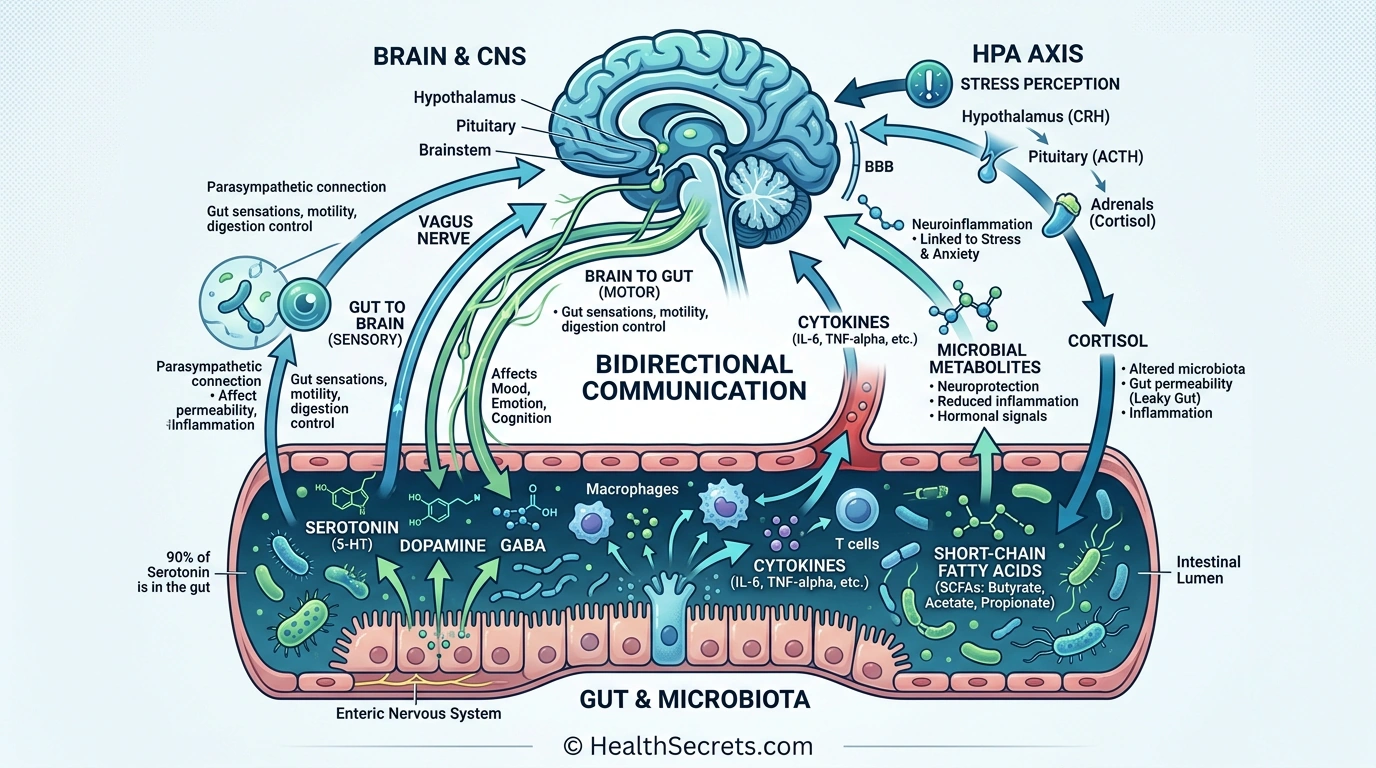
The connection runs through the gut-brain axis, a bidirectional communication network linking the enteric nervous system in your digestive tract to your central nervous system via the vagus nerve, immune signaling, and microbial metabolites. When the balance of beneficial and harmful bacteria shifts — a state called dysbiosis — it has been associated in clinical research with conditions ranging from irritable bowel syndrome and inflammatory bowel disease to anxiety, depression, and metabolic disorders.
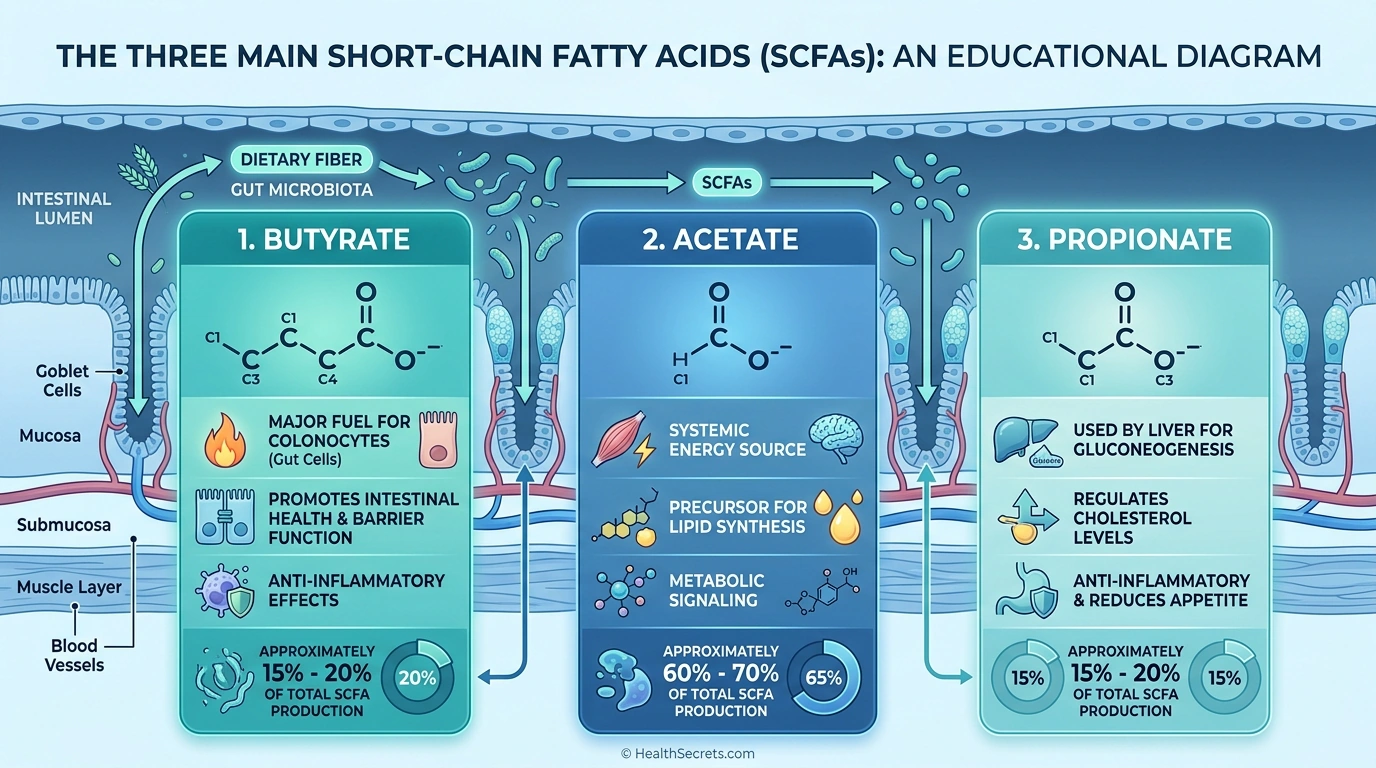
The most reliable way to support a healthy microbiome is also the simplest: eat a diverse range of plant foods. Fiber-rich foods act as prebiotics, feeding beneficial bacteria that ferment them into short-chain fatty acids like butyrate, which nourish the cells lining your colon and help maintain the gut barrier. Fermented foods such as yogurt, kefir, sauerkraut, and kimchi introduce live probiotic cultures, while polyphenol-rich foods like berries, green tea, and dark chocolate further encourage microbial diversity.
Lifestyle factors matter just as much as diet. Chronic stress, inadequate sleep, overuse of antibiotics, and a sedentary routine all reduce microbial diversity. Conversely, regular physical activity, quality sleep, and stress-management practices have measurable benefits for gut composition. Our guides below translate the latest gastroenterology and microbiome research into practical, evidence-based steps you can apply today.
본 개요는 교육 목적으로만 제공되며, 개인별 맞춤 의료 상담을 대체할 수 없습니다. 식단, 영양제 또는 치료 루틴을 변경하기 전에 항상 자격을 갖춘 의료 전문가와 상담하십시오.
장 건강 FAQ
장 건강 Frequently Asked Questions
Clinical, evidence-based answers to key questions about 장 건강.
Gut health refers to the balance, diversity, and integrity of the gastrointestinal tract and its microbiome—a complex ecosystem of over 100 trillion microorganisms. It is central to overall vitality because the gut microbiome regulates nutrient absorption, produces critical neurotransmitters like serotonin, trains over 70% of the immune system, and protects against systemic chronic inflammation.
Evidence-based strategies include eating 30 or more diverse plant foods weekly to nourish beneficial bacteria, regularly consuming fermented foods (kefir, sauerkraut, kimchi) for live probiotics, getting 7 to 9 hours of restorative sleep, managing chronic psychological stress, and staying adequately hydrated with purified water.
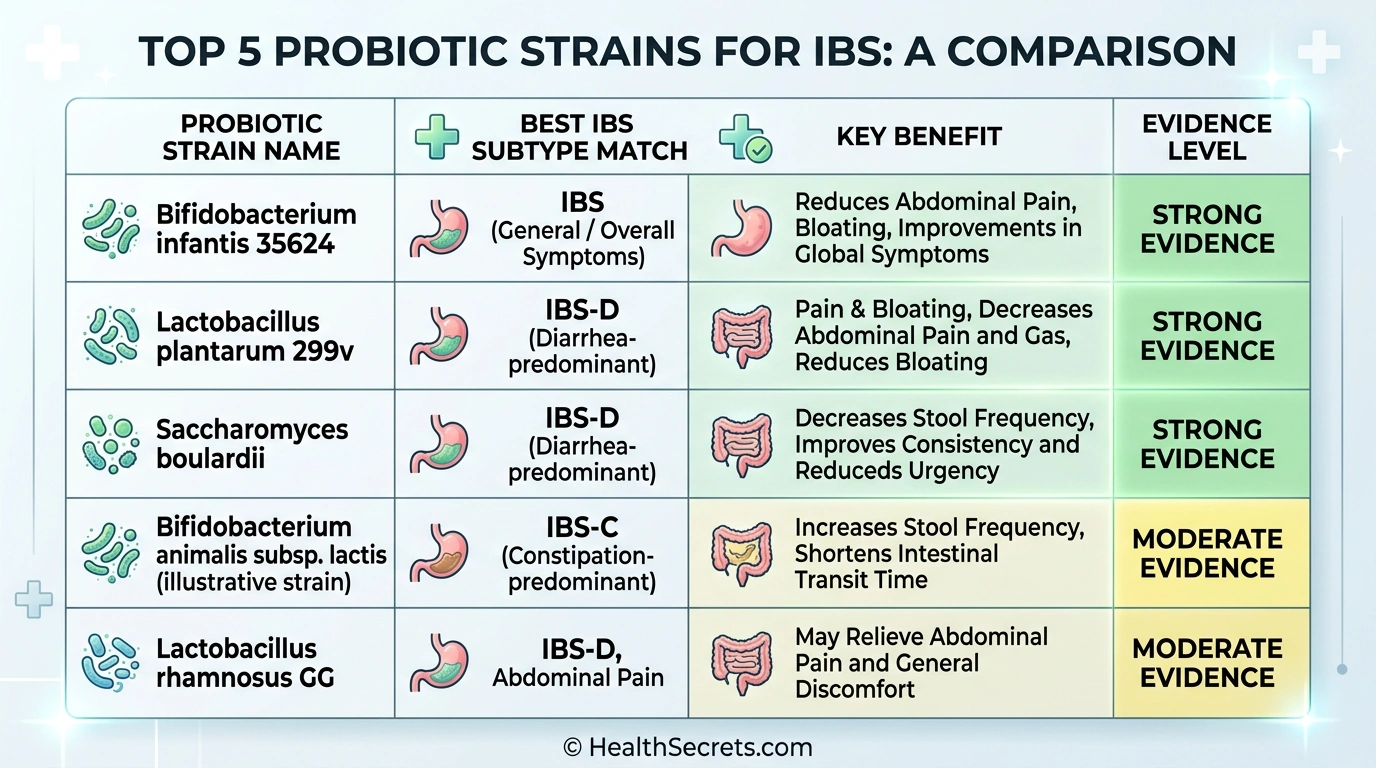
Clinically validated supplements include targeted multi-strain probiotics (specifically Lactobacillus and Bifidobacterium species), prebiotic fibers (such as inulin and partially hydrolyzed guar gum), L-glutamine (which fuels enterocytes and supports gut barrier tight junctions), and digestive enzymes when pancreatic insufficiency is present.
The gut-brain axis is a bidirectional biochemical communication superhighway connecting the central nervous system and the enteric nervous system. Signaling occurs via the vagus nerve, microbial metabolites (short-chain fatty acids like butyrate and acetate), endocrine hormones, and immune cytokines.
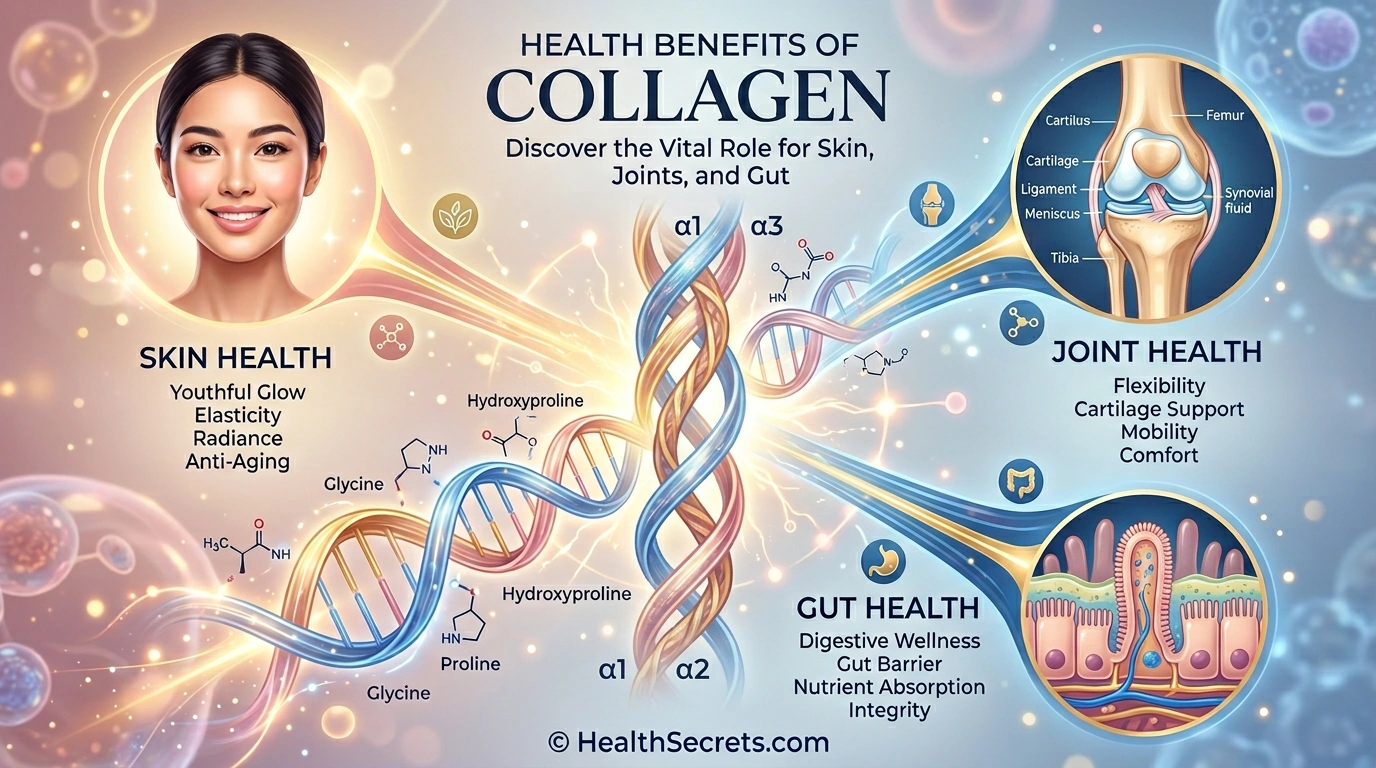
Intestinal permeability occurs when tight junction proteins (zonulin, occludin) loosen, allowing toxins, microbial fragments, and undigested food particles into the bloodstream. It can be repaired by removing inflammatory dietary triggers, managing cortisol, consuming bone broth or collagen peptides, and supplementing with zinc carnosine and L-glutamine.