Skip to content
Health Secrets
Pin It
🧠 Mental Wellness Educational Guide
18

장-뇌 축(Gut-Brain Axis)과 정신 건강: 그 완전한 연결 고리

HS
Health Secrets Editorial Team
| Dr. Emily Foster | 3,561 단어 | 20 인용 문헌
이번 달 업데이트됨 최근 검토일: August 12, 2026 의학적 검토 Dr. Emily Foster

대상 독자

Best for readers comparing options and looking for evidence-based insights.

주의 대상

Not for replacing clinician guidance when symptoms, medications, or lab issues are involved.

제휴 관계 고지 | This article may contain affiliate links to products we trust. If you choose to buy through them, we may earn a small commission at no extra cost to you. Full disclosure

의학적 면책 조항 | 본 정보는 정보 제공만을 목적으로 하며, 전문적인 의학적 조언을 대체할 수 없습니다. 전체 면책 조항 읽기

장과 뇌는 끊임없이 소통합니다. 그런데 이 대화가 끊기면 정신 건강이 그 대가를 치르게 됩니다. 장-뇌 축의 과학적 배경, 장내 미생물 불균형이 우울증과 불안증을 유발하는 메커니즘, 그리고 장을 회복하여 정신적 웰빙을 개선하는 근거 기반 전략을 알아보세요.

M
8
45%
18 3.6K 단어

Key Takeaways

누수 장 증후군(Leaky gut)은 박테리아 내독소(LPS)를 혈류로 유입시켜 전신 염증과 신경 염증을 유발하며, 이는 우울증 증상을 악화시킵니다.
미주신경은 장에서 뇌로 가는 신호의 80%를 운반하며, 자극 기술(깊은 호흡, 냉수 노출, 명상)은 난치성 우울증 치료 효과를 40% 향상시킵니다.
4R 장 치유 프로토콜(유발 인자 제거, 장벽 복구, 미생물군 복원, 생활습관 재균형)은 장 건강을 통해 정신 건강을 개선하기 위한 체계적인 프레임워크를 제공합니다.
지중해 식단은 항염증 효과, 미생물군 지원, 신경전달물질 합성을 위한 전구체 공급을 통해 우울증 위험을 30–50% 감소시킵니다.
식이 섬유(하루 25–35g)는 부티르산과 같은 단쇄 지방산(SCFA)을 생산하는 유익한 박테리아의 먹이가 되며, 이는 혈뇌장벽을 통과하여 기분 개선에 기여합니다.
스트레스 관리, 7–9시간 수면, 주 150분 운동과 같은 생활습관 요인은 장내 미생물군 다양성과 정신 건강 결과에 직접적인 영향을 미칩니다.

무언가에 대해 "직감"을 느꼈거나 중요한 행사 전에 "속이 메스꺼운" 경험을 해본 적이 있나요? 이는 단순히 관용구나 비유가 아닙니다. 이는 놀라운 생물학적 현실을 반영합니다: 장과 뇌는 장-뇌 축(gut-brain axis)이라는 복잡한 통신 고속도로를 통해 밀접하게 연결되어 있습니다.

과학자들은 소화관에 서식하는 100조 개의 박테리아가 음식 소화 이상의 역할을 한다는 사실을 이제야 깨달았습니다. 이들은 신경전달물질을 생성하고, 염증을 조절하며, 미주신경을 통해 뇌와 직접 소통합니다. 사실, 우리 몸의 세로토닌(기쁨의 분자) 중 약 90%는 뇌가 아닌 장에서 생성됩니다 [18].

이 발견은 정신 건강에 대한 우리의 사고방식을 혁명적으로 바꾸었습니다. 연구에 따르면 우울증 환자의 70%가 현저한 장내 미생물 불균형(dysbiosis)을 보이며, 표적 프로바이오틱스 균주인 '사이코바이오틱스(psychoiotics)'는 우울증 및 불안 증상을 최대 50%까지 감소시킬 수 있습니다 [4]. 장-뇌 축은 정신 건강 치료에서 가장 유망한 최전선 중 하나로 간주됩니다.

이 종합 가이드에서는 장-뇌 축이 어떻게 작동하는지, 장 건강이 우울증, 불안, ADHD, 자폐 스펙트럼 장애와 같은 상태에 왜 중요한지, 그리고 특정 프로바이오틱스 균주, 식이 변화, 미주신경 자극, 생활습관 수정을 통해 내부에서부터 정신 건강을 최적화하는 방법을 정확히 배웁니다.

관련 읽기: 정신 웰니스 가이드 · 장 건강과 염증 · 만성 염증 · 영양제 가이드 · 디톡스 클렌즈 완전 가이드

  • 장-뇌 축은 양방향 통신 네트워크입니다. 장은 신경전달물질, 염증, 미주신경을 통해 뇌에 영향을 미치고, 반대로 스트레스와 감정은 장내 미생물군 구성을 변화시킵니다.

  • 신체 세로토닌의 약 90%는 장의 장아민 세포(enterochromaffin cells)에서 생성되며, 장 박테리아는 세로토닌, GABA, 도파민 합성에 직접적인 영향을 미칩니다.

  • 우울증 환자의 70%가 미생물 다양성 감소와 락토바실러스(Lactobacillus) 및 비피도박테리아(Bifidobacterium) 군집 고갈을 동반한 현저한 장내 미생물 불균형을 보입니다.

사이코바이오틱스 — 구체적으로 락토바실러스 헬베티쿠스 R0052와 비피도박테리아 롱검 R0175의 조합 — 는 임상 시험에서 우울증 및 불안 점수를 최대 50%까지 감소시켰습니다.

장-뇌 축이란 무엇이며 정신 건강에 왜 중요한가요?

장-뇌 축은 신경, 호르몬, 면역, 대사 경로를 통해 위장관과 중추신경계를 연결하는 양방향 통신 네트워크입니다. 이 시스템을 통해 소화관에 서식하는 100조 개의 박테리아로 구성된 장내 미생물군은 기분, 인지, 행동에 직접적인 영향을 미칠 수 있으며, 동시에 뇌는 장 기능과 미생물 구성을 형성합니다.
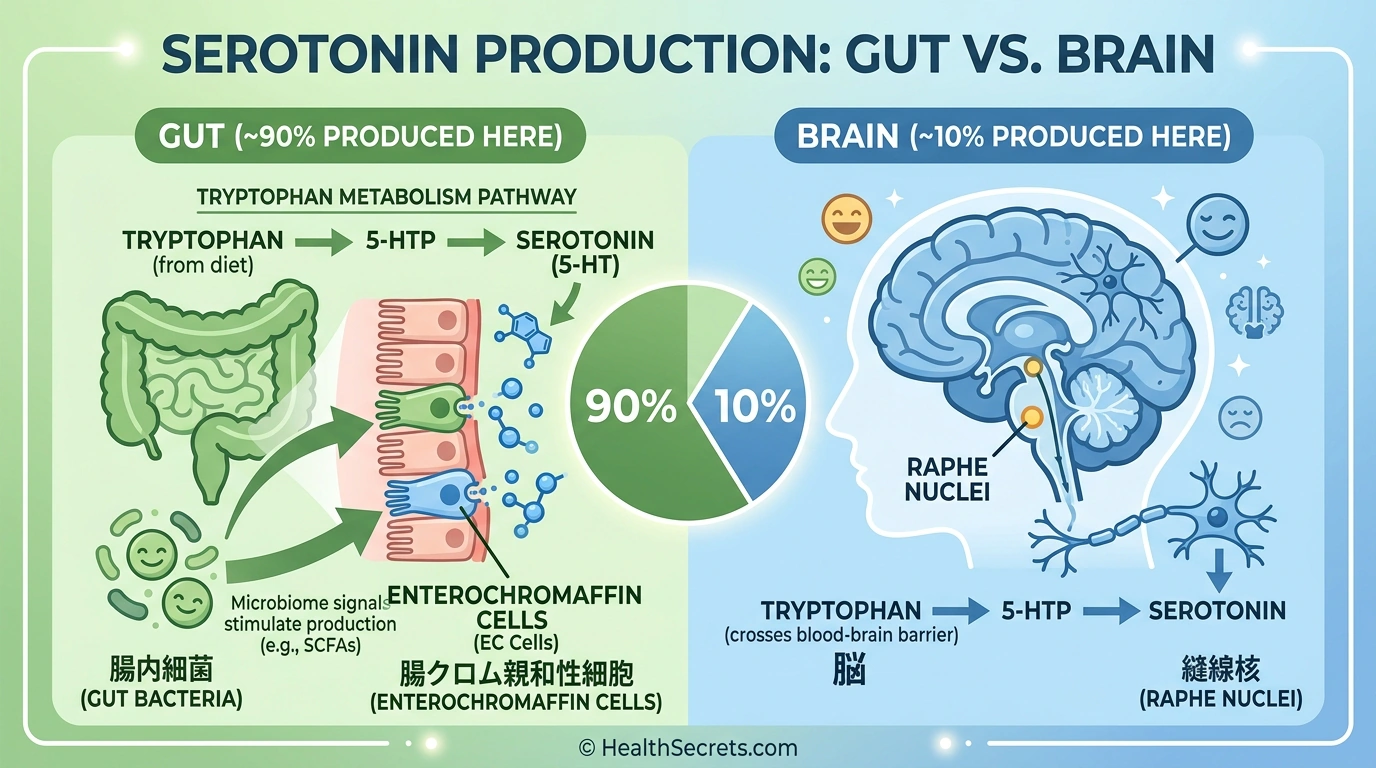
Infographic showing 90 percent of serotonin produced in the gut by enterochromaffin cells influenced by gut bacteria versus 10 percent in the brain

장내 미생물군이 뇌 기능에 그렇게 중요한 이유는 무엇인가요?

장내 미생물군은 무게 3–5파운드에 달하는 1,000종 이상의 박테리아 종을 포함한 복잡한 생태계로, 이는 신체 전체의 인간 세포보다 더 많은 미생물 세포를 포함합니다. 이 군집은 소화, 면역 조절, 비타민 생산, 신경전달물질 합성, 염증 조절 등 중요한 기능을 수행합니다 [2].

각 개인의 미생물군은 지문처럼 고유하며, 출생 방식, 모유 수유, 식이, 환경, 약물, 스트레스 노출 등에 의해 형성됩니다. 이 생태계가 불균형 상태(이를 이균증이라고 함)에 놓이면 그 결과는 소화 불편함을 훨씬 넘어섭니다.

왜 장을 "제2의 뇌"라고 부릅니까?

장신경계(ENS)는 위장관을 따라 약 1억 개의 뉴런을 포함하고 있으며, 이는 척추보다 더 많습니다. 이 "제2의 뇌"는 중추신경계와 독립적으로 기능하여 소화, 운동성, 분비를 자체적으로 조절할 수 있습니다 [3].

중요하게도, ENS는 뇌와 동일한 신경전달물질(세로토닌, 도파민, GABA, 아세틸콜린)을 생성합니다. ENS는 주로 미주신경을 통해 뇌와 소통하며, 이는 기분, 스트레스 반응, 인지 기능에 영향을 미치는 지속적인 피드백 루프를 만듭니다.

장은 어떻게 세로토닌의 90%를 생산하나요?

장 상피의 장아민 세포는 신체 전체 세로토닌의 약 90%를 생산하며, 뇌의 raphe 핵에서 합성되는 비율은 약 5–10%에 불과합니다. 장 박테리아는 세로토닌 합성에 필요한 전구체 분자와 효소를 생성하여 이 생산 과정에 직접적인 영향을 미칩니다 [18].

장 세로토닌은 주로 장 운동성, 분비, 통증 지각을 조절하지만, 장내 미생물군이 세로토닌의 아미노산 전구체인 트립토판 대사에 미치는 영향은 뇌로 도달하는 트립토판의 양을 직접적으로 결정합니다. 이는 장내 박테리아 구성이 기분, 수면, 식욕 조절에 상당한 영향을 미칠 수 있음을 의미합니다.

장은 다섯 가지 주요 경로를 통해 뇌와 어떻게 소통하나요?

장-뇌 축은 미주신경, 신경전달물질 신호 전달, 면역계 활성화, 장 호르몬 신호 전달, 박테리아 대사산물 생산이라는 다섯 가지 상호 연결된 통신 채널을 통해 작동합니다. 이러한 경로를 이해하면 장 건강이 정신 건강과 불가분의 관계임을 알 수 있으며, 표적 개입이 두 가지를 동시에 개선할 수 있는 방법을 파악할 수 있습니다.
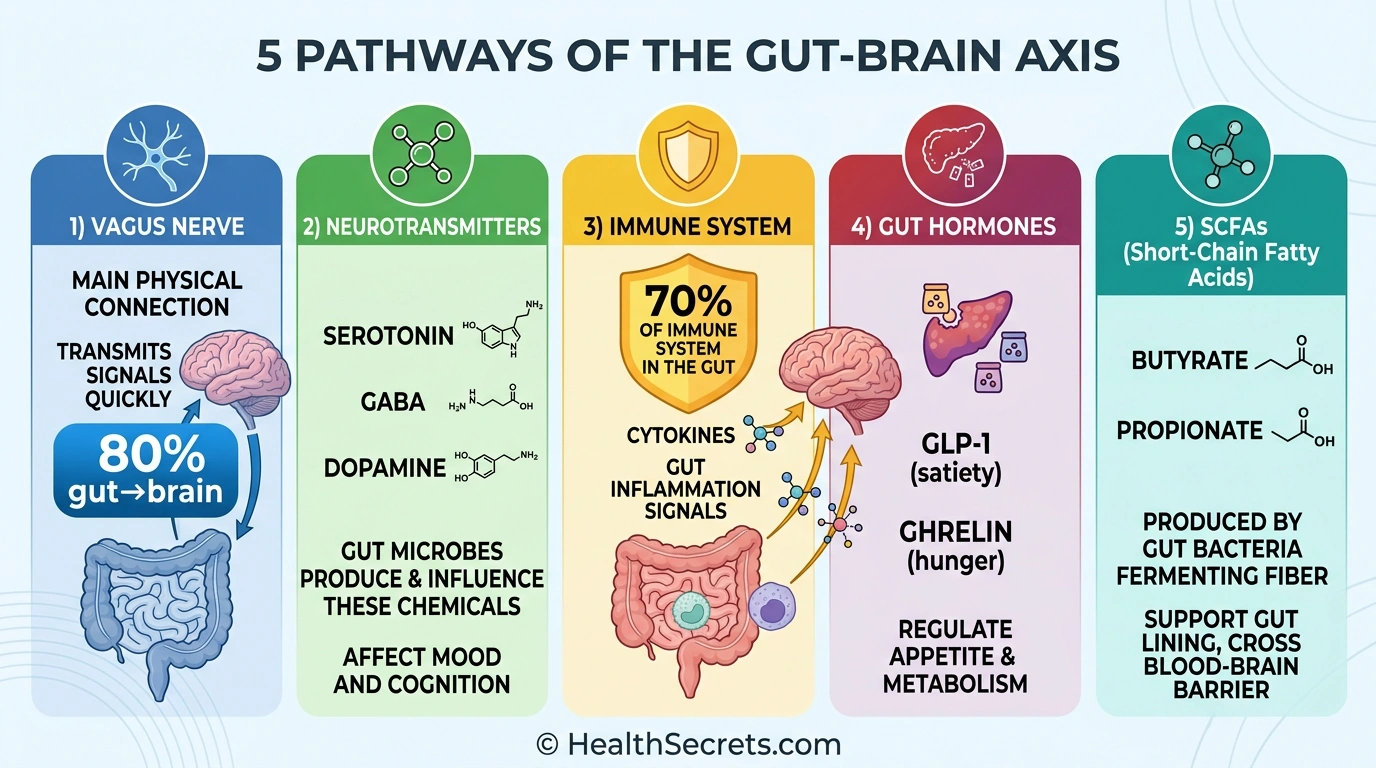
Diagram of five gut-brain communication pathways including vagus nerve, neurotransmitters, immune system, gut hormones, and short-chain fatty acids

미주신경은 주요 장-뇌 고속도로로서 어떤 역할을 하나요?

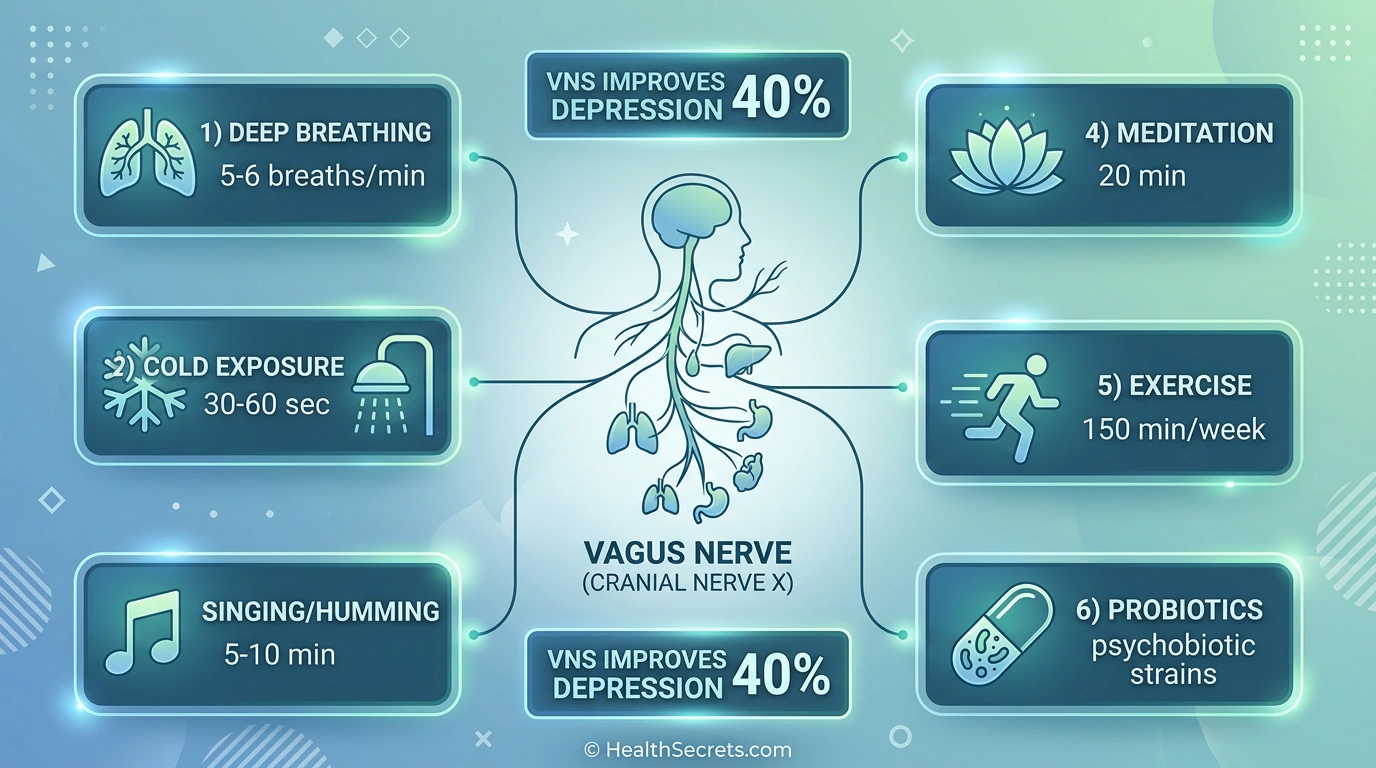
미주신경(제10 뇌신경)은 가장 긴 뇌신경으로, 뇌간에서 복부까지 이어집니다. 이는 장과 뇌 사이의 주요 물리적 연결고리로서, 구심 방향(장 → 뇌) 신호의 80%와 원심 방향(뇌 → 장) 신호의 20%를 운반합니다 [19].

장 박테리아는 미주신경 구심 섬유를 통해 대사 상태, 염증 상태, 영양분 가용성을 뇌에 전달합니다. 연구에 따르면 미주신경을 절단하면(미주신경절제술) 동물 모델에서 프로바이오틱스의 행동 효과가 차단되며, 이는 이 신경이 미생물군-뇌 신호 전달에 필수적인 통로임을 확인시켜 줍니다.

미주신경tone(Vagal tone) — 심박변이도(HRV)로 측정됨 — 은 이 경로의 건강을 나타내는 바이오마커입니다. 높은 미주신경tone은 더 나은 기분, 스트레스 회복력, 장 건강과 관련이 있으며, 낮은 미주신경tone은 우울증, 불안, 만성 염증과 연관됩니다.

장 박테리아는 어떤 신경전달물질을 생산하나요?

장 박테리아는 정신 건강에 영향을 미치는 거의 모든 주요 신경전달물질의 합성 또는 생산에 영향을 미칩니다:

  • 세로토닌 — 90%가 장에서 생산; 기분, 수면, 식욕 조절
  • GABA — 주요 진정 신경전달물질; 락토바실러스 및 비피도박테리아 종은 다량 생산
  • 도파민 — 장 박테리아가 동기 부여, 보상, 쾌락에 영향을 미치는 전구체를 생산
  • 아세틸콜린 — 기억과 학습에 영향
  • 노르에피네프린 — 각성 및 스트레스 반응에 영향

연구는 특정 장 박테리아 균주가 뇌 기능과 행동에 직접적인 영향을 미치는 신경전달물질을 생산함을 확인했습니다. 임상 모델에서 락토바실러스 및 비피도박테리아 종은 GABA 생산을 증가시키고 불안 유사 행동을 감소시켰습니다 [5].

장 염증이 뇌에 어떻게 도달하나요?

면역계의 약 70%는 장 관련 림프 조직(GALT)에 위치하여 장을 신체의 가장 큰 면역 기관으로 만듭니다. 장 박테리아가 불균형해지면 면역 세포는 IL-6, TNF-alpha, IL-1β와 같은 pro-inflammatory 사이토카인을 생산하며, 이들은 혈류를 통해 이동하여 혈뇌장벽을 통과합니다 [20].

이 신경 염증은 신경전달물질 대사를 방해하고 신경가소성을 저해하며 HPA 스트레스 축을 활성화하여 우울증 증상에 직접적으로 기여합니다. 유익한 장 박테리아가 촉진하는 IL-10과 같은 항염증 사이토카인은 균형을 맞춥니다.

장 호르몬과 단쇄 지방산(SCFA)은 기분에 어떻게 영향을 미치나요?

장 박테리아는 GLP-1(포만감 및 기분), 그렐린(배고픔 및 스트레스), 렙틴(포만감 및 염증)을 포함한 호르몬 생산에 영향을 미칩니다. 이러한 호르몬은 정서 조절과 행동에 관여하는 뇌 영역에서 작용합니다 [16].

아마도 가장 중요한 것은, 장 박테리아가 식이 섬유를 발효시켜 단쇄 지방산(SCFA)인 부티르산, 프로피온산, 아세트산을 생산한다는 점입니다. 이러한 대사산물은 혈뇌장벽을 통과하여 항염증 및 신경보호 효과를 발휘합니다. 연구에 따르면 부티르산은 기분을 개선하고 불안을 줄이며 우울증으로부터 보호하는 반면, 낮은 SCFA 수치는 우울증 증상과 상관관계가 있습니다. 서양 식단의 일반적인 섬유 섭취량인 하루 15g 미만(권장량인 25–35g보다 훨씬 낮음)은 불충분한 SCFA 생산과 증가된 정신 건강 취약성에 기여할 수 있습니다.

건강한 장-뇌 축의 정신 건강 이점은 무엇인가요?

잘 기능하는 장-뇌 축은 기분 안정, 스트레스 회복력, 인지 선명도, 정서 조절을 지원합니다. 연구에 따르면 식이, 프로바이오틱스, 생활습관 수정을 통해 장 건강을 최적화하면 우울증 및 불안 증상을 30–50% 감소시키고, 인지 성능을 개선하며, 스트레스 적응력을 높이며, 신체 전체에서 건강한 신경전달물질 생산을 지원할 수 있습니다.
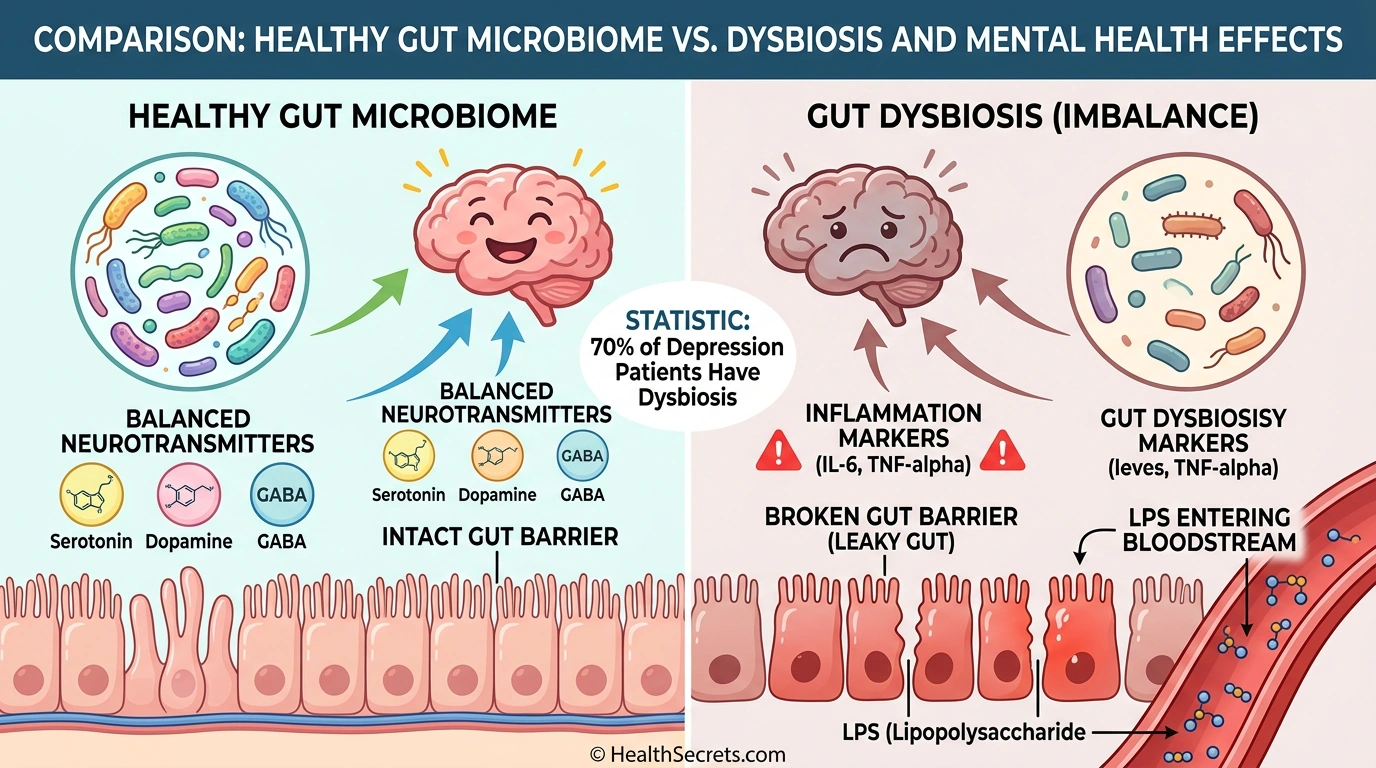
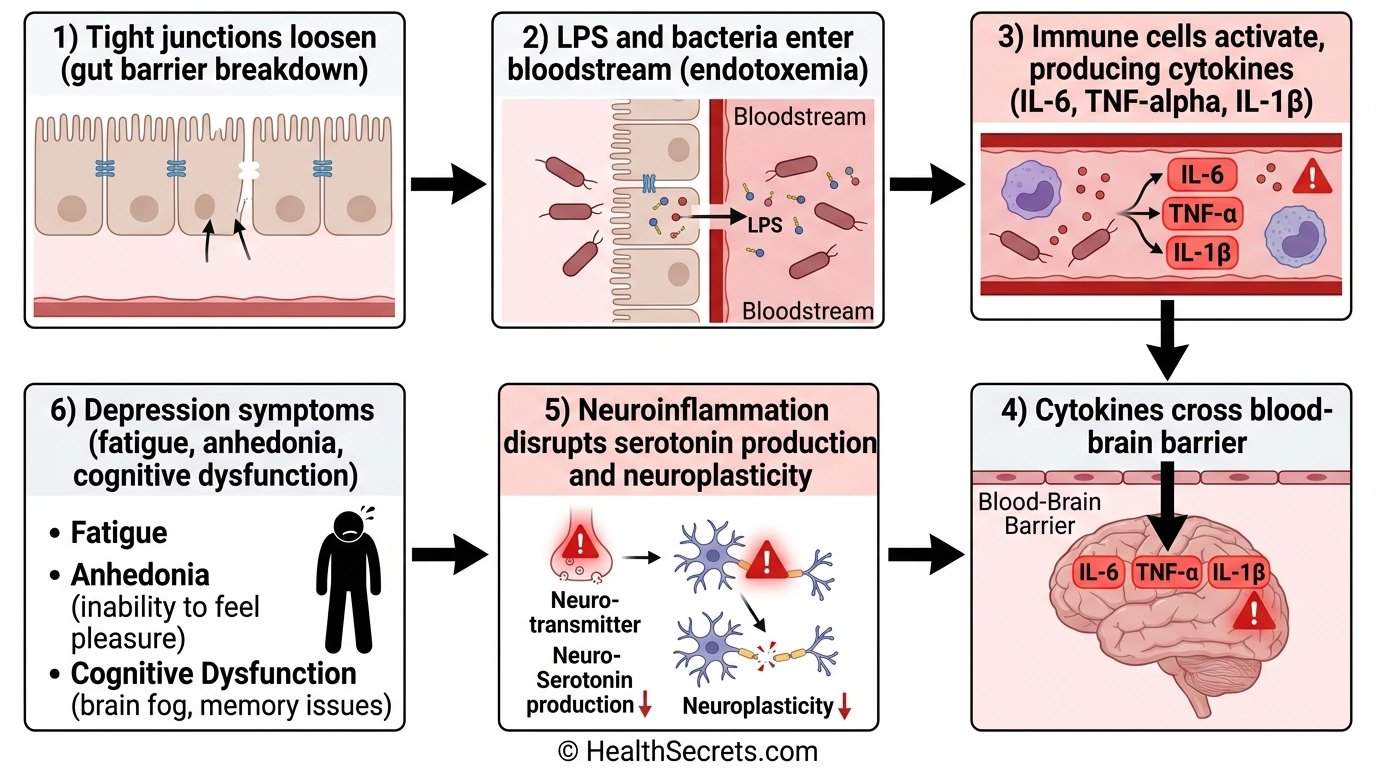
Comparison infographic showing healthy microbiome versus dysbiosis effects on mental health including inflammation and leaky gut
Flow diagram showing the cascade from leaky gut to endotoxemia to neuroinflammation to depression symptoms

건강한 미생물군은 우울증으로부터 어떻게 보호하나요?

다양하고 균형 잡힌 장내 미생물군은 충분한 세로토닌 전구체 가용성을 유지하고, 항염증성 SCFA를 생산하며, 장 장벽 무결성(내독소혈증 방지)을 지원하고, 건강한 미주신경tone을 촉진합니다. 장-뇌 영양의 금표준인 지중해 식단은 이러한 결합된 메커니즘을 통해 우울증 위험을 30–50% 감소시킵니다 [10].

최적의 장 건강은 건강한 트립토판 대사를 유지하여 필수 아미노산이 신경독성 대사산물을 생성하는 염증성 킨우레닌 경로 대신 세로토닌 생산을 위해 지향되도록 보장합니다.

사이코바이오틱스는 불안과 스트레스 반응을 어떻게 개선하나요?

사이코바이오틱스로 분류되는 특정 프로바이오틱스 균주는 정신 건강 결과를 직접적으로 개선합니다. 인간 시험에서 락토바실러스 헬베티쿠스 R0052와 비피도박테리아 롱검 R0175의 조합은 심리적 고통, 불안 유사 행동, 코르티솔 수치를 감소시켰습니다 [4]. 이러한 균주는 면역계를 항염증 프로필로 편향시키고, GABA 수용체 발현을 증가시키며, HPA 축 기능을 개선하여 불안 관리에 필수적입니다.

장 건강은 인지 기능을 어떻게 지원하나요?

SCFA 생산(특히 부티르산)은 혈뇌장벽 무결성을 지원하고, BDNF(뇌유래 신경영양인자) 생산을 촉진하며, 신경가소성을 향상시킵니다. 충분한 장내 미생물 다양성은 신경전달물질 합성과 인지 성능에 필수적인 보조 인자인 B 비타민의 최적 생산을 보장합니다.

장-뇌 축이 붕괴되면 어떤 일이 일어나나요?

장내 미생물 불균형(dysbiosis) — 다양성이 감소하고 병원성 박테리아가 과증식한 미생물군 — 은 장-뇌 축의 모든 통신 경로를 방해합니다. 임상 연구는 이균증이 신경전달물질 생산 감소, 장 투과성 증가, 전신 염증, 미주신경 신호 전달 장애 등의 메커니즘을 통해 우울증, 불안, ADHD, 자폐 스펙트럼 장애, 조현병과 연관되어 있음을 보여줍니다.
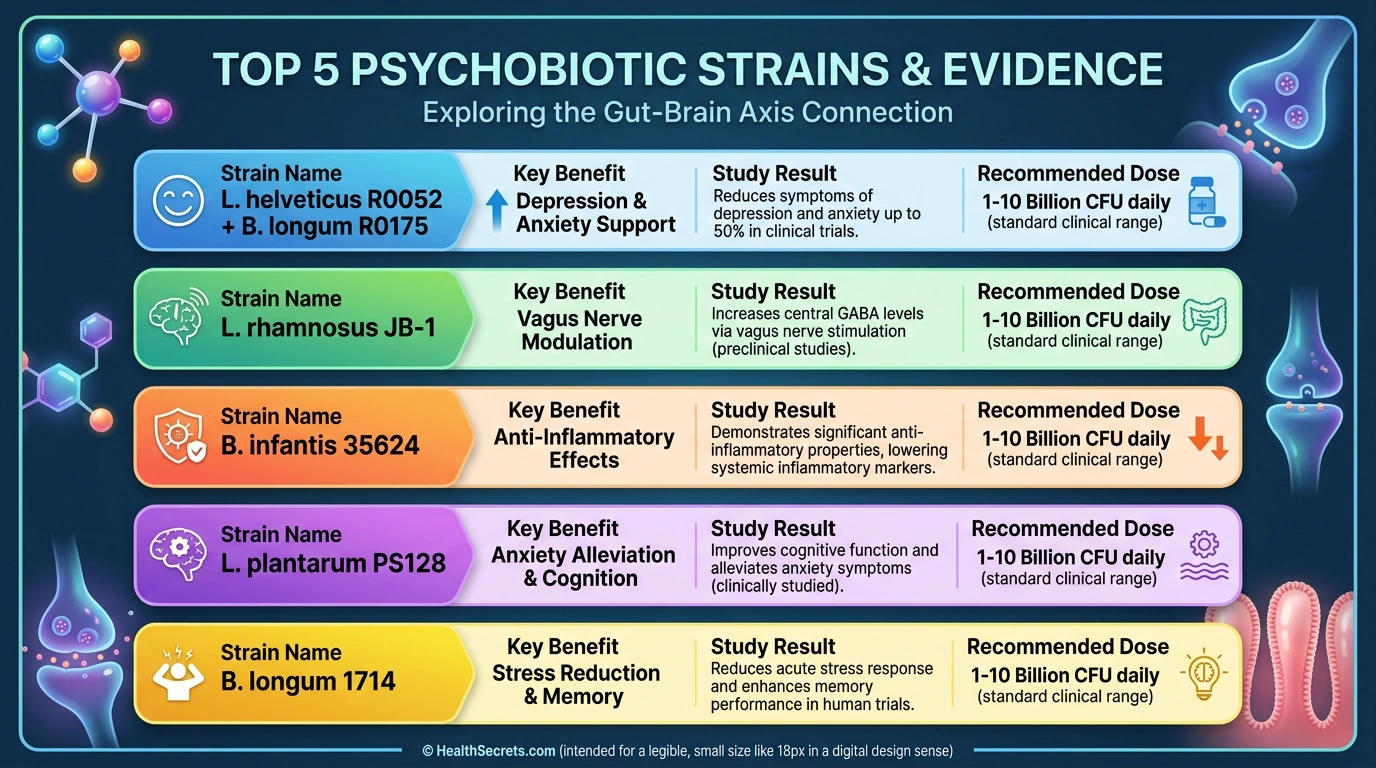
Chart of top five psychobiotic probiotic strains with clinical evidence for depression and anxiety showing strain names doses and study results

장내 미생물 불균형은 우울증을 어떻게 유발하나요?

우울증 환자의 약 70%가 미생물 다양성 감소, 락토바실러스 및 비피도박테리아 군집 고갈, pro-inflammatory 박테리아 과증식을 특징으로 하는 현저한 장내 미생물 불균형을 보입니다 [14].

이 메커니즘은 다면적입니다: 세로토닌 전구체 대사 감소, 내독소혈증과 신경 염증을 유발하는 누수 장, SCFA 생산 감소, 만성 스트레스 반응을 만드는 HPA 축 조절 장애. 연구는 우울증이 근본적으로 염증성 질환이며, CRP, IL-6, TNF-alpha를 포함한 염증 표지자가 상승한 우울증 환자의 30–50%가 있음을 지지하고 있습니다.

누수 장 증후군은 신경 염증과 우울증을 어떻게 촉발하나요?

식이가 나쁘거나, 만성 스트레스, 알코올, NSAIDs, 또는 이균증으로 인해 장의 조밀한 접합부(tight junctions)가 손상되면 박테리아와 그 독소가 혈류로 이동합니다. 그람 음성균에서 유래한 지질다당류(LPS)는 면역 세포의 TLR4 수용체를 활성화하여 전신 염증을 촉발하고, 혈뇌장벽을 통과하는 pro-inflammatory 사이토카인을 생산합니다 [7].

이 신경 염증은 트립토판 대사를 세로토닌 생산에서 킨우레닌 경로로 전환시켜 신경독성 퀴놀린산을 생성합니다. 동시에 염증은 BDNF를 감소시키고, 신경발생을 손상시키며, 해마 위축에 기여합니다 — 이는 임상적 우울증의 특징입니다.

불안, ADHD, 자폐는 장 건강과 어떻게 연결되나요?

  • 불안: 환자는 피르미쿠테스(Firmicutes) 대 박테로이데테스(Bacteroidetes) 비율 증가, GABA 생산 박테리아 감소, 상승된 염증 표지자를 포함한 변화된 미생물군 구성을 보입니다. 손상된 미주신경 신호 전달과 heightened 편도체 반응성이 이러한 효과를 증폭시킵니다 [15].
  • ADHD: ADHD 아동의 50–70%가 위장관 증상을 보고합니다. 연구는 감소된 다양성을 가진 독특한 미생물군 패턴을 보여주며, 이는 도파민 생산과 영양분 흡수(철분, 아연, 오메가-3)에 영향을 미칩니다 — 이는 모두 실행 기능에 필수적입니다.
  • 자폐 스펙트럼 장애(ASD): ASD를 가진 개인의 약 70%가 위장 문제를 경험하며 독특한 미생물군 패턴을 보입니다. 변화된 박테리아 대사산물과 heightened 신경 염증은 뇌 발달과 행동에 영향을 미칩니다.
  • 조현병: 환자는 변화된 미생물군 구성, 상승된 염증 표지자, 누수 장의 증거를 보입니다. 신경 염증은 조현병의 병리생리학의 중심인 도파민 경로를 방해합니다.

4R 프로토콜을 사용하여 장을 치유하고 정신 건강을 개선할 수 있나요?

4R 장 치유 프로토콜(제거, 복구, 복원, 재균형)은 장 건강을 재건하고 정신적 웰빙을 개선하기 위한 체계적이고 증거 기반의 프레임워크를 제공합니다. 연구에 따르면 이 구조화된 접근법을 8–12주 동안 따르는 것은 우울증 및 불안 증상을 현저히 감소시키고 미생물군 다양성과 장 장벽 무결성을 회복하는 데 도움이 될 수 있습니다.
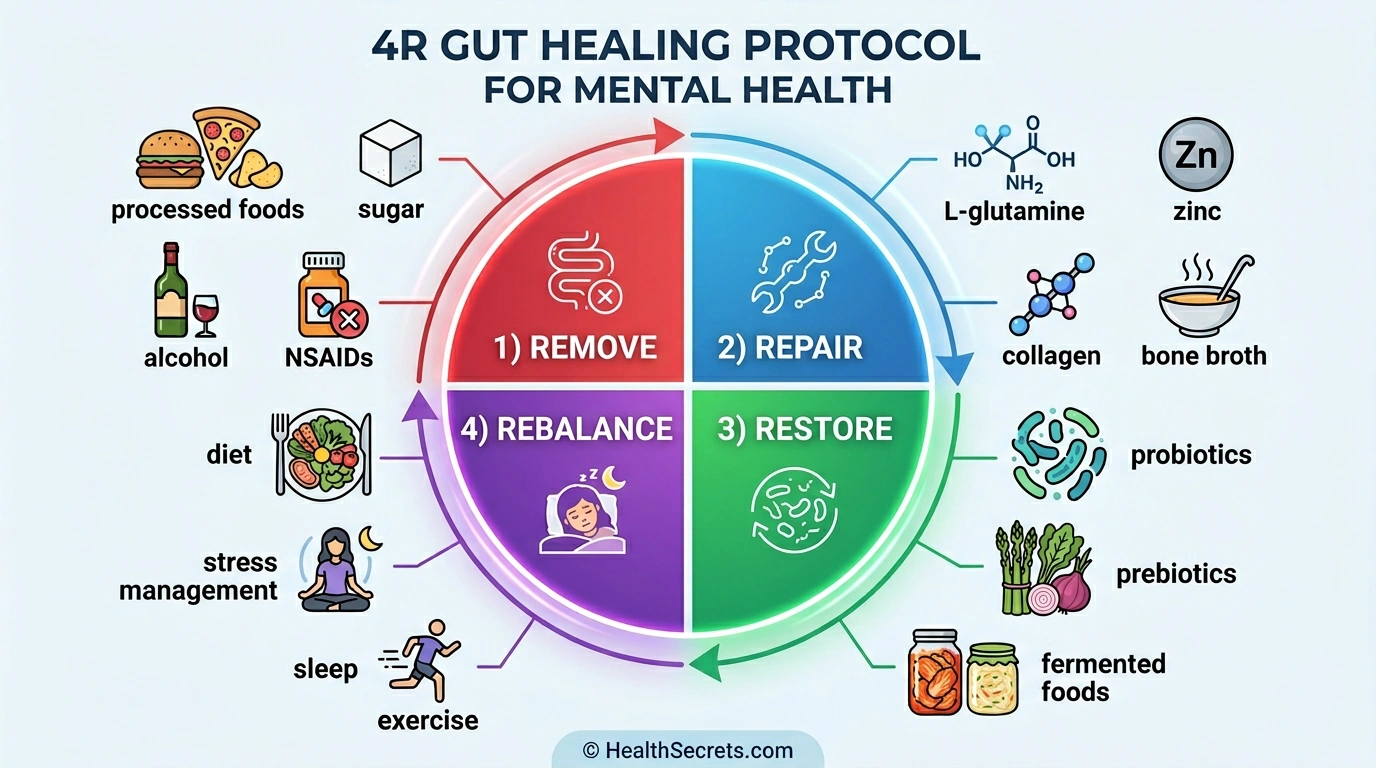
Infographic of the 4R gut healing protocol showing Remove Repair Restore and Rebalance steps with specific interventions for mental health
Infographic of six natural vagus nerve stimulation methods including deep breathing cold exposure singing meditation exercise and probiotics

단계 1: 장을 손상시키는 유발 인자를 어떻게 제거하나요?

이균증과 장 투과성을 촉진하는 요소를 제거합니다:

  • 가공 식품 — 높은 설탕, 트랜스 지방, 첨가물이 미생물군 구성을 방해합니다
  • 과도한 설탕 — 병원성 박테리아의 먹이가 됩니다; 하루 추가 설탕 25g 미만 목표로 합니다
  • 글루텐 — 민감한 경우, 취약한 개인에서 장 투과성을 증가시킵니다 (4–6주 제거 시도 권장)
  • 알코올 — 장 상피를 직접 손상시키고 이균증을 촉진합니다
  • NSAIDs — 아스피린과 이부프로펜은 장 장벽을 손상시킵니다 (신중하게 사용)
  • 불필요한 항생제 — 유익한 박테리아 군집을 파괴합니다 (의학적 필요 시에만 사용)

단계 2: 장 상피를 어떻게 복구하나요?

장 투과성을 표적으로 하는 이러한 증거 기반 영양제를 사용합니다:

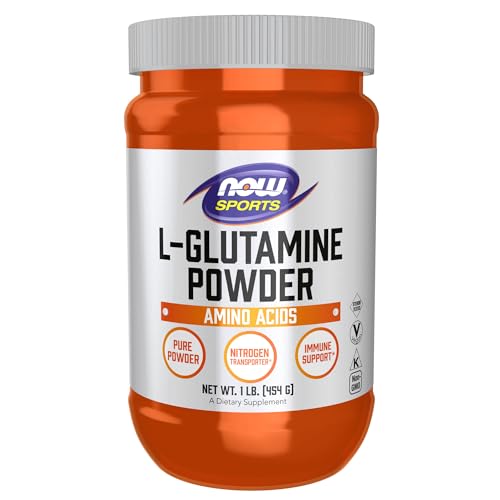
  • L-글루타민 — 하루 5–10g; 장 세포의 주요 연료이며 조밀한 접합부를 치유합니다
  • 아연 — 하루 15–30mg; 장 장벽 무결성과 면역 기능을 지원합니다
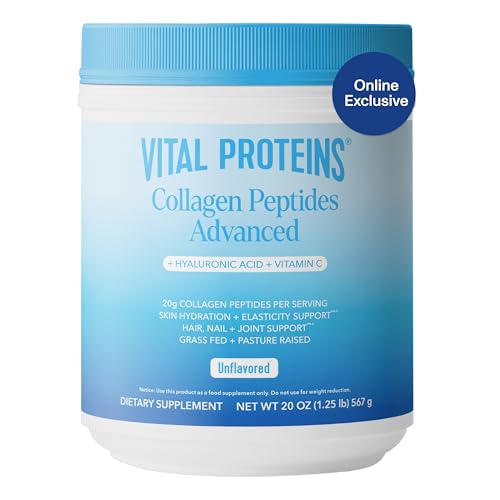
  • 콜라겐 펩타이드 — 하루 10–20g; 장 상피 복구를 위한 아미노산(글리신, 프롤린)을 제공합니다
  • 뼈 국물 — 하루 1–2 컵; 콜라겐, 젤라틴, 미네랄이 풍부합니다
  • 오메가-3 지방산 — 하루 2–4g EPA+DHA; 항염증 효과와 장벽 기능 지원을 제공합니다

단계 3: 건강한 미생물군을 어떻게 복원하나요?

  • 프로바이오틱스: 하루 10–500억 CFU와 사이코바이오틱스 균주(L. helveticus R0052 + B. longum R0175) 포함. 정신 건강 이점을 위해 최소 4–8주 꾸준히 사용.
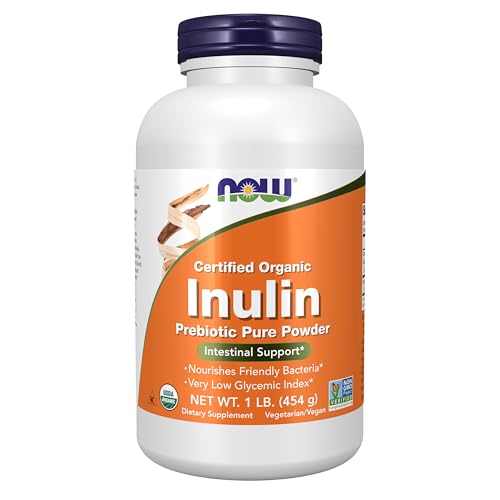
  • 프리바이오틱스: 유익한 박테리아의 먹이가 되는 인울린, FOS, GOS를 하루 5–10g 섭취. 식품 원천으로는 양파, 마늘, 부추, 아스파라거스, 바나나, 오트가 있습니다.
  • 발효 식품: 검증된 생균제가 포함된 요구르트, 케피어, 사우어크라우트, 김치, 콤부차를 하루 1–2 회분 섭취.
  • 다양성: 미생물 다양성을 극대화하기 위해 주당 30종 이상의 다른 식물성 식품을 목표로 합니다.

단계 4: 장-뇌 건강을 위해 생활습관을 어떻게 재균형하나요?

  • 항염증 식단 — 풍부한 채소, 과일, 통곡물, 콩류, 올리브 오일, 등푸른 생물을 포함하는 지중해식 패턴
  • 스트레스 관리 — 매일 20

최고 추천 제품

Comparison shortlist to review before leaving the guide

10 Items
01

Garden of Life Dr. Formulated Mood+ Probiotic

Garden of · Depression and anxiety support with clinically studied Lactobacillus and Bifidobacterium strains

Compare details
02

Culturelle Digestive Daily Probiotic

Culturelle Digestive · Daily digestive and gut-brain support with the most clinically studied probiotic strain

Compare details
03

Renew Life Ultimate Flora Extra Care 50 Billion

Renew Life · Comprehensive microbiome restoration with high-potency multi-strain formula

Compare details
04

NOW Foods Organic Inulin Prebiotic Powder

NOW Foods · Feeding beneficial gut bacteria to increase SCFA production and microbial diversity

Compare details
05

NOW Foods L-Glutamine Powder

NOW Foods · Healing intestinal permeability (leaky gut) and supporting gut barrier integrity

Compare details
06

Vital Proteins Collagen Peptides

Vital Proteins · Providing amino acids (glycine, proline, glutamine) for intestinal lining regeneration

Compare details
07

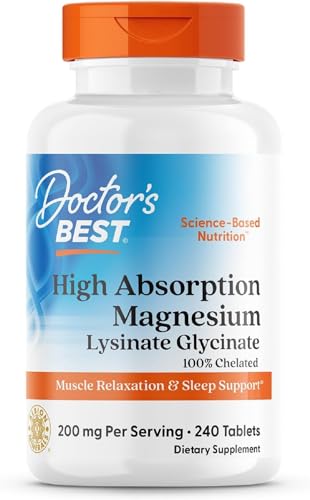
Doctor's Best High Absorption Magnesium Glycinate

Doctor's Best · Calming the nervous system, supporting GABA activity, and reducing gut-brain axis stress

Compare details
08

Thorne Zinc Picolinate

Thorne Zinc · Supporting intestinal barrier integrity and immune function for gut-brain health

Compare details
09

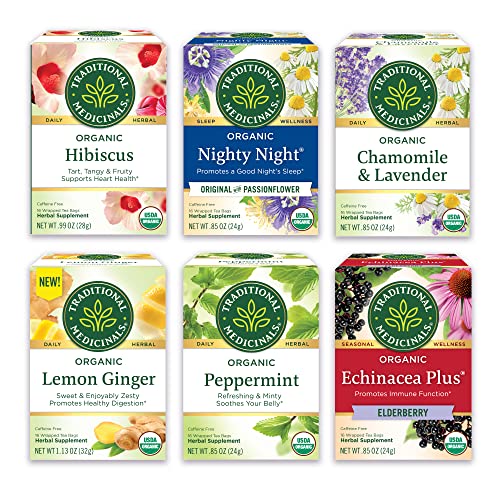
Traditional Medicinals Organic Tea Variety Pack

Traditional Medicinals · Daily gut-brain support through herbal compounds that reduce inflammation and promote relaxation

Compare details
10

Nordic Naturals Ultimate Omega

Nordic Naturals · Anti-inflammatory support for gut barrier integrity and brain health

Compare details

Read the detailed review cards below before opening any retailer link

추가 읽을거리

추가 읽을거리

"The Mind-Gut Connection"

by Emeran Mayer, MD

Comprehensive overview of gut-brain axis science; explanation of how emotions affect gut and gut affects brain; dietary recommendations for optimizing the microbiome; stress management strategies; latest research on microbiome and mental health

Why it adds value here

Dr. Mayer is one of the world's foremost gut-brain axis researchers. This book translates decades of cutting-edge research into actionable guidance, making complex neurogastroenterology accessible to general readers while maintaining scientific rigor.

최적의 용도: Understanding the science behind gut-brain communication and practical dietary strategies

View book details

추가 읽을거리

"The Psychobiotic Revolution"

by Scott C. Anderson, John F. Cryan, PhD, and Ted Dinan, MD, PhD

Definition and science of psychobiotics; specific strain recommendations with clinical evidence; microbiome testing guidance; practical protocol for using probiotics for mental health; latest clinical trial results

Why it adds value here

Written by the scientists who coined the term "psychobiotics," this book is the definitive guide to using targeted probiotic strains for mental health. It bridges cutting-edge microbiome research with practical, actionable recommendations.

최적의 용도: Deep understanding of psychobiotics — how specific probiotic strains treat depression, anxiety, and stress

View book details

추가 읽을거리

"Brain Maker"

by David Perlmutter, MD

Connection between gut bacteria and brain diseases; role of inflammation in neurological conditions; practical dietary protocols for brain health; probiotic and prebiotic recommendations; case studies of gut-brain healing

Why it adds value here

Dr. Perlmutter provides a neurologist's perspective on the microbiome-brain connection, with practical rehabilitation protocols for gut and brain health. The book includes actionable dietary guidelines and supplement recommendations grounded in clinical experience.

최적의 용도: Understanding how gut bacteria influence neurological and mental health conditions

View book details

AEO FAQ

Frequently Asked Questions

12 common questions answered

The gut-brain axis is a bidirectional communication network connecting the gastrointestinal tract and the brain through five pathways: the vagus nerve, neurotransmitter signaling, immune activation, gut hormones, and bacterial metabolites. It matters for mental health because 90% of serotonin is produced in the gut, gut bacteria manufacture GABA and dopamine precursors, and intestinal inflammation can cross the blood-brain barrier to cause neuroinflammation linked to depression and anxiety. Disruptions in any of these pathways — caused by poor diet, stress, or dysbiosis — can directly impair mood, cognition, and emotional regulation.

Yes, substantial clinical evidence supports this connection. Research shows that 70% of depression patients have gut dysbiosis, and targeted interventions can meaningfully reduce symptoms. Psychobiotic strains (L. helveticus R0052 + B. longum R0175) reduced depression and anxiety scores by up to 50% in clinical trials. The Mediterranean diet reduces depression risk by 30–50%. Addressing gut health through the 4R protocol (Remove, Repair, Restore, Rebalance) typically produces noticeable mood improvements within 4–8 weeks.

Psychobiotics are specific probiotic strains that produce measurable mental health benefits through the gut-brain axis. The strongest evidence exists for: Lactobacillus helveticus R0052 + Bifidobacterium longum R0175 (reduced depression/anxiety by 50%), Lactobacillus rhamnosus JB-1 (increased brain GABA via vagus nerve), Bifidobacterium infantis 35624 (reduced inflammation and improved serotonin precursor availability), and Lactobacillus plantarum PS128 (improved anxiety and cognition). Effective doses range from 10–50 billion CFU daily, with minimum 4–8 weeks consistent use needed.

Leaky gut (increased intestinal permeability) allows bacterial toxins — particularly LPS from gram-negative bacteria — to enter the bloodstream. This triggers systemic inflammation, producing pro-inflammatory cytokines (IL-6, TNF-alpha, IL-1β) that cross the blood-brain barrier. In the brain, these cytokines disrupt serotonin production by shifting tryptophan toward the neurotoxic kynurenine pathway, reduce BDNF (impairing neuroplasticity), and activate the chronic stress response. The resulting neuroinflammation manifests as depression, brain fog, fatigue, and cognitive dysfunction.

Most people following a comprehensive gut-brain protocol notice initial improvements within 2–4 weeks, with significant benefits by 8–12 weeks. The typical timeline: weeks 1–2 bring GI symptom relief and slightly increased energy; weeks 4–8 show 20–30% reduction in depression/anxiety symptoms; weeks 8–12 yield 40–50% symptom improvement with stable mood and improved cognition. Full microbiome restoration may take 3–6 months of consistent effort. Individual results vary based on baseline health, adherence, and the severity of dysbiosis.

The Mediterranean diet has the strongest evidence, reducing depression by 30–50% in clinical trials. Key components include: 5–9 daily servings of colorful vegetables, 2–3 fruits (especially berries), whole grains, legumes 3–4 times weekly, extra virgin olive oil, and fatty fish 2–3 times weekly. Fiber intake of 25–35g daily is critical for feeding bacteria that produce mood-enhancing SCFAs. Daily fermented foods (yogurt, kefir, sauerkraut) provide live probiotic cultures. Avoid processed foods, added sugars, artificial sweeteners, and excess alcohol.

The vagus nerve is the longest cranial nerve, running from brainstem to abdomen, carrying 80% of signals from gut to brain. It transmits information about microbiome status, inflammation, and nutrients, directly influencing mood and cognition. Natural stimulation methods include: deep diaphragmatic breathing (5–6 breaths/minute, 10–20 minutes daily), cold exposure (30–60 second cold showers), singing and humming (vocal cord vibration), loving-kindness meditation, moderate exercise, and gargling vigorously. Medical VNS improves treatment-resistant depression by approximately 40%.

Yes, chronic stress significantly damages gut health through multiple mechanisms. Cortisol increases intestinal permeability (leaky gut), alters microbiome composition by reducing beneficial Lactobacillus and Bifidobacterium species, and promotes overgrowth of pathogenic bacteria. The relationship is bidirectional — gut dysbiosis itself amplifies the stress response through HPA axis dysregulation, creating a vicious cycle. Stress management practices like meditation, yoga, deep breathing, and nature exposure have been shown to improve both gut microbiome composition and mental health outcomes.

The most evidence-based supplements for gut barrier repair include: L-glutamine (5–10g daily, the primary fuel for intestinal cells that directly heals tight junctions), zinc picolinate (15–30mg daily for gut barrier integrity), collagen peptides (10–20g daily providing glycine and proline for lining repair), omega-3 fatty acids (2–4g EPA+DHA daily for anti-inflammatory support), and a multi-strain probiotic with psychobiotic strains (10–50 billion CFU daily). Prebiotic fiber (5–10g inulin or FOS) supports SCFA production that maintains barrier health.

Antibiotics can devastate beneficial gut bacteria populations, with full recovery sometimes taking months. This antibiotic-induced dysbiosis has been linked to increased risk of depression and anxiety through reduced neurotransmitter production, impaired SCFA generation, and compromised gut barrier function. When antibiotics are medically necessary, mitigate damage by taking a multi-strain probiotic during and after treatment (separated by 2–3 hours from antibiotic doses), consuming fermented foods daily, and increasing prebiotic fiber intake to support microbiome recovery.

Emerging research shows significant connections. In ADHD, 50–70% of children report GI symptoms, and gut dysbiosis affects dopamine production and absorption of nutrients critical for executive function (iron, zinc, omega-3). In autism spectrum disorder, approximately 70% of individuals experience GI issues with distinct microbiome patterns, and abnormal bacterial metabolites may influence brain development and behavior. While gut-targeted interventions are not replacements for standard treatments, optimizing gut health may support symptom management as part of a comprehensive approach.

Research recommends 25–35g of dietary fiber daily for optimal gut-brain axis function. Fiber feeds beneficial bacteria that produce short-chain fatty acids (SCFAs) — particularly butyrate — which cross the blood-brain barrier, reduce neuroinflammation, and improve mood. The average Western diet provides less than 15g daily, which is insufficient for adequate SCFA production. Best sources include vegetables, fruits, whole grains (oats, quinoa), legumes (beans, lentils), nuts, and seeds. Increase gradually to avoid GI discomfort, and aim for 30+ different plant foods weekly for maximum microbial diversity.

🧠

Test Your Knowledge

Take our Mental Wellness Quiz and see how much you really know about mental wellness.

Take Quiz

Was this article helpful?

Written & Reviewed By Experts

HS

Author

Health Secrets Editorial Team

Dr. Emily Foster

Medical Reviewer

Dr. Emily Foster

MD, Endocrinology

All content is evidence-based, peer-reviewed by qualified professionals, and updated regularly. Our editorial team follows strict guidelines for accuracy and transparency.

참고 문헌 및 인용

20 인용된 출처

1
Yano, J.M. et al. (2015). Indigenous bacteria from the gut microbiota regulate host serotonin biosynthesis. Cell, 161(2), 264-276. 보기
2
Cryan, J.F. et al. (2019). The microbiota-gut-brain axis. Physiological Reviews, 99(4), 1877-2013. 보기
3
Carabotti, M. et al. (2015). The gut-brain axis: interactions between enteric microbiota, central and enteric nervous systems. Annals of Gastroenterology, 28(2), 203-209.)00268-7/fulltext 보기
4
Messaoudi, M. et al. (2011). Assessment of psychotropic-like properties of a probiotic formulation (Lactobacillus helveticus R0052 and Bifidobacterium longum R0175). British Journal of Nutrition, 105(5), 755-764. 보기
5
Strandwitz, P. (2018). Neurotransmitter modulation by the gut microbiota. Brain Research, 1693(Pt B), 128-133. 보기

의학적 면책 조항

This article is for informational purposes only and does not constitute medical advice. Read the full medical disclaimer. Always consult with a qualified healthcare provider before starting any new supplement, treatment, or major dietary change.

You Might Also Like

mental wellness

마그네슘이 불안 증상에 도움이 될까요?

네, 마그네슘은 불안 증상에 도움이 됩니다. 특히 만성적인 배경 불안과 스트레스 반응성에 효과적입니다. 마그네슘은 벤조디아제핀이 표적으로 삼는 것과 동일한 시스템인 GABA 수용체 기능을 향상시켜 작용합니다. 항불안 효과를 위해 하루 200–400mg의 마그네슘 글리시네이트가 가장 좋은 형태이며, 일반적으로 2–6주 내에 개선 효과를 볼 수 있습니다.

mental wellness

인지 성능을 위한 바이오해킹: 뇌 최적화 가이드

인지 성능 향상을 위한 바이오해킹은 노트로픽스, 간헐적 단식, 냉수 노출, 수면 최적화 등 증거 기반 전략을 활용하여 집중력, 기억력, 인지 기능을 강화합니다. 이 단계별 가이드는 가장 효과적인 뇌 최적화 기법, 안전 고려 사항, 그리고 데이터 기반 도구를 통해 진행 상황을 추적하는 방법을 다룹니다.

mental wellness

초보자를 위한 명상: 완전한 가이드

명상은 입증된 접근 가능한 정신 훈련법으로, 스트레스를 25%, 불안을 30% 감소시키고 집중력을 30% 향상시킵니다. 장비가 전혀 필요 없으며 하루 단 5~10분만 투자하면 됩니다. 이 완전한 초보자 가이드는 8가지 명상 유형을 소개하고, 단계별 마음챙김 지침을 제공하며, 흔히 발생하는 장애물을 해결하고, 지속적인 습관을 형성할 수 있는 주간 액션 플랜을 제시합니다.

Discussion (0)

Loading comments...