
サブトピックマップ
サブトピックから探す
アーカイブは、読者が主要な柱から、自分が必要とする特定のトピックへとスムーズに移動できるよう整理されています。
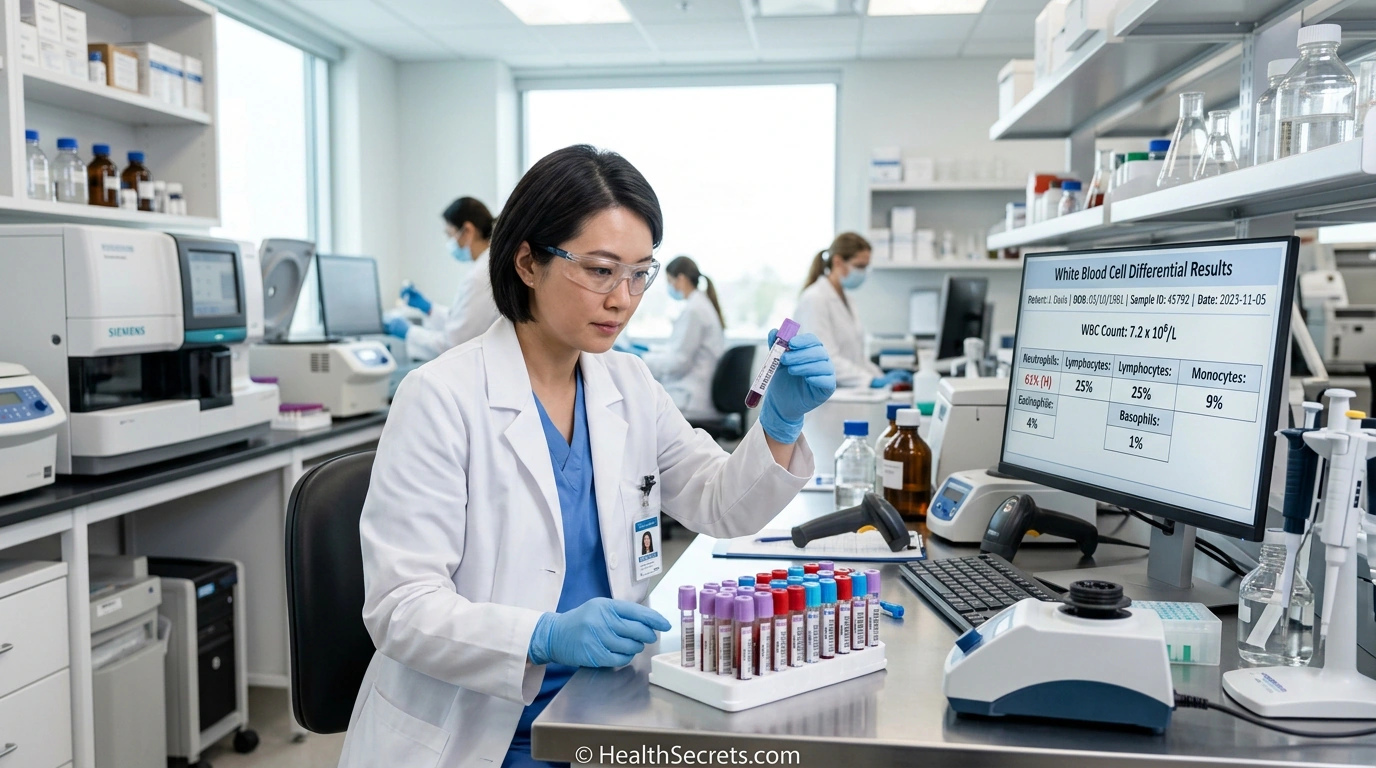
免疫システムをテストする方法:マーカーと手法
あなたの免疫システムにはダッシュボードが付いていませんが、特定の血液検査で実際にどのくらい機能しているかがわかります。このガイドでは、主要な免疫マーカー、その意味、そしていつテストを検討すべきかを解説します。

免疫システムの老化:加齢に伴う免疫力を維持する方法
免疫システムの老化、すなわち免疫老化(immunosenescence)は、60歳以降に加速する免疫機能の進行性低下です。このエビデンスに基づくガイドでは、炎症老化(inflammaging)と胸腺萎縮が防御力を弱める仕組みを解説し、加齢に伴う強い免疫力を維持するための実証済みの栄養、運動、サプリメント、ライフスタイル戦略を網羅しています。
Supporting Your Immune System: What the Research Really Shows
The phrase "boost your immune system" is one of the most common — and most misleading — claims in wellness marketing. The immune system is not a single dial that can be turned up; it is a sophisticated, multi-layered defense network involving physical barriers, innate responses, and adaptive immunity with billions of specialized cells. A "boosted" immune system would actually be undesirable, since overactivation drives autoimmune disease and chronic inflammation. The realistic goal is to support balanced immune function.
Nutrition lays the groundwork. Several micronutrients are genuinely essential for immune cells to function: vitamin C, vitamin D, zinc, and selenium among them. Vitamin D is particularly notable — deficiency, common in low-sunlight regions, has been associated with roughly a 40% higher risk of respiratory infection in some studies, and immune cells carry vitamin D receptors. Zinc supports the development of immune cells and may shorten the duration of common colds when taken early.
Lifestyle factors often matter more than any supplement. Sleep is when the immune system performs much of its work — producing antibodies, forming immune memory, and releasing protective cytokines. People who sleep fewer than six or seven hours are substantially more likely to catch a cold after exposure. Moderate, regular exercise has been shown to reduce the frequency of upper respiratory infections, while chronic stress elevates cortisol and suppresses lymphocyte activity.
The gut also plays a central immune role, since roughly 70% of immune tissue surrounds the digestive tract and the microbiome helps train immune responses. This is why a fiber-rich, diverse diet supports immunity indirectly. Rather than chasing quick fixes, the evidence points to consistent fundamentals: adequate sleep, regular movement, stress management, and a nutrient-dense diet. The guides below detail each of these pillars and clarify which supplements have real support behind them.
この概要は教育目的の提供を目的としており、個別の医学的アドバイスに代わるものではありません。食事、サプリメント、または治療ルーチンを変更する場合は、必ず資格を持つ医療専門家に相談してください。
免疫システム FAQ
免疫システム Frequently Asked Questions
Clinical, evidence-based answers to key questions about 免疫システム.
Immunologically, the goal is immune regulation rather than over-activation. An overactive immune system drives debilitating autoimmune disorders and cytokine hyperinflammation, whereas an underactive one leaves you susceptible to pathogens. Evidence-based nutrition supports calibrated immune defense.
Essential immune-modulating nutrients include Vitamin D3 (regulates antimicrobial cathelicidin production), Zinc (inhibits intracellular viral replication), Vitamin C (supports phagocyte and neutrophil migration), and Quercetin (which functions as a natural zinc ionophore).
Even a single night of partial sleep deprivation can suppress natural killer (NK) cell cytolytic activity by up to 70% and severely diminishes the production of protective interleukin cytokines, significantly increasing infection vulnerability.
Randomized controlled clinical trials indicate that standardized black elderberry (Sambucus nigra) does not prevent initial transmission, but significantly shortens upper respiratory infection duration by 2 to 4 days by inhibiting viral hemagglutinin spikes.
Innate immunity represents your non-specific first line of defense (epithelial barriers, stomach acid, neutrophils, natural killer cells). Adaptive immunity develops targeted antigen-specific antibodies and cytotoxic T-cells that establish long-term immunological memory.