
Integratori
Recensioni di integratori basate sull'evidenza con dosaggi, biodisponibilità, forme, interazioni e test di terze parti. Analizziamo ciò che la ricerca dimostra realmente, non le promesse del marketing.
Inizia Qui
Start with the flagship guide for foundational research.
MAPPA DEI SOTTOTEMI
Sfoglia per sottotema
L'archivio è organizzato in modo che i lettori possano passare dai pilastri tematici alla sezione specifica di cui hanno bisogno.
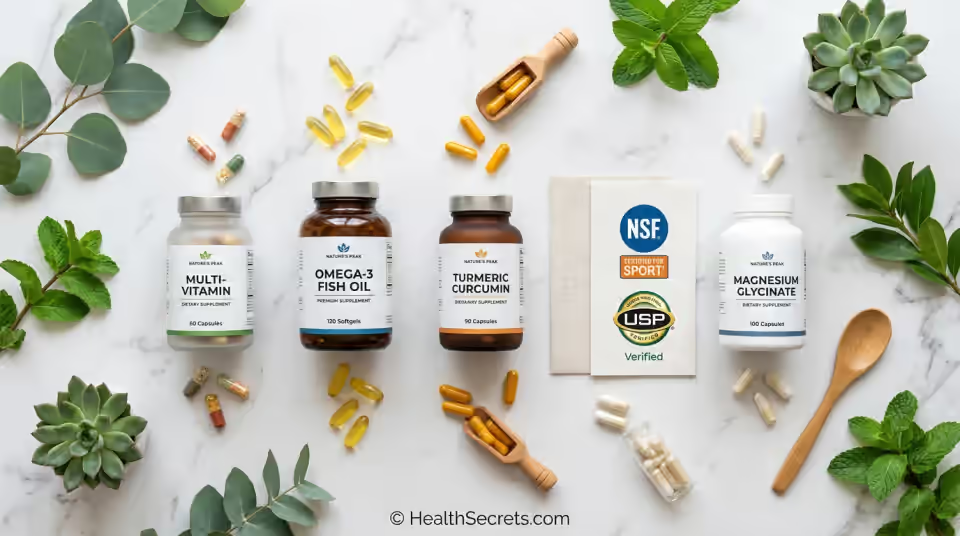
Guida agli Integratori: Riferimento Completo Basato sulle Evidenze
Con migliaia di integratori alimentari disponibili sul mercato, scegliere quelli giusti può sembrare un compito scoraggiante. Questa guida agli integratori, basata su evidenze scientifiche, analizza la scienza che sta alla base di vitamine, minerali e integratori più popolari, aiutandoti a prendere decisioni informate su cosa funziona davvero, cosa evitare e come costruire una routine di integrazione sicura ed efficace.
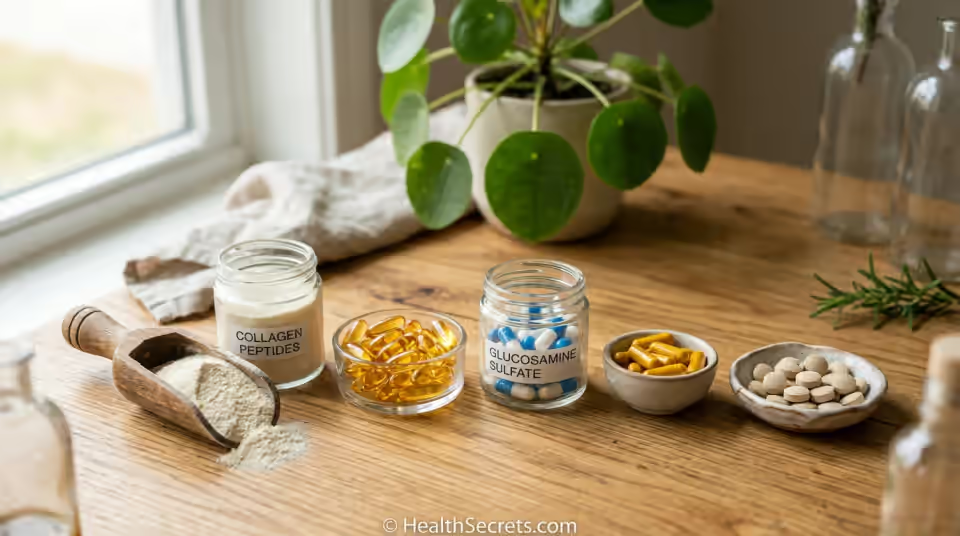
Integratori per la salute delle articolazioni: Guida completa
Il dolore articolare colpisce oltre 90 milioni di americani, e gli integratori giusti possono ridurre l'infiammazione, proteggere la cartilagine e migliorare la mobilità. Questa guida completa esamina i migliori integratori per la salute delle articolazioni, inclusi glucosamina, curcuma, collagene e boswellia, con dosaggi basati su evidenze scientifiche, indicazioni sulla sicurezza e raccomandazioni di prodotti testati.

Integrazione Alimentare per la Salute della Donna: La Guida Completa
I fabbisogni nutrizionali delle donne cambiano in modo significativo nelle diverse fasi della vita, dagli anni riproduttivi alla gravidanza e fino alla menopausa. Questa guida basata su evidenze scientifiche passa in rassegna i migliori integratori per la salute femminile nel 2025, includendo multivitaminici, formule prenatali, supporto per le ossa e nutrienti per l'equilibrio ormonale, tutti supportati da ricerche cliniche.
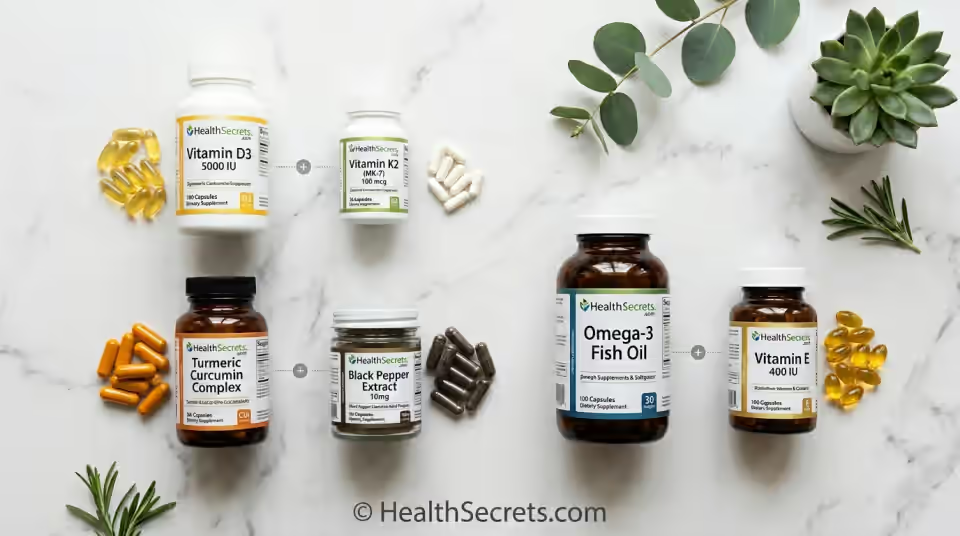
Stacking degli Integratori: Come Combinarli per Massimizzare i Benefici
Lo stacking degli integratori, ovvero la combinazione di nutrienti specifici per ottenere effetti sinergici, può migliorare drasticamente l'assorbimento, l'efficacia e i risultati sulla salute quando eseguito correttamente. Questa guida basata su evidenze scientifiche copre la scienza dietro le combinazioni provate come vitamina D + K2, magnesio + B6 e curcumina + piperina, oltre a protocolli per obiettivi specifici e considerazioni sulla sicurezza.
How to Evaluate Supplements Like a Scientist
The global supplement industry exceeds $150 billion annually, yet the quality and efficacy of products vary enormously. Unlike pharmaceuticals, dietary supplements in most countries are not reviewed for safety or effectiveness before they reach store shelves — regulators typically act only after problems are reported. That places the burden of evaluation on the consumer, which is exactly where evidence-based analysis becomes essential.
The first question to ask of any supplement is whether you actually need it. Nutrients are best obtained from whole foods, where they arrive alongside fiber, cofactors, and phytonutrients that enhance absorption. Supplementation makes the most sense when there is a documented deficiency or elevated need — vitamin D in low-sunlight climates, vitamin B12 for those following plant-based diets, omega-3s for people who rarely eat fatty fish, or iron and folate during pregnancy.
When a supplement is warranted, three factors determine its real-world value: form, dose, and bioavailability. The chemical form changes how well a nutrient is absorbed — magnesium glycinate is gentler and better absorbed than magnesium oxide, and methylated B vitamins suit people with certain genetic variants. Dose matters because both too little and too much can be ineffective or harmful; fat-soluble vitamins A, D, E, and K can accumulate to toxic levels, while water-soluble vitamins are generally excreted.
Quality and purity are the final filters. Look for products verified by independent third parties such as USP, NSF International, or ConsumerLab, which test for label accuracy and contaminants. Be wary of proprietary blends that hide individual ingredient amounts, and remember that many supplements interact with medications — fish oil with blood thinners, St. John's Wort with antidepressants and birth control. The reviews below cut through marketing claims to show what the peer-reviewed research actually supports.
Questa panoramica è solo a scopo educativo e non sostituisce la consulenza medica personalizzata. Consultare sempre un professionista sanitario qualificato prima di modificare la dieta, gli integratori o il regime di trattamento.
Integratori FAQ
Integratori Frequently Asked Questions
Clinical, evidence-based answers to key questions about integratori.
Look for supplements backed by peer-reviewed human randomized controlled trials (RCTs), standardized active ingredient concentrations, third-party purity certifications (USP, NSF, Informed-Sport), and transparent formula labels that avoid proprietary blends.
Total compound weight refers to the entire bound molecule (for example, 1,000 mg of Magnesium Glycinate), whereas elemental dosage measures strictly the active nutrient (yielding roughly 140 mg of pure elemental magnesium). Always verify and calculate dosage based on elemental content.
Fat-soluble vitamins (A, D3, E, K2) must be taken alongside a meal containing healthy dietary fats for optimal micellar absorption. Water-soluble vitamins (B-complex vitamins and Vitamin C) are best absorbed when taken in the morning with water, either on an empty stomach or with a light meal.
Yes. For example, St. John’s Wort strongly induces hepatic CYP3A4 enzymes, blunting the efficacy of oral contraceptives and antidepressants. High-dose Vitamin K counteracts blood thinners like Warfarin. Always review your supplement protocol with a prescribing physician or licensed pharmacist.
Patented, clinically studied extracts (such as KSM-66 Ashwagandha, Curcumin C3 Complex, or Kaneka Ubiquinol) provide standardized bioactive potency and verified batch consistency that generic commodity powders often fail to deliver.