
Here's something that bugs me. You can check your cholesterol in minutes. Blood sugar? Easy. But your immune system—this incredibly complex network of cells, proteins, and organs keeping you alive every single day—doesn't have a simple "pass or fail" test. And honestly? That frustrates a lot of people.
Immune system testing is something I get asked about constantly. People want to know: is my immune system strong? Am I at risk? Should I be worried about how often I'm getting sick? The short answer is—there are tests that can give you real, meaningful insights into how your immune defenses are functioning. But there's a catch. Actually, several catches.
No single blood test can tell you everything about your immunity. Your immune system involves dozens of cell types, hundreds of signaling molecules, and multiple overlapping defense layers. Testing it requires looking at several different markers—and then putting those pieces together with a healthcare provider who understands the full picture.
In this guide, you'll learn about the most important immune system tests—from basic blood work like CBCs to specialized lymphocyte panels and immunoglobulin levels. We'll cover what normal ranges actually mean, when testing makes sense, and how to have a productive conversation with your doctor about your immune health.
If you're interested in how your immune system works at a fundamental level, check out our immune system ultimate guide. For practical ways to support your immunity naturally, see our guide on boosting immunity through lifestyle changes.
What Is Immune System Testing and Why Would You Need It?
Immune system testing refers to a collection of blood tests that measure different components of your immune defenses—white blood cells, antibodies, inflammatory markers, and specialized immune cell populations. These tests help identify deficiencies, overactivation, or dysfunction in your body's ability to fight infections and maintain health.
So wait—if there's no single test, why bother? Because the right combination of tests, interpreted by someone who knows what they're doing, can reveal a surprising amount.
When Does Immune Testing Actually Make Sense?
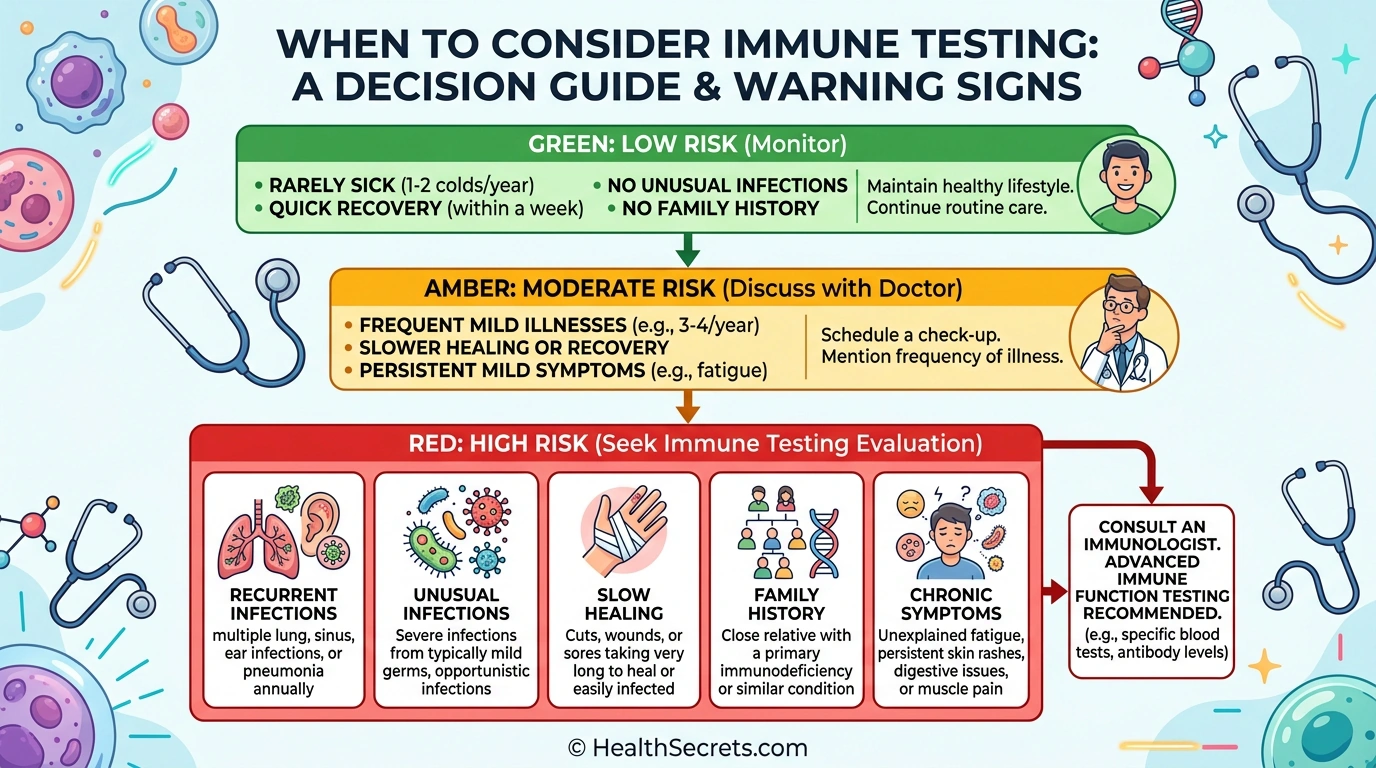
Here's the thing. Most healthy adults who catch a cold twice a year don't need specialized immune testing. A standard CBC during your annual physical provides enough baseline information for most people. But there are legitimate reasons to dig deeper:
- Recurrent infections — More than 4 ear infections, 2+ serious sinus infections, or 2+ pneumonias in a year raises red flags
- Unusual infections — Infections caused by organisms that rarely affect healthy people
- Chronic symptoms — Persistent fatigue, unexplained fevers, recurrent mouth ulcers
- Family history — Known primary immunodeficiency in close relatives
- Medical monitoring — HIV management, post-transplant, autoimmune conditions, chemotherapy
- Slow wound healing — Cuts and infections that take unusually long to resolve
What's NOT a good reason? Vague "I feel run down" without specific symptoms. Mild seasonal colds. General curiosity without clinical indications. I know that sounds dismissive—it isn't. It's just that specialized immune tests are expensive, require expert interpretation, and can generate anxiety when results fall slightly outside reference ranges that are already quite broad.

Tired of Confusing Health Numbers?
Get the free 7-point clinical worksheet that takes the guesswork out of your daily vitals, blood pressure, and immune recovery metrics.
How Do Basic Blood Tests Measure Your Immune Function?
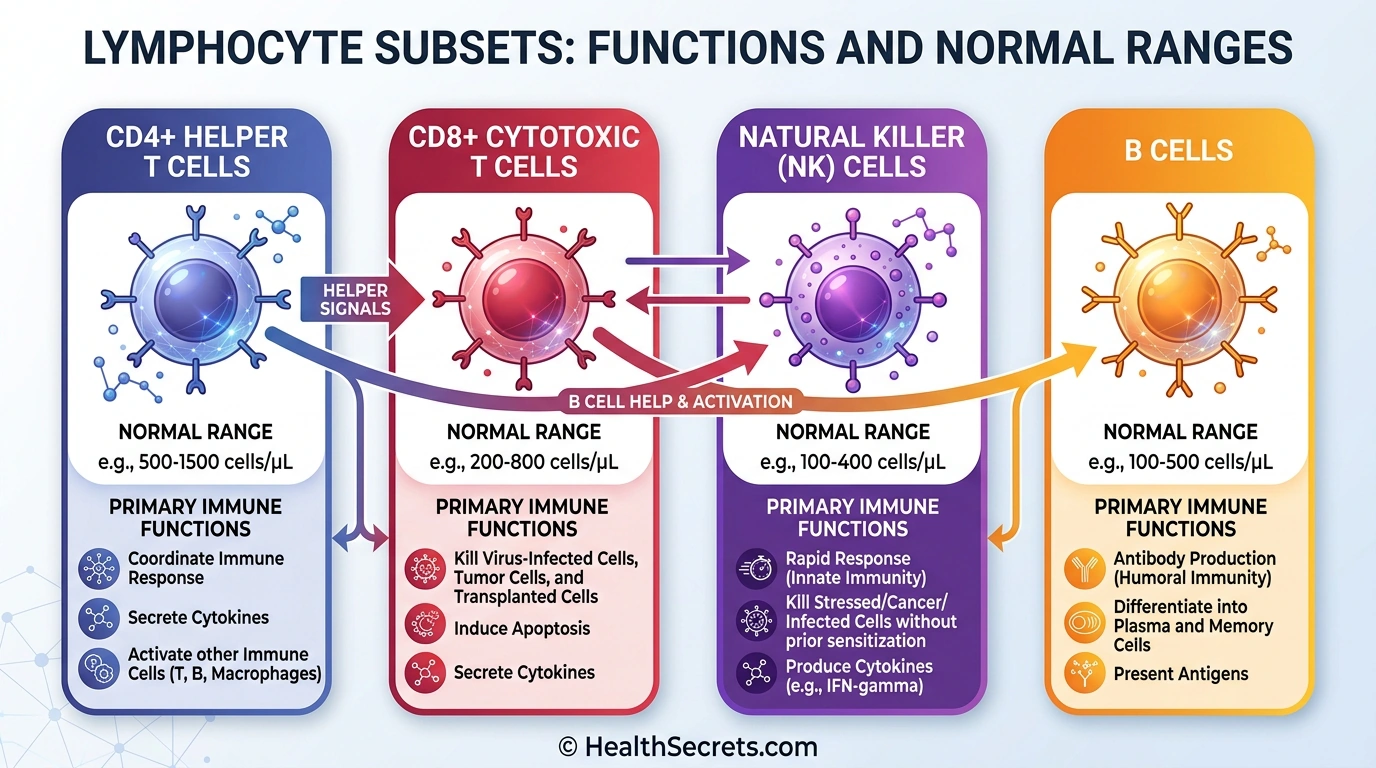
The complete blood count (CBC) with differential is the foundational immune test—inexpensive, widely available, and remarkably informative. It measures the total number and relative proportions of five white blood cell types, each playing distinct roles in your immune defense.
What Does a CBC with Differential Tell You?
Think of a CBC as your immune system's attendance sheet. It counts who showed up and in what numbers. The white blood cell differential [3] breaks your total WBC count into five categories:
Total WBC Count: 4,000–11,000 cells/μL (normal range)
- Elevated (leukocytosis): May indicate infection, inflammation, stress response, or rarely leukemia
- Low (leukopenia): May suggest bone marrow problems, autoimmune conditions, viral infections, or medication effects
The Five White Blood Cell Types:
| Cell Type | Normal Range | Primary Function | High May Indicate |
|---|---|---|---|
| Neutrophils | 40–70% | First responders to bacterial infection | Bacterial infection, inflammation |
| Lymphocytes | 20–40% | Adaptive immunity (T cells, B cells) | Viral infection, chronic conditions |
| Monocytes | 2–8% | Engulf pathogens, become macrophages | Chronic inflammation, infection |
| Eosinophils | 1–4% | Parasites and allergic responses | Allergies, parasitic infection |
| Basophils | 0.5–1% | Allergic and inflammatory responses | Allergic reactions, inflammation |
| One thing that trips people up—percentages matter, but absolute counts matter more. A lymphocyte percentage of 15% sounds low, but if your total WBC is 10,000, your absolute lymphocyte count is 1,500—which is perfectly normal. Context. Always context. |
The neutrophil-to-lymphocyte ratio (NLR) is increasingly used as a marker of systemic inflammation and immune balance [5]. A normal NLR falls between 1–2, and elevated ratios are associated with increased chronic disease risk.

Home Blood Pressure Tracking Kit
Choose and fit a validated monitor, measure the way the guidelines ask, and log 30 days morning and evening; the kit works out your weekly averages and fills in a one-page summary for your clinician.
What Are the Most Important Advanced Immune Tests and What Do They Reveal?
Beyond a basic CBC, specialized immune panels can evaluate specific branches of your immune system with remarkable precision. These tests are typically ordered by immunologists or infectious disease specialists when standard blood work raises concerns or clinical symptoms suggest immune dysfunction.
What Do Lymphocyte Subset Panels Measure?
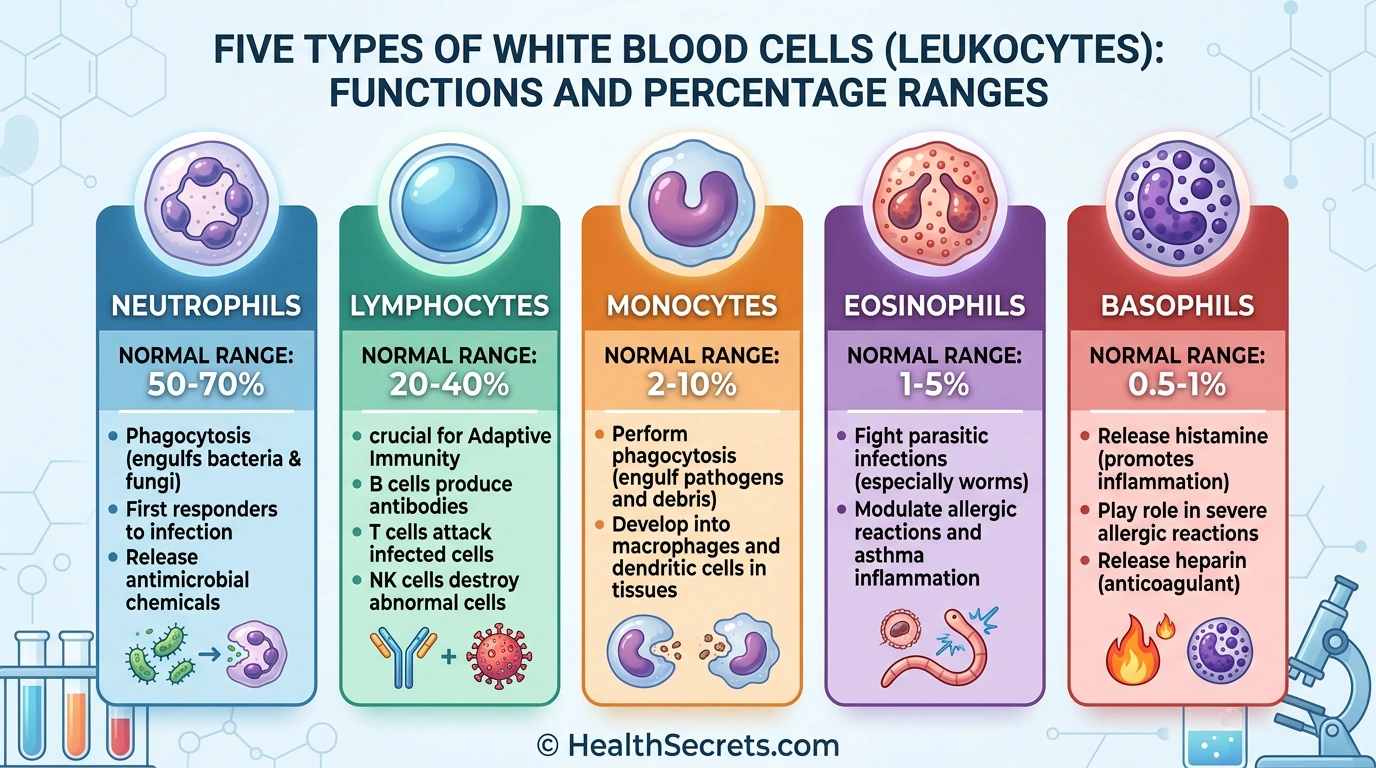
Lymphocyte subset testing uses flow cytometry to identify and count specific immune cell populations by their surface markers (called CD markers). This is where immune testing gets genuinely sophisticated—and genuinely useful for specific clinical scenarios.
Key markers measured:
- CD4+ T cells (Helper T cells): 500–1,500 cells/μL — Coordinate immune responses; critically monitored in HIV management
- CD8+ T cells (Cytotoxic T cells): 200–900 cells/μL — Kill virus-infected and abnormal cells
- CD4:CD8 Ratio: 1.0–2.5 — Inverted ratios suggest HIV, certain autoimmune conditions, or chronic viral infections
- NK cells (Natural Killer cells): 100–500 cells/μL — Innate immune surveillance against infected and cancerous cells
- B cells (CD19+): 100–400 cells/μL — Produce antibodies; low counts may indicate humoral immunodeficiency
These aren't routine tests. They're ordered when there's clinical suspicion—recurrent severe infections, abnormal CBC findings, HIV diagnosis, or evaluation for primary immunodeficiency. And honestly, they're expensive. But when needed, they're invaluable.
What Do Immunoglobulin Levels Tell You About Your Immunity?
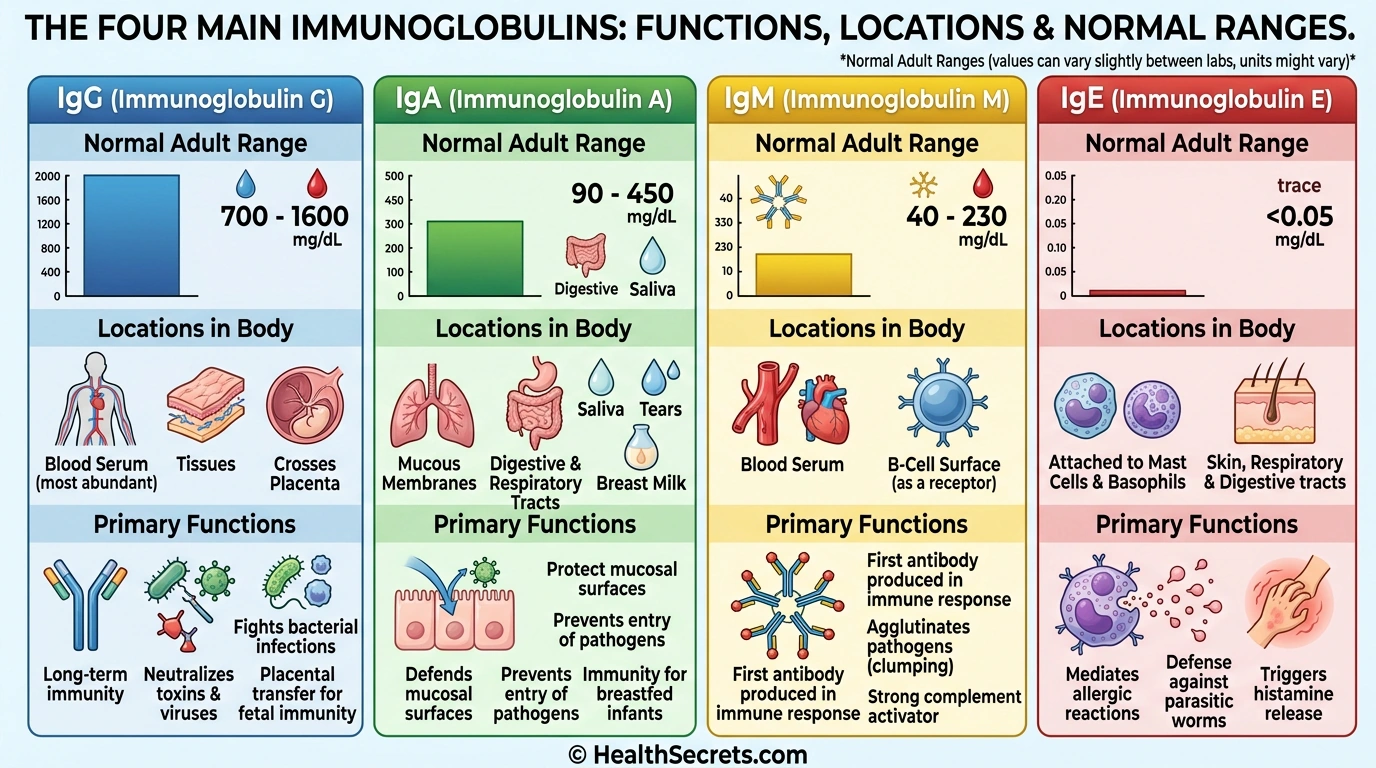
Immunoglobulins—antibodies—are the workhorses of your adaptive immune system. Measuring their levels reveals how well your body can produce and maintain the proteins that recognize and neutralize specific pathogens.
Normal adult ranges:
- IgG: 700–1,600 mg/dL — Long-term immunity, most abundant antibody (75–80% of total). Low levels indicate increased infection susceptibility
- IgA: 70–400 mg/dL — Mucosal immunity (respiratory, GI tract). IgA deficiency is the most common primary immunodeficiency (~1 in 500 people)
- IgM: 40–230 mg/dL — First responder antibody during acute infection. Elevated levels may indicate recent or active infection
- IgE: <100 IU/mL — Allergic responses and parasitic defense. Elevated levels commonly indicate allergies or parasitic infections
Beyond just measuring levels, functional antibody testing evaluates whether your immune system can actually produce antibodies in response to vaccines—testing both T cell-dependent and T cell-independent antibody pathways.
How Do Inflammatory Markers Reflect Immune Activity?
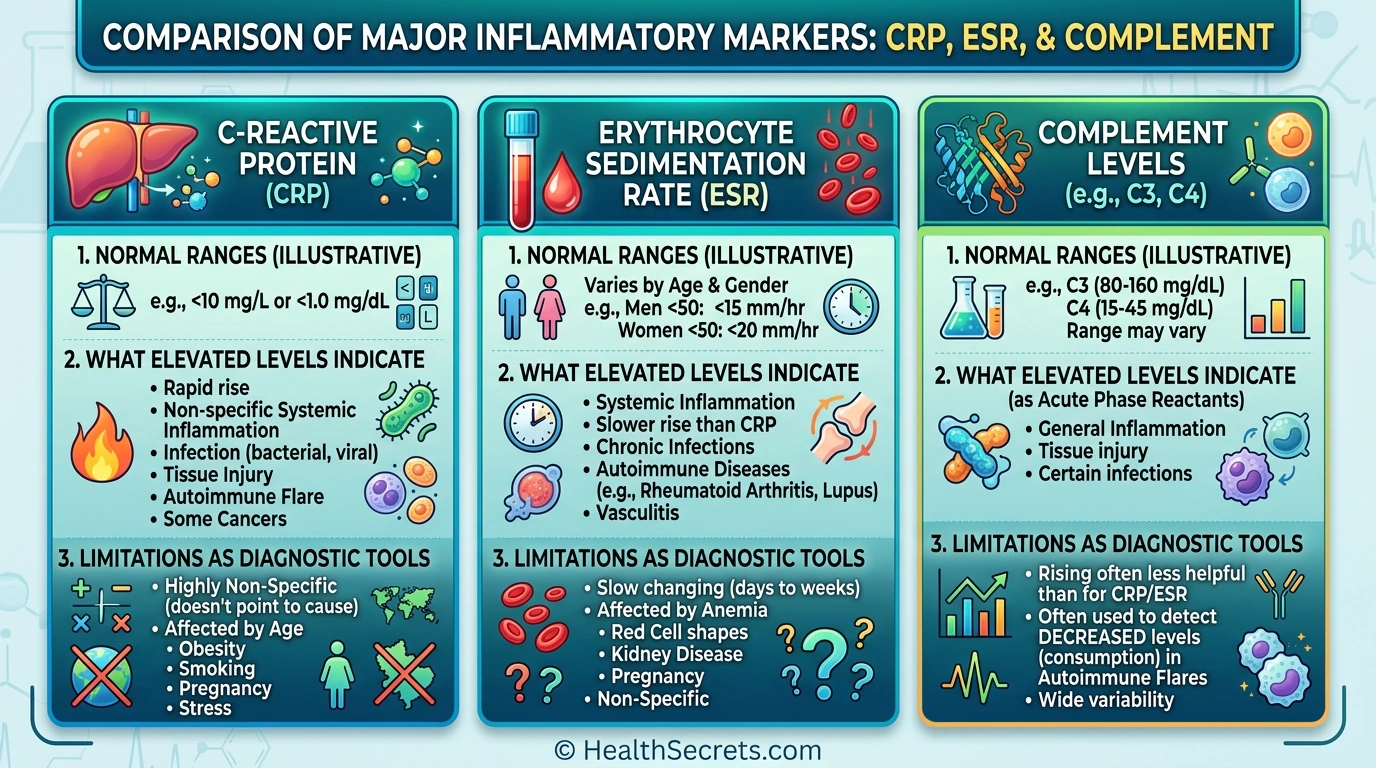
Inflammatory markers don't measure immune cells directly—they measure the byproducts of immune activation. Think of them as smoke detectors. They tell you something's happening, but not exactly what.
- CRP (C-Reactive Protein): <3 mg/L normal. Produced by the liver in response to inflammation. Elevated levels indicate acute or chronic inflammation but aren't specific to any condition
- ESR (Erythrocyte Sedimentation Rate): <20 mm/hr (men), <29 mm/hr (women). A nonspecific marker that rises with inflammation, infection, and autoimmune conditions
- Complement levels (C3, C4): Part of the innate immune cascade. Low levels may indicate complement deficiency or consumption in autoimmune diseases
- Cytokine panels: Research-level tests measuring IL-6, TNF-alpha, interferons. Not routine clinical tests but increasingly used in research settings
Are There Limitations and Risks to Immune System Testing?
Immune testing has real limitations that every patient should understand before requesting or interpreting results. No single test—or even a panel of tests—can provide a complete picture of your immune competence, and misinterpreting results can lead to unnecessary anxiety or, worse, inappropriate treatment decisions.
Key limitations to understand:
- No comprehensive single test exists. Your immune system has innate and adaptive branches, cellular and humoral components, and dozens of specialized cell types. Testing captures snapshots of individual components, not the whole system functioning together.
- Normal results don't guarantee normal function. You can have normal cell counts but dysfunctional cells [13]. Conversely, slightly abnormal numbers may be perfectly fine for you. Individual variation is enormous.
- Results fluctuate. Stress, sleep, recent illness, exercise, time of day, medications, and even your emotional state can shift immune markers significantly. A single measurement is a snapshot—not a complete story.
- Interpretation requires expertise. Lab reference ranges represent population averages. Your "normal" might differ based on age, ethnicity, medications, and health history. This is not DIY territory.
- Cost and accessibility barriers. Lymphocyte subset panels and functional immune tests can cost $200–$500+ without insurance. Not all labs offer specialized immune panels, and insurance may not cover testing without clear clinical indication.
- False reassurance or false alarm. Both are real risks. People may dismiss genuine symptoms because their CBC looks fine, or spiral into worry because one marker falls slightly outside a reference range.
The bottom line—immune testing is a powerful tool when used appropriately and interpreted by qualified professionals. It is not a wellness screen to order casually.
How Do You Get Your Immune System Tested Properly?
Getting meaningful immune testing starts with a conversation with your healthcare provider—not an online lab order. The specific tests you need depend entirely on your symptoms, medical history, and what clinical question your doctor is trying to answer.
Working With Your Doctor
Preparing for your appointment:
- Keep a symptom log for 2–4 weeks (frequency, severity, duration of infections)
- List all current medications, supplements, and vitamins
- Note family history of immune disorders, autoimmune conditions, or unusual infections
- Write down your specific questions and concerns
What to ask:
- "Based on my symptoms, which immune tests do you recommend?"
- "What will these tests tell us—and what won't they tell us?"
- "What would abnormal results mean, and what would the next steps be?"
- "Should I see an immunologist for further evaluation?"
When to See an Immunologist
Request a referral to an immunologist if you experience:
- 4+ new ear infections in one year
- 2+ serious sinus infections or pneumonias in one year
- Need for IV antibiotics to clear infections
- 2+ deep-seated infections (sepsis, osteomyelitis, meningitis)
- Infections that don't respond to 2+ months of antibiotics
- Family history of primary immunodeficiency
What About At-Home Immune Testing?
Let's be real—at-home immune testing is extremely limited right now. The most relevant at-home test for immune health is vitamin D testing, since vitamin D plays a significant role [16] in immune regulation and deficiency is widespread (affecting roughly 42% of US adults).
What at-home tests can do:
- Measure vitamin D (25-hydroxyvitamin D) levels—relevant for immune function
- Provide basic CRP levels (some direct-to-consumer labs)
What at-home tests cannot do:
- Lymphocyte subset analysis (requires flow cytometry equipment)
- Immunoglobulin quantification (requires clinical laboratory)
- Functional immune testing (requires specialized protocols)
- Replace comprehensive clinical evaluation
At-home vitamin D tests are reasonably accurate when performed correctly, but any concerning results should always be confirmed with a clinical lab draw and discussed with your healthcare provider.
What Factors Can Affect Your Immune Test Results?
Understanding what influences your immune markers is crucial for interpreting results accurately. Multiple lifestyle and physiological factors can shift your numbers significantly—sometimes enough to push results outside normal ranges even when your immune system is functioning perfectly well.

Factors that temporarily affect immune test results:
- Acute illness or recent infection — WBC counts and inflammatory markers will be elevated for days to weeks after infection. Wait 2–3 weeks after recovery for accurate baseline testing
- Stress — Acute stress elevates cortisol, which increases neutrophils and decreases lymphocytes. Chronic stress can suppress overall WBC counts
- Exercise — Intense exercise temporarily increases WBC count and NK cell activity. Moderate exercise supports overall immune function long-term
- Sleep deprivation — Even one night of poor sleep can reduce NK cell activity by 70%, according to research. Chronic sleep debt impairs multiple immune parameters
- Medications — Corticosteroids, immunosuppressants, chemotherapy, and even some antibiotics significantly alter immune markers
- Time of day — Immune cell counts follow circadian rhythms. Morning blood draws tend to show different values than afternoon draws
- Nutrition — Deficiencies in vitamin D, zinc, vitamin C, and iron all affect immune cell counts and function
- Age — The thymus shrinks with age (thymic involution), leading to reduced T cell production. Reference ranges should be age-adjusted
Rather than fixating on a single test, tracking trends over multiple measurements provides the most meaningful picture. Keep a health journal documenting:
- Infection frequency, type, and severity
- Recovery times
- Test results with dates
- Lifestyle factors (sleep quality, stress levels, diet changes)
- Medications and supplements
This longitudinal approach gives your healthcare provider far more useful information than any single blood draw can provide.
What Should You Do First to Assess Your Immune Health?
Start with the most accessible and informative steps before pursuing specialized testing. A systematic approach ensures you get meaningful results without unnecessary expense or anxiety. Work with your healthcare provider at every stage.

Phase 1: Track and Prepare (Weeks 1–2)
- Begin a symptom and infection log (frequency, severity, duration)
- List all current medications, supplements, and health conditions
- Document family history of immune disorders or autoimmune diseases
- Note lifestyle factors: sleep quality, stress levels, exercise habits, diet
Phase 2: Basic Testing (Week 3)
- Schedule appointment with primary care provider
- Request CBC with differential (first-line immune assessment)
- Consider adding: vitamin D (25-OH), CRP, and basic metabolic panel
- Discuss your symptom log and specific concerns
Phase 3: Evaluate and Escalate If Needed (Weeks 4–6)
- Review results with your doctor—understand what's normal FOR YOU
- If abnormalities found: discuss immunoglobulin levels, lymphocyte subsets
- If recurrent severe infections: request immunology referral
- Begin implementing lifestyle modifications that support immune function
Phase 4: Ongoing Monitoring
- Schedule follow-up testing as recommended by your provider
- Continue symptom tracking to identify patterns over time
- Address modifiable factors: sleep, nutrition, stress, vitamin D status
- Keep all test results organized for future reference