Your kidneys are remarkable organs. Every day, these two fist-sized filters process roughly 200 quarts of blood, removing metabolic waste like urea and creatinine, balancing electrolytes, regulating blood pressure, and producing hormones that keep you alive. Yet despite their extraordinary self-cleaning capability, modern life bombards them with processed foods, excess sodium, medications, and environmental toxins that can gradually impair their function. The good news? Supporting your kidneys doesn't require expensive detox teas or cleanses — it requires consistent, evidence-based habits that help your natural filtration system work at its best.
Important: This guide is for supporting healthy kidney function and is NOT a substitute for medical treatment. If you have chronic kidney disease (CKD), kidney stones, or any diagnosed kidney condition, consult your nephrologist before making dietary or supplement changes. If you experience decreased urination, swelling, blood in urine, or persistent fatigue, see a doctor immediately.
What Do You Need to Know Before Starting a Kidney Support Protocol?
Before beginning any kidney support protocol, you need to understand that your kidneys are already self-cleaning organs that filter blood continuously — they do not accumulate toxins that need periodic flushing. "Kidney detox" properly means supporting your kidneys' natural filtration capacity through hydration, diet, and lifestyle, not replacing medical treatment or using commercial cleanse products.
Understanding Your Kidneys' Natural Filtration
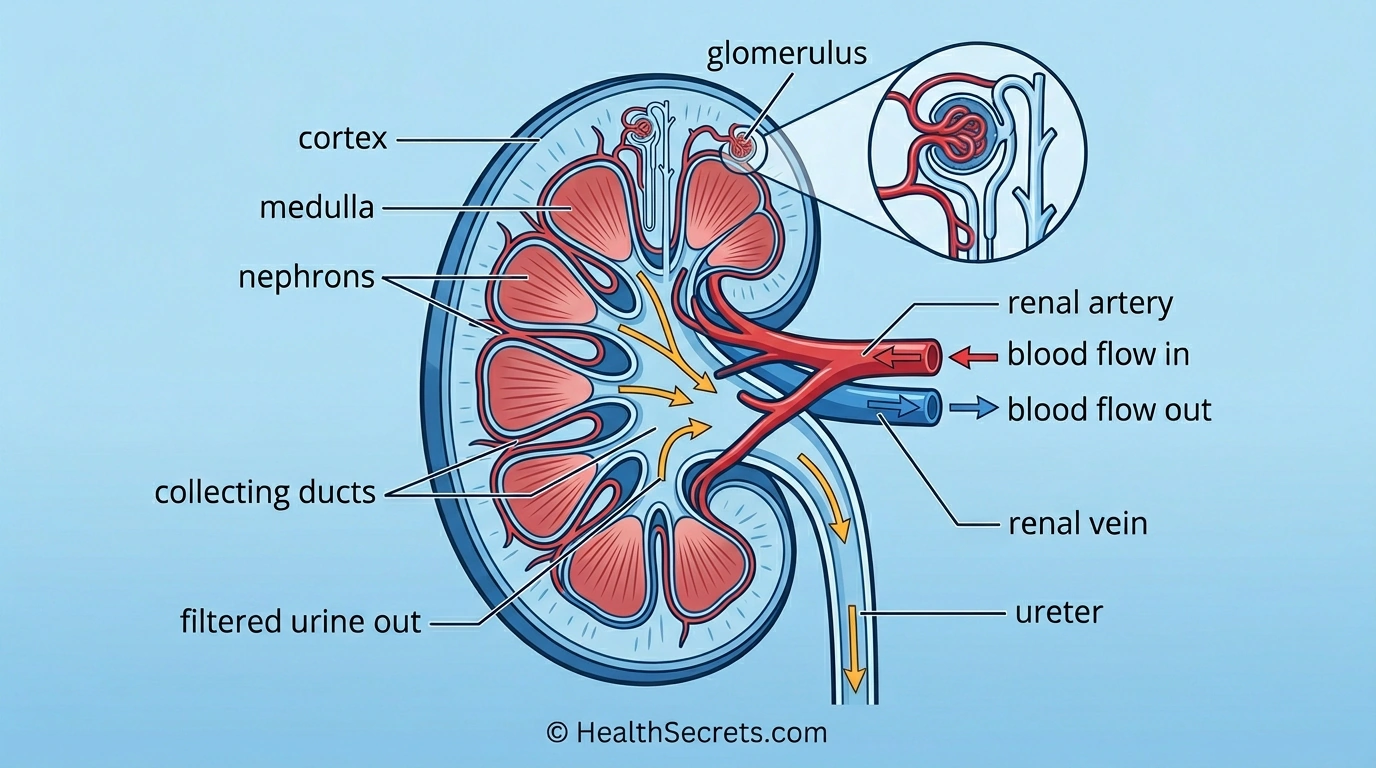
Each kidney contains approximately 1 million nephrons — microscopic filtration units that process blood through the glomerulus and tubules. Together, your kidneys filter about 200 quarts of blood daily, producing 1–2 quarts of urine that carries away urea, creatinine, excess minerals, and metabolic waste [1]. They also regulate fluid balance and electrolytes (sodium, potassium, chloride), control blood pressure through the renin-angiotensin system, and produce hormones including erythropoietin (EPO) for red blood cell production and calcitriol (active vitamin D) for calcium absorption.
Kidney function is measured by glomerular filtration rate (GFR): above 60 mL/min is normal, below 60 for more than 3 months indicates chronic kidney disease (CKD), and below 15 means kidney failure requiring dialysis or transplant [2].
Who This Protocol Is For
- Healthy adults wanting to support kidney function and prevent disease
- People with high sodium diets or processed food habits wanting to reduce kidney burden
- People recovering from medication use (NSAIDs, antibiotics, contrast dye) wanting to support filtration
- NOT for people with diagnosed CKD, kidney stones, or acute kidney injury — these require medical supervision
Expected timeline: Most people notice improved hydration markers (urine color, energy) within 1–2 weeks. Dietary and supplement benefits build over 4–12 weeks with consistent practice.
How Do You Assess Your Current Kidney Health?
Before optimizing kidney support, establish your baseline by understanding your current kidney function. This ensures you identify any existing issues that require medical attention rather than lifestyle changes alone. Ask your doctor for basic kidney function tests at your next checkup — they are simple, inexpensive blood and urine tests.
Key tests to request:
- Serum creatinine — measures waste from muscle metabolism; normal is 0.7–1.3 mg/dL for men, 0.6–1.1 mg/dL for women
- GFR (glomerular filtration rate) — calculated from creatinine; above 60 is normal, below 60 indicates CKD
- Blood urea nitrogen (BUN) — measures urea; normal is 7–20 mg/dL
- Urinalysis — checks for protein (proteinuria), blood (hematuria), and glucose in urine
- Urine albumin-to-creatinine ratio (UACR) — below 30 mg/g is normal; 30–300 indicates early kidney damage
Assess your risk factors:
- High blood pressure (above 140/90 mmHg)
- Diabetes or prediabetes
- Family history of kidney disease
- Regular NSAID use (ibuprofen, naproxen)
- High sodium diet or heavy processed food consumption
- Smoking
- Age over 60
If you have two or more risk factors, prioritize getting tested before starting this protocol.

The Clean Air CADR & Purifier Guide
How to size a HEPA air cleaner with the two-thirds CADR rule, the MERV filter ladder for HVAC, the ozone and ioniser warning, and a room-by-room sizing worksheet.
How Do You Optimize Hydration for Kidney Health?
Hydration is the single most important factor for kidney health. Adequate water intake prevents kidney stones by diluting minerals like calcium and oxalate, maintains GFR by ensuring adequate blood volume for filtration, and supports toxin excretion by producing sufficient urine output. A 2020 meta-analysis confirmed that increased fluid intake significantly reduces kidney stone recurrence [11].
Daily water targets:
- General recommendation: 8–10 cups (64–80 oz) daily
- Kidney stone history: 10–12 cups daily (aim for 2.5 liters urine output)
- Body weight formula: 0.5–1 oz per pound of body weight
- Adjust upward for: Hot climate, exercise, high-sodium meals, illness
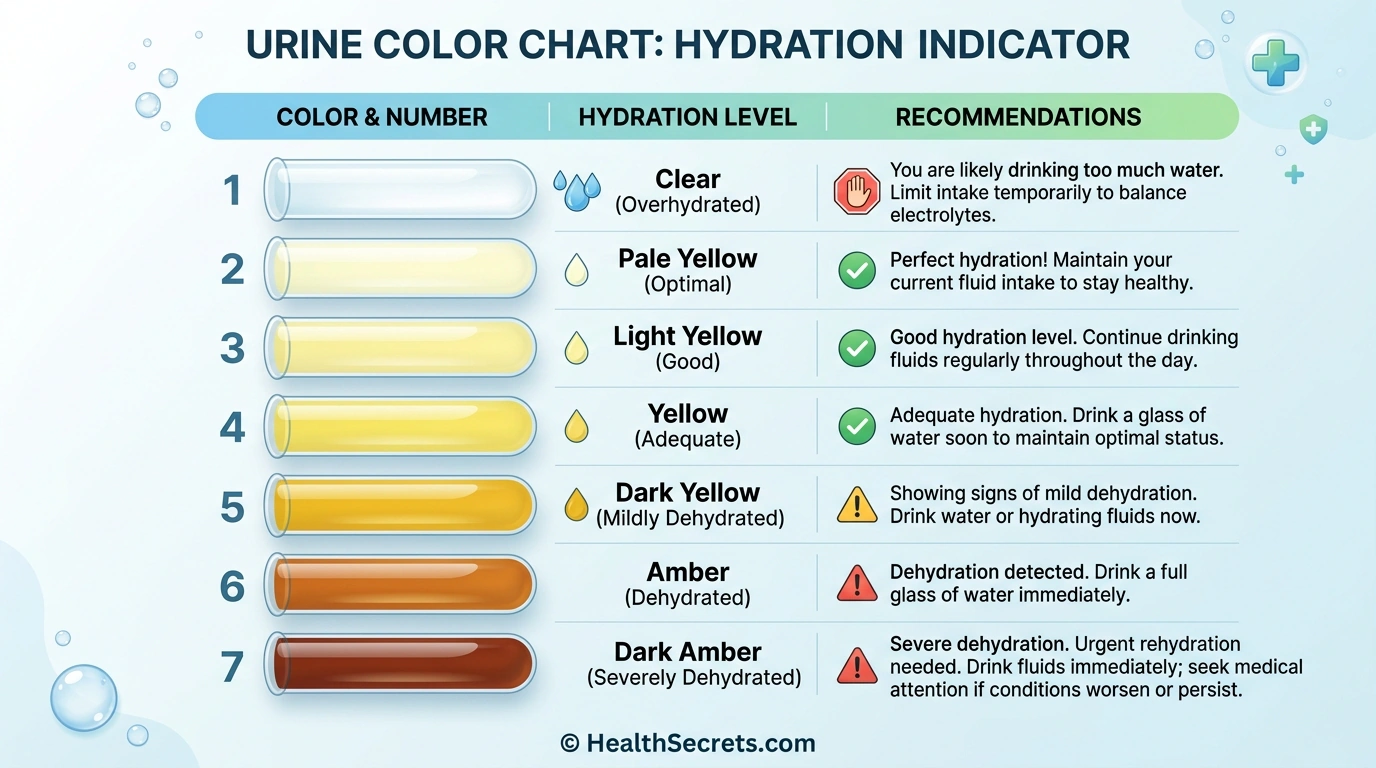
Use urine color as your guide:
- Pale yellow (lemonade): Optimal hydration
- Dark yellow or amber: Dehydrated — increase water intake
- Clear/colorless: Overhydrated — reduce intake (electrolyte imbalance risk)
Best hydration sources:
- Water — best overall (no calories, sugar, or additives)
- Herbal tea — caffeine-free options like chamomile and peppermint count toward intake
- High-water fruits and vegetables — watermelon, cucumber, strawberries, celery
- Limit: Caffeine and alcohol (diuretics that increase fluid loss)
How Do You Build a Kidney-Healthy Diet?
Diet directly impacts kidney function through sodium load, protein metabolism, blood sugar control, and inflammation. A kidney-supportive diet reduces the workload on your filtration system while providing the antioxidants and nutrients your kidneys need to function optimally. The DASH diet and Mediterranean diet both show strong evidence for kidney protection.
Sodium — Under 2,300mg daily (critical):
- High sodium forces kidneys to work harder and raises blood pressure — a major cause of kidney disease
- Limit: Processed foods (canned soups, frozen meals, deli meats, chips), restaurant meals, added table salt
- Replace with: Herbs, spices, lemon juice, garlic, onions for flavor
Protein — Moderate at 0.8g per kg body weight:
- Excessive protein (above 1.5g per kg) increases urea production and stresses kidney filtration
- Moderate protein (0.8–1.0g per kg) is safe for healthy kidneys
- CKD patients may need restriction to 0.6–0.8g per kg (under medical supervision)
- Choose quality: Fish, poultry, legumes, eggs over processed meats
Blood sugar — Control is critical:
- Diabetes is the leading cause of kidney disease (diabetic nephropathy)
- Limit sugar, refined carbohydrates, and sugary beverages
- Choose whole grains, legumes, and high-fiber foods
Top kidney-healthy foods:
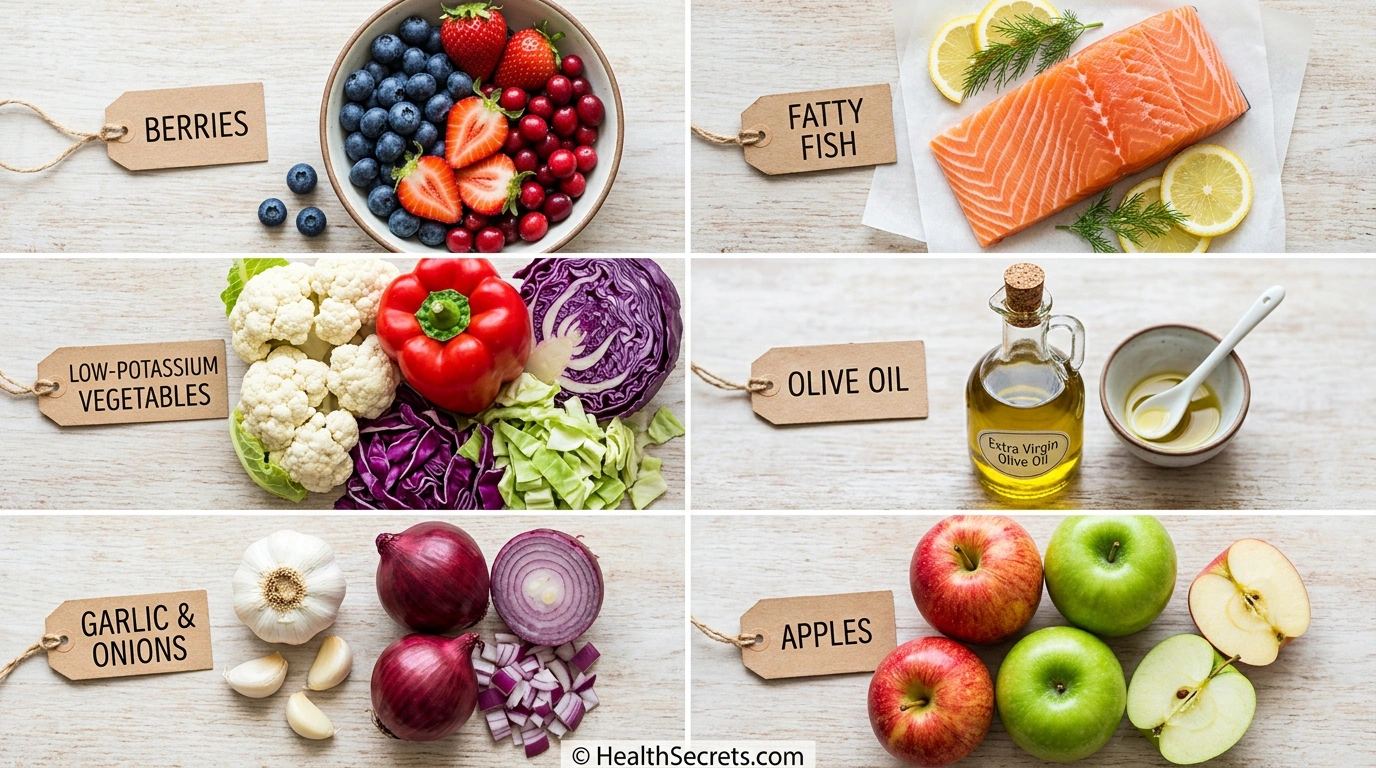
- Berries (blueberries, strawberries, cranberries) — antioxidants, anti-inflammatory, low potassium
- Fatty fish (salmon, mackerel, sardines) — omega-3 reduces kidney inflammation
- Cruciferous vegetables (cauliflower, cabbage) — low potassium, high fiber, support liver detoxification
- Red bell peppers — low potassium, high vitamin C and antioxidants
- Olive oil — anti-inflammatory monounsaturated fats, Mediterranean diet staple
- Garlic and onions — anti-inflammatory, natural sodium-free flavor enhancers
- Apples — fiber, antioxidants, low potassium
CKD patients — additional restrictions (medical supervision required):
- Potassium: below 2,000–3,000mg daily (limit bananas, potatoes, tomatoes, spinach)
- Phosphorus: below 800–1,000mg daily (limit dairy, beans, processed foods with phosphorus additives)
How Do You Use Herbs and Natural Diuretics Safely?
Certain herbs have traditional use as mild diuretics that increase urine output and may support kidney filtration. However, clinical evidence is limited, and herbs can interact with medications or worsen kidney conditions. Always consult a doctor before using herbal supplements, especially if you have CKD or take blood pressure medications [1].
Parsley leaf tea:
- Mild diuretic that increases urine output
- Limited evidence for kidney stone prevention (mostly anecdotal)
- Dosing: 1–2 cups daily (steep 1 tbsp fresh or 1 tsp dried in hot water 10 minutes)
- Caution: High vitamin K — consult doctor if taking blood thinners (warfarin)
Dandelion root or leaf:
- Mild diuretic with potassium-sparing properties (retains potassium unlike pharmaceutical diuretics)
- Traditional use for kidney and liver support
- Dosing: 1–2 cups dandelion tea daily or 500–1,000mg capsules
- Caution: High potassium content — CKD patients should avoid; may interact with diuretics and blood pressure medications
Nettle leaf:
- Anti-inflammatory with mild diuretic effects
- Traditional use for urinary tract and kidney support
- Dosing: 1–2 cups nettle tea daily or 300–600mg capsules
- Caution: May interact with blood pressure medications, blood thinners, and diabetes drugs
Cranberry (for UTI prevention only):
- Proanthocyanidins prevent bacteria from adhering to the urinary tract
- Prevents UTIs and kidney infections — but does NOT prevent kidney stones
- Caution: High oxalate content may worsen calcium oxalate stones (the most common type)
- Dosing: 8–16 oz unsweetened cranberry juice daily or 500–1,000mg capsules
Important herb safety rules:
- Herbs are not FDA-regulated — choose third-party tested brands (USP, NSF, ConsumerLab)
- Never use herbs as a replacement for prescribed kidney medications
- Discontinue and consult a doctor if you experience changes in urination, swelling, or side effects

How Do You Add Targeted Kidney-Supporting Supplements?
Evidence-based supplements can provide additional kidney protection through anti-inflammatory, antioxidant, and metabolic support pathways. These work best as part of a comprehensive protocol alongside hydration, diet, and lifestyle — not as standalone solutions.
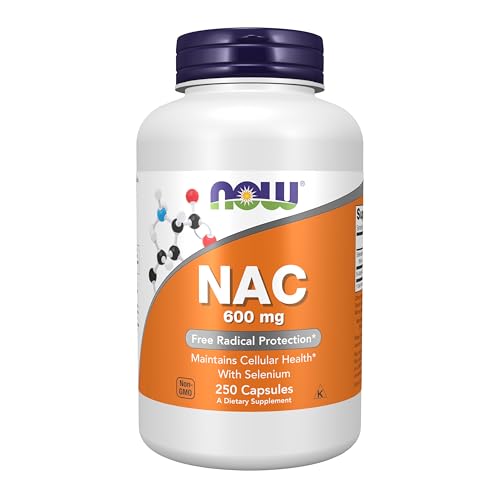
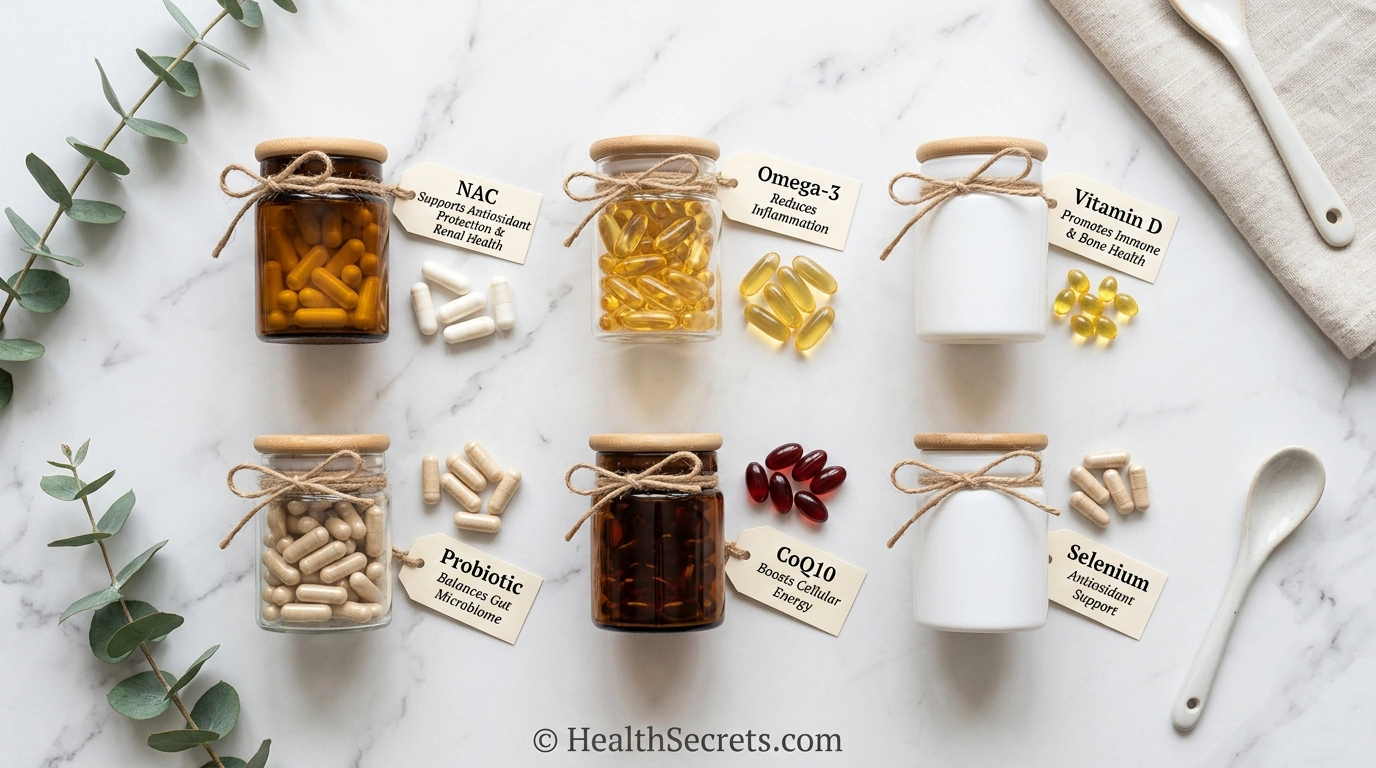
NAC (N-Acetyl Cysteine) — 600–1,200mg daily:
- Replenishes glutathione — protects kidneys from oxidative stress
- A 2021 systematic review found NAC improved eGFR and serum creatinine in CKD patients, reduced inflammatory markers, and lowered cardiovascular events [3]
- A 2023 three-year cohort study found NAC users had significantly lower hemodialysis rates (4.8% vs 12.7%) compared to non-users [4]
- Established use for preventing contrast-induced nephropathy before CT scans and angiograms
- Dosing: 600mg 1–2x daily; 600–1,200mg twice daily before/after contrast procedures
Omega-3 fatty acids — 2–4g EPA+DHA daily:
- Anti-inflammatory — reduces kidney inflammation and proteinuria (protein in urine)
- Some evidence for slowing CKD progression
- Dosing: 2–4g combined EPA+DHA daily (fish oil or algae oil)
Vitamin D — 2,000–4,000 IU daily:
- Deficiency is extremely common in CKD patients (kidneys produce active vitamin D/calcitriol)
- Supports immune function, cardiovascular health, and calcium metabolism
- Target: Optimize blood levels to 40–60 ng/mL
Probiotics — 10–50 billion CFU daily:
- Emerging gut-kidney axis research shows gut bacteria produce uremic toxins that kidneys must excrete
- Probiotics may reduce uremic toxin levels in CKD patients [8]
- Dosing: Multi-strain probiotic, 10–50 billion CFU daily
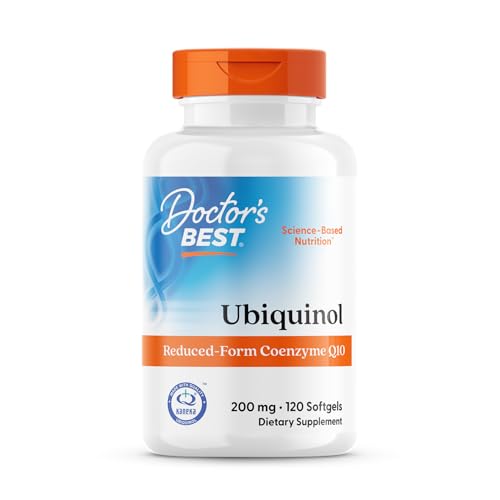
CoQ10 (Ubiquinol) — 100–300mg daily:
- Antioxidant that supports mitochondrial function in kidney cells
- Limited but promising evidence for kidney protection [9]
- Dosing: 100–300mg daily (ubiquinol form for better absorption)
B Vitamins — B-complex daily:
- Support homocysteine metabolism (elevated homocysteine is a cardiovascular and kidney risk factor)
- CKD patients commonly develop B vitamin deficiencies and anemia [7]
- Dosing: B-complex 50–100mg daily
How Do You Implement Kidney-Protective Lifestyle Changes?
Lifestyle factors profoundly impact kidney health because your kidneys are directly connected to cardiovascular function, blood pressure, and blood sugar regulation. Addressing these modifiable risk factors provides more kidney protection than any supplement.
Exercise — 150 minutes per week:
- Lowers blood pressure 5–10 mmHg (high blood pressure is a leading cause of kidney disease)
- Improves insulin sensitivity (diabetes is the other leading cause)
- Supports cardiovascular health (healthy heart = healthy kidneys)
- Best options: Walking, swimming, cycling, yoga (moderate aerobic activity)
Avoid chronic NSAID use (critical):
- Ibuprofen (Advil) and naproxen (Aleve) reduce blood flow to kidneys with chronic use
- One of the most common causes of preventable acute kidney injury
- Safer alternative: Acetaminophen (Tylenol) for pain relief (limit to under 3,000mg daily)
- Consult a doctor for chronic pain management strategies
Limit alcohol:
- Moderate consumption (1 drink/day women, 2/day men) is generally safe for healthy kidneys
- Excessive alcohol causes dehydration, raises blood pressure, and damages liver and kidneys
Quit smoking:
- Smoking damages blood vessels in kidneys, raises blood pressure, and accelerates CKD progression
- One of the most impactful changes you can make for kidney health
Manage stress:
- Chronic stress elevates cortisol and blood pressure, both of which damage kidneys
- 20 minutes daily of meditation, yoga, or deep breathing (4-7-8 technique) activates the parasympathetic nervous system
Sleep 7–9 hours nightly:
- Kidneys follow a circadian rhythm and perform repair during sleep
- Poor sleep raises blood pressure and worsens kidney function
- Treat sleep apnea if present (a risk factor for CKD)
How Do You Know When to See a Doctor Instead of Self-Managing?
Knowing the boundary between kidney support and kidney disease is critical for your safety. Kidney detox strategies support healthy kidneys — they do not treat kidney disease. Several warning signs require immediate medical evaluation rather than lifestyle adjustments.
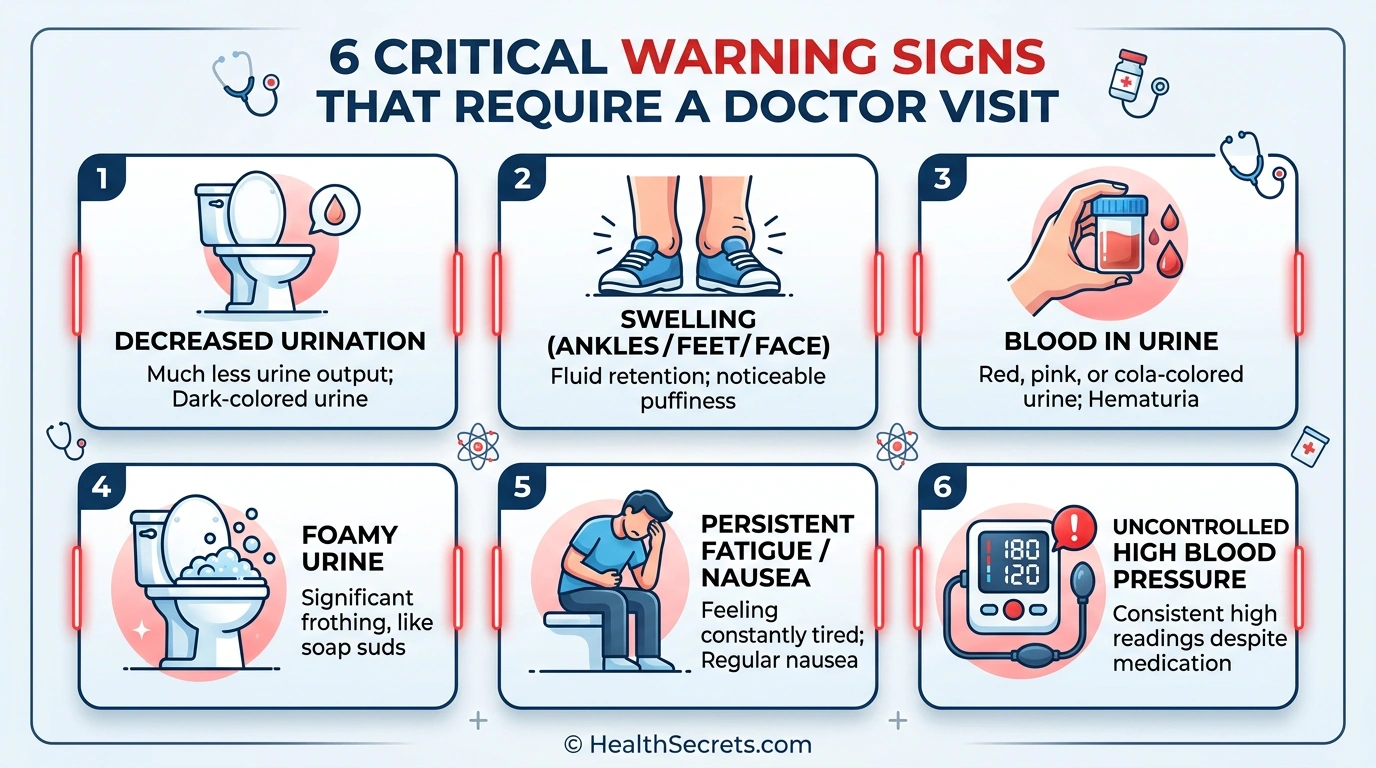
See a doctor immediately if you experience:
- Decreased urination — less than 3–4 times daily (impaired kidney function)
- Swelling — ankles, feet, face, or hands (fluid retention from kidneys not excreting excess fluid)
- Blood in urine — red, pink, or brown urine (kidney stones, infection, or kidney disease)
- Foamy urine — persistent foam indicates proteinuria (protein leaking through damaged kidneys)
- Chronic fatigue, nausea, or confusion — uremic toxin buildup from impaired filtration
- Uncontrolled high blood pressure — above 140/90 despite lifestyle changes
See a doctor before starting kidney support if you have:
- Diagnosed CKD at any stage
- Diabetes or prediabetes
- Family history of kidney disease or polycystic kidney disease (PKD)
- Currently taking medications that affect kidneys (NSAIDs, certain antibiotics, chemotherapy, ACE inhibitors)
- History of kidney stones
CKD requires medical management — not detox:
- Dietary restrictions (potassium, phosphorus, protein) must be supervised by a renal dietitian
- Medications (ACE inhibitors, ARBs, diuretics, phosphate binders) are prescribed by a nephrologist
- Stage 5 kidney failure requires dialysis or transplant — no lifestyle protocol can substitute
What Are the Most Common Kidney Detox Mistakes to Avoid?
Most kidney detox mistakes stem from misinformation marketed by the supplement industry. Avoiding these common errors will save you money and protect your kidney health better than any commercial cleanse product.
Your kidneys filter continuously 24/7 — they don't accumulate residue that needs periodic flushing. Detox teas and cleanses have no evidence of improving kidney function and may cause harm through dehydration (laxative ingredients) or electrolyte imbalance [2].
Cranberry prevents UTIs by stopping bacteria from adhering to the urinary tract — but it does NOT prevent kidney stones. Cranberry is high in oxalate, which may actually worsen calcium oxalate stones (the most common type). For stone prevention, hydration is what works.
Mistake 3: Eating excessive protein for "detox"
High-protein diets (above 1.5g per kg) increase urea production and force kidneys to filter more waste. Moderate protein (0.8–1.0g per kg) is safe for healthy kidneys. CKD patients may need further restriction.
Many people take ibuprofen or naproxen regularly without realizing these reduce kidney blood flow. Chronic NSAID use is one of the most common preventable causes of kidney damage.
Drinking excessive water beyond what your body needs can cause hyponatremia (dangerously low sodium). Aim for pale yellow urine — clear/colorless means you're overdoing it.
Is a Kidney Detox Protocol Safe? When Should You Stop?
For healthy adults without kidney disease, the strategies in this guide are safe and well-supported by evidence. However, certain populations must exercise caution, and specific warning signs mean you should stop and consult a doctor immediately.
- This protocol is safe for: Healthy adults, people wanting kidney disease prevention, those reducing sodium or processed food intake, people recovering from short-term medication use.
- Exercise caution if you have: Diabetes, high blood pressure, heart failure (fluid restrictions may apply), history of kidney stones (oxalate-containing herbs may worsen), pregnancy or breastfeeding.
- Stop and see a doctor if: You notice decreased urination, new or worsening swelling, changes in urine color or foam, persistent nausea or fatigue, or any new symptoms after starting supplements or herbs.
Supplement interactions to watch:
- Herbal diuretics (parsley, dandelion, nettle) can interact with blood pressure medications and prescribed diuretics
- High-dose vitamin D can cause calcium buildup if kidney function is impaired
- NAC may interact with nitroglycerin (blood pressure drop)
- Potassium-containing herbs are dangerous for CKD patients with hyperkalemia risk
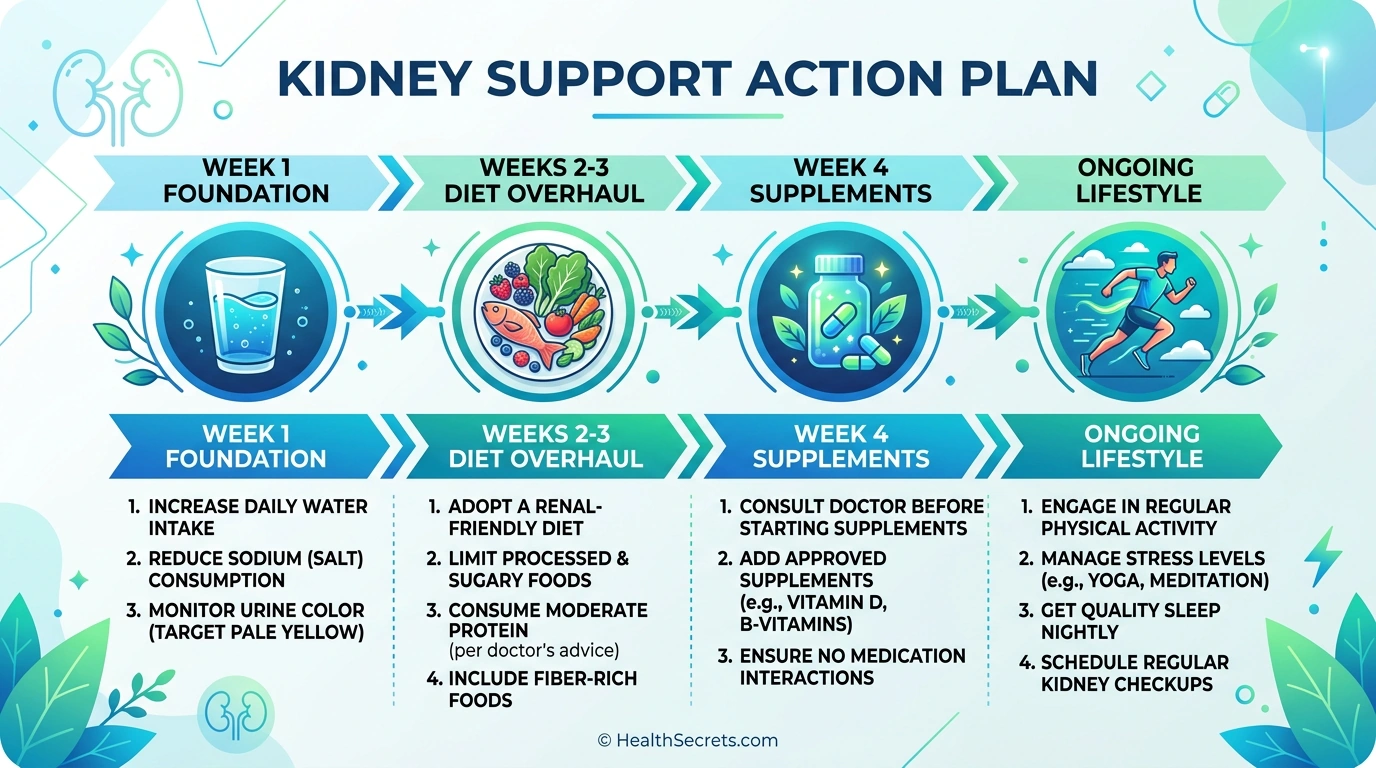
Action Plan
What Should You Do First to Support Your Kidney Health?
Follow the sequence below, work through each phase in order, and use the checklist as your practical implementation guide.
Start with the highest-impact, lowest-risk strategies first: hydration and dietary changes. These alone provide more kidney protection than any supplement. Add supplements and herbs only after establishing the foundation, and get tested if you have risk factors.
Week 1: Foundation (Hydration + Assessment)
- Increase water intake to 8–10 cups daily — track with a water bottle or app
- Monitor urine color — aim for pale yellow throughout the day
- Schedule kidney function bloodwork if you have 2+ risk factors (GFR, creatinine, urinalysis)
- Audit current NSAID use — switch to acetaminophen if taking ibuprofen/naproxen regularly
- Review current medications with your doctor for kidney impact
Week 2–3: Diet Overhaul
- Reduce sodium to under 2,300mg daily — read nutrition labels, cook at home more
- Add kidney-healthy foods: berries, fatty fish 2–3x/week, cauliflower, red bell peppers, olive oil
- Moderate protein to 0.8–1.0g per kg body weight
- Replace processed snacks with whole food alternatives
- Limit sugar and refined carbohydrates
Week 4: Add Supplements (If Appropriate)
- Start NAC 600mg daily — foundational antioxidant for kidney protection
- Add omega-3 (2–4g EPA+DHA) if not eating fatty fish regularly
- Check vitamin D levels — supplement 2,000–4,000 IU if deficient
- Consider probiotics (10–50 billion CFU) for gut-kidney axis support
Ongoing: Lifestyle Integration
- Exercise 150 minutes per week (walking, swimming, cycling)
- Manage stress with daily meditation or deep breathing (20 minutes)
- Sleep 7–9 hours nightly
- Limit alcohol to moderate levels
- If you smoke, begin a quit plan
- Retest kidney function annually (or as recommended by your doctor)