If you've ever been mid-conversation when a sudden wave of heat floods your face and chest, leaving you flushed and drenched in sweat, you know how disruptive hot flashes can be. You're not alone — approximately 75–80% of women experience vasomotor symptoms during menopause, and for many, these episodes persist for seven to ten years or longer [11] [12] [14] [16] [18].
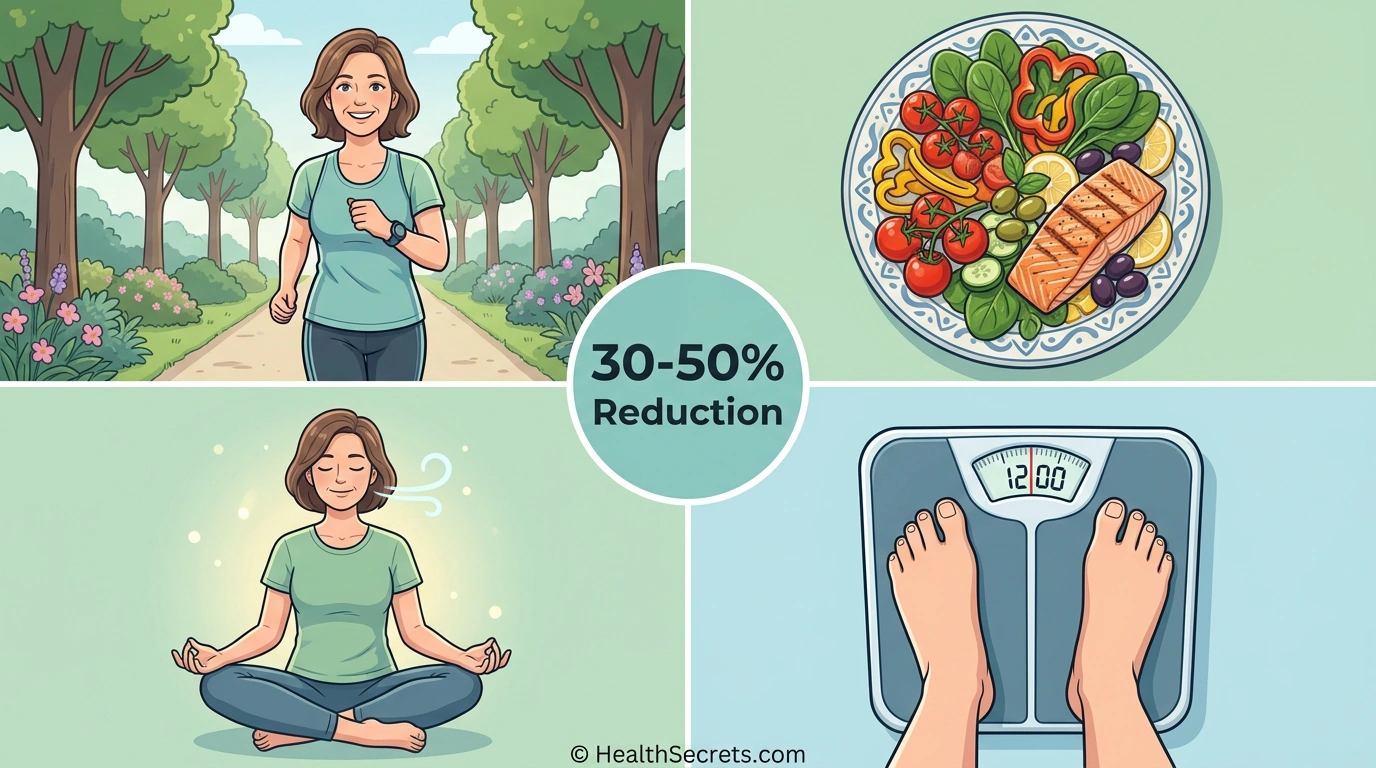
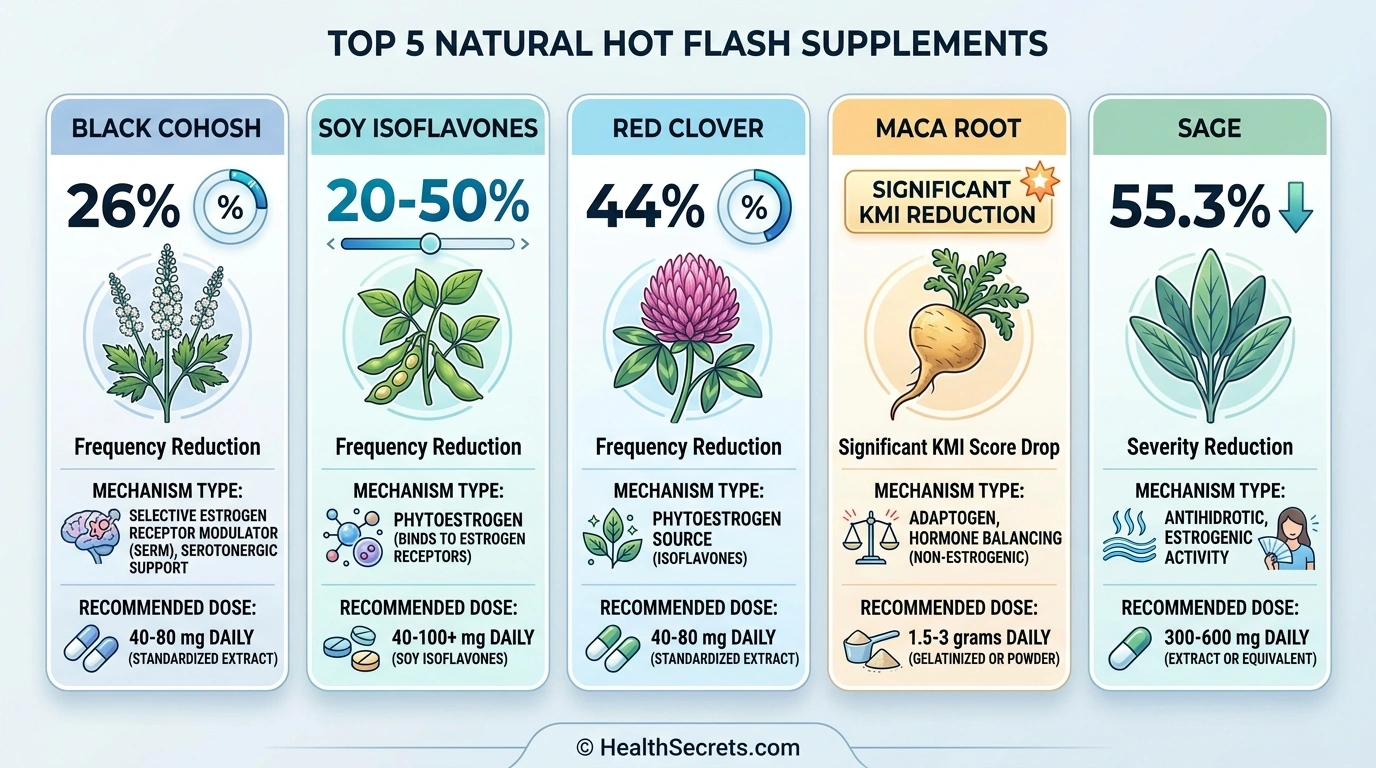
The good news? Research shows that several natural approaches can meaningfully reduce hot flash frequency and severity. Black cohosh has been shown to reduce hot flash frequency by 26% and severity by 30%, soy isoflavones can cut episodes by 20–50%, and red clover may reduce frequency by up to 44%. Lifestyle changes like losing 10% of body weight can slash hot flashes by 30–50%, and mind-body practices such as clinical hypnosis have reduced frequency by an impressive 74%. [15] [17]
While hormone replacement therapy (HRT) remains the most effective medical treatment, many women prefer natural alternatives due to HRT's associated risks. This guide walks you through the most evidence-based natural remedies, proper dosing, lifestyle modifications, cooling strategies, and safety considerations — everything you need to build a personalized hot flash relief plan.
For more on managing stress hormones that trigger hot flashes, see our guide to lowering cortisol naturally. If you're exploring mind-body approaches, our meditation for beginners guide is an excellent starting point. For a broader look at emotional well-being during menopause, explore our mental wellness guide.
What Are Hot Flashes and Why Do They Happen During Menopause?
Hot flashes are sudden episodes of intense heat, flushing, and sweating caused by declining estrogen levels that disrupt the hypothalamus — your brain's thermostat. They affect 75–80% of menopausal women, typically lasting 30 seconds to 5 minutes per episode, and can occur 1–20 or more times daily for an average of 7–10 years.
During perimenopause and menopause, fluctuating estrogen narrows the body's thermoneutral zone — the range of core temperatures your body tolerates without triggering a heating or cooling response. Even slight temperature increases cause the hypothalamus to initiate heat-dissipation mechanisms: blood vessel dilation (causing flushing), sweating, and rapid heartbeat. When these episodes occur during sleep, they're called night sweats, and they significantly impair sleep quality, contributing to daytime fatigue, irritability, and mood changes.
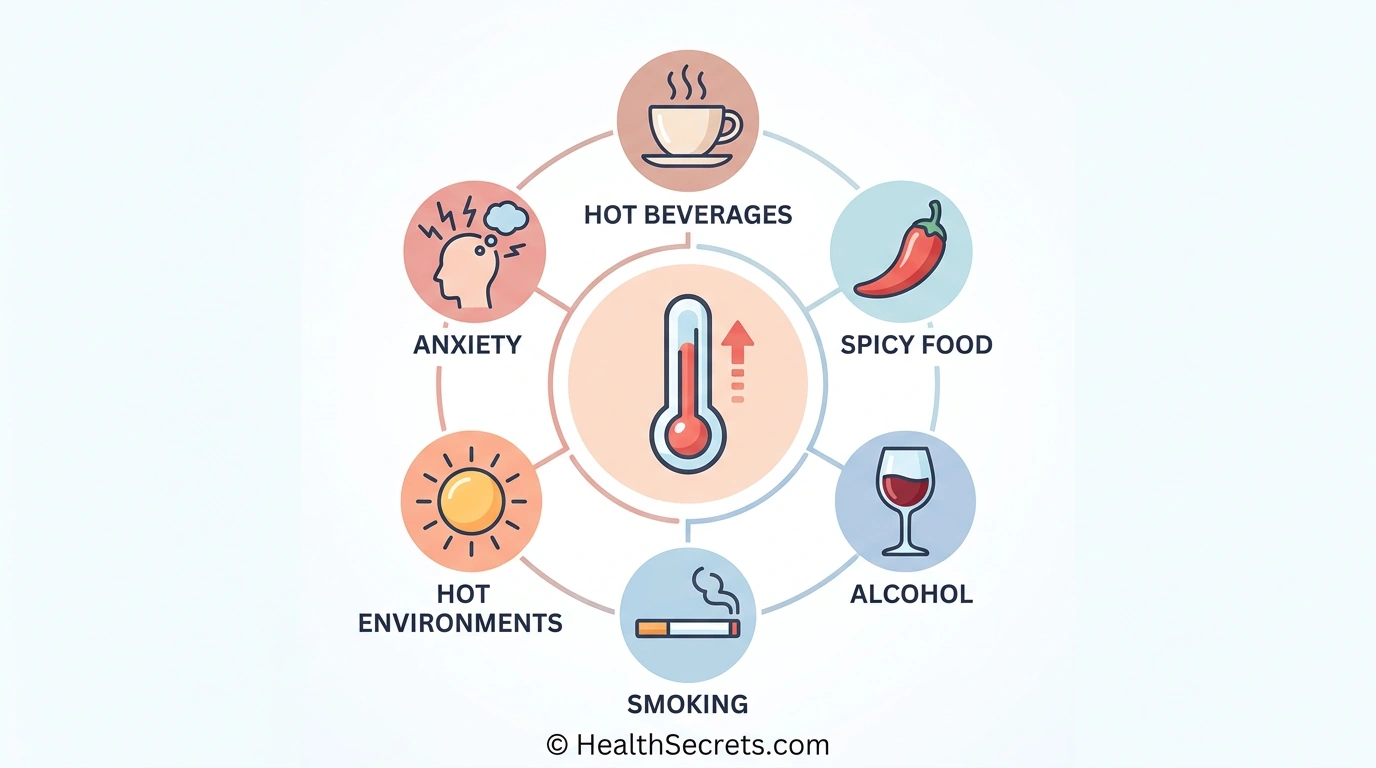
Common hot flash triggers include hot beverages, spicy foods, alcohol, caffeine, warm environments, tight clothing, stress, and smoking — which increases hot flash frequency and severity by approximately 50%. Understanding your personal triggers is the first step toward effective management, and the natural remedies in this guide address the root causes from multiple angles.

Can't Sleep Through the Night?
Download the free Sleep Audit & Recovery Guide — used by our readers to identify the exact bedroom triggers and stress habits wrecking their rest.
How Can You Identify and Track Your Personal Hot Flash Triggers?
Keeping a hot flash diary for two to four weeks helps you identify patterns and triggers unique to your body, forming the foundation of an effective management strategy. Record the time, duration, severity (mild, moderate, severe), and any potential triggers such as foods, drinks, activities, emotions, or environmental factors.
What Should You Track in a Hot Flash Diary?
Record every episode with its time of day, estimated duration, severity rating (1–10 scale), and the circumstances surrounding it. Note what you ate or drank in the previous two hours, your stress level, room temperature, clothing, and any physical activity. Within two weeks, patterns typically emerge — you may discover that afternoon coffee, evening wine, or heated arguments consistently precede episodes.
Which Common Triggers Should You Eliminate First?
Start by reducing or eliminating the most common culprits: hot beverages (let them cool first), spicy foods containing capsaicin, alcohol (especially red wine), and excess caffeine (limit to under 200 mg daily, mornings only). Switch from hot showers to lukewarm water, and avoid saunas and hot tubs. Replace tight synthetic clothing with loose, breathable fabrics like cotton and linen.
If you smoke, quitting is one of the most impactful changes you can make. Research published in Obstetrics & Gynecology found that current smokers experience 50% more frequent and severe hot flashes than non-smokers, as smoking has anti-estrogenic effects and impairs thermoregulation.

Better Sleep Environment Workbook
Run a structured two-week bedroom experiment to optimize temperature, light, and noise before buying gadgets.
What Are the Most Effective Herbal Remedies for Hot Flash Relief?
Black cohosh, soy isoflavones, and red clover are the three most evidence-backed herbal remedies, each working through different mechanisms to reduce hot flash frequency by 20–44%. Starting with one remedy at a time allows you to gauge individual response before combining approaches.
How Does Black Cohosh Reduce Hot Flashes?
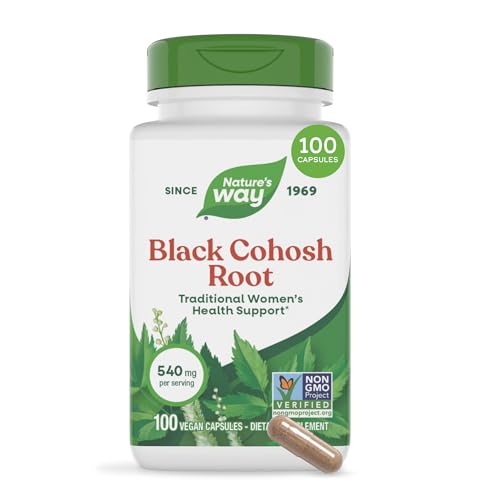
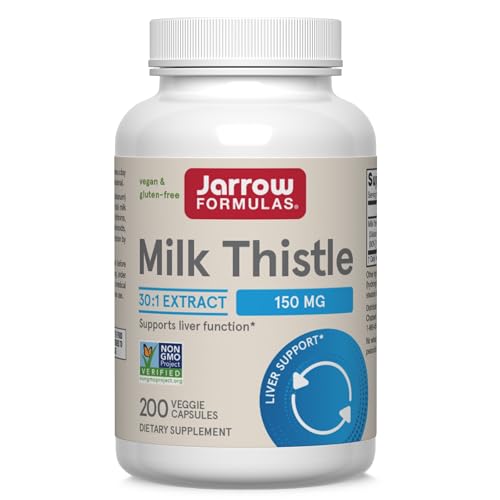
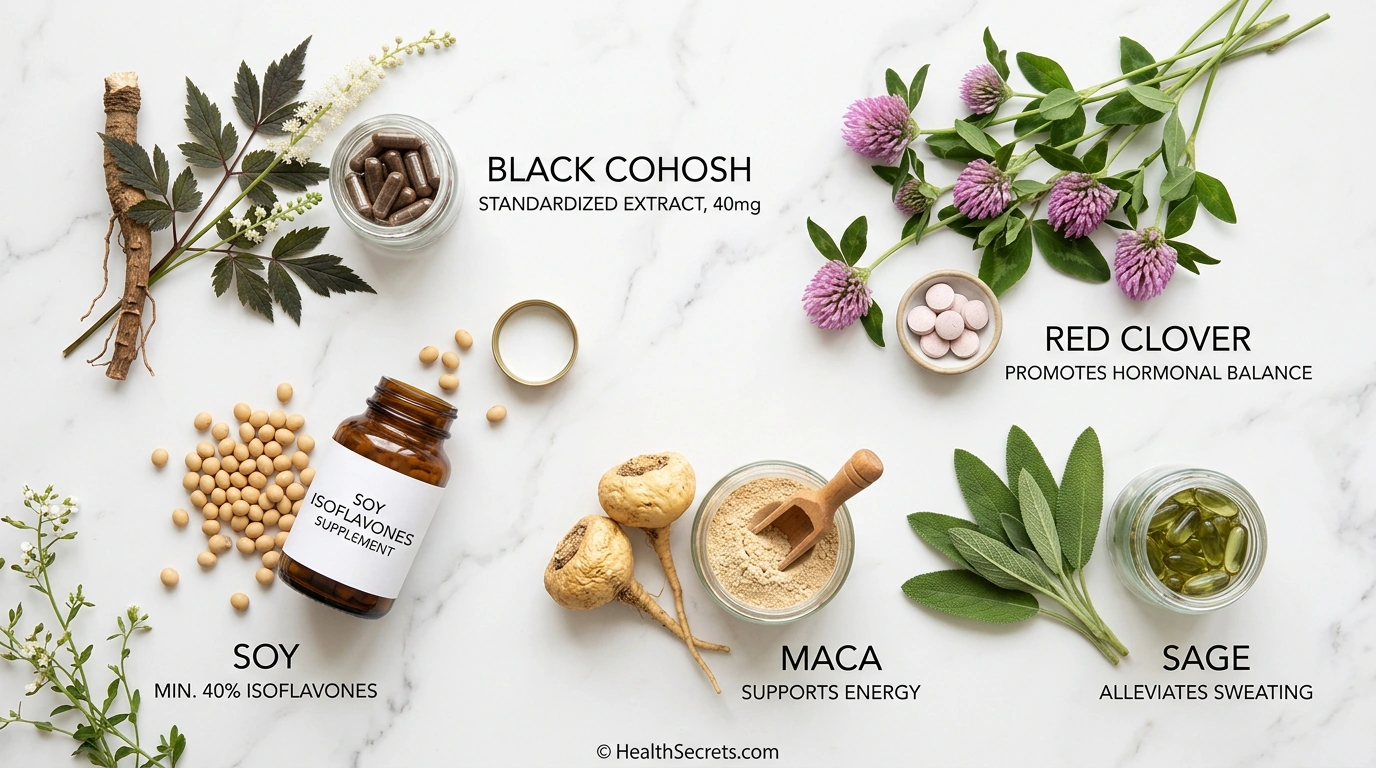
Black cohosh (Actaea racemosa) is the most studied natural remedy for menopausal hot flashes [2]. A 2024 systematic review in PMC found that standardized black cohosh extract (40–80 mg daily) reduced hot flash frequency by 26% and severity by 30% compared to placebo. Unlike phytoestrogens, black cohosh appears to work through serotonergic pathways rather than estrogen receptors, making it potentially suitable for women who need to avoid estrogenic compounds.
Dosing protocol: Take 20–40 mg of standardized extract (2.5% triterpene glycosides) twice daily with meals. Allow 4–8 weeks for full effects. Limit continuous use to 6 months, then reassess with your healthcare provider.
Can Soy Isoflavones Significantly Reduce Hot Flash Frequency?
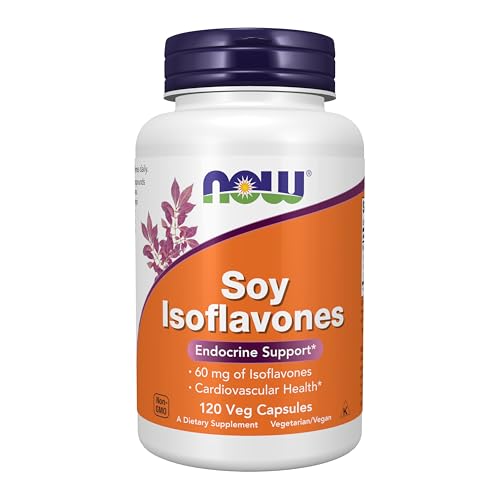
Soy isoflavones — plant compounds including genistein and daidzein — act as weak phytoestrogens, binding to estrogen receptor beta (ER-β) at roughly 1/1,000th the strength of estradiol. A meta-analysis published in PeerJ (2026) found that soy isoflavones at 50–100 mg daily reduced hot flash frequency in perimenopausal women, with "equol producers" (30–50% of the population whose gut bacteria convert daidzein to equol) experiencing the greatest benefit of 20–50% reduction [3].
Dosing protocol: Take 50–100 mg of soy isoflavones daily, either through supplements or 1–2 daily servings of whole soy foods (tofu, tempeh, edamame). Effects develop over 4–12 weeks of consistent use.
Does Red Clover Work Better Than Soy for Hot Flashes?
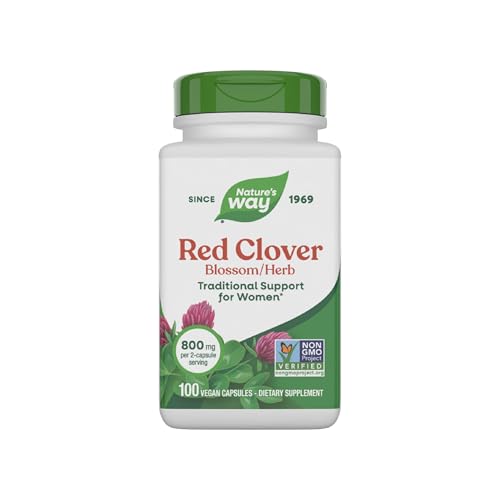
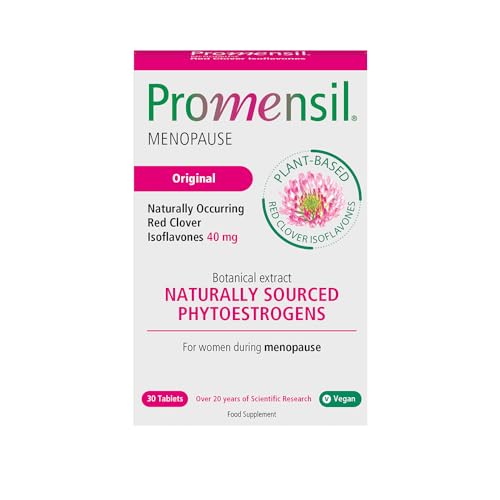
Red clover (Trifolium pratense) contains four isoflavones — genistein, daidzein, formononetin, and biochanin A — giving it a broader phytoestrogen profile than soy [4]. A 2024 randomized controlled trial (PubMed ID: 39254422) found that red clover supplementation significantly improved Menopause Rating Scale (MRS) scores at both 3 and 6 months, with additional benefits for lipid profiles [9].
Dosing protocol: Take 40–80 mg of standardized red clover isoflavones daily, divided into two doses. Allow 4–12 weeks for effects.
How Effective Are Maca Root and Sage for Menopause Symptoms?
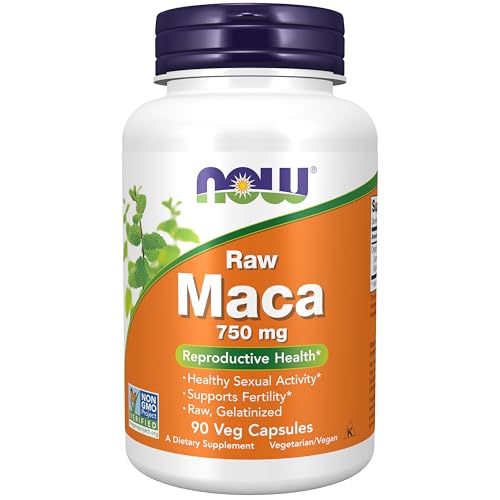
Maca root (Lepidium meyenii) works as an adaptogen rather than a phytoestrogen, supporting the hypothalamic-pituitary-adrenal (HPA) axis [5] [6] [7]. Multiple randomized controlled trials found that 3.5 g of maca daily significantly reduced hot flashes and night sweats, with the Kupperman Menopausal Index dropping from 22 to 10 — without affecting estrogen levels.
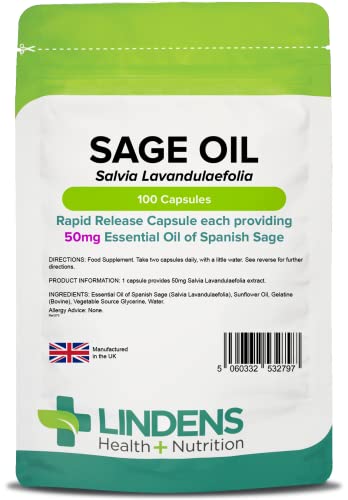
Sage (Salvia officinalis) has shown particularly strong results for excessive sweating. A systematic review and meta-analysis in PMC (2023) confirmed sage's efficacy for menopausal symptoms, while an earlier landmark study demonstrated a 50% reduction in hot flash frequency and a 55.3% reduction in hot flash severity scores with the Menosan sage preparation [8].
Maca dosing: 3–3.5 g daily, divided into two doses.
Sage dosing: 300–1,500 mg daily in tablets or capsules, or 4–6 fresh leaves as tea.
How Do Lifestyle Changes Reduce Hot Flashes by 30–50%?
Lifestyle modifications — particularly weight management, regular exercise, and dietary changes — can reduce hot flash frequency by 30–50%, rivaling or exceeding the effects of many supplements. These changes also improve cardiovascular health, bone density, and mood during the menopausal transition.
Why Does Losing 10% of Body Weight Cut Hot Flashes in Half?
Excess adipose tissue produces estrogen through aromatase enzyme activity, creating erratic hormonal fluctuations that worsen vasomotor symptoms. Additionally, excess body fat acts as insulation that traps heat. Research has shown that a 10% reduction in body weight decreases hot flash frequency by 30–50% in overweight and obese menopausal women.
A Mediterranean-style diet rich in anti-inflammatory foods supports weight management while providing natural phytoestrogens. Focus on 1–2 daily servings of soy foods, 1–2 tablespoons of ground flaxseed (rich in lignans), 5–9 servings of colorful vegetables, fatty fish 2–3 times weekly, and 2–3 tablespoons of extra virgin olive oil daily.
How Much Exercise Do You Need to Reduce Hot Flash Severity?
Aim for 150 minutes of moderate aerobic exercise weekly — brisk walking, cycling, or swimming — plus 2–3 resistance training sessions. Regular exercise improves thermoregulation, reduces stress hormones, enhances sleep quality, and supports healthy weight. Note that intense exercise may temporarily trigger hot flashes immediately afterward, so exercise in cool environments when possible and stay well-hydrated.
For stress management — a critical factor since cortisol directly affects thermoregulation — see our cortisol management guide.
What Cooling Strategies Provide Immediate Hot Flash Relief?
Cooling strategies offer instant symptom management that works while you wait for herbal remedies and lifestyle changes to take full effect. Building a cooling toolkit for home, work, and on-the-go ensures you're never caught unprepared.
How Should You Dress to Minimize Hot Flash Discomfort?
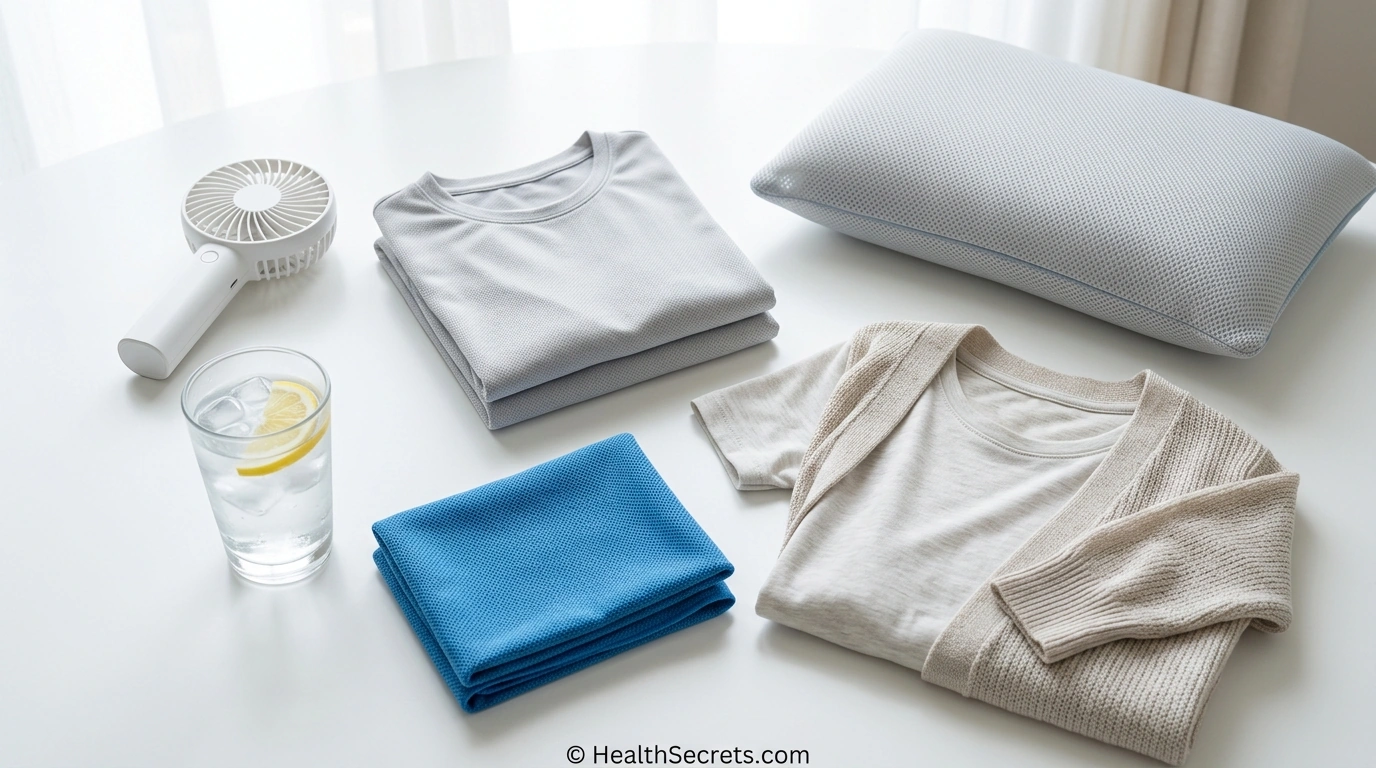
Wear layers that are easy to remove quickly — a light cardigan or scarf over a breathable cotton or linen top. Avoid polyester and silk, which trap heat. Choose loose-fitting clothing that allows air circulation. At night, use moisture-wicking sleepwear and lightweight, breathable bedding.
What Cooling Products Work Best for Night Sweats?
For nighttime relief, invest in a cooling gel-infused pillow, a temperature-regulating mattress pad, and a bedside fan. Keep your bedroom at 65–68°F (18–20°C). Keep a glass of ice water on your nightstand and a cooling towel within reach. During daytime episodes, a handheld rechargeable fan, cold water sipped slowly, or a cold compress on the back of the neck can provide rapid relief.
How Do Mind-Body Practices Like Hypnotherapy and Yoga Help Hot Flashes?
Mind-body practices reduce hot flashes by lowering stress hormones, improving thermoregulation, and changing the brain's perception of vasomotor symptoms. Clinical hypnosis is the most potent, while meditation and yoga provide accessible daily management tools.
Can Clinical Hypnosis Really Reduce Hot Flashes by 74%?
Yes — clinical hypnosis is one of the most effective non-hormonal interventions studied. Research published in major medical journals found that five weekly sessions of clinical hypnosis reduced hot flash frequency by 74% and severity by 80%. The technique works by altering the brain's perception of temperature changes and reducing the stress response that amplifies hot flashes. After initial practitioner-guided sessions, self-hypnosis audio recordings can maintain benefits long-term.
How Do Meditation, Yoga, and Deep Breathing Compare?
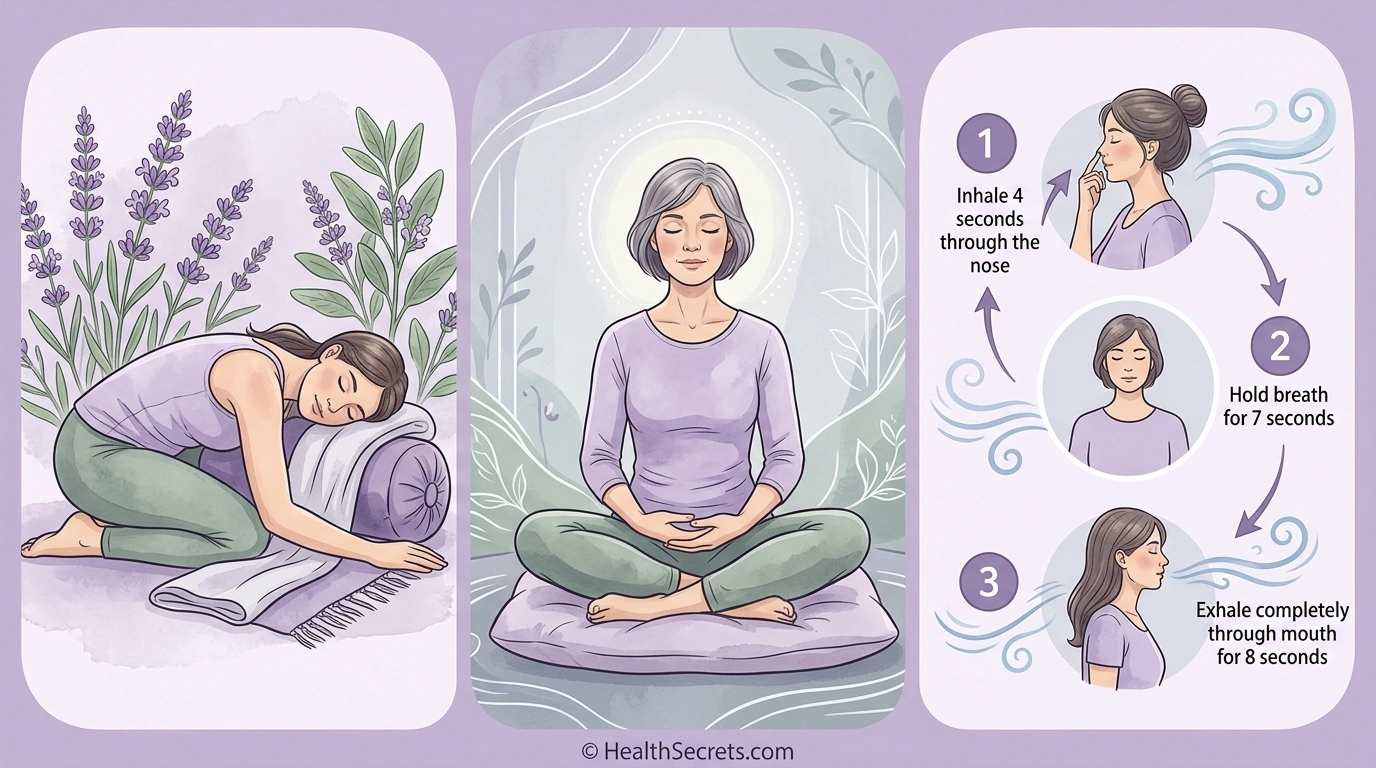
Mindfulness meditation (20 minutes daily) reduces hot flash frequency and the emotional distress associated with episodes — see our meditation for beginners guide to get started. Yoga practiced 3–5 times weekly has been shown to reduce hot flash frequency by approximately 30% while improving sleep and mood. Choose gentle styles like Hatha or Yin yoga — avoid Bikram (hot yoga), which can trigger episodes.
Paced respiration — slow, deep breathing at 6–8 breaths per minute — provides immediate relief during active hot flashes. Try the 4-7-8 technique: inhale for 4 counts, hold for 7, exhale for 8. Practicing twice daily for 15 minutes also reduces overall hot flash frequency.
How Can Acupuncture and Hormone Balance Support Reduce Hot Flashes?
Acupuncture and targeted hormone balance support address hot flashes from a systems-level perspective, supporting the body's thermoregulatory mechanisms and estrogen metabolism pathways.
Does Acupuncture Work for Menopausal Hot Flashes?
Research has shown that acupuncture reduces hot flash frequency by approximately 36% compared to sham acupuncture. A typical protocol involves 10–12 sessions over 3 months, starting with 1–2 sessions weekly and transitioning to maintenance visits. The mechanism likely involves endorphin release and neurotransmitter modulation affecting the hypothalamus. Seek a licensed acupuncturist (LAc) with experience in women's health.
What Natural Approaches Support Healthy Hormone Balance?
Support your body's estrogen metabolism through multiple pathways: consume phytoestrogen-rich foods (soy, flaxseed, legumes) daily; eat cruciferous vegetables (broccoli, cauliflower, Brussels sprouts) which contain DIM and I3C to support healthy estrogen metabolism; consider adaptogenic herbs like maca and ashwagandha (300–600 mg) for HPA axis support; maintain gut health with probiotics and fiber to support the estrobolome (gut bacteria that metabolize estrogen); and ensure adequate fiber intake (25–35 g daily) to support estrogen elimination.
What Expert Tips Maximize Your Natural Hot Flash Relief Results?
Combining multiple natural approaches produces better results than relying on any single remedy. These practical tips help you optimize your hot flash management plan for maximum effectiveness.
- Start one remedy at a time — introduce a new supplement every 4 weeks so you can identify what works for you individually
- Give remedies adequate time — most herbal supplements require 4–12 weeks of consistent daily use before showing full effects
- Layer your approach — combine herbal remedies with lifestyle changes and cooling strategies for synergistic benefit
- Keep your hot flash diary — continue tracking even after starting remedies to objectively measure improvement
- Time supplements strategically — take black cohosh with meals to improve absorption; take maca in the morning (it can be stimulating)
- Prioritize sleep hygiene — cool bedroom, moisture-wicking bedding, consistent sleep schedule, and a bedside fan reduce night sweat disruption
- Stay hydrated — drink 8–10 glasses of water daily; dehydration can worsen vasomotor symptoms
- Build a cooling emergency kit — portable fan, cooling spray, cold water bottle, and a light scarf to remove in your bag at all times
- Consider equol status — if soy isoflavones don't help after 12 weeks, your gut bacteria may not produce equol; try red clover or black cohosh instead
- Reassess every 3 months — adjust your protocol based on diary data, rotating supplements as needed
What Safety Precautions Should You Take with Natural Hot Flash Remedies?
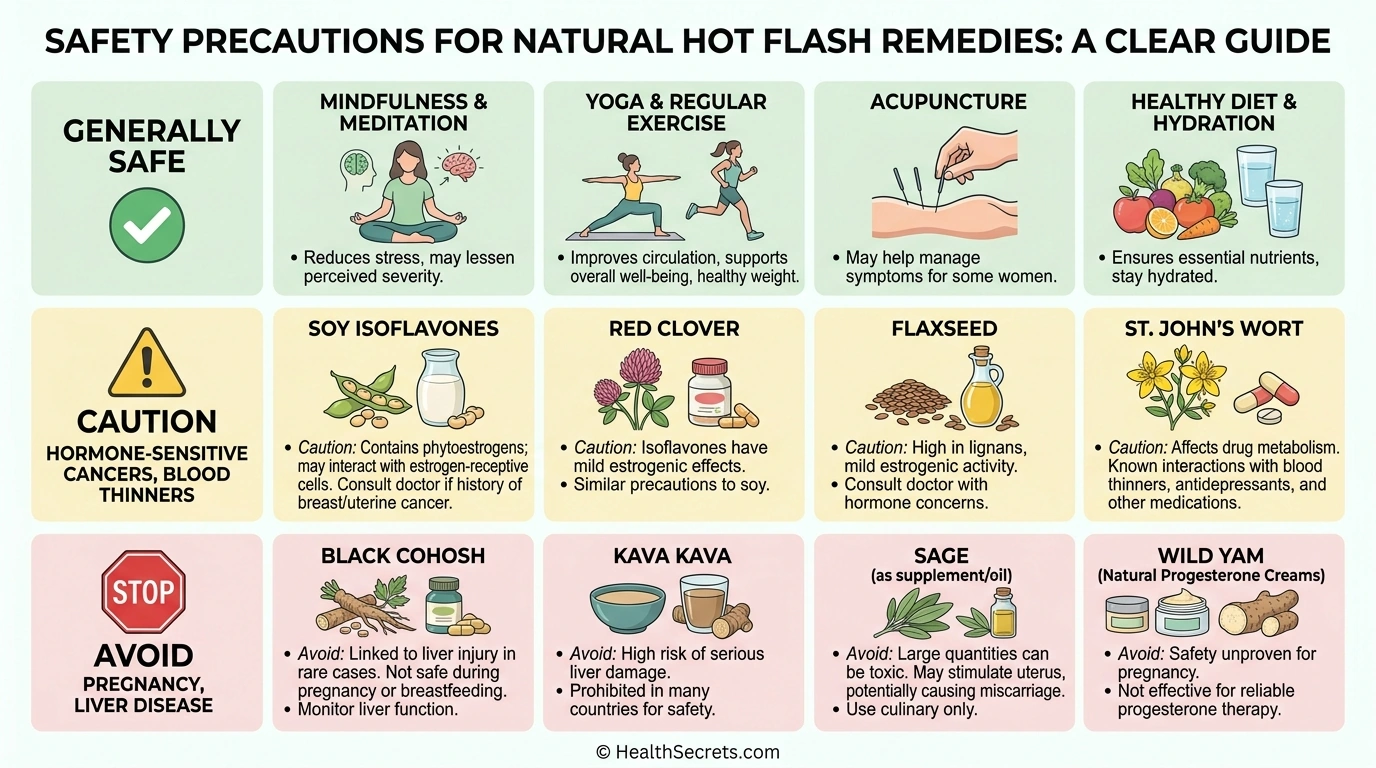
Most natural hot flash remedies have good safety profiles when used at recommended doses, but specific populations need caution. Understanding contraindications and drug interactions ensures safe, effective use of these natural approaches.
Which Supplements Should You Avoid with Certain Medical Conditions?
- Black cohosh has rare case reports of liver toxicity — avoid if you have liver disease, and limit use to 6 months before taking a break. Do not use during pregnancy or breastfeeding.
- Soy isoflavones and red clover are phytoestrogens — women with a history of hormone-sensitive cancers (breast, uterine, ovarian) should consult an oncologist before use. The evidence is conflicting, but caution is warranted.
- Red clover contains natural coumarins with mild blood-thinning effects — avoid combining with anticoagulant medications (warfarin, aspirin) and discontinue 2 weeks before surgery.
- Sage in high supplemental doses contains thujone, which is neurotoxic at very high levels. Stick to recommended doses (300–1,500 mg) and limit continuous use to 6 months.
When Should You See a Doctor Instead of Self-Treating?
Seek medical evaluation if hot flashes are severe (more than 10 daily), significantly affect your quality of life despite 3 months of natural remedies, or are accompanied by unexplained weight loss, fever, or other concerning symptoms. Your doctor can rule out other causes such as thyroid disorders, infections, or medication side effects, and discuss whether non-hormonal prescription options (low-dose SSRIs, gabapentin, or short-term HRT) may be appropriate.
Action Plan
What Is the Best Step-by-Step Action Plan for Natural Hot Flash Relief?
Follow the sequence below, work through each phase in order, and use the checklist as your practical implementation guide.
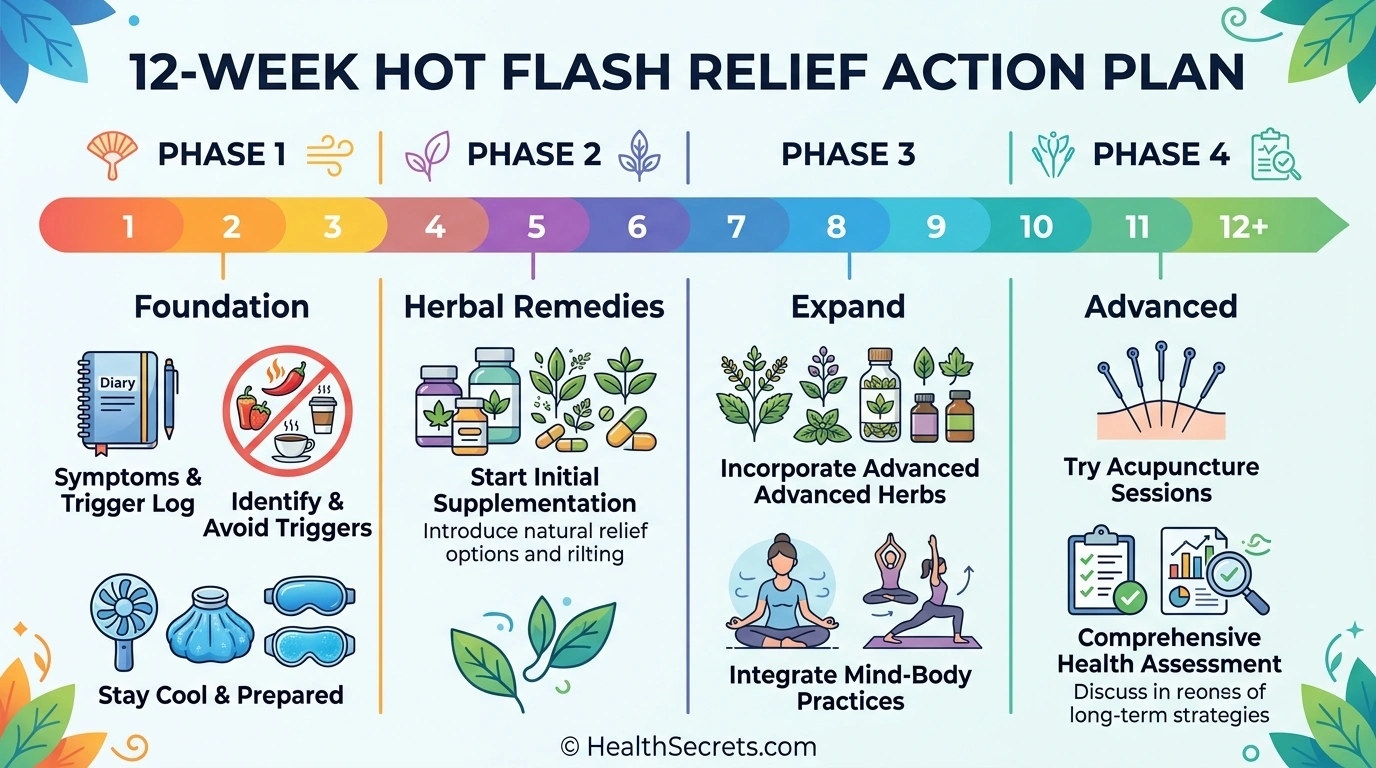
This phased action plan builds your natural hot flash management protocol progressively over 12 weeks, layering strategies for cumulative benefit. Start with the foundation and add one new element every 2–4 weeks.
Phase 1: Foundation (Weeks 1–2)
- Start a hot flash diary — track every episode with time, severity, triggers
- Eliminate top triggers — reduce hot beverages, spicy food, alcohol, caffeine
- Build your cooling toolkit — portable fan, cold water bottle, breathable layers
- Set bedroom to 65–68°F with cooling pillow and bedside fan
- Begin 150 min/week moderate exercise (brisk walking, swimming)
Phase 2: First-Line Herbal Remedy (Weeks 3–6)
- Start black cohosh: 20–40 mg standardized extract, twice daily with meals
- OR start soy isoflavones: 50–100 mg daily (or 1–2 servings whole soy foods)
- Begin paced respiration practice: 15 minutes, twice daily (6–8 breaths/min)
- Adopt Mediterranean-style diet with phytoestrogen-rich foods
- Add 1–2 tablespoons ground flaxseed daily to meals
Phase 3: Expand and Optimize (Weeks 7–10)
- If first remedy shows insufficient improvement, add red clover (40–80 mg isoflavones)
- Start daily meditation or yoga practice (20–30 minutes)
- Consider maca root (3–3.5 g daily) for energy and additional hot flash support
- Add sage supplement (300–600 mg) if night sweats are primary concern
- Review diary data and adjust triggers list
Phase 4: Advanced Strategies (Weeks 11–12+)
- Consider acupuncture (10–12 sessions over 3 months) if symptoms persist
- Explore clinical hypnosis (5 weekly sessions) for severe hot flashes
- Support hormone metabolism: cruciferous vegetables, probiotics, adequate fiber
- Reassess entire protocol based on 3 months of diary data
- Consult healthcare provider if symptoms remain severe despite natural approaches