A nagging cough can disrupt your sleep, drain your energy, and make every conversation uncomfortable. Whether it started with a cold or lingered after a respiratory infection, you want relief — and you want it without loading up on over-the-counter medications that leave you drowsy or jittery.
The good news? Nature offers some remarkably effective solutions. Research shows that honey reduces cough frequency and severity better than placebo and comparable to OTC cough suppressants, while thyme-ivy extract combinations reduced coughing by 68.7% in clinical trials. Ivy leaf extract alone accelerates recovery and significantly increases the proportion of cough-free patients compared to placebo.
If you're looking for a broader overview of natural healing approaches, explore our complete natural remedies guide and immune system ultimate guide.
What Do You Need to Know Before Treating a Cough Naturally?
Before reaching for any remedy, it helps to understand what type of cough you have and what's causing it. A cough is a protective reflex that clears your airways of irritants, mucus, and pathogens — it's your body's defense mechanism, not a disease itself. Acute coughs (lasting less than 3 weeks) are usually caused by viral infections and are self-limiting, while chronic coughs (lasting more than 8 weeks) require medical evaluation.
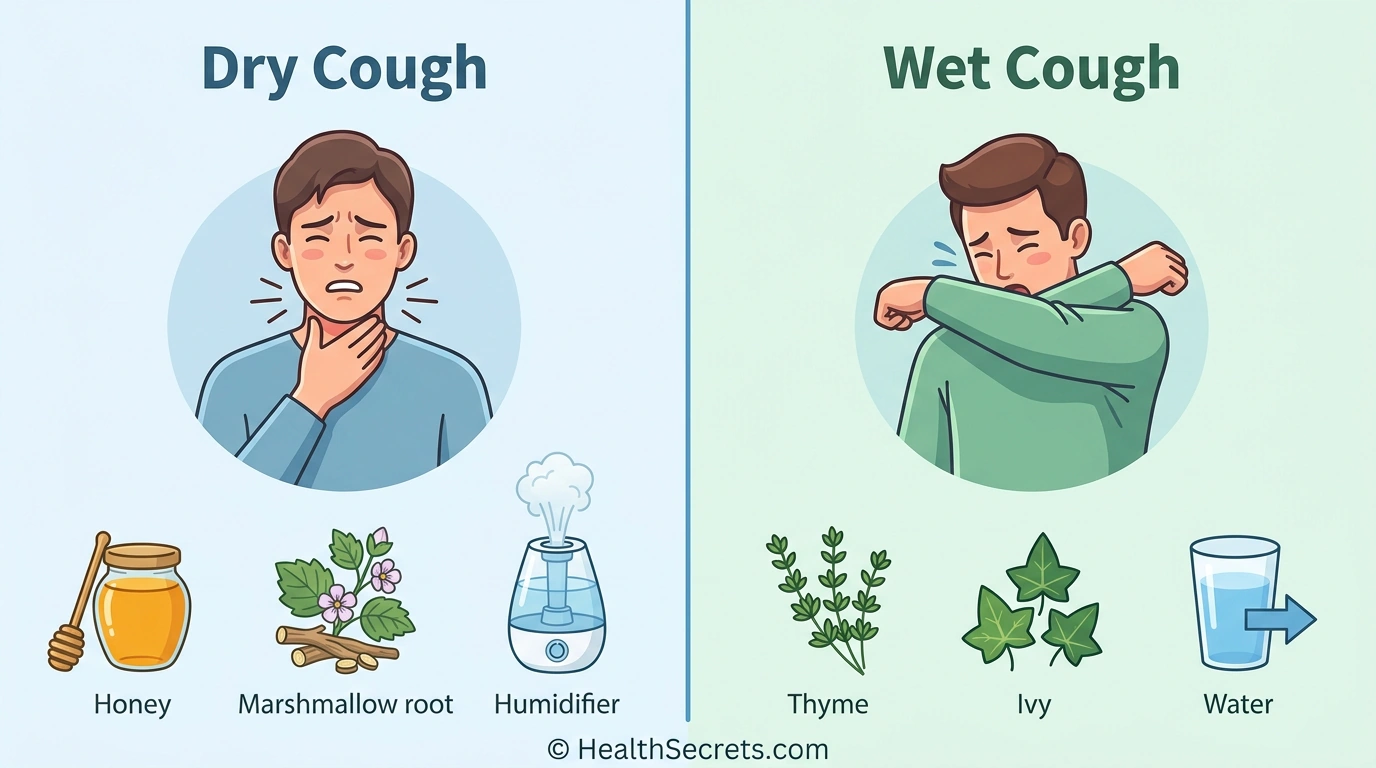
- Dry cough (non-productive) produces no mucus and feels like a tickling or irritating sensation. Common causes include viral infections (early stage), allergies, asthma, GERD, ACE inhibitor medications, and dry air. The goal is to suppress the cough reflex and soothe the throat using demulcents.
- Wet cough (productive) produces mucus or phlegm. It's caused by viral infections (later stage), bacterial infections, chronic bronchitis, or pneumonia. The goal is to help expel mucus using expectorants — not suppress it, because your body needs to clear the airways.
- Who this guide is for: Adults and children (ages 1+) with acute coughs from colds, flu, or upper respiratory infections seeking safe, evidence-based natural relief. This guide is not a substitute for medical care for chronic or severe coughs.
- Expected timeline: Most acute coughs resolve within 1–3 weeks. Natural remedies provide symptomatic relief during this period. If your cough persists beyond 3 weeks or worsens, see a doctor.

Want Everyday Habits That Actually Stick?
Download the free printable habit checklist — evidence-backed clinical frameworks for daily energy, cellular recovery, and longevity.
How Do You Identify Your Cough Type and Choose the Right Approach?
Identifying whether you have a dry or wet cough is the single most important step because it determines which remedies will work best. Dry coughs need demulcents that coat the throat, while wet coughs need expectorants that help loosen and expel mucus. Using the wrong approach can actually delay recovery.
How can you tell if you have a dry cough?
A dry cough produces no mucus and often feels like a persistent tickle or scratchy sensation in the throat. It may worsen at night, in dry air, or when talking. Common triggers include the early stages of a cold, allergies, GERD (acid reflux), and ACE inhibitor blood pressure medications.
Best remedies for dry cough:
- Demulcents: Honey, marshmallow root, licorice root (coat and soothe the throat)
- Suppressants: Thyme (reduces cough reflex)
- Environment: Humidifier, steam inhalation, adequate hydration
How can you tell if you have a wet cough?
A wet cough produces mucus or phlegm — clear, white, yellow, or green. It often feels like something needs to come up. Common causes include later stages of a cold, bronchitis, sinus infections, and postnasal drip.
Best remedies for wet cough:
- Expectorants: Thyme, ivy leaf (loosen mucus for easier expulsion)
- Hydration: 8–10 cups of water daily (thins mucus)
- Steam inhalation: Loosens mucus and soothes airways
- Important: Do not suppress a productive cough — your body needs to clear the mucus
What does mucus color tell you?
- Clear or white: Typical viral infection (normal)
- Yellow or green: May indicate bacterial involvement — see a doctor if persistent beyond 10 days
- Blood-tinged (pink or red): See a doctor immediately

Medical Appointment Prep System
Arrive prepared with a 1-page visit agenda, prioritized symptom timeline, and clear questions that respect your doctor’s time.
How Do You Use Honey to Reduce Cough Frequency and Severity?
Honey is the most well-researched natural cough remedy, with multiple systematic reviews confirming it reduces cough frequency and severity better than placebo and comparable to or better than common OTC cough medications. A 2020 meta-analysis in BMJ Evidence-Based Medicine found honey improved cough frequency (SMD −0.36) and severity (SMD −0.44) compared to usual care across 14 studies [1]. The 2018 Cochrane review concluded honey probably reduces cough frequency better than no treatment or placebo [2].

Why does honey work for cough?
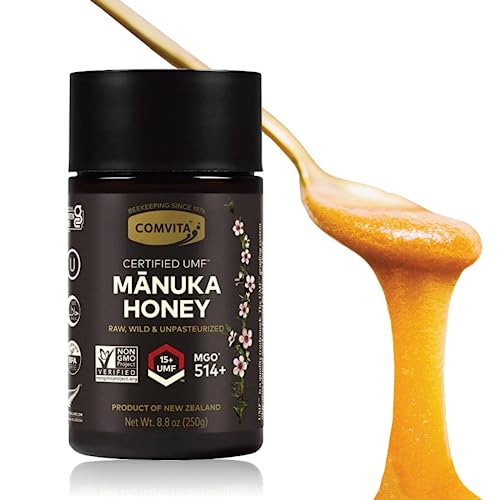
Honey acts as a demulcent, coating the throat with a thick, viscous layer that reduces irritation and the cough reflex. It also has antimicrobial and antioxidant properties that may help fight the underlying infection. Manuka honey (UMF 10+ or higher) offers particularly strong antimicrobial activity due to its methylglyoxal content.
How to use honey for cough:
- Adults: 1–2 teaspoons as needed, especially before bed
- Children 1–5 years: ½ teaspoon
- Children 6–11 years: 1 teaspoon
- Children 12+: 2 teaspoons
- Best method: Take straight from the spoon, or stir into warm (not hot) water or herbal tea with lemon
- Timing: Before bed is most effective for nighttime cough relief
— it carries a risk of botulism from bacterial spores that infants cannot safely process [3].
Which Herbal Remedies Are Most Effective for Treating Cough?
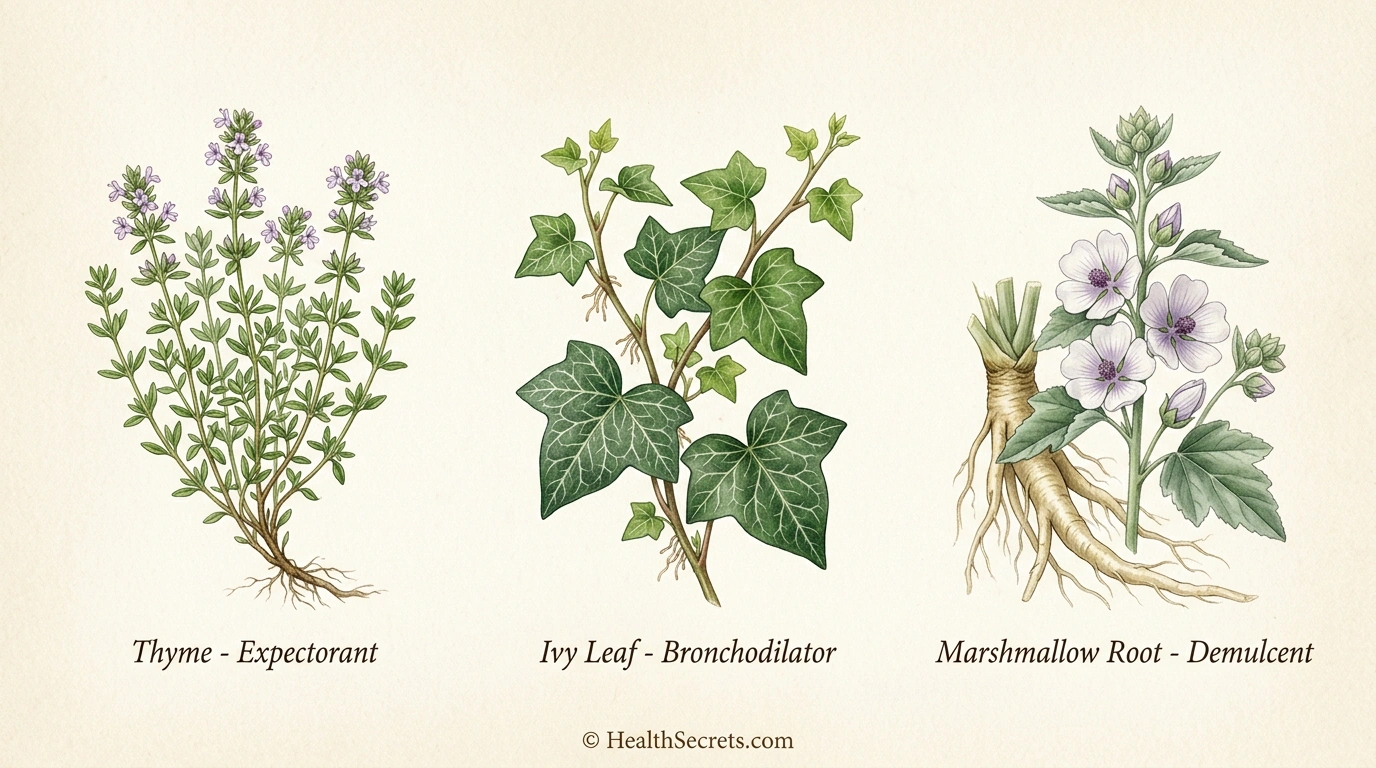
Three herbs stand out with the strongest clinical evidence for cough relief: thyme, ivy leaf, and marshmallow root. Thyme-ivy combinations reduced coughing by 68.7% in clinical trials, ivy leaf extract alone accelerates recovery significantly compared to placebo, and marshmallow root provides rapid onset relief for dry, irritative coughs. Each works through different mechanisms, so choosing the right one depends on your cough type.
How does thyme help with cough?
Thyme (Thymus vulgaris) contains thymol and carvacrol — active compounds with expectorant, antimicrobial, and antispasmodic properties. A multicenter clinical trial found that thyme-ivy syrup reduced coughing by 68.7% compared to 47.6% for placebo (p < 0.0001) [4]. An observational study of 730 patients confirmed clinically relevant improvements in cough severity in 87.2% of patients after approximately 7 days of treatment [5].
How to use: Brew 1–2 teaspoons dried thyme in 8 oz hot water for 10 minutes. Drink 2–3 cups daily. Commercial thyme cough syrups are also available. Best for wet coughs and acute bronchitis.
How does ivy leaf extract relieve cough?
Ivy leaf (Hedera helix) contains saponins that act as expectorants and bronchodilators, loosening mucus and relaxing airway muscles. A meta-analysis of double-blind, placebo-controlled trials found ivy leaf extract (EA 575) significantly reduces cough intensity and accelerates recovery, with 56.2% of patients cough-free at follow-up versus 25.6% for placebo [6]. It was also found comparable to acetylcysteine for improving respiratory function [7].
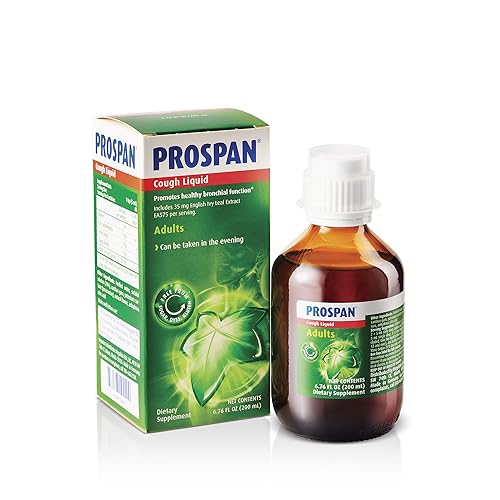
How to use: Standardized extract 35–70 mg, 2–3 times daily. Commercial syrups (like Prospan) follow this dosing. Takes 5–7 days for full effect. Best for wet coughs and bronchitis.
How does marshmallow root soothe dry cough?
Marshmallow root (Althaea officinalis) is rich in mucilage — a gel-like substance that coats and soothes irritated throat tissues. Two user surveys found marshmallow root preparations showed good effect for dry cough, with a very rapid onset of effects — in the majority of cases within 10 minutes [8]. Laboratory studies confirm its anti-inflammatory and antioxidant properties [9].
How to use: Steep 1–2 teaspoons dried marshmallow root in 8 oz hot water for 10–15 minutes. Drink 2–3 cups daily. Also available as syrup or lozenges. Best for dry coughs and sore throats.
How Do Steam Inhalation and Humidification Provide Immediate Cough Relief?
Steam inhalation is one of the fastest-acting natural cough remedies, providing near-immediate relief by loosening mucus, soothing irritated airways, and hydrating the respiratory tract. Combined with proper home humidification, these strategies address the environmental factors that worsen coughing, especially during winter months when indoor heating dries the air.

How to do steam inhalation safely:
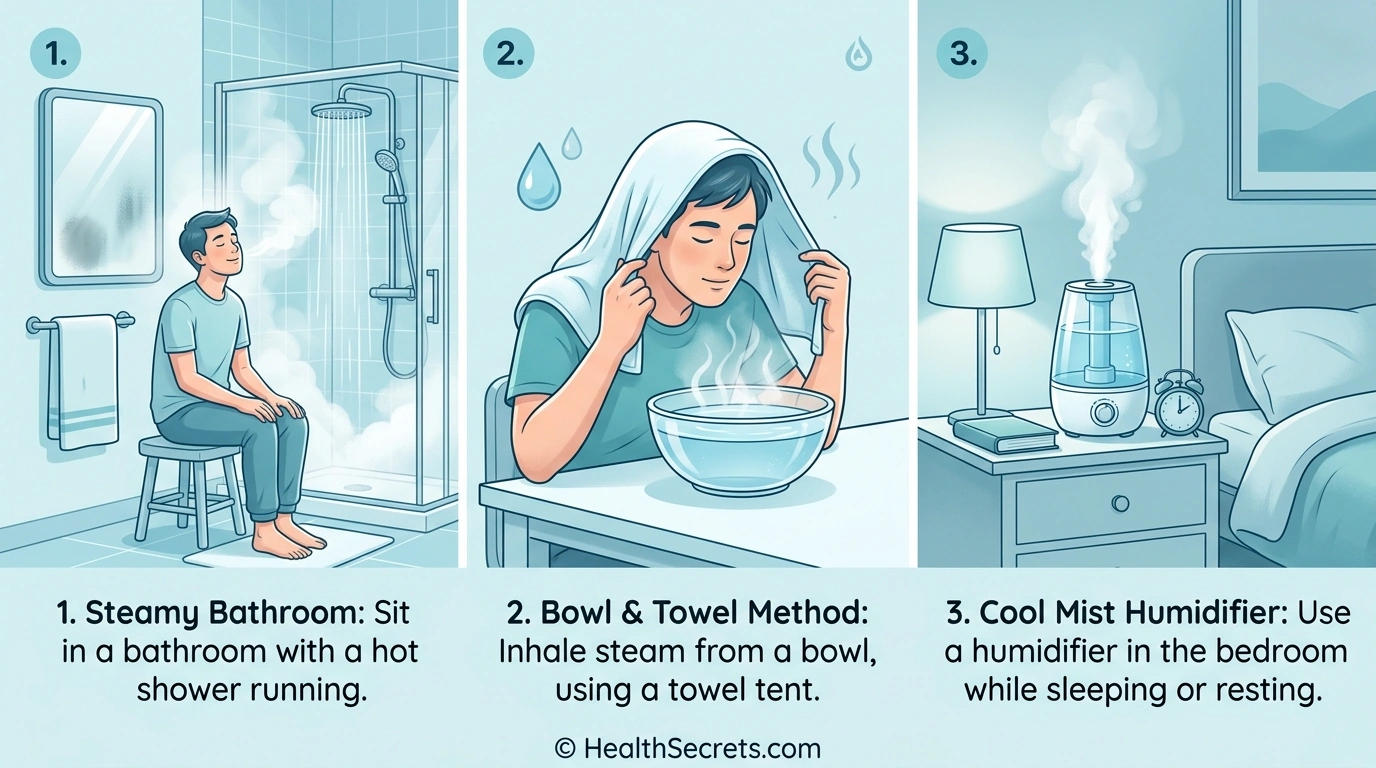
- Hot shower method: Run a hot shower for 10–15 minutes with the bathroom door closed. Sit and breathe deeply in the steam-filled room.
- Bowl method: Boil water, pour into a large bowl, lean over it with a towel draped over your head, and breathe deeply for 10–15 minutes.
- Optional: Add 2–3 drops of eucalyptus or peppermint essential oil for enhanced decongestant and antimicrobial effects.
- Frequency: 2–3 times daily, especially before bed.
Test water temperature with your hand before leaning over. Keep children supervised at all times. Use warm, not boiling water when possible.
How to use a humidifier for cough relief:
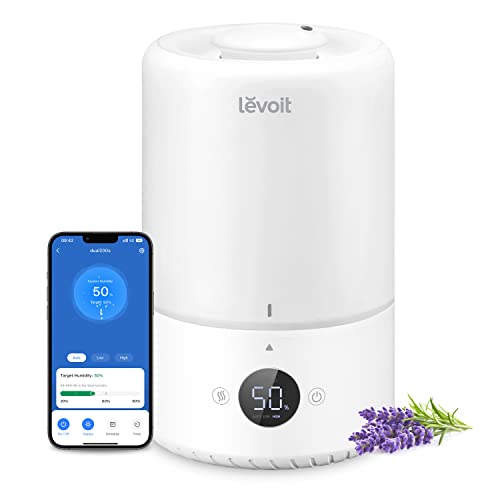
- Type: Cool mist humidifiers are safer than warm mist (no burn risk), especially for homes with children
- Target humidity: 30–50% (use a hygrometer to monitor)
- Maintenance: Clean daily to prevent mold and bacteria growth; use distilled water to reduce mineral buildup
- Placement: Run in the bedroom overnight for nighttime cough relief
What Lifestyle Strategies Help You Recover From a Cough Faster?
Beyond herbal remedies and steam, several lifestyle changes significantly support cough recovery. Proper hydration thins mucus for easier expulsion, while simple habits like elevating your head, gargling salt water, and avoiding irritants can dramatically reduce cough frequency — especially at night. These strategies work best when combined with the herbal remedies from Steps 2 and 3.
Hydration (8–10 cups daily):
Adequate fluid intake thins mucus, soothes the throat, and supports immune function. Warm liquids are especially soothing — herbal tea, broth, and warm water with honey and lemon are ideal choices. Avoid excessive alcohol (dehydrating) and caffeine (diuretic).
Gargle salt water (2–3 times daily):
Dissolve ½ teaspoon salt in 8 oz warm water. Gargle for 30 seconds and spit out. The osmotic effect draws fluid from inflamed tissues, reducing swelling and loosening mucus. Especially effective before bed.
Elevate your head at night:
Use 6–8 inch bed risers or a wedge pillow to elevate your upper body. This reduces postnasal drip (a major nighttime cough trigger) and prevents acid reflux (GERD) from irritating the throat.
Avoid irritants:
- Smoke: Avoid cigarette smoke and secondhand smoke — they irritate already-inflamed airways
- Strong odors: Perfumes, cleaning products, and air fresheners can trigger coughing
- Cold, dry air: Wear a scarf over your mouth and nose when going outside in winter
Throat lozenges:
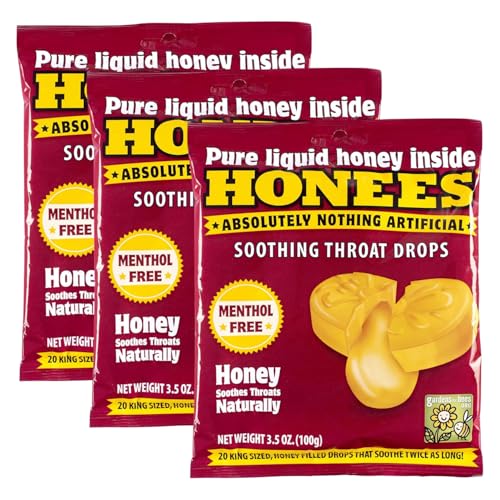
Zinc lozenges may reduce cold duration by approximately 33% when started within 24 hours of symptom onset. Herbal lozenges containing slippery elm, marshmallow root, or honey coat and soothe the throat. Choose sugar-free varieties when possible.
How Do You Use Ginger and Licorice Root to Support Cough Recovery?
Ginger and licorice root are two additional herbal allies that support cough recovery through anti-inflammatory and soothing mechanisms. Ginger relaxes airway smooth muscle and reduces inflammation, while licorice root serves as both a demulcent and expectorant. Together with the remedies from previous steps, they create a comprehensive natural cough protocol.

How does ginger help with cough?
Ginger (Zingiber officinale) contains gingerols and shogaols — bioactive compounds with potent anti-inflammatory properties. Research demonstrates that ginger induces significant and rapid relaxation of airway smooth muscle [10], while 6-shogaol mitigates lung inflammation in animal models [12]. Distinct ginger compounds also show antiinflammatory effects in human bronchial epithelial cells [11].
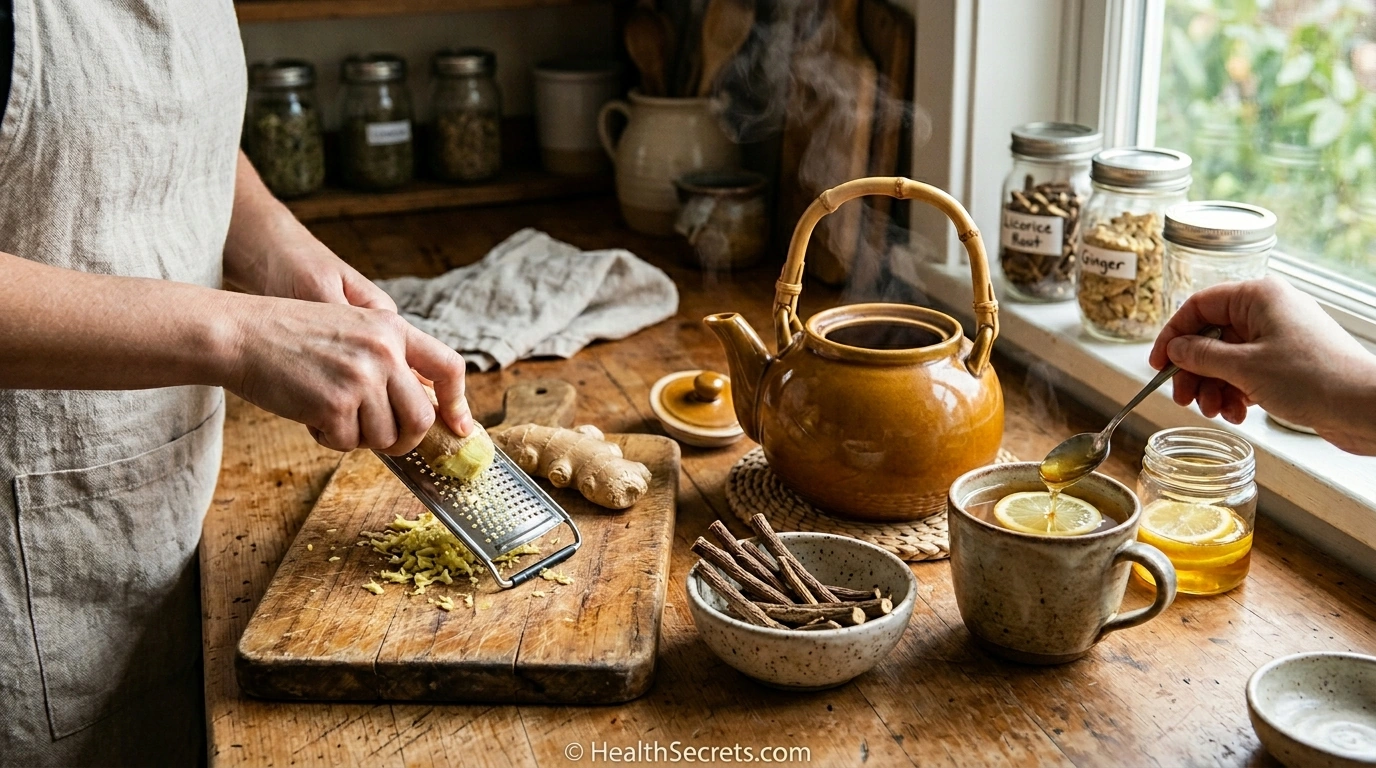
How to use: Grate 1–2 inches of fresh ginger into 8 oz hot water. Steep for 10 minutes, then add honey and lemon. Drink 2–3 cups daily.
How does licorice root relieve cough?
Licorice root (Glycyrrhiza glabra) contains glycyrrhizin, which has anti-inflammatory, antiviral, and demulcent properties. It coats the throat, loosens mucus, and reduces airway inflammation — making it effective for both dry and wet coughs.
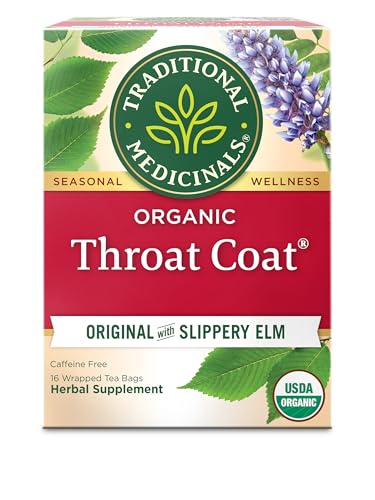
How to use: Steep 1–2 teaspoons dried licorice root in 8 oz hot water for 10 minutes. Drink 2–3 cups daily. Traditional Medicinals Throat Coat tea contains both licorice and marshmallow root. Limit use to 1–2 weeks unless using DGL (deglycyrrhizinated licorice).
Glycyrrhizin can raise blood pressure and cause fluid retention. Avoid if you have hypertension, heart disease, or kidney disease. Pregnant individuals should avoid licorice root. DGL (with glycyrrhizin removed) is a safer long-term option.
What Are the Most Common Mistakes to Avoid When Treating a Cough Naturally?
The most common mistake is suppressing a productive (wet) cough, which prevents your body from clearing mucus and can prolong illness. Using expectorants for a dry cough or demulcents for a wet cough mismatches the remedy to the problem. Always identify your cough type first and choose remedies accordingly.
- Mistake 1: Suppressing a wet cough. If you're producing mucus, your body needs to expel it. Use expectorants (thyme, ivy leaf) and hydration — not suppressants.
- Mistake 2: Giving honey to infants under 1 year. This poses a serious botulism risk. For infants, consult a pediatrician for age-appropriate alternatives.
- Mistake 3: Using licorice root long-term without monitoring. Glycyrrhizin can elevate blood pressure and deplete potassium. Limit to 1–2 weeks or switch to DGL.
- Mistake 4: Skipping the humidifier in winter. Indoor heating drops humidity well below the optimal 30–50%, drying out airways and worsening coughs. A cool mist humidifier is a simple but highly effective tool.
- Mistake 5: Not cleaning your humidifier. A dirty humidifier breeds mold and bacteria, which can worsen respiratory symptoms. Clean daily and use distilled water.
- Mistake 6: Ignoring persistent coughs. A cough lasting more than 3 weeks, or accompanied by blood, chest pain, or fever, needs medical evaluation — not more home remedies.
- Mistake 7: Relying on a single remedy. The most effective approach combines multiple strategies: honey before bed, herbal tea during the day, steam inhalation, proper hydration, and environmental control with a humidifier.
Is It Safe to Treat a Cough with Natural Remedies? When Should You Stop?
Natural cough remedies are generally safe for most adults and children over age 1, with a strong safety profile documented across multiple clinical trials. However, certain populations need extra caution, and there are clear warning signs that indicate you should stop self-treating and see a doctor immediately.
When natural remedies are safe:
- Acute coughs from colds, flu, or upper respiratory infections lasting less than 3 weeks
- Adults and children over age 1 (with age-appropriate dosing)
- As a complement to conventional medical treatment (not a replacement)
When to see a doctor immediately:
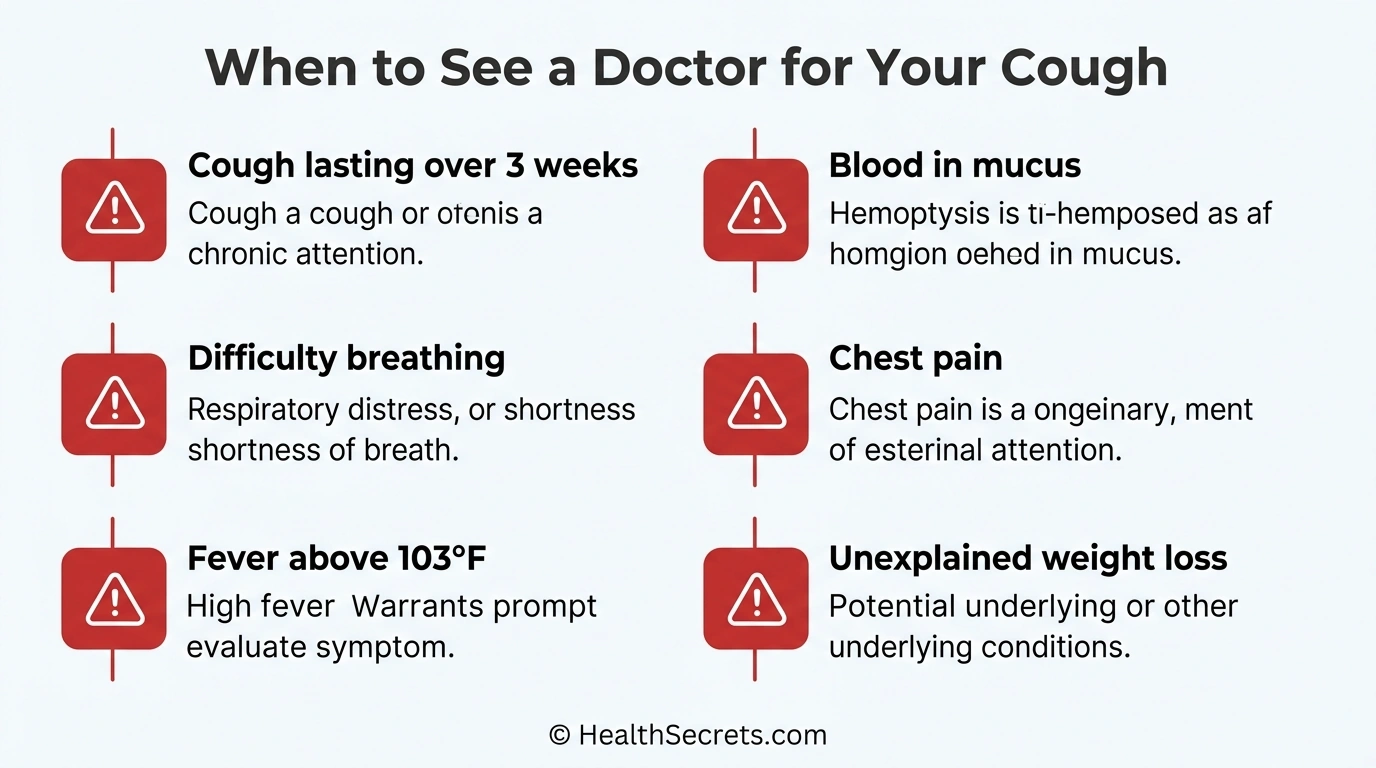
- Cough lasting more than 3 weeks (chronic — needs evaluation)
- Blood in mucus (hemoptysis)
- Difficulty breathing, wheezing, or chest tightness
- Chest pain (sharp or pressure-like)
- High fever above 103°F (39.4°C)
- Unexplained weight loss or night sweats
- Worsening of underlying conditions (asthma, COPD, heart failure)
- Infants under 3 months with any cough
- Barking cough in children (croup) or "whooping" sound after coughing fits
Specific safety cautions:
- Honey: Not for infants under 1 year (botulism risk)
- Licorice root: Avoid with hypertension, heart disease, kidney disease, pregnancy; limit to 1–2 weeks or use DGL
- Ivy leaf: Generally well-tolerated; rare GI upset; insufficient safety data in pregnancy
- Steam inhalation: Use warm (not boiling) water; supervise children closely
- Ginger: High doses may cause GI upset; mild blood-thinning effect (caution with anticoagulants)
- Drug interactions: Marshmallow root may slow absorption of medications — take 1–2 hours apart
Action Plan
What Should You Do First to Get Natural Cough Relief?
Follow the sequence below, work through each phase in order, and use the checklist as your practical implementation guide.
Start by identifying your cough type (dry vs. wet), then immediately begin honey and steam inhalation for fast relief while adding herbal remedies for sustained support. Most people notice improvement within 1–3 days, with significant relief by day 7. Follow this phased action plan for the most effective natural cough recovery.
Phase 1: Immediate Relief (Days 1–3)
For Dry Cough:
- Take honey (1–2 teaspoons before bed and as needed)
- Brew marshmallow root or Throat Coat tea (2–3 cups daily)
- Do steam inhalation (10–15 minutes, 2–3 times daily)
- Set up a cool mist humidifier in the bedroom
- Drink 8–10 cups of water daily
For Wet Cough:
- Start thyme tea or commercial thyme syrup (2–3 cups tea or 1–2 tsp syrup, 3 times daily)
- Begin ivy leaf extract if available (35–70 mg, 2–3 times daily)
- Do steam inhalation with eucalyptus oil (10–15 minutes, 2–3 times daily)
- Drink 8–10 cups of water daily (thins mucus)
- Do NOT suppress the cough — let your body clear the mucus
Phase 2: Sustained Support (Days 3–14)
- Continue honey before bed (improves sleep quality)
- Add ginger tea (2–3 cups daily) for anti-inflammatory support
- Gargle salt water 2–3 times daily (reduces throat inflammation)
- Elevate head 6–8 inches at night (reduces postnasal drip)
- Avoid irritants: smoke, strong odors, cold dry air
- Use herbal lozenges as needed throughout the day
Phase 3: Recovery and Prevention (Weeks 2+)
- Taper remedies as symptoms improve
- Maintain humidifier use through cold/flu season
- Continue hydration habits (8–10 cups daily)
- Practice frequent hand washing to prevent reinfection
- If cough persists beyond 3 weeks, schedule a doctor's appointment