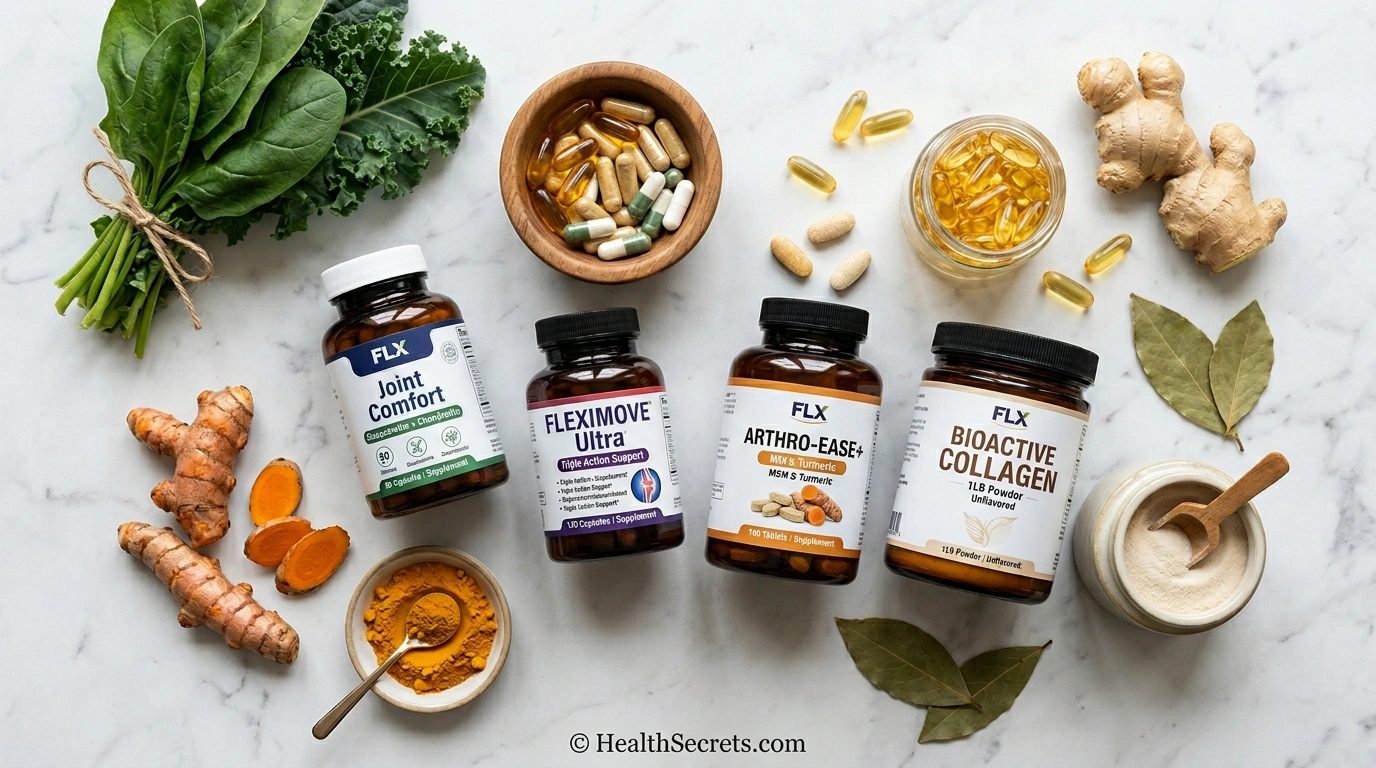
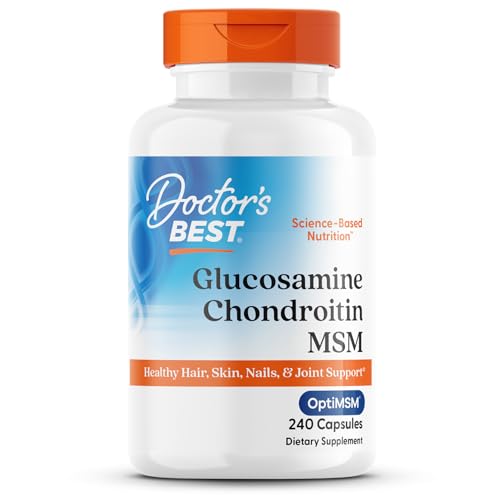
Glucosamine and chondroitin are the most widely used joint supplements in the world — and the subject of one of the biggest debates in natural health. Millions of people take them daily for osteoarthritis and joint pain, spending billions of dollars annually. But here's the honest truth: the clinical evidence is genuinely mixed, and whether these supplements work for you depends on factors most articles won't tell you about.
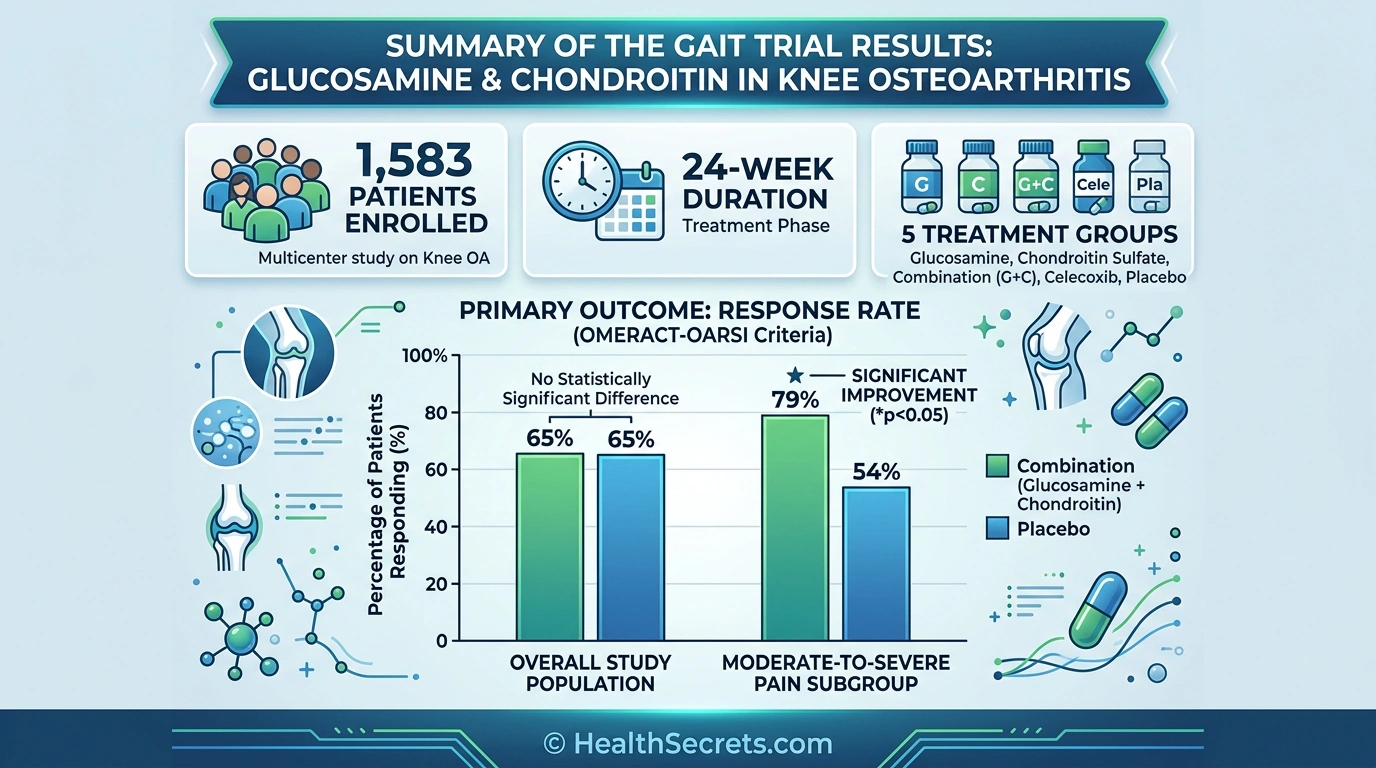
The landmark GAIT trial — the largest U.S. study on glucosamine and chondroitin — found no significant benefit overall compared to placebo. But buried in the data was a striking finding: patients with moderate-to-severe knee pain saw a 79% response rate with the combination, compared to just 54% with placebo [1]. That subgroup finding has shaped how researchers and clinicians think about these supplements ever since.
Glucosamine is an amino sugar naturally found in cartilage and joint fluid, while chondroitin is a glycosaminoglycan that gives cartilage its elasticity and shock-absorbing properties. Both serve as building blocks for the cartilage matrix that cushions your joints. As we age, natural production of both compounds declines — which is exactly why supplementation became so popular.
This guide cuts through the hype and the skepticism to give you the complete picture: what the research actually shows, which forms work best, how to dose properly, who benefits most, and which products are worth your money. Whether you're managing osteoarthritis or looking to protect your joints proactively, you'll walk away knowing exactly what glucosamine and chondroitin can — and can't — do for you.
What Is Glucosamine and Chondroitin and What Do They Do for Your Joints?
Glucosamine and chondroitin are naturally occurring compounds found in healthy cartilage that serve as the primary building blocks for joint tissue. Glucosamine is an amino sugar that stimulates the production of glycosaminoglycans (GAGs) and proteoglycans — the structural molecules that form the cartilage matrix — while chondroitin is a large glycosaminoglycan that attracts water into cartilage, providing cushioning and shock absorption [2].
What Are the Different Forms of Glucosamine?
Glucosamine supplements come in three main forms, each with distinct characteristics.
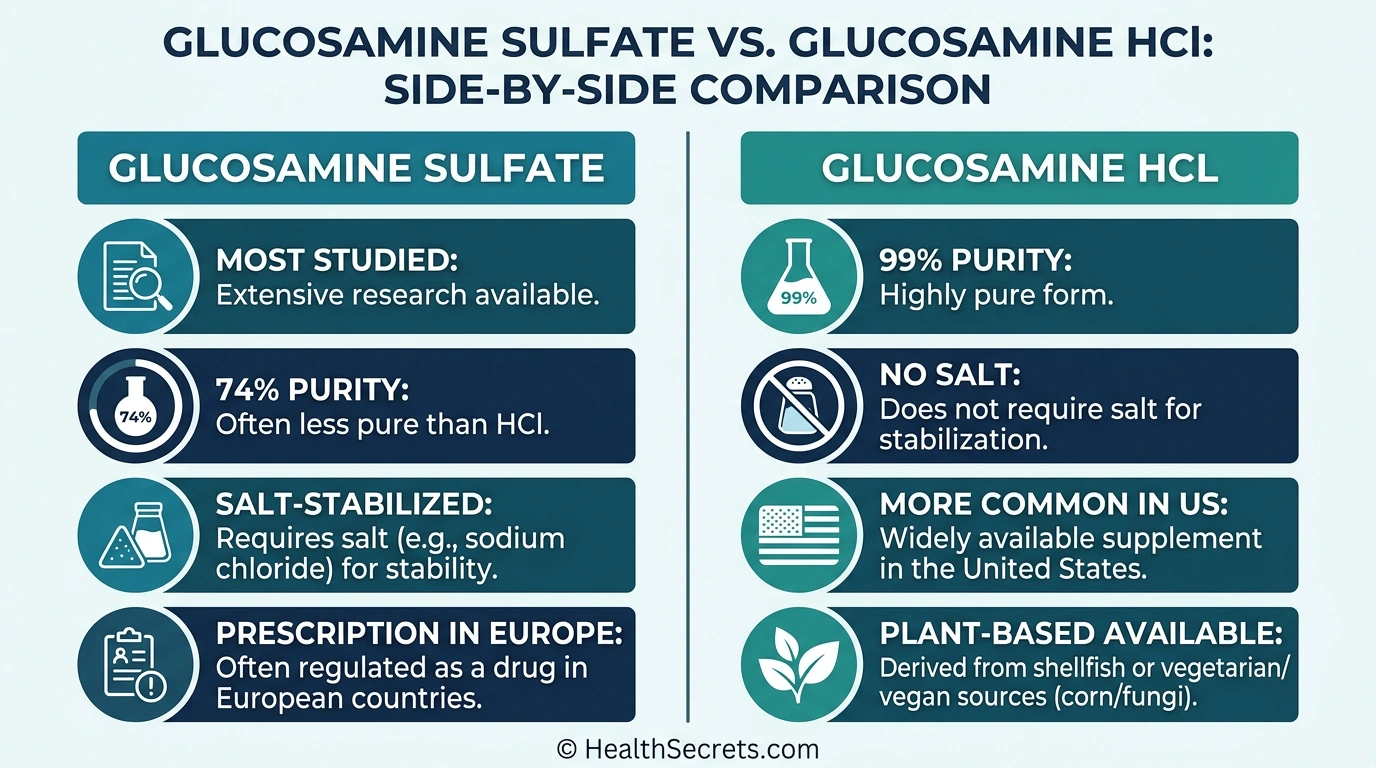
- Glucosamine sulfate is the most extensively studied form, used in the majority of positive European clinical trials, and is available as a prescription drug (crystalline glucosamine sulfate, or pCGS) in several European countries. It is stabilized with either sodium chloride or potassium chloride [3].
- Glucosamine hydrochloride (HCl) contains a higher concentration of pure glucosamine (approximately 99% vs. 74% for sulfate) because it doesn't require salt stabilization. It's more common in U.S. supplements and is the typical form used in plant-based products derived from fermented corn [9].
- N-acetyl glucosamine (NAG) has a different molecular structure and is less studied for joint health specifically, though it may offer gut health benefits. It is not the standard choice for osteoarthritis supplementation [10].
How Does Chondroitin Sulfate Support Cartilage?
Chondroitin sulfate is the standard supplemental form, derived primarily from bovine (cow), porcine (pig), or shark cartilage. As a large molecule (10,000–50,000 Daltons), its oral bioavailability has been debated, with estimates ranging from 10–20% absorption. Lower molecular weight chondroitin may absorb somewhat better, though most supplements don't specify molecular weight on the label [11].
One important quality concern: chondroitin is expensive to produce, and independent testing has found that some products contain less chondroitin than the label claims. Choosing third-party tested brands (USP, NSF, or ConsumerLab verified) is essential [12].

Are You Unknowingly Inflaming Your Body?
Get the free Health Vitals & Nutrient Checklist — the daily guide that shows you which habits and supplements are silently triggering inflammation.
How Does Glucosamine and Chondroitin Work in the Body?
Glucosamine and chondroitin support joint health through complementary mechanisms — glucosamine provides raw materials for cartilage synthesis while chondroitin maintains cartilage structure and hydration. Together, they may also reduce inflammatory processes that accelerate cartilage breakdown, though the clinical significance of these effects remains debated [2][11].
How Does Glucosamine Stimulate Cartilage Repair?
Glucosamine serves as a precursor for glycosaminoglycan synthesis, essentially providing the building blocks that chondrocytes (cartilage cells) need to produce and maintain the cartilage matrix. Research shows it may stimulate the production of proteoglycans and collagen type
II — the primary structural proteins in articular cartilage. Additionally, glucosamine has demonstrated anti-inflammatory properties in laboratory studies, reducing levels of pro-inflammatory cytokines like interleukin-1 (IL-1) and tumor necrosis factor-alpha (TNF-α), and may inhibit matrix metalloproteinases (MMPs) — enzymes that degrade cartilage [3][13].
How Does Chondroitin Protect Joint Cartilage from Breakdown?
Chondroitin's primary role is maintaining the structural integrity of existing cartilage. It attracts and retains water within the cartilage matrix, which is critical for shock absorption and joint cushioning. Chondroitin also inhibits the activity of degradative enzymes (including elastase, hyaluronidase, and MMPs) that break down cartilage in osteoarthritis. Some research suggests it may also stimulate the synthesis of new cartilage components, though this effect is more modest than its protective functions [11][14].
Why Are Glucosamine and Chondroitin More Effective Together?
The combination is believed to offer synergistic benefits because glucosamine and chondroitin target different aspects of joint health simultaneously. Glucosamine promotes the creation of new cartilage components while chondroitin protects existing cartilage from degradation. The GAIT trial specifically tested this combination and found that the combined supplement outperformed either ingredient alone in the moderate-to-severe pain subgroup [1]. The MOVES trial further supported this, showing the combination was comparable to the prescription NSAID celecoxib for pain reduction over six months [8].

30-Day Walking & Mobility Planner
One test walk sets your starting point; thirty days build from it at a pace your joints keep up with, with four short mobility routines and a log that adds up the month.
How Well Is Glucosamine and Chondroitin Absorbed by Your Body?
Glucosamine is reasonably well absorbed orally, with bioavailability estimates around 26–44% depending on the form and study methodology. Chondroitin absorption is more limited due to its large molecular size, with estimates of 10–20% oral bioavailability. Taking both supplements with food may slightly improve absorption and significantly reduces gastrointestinal side effects [15].
Does Glucosamine Sulfate Absorb Better Than HCl?
Both forms dissociate in the acidic environment of the stomach, releasing free glucosamine. The sulfate form provides additional sulfur, which some researchers theorize may benefit cartilage synthesis (sulfur is needed for glycosaminoglycan production). However, no head-to-head clinical trials have definitively proven one form absorbs or works better than the other. The sulfate form's stronger clinical track record may be due to it being used in more rigorous trials rather than inherently superior absorption [3][9].
What Enhances or Blocks Glucosamine and Chondroitin Absorption?
Absorption enhancers:
- Taking with food (especially containing some fat)
- Consistent daily dosing (maintains steady levels)
- Lower molecular weight chondroitin formulations
Potential absorption barriers:
- Empty stomach (increases GI side effects, may reduce tolerance)
- Very high-molecular-weight chondroitin preparations
- Individual variation in gut health and digestive function
MSM (methylsulfonylmethane) is sometimes added to formulations as a sulfur donor that may complement glucosamine's mechanisms, though evidence for enhanced absorption specifically is limited [16].
How Much Glucosamine and Chondroitin Should You Take Daily?
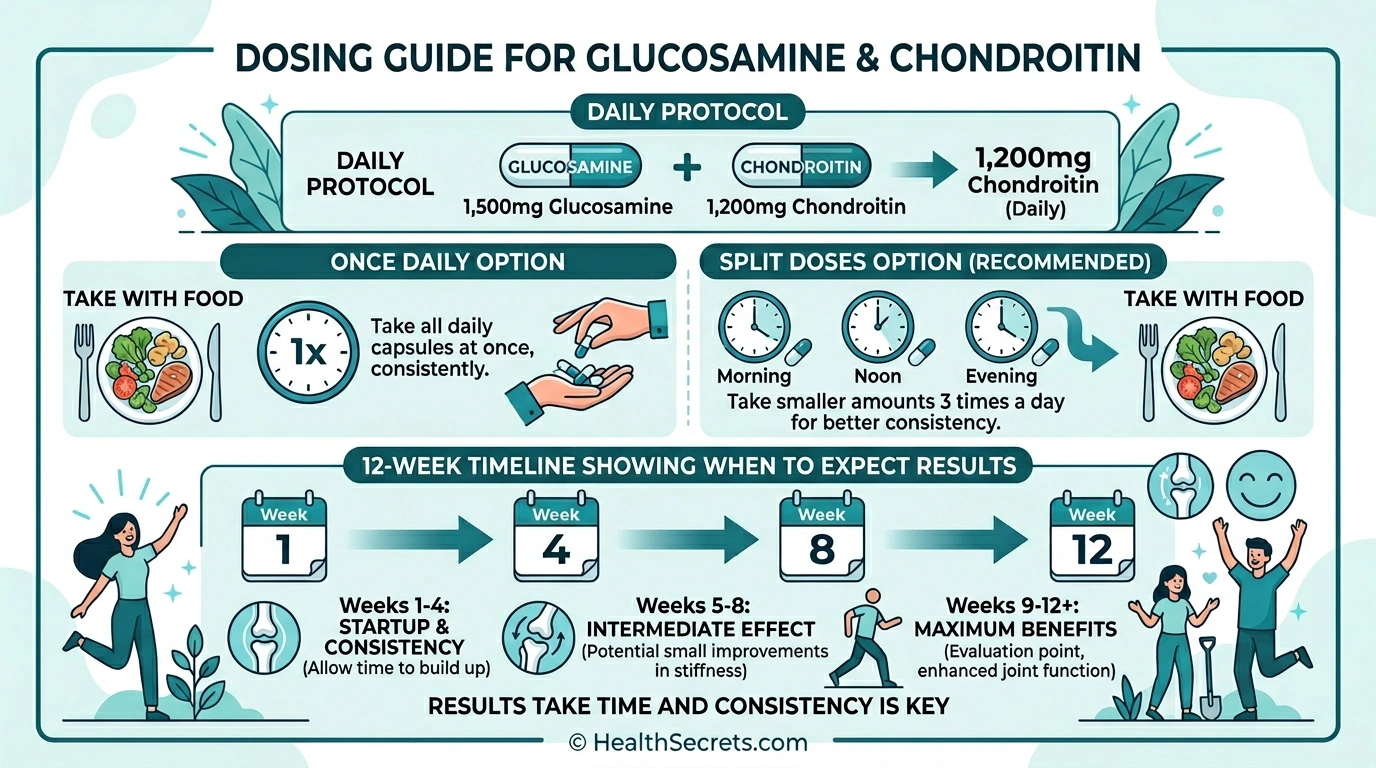
The standard evidence-based dosing protocol is 1,500 mg of glucosamine combined with 1,200 mg of chondroitin per day, taken with food. This is the dosing used in the GAIT trial and most major clinical studies, and it should be maintained consistently for at least 2–3 months before evaluating whether the supplement is working for you [1][2].
| Protocol | Glucosamine | Chondroitin | Timing |
|---|---|---|---|
| Standard maintenance | 1,500 mg/day | 1,200 mg/day | With food, once daily or split into 2–3 doses |
| Split dosing (if GI upset) | 500 mg 3×/day | 400 mg 3×/day | With each meal |
| With MSM addition | 1,500 mg/day | 1,200 mg/day + MSM 1,500–3,000 mg | With food, split dosing preferred |
| Timing considerations: |
- Morning vs. evening: No significant difference — choose whichever time you'll remember consistently
- With food: Strongly recommended to reduce nausea and heartburn
- Duration: Minimum 8–12 weeks before assessing; continue indefinitely if beneficial
- If no benefit after 3 months: Discontinue — longer use is unlikely to produce a delayed response [7]
Can You Get Enough Glucosamine and Chondroitin from Food?
You cannot realistically obtain therapeutic doses of glucosamine or chondroitin from diet alone. While both compounds occur naturally in animal cartilage, bone broth, shellfish shells, and connective tissues, the concentrations are far too low to match the 1,500 mg glucosamine and 1,200 mg chondroitin used in clinical studies. Supplementation is necessary to achieve research-backed doses [17].
Dietary sources (small amounts):
- Bone broth: Contains some glucosamine and chondroitin from cartilage and connective tissue, but amounts are highly variable and generally well below therapeutic levels
- Shellfish shells: The source for most glucosamine supplements (chitin extraction), but not consumed directly
- Animal cartilage: Chicken cartilage, pig ears, and similar connective tissues contain both compounds
- Fermented corn: Source for vegetarian/vegan glucosamine HCl
While food can't replace supplementation, an anti-inflammatory diet rich in omega-3 fatty acids (fatty fish, walnuts, flaxseed), vitamin C (needed for collagen synthesis), and sulfur-containing foods (garlic, onions, cruciferous vegetables) can complement glucosamine and chondroitin supplementation for overall joint health [18].
Is Glucosamine and Chondroitin Safe to Take Long-Term?
Glucosamine and chondroitin have an excellent safety profile, with studies up to three years showing no serious adverse effects. They are significantly safer than chronic NSAID use, carrying no risk of gastrointestinal bleeding, kidney damage, or cardiovascular events. The most common side effects are mild gastrointestinal symptoms — nausea, heartburn, and diarrhea — affecting roughly 10–20% of users [5][19].
What Are the Side Effects of Glucosamine and Chondroitin?
Common (10–20% of users):
- Nausea and stomach discomfort
- Heartburn and acid reflux
- Diarrhea or constipation
- Bloating and gas
Uncommon:
- Headache
- Drowsiness
- Skin reactions (rare)
- Eyelid or leg swelling (chondroitin, rare)
Minimizing side effects: Take with food, start with a lower dose and increase gradually, or split into three daily doses instead of one [5].
Can Glucosamine and Chondroitin Interact with Medications?
- Warfarin (Coumadin) — IMPORTANT: Case reports document increased INR and bleeding risk when glucosamine is combined with warfarin. If you take blood thinners, inform your doctor and monitor INR closely when starting or stopping these supplements [6].
- Diabetes medications: Early concerns that glucosamine (an amino sugar) might raise blood sugar have largely been disproven by clinical studies showing minimal to no effect on blood glucose. However, if you have diabetes, monitoring blood sugar when starting supplementation is prudent [20].
- Acetaminophen: Mayo Clinic notes a possible interaction; discuss with your healthcare provider if you use acetaminophen regularly [6].
- NSAIDs: Safe to combine. In fact, some users find they can reduce NSAID use over time if glucosamine and chondroitin provide adequate relief.
Who Should Avoid Glucosamine and Chondroitin?
- Shellfish allergy: Standard glucosamine is derived from shellfish shells. While the allergenic proteins are typically in the meat (not the shell), cross-contamination is possible. Use plant-based glucosamine from fermented corn instead [6]
- Pregnant or breastfeeding: Insufficient safety data — avoid
- Scheduled surgery: Stop 2 weeks before surgery (theoretical effect on blood clotting)
- Cancer treatment: Discuss with your oncologist before using
What Can Glucosamine and Chondroitin Actually Do for Your Joints?
Glucosamine and chondroitin can provide modest pain relief and improved function for some people with osteoarthritis — particularly those with moderate-to-severe knee pain — but they are not a cure for arthritis and will not regenerate lost cartilage. Roughly 30–50% of users are "responders," and the only way to know if you'll benefit is a consistent 2–3 month trial [1][7].
What the evidence supports:
- Modest reduction in osteoarthritis pain (particularly knee OA)
- Improved joint function and reduced stiffness in responders
- Possible slowing of cartilage loss over time (2024 RCT showed reduced joint space narrowing at 2 years) [4]
- Safety advantage over long-term NSAID use
- Comparable to celecoxib for moderate-to-severe pain (MOVES trial) [8]
What the evidence does NOT support:
- Immediate pain relief (effects develop over 4–8 weeks)
- Cartilage regeneration or reversal of osteoarthritis
- Universal benefit for all users
- Significant benefit for mild osteoarthritis pain
- Superiority over exercise and weight management for joint health
Realistic timeline:
- Weeks 1–4: Typically no noticeable change
- Weeks 4–8: Some responders begin noticing improvement
- Weeks 8–12: Full assessment point — if no benefit by 12 weeks, discontinue
- Months 3–6+: Continued use for responders; potential structural benefits with long-term use
The Arthritis Foundation summarizes it well: glucosamine and chondroitin are "worth trying for 2–3 months" given their good safety profile, but maintain realistic expectations [7].
Action Plan
What Should You Do First If You Want to Try Glucosamine and Chondroitin?
Follow the sequence below, work through each phase in order, and use the checklist as your practical implementation guide.
Start by consulting your healthcare provider (especially if you take warfarin or diabetes medications), then choose a third-party tested product with the standard dose of 1,500 mg glucosamine and 1,200 mg chondroitin. Commit to a consistent 2–3 month trial with food before deciding if it works for you [1][2].
Phase 1 — Prepare (Week 1):
- Consult your doctor, especially if you take blood thinners, diabetes medications, or are scheduled for surgery
- Check for shellfish allergy — choose plant-based glucosamine if allergic
- Select a third-party tested product (USP, NSF, or ConsumerLab verified)
- Record your baseline pain level, stiffness, and function for comparison
Phase 2 — Start Supplementation (Weeks 1–4):
- Begin with 1,500 mg glucosamine + 1,200 mg chondroitin daily with food
- If you experience GI upset, split into three daily doses with meals
- Take consistently at the same time each day
- Continue any current medications or therapies — don't stop NSAIDs yet
Phase 3 — Assess and Optimize (Weeks 4–12):
- Track pain, stiffness, and mobility weekly
- At 8 weeks, do a preliminary assessment — some improvement?
- At 12 weeks, make your decision: continue if benefiting, discontinue if no change
- Combine with anti-inflammatory diet, regular low-impact exercise, and weight management
Phase 4 — Long-Term Maintenance (Month 3+):
- Continue indefinitely if showing benefit
- Gradually reduce NSAID use if pain improves (with doctor approval)
- Re-evaluate annually — still beneficial? Still needed?
- Consider adding complementary supplements (MSM, turmeric, omega-3s) if additional support needed