You've been diagnosed with an autoimmune disease — or maybe you suspect one. The fatigue is relentless. Your joints ache. Your doctor has prescribed medications, but you want to know what else you can do. Here's the good news: research increasingly shows that diet, lifestyle, and targeted supplementation can profoundly influence autoimmune disease activity. [7] [9]
Autoimmune conditions now affect an estimated 24 million Americans according to the NIH, with some researchers placing that number closer to 50 million when you include conditions still under investigation [12]. The rates keep climbing, particularly among women, and conventional medicine — while essential — often focuses on suppressing symptoms rather than addressing root causes. [13]
This guide takes a different approach. We'll explore what triggers autoimmune responses, how the gut-immune connection works, and which evidence-based natural strategies can help you reclaim your health. Whether you're dealing with Hashimoto's thyroiditis, rheumatoid arthritis, lupus, or another autoimmune condition, the principles here apply broadly. [14] [15]
Related reading: Complete Detox and Cleansing Guide · Gut Detox Protocol · Glutathione: The Master Antioxidant [19] [21]
What Is Autoimmune Disease and Why Does It Matter for Your Health?
Autoimmune disease occurs when your immune system loses the ability to distinguish between foreign invaders and your own healthy tissue, launching attacks against your body's organs, joints, or systems. More than 80 autoimmune conditions have been identified, collectively affecting an estimated 24–50 million Americans, making them one of the most prevalent categories of chronic disease. [30] [32]
The scope of autoimmune disease is staggering. Conditions range from organ-specific diseases like Hashimoto's thyroiditis (affecting the thyroid) and type 1 diabetes (attacking pancreatic beta cells) to systemic conditions like lupus and rheumatoid arthritis that can damage multiple organ systems simultaneously.
Who Is Most at Risk for Autoimmune Disease?
Women develop autoimmune diseases at roughly 2–3 times the rate of men, likely due to hormonal influences on immune regulation. Genetic predisposition plays a significant role — if a close family member has an autoimmune condition, your risk increases substantially. However, genetics alone don't determine your fate. Environmental factors, infections, gut health, and lifestyle choices all influence whether predisposed genes get "switched on."
Why Are Autoimmune Disease Rates Increasing?
The prevalence of autoimmune diseases has been rising steadily over the past three decades. Researchers point to several contributing factors: increased environmental toxin exposure, changes in the Western diet (more processed foods, less fiber), widespread antibiotic use disrupting gut microbiomes, chronic stress, vitamin D deficiency from indoor lifestyles, and the hygiene hypothesis — the idea that overly sanitized environments prevent the immune system from developing proper tolerance.

Is Your Gut Ruining Your Day?
Get the free printable tracker thousands of readers use to pinpoint exactly what's causing their gut issues — no restrictive diets required.
How Does the Autoimmune Process Work in Your Body?
The autoimmune process involves a breakdown in immune tolerance — your body's ability to recognize its own cells as "self" and leave them alone. When this tolerance fails, immune cells produce autoantibodies that target healthy tissue, triggering chronic inflammation and progressive damage. Three primary mechanisms drive this process: molecular mimicry, bystander activation, and epitope spreading.
What Is Molecular Mimicry and How Does It Trigger Autoimmunity?
Molecular mimicry is one of the leading mechanisms by which infections trigger autoimmune responses. It occurs when structural similarities between foreign proteins (from bacteria, viruses, or environmental chemicals) and your own body's proteins confuse the immune system. Your immune cells attack the foreign invader but then cross-react with your own tissue because the molecular structures look nearly identical.
The classic example is rheumatic fever, where group A streptococcal infections trigger antibodies that cross-react with heart tissue. More recent research has identified molecular mimicry connections in multiple sclerosis (viral proteins mimicking myelin), type 1 diabetes (viral proteins mimicking pancreatic beta cell proteins), and even post-COVID autoimmune manifestations.
How Does Gut Permeability Drive Autoimmune Disease?
Dr. Alessio Fasano's groundbreaking research established that three factors must converge for autoimmune disease to develop: genetic predisposition, an environmental trigger, and increased intestinal permeability (leaky gut) [23] [28]. The gut lining, which is only one cell thick, acts as a selective barrier. When this barrier becomes compromised, proteins, bacteria, and toxins can "leak" into the bloodstream, triggering immune responses.
Zonulin, a protein that regulates tight junctions between intestinal cells, plays a central role. Gluten and certain gut bacteria can stimulate zonulin release, increasing intestinal permeability. Research published in Frontiers in Immunology confirms that leaky gut is both a contributing factor and a consequence of autoimmune disease, creating a self-perpetuating cycle [6] [8].
What Role Does the Microbiome Play in Immune Regulation?
Your gut microbiome contains approximately 70–80% of your immune cells. Beneficial bacteria help train the immune system to distinguish between threats and harmless substances.
Dysbiosis — an imbalance in gut bacteria — has been documented in virtually every autoimmune condition studied, including rheumatoid arthritis, lupus, multiple sclerosis, and inflammatory bowel disease.
Specific bacterial strains influence the balance between pro-inflammatory Th17 cells and anti-inflammatory regulatory T cells (Tregs). When beneficial bacteria decline and pathogenic bacteria overgrow, the immune system shifts toward inflammation and autoimmunity.

The 14-Day Gut-Friendly Meal Planning System
Fourteen planned days of gut-friendly meals with a gentle four-step fiber ladder, low-FODMAP swaps, shopping lists and a symptom log that adds itself up.
What Causes Autoimmune Disease to Develop?
Autoimmune disease develops through an interplay of genetic susceptibility, environmental triggers, and compromised gut barrier function [29]. No single factor causes autoimmunity; instead, multiple triggers accumulate until the immune system reaches a tipping point. Understanding these causes helps you identify modifiable risk factors and take preventive action.

What Environmental Triggers Activate Autoimmune Genes?
Environmental factors that can trigger autoimmune disease include:
- Infections — Epstein-Barr virus (strongly linked to MS and lupus), streptococcal infections, and SARS-CoV-2 can all trigger autoimmune responses through molecular mimicry [3].
- Toxins — Heavy metals (mercury, lead), pesticides, BPA, and industrial chemicals can disrupt immune regulation.
- Diet — Processed foods, refined sugars, gluten (in susceptible individuals), and food additives increase inflammation and gut permeability.
- Medications — Certain drugs can trigger drug-induced autoimmunity.
- Chronic stress — Prolonged cortisol elevation suppresses regulatory immune cells and promotes inflammatory pathways.
How Do Hormones Influence Autoimmune Risk?
Estrogen enhances immune responses (which is why women fight infections more effectively but develop more autoimmunity), while testosterone tends to suppress them. Hormonal transitions — puberty, pregnancy, postpartum, and menopause — are common trigger points for autoimmune onset. This is why many women first develop symptoms after childbirth or during perimenopause.
Does Vitamin D Deficiency Cause Autoimmune Disease?
Vitamin D deficiency is one of the most consistent findings across autoimmune conditions. Vitamin D acts as an immune modulator, promoting regulatory T cells and suppressing overactive immune responses. A landmark Harvard study (VITAL trial) found that supplementing with 2,000 IU of vitamin D daily for five years reduced autoimmune disease incidence by 22% [22]. Geographic studies consistently show higher autoimmune rates in northern latitudes with less sun exposure.
What Are the Signs and Symptoms of Autoimmune Disease?
The most common early signs of autoimmune disease include persistent fatigue that doesn't improve with rest, joint pain and stiffness, unexplained inflammation, recurring low-grade fevers, and brain fog. Because these symptoms overlap with many conditions, autoimmune diseases often take an average of 4.5 years and visits to four or more doctors before diagnosis.
What Are the Early Warning Signs You Shouldn't Ignore?
- Fatigue that is disproportionate to your activity level
- Joint pain that migrates or affects multiple joints
- Skin rashes, particularly butterfly-shaped rashes or scaly patches
- Digestive issues — bloating, diarrhea, constipation, or abdominal pain
- Recurring infections or slow wound healing
- Hair loss or thinning
- Numbness or tingling in hands and feet
- Unexplained weight changes (gain or loss)
- Dry eyes and mouth
- Muscle weakness or pain

When Do Symptoms Become Severe?
Autoimmune diseases typically progress through flare-and-remission cycles. During flares, symptoms intensify significantly. Severe signs that require immediate medical attention include: chest pain or difficulty breathing (potential heart or lung involvement), severe abdominal pain with bloody stools, sudden vision changes, neurological symptoms like seizures or severe headaches, and kidney dysfunction symptoms including foamy urine or swelling.
What Are the Best Evidence-Based Natural Strategies for Autoimmune Disease?
The most effective natural strategies for autoimmune disease management combine gut healing, anti-inflammatory nutrition, targeted supplementation, stress management, and lifestyle optimization. Research shows these approaches can reduce inflammatory markers, decrease flare frequency, and improve quality of life when used alongside conventional treatment.

How Does the Autoimmune Protocol (AIP) Diet Work?
The AIP diet is an evidence-based elimination protocol designed to identify food triggers and heal the gut lining. A 2019 clinical study published in Inflammatory Bowel Diseases found that AIP improved quality of life in IBD patients within just three weeks [11]. The protocol has two phases:
Elimination phase (30–90 days): Remove grains, legumes, dairy, eggs, nuts, seeds, nightshade vegetables, refined sugars, alcohol, coffee, and food additives. Focus on nutrient-dense foods: organ meats, wild-caught fish, bone broth, fermented vegetables, leafy greens, and healthy fats.
Reintroduction phase: Slowly reintroduce eliminated foods one at a time, waiting 3–5 days between each reintroduction to monitor for reactions. This creates a personalized diet based on your unique triggers.
Can Low-Dose Naltrexone Help Autoimmune Conditions?
Low-dose naltrexone (LDN), typically dosed at 1.5–4.5 mg (versus the standard 50 mg for addiction), has shown promising results for autoimmune conditions. LDN works by briefly blocking opioid receptors, which triggers a rebound increase in endorphin production and modulates immune function. Clinical evidence supports its use in multiple sclerosis, Crohn's disease, and fibromyalgia, with an exceptionally favorable safety profile compared to conventional immunosuppressants. LDN requires a prescription and is available through compounding pharmacies.
What Should You Eat and Avoid for Autoimmune Disease Management?
An anti-inflammatory, nutrient-dense diet is foundational for autoimmune disease management. Focus on omega-3-rich fatty fish, colorful vegetables, bone broth, fermented foods, and healthy fats while avoiding processed foods, refined sugars, industrial seed oils, and your personal trigger foods identified through elimination protocols.
Which Foods Fight Autoimmune Inflammation?
- Fatty fish (salmon, sardines, mackerel) — Rich in EPA/DHA omega-3s that directly reduce inflammatory cytokines
- Bone broth — Provides collagen, glutamine, and glycine for gut lining repair
- Leafy greens (kale, spinach, Swiss chard) — Packed with antioxidants and magnesium
- Fermented foods (sauerkraut, kimchi, coconut yogurt) — Supply beneficial bacteria
- Turmeric — Curcumin inhibits NF-κB, a master inflammatory pathway
- Berries (blueberries, blackberries) — High in polyphenols and anthocyanins
- Olive oil (extra virgin) — Contains oleocanthal, a natural anti-inflammatory
- Sweet potatoes — Nutrient-dense, gut-friendly carbohydrate source
- Organ meats — The most nutrient-dense foods available, rich in B vitamins, zinc, and selenium

Which Foods Trigger Autoimmune Flares?
- Gluten — Triggers zonulin release and gut permeability in susceptible individuals
- Dairy — Casein protein can trigger immune reactions similar to gluten
- Refined sugar — Feeds pathogenic gut bacteria and increases inflammatory markers
- Industrial seed oils (canola, soybean, corn) — High in omega-6 fatty acids that promote inflammation
- Nightshade vegetables (tomatoes, peppers, eggplant, potatoes) — Contain alkaloids that may trigger flares in some individuals
- Alcohol — Damages gut lining and disrupts microbiome balance
- Food additives — Emulsifiers, artificial sweeteners, and preservatives can increase gut permeability
What Lifestyle Changes Help Manage Autoimmune Disease?
Lifestyle modifications are equally important as dietary changes for autoimmune management. Chronic stress, poor sleep, sedentary behavior, and environmental toxin exposure all amplify autoimmune activity. Prioritizing stress management, quality sleep, gentle exercise, and toxin reduction can significantly reduce flare frequency and severity.

How Does Stress Trigger Autoimmune Flares?
Chronic stress is one of the most potent triggers for autoimmune flares. When stress is prolonged, cortisol — your primary stress hormone — loses its anti-inflammatory effectiveness through a process called glucocorticoid receptor resistance. Your immune cells become "deaf" to cortisol's calming signals, allowing inflammatory pathways to run unchecked.
Research shows that up to 80% of autoimmune patients report significant emotional stress before disease onset. Effective stress management techniques include:
- Meditation — Even 10 minutes daily reduces inflammatory cytokines
- Vagus nerve stimulation — Deep breathing, cold exposure, and humming activate the anti-inflammatory vagus nerve pathway
- Nature exposure — Forest bathing reduces cortisol and NK cell activity
- Adaptogenic herbs — Ashwagandha and rhodiola help modulate the stress response
- Boundary setting — Reducing overcommitment is therapeutic, not selfish

Why Is Sleep Critical for Autoimmune Patients?
Sleep deprivation increases inflammatory cytokines (IL-6, TNF-alpha) and shifts the immune system toward autoimmune-promoting Th17 dominance. Aim for 7–9 hours of quality sleep. Key strategies: maintain consistent sleep-wake times, block blue light after sunset, keep the bedroom cool (65–68°F), and address sleep apnea if present.
What Exercise Is Safe for Autoimmune Conditions?
Exercise reduces systemic inflammation, improves mood, and supports immune regulation — but intensity matters. During flares, gentle movement like walking, yoga, tai chi, or swimming is ideal. During remission, moderate exercise (30–45 minutes, 4–5 days per week) provides optimal benefits. Avoid overtraining, which can trigger flares through excessive physical stress.
Which Supplements Support Autoimmune Disease Management?
The most evidence-backed supplements for autoimmune disease include vitamin D (2,000–5,000 IU daily), omega-3 fatty acids (2–4g EPA/DHA daily), probiotics (multi-strain, 50+ billion CFU), and glutathione or its precursor NAC (600–1,800 mg daily). These supplements address the core mechanisms of autoimmune disease: immune modulation, inflammation reduction, and gut barrier repair.
How Does Vitamin D Modulate the Immune System?
Vitamin D receptors are expressed on virtually all immune cells, and vitamin D acts as a powerful immune modulator. It promotes regulatory T cells (Tregs) that prevent autoimmune attacks, suppresses overactive Th1 and Th17 responses, and supports gut barrier integrity. The VITAL trial demonstrated a 22% reduction in autoimmune disease incidence with 2,000 IU daily supplementation. For autoimmune patients, many integrative practitioners target blood levels of 60–80 ng/mL, which may require 5,000–10,000 IU daily under medical supervision.
Why Are Omega-3 Fatty Acids Essential?
EPA and DHA omega-3s directly compete with pro-inflammatory omega-6 fatty acids for enzymatic pathways, reduce inflammatory cytokine production, and support resolution of inflammation. Meta-analyses show benefits for rheumatoid arthritis, lupus, and inflammatory bowel disease. Therapeutic doses range from 2–4g of combined EPA/DHA daily.
How Does NAC Support Autoimmune Health?
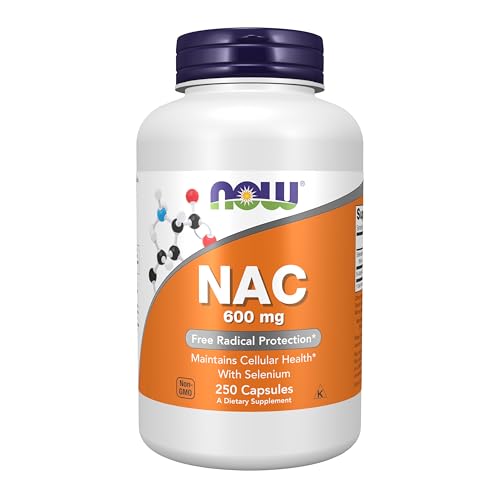
N-acetyl cysteine (NAC) is the precursor to glutathione, your body's master antioxidant. It reduces oxidative stress, supports detoxification pathways, modulates NF-κB inflammatory signaling, and helps restore gut barrier function. Studies show benefits in autoimmune conditions at doses of 600–1,800 mg daily.
What Other Supplements Should You Consider?
- Curcumin (500–1,000 mg with piperine) — Potent NF-κB inhibitor with clinical evidence in RA and IBD
- Probiotics (multi-strain, 50+ billion CFU) — Restore microbiome diversity and support Treg development
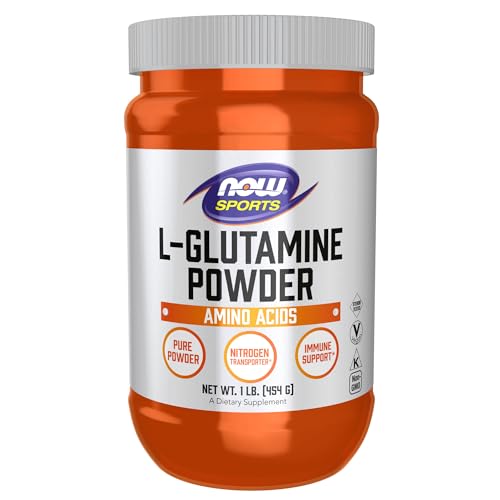
- L-Glutamine (5–10g daily) — Primary fuel source for gut lining cells, supports barrier repair
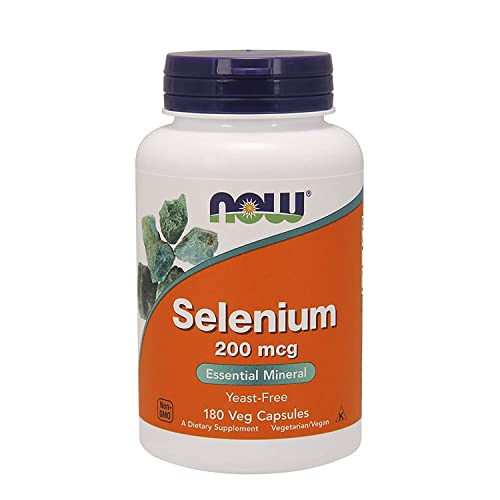
- Selenium (200 mcg daily) — Critical for thyroid function and reducing thyroid autoantibodies in Hashimoto's
- Magnesium glycinate (200–400 mg) — Supports stress response, sleep quality, and reduces inflammation
- Zinc (15–30 mg daily) — Essential for immune cell function and gut barrier integrity

How Do You Start a Natural Autoimmune Disease Management Protocol?
Start with a 12-week phased approach: spend weeks 1–4 on gut healing and dietary changes, weeks 5–8 adding targeted supplements and lifestyle modifications, and weeks 9–12 fine-tuning your protocol based on symptom tracking. This gradual approach prevents overwhelm and helps you identify which interventions make the biggest difference.

Phase 1: Gut Healing Foundation (Weeks 1–4)
- Begin the AIP elimination diet — remove all trigger foods
- Start bone broth daily (1–2 cups) for gut lining support
- Add L-glutamine powder (5g, twice daily)
- Begin a high-quality probiotic
- Remove NSAIDs if possible (they damage gut lining) — consult your doctor first
- Start a food and symptom journal
Phase 2: Targeted Supplementation (Weeks 5–8)
- Add vitamin D3 (2,000–5,000 IU daily with K2) — test levels first
- Start omega-3 fish oil (2–4g EPA/DHA daily)
- Add NAC (600 mg, twice daily)
- Consider curcumin (500 mg with piperine, twice daily)
- Add magnesium glycinate before bed (200–400 mg)
- Begin food reintroductions if on AIP (one food every 5 days)
Phase 3: Lifestyle Optimization (Weeks 9–12)
- Establish a consistent sleep routine (7–9 hours)
- Begin daily stress management (meditation, breathwork, or yoga)
- Add gentle exercise (walking, swimming, tai chi)
- Reduce environmental toxin exposure (filter water, switch to natural cleaning products)
- Review progress with your healthcare provider
- Adjust supplement doses based on lab results
What Should You Do First to Start Managing Your Autoimmune Disease Naturally?
Start today by removing the top inflammatory trigger foods (gluten, dairy, and refined sugar), beginning a food-symptom journal, and scheduling vitamin D and inflammatory marker blood tests with your doctor. These three steps require no supplements, no special equipment, and provide the foundation for every other intervention in this guide.
Week 1 Action Checklist:
- Remove gluten, dairy, and refined sugar from your diet
- Start a food-symptom journal (track meals, energy, pain, digestion)
- Schedule blood work: vitamin D (25-OH), CRP, ESR, ANA, full thyroid panel
- Begin drinking bone broth daily (1–2 cups)
- Establish a consistent bedtime (same time every night)
Week 2–4 Action Checklist:
- Fully transition to AIP elimination protocol
- Start L-glutamine (5g twice daily) and probiotic
- Begin 10-minute daily meditation or deep breathing practice
- Reduce environmental toxins: switch to glass food containers, natural cleaning products
- Start gentle daily movement (20-minute walks)
Month 2–3 Action Checklist:
- Add targeted supplements based on blood work (vitamin D, omega-3, NAC)
- Begin food reintroductions (one food every 5 days)
- Increase exercise to 30–45 minutes, 4–5 days per week
- Follow up with your doctor to review labs and progress
- Consider consulting a functional medicine practitioner for personalized guidance