Here's something that might mess with your head a little: two people born on the exact same day can be aging at completely different rates. One might have the cellular machinery of someone a decade younger, while the other is barreling toward old age way ahead of schedule. Your driver's license says one thing. Your cells tell a different story entirely. [13]
That's where the biological age test comes in. Unlike your chronological age—which just counts birthdays—biological age measures the actual physiological state of your body. And thanks to breakthroughs in epigenetic research, we can now quantify this with remarkable precision using DNA methylation patterns that shift predictably as you age [8].
The science is genuinely fascinating. Epigenetic clocks like GrimAge can predict mortality risk better than almost any other single biomarker. Researchers have identified DNA methylation signatures across hundreds of specific genomic sites that collectively paint a picture of how quickly—or slowly—your body is deteriorating.
But let's pump the brakes on the hype for a second. These tests cost $300–$500. Results vary between different clocks. And the interventions that actually reduce biological age? They're mostly the things your grandmother told you to do anyway: eat well, exercise, sleep enough, manage stress.
This guide walks you through everything you need to know about biological age testing—what the science actually shows, which tests are worth considering, how to make sense of your results, and what you can realistically do about them.
If you're new to longevity science, our complete longevity and anti-aging guide provides the broader context. For related testing, check out our guide on stress and aging.
What Is Biological Age and Why Does It Matter More Than Your Birthday?
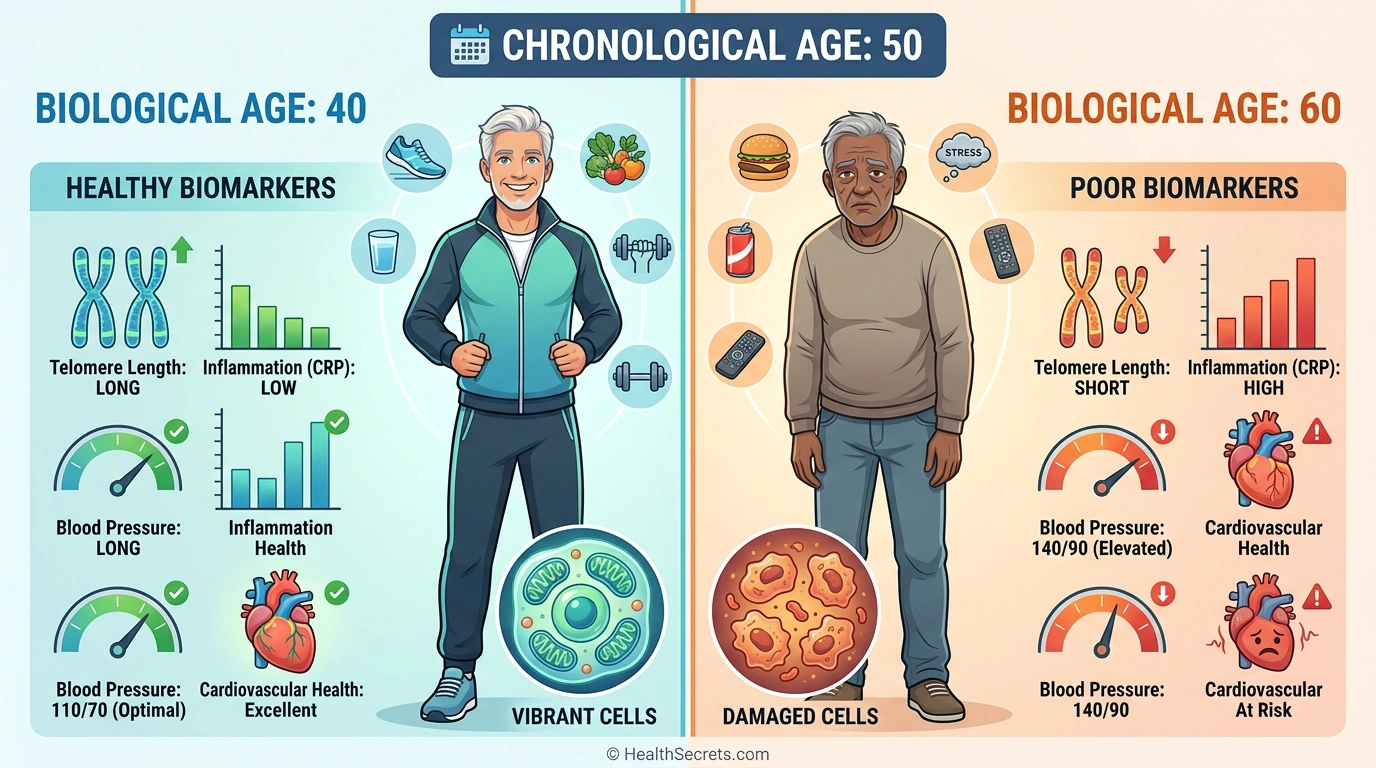
Biological age represents the physiological state of your body—how old your cells, tissues, and organs actually are based on accumulated damage, repair capacity, and molecular markers. Unlike chronological age, which simply counts years since birth, biological age captures how fast or slow you're actually aging and predicts health outcomes far more accurately.
The distinction matters more than most people realize. Chronological age is fixed—it ticks forward one year at a time, no exceptions. Biological age is variable. Two 50-year-olds can have vastly different biological ages depending on genetics, lifestyle, environmental exposures, and disease burden.
What Determines Your Biological Age?
Biological age reflects the cumulative impact of:
- Cellular damage — oxidative stress, DNA mutations, protein misfolding
- Epigenetic changes — DNA methylation patterns that shift with aging
- Telomere shortening — protective chromosome caps that erode with each cell division
- Metabolic health — glucose regulation, lipid profiles, inflammation levels
- Organ function — heart, lungs, kidneys, liver, brain performance
- Immune function — immune system aging (immunosenescence)
- Stem cell exhaustion — declining regenerative capacity
Why Biological Age Predicts Health Better
Research consistently shows biological age outperforms chronological age for predicting mortality, cardiovascular disease, cancer risk, cognitive decline, and frailty. The landmark GrimAge epigenetic clock study demonstrated that DNA methylation-based biological age "strongly predicts lifespan and healthspan" with extraordinary statistical significance for predicting time-to-death, coronary heart disease, and cancer.
The genuinely encouraging part? Biological age is modifiable. Unlike chronological age, you can slow, stabilize, or potentially even reverse biological aging through lifestyle interventions.
How Do Epigenetic Clocks Measure Your Biological Age?
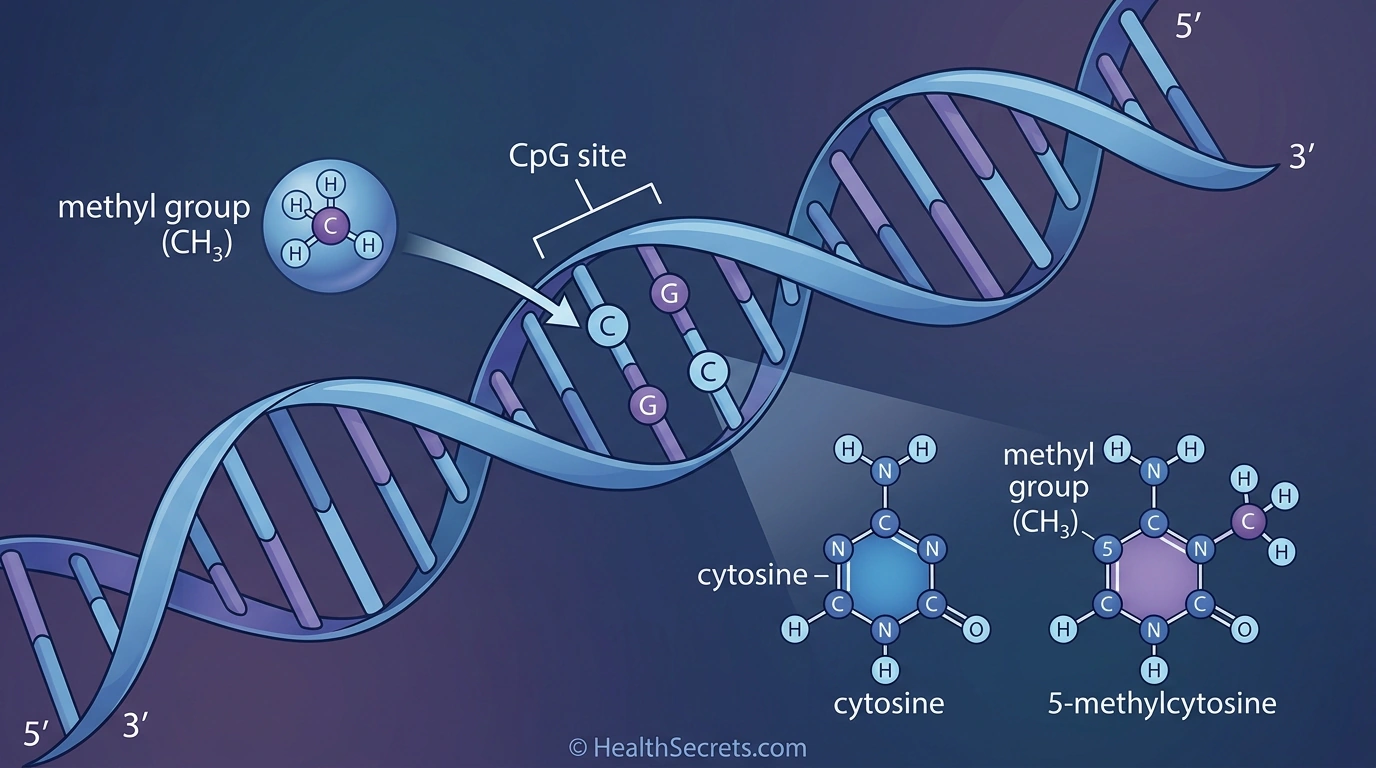
Epigenetic clocks analyze DNA methylation—chemical tags called methyl groups that attach to specific sites on your DNA and change in predictable patterns as you age. Machine learning algorithms trained on thousands of individuals identify these methylation signatures and calculate a biological age estimate that reflects your body's true aging state, not just years lived [18].
As Steve Horvath, the scientist who pioneered the aging clock, explains: methylation changes one of the four letters of DNA—the C (cytosine). These chemical modifications don't alter your genetic code, but they affect how genes are expressed. Think of methylation marks as a biological record of time passing through your cells.
How the Testing Process Works
- Sample collection — blood draw or finger-prick blood spot (some tests use cheek swabs)
- DNA extraction — DNA isolated from your blood cells
- Bisulfite conversion — chemical process that allows methylation measurement
- Methylation analysis — measurement at hundreds of specific CpG sites
- Algorithm calculation — machine learning model calculates your biological age
- Comparison — biological age compared to chronological age
The Major Epigenetic Clocks
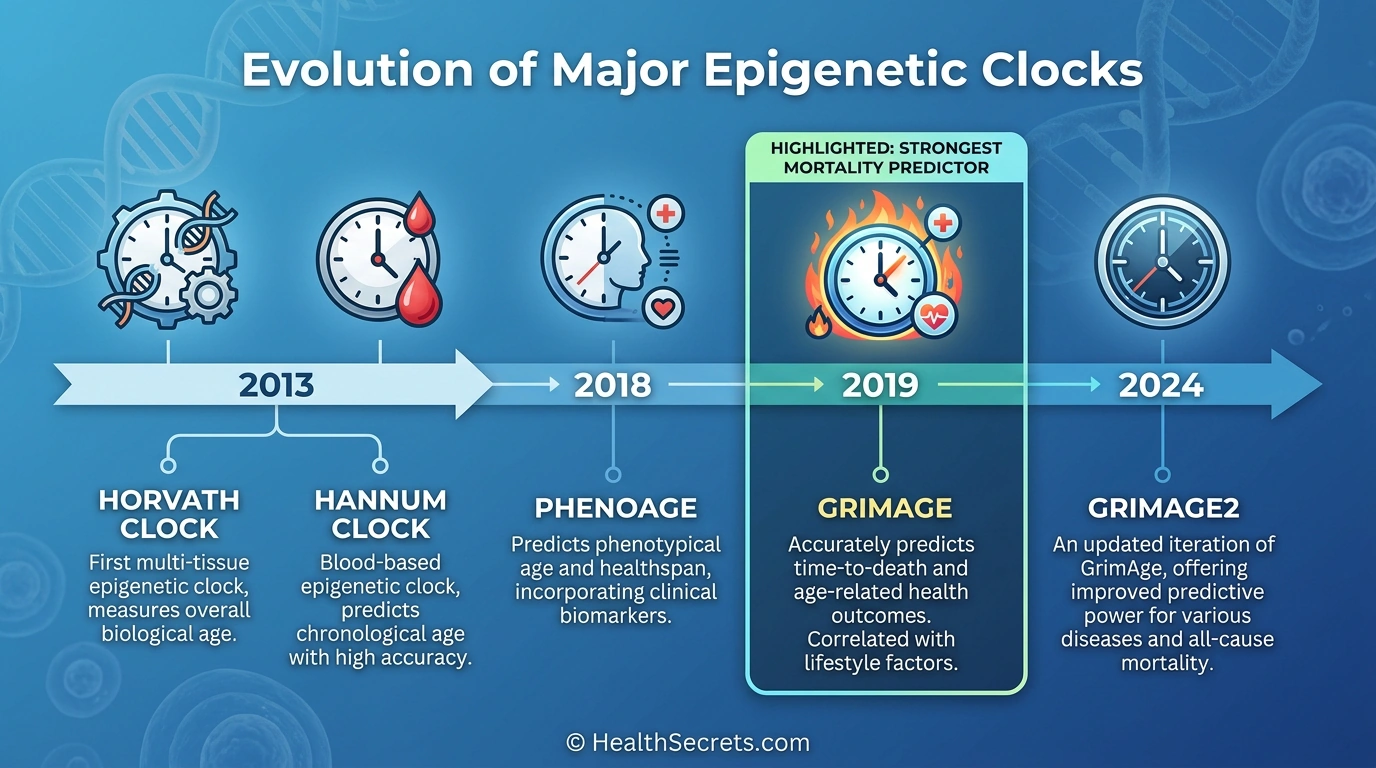
- Horvath Clock (2013): The first multi-tissue epigenetic clock [6]. Works across blood, saliva, and tissue samples. Pioneering work that launched the field.
- Hannum Clock (2013): Blood-based clock developed independently. Slightly different approach, also highly accurate for estimating chronological age.
- PhenoAge (2018): Second-generation clock that incorporates clinical biomarkers. Better at predicting healthspan and mortality than first-generation clocks because it was trained on phenotypic aging markers, not just chronological age.
- GrimAge (2019): Trained specifically to predict mortality. The strongest predictor of death and disease among all epigenetic clocks. Named after the Grim Reaper—appropriately, given its purpose. Research shows GrimAge "stands out among existing epigenetic clocks in its predictive ability for time-to-death" with associations to coronary heart disease, cancer, fatty liver disease, and comorbidity count.
- GrimAge2 (2024): The improved version that leverages additional DNA methylation-based estimators including high-sensitivity C-reactive protein and hemoglobin A1C [1] [2]. A 2024 study in Aging demonstrated that "GrimAge2 outperforms GrimAge in predicting mortality across multiple racial/ethnic groups."
- DunedinPACE: Unlike other clocks that estimate a static biological age, DunedinPACE measures the pace of aging—how fast you're aging per calendar year. A score of 1.0 means average pace. Below 1.0 means you're aging slower than average.
Which Clock Is Best?
For practical longevity purposes, GrimAge (and now GrimAge2) is most clinically relevant because it directly predicts mortality and disease risk [7]. A 2026 systematic review in The Lancet Healthy Longevity confirmed that "GrimAge consistently exhibits a positive association with frailty" and higher baseline GrimAge acceleration predicts increases in frailty over time [3]. DunedinPACE complements this by measuring your current rate of aging.

The Preventive Screening Timeline
USPSTF screening ages and intervals for average-risk adults in one age-ordered table, the questions that move you out of average risk, and a personal due-date tracker.
What Are the Key Benefits of Knowing Your Biological Age?
Knowing your biological age provides a quantifiable measure of how fast you're aging, enables tracking of intervention effectiveness, and can serve as a powerful motivator for lifestyle changes. While no test can predict your individual lifespan, biological age testing offers a validated window into your overall aging trajectory that chronological age alone cannot provide.
Can Biological Age Testing Predict Your Health Risks?
Epigenetic age acceleration—when your biological age exceeds your chronological age—correlates with increased risk of all-cause mortality, cardiovascular disease, cancer, type 2 diabetes, and cognitive decline. GrimAge acceleration is associated with comorbidity count, fatty liver disease, and reduced lung function. The research base here is substantial, with studies involving thousands of participants showing consistent associations.
However, these are population-level predictions, not individual forecasts. A biological age 5 years older than your chronological age doesn't mean you'll die 5 years sooner—it means you have a statistically higher risk profile.
Can You Track Whether Anti-Aging Interventions Work?
This is where biological age testing gets genuinely useful. Rather than guessing whether your new diet, exercise routine, or supplement regimen is affecting your aging rate, you can measure it. The CALERIE trial—the first randomized controlled trial of caloric restriction in healthy adults—used DunedinPACE to demonstrate that moderate calorie reduction actually slowed the pace of biological aging.
Retesting every 6–12 months creates a longitudinal picture of your aging trajectory. The trend matters more than any single measurement.
Does Testing Motivate Behavior Change?
Something about seeing a concrete number changes how people relate to their health. Knowing you're biologically 5 years older than your chronological age hits differently than a vague recommendation to "eat better and exercise more." For many people, the data provides the motivation that general advice does not.
That said, some people experience anxiety from unfavorable results. Testing should motivate, not demoralize.
Are There Risks or Limitations to Biological Age Testing?
Biological age testing has significant practical limitations including high cost ($300–$500 per test), variability between different clocks, test-to-test fluctuations, and the fundamental reality that lifestyle interventions work whether you test or not [15]. These aren't diagnostic tools, and results should be interpreted cautiously within the context of overall health.
Cost and Accessibility
Epigenetic tests run $299–$499 per test. Frequent retesting (every 6–12 months) adds up quickly. This makes biological age testing a luxury rather than a necessity—inaccessible to most people who could benefit from the underlying lifestyle recommendations.
Variability Between Clocks
Different clocks give different ages. Horvath might say you're biologically 45, GrimAge might say 50, PhenoAge 48. They measure different aspects of aging using different algorithms. There's no single "true" biological age—each clock captures a different dimension of the aging process.
Test-to-Retest Fluctuations
Results can fluctuate 2–5 years between tests even without meaningful lifestyle changes. Recent illness, stress, poor sleep, or timing of the blood draw can all influence results. This noise makes it difficult to distinguish real changes from random variation, especially over short intervals.
Not Diagnostic Tools
Biological age tests don't diagnose specific diseases. They show a general aging rate, not what's specifically wrong. They're not FDA-approved diagnostics and shouldn't replace standard medical screening.
The Anxiety Factor
A biological age significantly older than expected can be genuinely distressing. Some people become obsessed with optimizing their number. The healthiest approach treats testing as informational, not definitive.
A Critical Perspective
A 2026 paper in npj Aging (Nature) raised important questions about whether aging clocks provide actionable advantages over established clinical risk scores and direct outcome predictors. The authors highlighted "abstract definitions, inconsistent clinical validation, and ignored prediction uncertainty." This is a legitimate critique worth considering.
How Do You Choose and Use a Biological Age Test?
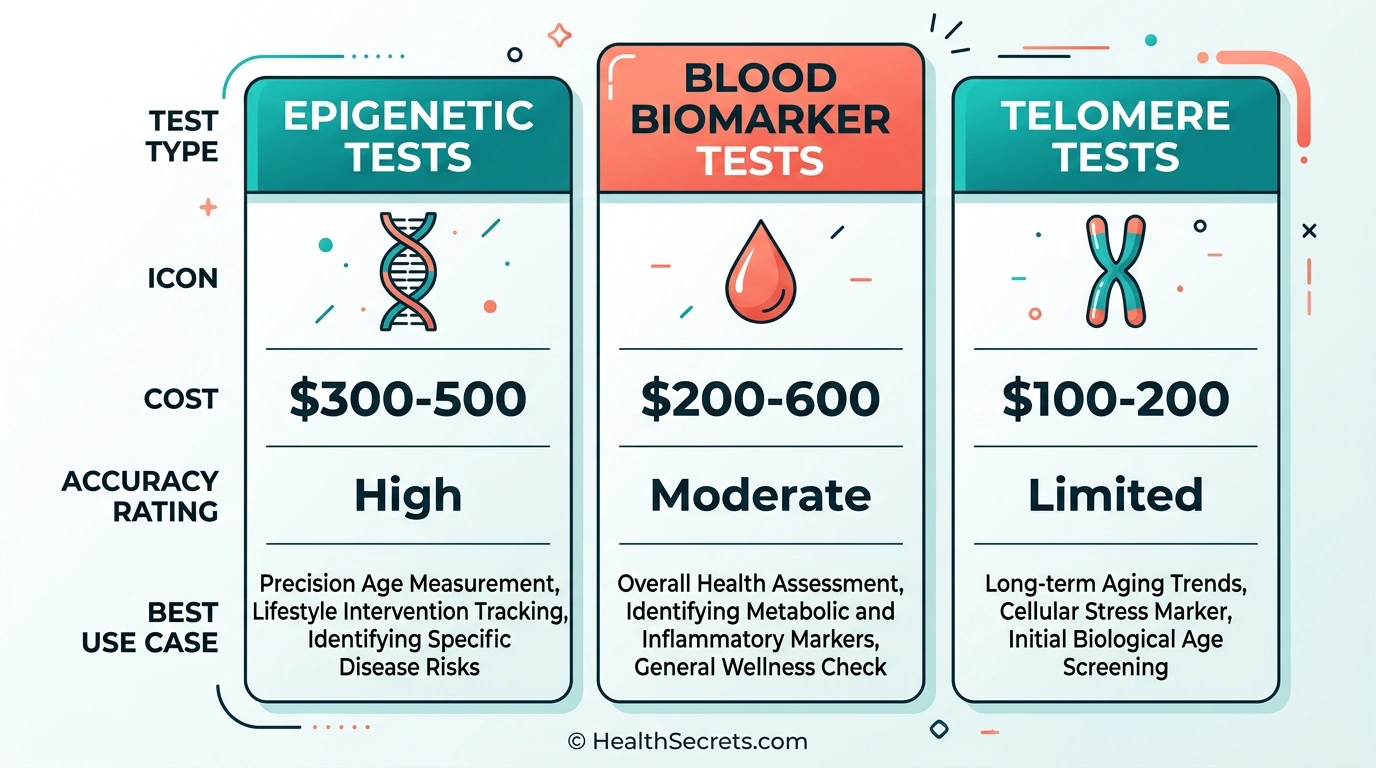
Start by deciding what you want to measure and how much you're willing to spend. Epigenetic tests (TruDiagnostic, myDNAge) provide the most scientifically validated biological age measurement, while blood biomarker services (InsideTracker) offer cheaper but less precise alternatives. For most people interested in longevity tracking, one epigenetic test as a baseline followed by annual retesting provides the best balance of value and information.
Epigenetic Tests (Most Accurate)
- TruDiagnostic (TruAge): The most comprehensive option. Includes multiple clocks—Horvath, PhenoAge, GrimAge, DunedinPACE—plus immune cell ratios, weight loss response prediction, and downloadable raw data. At-home blood spot collection. Cost: ~$499. Website: trudiagnostic.com
- myDNAge: Uses the Horvath epigenetic aging clock with next-generation sequencing analyzing over 2,000 biomarkers. Available via blood or urine sample. Results in 4–6 weeks. Cost: ~$299. Website: mydnage.com
- Clock Foundation GrimAge Test: Focused specifically on the GrimAge clock—the strongest mortality predictor. At-home collection kit with option for home phlebotomist. Cost: ~$325. Website: clockfoundation.org
Blood Biomarker Tests (More Affordable)
InsideTracker: Analyzes blood biomarkers (inflammation, metabolic health, hormones) and provides a biological age estimate with personalized recommendations. Cost: $200–$600 depending on panel.
Website: insidetracker.com
Standard Blood Work + PhenoAge Calculator: Comprehensive metabolic panel, lipid panel, CBC, CRP, HbA1c from any lab. Use an online PhenoAge calculator to estimate phenotypic age. Cost: $50–$150 (often covered by insurance). The cheapest approach.
Telomere Tests (Limited Utility)
TeloYears and RepeatDx measure telomere length—protective caps on chromosomes that shorten with each cell division. Cost: $100–$200. However, telomere testing has high variability, is heavily influenced by genetics, and is less predictive of mortality than epigenetic clocks. Most longevity researchers now consider telomere testing less useful than epigenetic testing.
How to Interpret Your Results
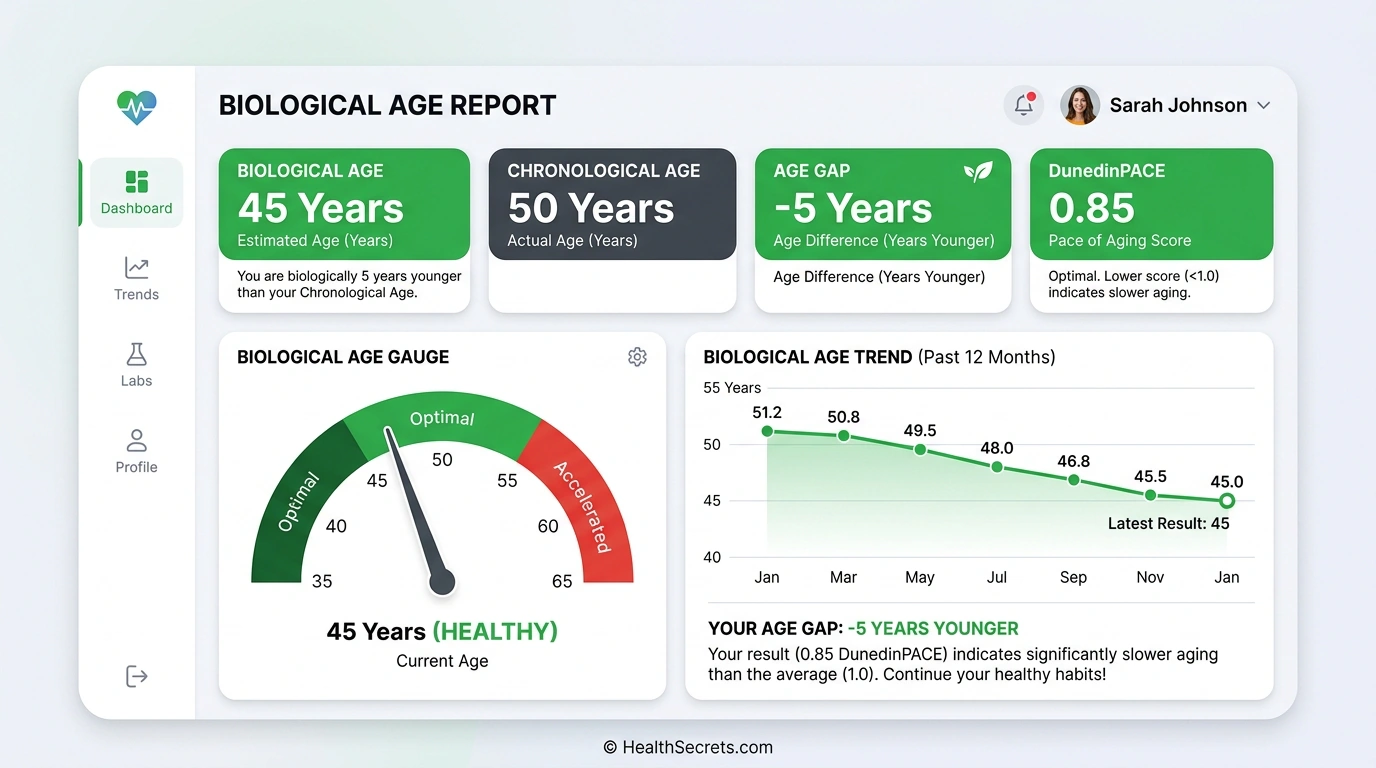
- Age gap: Biological age minus chronological age. Negative = aging slower. Positive = aging faster.
- DunedinPACE: Below 1.0 = aging slower than average. Above 1.0 = aging faster.
- Focus on GrimAge if multiple clocks are available—it's the strongest mortality predictor.
- Don't panic over a single test. Focus on trends over 6–12 months.
- Variability is normal. Recent illness, stress, and sleep quality all affect results.
Retesting Schedule
- Baseline test — establish starting point
- 6–12 months later — assess impact of interventions
- Annually thereafter — track long-term trajectory
- Don't test more frequently — short-term fluctuations obscure real changes
What Diet and Lifestyle Changes Actually Reduce Biological Age?
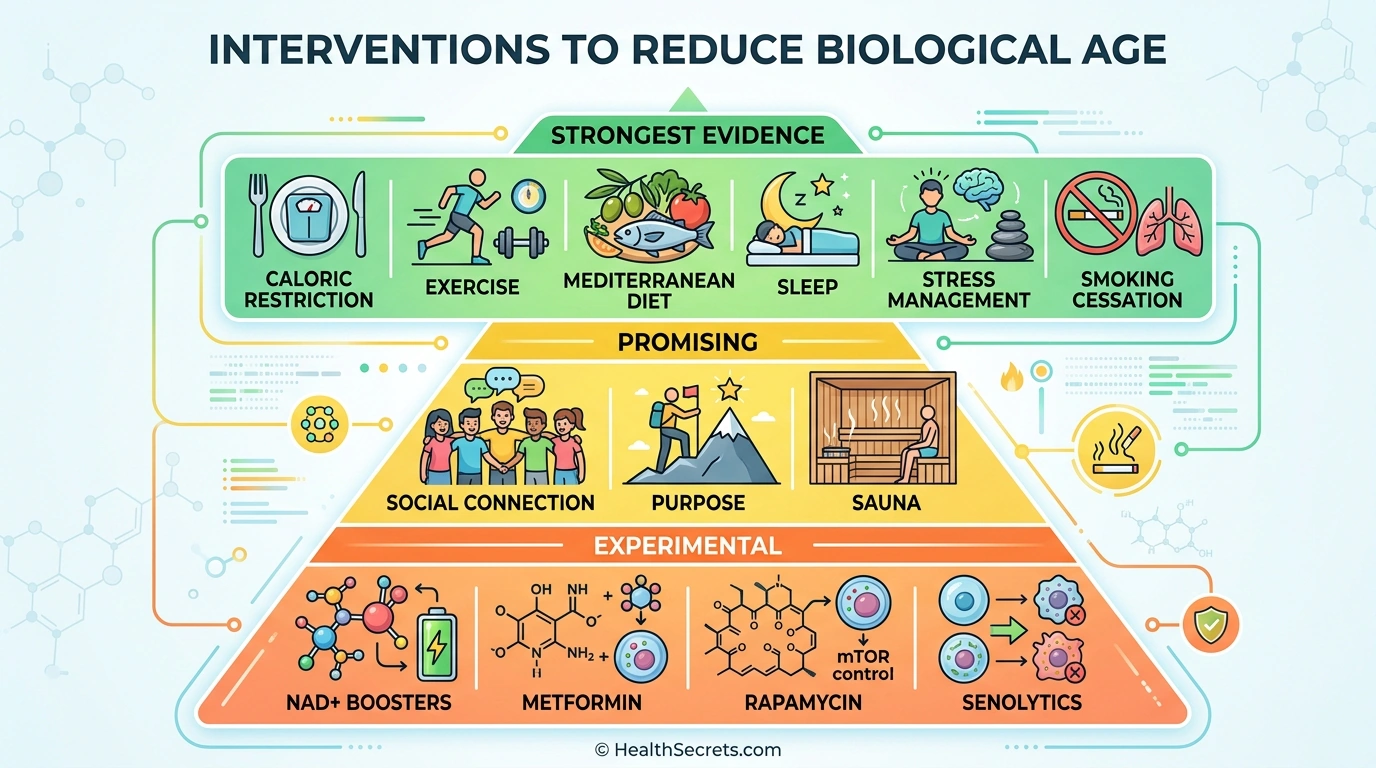
The strongest evidence supports caloric restriction, regular exercise (both aerobic and resistance training), Mediterranean-style diets, adequate sleep (7–9 hours), and chronic stress management as the most effective interventions for slowing biological aging. These lifestyle factors account for an estimated 70–80% of biological age variation, dwarfing the influence of genetics (20–30%).
Tier 1: Strongest Evidence
The CALERIE trial—published in Nature Aging (2023)—is the gold standard here. This randomized controlled trial demonstrated that 25% caloric restriction over two years "slowed the pace of aging, as measured by the DunedinPACE DNAm algorithm" in healthy adults. The effect sizes were modest but meaningful at the population level.
Intermittent fasting and time-restricted eating may offer similar benefits with better long-term adherence. A 2026 study in Nutrients showed that a very low-calorie ketogenic diet decelerated obesity-related epigenetic aging, with significant correlations between ketone body levels and reductions in epigenetic age acceleration [16].
Both aerobic and resistance training slow epigenetic aging. A 2026 study published in PMC found that "both sustained and recent physical activity were significant independent predictors of slower epigenetic aging." One study found sedentary middle-aged women reduced their epigenetic age by two years after just eight weeks of combined aerobic and strength training [12].
Recommendation: 150–300 minutes moderate aerobic activity per week plus 2–3 strength training sessions.
Rich in vegetables, fruits, whole grains, fish, olive oil, and nuts. Associated with slower epigenetic aging, longer telomeres, reduced inflammation, and improved metabolic markers across multiple large studies.
7–9 hours per night with consistent timing. Poor sleep accelerates biological aging. Sleep disorders—especially sleep apnea—dramatically accelerate aging markers.
Chronic stress accelerates both epigenetic aging and telomere shortening. Meditation, mindfulness, and cognitive behavioral therapy show evidence of reducing epigenetic age acceleration. A pilot randomized clinical trial published in Aging demonstrated potential reversal of epigenetic age using a combined diet and lifestyle intervention that included stress management practices [5].
Smoking is one of the strongest accelerators of biological aging across every measure. Quitting partially reverses the damage.
Tier 2: Promising Evidence
- Social connection — strong relationships correlate with slower aging; loneliness accelerates it
- Purpose and meaning — sense of purpose (ikigai) associated with slower aging and reduced mortality
- Regular sauna use — 4–7 times weekly associated with reduced all-cause mortality in Finnish studies
- Cold exposure — potential hormetic benefits, but limited human data on biological age specifically
Tier 3: Experimental (Limited Human Evidence)
- NAD+ boosters (NR, NMN) — boost NAD+ levels and activate sirtuins in animals; human biological age data unclear
- Metformin — diabetes drug with potential anti-aging effects; TAME trial ongoing
- Rapamycin — mTOR inhibitor extending lifespan in animals; human use experimental and off-label
- Senolytics (dasatinib + quercetin, fisetin) — clear senescent cells in animal models; human trials very limited
The bottom line: lifestyle interventions are the most validated, accessible, and cost-effective way to slow biological aging. Supplements and drugs remain experimental.
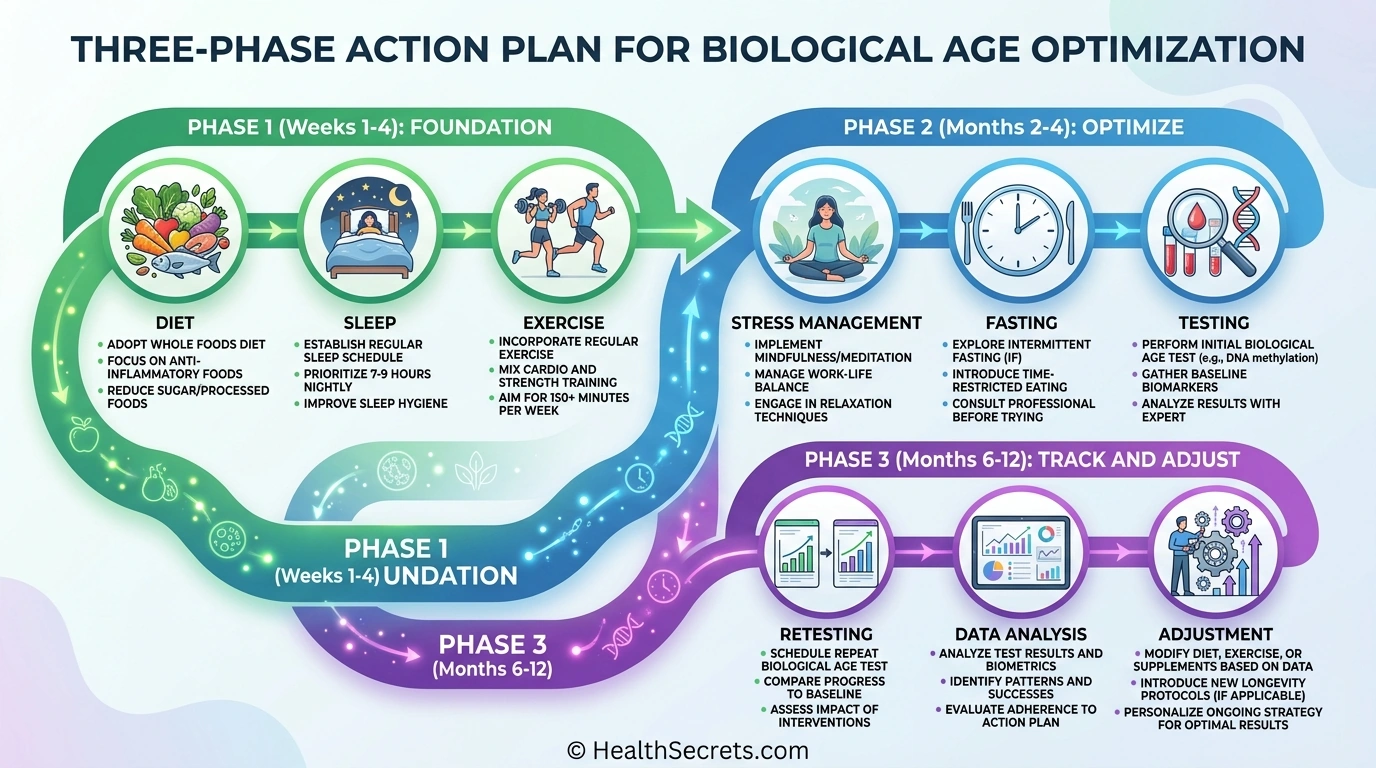
Action Plan
What Should You Do First to Understand and Improve Your Biological Age?
Follow the sequence below, work through each phase in order, and use the checklist as your practical implementation guide.
Start with lifestyle fundamentals—diet, exercise, sleep, and stress management—before investing in testing. These interventions reduce biological age regardless of whether you measure it. If you choose to test, establish a baseline with one comprehensive epigenetic test, implement changes for 6–12 months, then retest to track your trajectory.
Phase 1: Foundation (Weeks 1–4)
- Evaluate current lifestyle: diet quality, exercise frequency, sleep duration, stress levels
- Begin Mediterranean-style eating pattern (vegetables, fruits, whole grains, fish, olive oil)
- Establish consistent sleep schedule targeting 7–9 hours
- Start exercise routine: 150 minutes moderate aerobic activity + 2 strength sessions per week
- Consider a comprehensive blood panel through your regular doctor
Phase 2: Optimize (Months 2–4)
- Add stress management practice (meditation, breathwork, or therapy)
- Consider time-restricted eating (16:8 or 14:10 fasting window)
- Optimize sleep environment and address any sleep disorders
- If interested in testing, order a baseline epigenetic test (TruDiagnostic or myDNAge)
- Review test results with a healthcare provider who understands longevity medicine
Phase 3: Track and Adjust (Months 6–12)
- Maintain lifestyle interventions consistently
- Retest biological age at 6–12 months to assess trajectory
- Focus on DunedinPACE (pace of aging) and GrimAge for tracking
- Adjust interventions based on results and how you feel
- Consider annual retesting to monitor long-term trends